
How Do You Learn Best?
Learn by Reading
Immerse yourself in the 10-minute visual lesson for a comprehensive understanding of the topic.
Learn by Reviewing
Jump directly to the key facts, timeline, and vocabulary lists to build a solid foundation of details.
Learn by Doing
Challenge yourself! Jump straight into the interactive games to learn by trial, error, and discovery.
British Raj in 10 Minutes
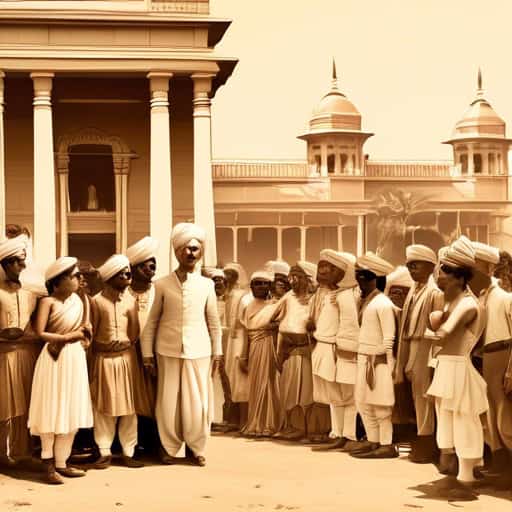
Introduction
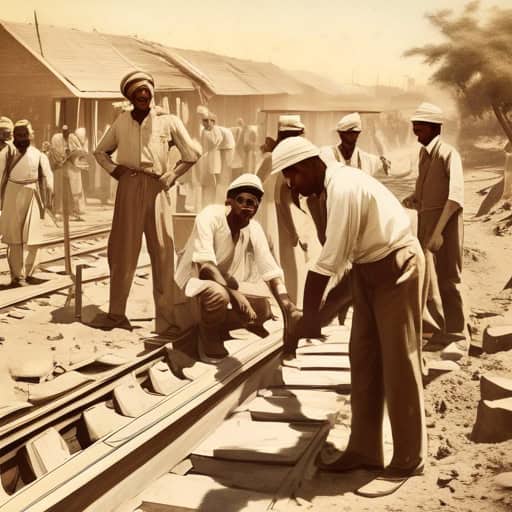
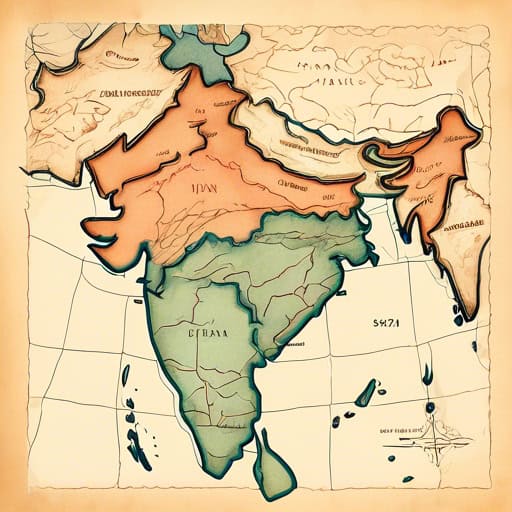
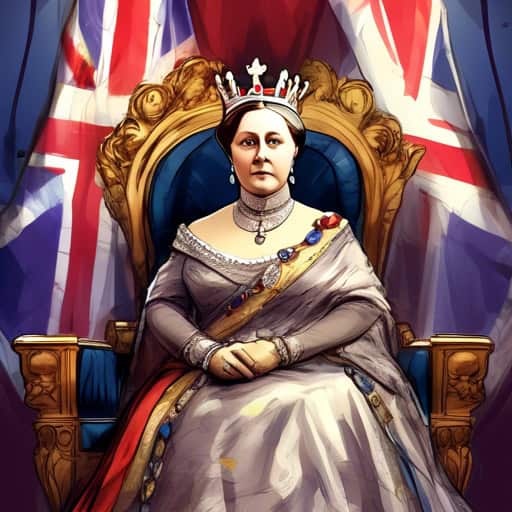
Queen Victoria
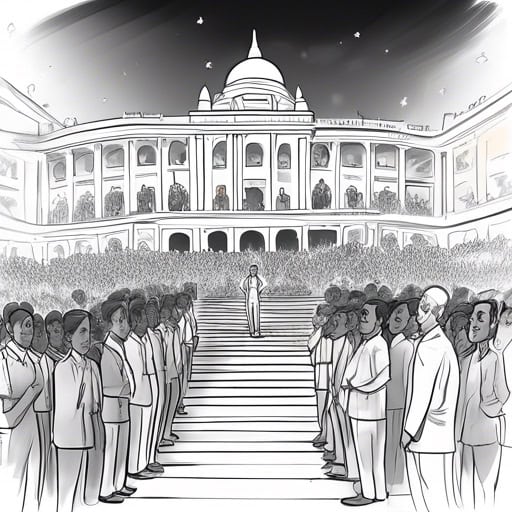
Lord Mountbatten
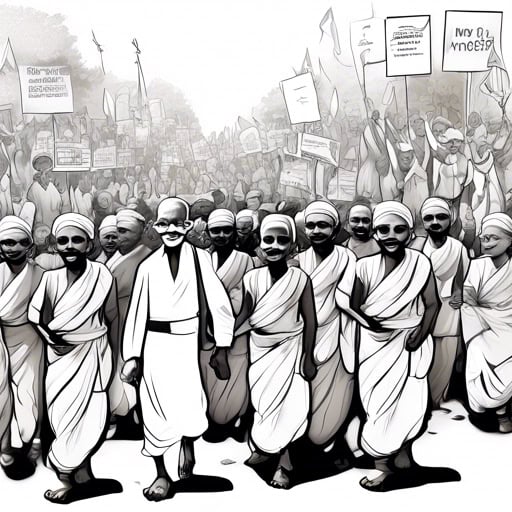
Mahatma Gandhi
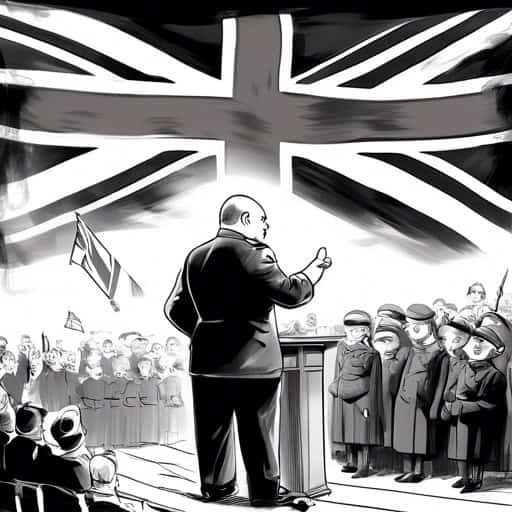
Winston Churchill

Jawaharlal Nehru
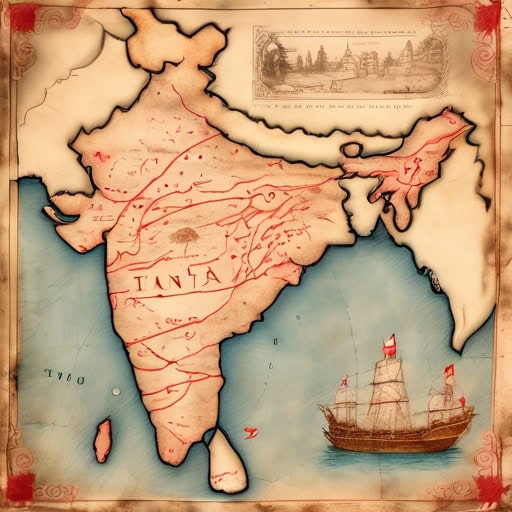
The British Raj: A Brief Overview
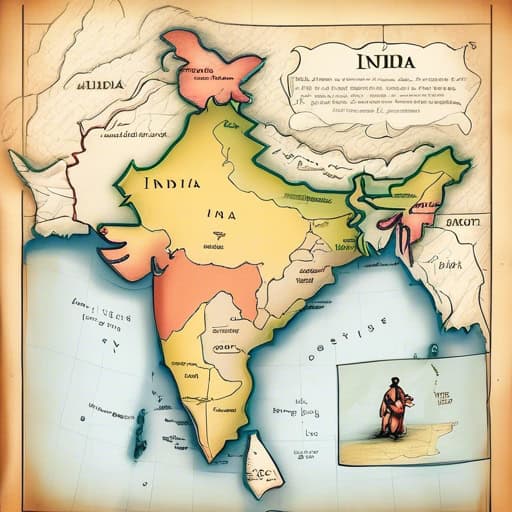
Colonization and Expansion
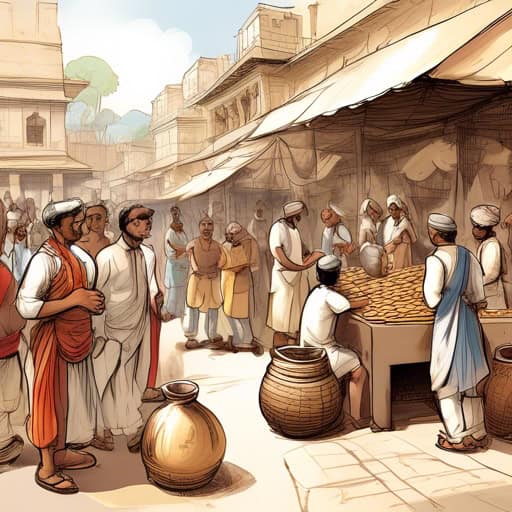
Impact on Indian Society
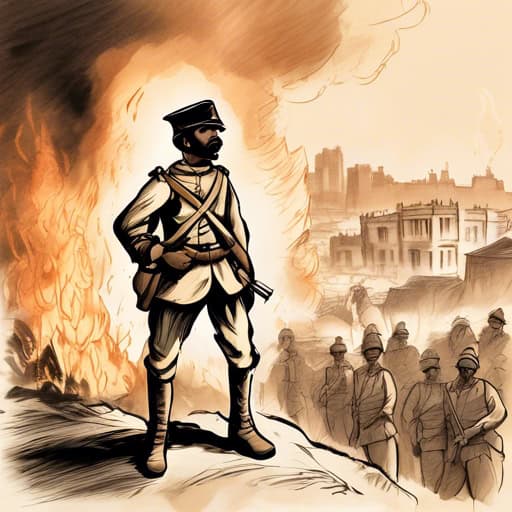
Resistance and Rebellion
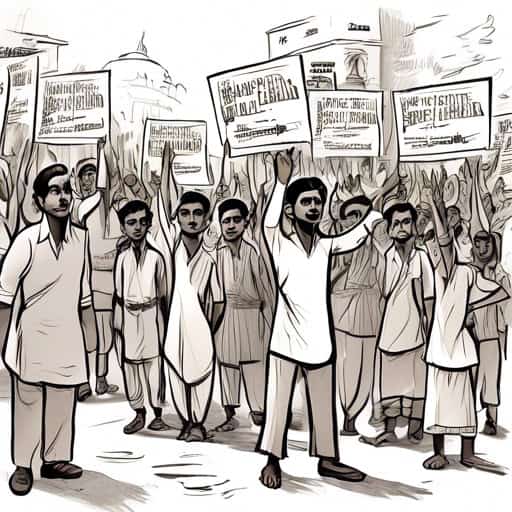
Partition of Bengal
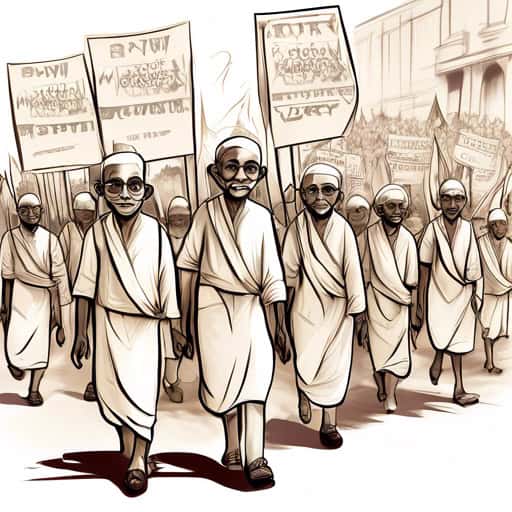
Indian Independence Movement
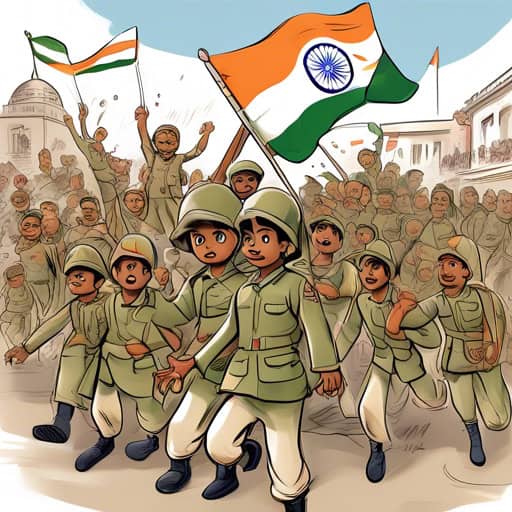
World War II and Independence
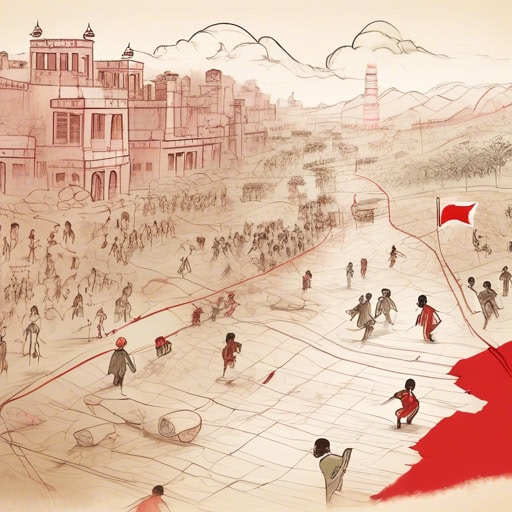
Partition and Independence
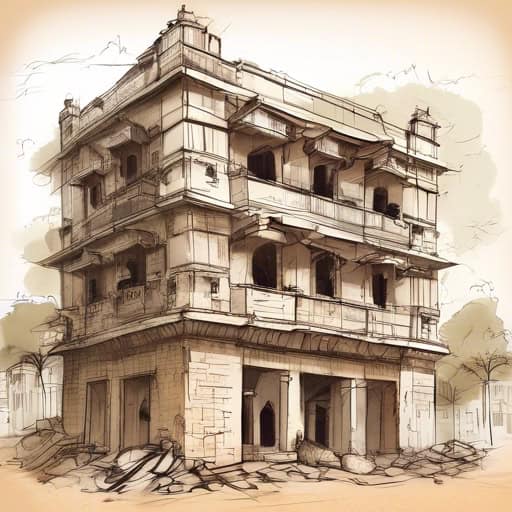
Legacy of the British Raj
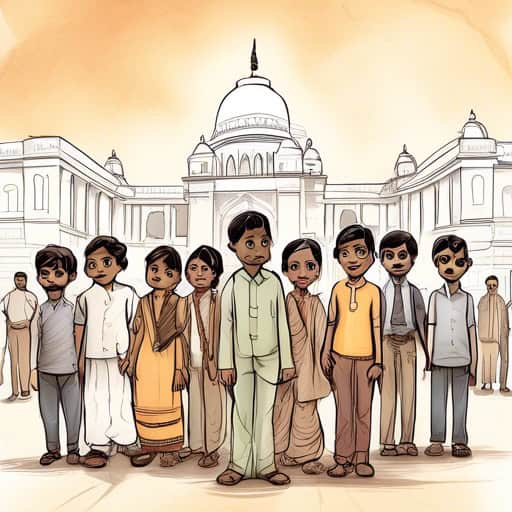
Post-Independence Challenges
In a Nutshell
- Capital: Delhi
- Population: Approx. 300 million (1947)
- Official Language: English, Hindustani
- Currency: Indian Rupee (INR)
Breaking Down the Country
No composition analysis points available.
Timeline of British Raj
Battle of Plassey, which established British rule in Bengal
Battle of Buxar, which solidified British control over India
Regulating Act passed by British Parliament to regulate East India Company's activities in India
Warren Hastings becomes the first Governor-General of India
Permanent Settlement Act passed in Bengal, establishing a land revenue system
Charter Act passed, giving British Crown more control over East India Company
First Anglo-Afghan War begins
Indian Rebellion of 1857, also known as the Sepoy Mutiny
Government of India Act passed, transferring control of India from East India Company to British Crown
Queen Victoria proclaimed Empress of India
Partition of Bengal by Lord Curzon
Formation of Indian National Congress
Formation of Muslim League
Jallianwala Bagh massacre in Amritsar
Government of India Act passed, introducing dyarchy in provinces
Montagu-Chelmsford Reforms introduced, granting limited self-government to India
Gandhi launches Non-Cooperation Movement
Simon Commission arrives in India to discuss constitutional reform
Civil Disobedience Movement launched by Gandhi
Government of India Act passed, providing for provincial autonomy
Vocabulary List
- Colonialism
- The British Raj in India was a form of colonialism, with Britain exerting political and economic control over the subcontinent.
- Imperialism
- The British Empire's expansion into India was driven by a desire for imperialism, to increase British power and influence in the region.
- Sepoy
- Sepoys were Indian soldiers who served in the British Indian Army during the British Raj.
- Viceroy
- The Viceroy of India was the British official who governed the country on behalf of the monarch during the British Raj period.
- Partition
- The partition of India in 1947 led to the creation of the independent nations of India and Pakistan, marking the end of the British Raj.
Key Facts
This is the information used in the fact matching game
- The British Raj refers to British rule in the Indian subcontinent between 1858 and 1947.
- The British East India Company played a significant role in establishing British control in India before the British Raj.
- The British Raj was characterized by economic exploitation, social discrimination, and political oppression.
- The Indian Rebellion of 1857, also known as the Sepoy Mutiny, was a major uprising against British rule in India.
- The British Raj implemented a system of divide and rule to maintain control over the diverse population of India.
- The British Raj introduced English education in India, which had a lasting impact on Indian society.
- The Indian National Congress, founded in 1885, played a key role in the Indian independence movement against the British Raj.
- The partition of Bengal in 1905 by the British Raj sparked widespread protests and heightened nationalist sentiments in India.
- Mahatma Gandhi emerged as a prominent leader in the Indian independence movement during the British Raj.
- The Salt March of 1930, led by Mahatma Gandhi, was a significant act of civil disobedience against the British Raj.
- The Government of India Act of 1935 introduced limited self-government in British India under the British Raj.
- World War II had a significant impact on the British Raj, leading to economic hardships and increased demands for independence.
- The Quit India Movement of 1942, led by the Indian National Congress, called for the immediate end of British rule in India.
- The British Raj officially ended on August 15, 1947, when India gained independence.
- The partition of India in 1947 resulted in widespread violence and the displacement of millions of people.
- The legacy of the British Raj continues to impact modern India, including issues of governance, economic development, and social divisions.
- Many aspects of British colonial rule, including the railways, legal system, and administrative structures, were retained in independent India.
- The British Raj had a profound influence on Indian culture, language, and politics, shaping the identity of modern India.
- The British Raj controlled a vast territory in South Asia, including present-day India, Pakistan, Bangladesh, and Myanmar.
- The British Raj was marked by a complex interplay of collaboration and resistance from various Indian communities and political groups.
Why It Matters
Geopolitical Significance
The British Raj, as the British colonial rule in India was known, was the largest and most significant British colony. It held strategic importance as a key link between the British Empire in the East and the West. Control over India gave the British access to valuable resources and a vast market for trade.
Historical Importance
The British Raj marked a crucial period in Indian history, shaping the country’s political, social, and economic landscape. It led to significant cultural exchanges, administrative reforms, and the spread of education and modern infrastructure. The legacy of British rule continues to influence India’s development and identity.
Modern-Day Role
Although the British Raj officially ended in 1947 with India’s independence, its impact is still felt today. The partition of India and Pakistan, the legacy of British colonial policies, and the socio-economic disparities left behind continue to shape modern South Asia. Understanding this history is essential for comprehending the region’s complexities.
British Raj Games


Take Your Learning Offline
Want a convenient, print-ready study guide for this lesson? Become a Memory Wizards Pro member to unlock the downloadable " Memory Scrolls" for this topic and our entire library!
- ✓ Complete Vocabulary Lists
- ✓ Key Facts & Timelines
- ✓ Beautifully Formatted for Print & Mobile