
The Mind-body Problem
Where does the mind end and the body begin?
How Do You Learn Best?
Learn by Reading
Immerse yourself in the 10-minute visual lesson for a comprehensive understanding of the topic.
Learn by Reviewing
Jump directly to the key facts, timeline, and vocabulary lists to build a solid foundation of details.
Learn by Doing
Challenge yourself! Jump straight into the interactive games to learn by trial, error, and discovery.
The Mind-body Problem in 10 Minutes
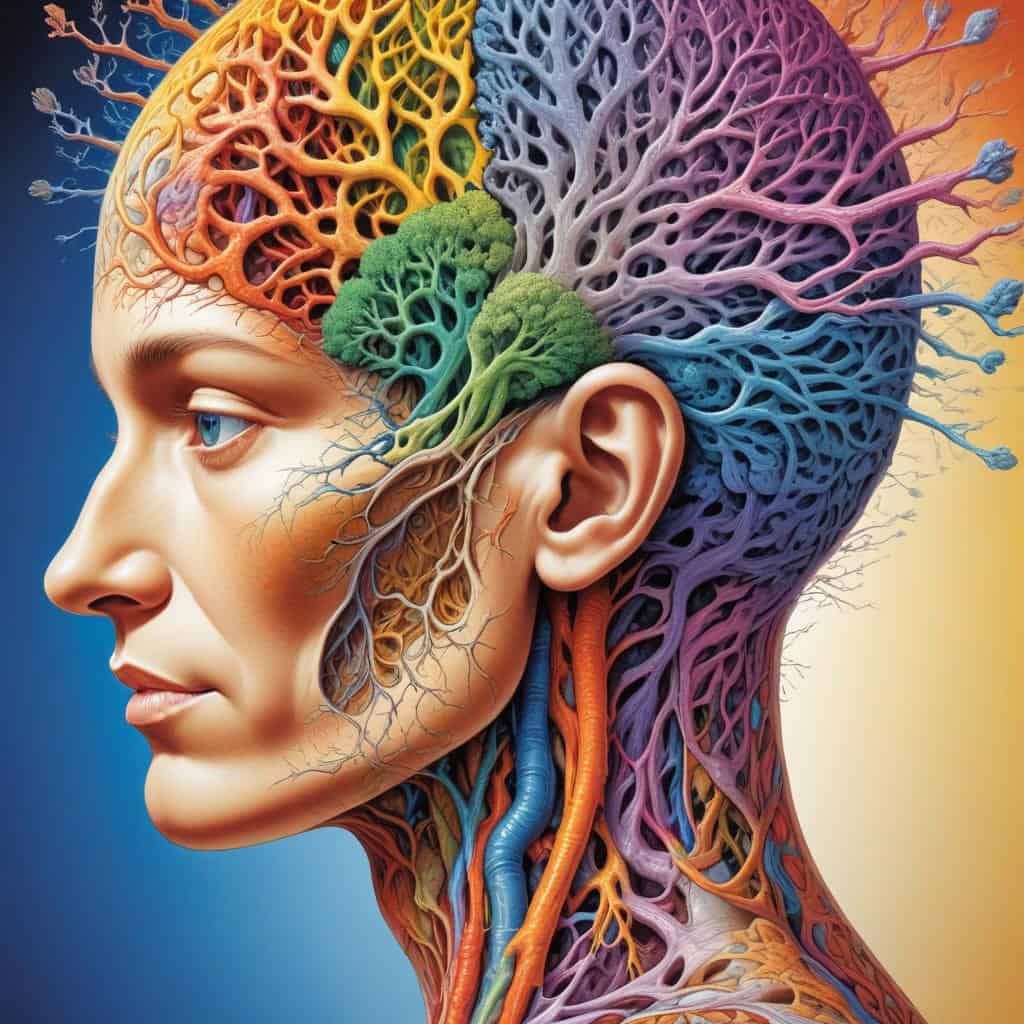
Introduction
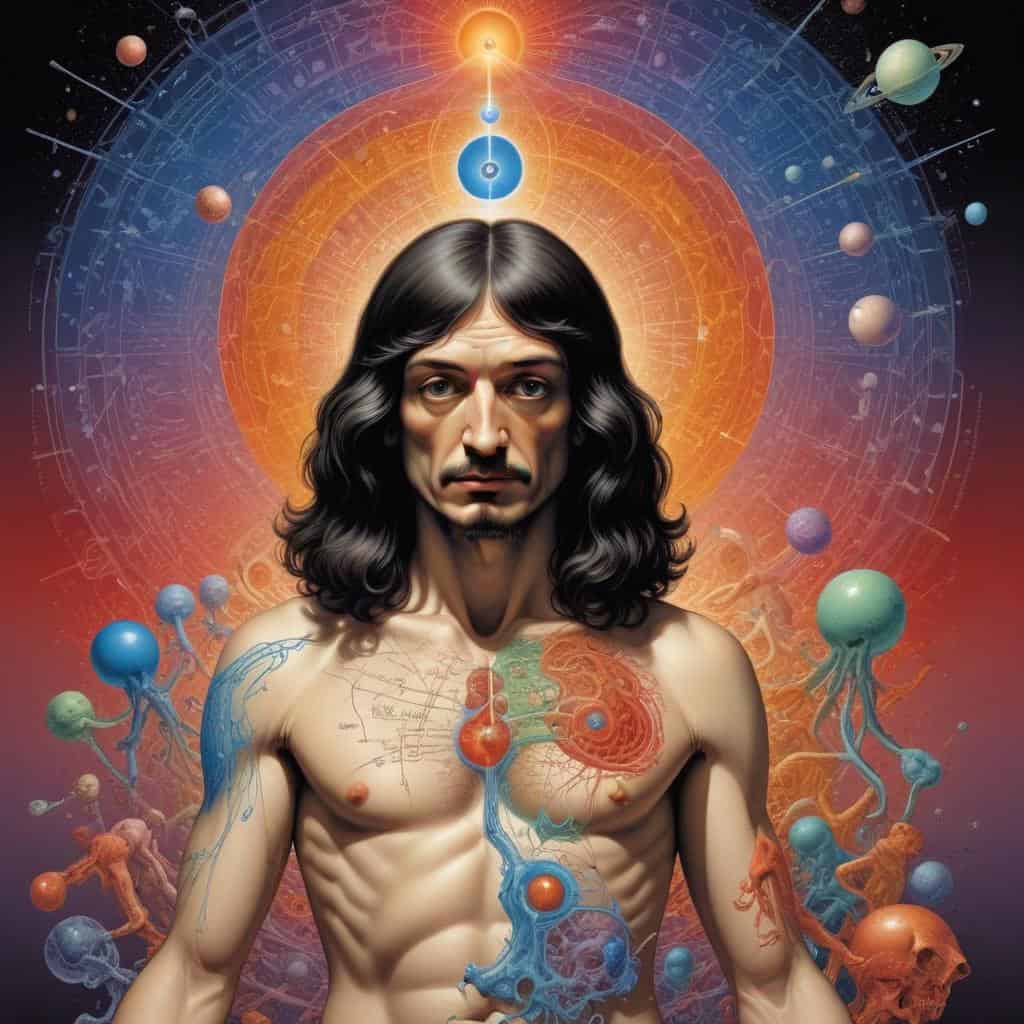
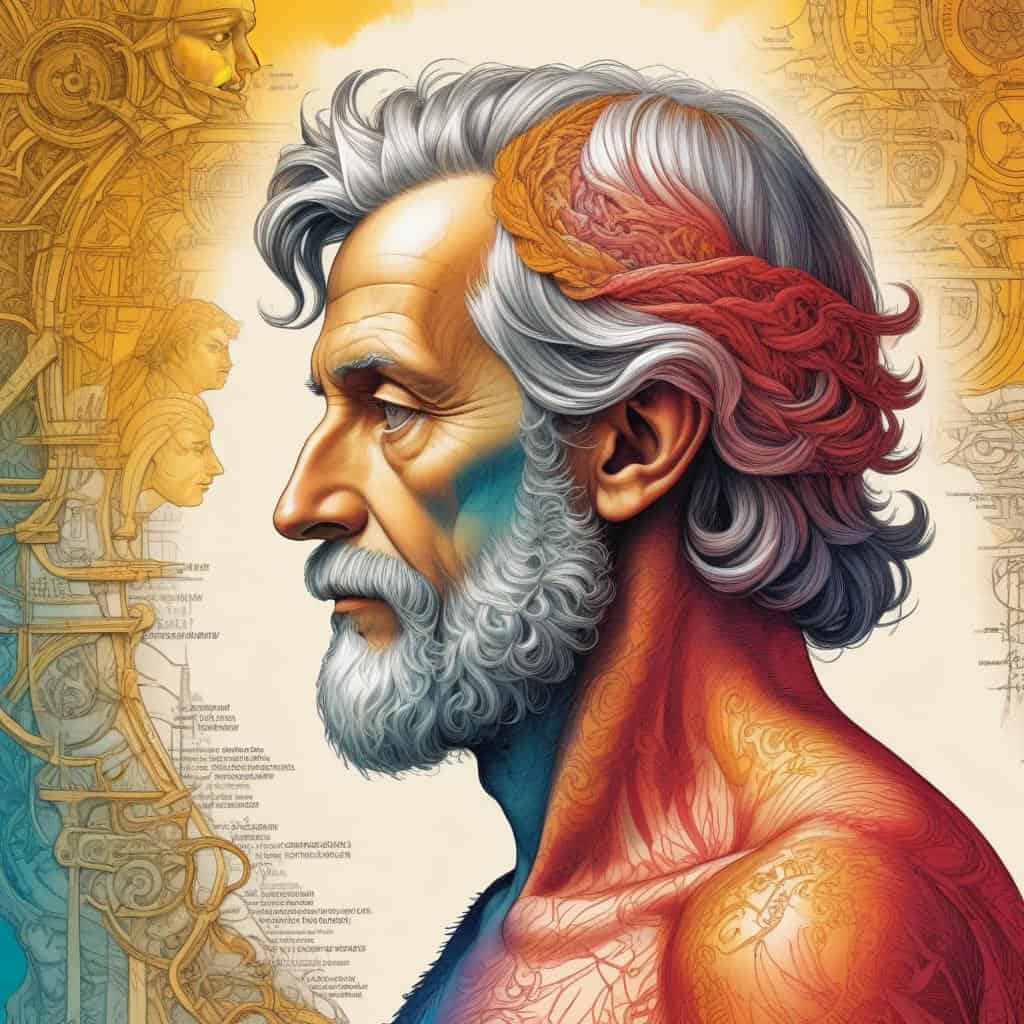

René Descartes

Thomas Hobbes
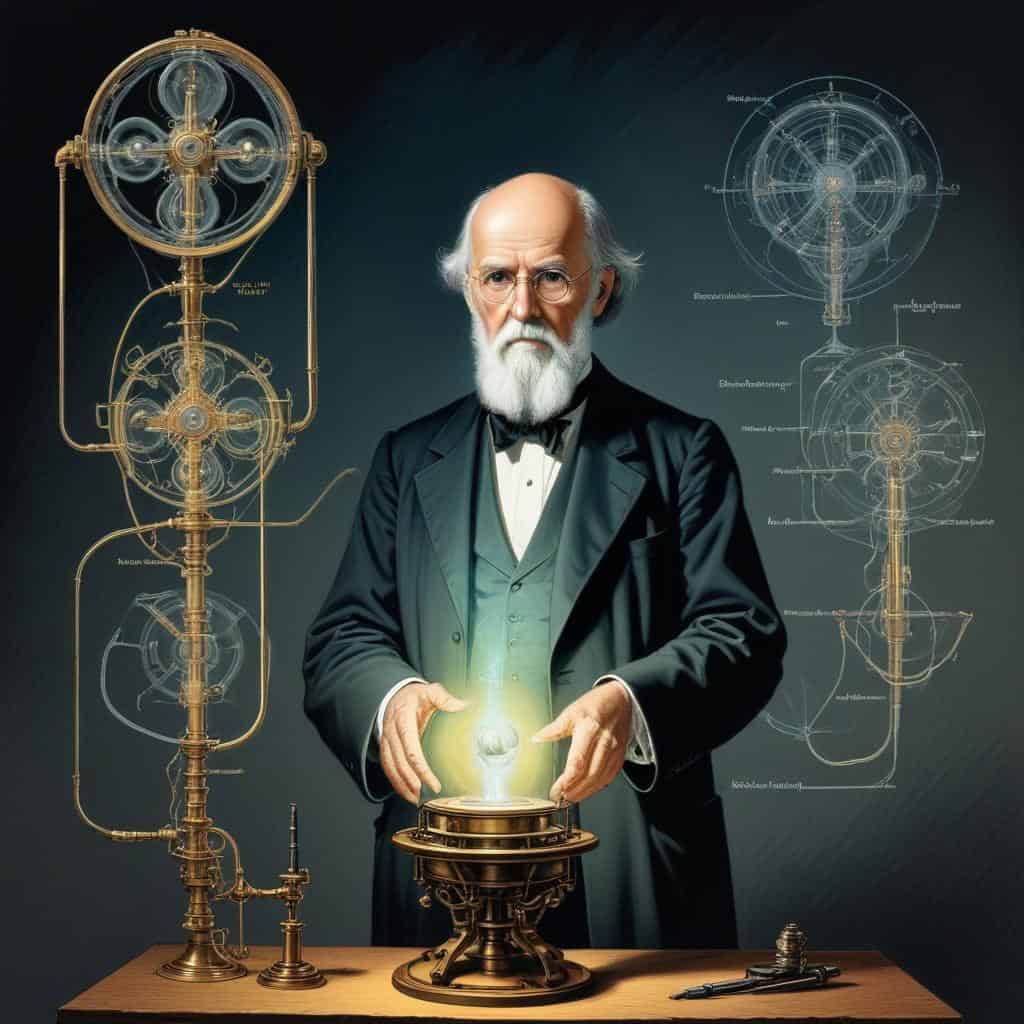
Gilbert Ryle
David Chalmers

Patricia Churchland

1. Descartes and Dualism
2. Materialism and Monism
3. Interactionism

4. Epiphenomenalism

5. Parallelism
6. The Problem of Consciousness
7. Philosophical Implications
8. Contemporary Approaches

9. The Search for Solutions
Lesson Details & Resources
In a Nutshell
- Concept: The Mind-Body Problem explores the relationship between the mind and body.
- Thinkers: René Descartes, 17th Century.
- Central Question: How are mental states related to physical states?
- Core Implication: The mind and body are distinct entities that interact in complex ways.
Timeline of The Mind-body Problem
Vocabulary List
- Dualism
- Many philosophers argue over whether dualism is a valid explanation for the mind-body problem.
- Materialism
- Materialists argue that the mind is simply the result of chemical reactions in the brain.
- Idealism
- Idealists argue that the physical world is a construct of the mind and therefore the mind-body problem is not a real issue.
- Physicalism
- Physicalists argue that the mind is simply a product of the physical brain and therefore the mind-body problem is not a true dilemma.
- Epiphenomenalism
- Epiphenomenalists argue that the mind is a byproduct of physical processes in the brain and does not influence behavior or actions.
Key Facts
Analysis & Significance
The Core Argument
The mind-body problem is a philosophical debate that questions the relationship between the mind and the body. It explores whether the mind and body are separate entities or if they are interconnected in some way. One of the core arguments revolves around the concept of dualism, which suggests that the mind and body are distinct substances with different properties.
Criticisms and Counterarguments
One major criticism of dualism is the challenge of explaining how the mind and body interact if they are separate entities. Materialists argue that the mind is simply a product of physical processes in the brain, dismissing the idea of a non-physical mind altogether. The problem of how mental states can cause physical actions is also a point of contention among philosophers.
Modern Relevance
The mind-body problem continues to be relevant in modern society, especially in the fields of neuroscience and psychology. Understanding the nature of consciousness and the relationship between the mind and body has implications for mental health treatments and ethical dilemmas surrounding issues like artificial intelligence and personal identity. Exploring this philosophical concept can help individuals navigate complex ethical questions and better understand their own experiences of consciousness.
The Mind-body Problem Games


Take Your Learning Offline
Want a convenient, print-ready study guide for this lesson? Become a Memory Wizards Pro member to unlock the downloadable " Memory Scrolls" for this topic and our entire library!
- ✓ Complete Vocabulary Lists
- ✓ Key Facts & Timelines
- ✓ Beautifully Formatted for Print & Mobile