
How Do You Learn Best?
Learn by Reading
Immerse yourself in the 10-minute visual lesson for a comprehensive understanding of the topic.
Learn by Reviewing
Jump directly to the key facts, timeline, and vocabulary lists to build a solid foundation of details.
Learn by Doing
Challenge yourself! Jump straight into the interactive games to learn by trial, error, and discovery.
Tuvalu in 10 Minutes
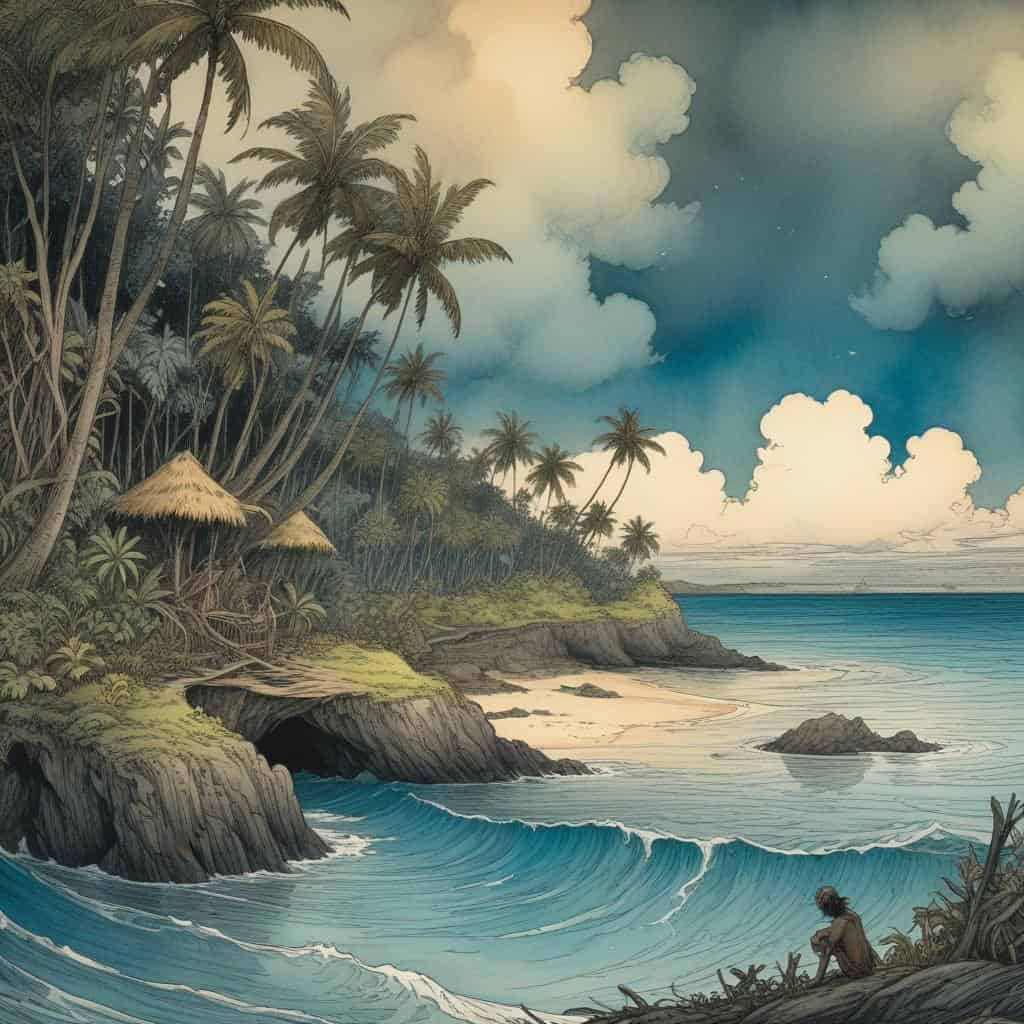
Introduction
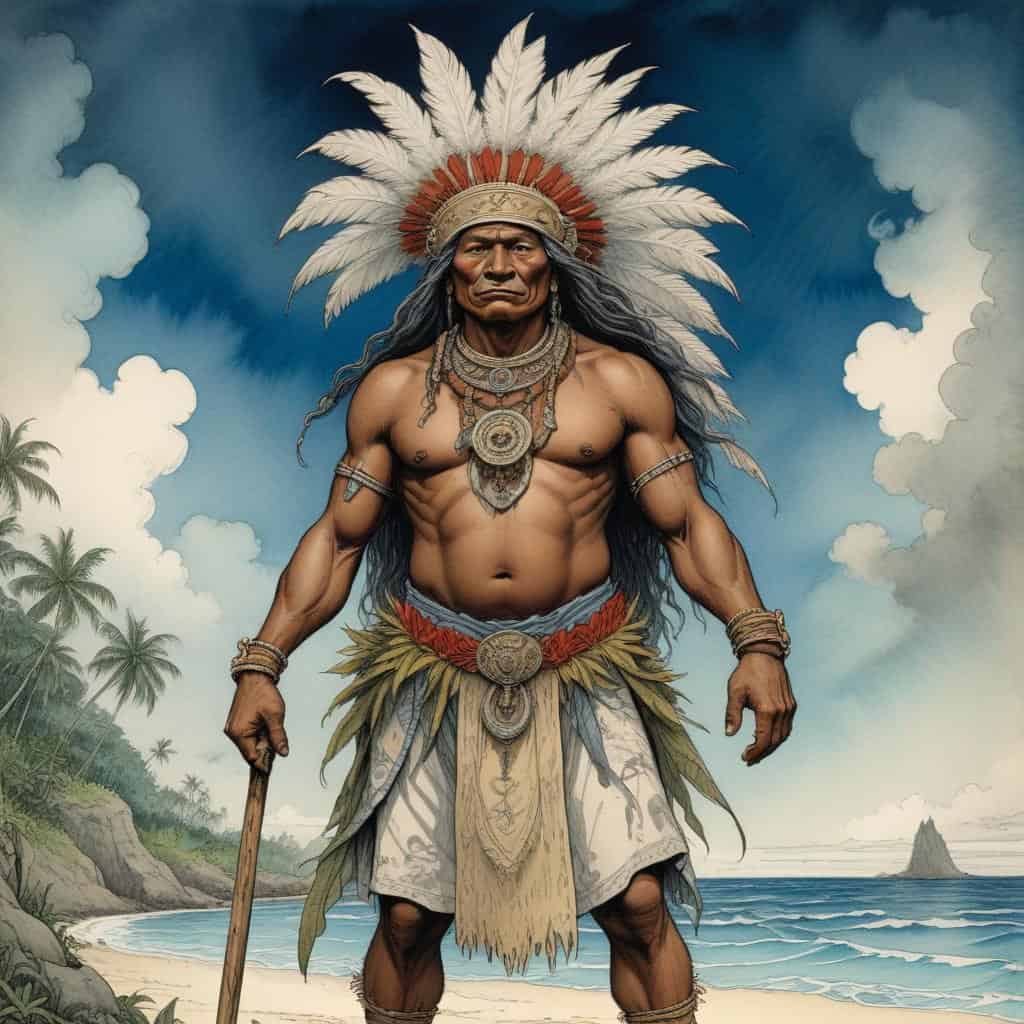
Chief Tofiga
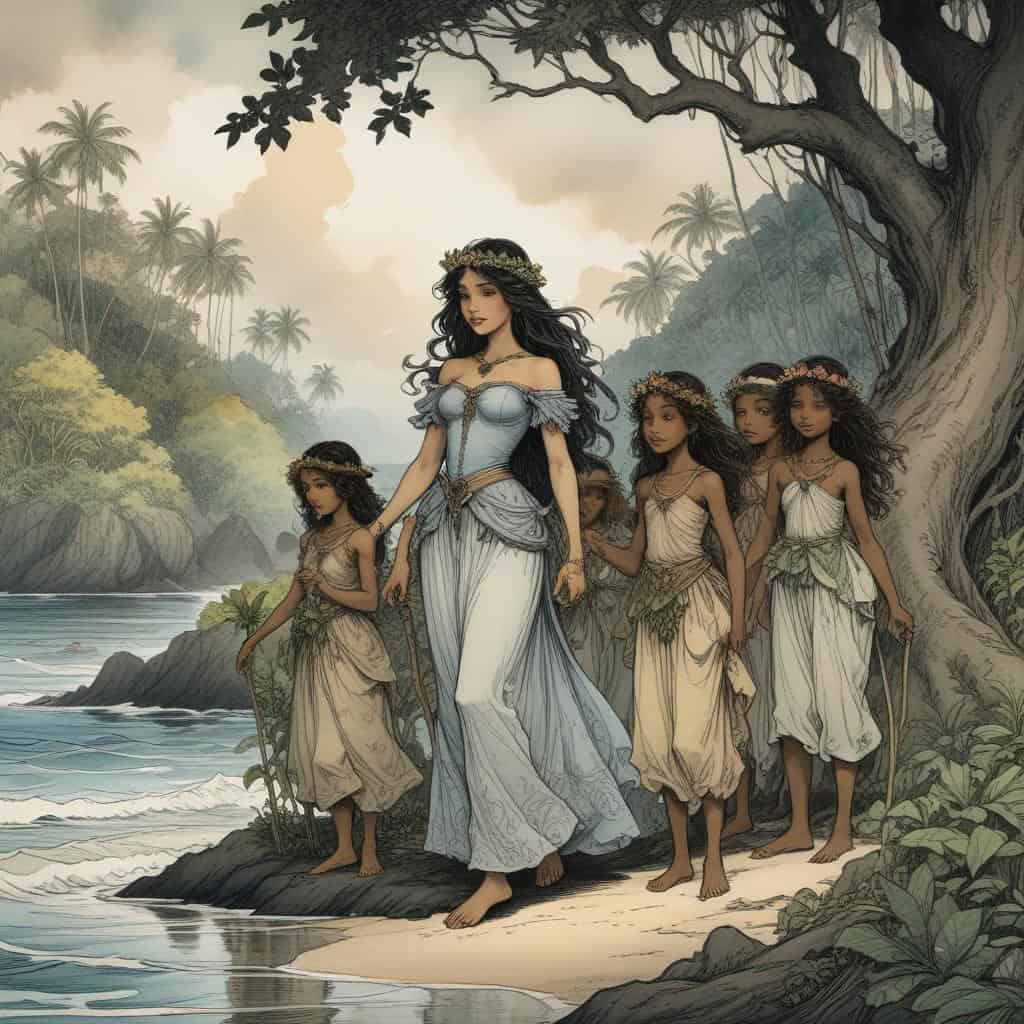
Princess Lotoa
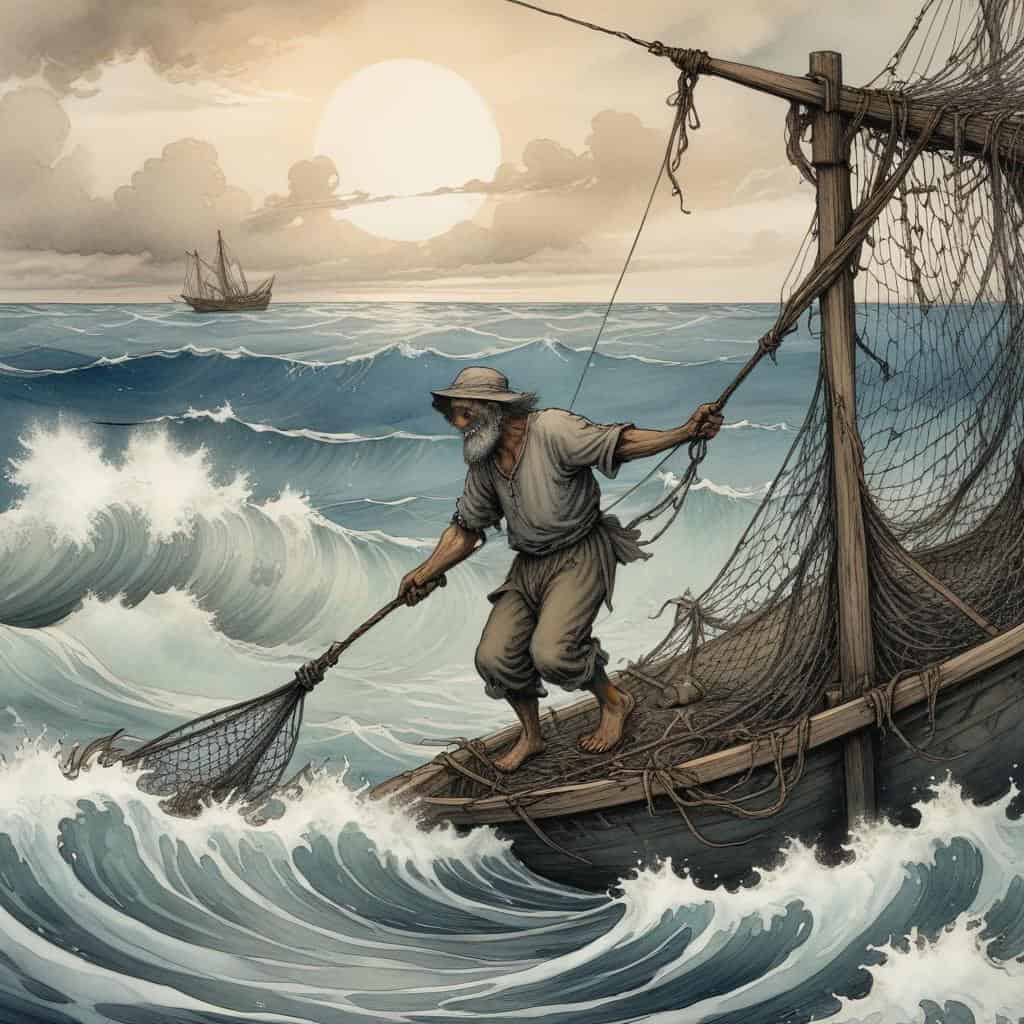
Fisherman Taulima
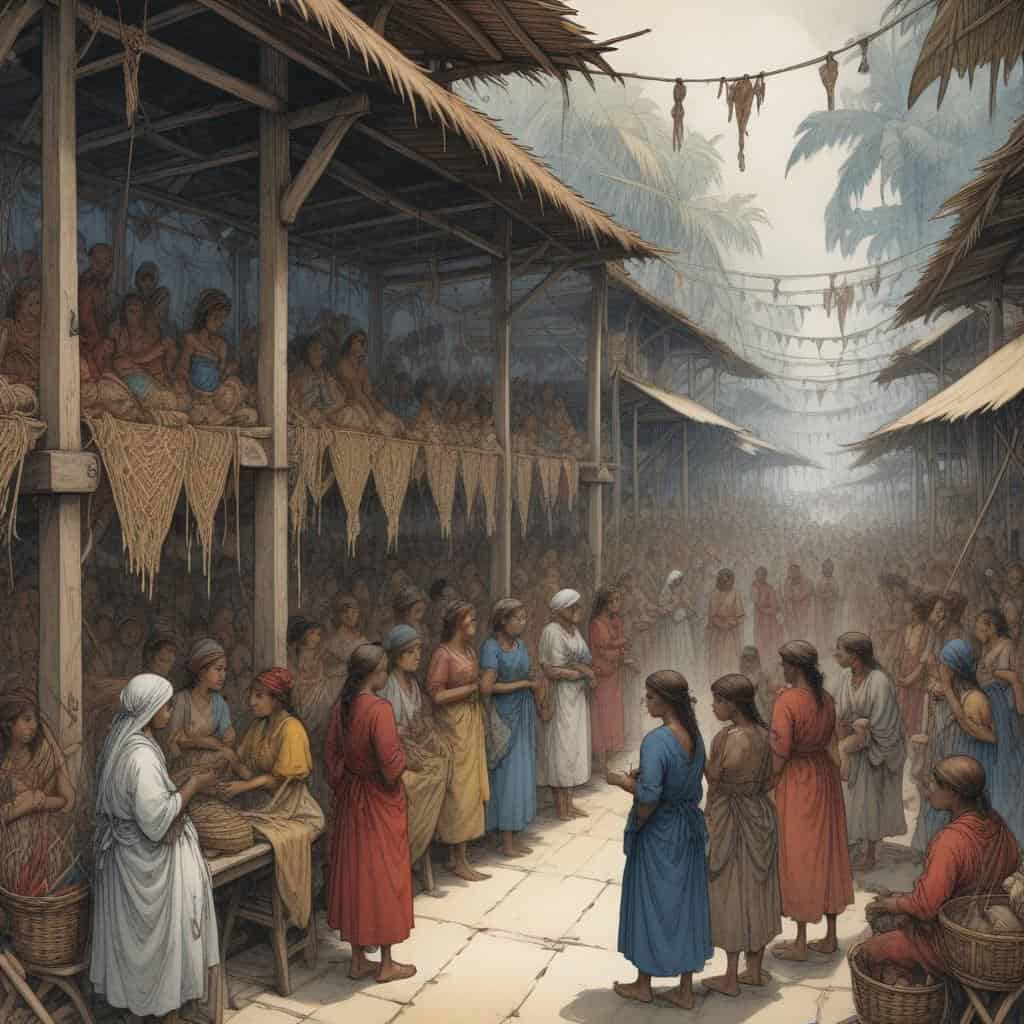
Weaver Sina
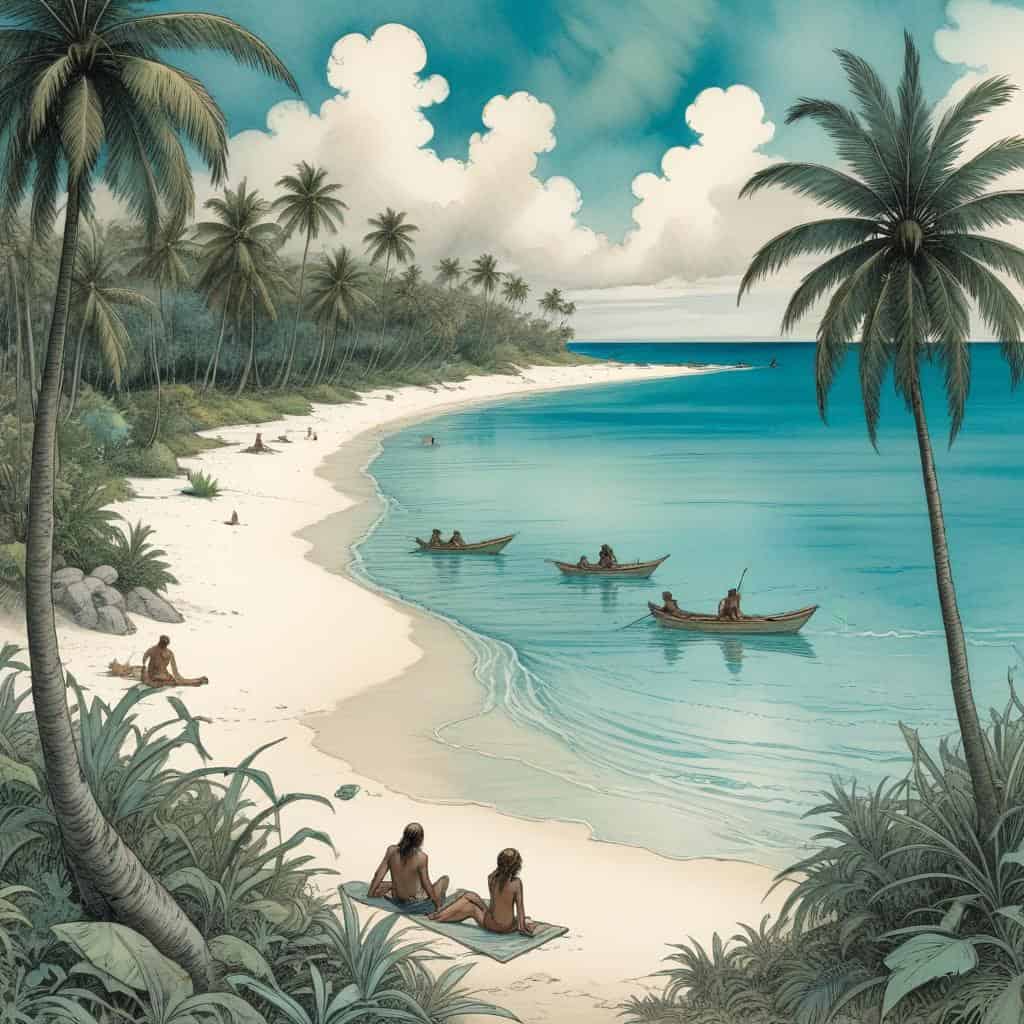
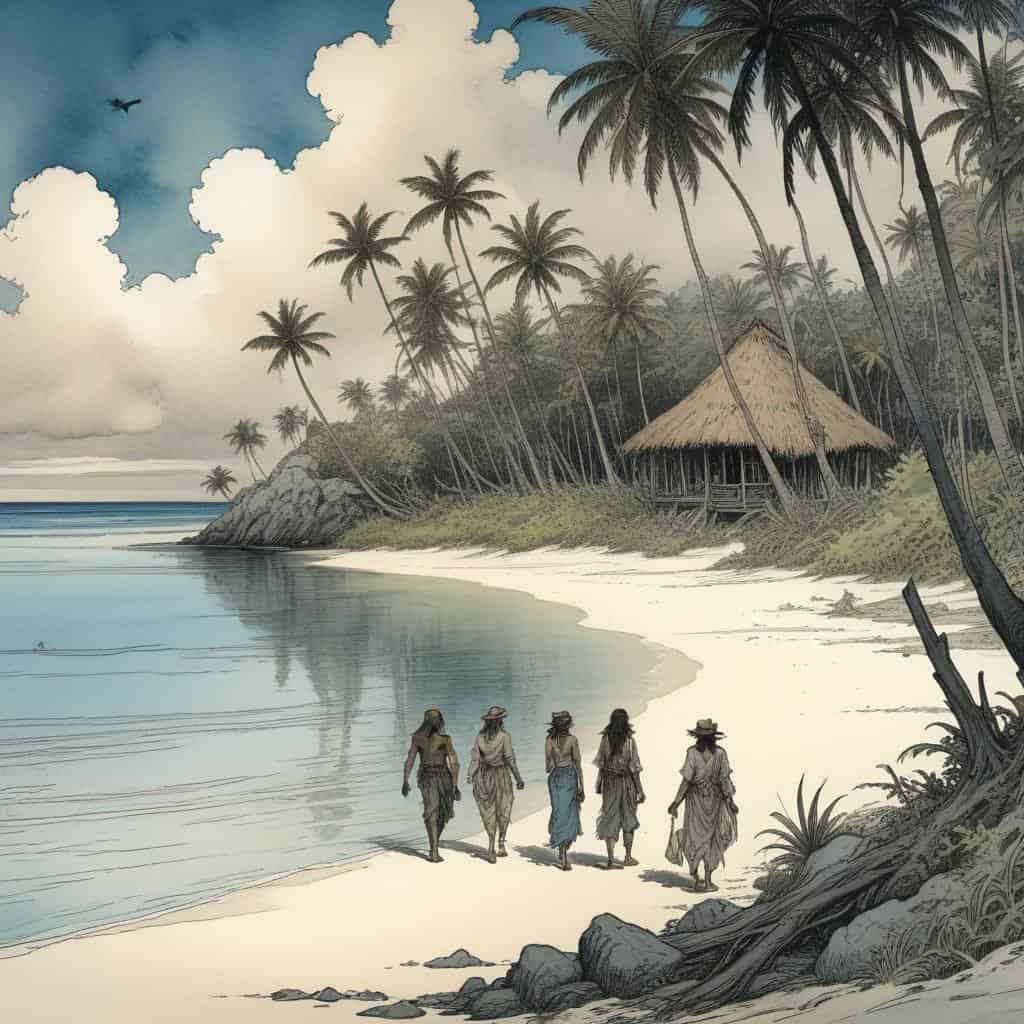
1. Stunning White Sandy Beaches
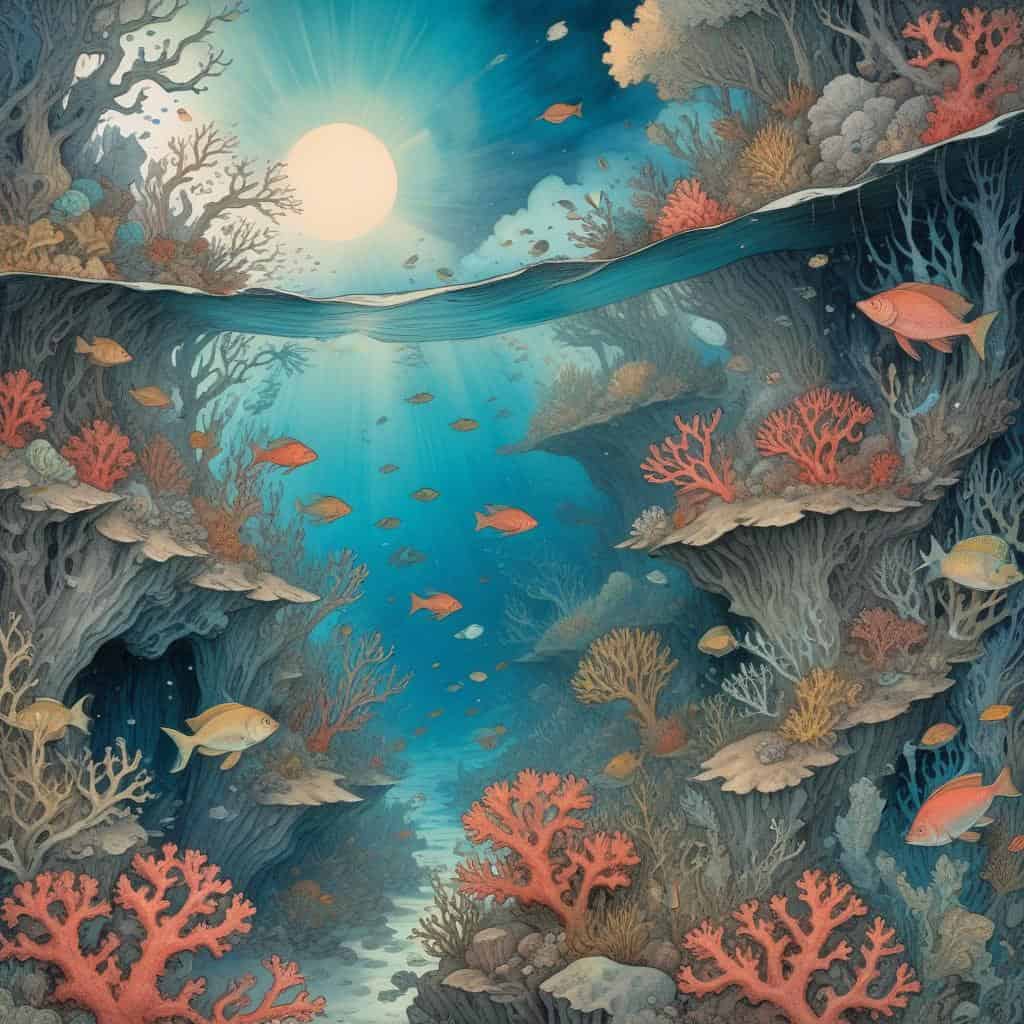
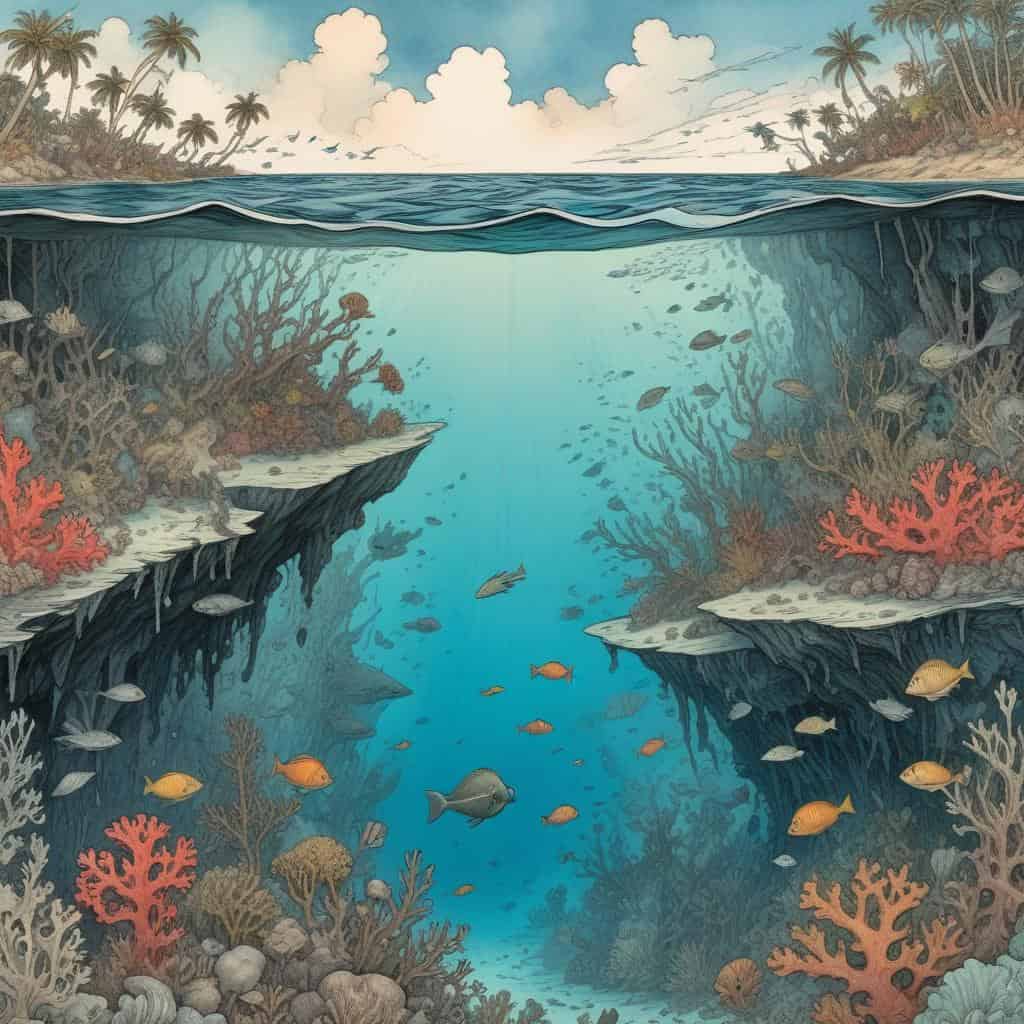
2. Vibrant Coral Reefs
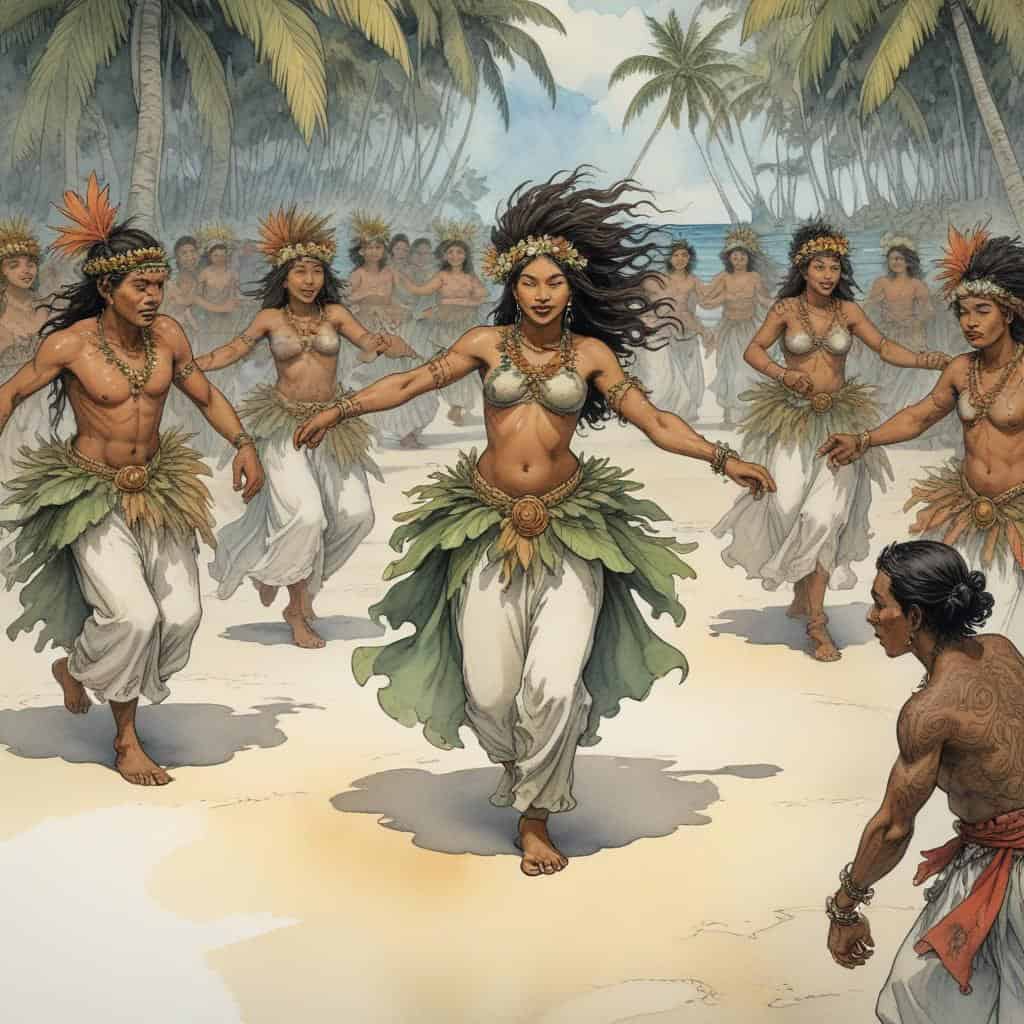
3. Traditional Culture
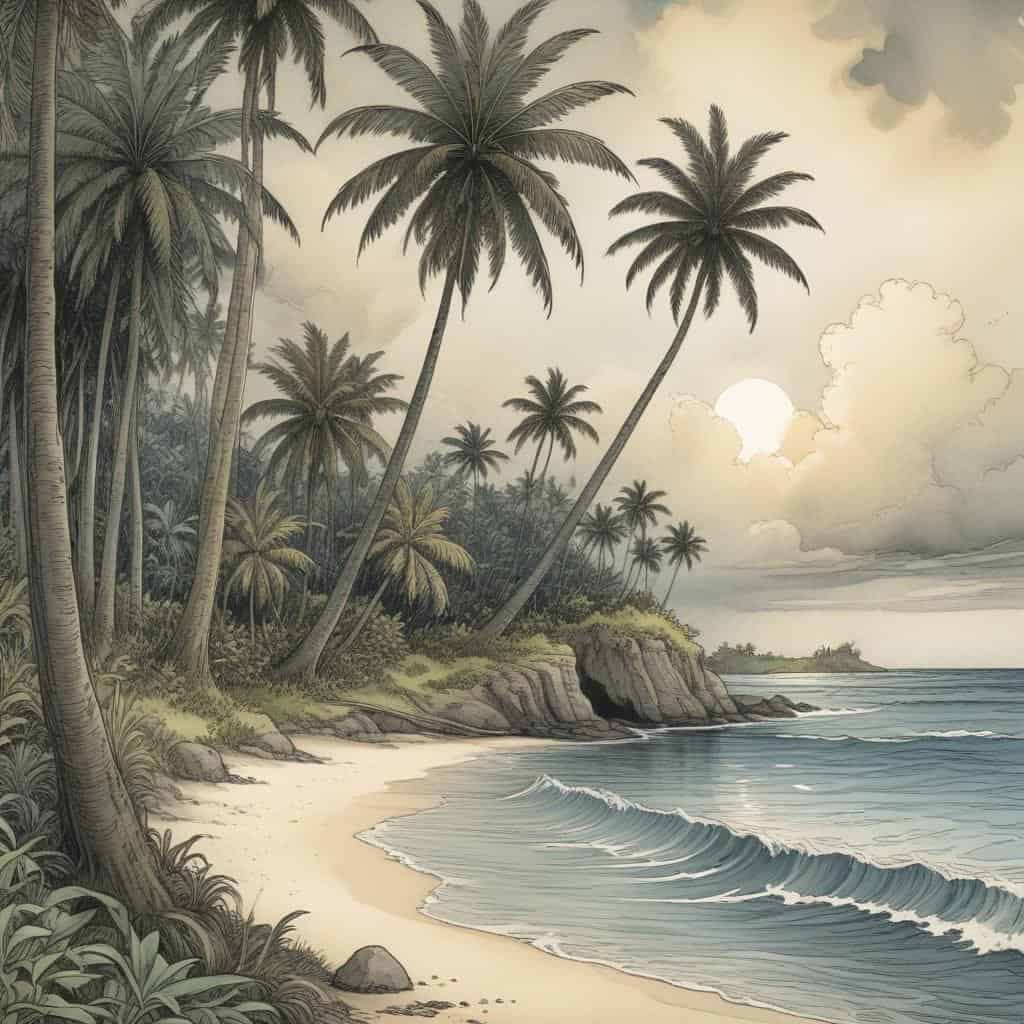
4. Peaceful and Serene Atmosphere
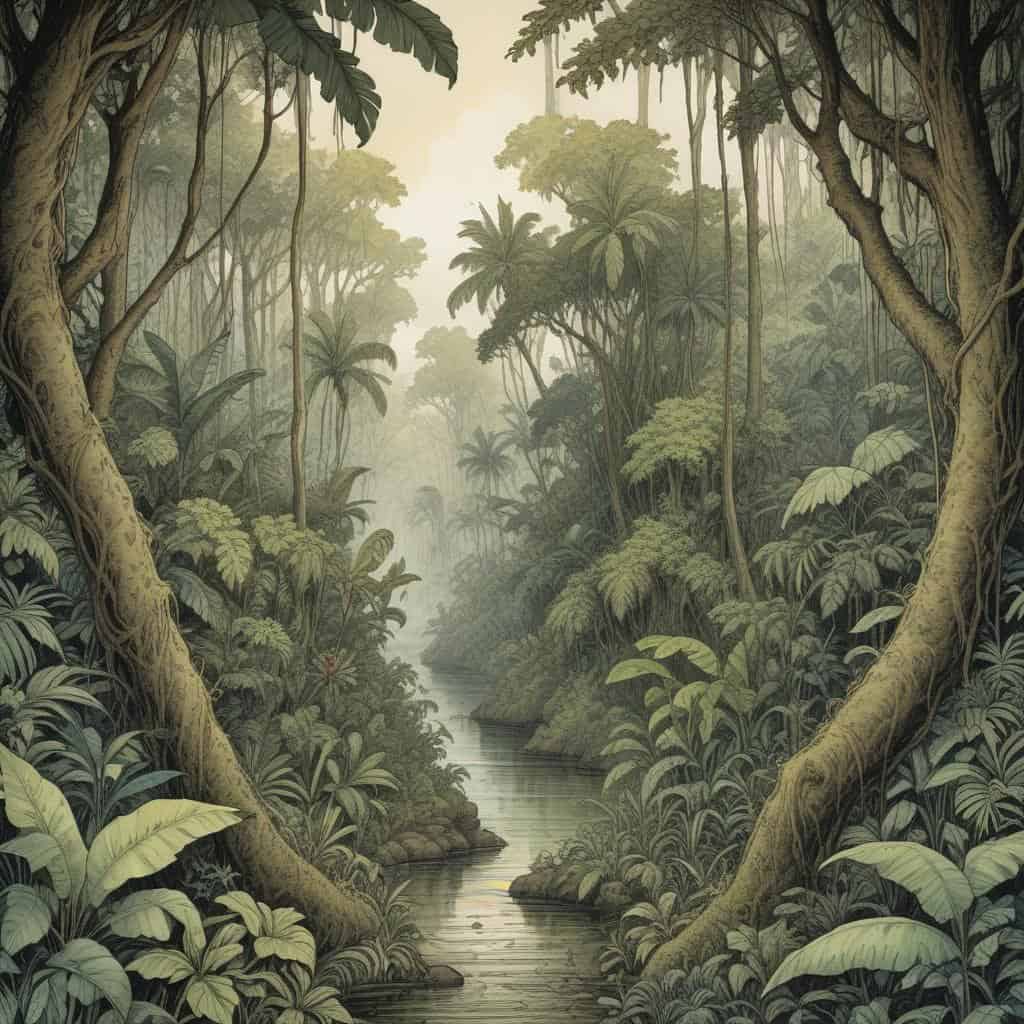
5. Lush Tropical Rainforests
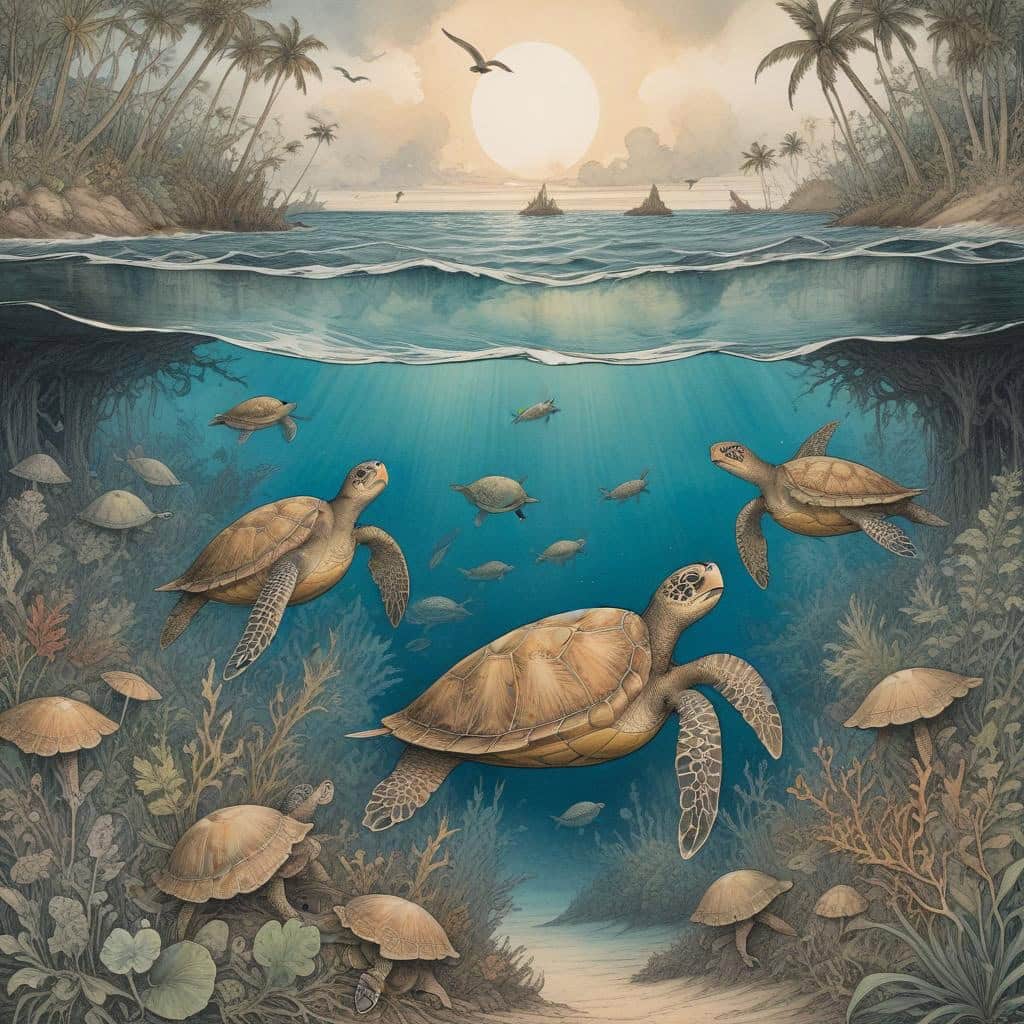
6. Unique Wildlife
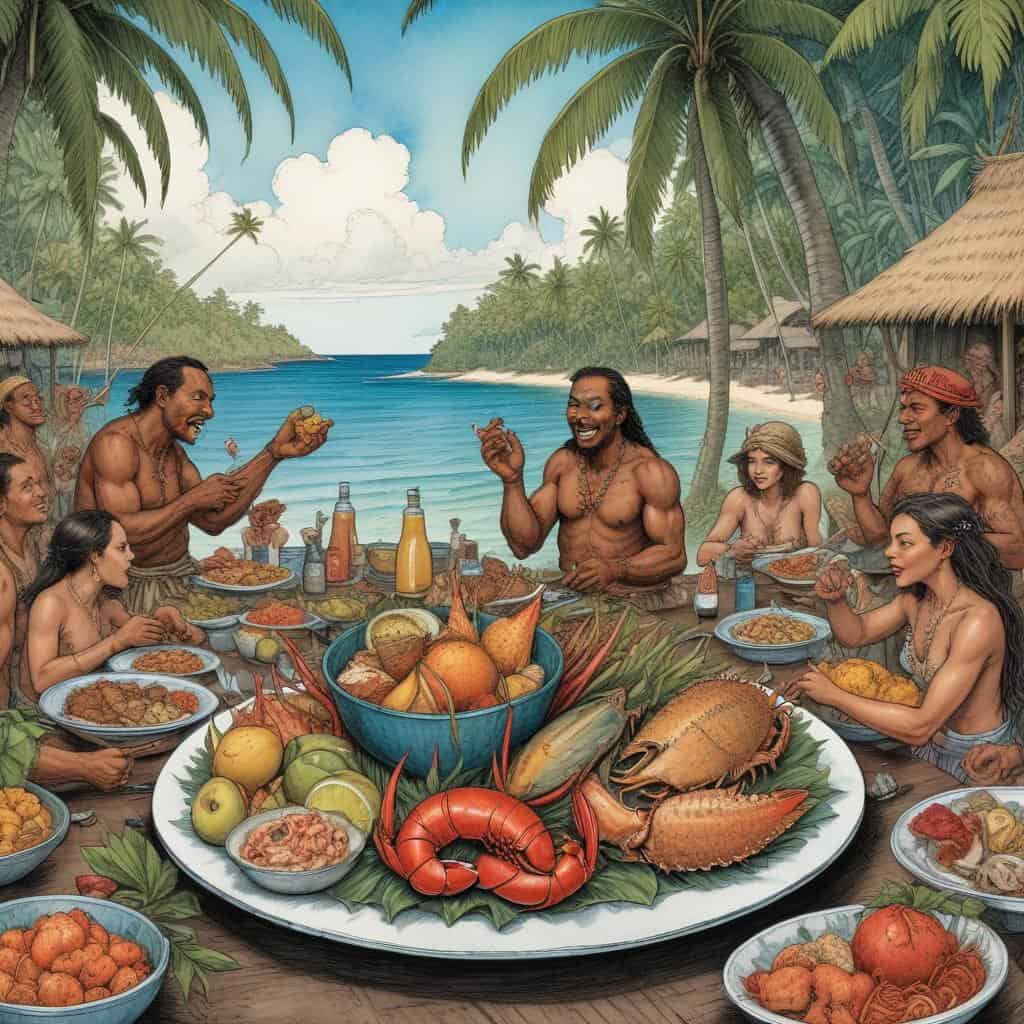
7. Delicious Local Cuisine
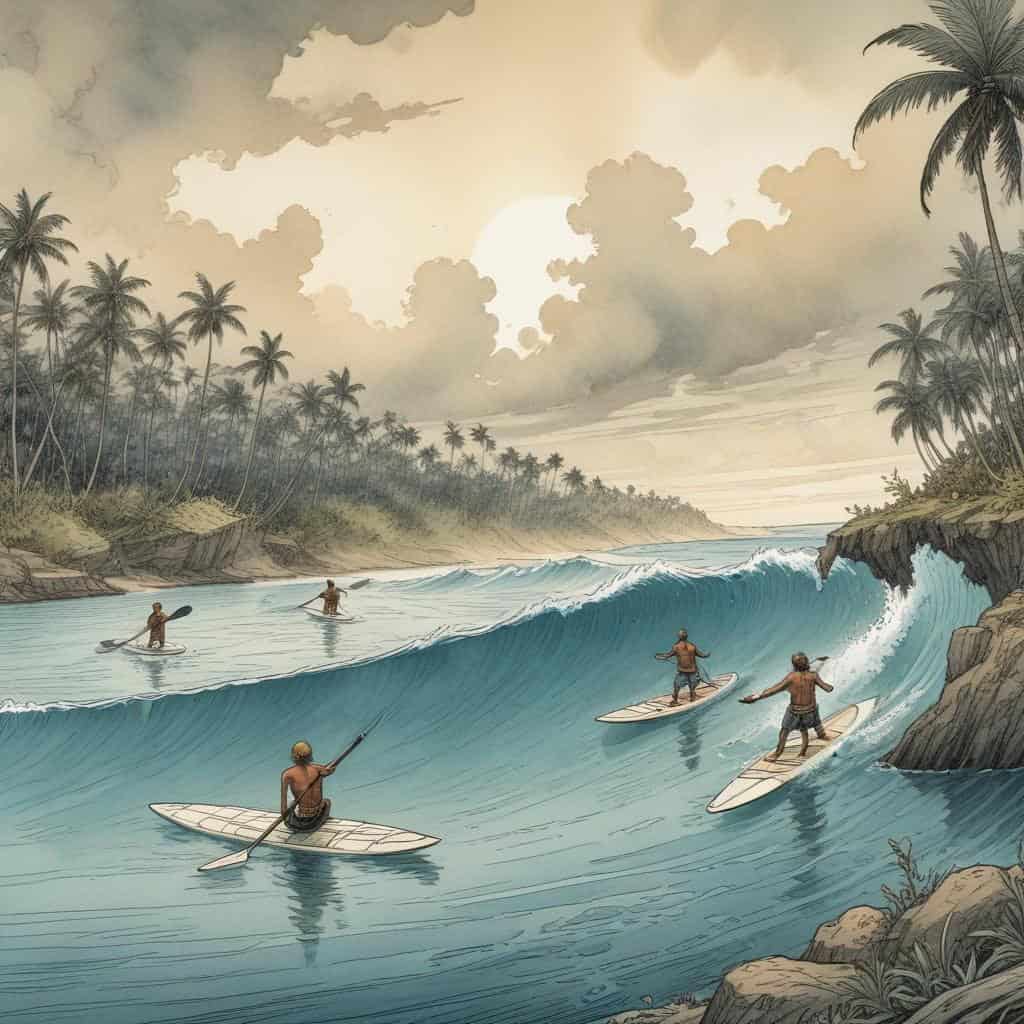
8. Water Sports Activities
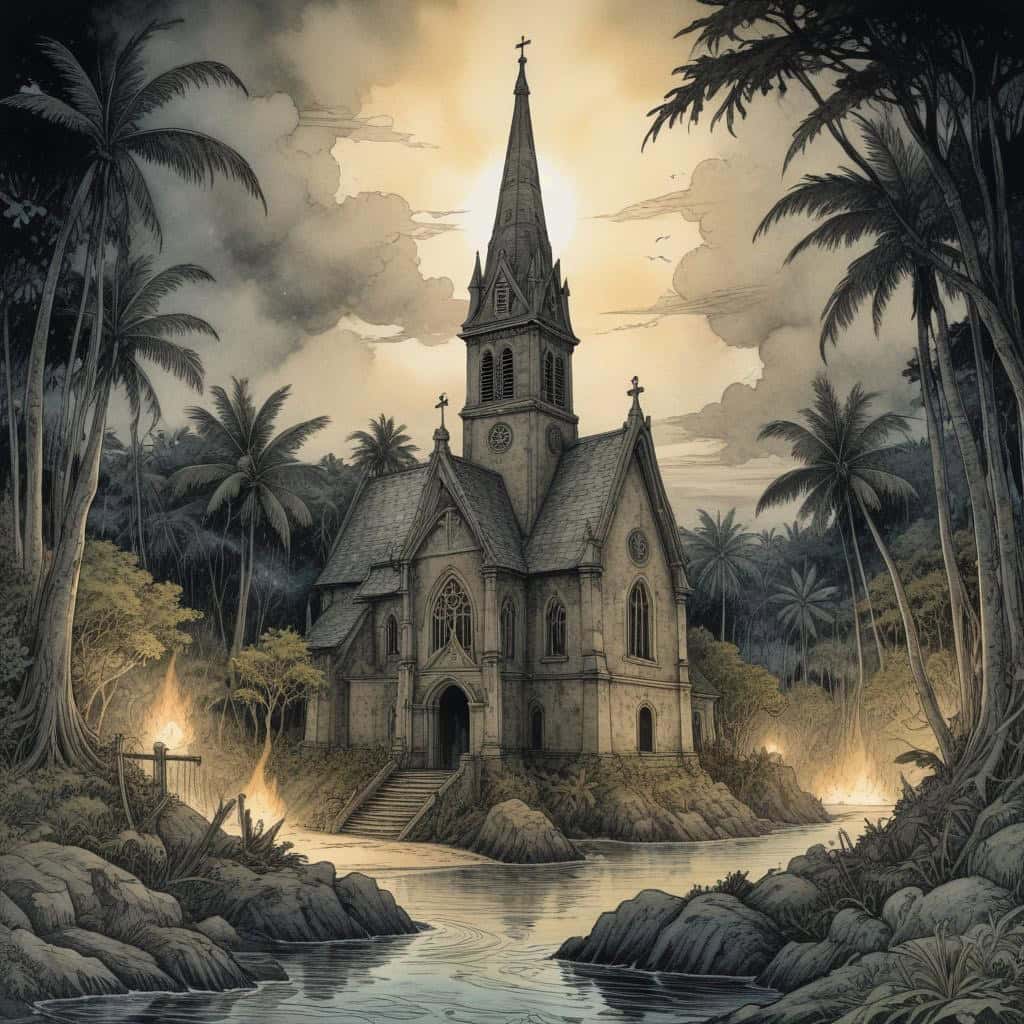
9. Historical Sites

10. Spectacular Sunsets
In a Nutshell
- Capital: Funafuti
- Population: Approx. 11,792 (2021)
- Official Language: Tuvaluan, English
- Currency: Tuvaluan dollar (AUD)
Breaking Down the Country
Location
Tuvalu is a small island country in the Pacific Ocean, situated midway between Hawaii and Australia.
Climate
With a tropical climate, Tuvalu experiences warm temperatures year-round and is vulnerable to rising sea levels due to climate change.
Cultural Heritage
Tuvalu's culture is rich with traditional music, dance, and art, reflecting the Polynesian heritage of its people.
Timeline of Tuvalu
First settlement by Polynesians
European contact with the arrival of Spanish explorers
Dutch explorers sight the islands
British explorer John Byron visits the islands
First Christian missionaries arrive
Tuvalu becomes a British protectorate
Tuvalu becomes part of the Gilbert and Ellice Islands Colony
Tuvalu gains independence from the UK
Tuvalu becomes a member of the United Nations
Tuvalu hosts the Pacific Islands Forum
Climate change threatens the existence of Tuvalu due to rising sea levels
Tuvalu declares a state of emergency due to drought
Tuvalu joins the Commonwealth of Nations
Tuvalu participates in the Commonwealth Games
Tuvalu establishes diplomatic relations with Taiwan
Tuvalu becomes a member of the Pacific Islands Forum
Tuvalu becomes a member of the World Health Organization
Tuvalu becomes a member of the United Nations Educational, Scientific and Cultural Organization
Tuvalu becomes a member of the International Monetary Fund
Tuvalu becomes a member of the World Trade Organization
Vocabulary List
- Atoll
- Tuvalu is made up of nine small atolls.
- Coconut palm
- The coconut palms line the beaches of Tuvalu.
- Lagoon
- The crystal-clear lagoon in Tuvalu is perfect for snorkeling.
- Coral reef
- The coral reefs surrounding Tuvalu are teeming with marine life.
- Pandanus
- The pandanus trees provide shade along the coast of Tuvalu.
- Traditional canoe
- Fishermen in Tuvalu still use traditional canoes to catch their daily meals.
- Cliff
- The cliffs on some of the atolls in Tuvalu offer stunning views of the ocean.
Key Facts
This is the information used in the fact matching game
- Tuvalu is a Polynesian island nation located in the Pacific Ocean.
- Tuvalu consists of nine islands, with the capital city located on the island of Funafuti.
- The landscape of Tuvalu is low-lying and flat, with the highest point being only 15 feet above sea level.
- The main form of transportation on the islands is by boat or by walking.
- The city of Funafuti is home to the largest airport in Tuvalu, Funafuti International Airport.
- The landscape of Tuvalu is dominated by coconut palms and sandy beaches.
- Tuvalu is vulnerable to rising sea levels and climate change, with concerns about the islands disappearing in the future.
- The traditional architecture in Tuvalu consists of thatched roofs and open-sided buildings.
- The islands of Tuvalu are surrounded by coral reefs, making them a popular destination for snorkeling and diving.
- The local cuisine in Tuvalu consists mainly of seafood, coconut, and root vegetables.
- The population of Tuvalu is around 11,000 people, with the majority living on the main island of Funafuti.
- Tuvalu is known for its traditional music and dance, which often incorporates storytelling and myths.
- The beaches of Tuvalu are known for their pristine white sand and crystal-clear waters.
- The main form of government in Tuvalu is a parliamentary democracy, with a Prime Minister as the head of state.
- Tuvalu is a member of the United Nations and the Commonwealth of Nations.
- The traditional clothing in Tuvalu consists of woven pandanus leaves and coconut fiber skirts.
- Tuvalu is home to a variety of bird species, including frigatebirds, terns, and sandpipers.
- The main language spoken in Tuvalu is Tuvaluan, with English also widely spoken.
- Tuvalu has a tropical climate, with warm temperatures year-round and high humidity.
- The economy of Tuvalu is heavily reliant on fishing, agriculture, and remittances from Tuvaluans living abroad.
Why It Matters
Geopolitical Significance
Located in the Pacific Ocean, Tuvalu holds strategic importance due to its vulnerability to climate change and rising sea levels. As one of the world’s smallest countries, its voice in international discussions on climate policy is crucial for advocating for small island nations facing existential threats.
Historical Importance
With a heritage rooted in Polynesian traditions, Tuvalu has a rich history of navigation, trade, and cultural exchange. Its past as a British colony and subsequent independence in 1978 shape its identity and relationships with other countries in the region.
Modern-Day Role
Today, Tuvalu faces challenges of sustainability and economic development, balancing traditional ways of life with modern pressures. Its participation in global forums on climate change and sustainable development highlights its ongoing relevance in the international community.
Tuvalu Games


Take Your Learning Offline
Want a convenient, print-ready study guide for this lesson? Become a Memory Wizards Pro member to unlock the downloadable " Memory Scrolls" for this topic and our entire library!
- ✓ Complete Vocabulary Lists
- ✓ Key Facts & Timelines
- ✓ Beautifully Formatted for Print & Mobile