
How Do You Learn Best?
Learn by Reading
Immerse yourself in the 10-minute visual lesson for a comprehensive understanding of the topic.
Learn by Reviewing
Jump directly to the key facts, timeline, and vocabulary lists to build a solid foundation of details.
Learn by Doing
Challenge yourself! Jump straight into the interactive games to learn by trial, error, and discovery.
Solomon Islands in 10 Minutes
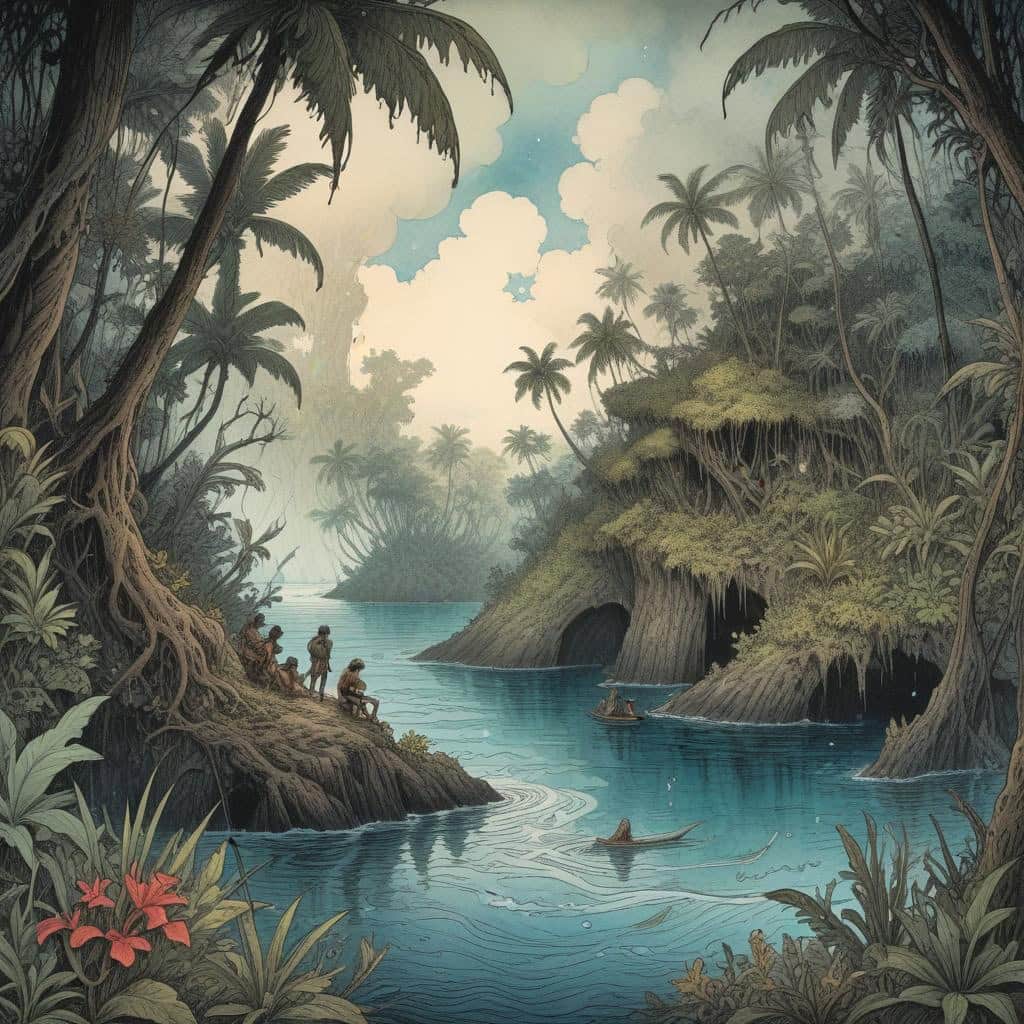
Introduction
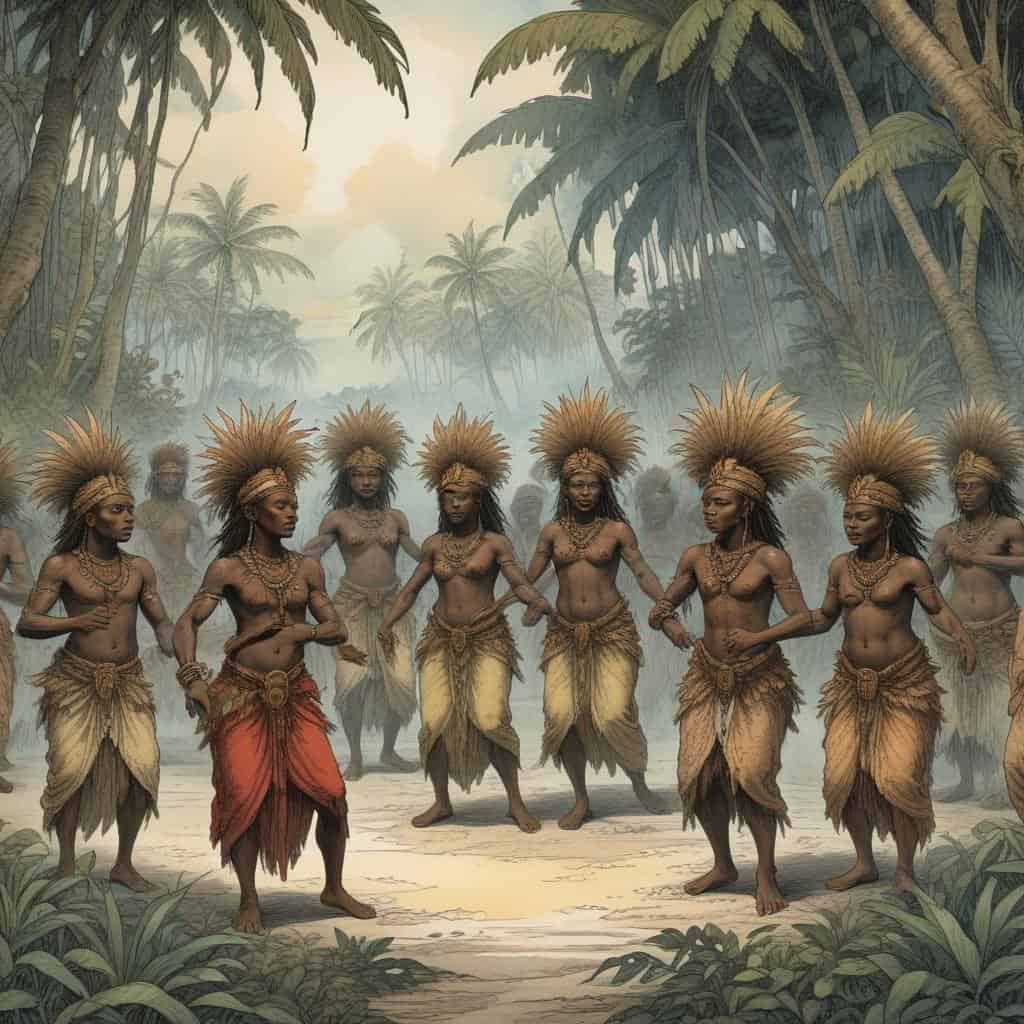
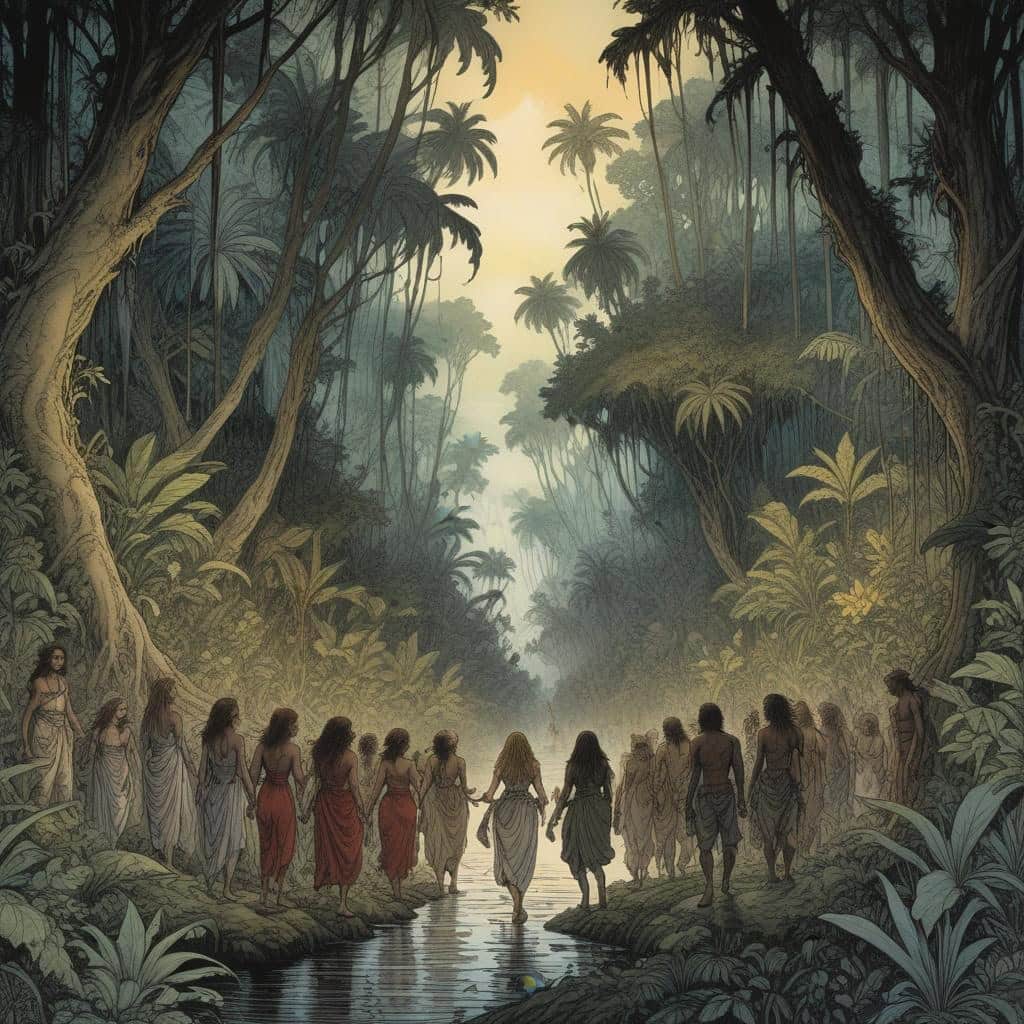
1. Isabella
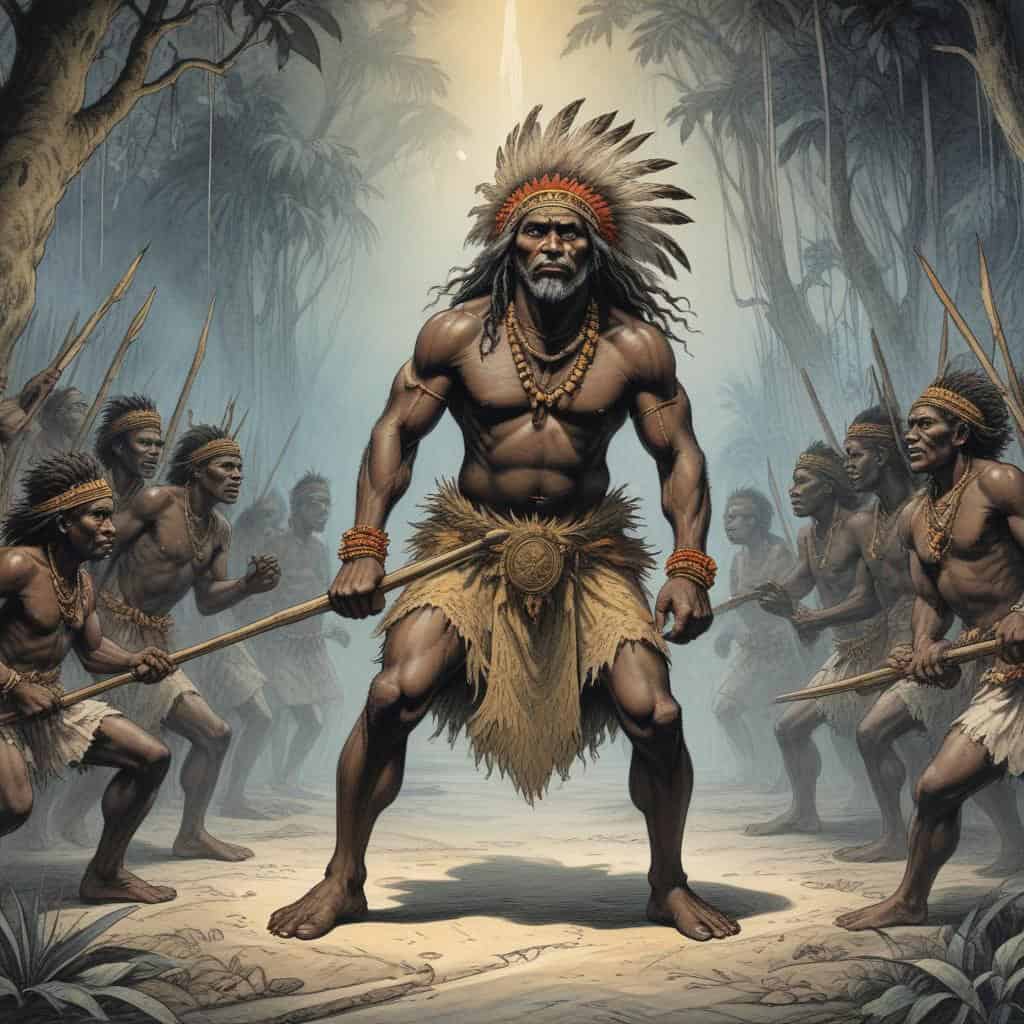
2. Chief Malaita
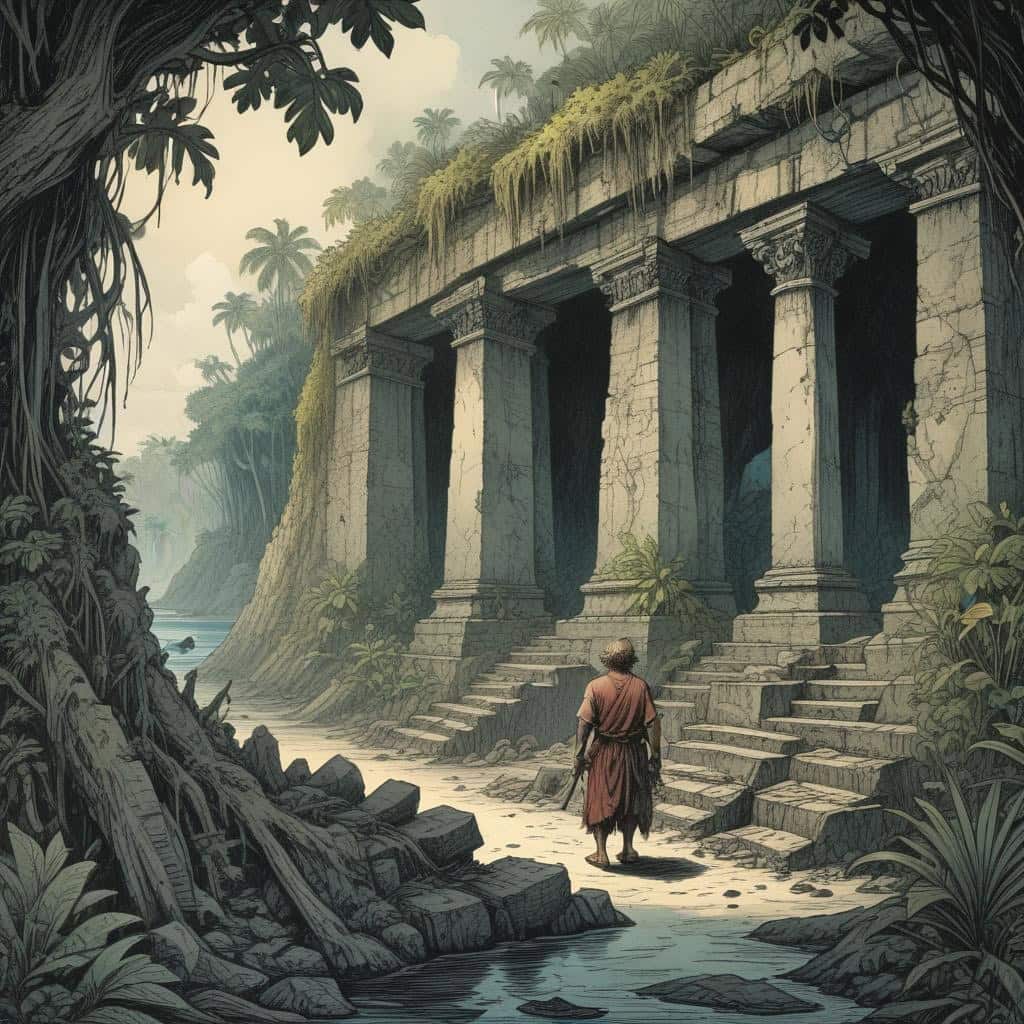
3. Dr. Johnson

4. Maryanne
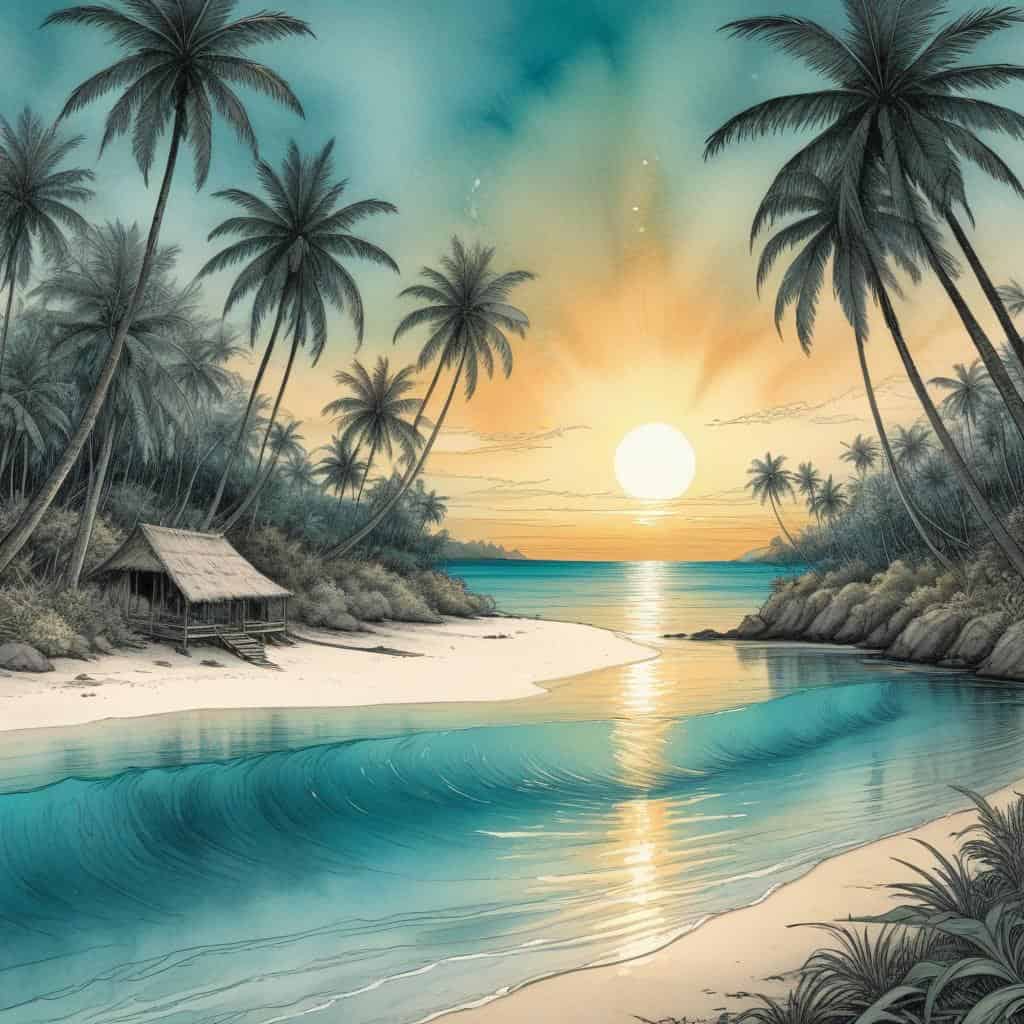
1. Beautiful Beaches
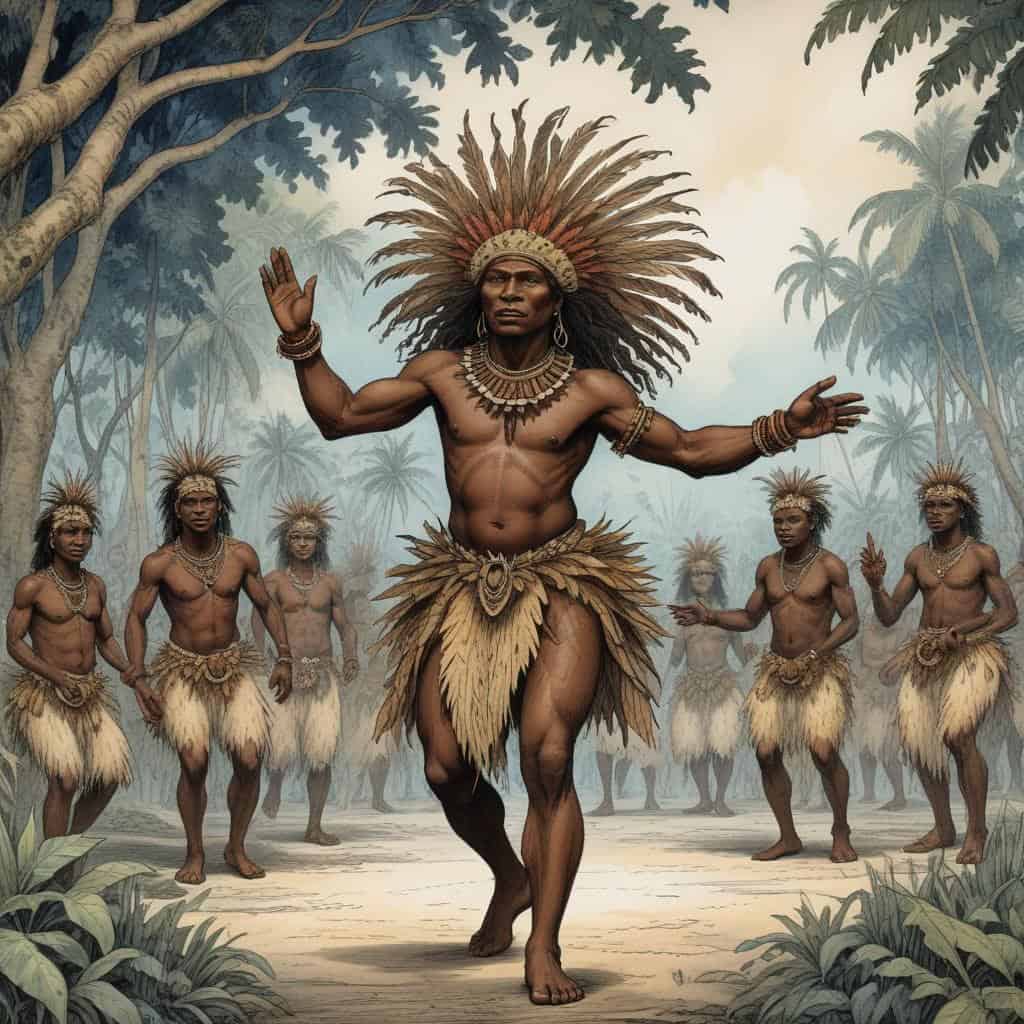
2. Rich Cultural Heritage
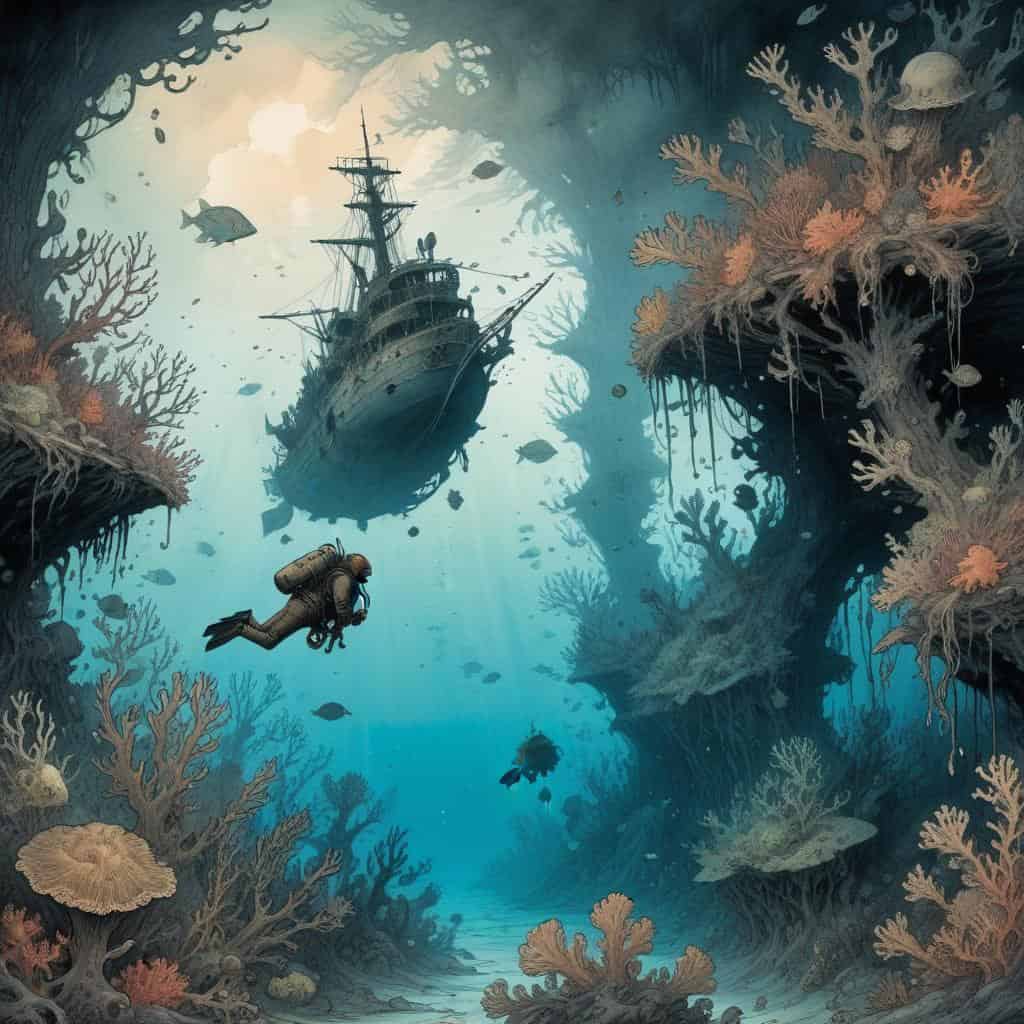
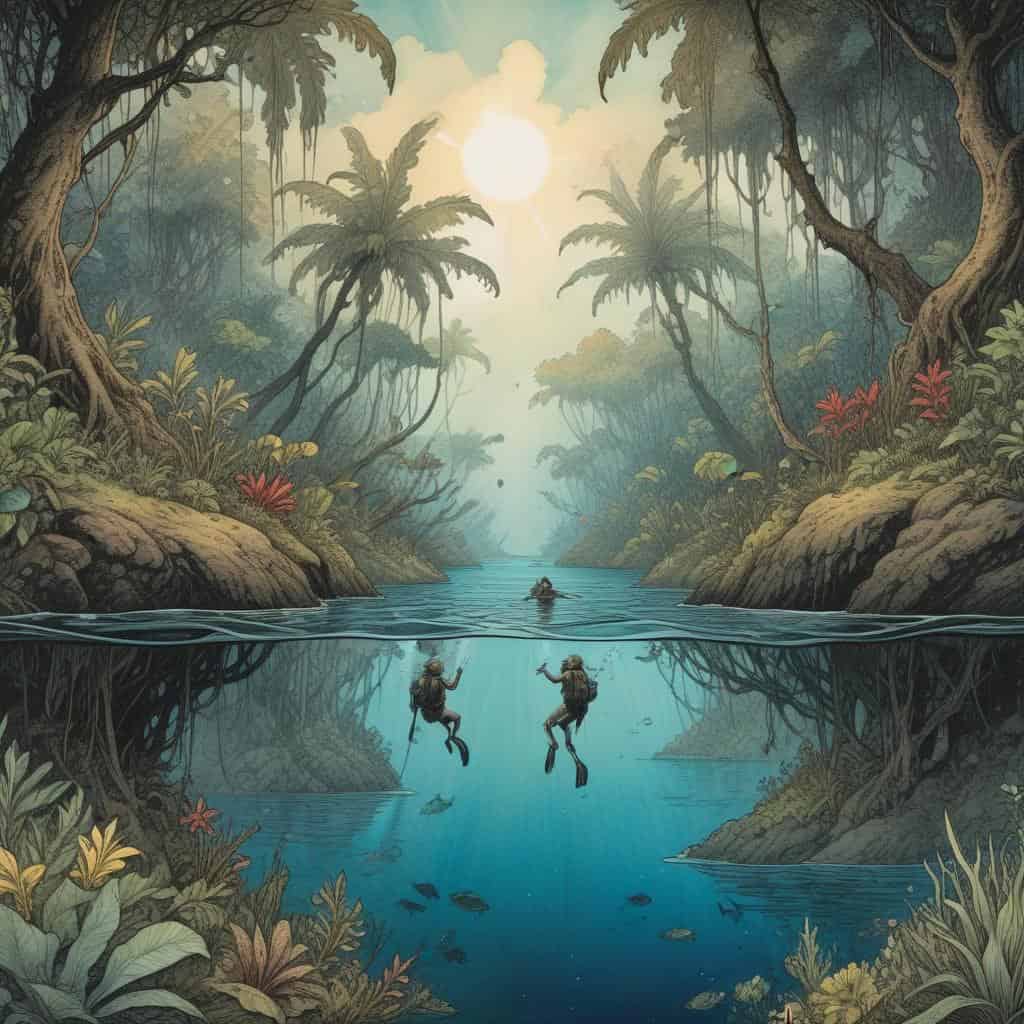
3. World-Class Diving
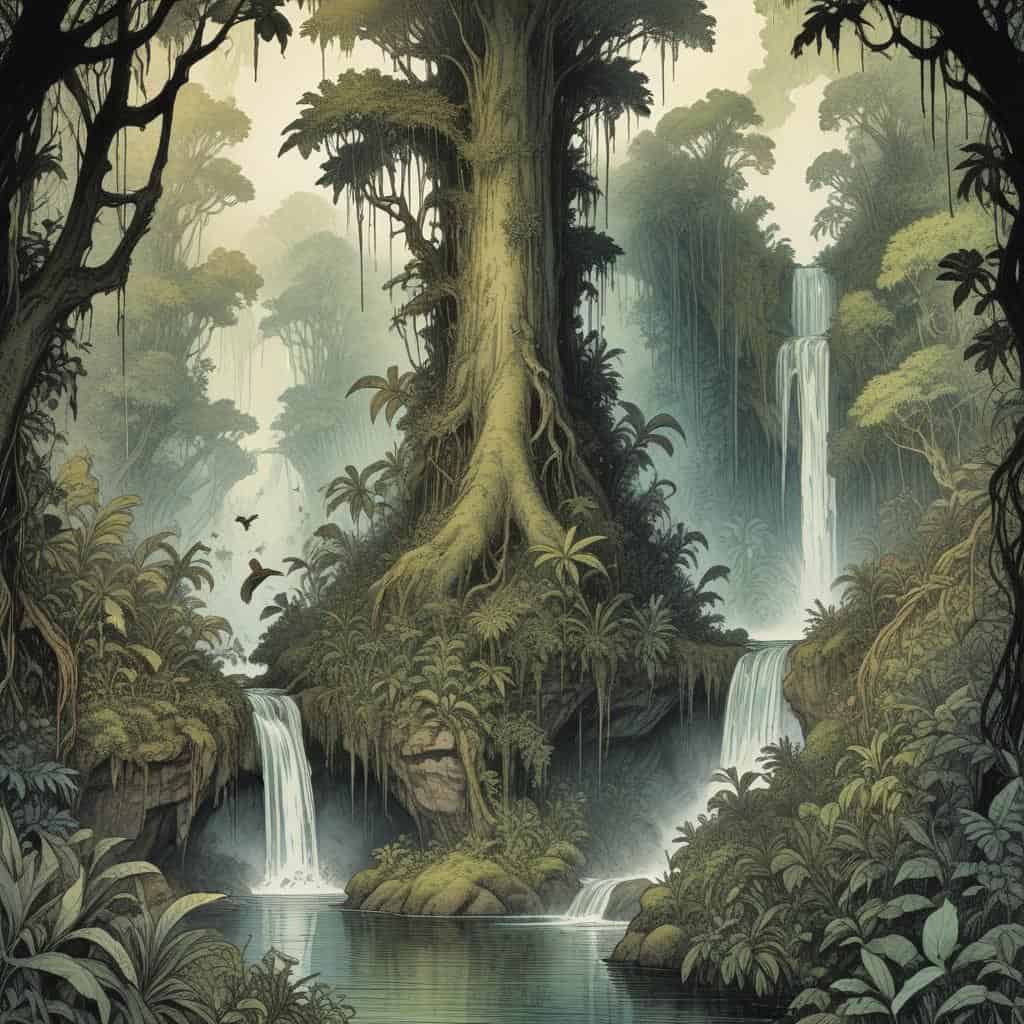
4. Lush Rainforests
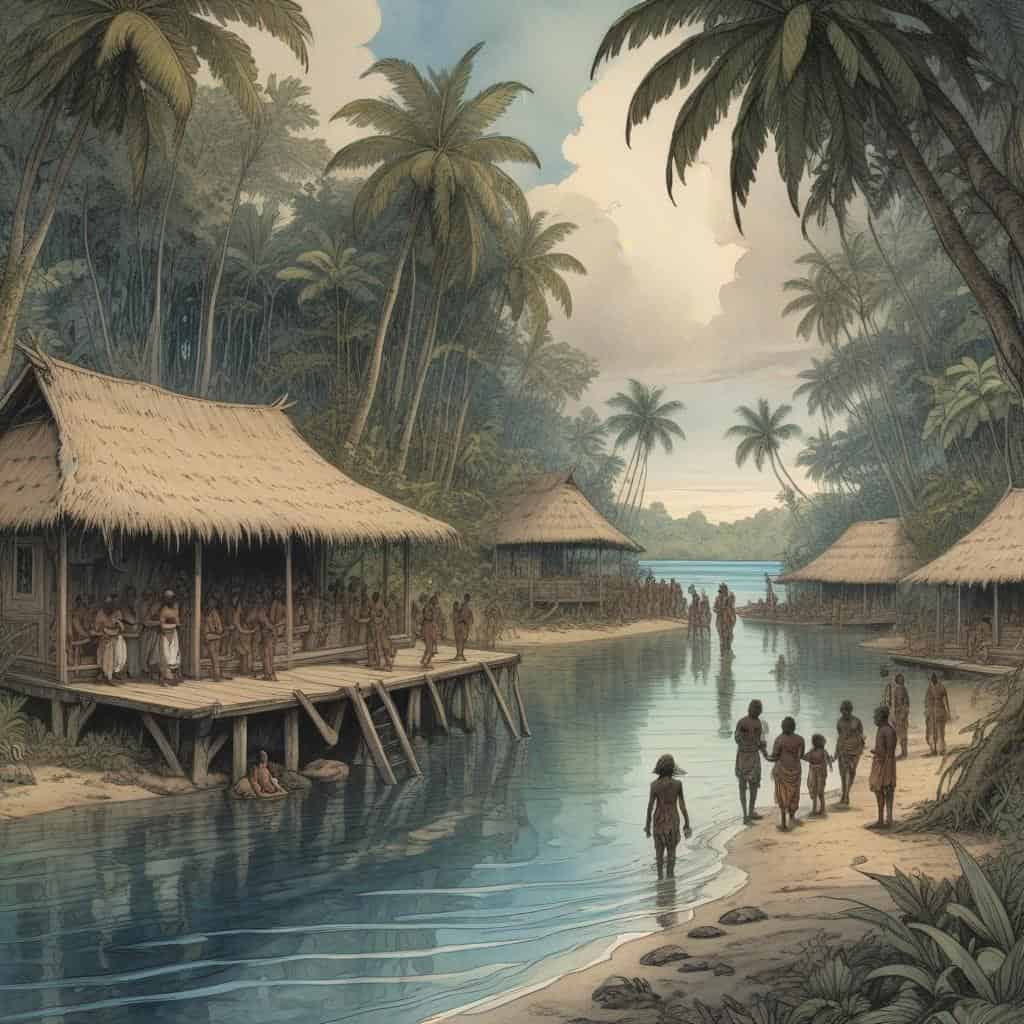
5. Warm Hospitality
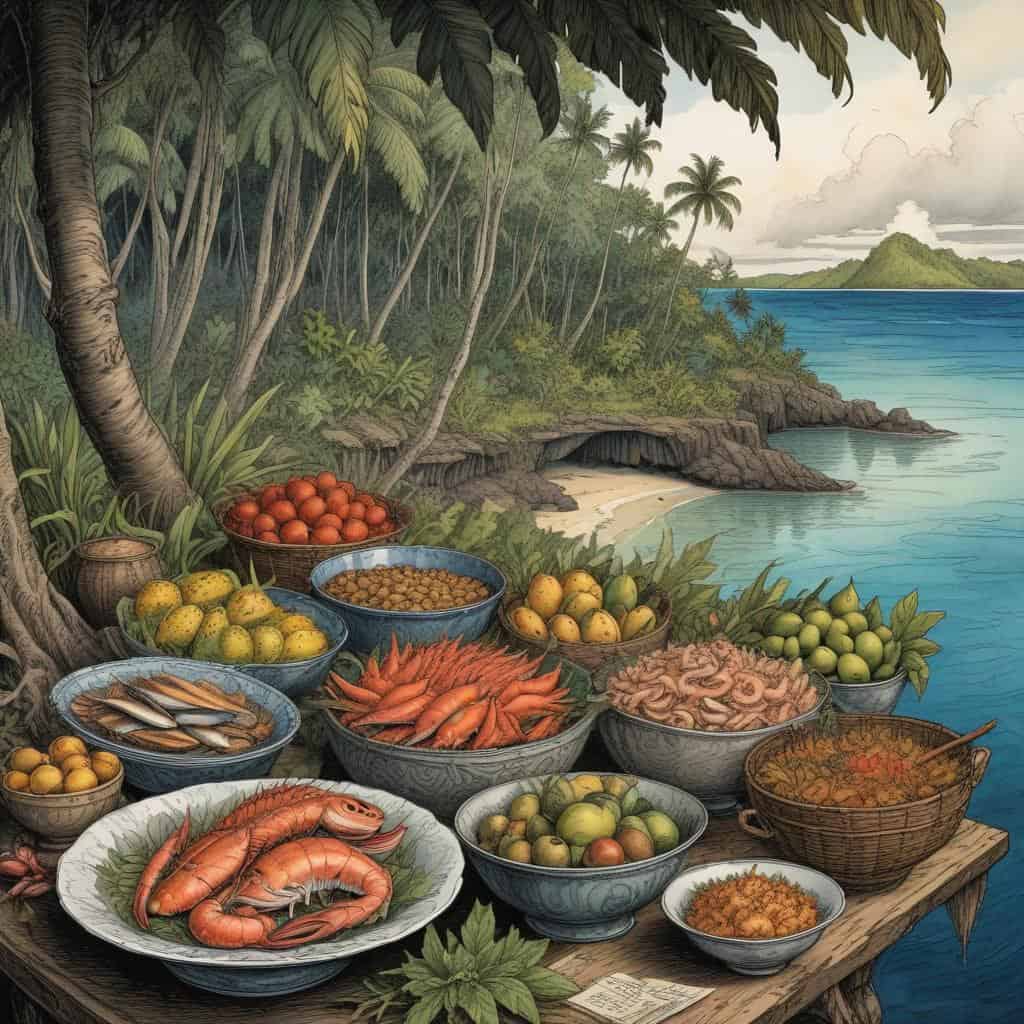
6. Delicious Cuisine
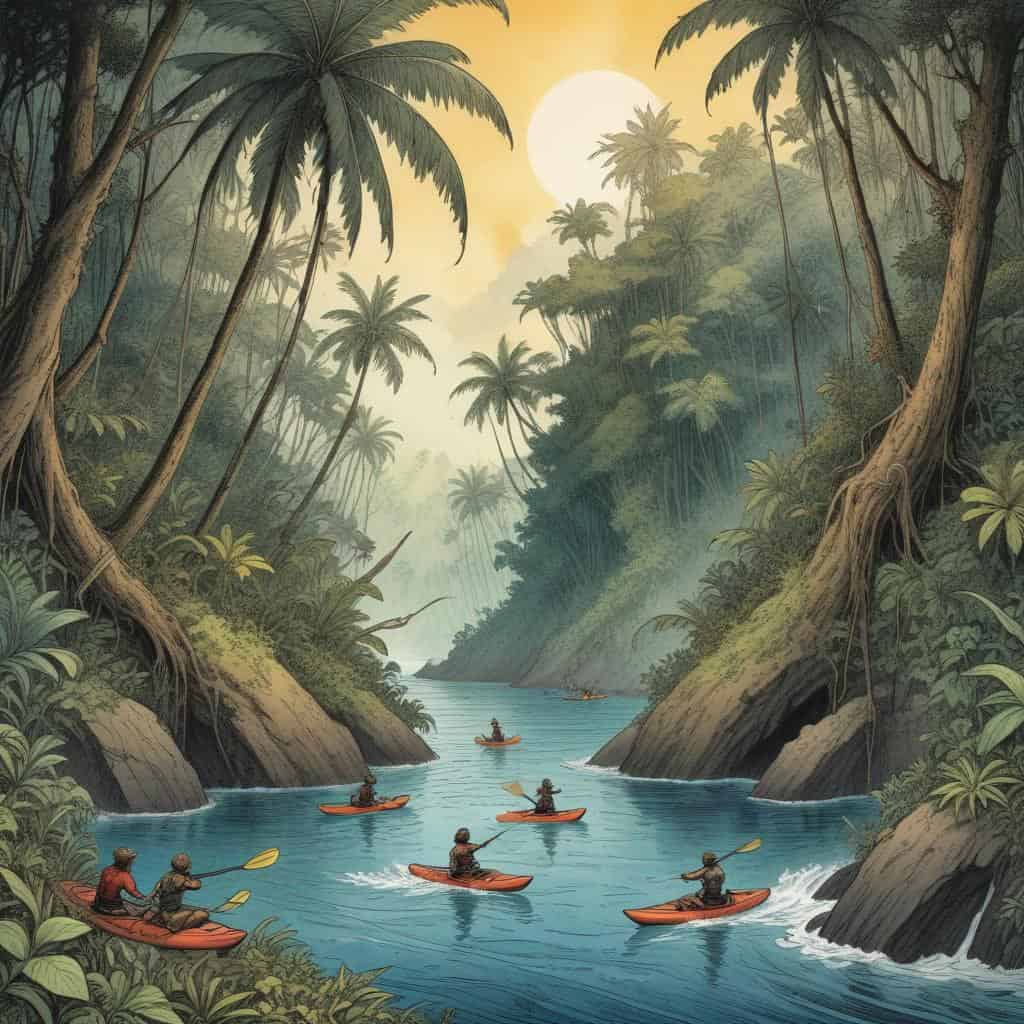
7. Adventure Activities
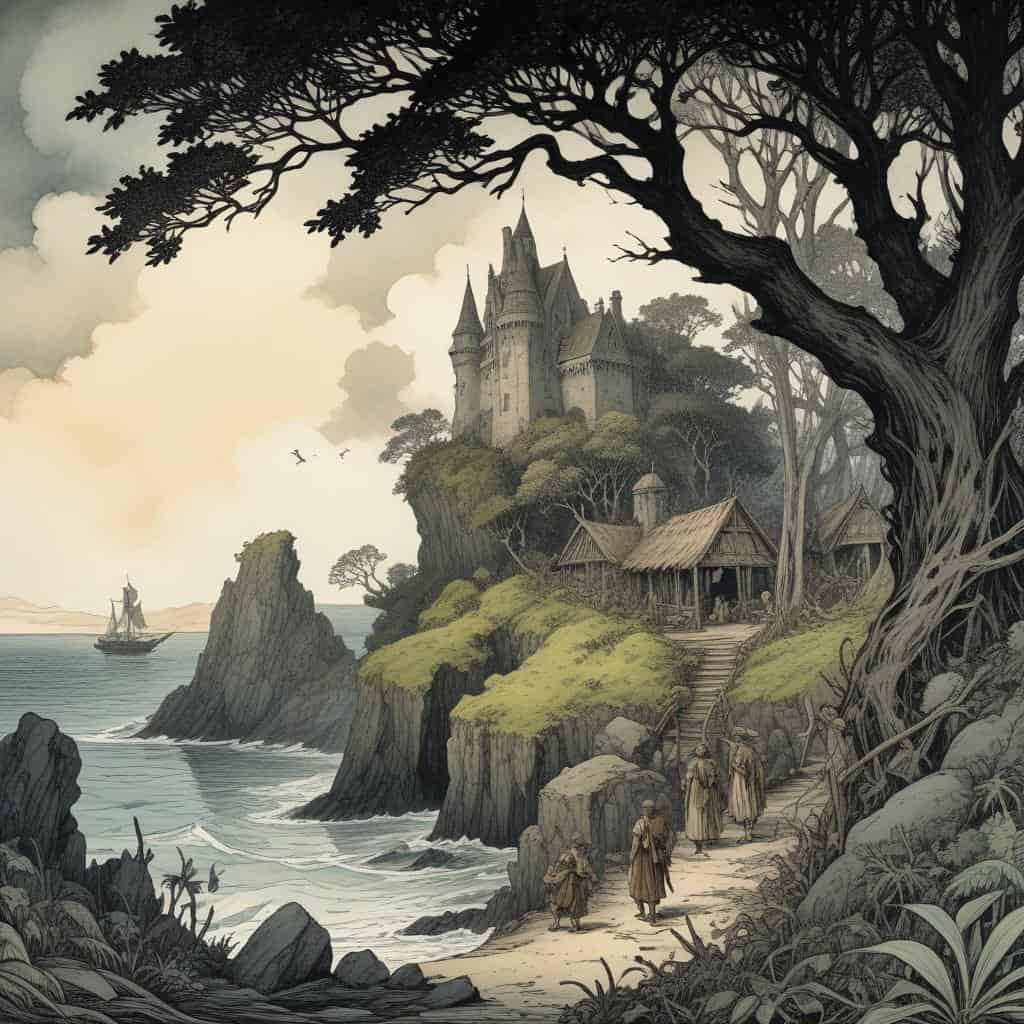
8. Historical Sites
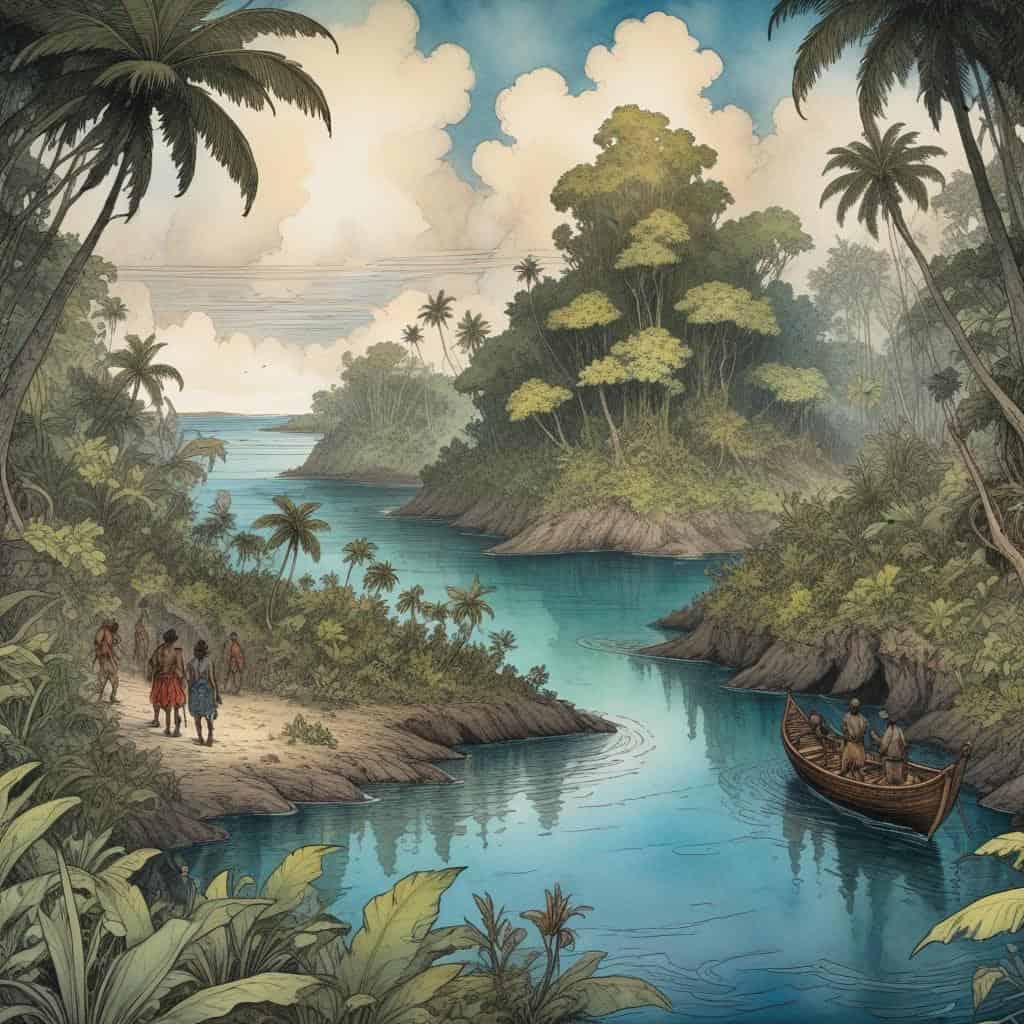
9. Eco-Tourism Opportunities
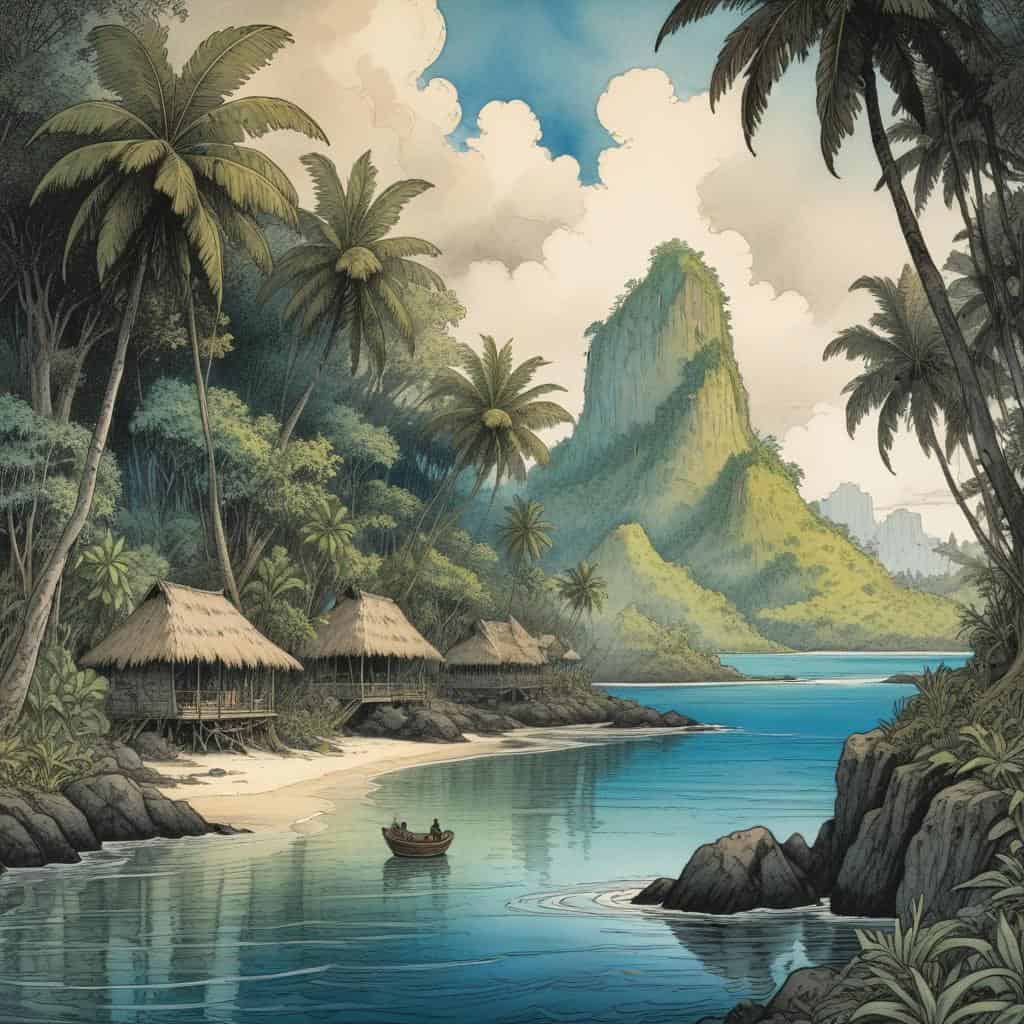
10. Untouched Beauty
In a Nutshell
- Capital: Honiara
- Population: Approx. 700,000 (2021)
- Official Language: English
- Currency: Solomon Islands dollar (SBD)
Breaking Down the Country
Geographical Diversity
From lush rainforests to pristine coral reefs, the Solomon Islands boast a wide range of ecosystems, making it a paradise for nature lovers.
Cultural Heritage
With a rich Melanesian culture, the Solomon Islands are home to vibrant traditions, unique art forms, and age-old customs that have stood the test of time.
Marine Wonderland
Dive into crystal-clear waters teeming with colorful marine life, including coral gardens, sharks, and rays, making the Solomon Islands a top diving destination.
Timeline of Solomon Islands
First human settlement on the Solomon Islands
Arrival of the first European explorers
British explorer Alvaro de Mendaña de Neira names the islands 'Solomon Islands'
First contact with Europeans
British establish a protectorate over the Solomon Islands
Solomon Islands become part of the British Empire
Japanese occupation during WWII
Solomon Islands gain independence from Britain
Riots and ethnic tensions in Honiara
Australian-led peacekeeping mission to the Solomon Islands
Tsunami devastates parts of the Solomon Islands
Earthquake and tsunami hit the islands
Cyclone devastates parts of the Solomon Islands
Renewed ethnic tensions in Honiara
Diplomatic ties established with China
COVID-19 pandemic reaches the Solomon Islands
New infrastructure projects funded by China
Solomon Islands signs security agreement with Australia
Protests against Chinese influence in the Solomon Islands
Renewed tensions with Papua New Guinea over maritime boundaries
Vocabulary List
- Beach
- The white sandy beaches of the Solomon Islands are a popular tourist attraction.
- Coral reef
- The crystal-clear waters surrounding the Solomon Islands are home to beautiful coral reefs.
- Volcano
- The Solomon Islands are located along the Pacific Ring of Fire, which means there are several active volcanoes in the region.
- Rainforest
- The lush rainforests of the Solomon Islands are teeming with unique flora and fauna.
- Lagoon
- The calm, turquoise lagoons of the Solomon Islands are perfect for snorkeling and diving.
- Coconut palm
- The coconut palms swaying in the tropical breeze are a common sight in the Solomon Islands.
- Village
- Traditional villages in the Solomon Islands are built using locally-sourced materials and techniques.
- Canoe
- Canoeing is a popular mode of transportation in the Solomon Islands, especially in the more remote areas.
- Waterfall
- The Solomon Islands are home to several stunning waterfalls, perfect for adventure seekers.
- Market
- Local markets in the Solomon Islands are a great place to sample fresh produce and handmade crafts.
- Mountain
- The rugged mountains of the Solomon Islands offer breathtaking views and challenging hiking opportunities.
Key Facts
This is the information used in the fact matching game
- Solomon Islands is made up of six major islands and over 900 smaller islands.
- The capital of Solomon Islands is Honiara, located on the island of Guadalcanal.
- The Solomon Islands are known for their beautiful coral reefs and crystal-clear waters, making them a popular destination for scuba diving and snorkeling.
- The islands are home to diverse wildlife, including unique bird species like the Solomon Islands frogmouth and the moustached kingfisher.
- The traditional culture of the Solomon Islands includes elaborate dances, intricate wood carvings, and colorful shell money.
- The weather in the Solomon Islands is tropical, with high humidity and temperatures averaging around 27°C (80°F) year-round.
- The islands are prone to earthquakes and tsunamis due to their location along the Pacific Ring of Fire.
- The landscape of the Solomon Islands includes volcanic mountains, lush rainforests, and white sandy beaches.
- The economy of the Solomon Islands is heavily reliant on agriculture, fishing, and logging.
- Honiara is the largest city in the Solomon Islands and serves as the country's political and economic center.
- The Solomon Islands gained independence from Britain in 1978.
- The people of the Solomon Islands speak over 70 different languages, reflecting the country's diverse cultural heritage.
- The islands are a popular destination for eco-tourism, with opportunities for hiking, bird-watching, and cultural experiences.
- The traditional clothing of the Solomon Islands includes woven grass skirts, shell necklaces, and feather headdresses.
- The Solomon Islands were named after King Solomon of ancient Israel by Spanish explorers in the 16th century.
- The islands are home to World War II relics, including sunken ships, aircraft wrecks, and war memorials.
- The Solomon Islands are known for their vibrant markets, where visitors can buy local handicrafts, fresh produce, and seafood.
- The islands have a rich oral tradition, with stories passed down through generations in the form of songs, myths, and legends.
- The traditional music of the Solomon Islands includes bamboo flutes, conch shells, and slit gongs.
- The Solomon Islands have a strong sense of community, with villages working together to solve problems and support each other.
Why It Matters
Geopolitical Significance
The Solomon Islands, located in the Pacific Ocean, hold strategic importance due to their position between Australia and Papua New Guinea. The region’s natural resources and maritime trade routes make it a key player in regional security and economic interests.
Historical Importance
The Solomon Islands have a rich history of indigenous cultures and World War II battles. The islands were a battleground between Allied and Japanese forces, leaving a lasting impact on the local population and shaping the country’s identity.
Modern-Day Role
Today, the Solomon Islands face challenges of governance, natural resource management, and climate change. The country’s role in the Pacific Islands Forum and its relationships with regional powers like Australia and China are crucial for its development and stability.
Solomon Islands Games


Take Your Learning Offline
Want a convenient, print-ready study guide for this lesson? Become a Memory Wizards Pro member to unlock the downloadable " Memory Scrolls" for this topic and our entire library!
- ✓ Complete Vocabulary Lists
- ✓ Key Facts & Timelines
- ✓ Beautifully Formatted for Print & Mobile