
How Do You Learn Best?
Learn by Reading
Immerse yourself in the 10-minute visual lesson for a comprehensive understanding of the topic.
Learn by Reviewing
Jump directly to the key facts, timeline, and vocabulary lists to build a solid foundation of details.
Learn by Doing
Challenge yourself! Jump straight into the interactive games to learn by trial, error, and discovery.
Samoa in 10 Minutes
Introduction
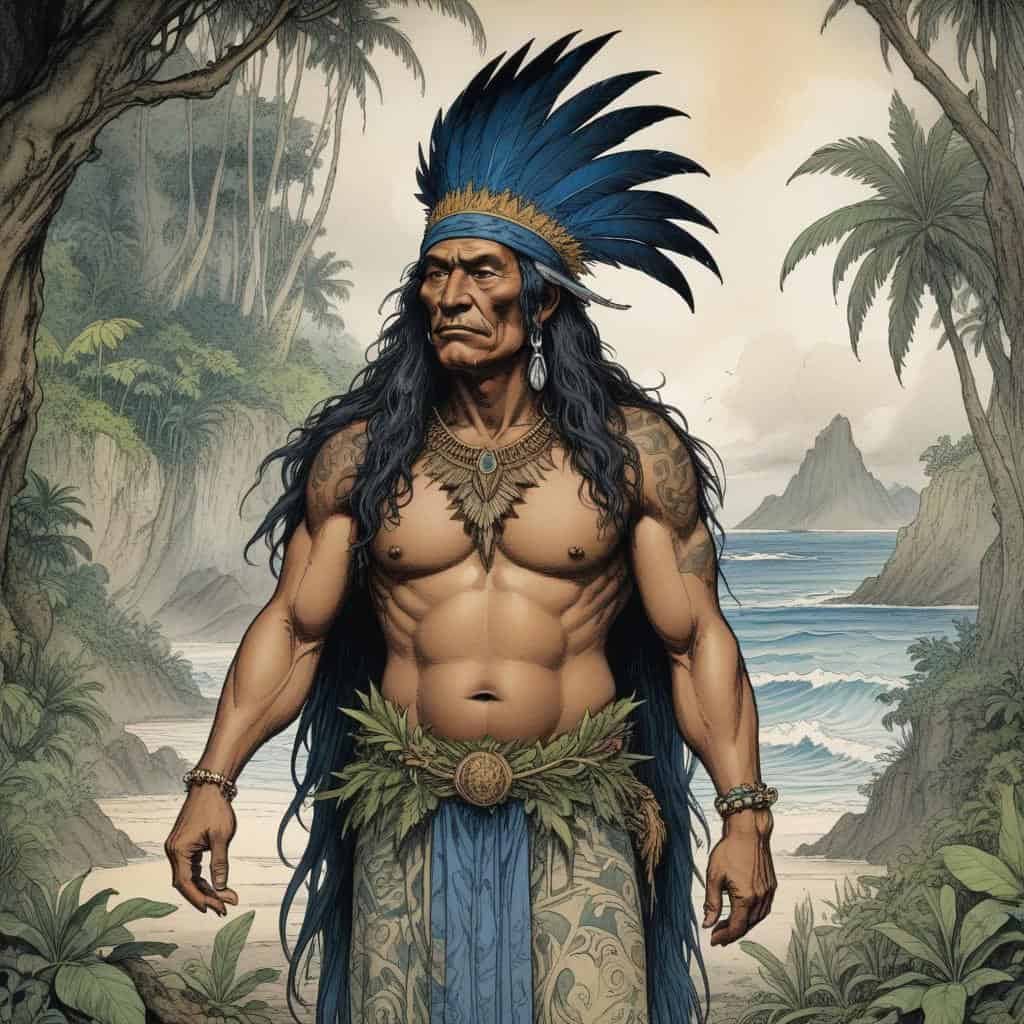
Chief Tui
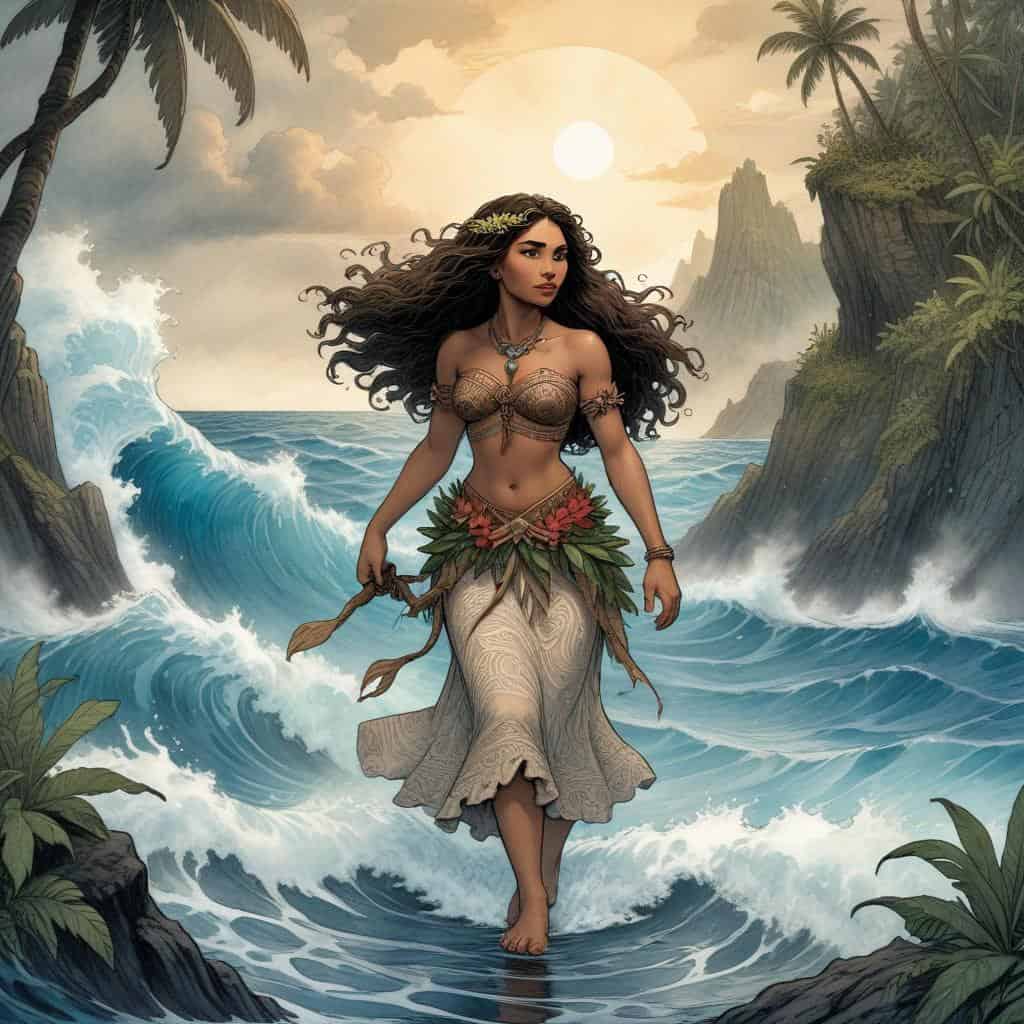
Princess Moana
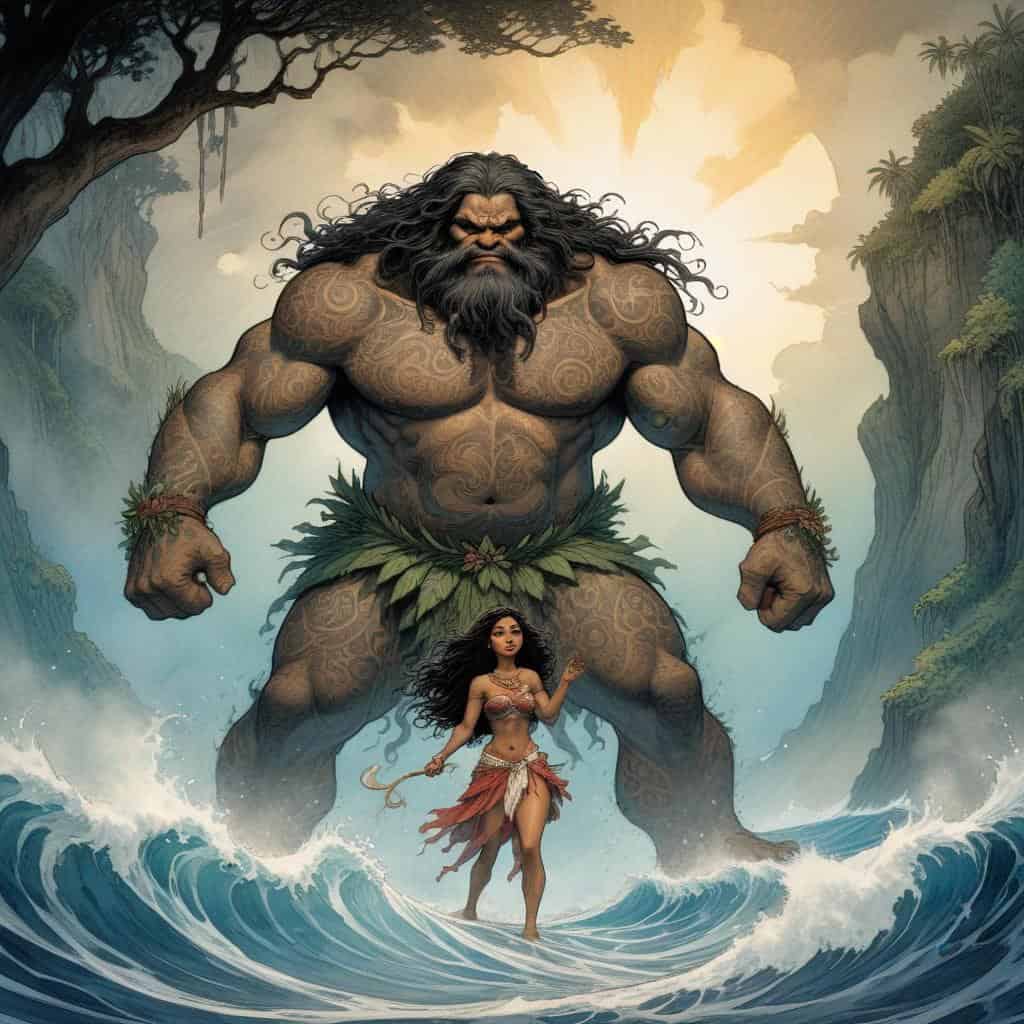
Uncle Maui

Grandma Tala
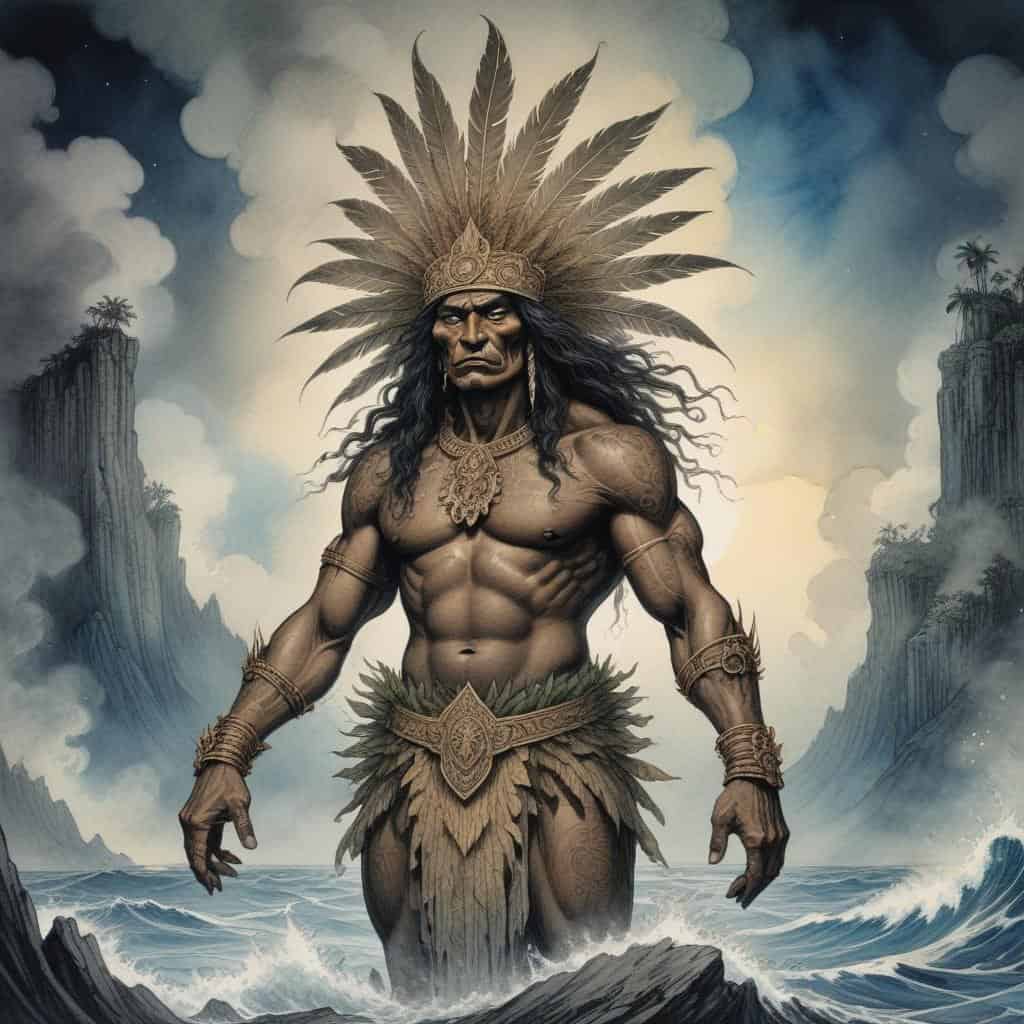
Chief Ancestor Tagaloa
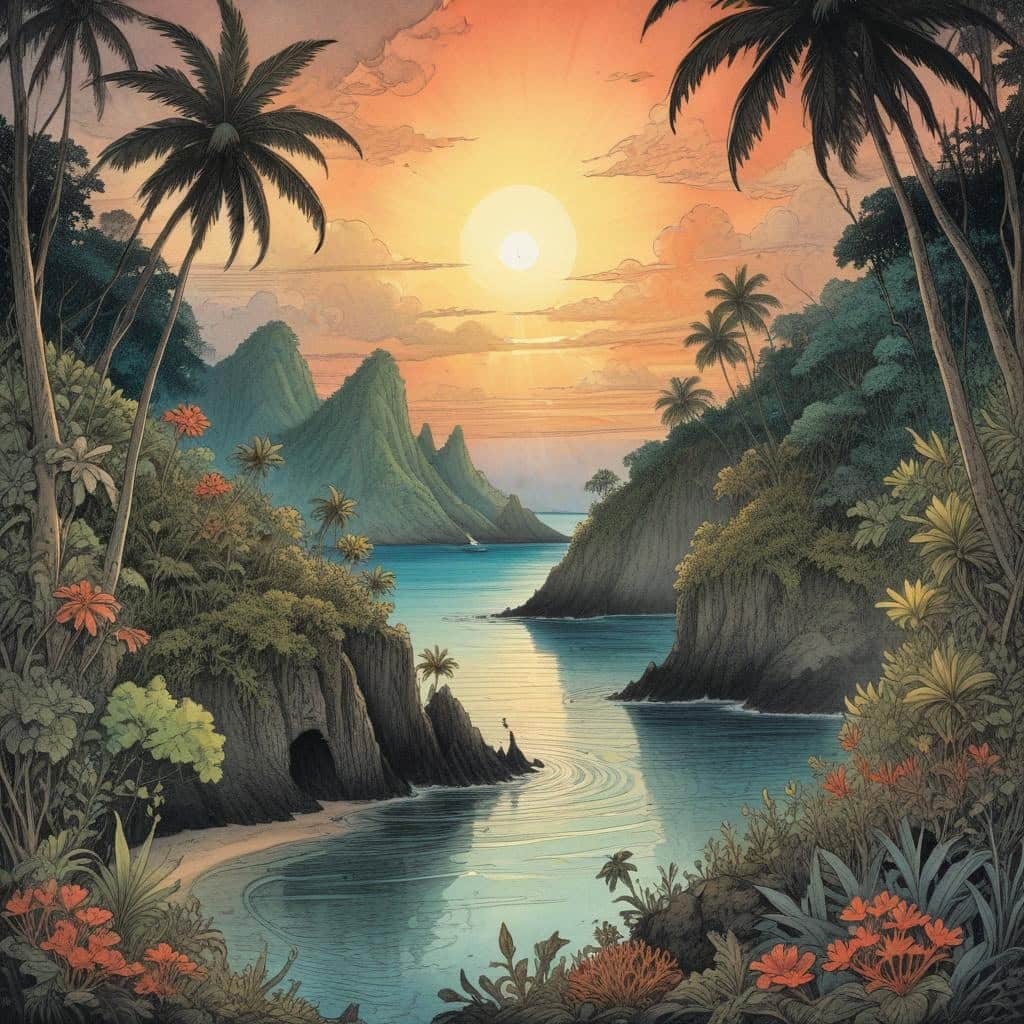
Exploring the Stunning Landscapes of Samoa: A Brief Overview
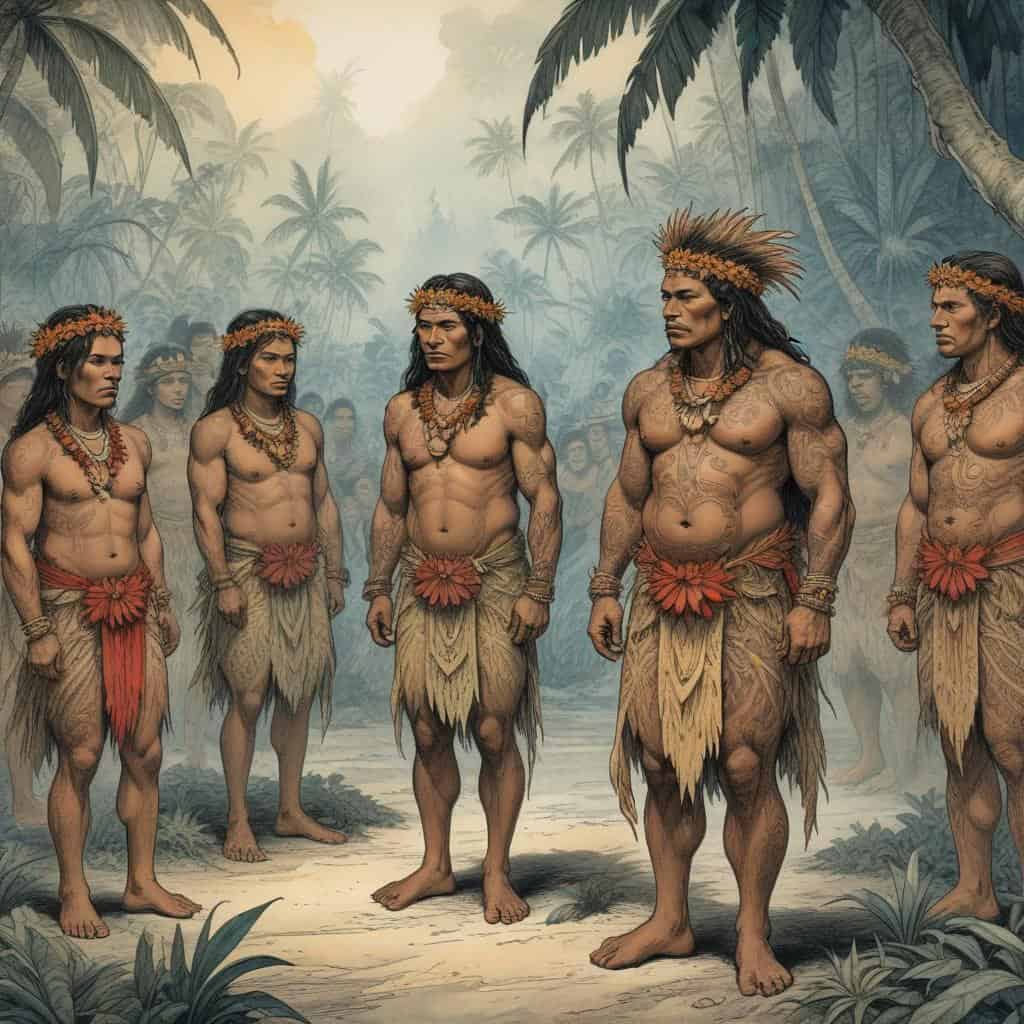
Discovering the Rich Culture of Samoa

Exploring Samoas National Parks and Reserves
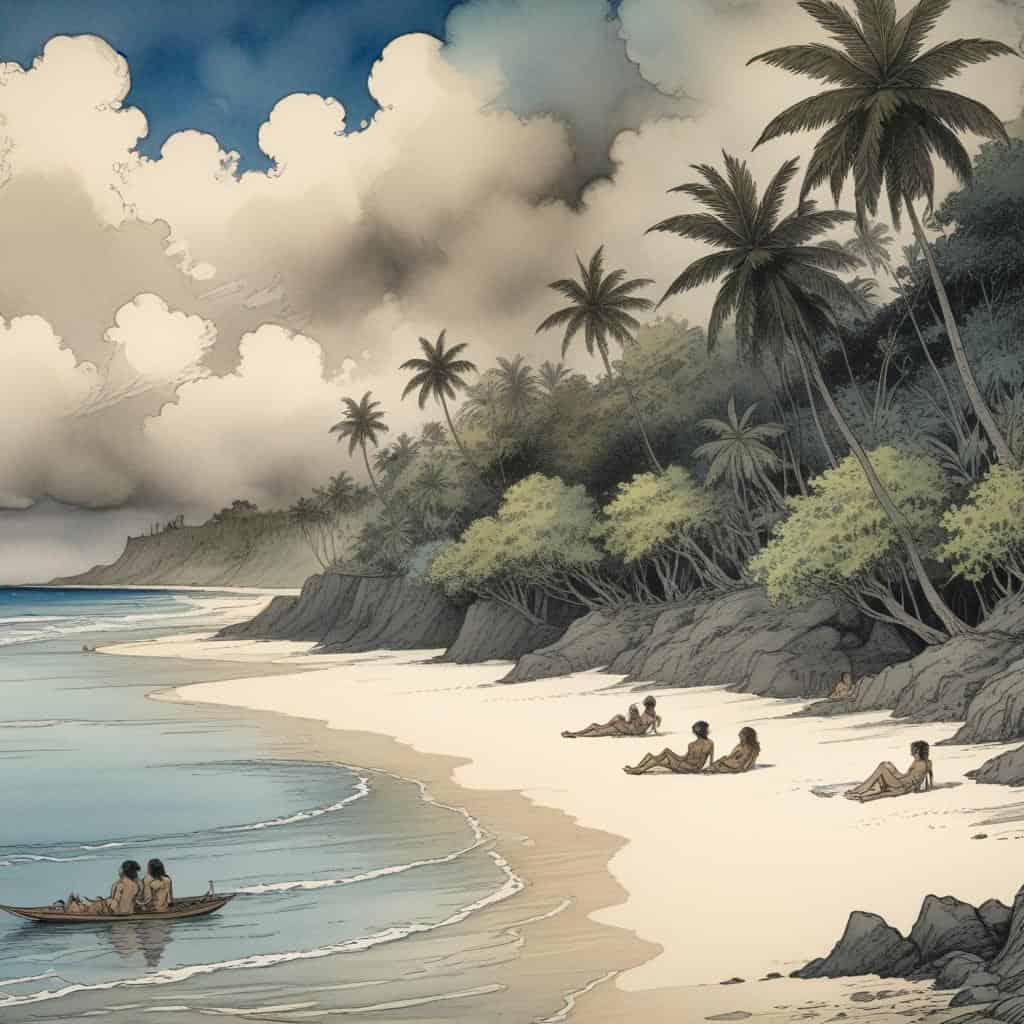
Relaxing on Samoas Pristine Beaches
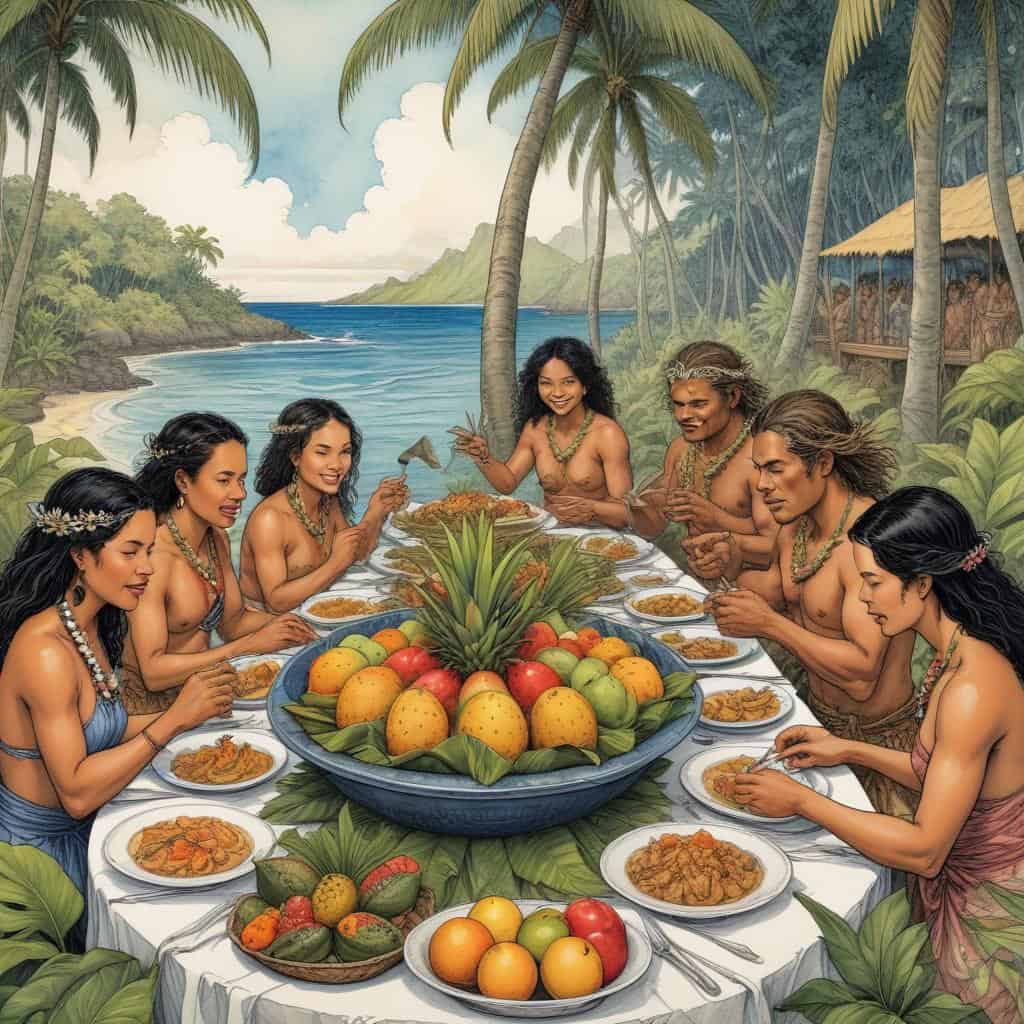
Immersing Yourself in Samoan Cuisine

Exploring Samoas Unique Wildlife
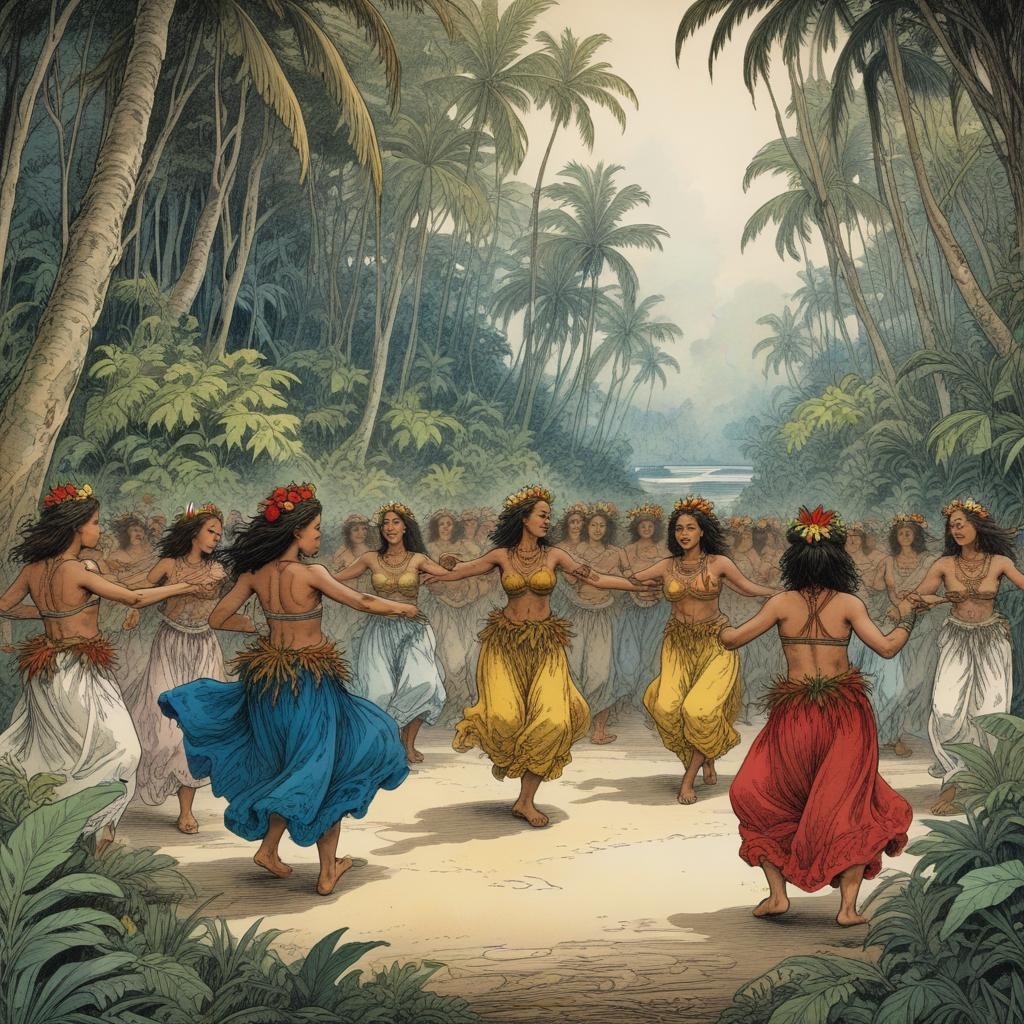
Experiencing Traditional Samoan Dance and Music
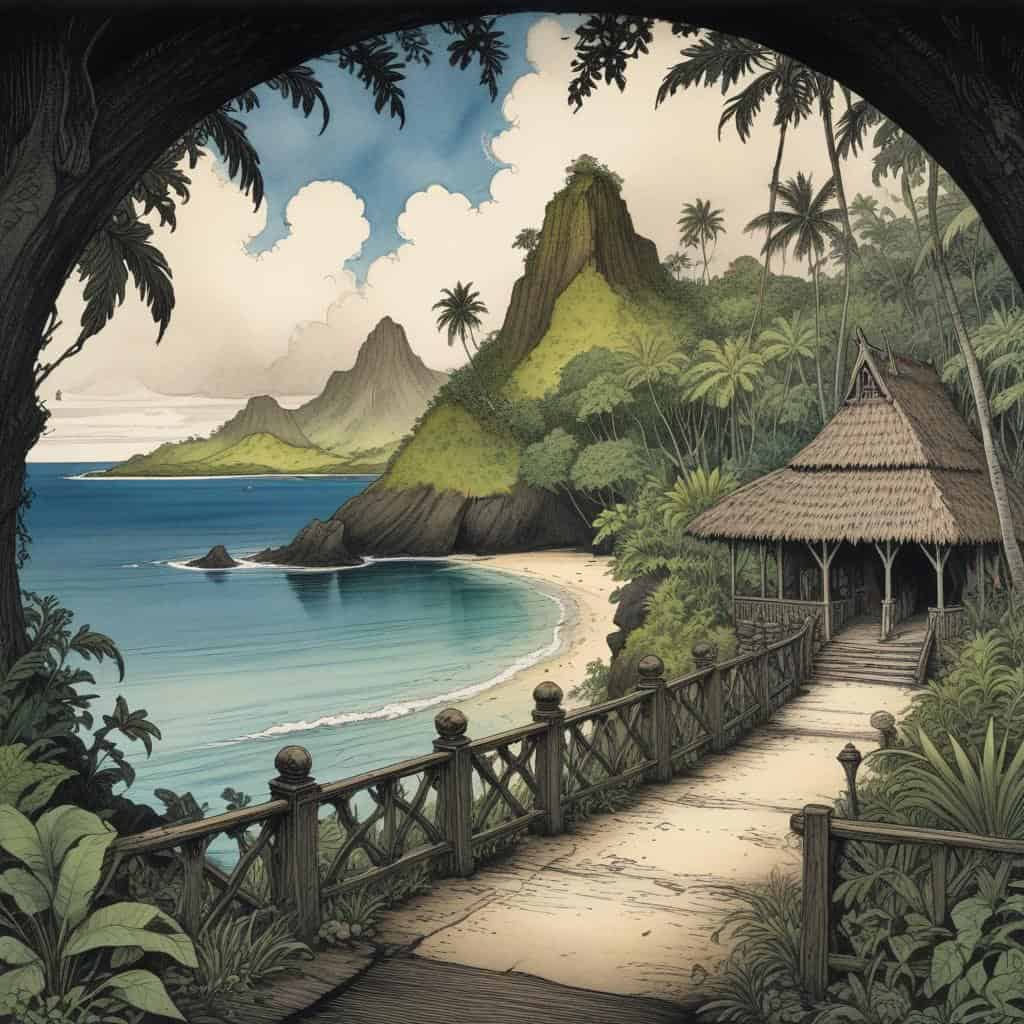
Visiting Samoas Historical Sites

Participating in Eco-Friendly Tours and Activities
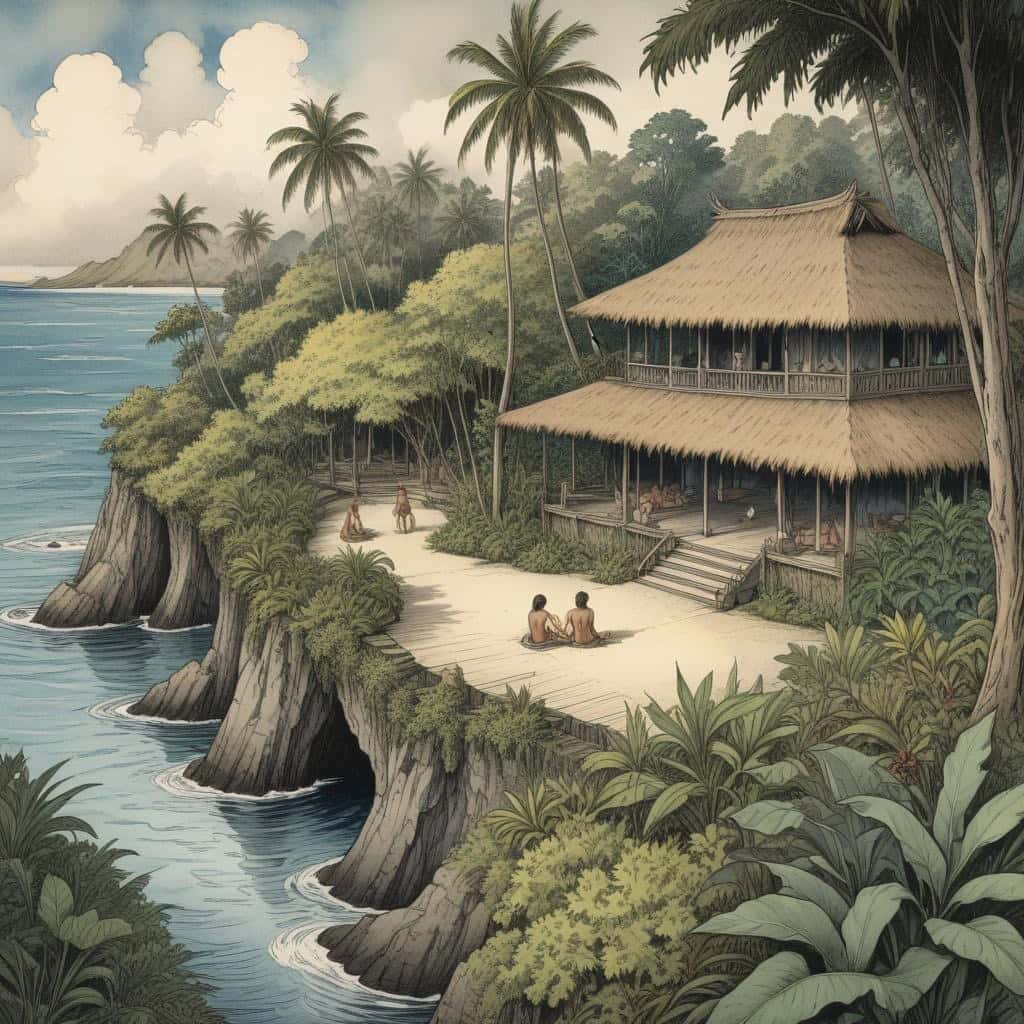
Enjoying the Serenity of Samoas Spa and Wellness Retreats
In a Nutshell
- Capital: Apia
- Population: Approx. 200,000 (2021)
- Official Language: Samoan, English
- Currency: Samoan tala (WST)
Breaking Down the Country
Geographical Beauty
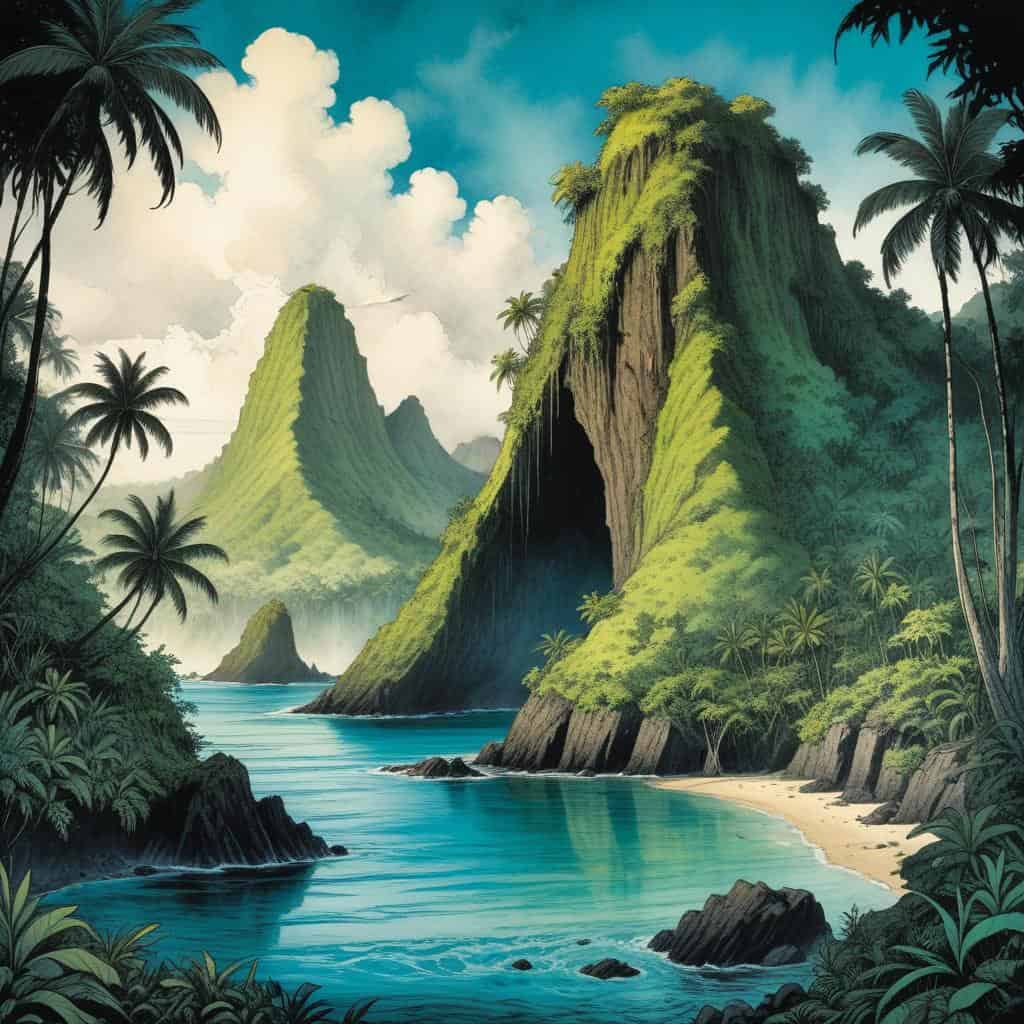
Samoa boasts lush rainforests, stunning waterfalls, and pristine beaches, making it a paradise for nature lovers and adventure seekers.
Vibrant Culture
Experience the rich Polynesian culture of Samoa through traditional dance, music, art, and cuisine, all deeply rooted in community and family values.
Samoan Traditions
Learn about the unique customs and rituals of Samoa, including the art of tattooing, traditional ceremonies, and the importance of storytelling in preserving history.
Timeline of Samoa
First settlement of Samoa by Polynesians
European contact with Samoa by Dutch explorers
First Christian missionaries arrive in Samoa
Treaty of Berlin establishes Samoa as a neutral territory
Mau movement protests against New Zealand rule in Samoa
Samoa gains independence from New Zealand
Western Samoa changes its name to Samoa
Apia, the capital of Samoa, is hit by a tsunami
Samoa switches driving from right to left-hand side of the road
Samoa qualifies for its first Rugby World Cup
Samoa wins its first Olympic medal in weightlifting
Samoa hosts the Pacific Games
Samoa experiences a measles outbreak
Samoa declares a state of emergency due to COVID-19
Samoa holds a general election
Samoa celebrates its Independence Day
Samoa Rugby Union team wins the Pacific Nations Cup
Cyclone Evan hits Samoa causing widespread damage
Samoa celebrates the Teuila Festival
Samoa National Museum opens in Apia
Vocabulary List
- Fale
- Traditional Samoan house made of wood and thatch
- Malae
- Open grassy area used for gatherings and ceremonies
- Puletasi
- Traditional Samoan dress worn by women
- Va'a
- Outrigger canoe used for fishing and transportation
- Siva
- Traditional Samoan dance performed at special occasions
- Palagi
- Term used to refer to foreigners or non-Samoans
- Matai
- Chief or leader in Samoan culture
- To'ona'i
- Traditional Samoan feast or meal
- Fa'a Samoa
- Samoan way of life or culture
- Taupou
- Female village or ceremonial leader in Samoan culture
Key Facts
This is the information used in the fact matching game
- Samoa is made up of two main islands, Upolu and Savai'i, as well as several smaller islands.
- The landscape of Samoa is characterized by lush rainforests, volcanic mountains, and pristine beaches.
- The capital city of Samoa is Apia, located on the island of Upolu.
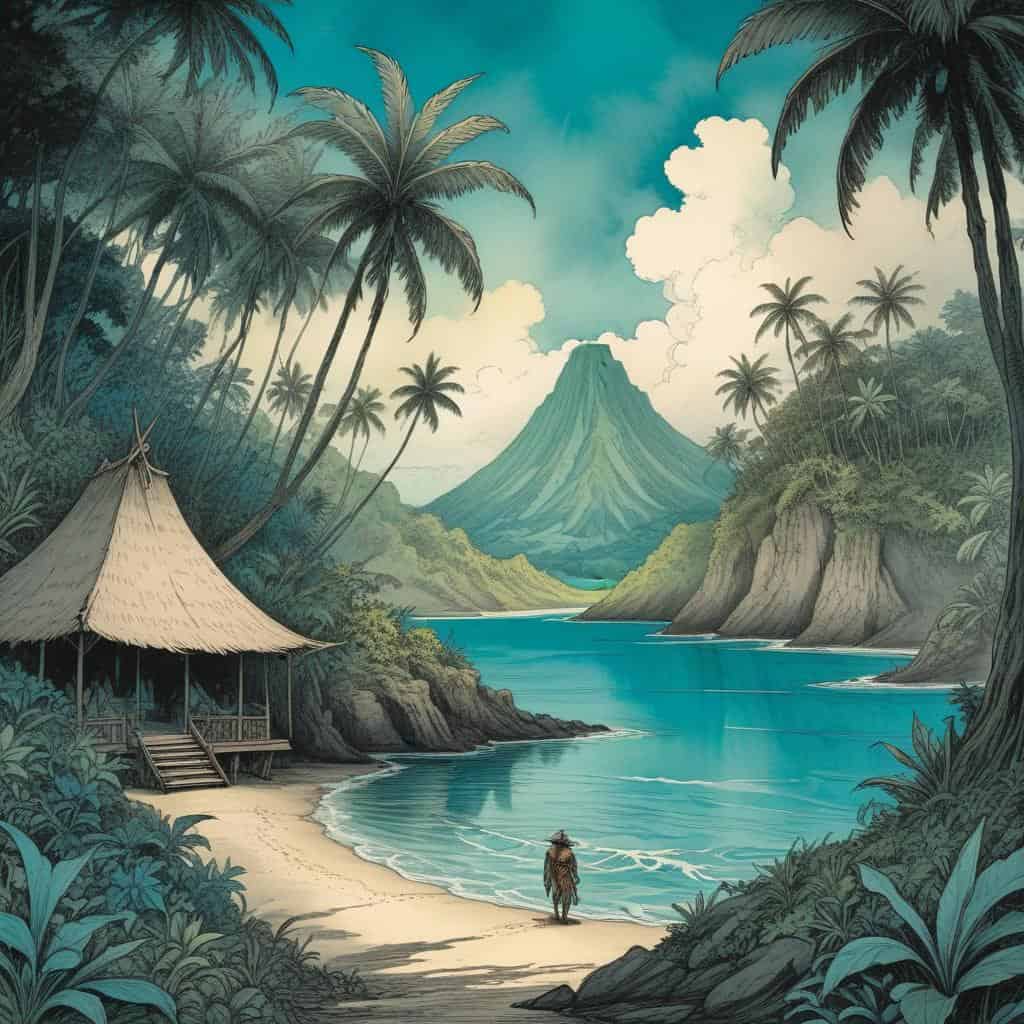
- Samoa is known for its traditional circular Samoan fale houses, which are open-air structures with thatched roofs.
- The To Sua Ocean Trench is a popular natural swimming hole located in Samoa, surrounded by lush tropical vegetation.
- Samoa is home to a variety of tropical fruits, including bananas, coconuts, papayas, and breadfruit.
- The Saleaula Lava Fields on the island of Savai'i are a reminder of Samoa's volcanic past, with hardened lava flows covering the landscape.
- Traditional Samoan tattooing, known as tatau, is an important cultural practice that has been passed down through generations.
- Samoan villages are typically centered around a malae, or village green, where community events and ceremonies take place.
- The Piula Cave Pool is a natural freshwater pool located in a limestone cave in Samoa, popular for swimming and diving.
- Samoa is known for its traditional dance and music, with performances often incorporating fire dancing and drumming.
- The Papaseea Sliding Rocks are a series of natural rockslides in Samoa, where visitors can slide down smooth rocks into freshwater pools.
- The Samoan culture places a strong emphasis on respect for elders and family, with communal living and sharing of resources common.
- Mount Vaea, located near Apia, is the final resting place of author Robert Louis Stevenson, who lived in Samoa in the late 19th century.
- The Samoa Cultural Village in Apia offers visitors a chance to learn about traditional Samoan customs, crafts, and performances.
- Samoa is home to a variety of bird species, including the rare tooth-billed pigeon and the critically endangered Manumea.
- The Robert Louis Stevenson Museum in Apia showcases the life and works of the famous author during his time in Samoa.
- The Afu Aau Waterfall, also known as Olemoe Falls, is a picturesque waterfall located in the village of Lotofaga in Samoa.
- Samoa is a popular destination for snorkeling and diving, with colorful coral reefs and a variety of marine life to explore.
- The Samoa Islands are part of the Polynesian region in the Pacific Ocean, known for their unique culture and traditions.
Why It Matters
Geopolitical Significance
Situated in the South Pacific Ocean, Samoa holds strategic importance due to its location between Hawaii and New Zealand. It plays a crucial role in regional trade and security, particularly as a member of the Pacific Islands Forum and the Commonwealth of Nations.
Historical Importance
Samoa has a rich history of indigenous culture and colonial struggles, with a legacy of resistance against European powers. The country’s traditional governance structures and rituals continue to shape its identity and influence its modern society.
Modern-Day Role
In the contemporary world, Samoa is recognized for its efforts in environmental conservation and sustainable development. As a small island developing state, it faces challenges such as climate change and economic sustainability, making its role in global discussions increasingly significant.
Samoa Games


Take Your Learning Offline
Want a convenient, print-ready study guide for this lesson? Become a Memory Wizards Pro member to unlock the downloadable " Memory Scrolls" for this topic and our entire library!
- ✓ Complete Vocabulary Lists
- ✓ Key Facts & Timelines
- ✓ Beautifully Formatted for Print & Mobile