
How Do You Learn Best?
Learn by Reading
Immerse yourself in the 10-minute visual lesson for a comprehensive understanding of the topic.
Learn by Reviewing
Jump directly to the key facts, timeline, and vocabulary lists to build a solid foundation of details.
Learn by Doing
Challenge yourself! Jump straight into the interactive games to learn by trial, error, and discovery.
Papua New Guinea in 10 Minutes
Introduction
1. The Huli Wigmen

2. The Sepik River People

3. The Tari Valley Tribes
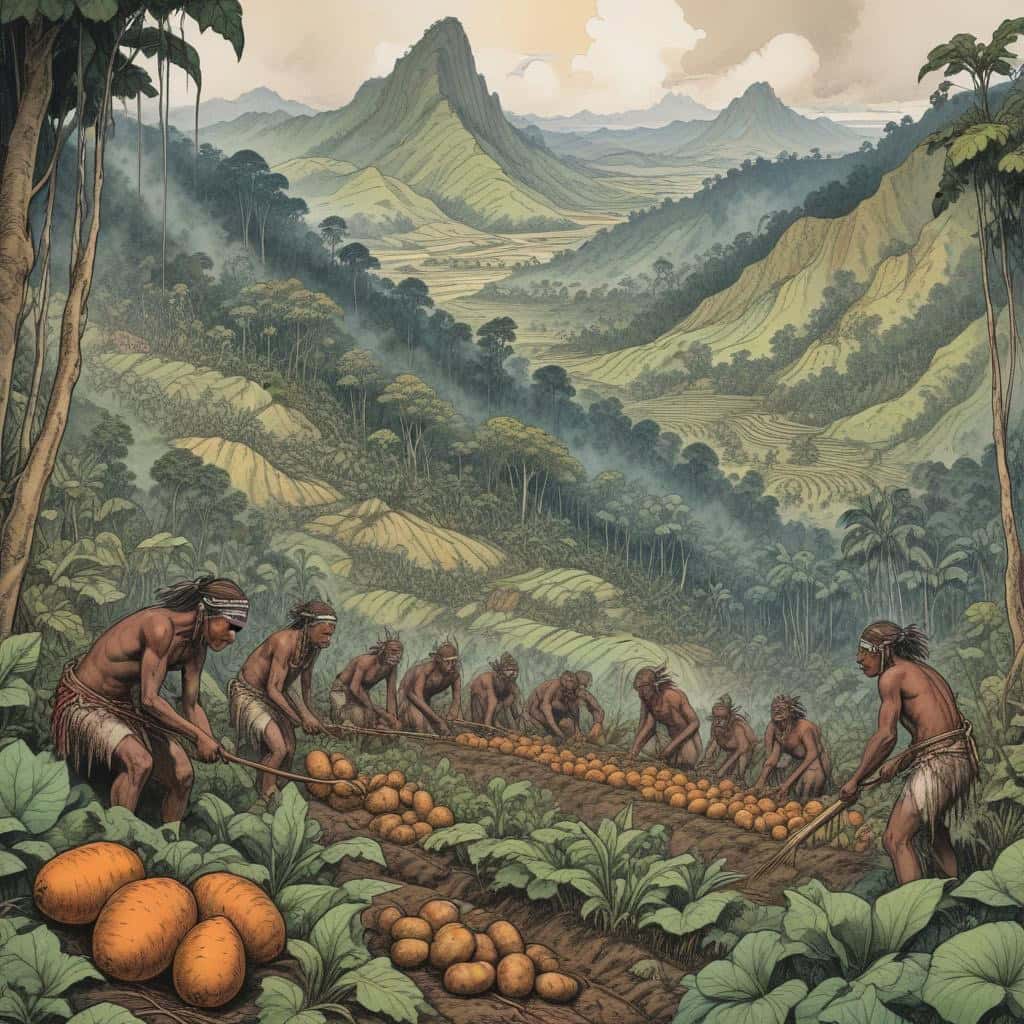
4. The Chimbu Tribe
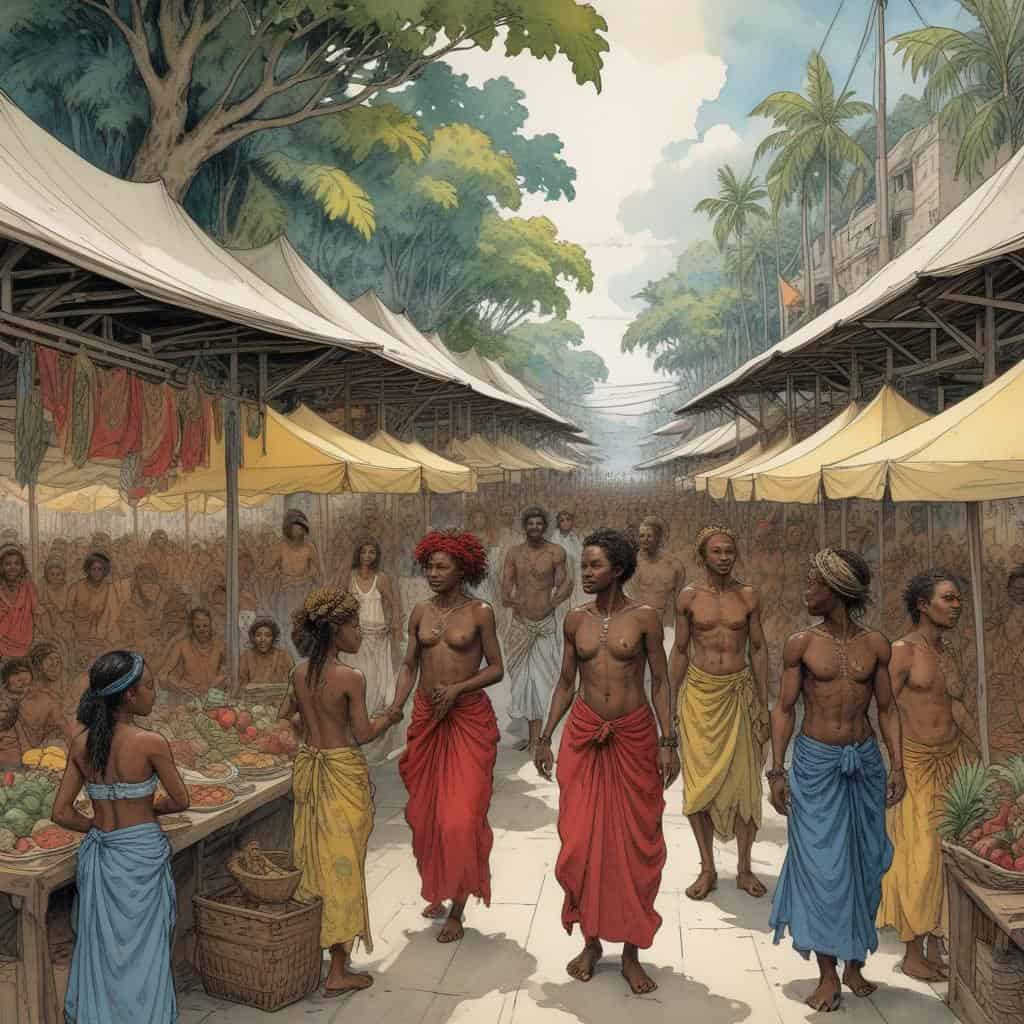
5. The Port Moresby Locals
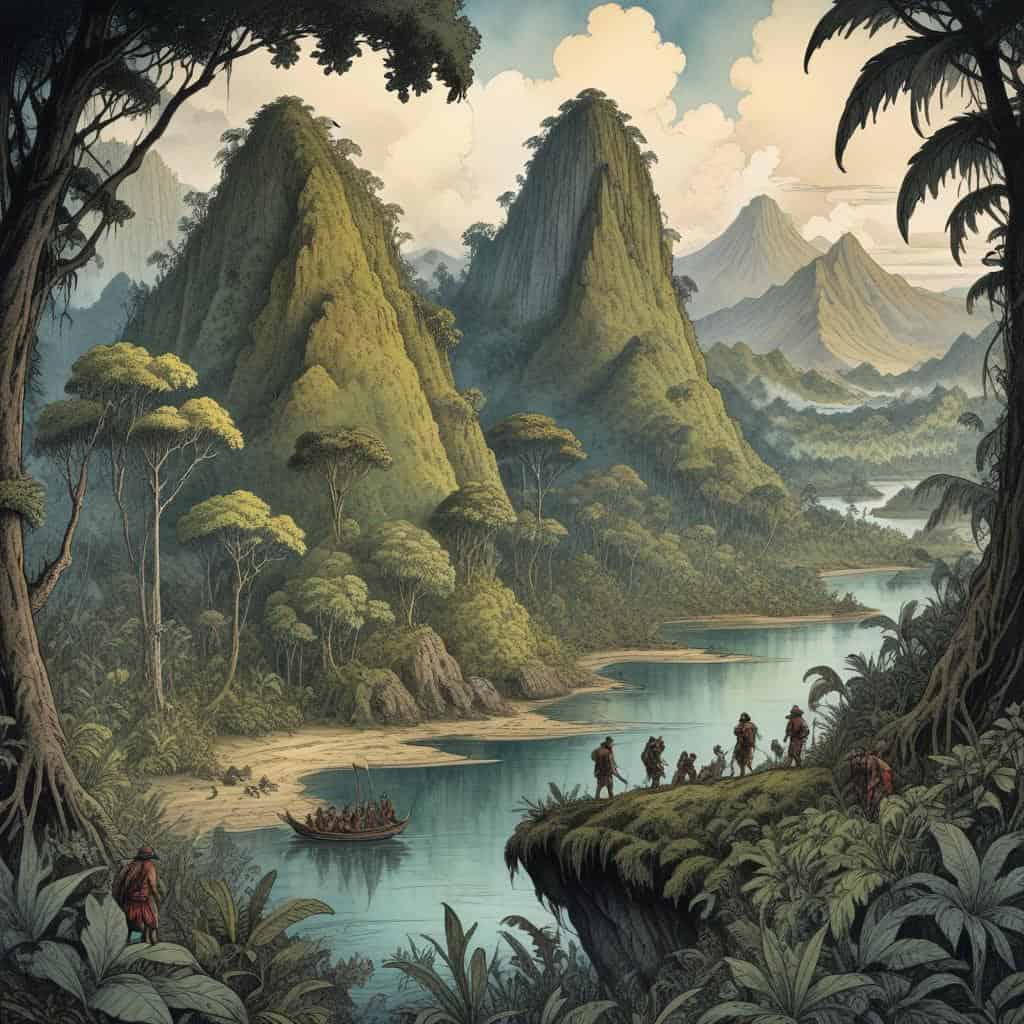
Exploring the Stunning Landscapes of Papua New Guinea
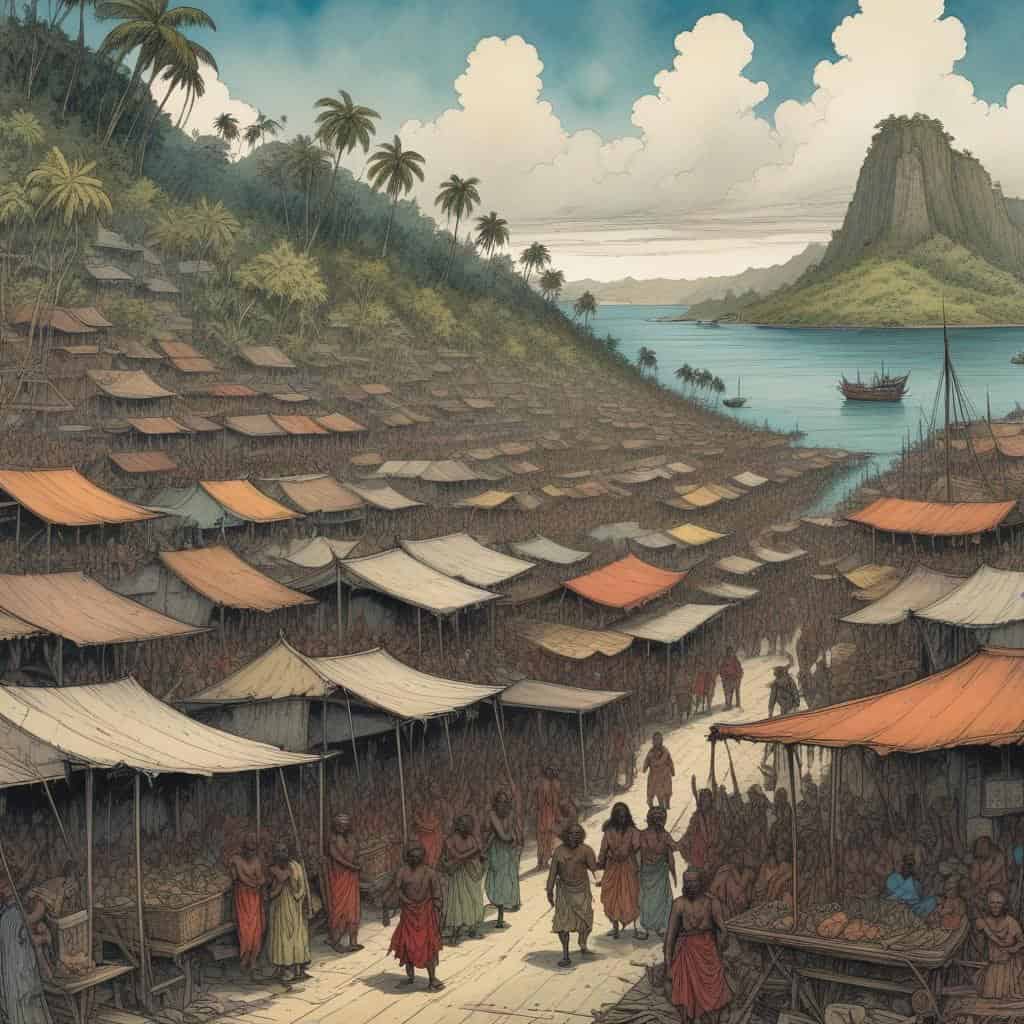
Discovering the Vibrant City Scenes of Papua New Guinea
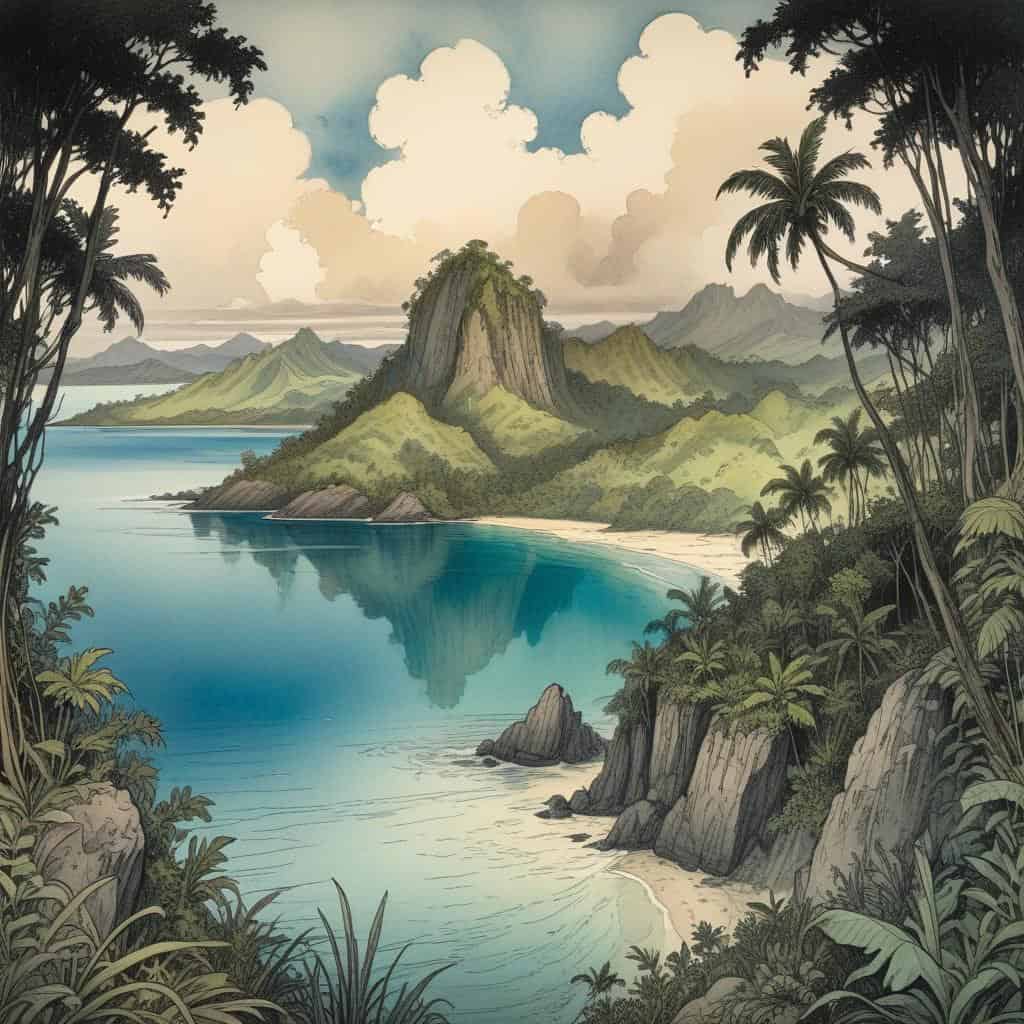
A Snapshot of Papua New Guineas Breathtaking Pacific Country Views
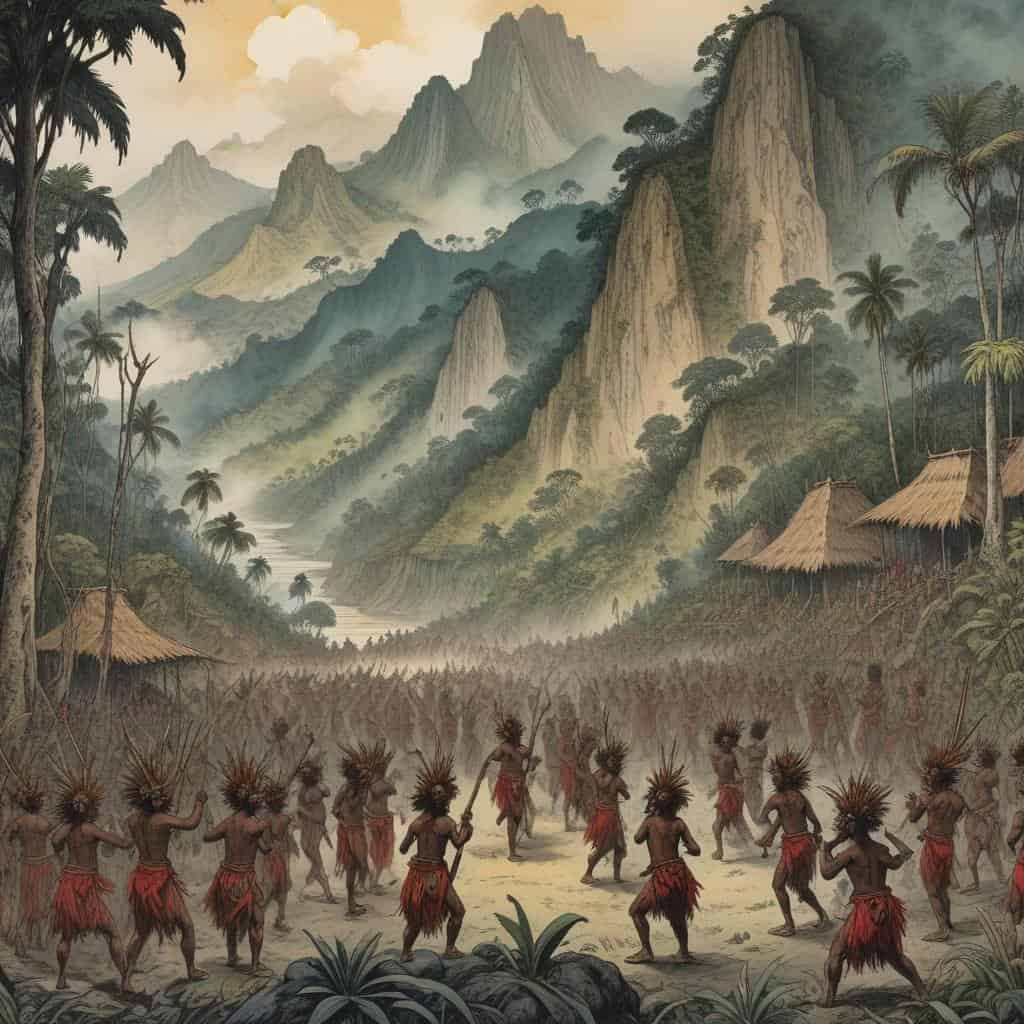
Unveiling the Beauty of Papua New Guinea
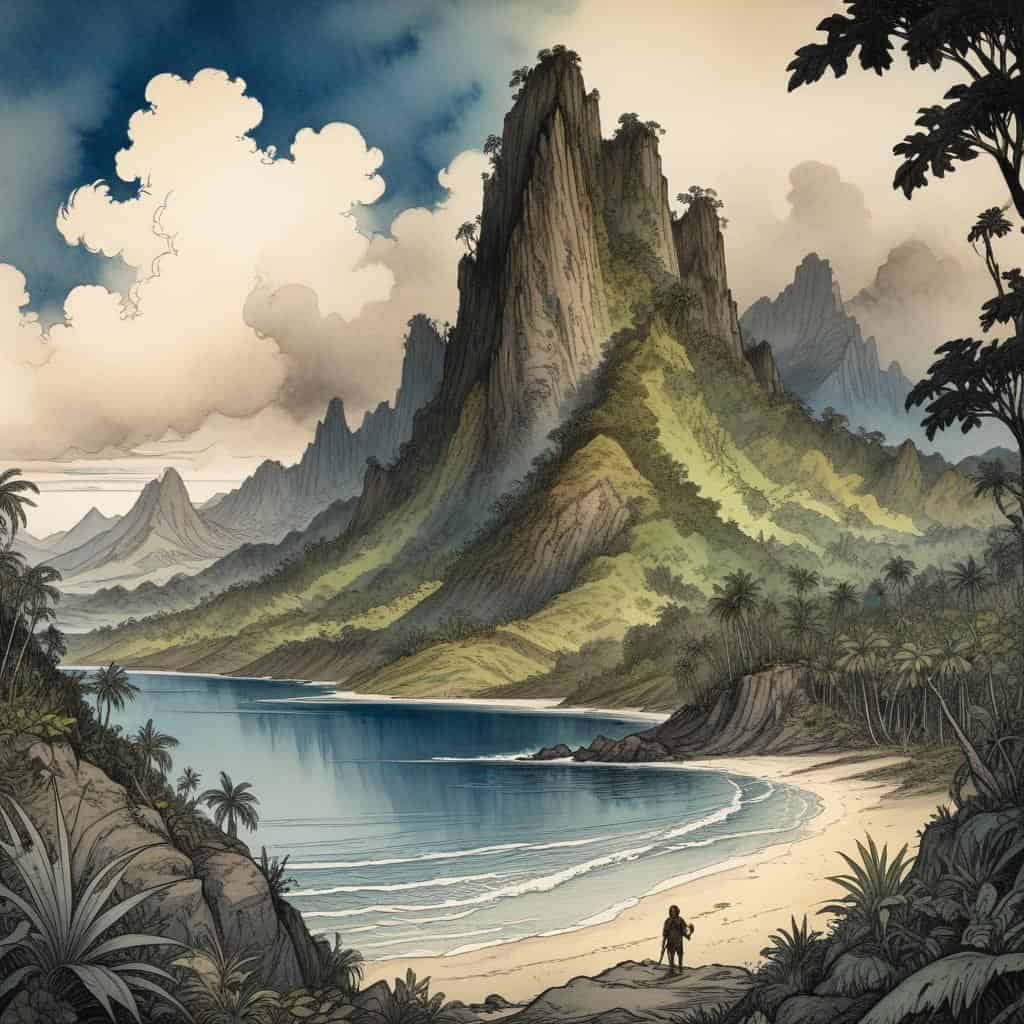
From Mountains to Oceans: A Summary of Papua New Guineas Diverse Terrain
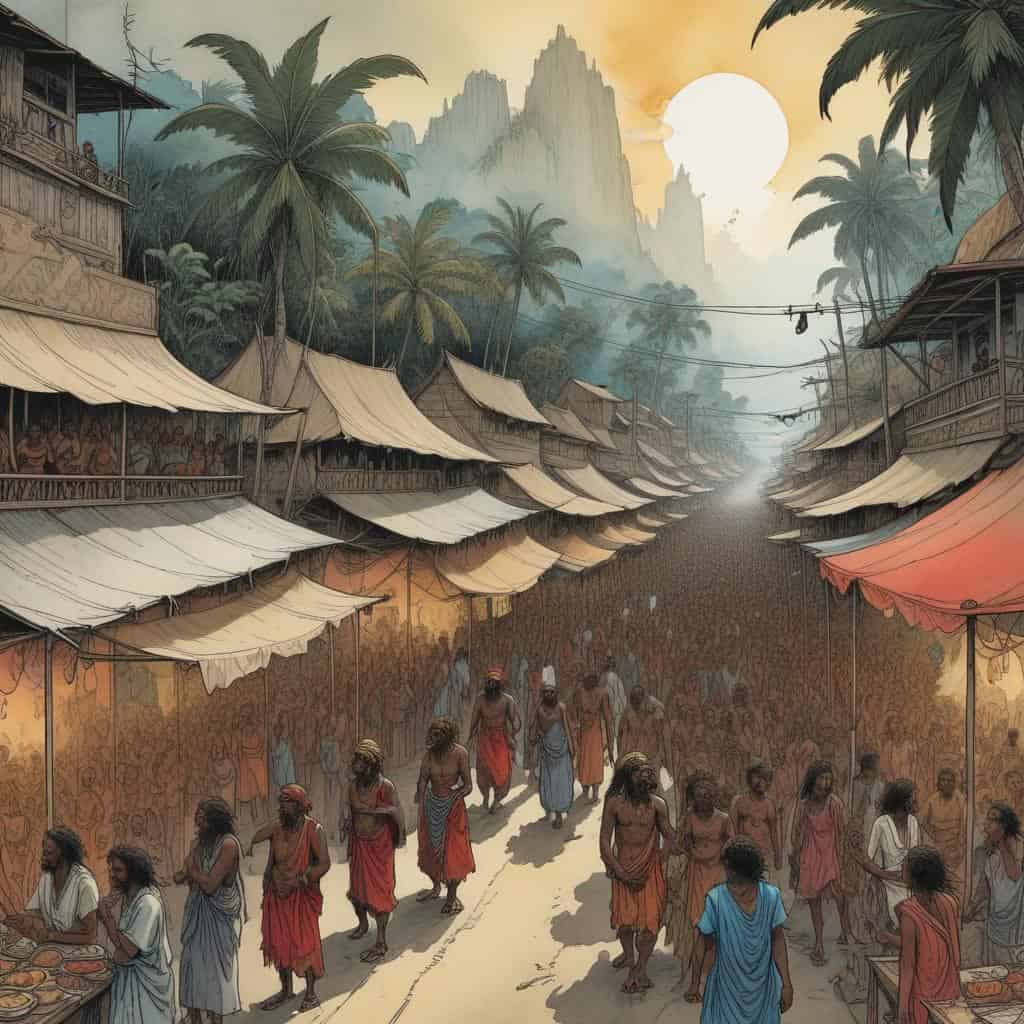
Capturing the Essence of Papua New Guinea
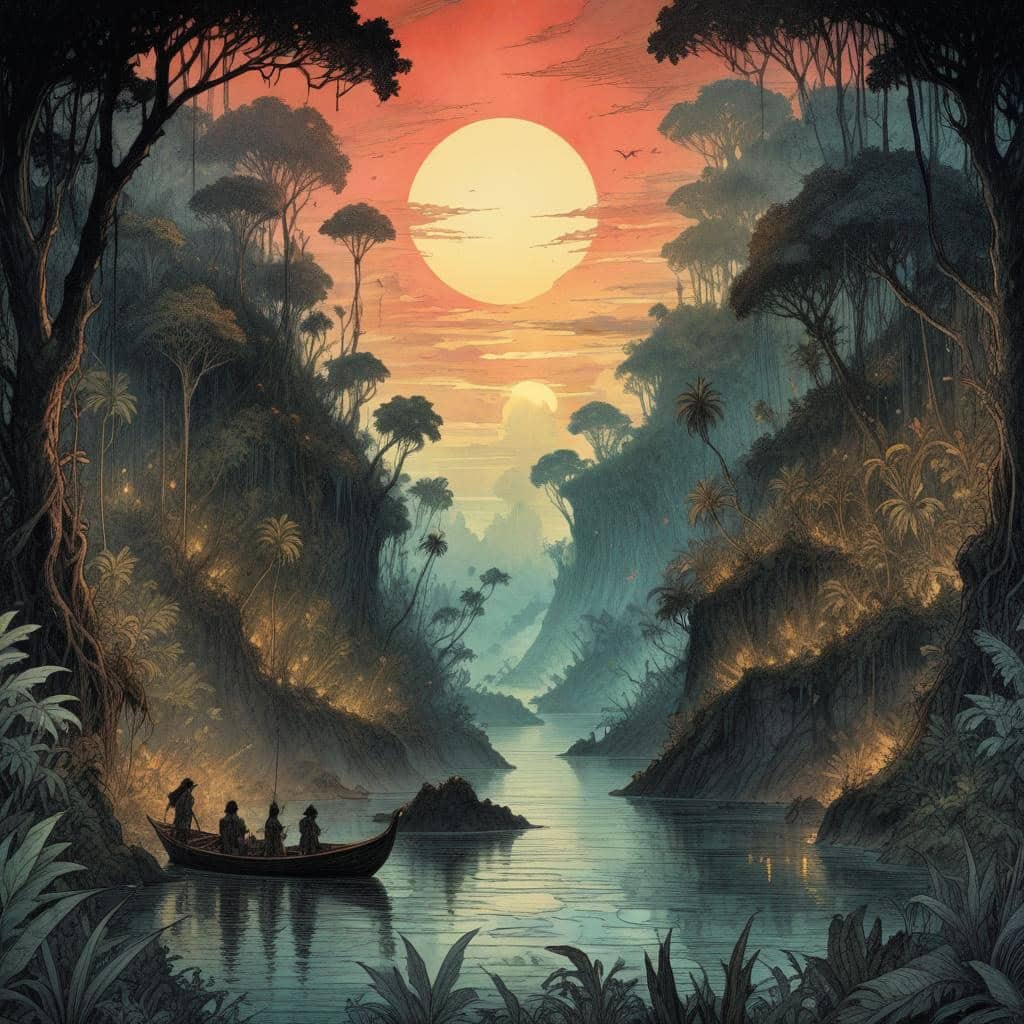
Papua New Guinea: A Quick Look at its Picturesque Landscapes
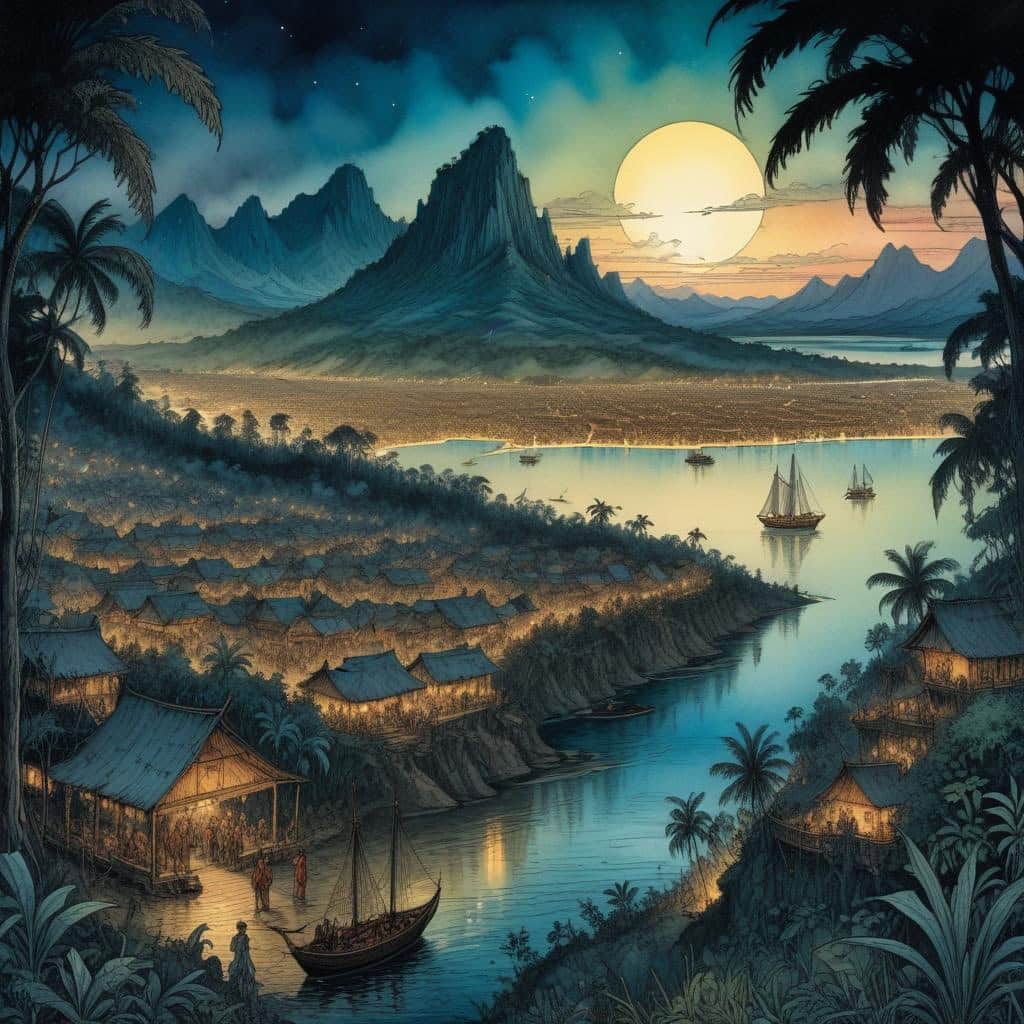
The Charm of Papua New Guinea

Papua New Guinea: A Glimpse into its Scenic Beauty in a Summary
In a Nutshell
- Capital: Port Moresby
- Population: Approx. 9 million (2021)
- Official Language: English, Tok Pisin, Hiri Motu
- Currency: Papua New Guinean kina (PGK)
Breaking Down the Country
Geographical Diversity
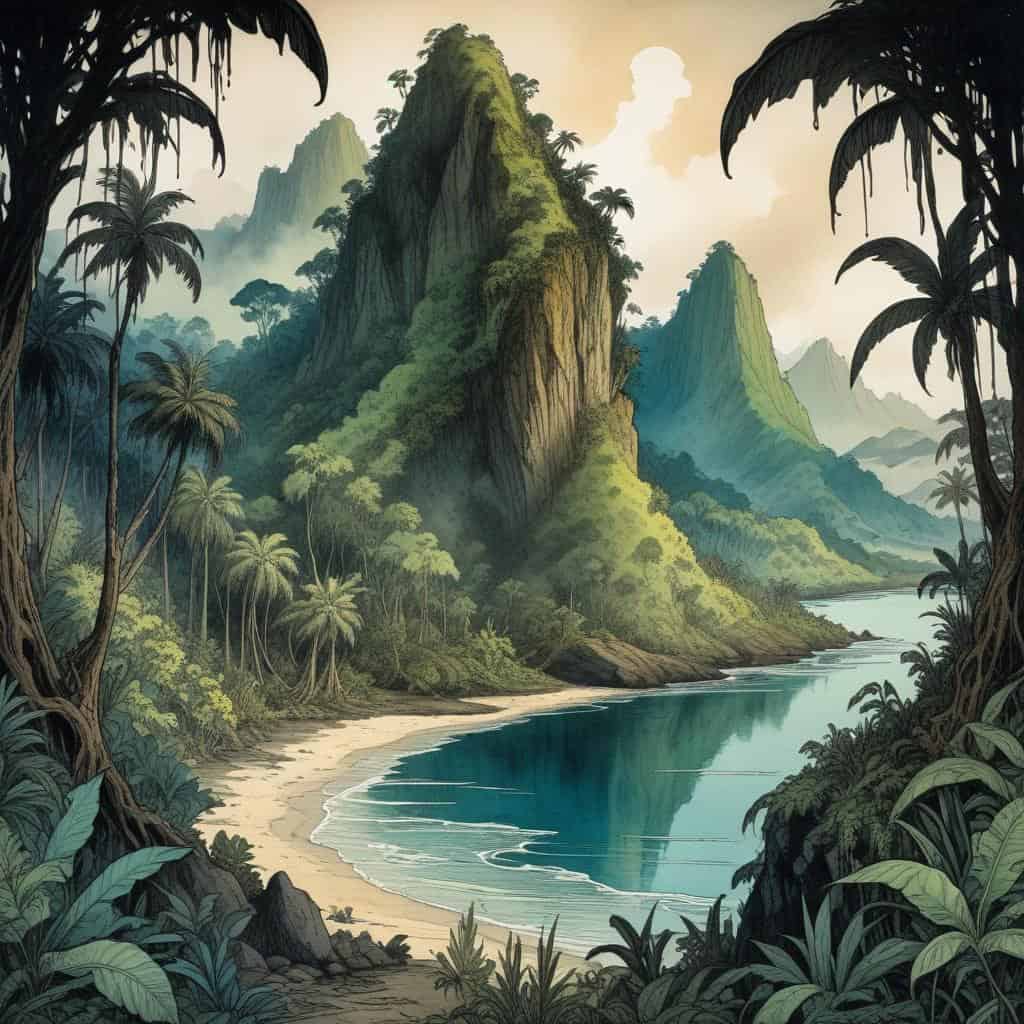
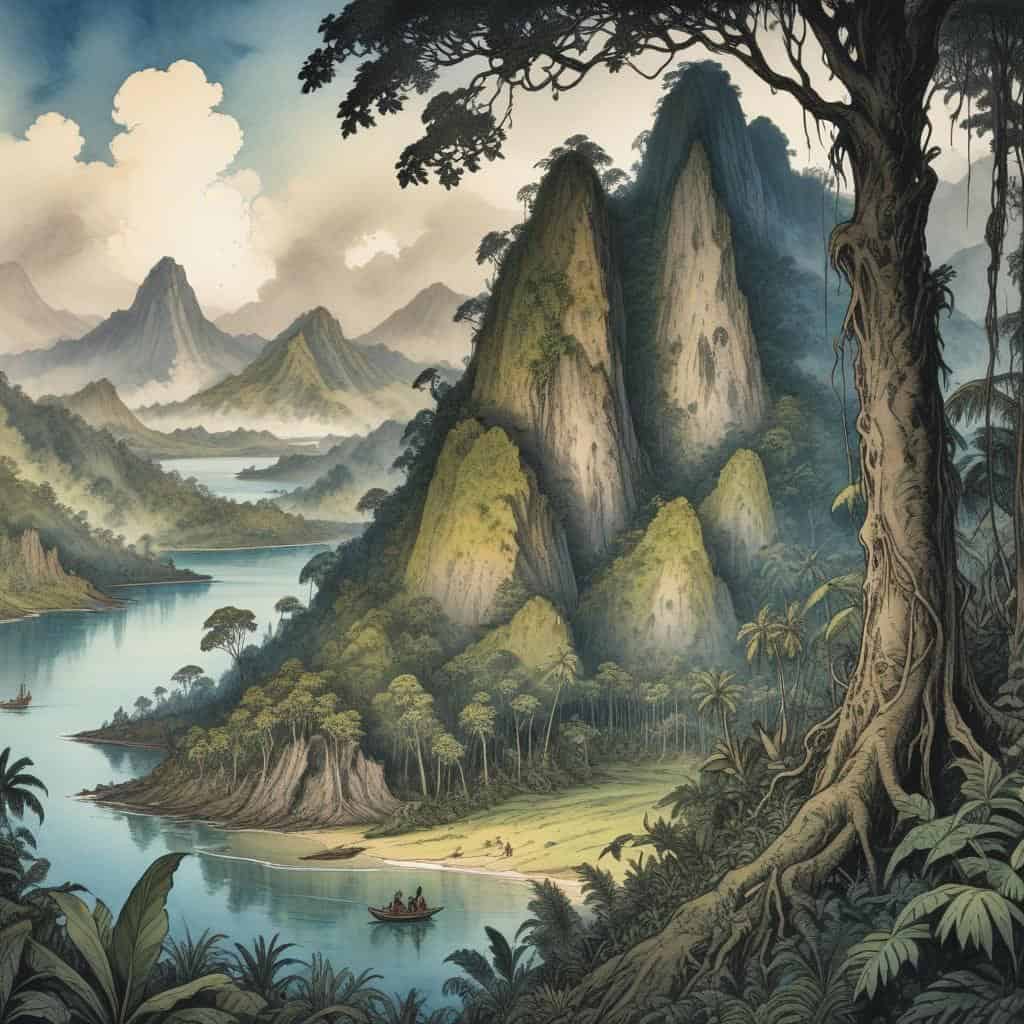
Papua New Guinea boasts diverse landscapes, from pristine rainforests and rugged mountains to tropical islands and coral reefs.
Cultural Heritage
Home to over 800 different languages and rich tribal traditions, Papua New Guinea offers a unique cultural experience like no other.
Biodiversity Hotspot
Discover a vast array of unique flora and fauna, including the iconic birds of paradise, in Papua New Guinea's biodiverse ecosystems.
Timeline of Papua New Guinea
First settlement of Papua New Guinea by Austronesian-speaking peoples
European exploration of Papua New Guinea begins with the arrival of Portuguese explorer Jorge de Meneses
Dutch explorers Willem Schouten and Jacob Le Maire visit the island of New Guinea
British explorer William Dampier lands on the coast of Papua New Guinea
German New Guinea is established as a colony
Australia takes control of German New Guinea during World War I
Papua and New Guinea become separate territories under Australian administration
Papua New Guinea gains independence from Australia
Mount Tavurvur erupts in Rabaul, causing widespread devastation
Bougainville Civil War begins
Bougainville Peace Agreement signed, ending the civil war
Papua New Guinea hosts the APEC Summit in Port Moresby
COVID-19 pandemic reaches Papua New Guinea
Papua New Guinea experiences a severe earthquake, causing significant damage
Construction of the Paga Hill Estate in Port Moresby begins
Papua New Guinea Rugby League team participates in the Rugby League World Cup
The Kokoda Track is designated as a World Heritage Site
First commercial oil production begins in Papua New Guinea
Papua New Guinea signs the Paris Agreement on climate change
The National Museum and Art Gallery in Port Moresby is established
Vocabulary List
- Jungle
- The dense jungle in Papua New Guinea is home to a variety of unique plant and animal species.
- Volcano
- Papua New Guinea is known for its active volcanoes, which can be seen towering over the landscape.
- Coastline
- The picturesque coastline of Papua New Guinea is dotted with sandy beaches and crystal clear waters.
- Tribal
- The tribal communities in Papua New Guinea have a rich cultural heritage and unique traditions.
- Mountains
- The rugged mountains of Papua New Guinea provide a stunning backdrop to the country's landscape.
- Market
- The bustling markets in Papua New Guinea are filled with colorful fruits, vegetables, and handmade crafts.
- Village
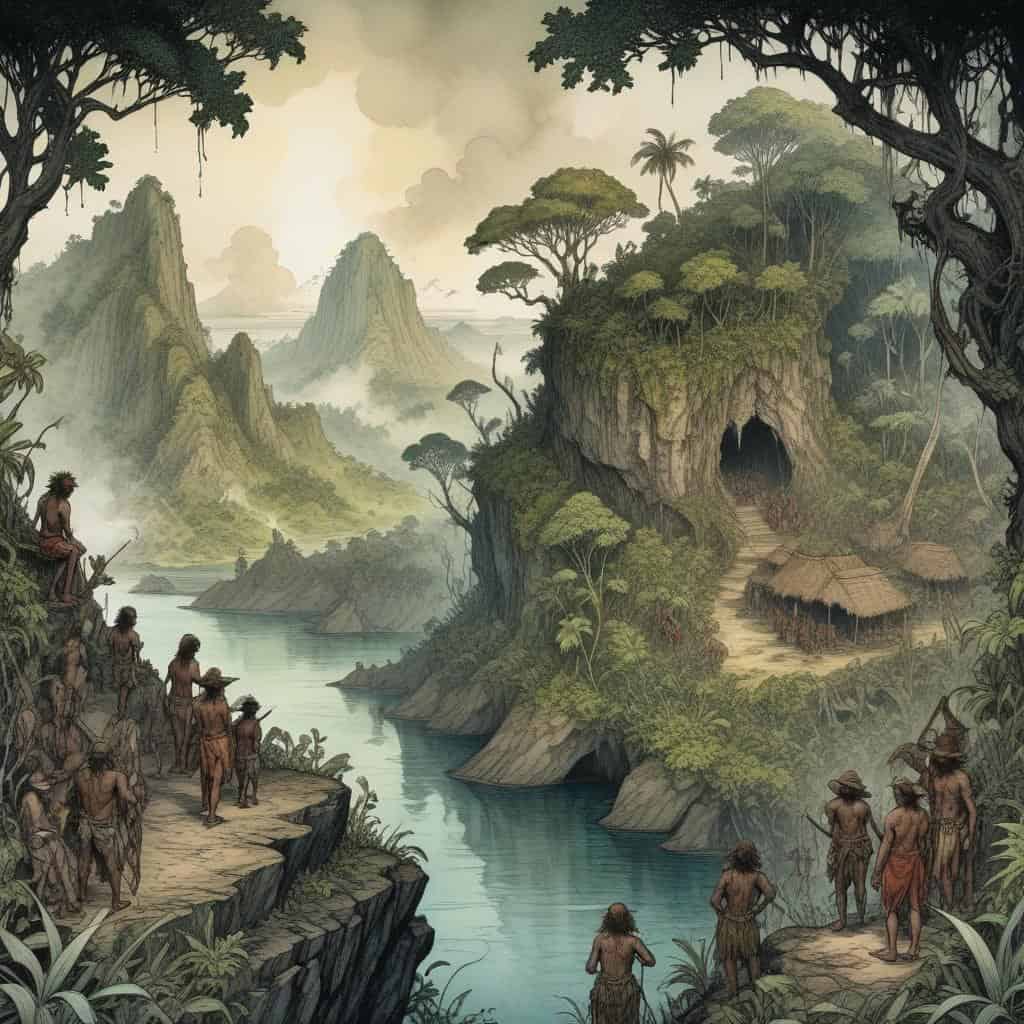
- The traditional villages in Papua New Guinea are often made up of thatched-roof huts and surrounded by lush vegetation.
- River
- The winding rivers of Papua New Guinea are vital sources of water and transportation for local communities.
- Cityscape
- The cityscape of Port Moresby, the capital of Papua New Guinea, is a mix of modern buildings and traditional architecture.
- Reef
- The coral reefs surrounding Papua New Guinea are home to a diverse array of marine life, making it a popular destination for scuba diving and snorkeling.
Key Facts
This is the information used in the fact matching game
- Papua New Guinea is home to over 800 different languages, making it the most linguistically diverse country in the world.
- The country is known for its diverse landscapes, including tropical rainforests, mangrove swamps, and coral reefs.
- Mount Wilhelm, located in Papua New Guinea, is the highest mountain in Oceania.
- Port Moresby, the capital city of Papua New Guinea, is known for its natural harbor and vibrant cultural scene.
- The Kokoda Trail, a famous trekking route in Papua New Guinea, is known for its challenging terrain and historical significance.
- The Sepik River, one of the longest rivers in New Guinea, is known for its rich biodiversity and traditional cultures.
- Papua New Guinea is home to the endangered tree kangaroo, a unique marsupial species found in the country's mountainous regions.
- The country's Highlands region is known for its fertile valleys, where crops like sweet potatoes and coffee are grown.
- The Tavurvur volcano in Papua New Guinea is one of the most active volcanoes in the country, located near the town of Rabaul.
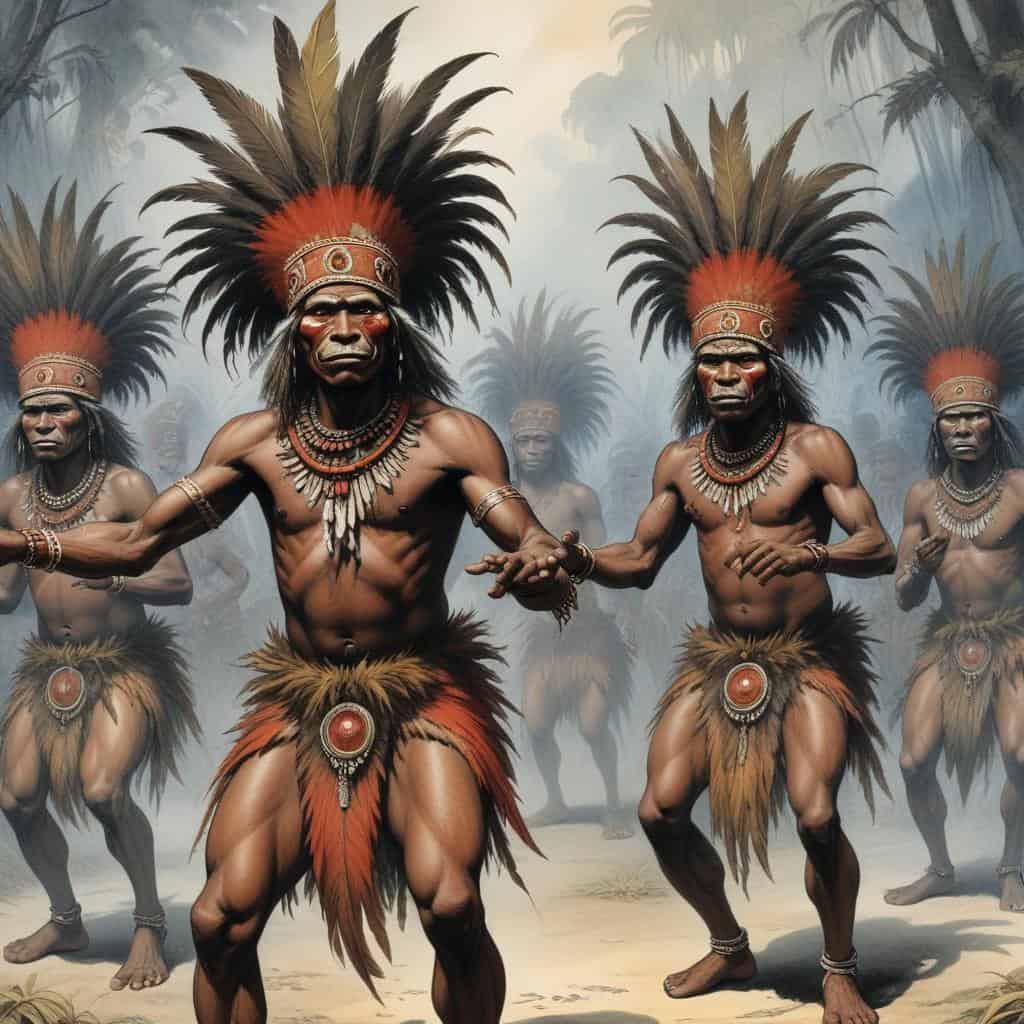
- The Huli Wigmen of Papua New Guinea are known for their elaborate traditional costumes and rituals, including the use of bird-of-paradise feathers.
- The Bismarck Sea, located to the north of Papua New Guinea, is known for its diverse marine life and coral reefs.
- The capital city of Port Moresby is home to the National Museum and Art Gallery, which showcases the country's rich cultural heritage.
- Papua New Guinea is known for its vibrant traditional music and dance performances, which are often accompanied by elaborate costumes and masks.
- The country's national emblem features a bird of paradise, a symbol of Papua New Guinea's unique wildlife and biodiversity.
- The Eastern Highlands province in Papua New Guinea is known for its stunning alpine landscapes and cool climate.
- Papua New Guinea is home to traditional village communities that maintain their own customs, languages, and cultural practices.
- The country's Madang province is known for its beautiful coastline, coral reefs, and marine biodiversity.
- Papua New Guinea's New Ireland province is famous for its vibrant traditional arts and crafts, including intricately carved wooden statues and masks.
- The country's Western Province is home to the Fly River, one of the largest rivers in Papua New Guinea, which flows through a pristine wilderness area.
- Papua New Guinea's capital city of Port Moresby is located on the coast, surrounded by picturesque hills and mountains.
Why It Matters
Geopolitical Significance
Located in the southwestern Pacific Ocean, Papua New Guinea is strategically positioned between Asia and Australia. Its diverse geography, including mountains and rainforests, has influenced its relationships with global powers and neighboring countries.
Historical Importance
Papua New Guinea has a rich history of indigenous cultures and colonial influences. It was a key battleground during World War II and gained independence from Australia in 1975. The country’s unique traditions and languages continue to shape its identity.
Modern-Day Role
Today, Papua New Guinea plays a crucial role in the Asia-Pacific region, especially in terms of resource extraction and economic development. Its challenges with governance, infrastructure, and environmental conservation are globally significant issues.
Papua New Guinea Games


Take Your Learning Offline
Want a convenient, print-ready study guide for this lesson? Become a Memory Wizards Pro member to unlock the downloadable " Memory Scrolls" for this topic and our entire library!
- ✓ Complete Vocabulary Lists
- ✓ Key Facts & Timelines
- ✓ Beautifully Formatted for Print & Mobile