
How Do You Learn Best?
Learn by Reading
Immerse yourself in the 10-minute visual lesson for a comprehensive understanding of the topic.
Learn by Reviewing
Jump directly to the key facts, timeline, and vocabulary lists to build a solid foundation of details.
Learn by Doing
Challenge yourself! Jump straight into the interactive games to learn by trial, error, and discovery.
Palau in 10 Minutes
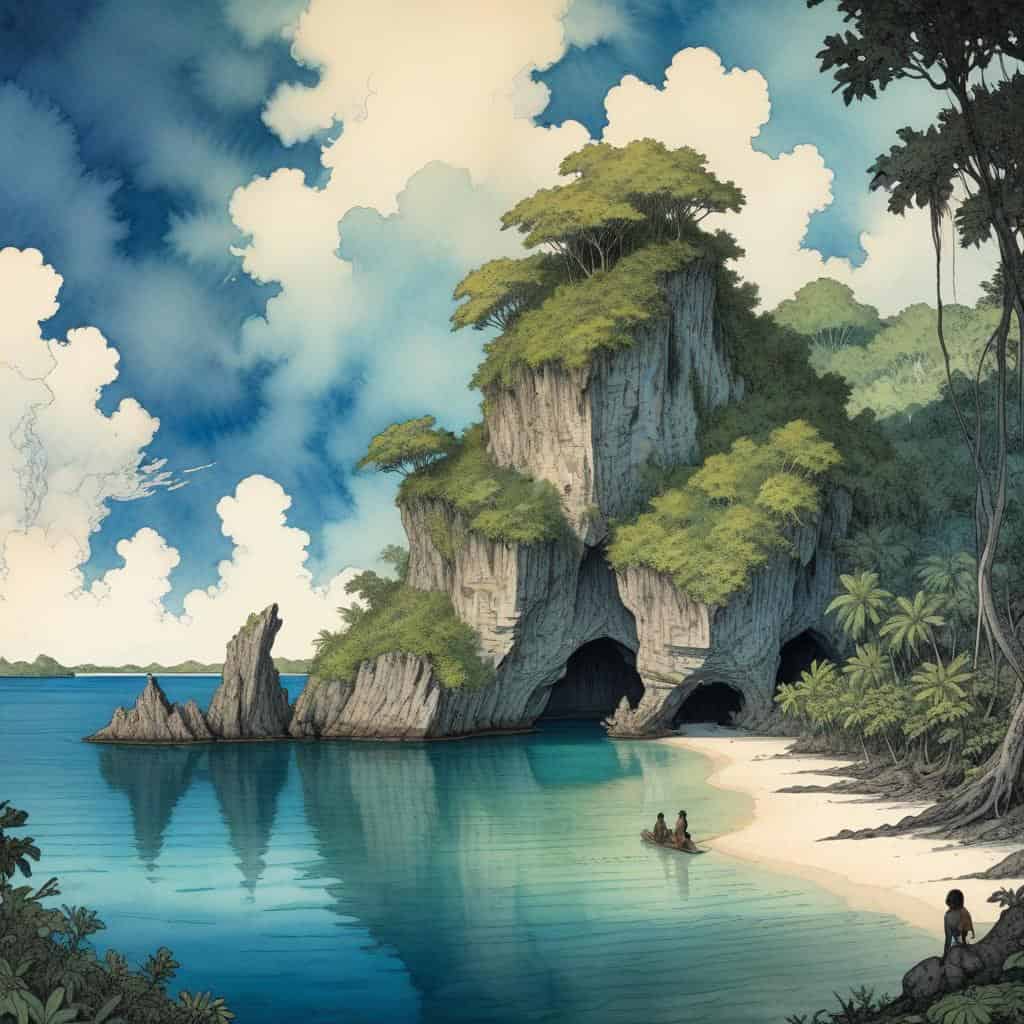
Introduction
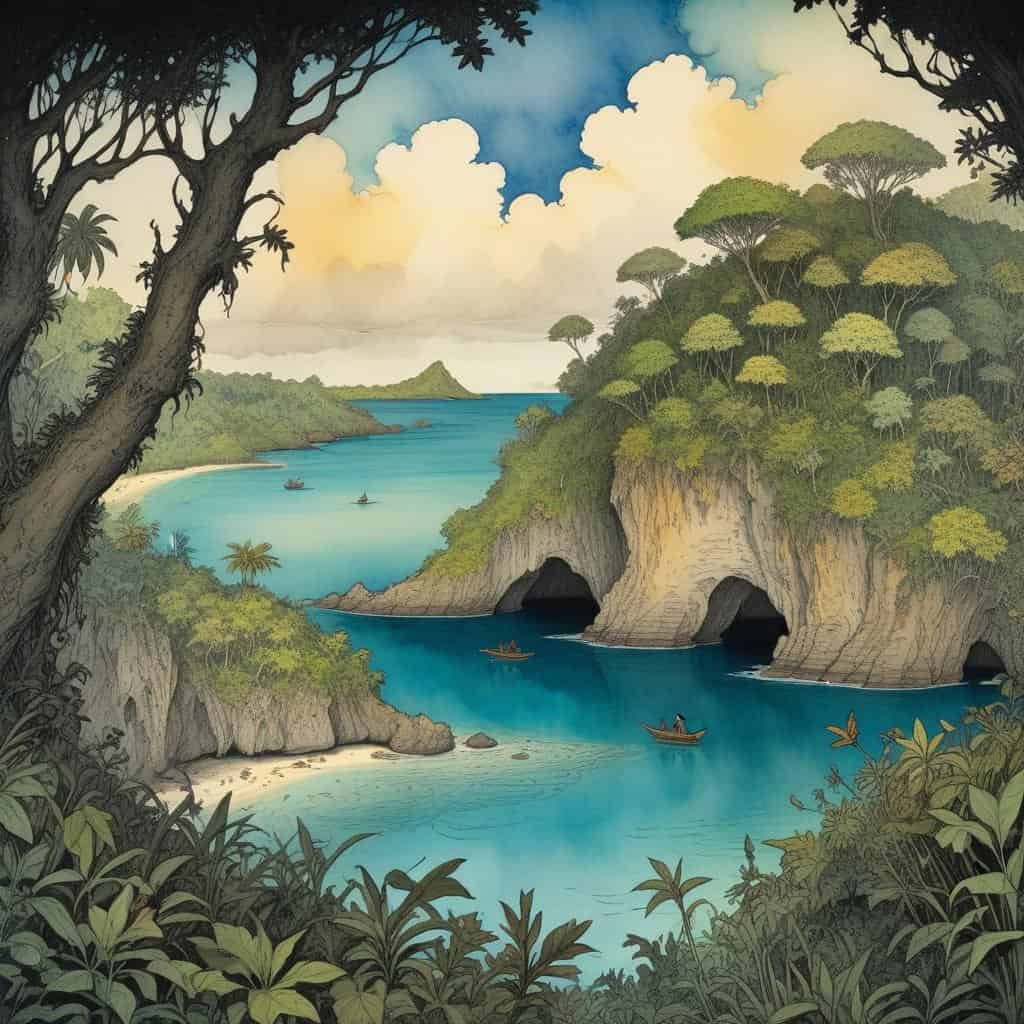
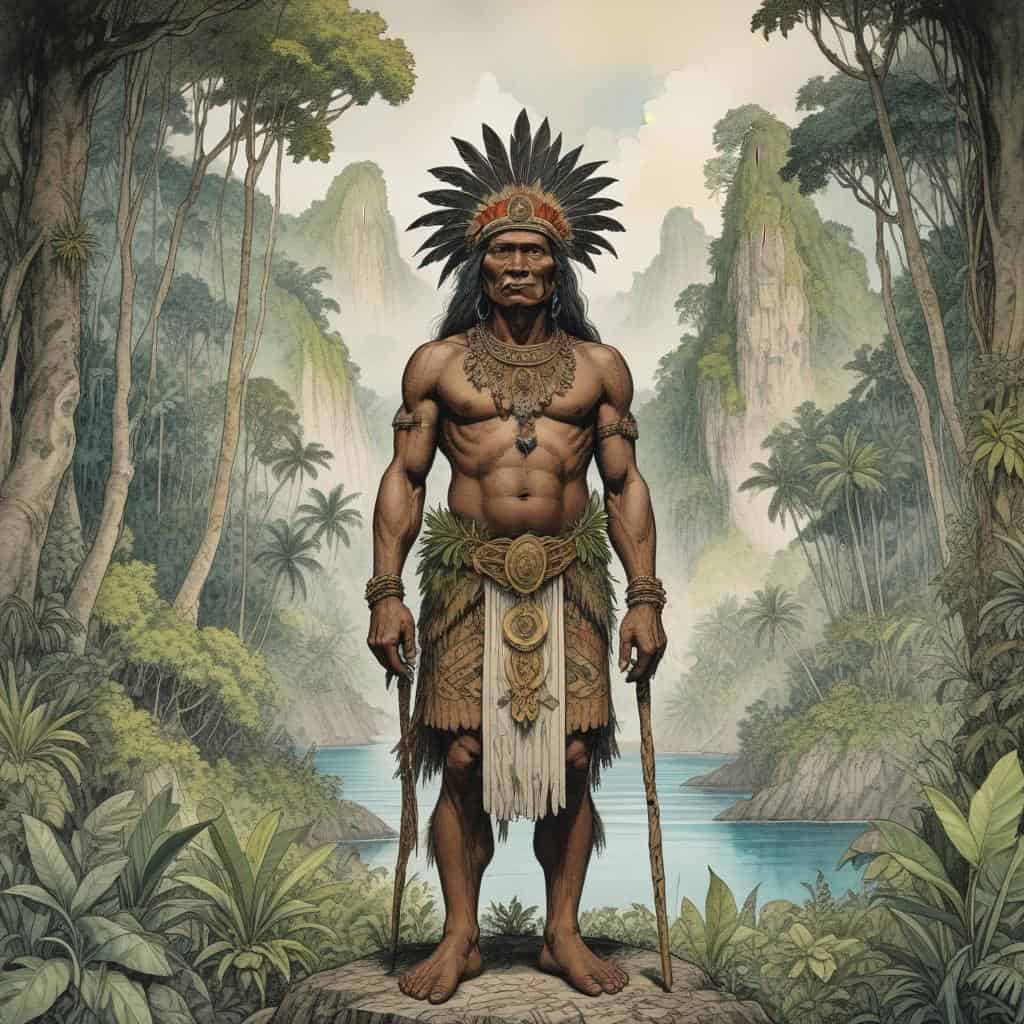
1. Chief Ibedul
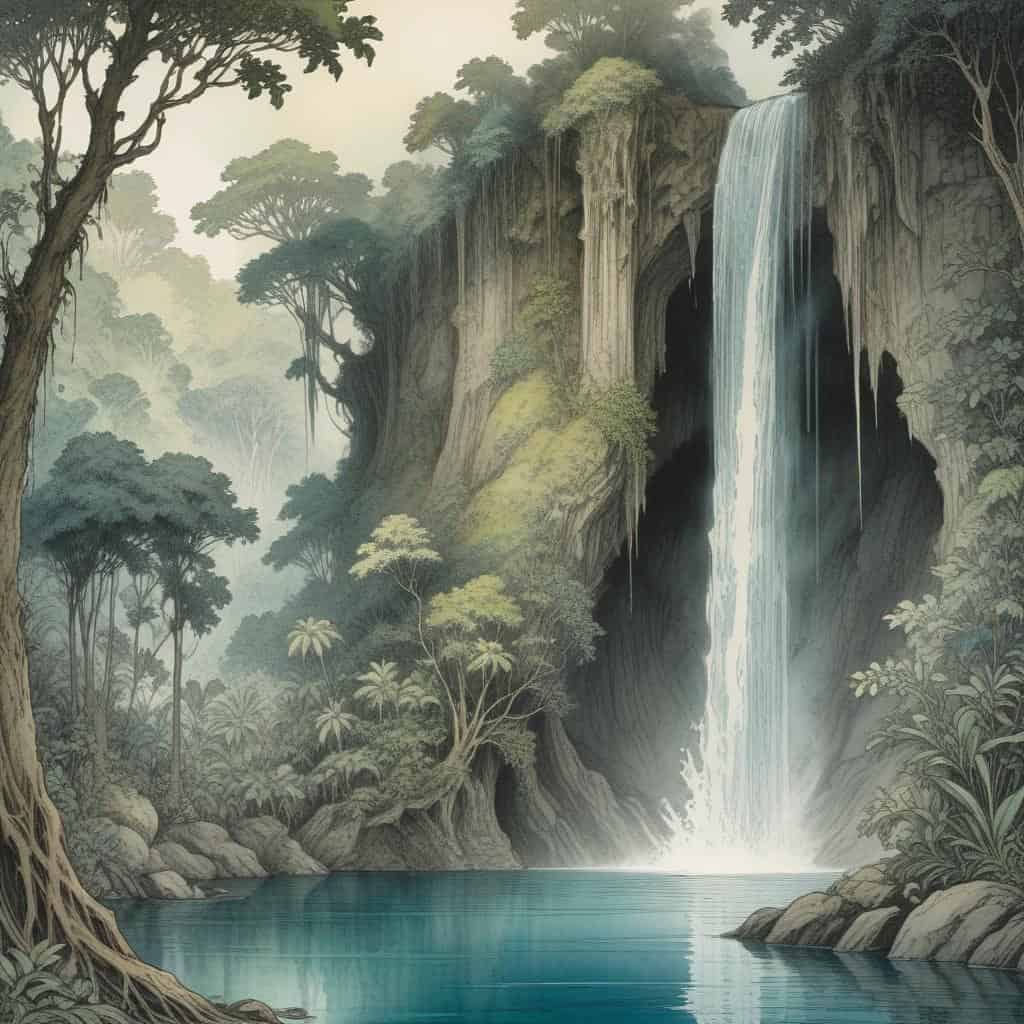
2. Ngardmau Waterfall
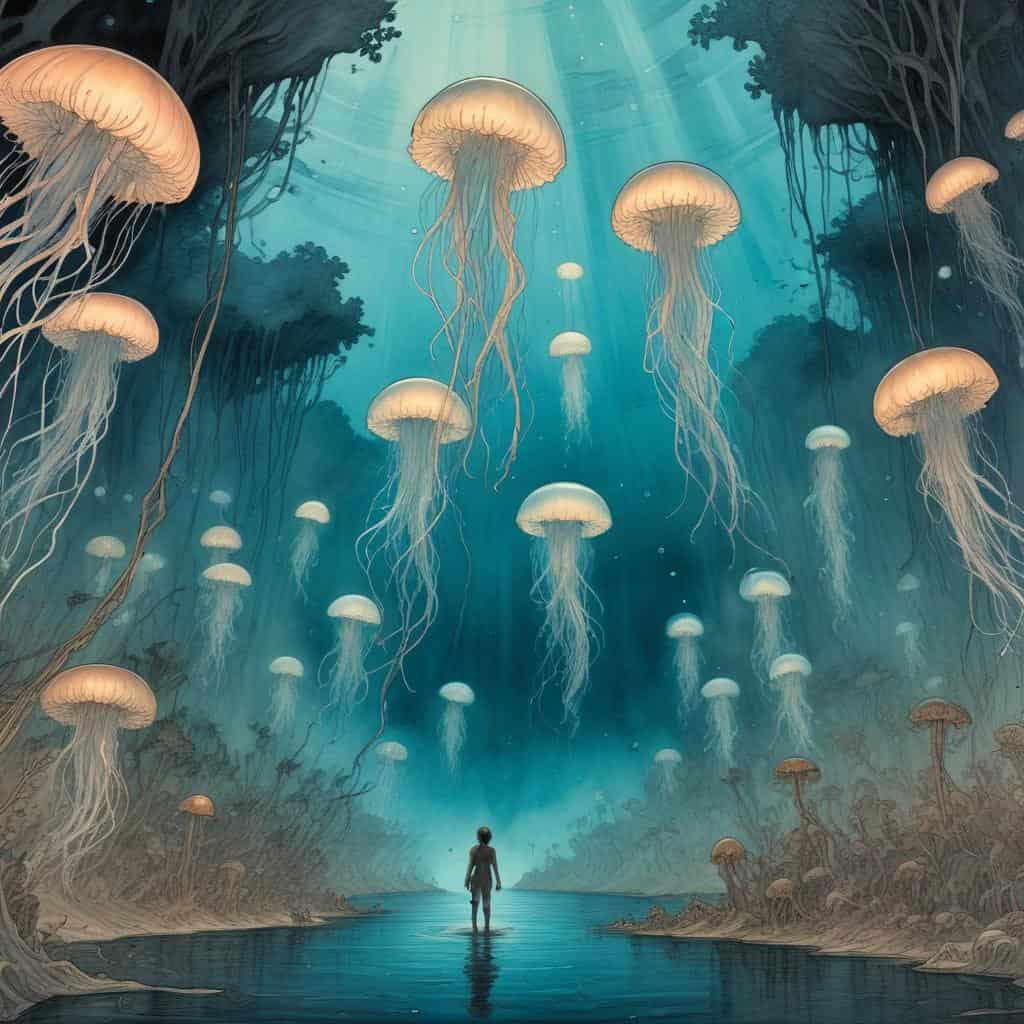
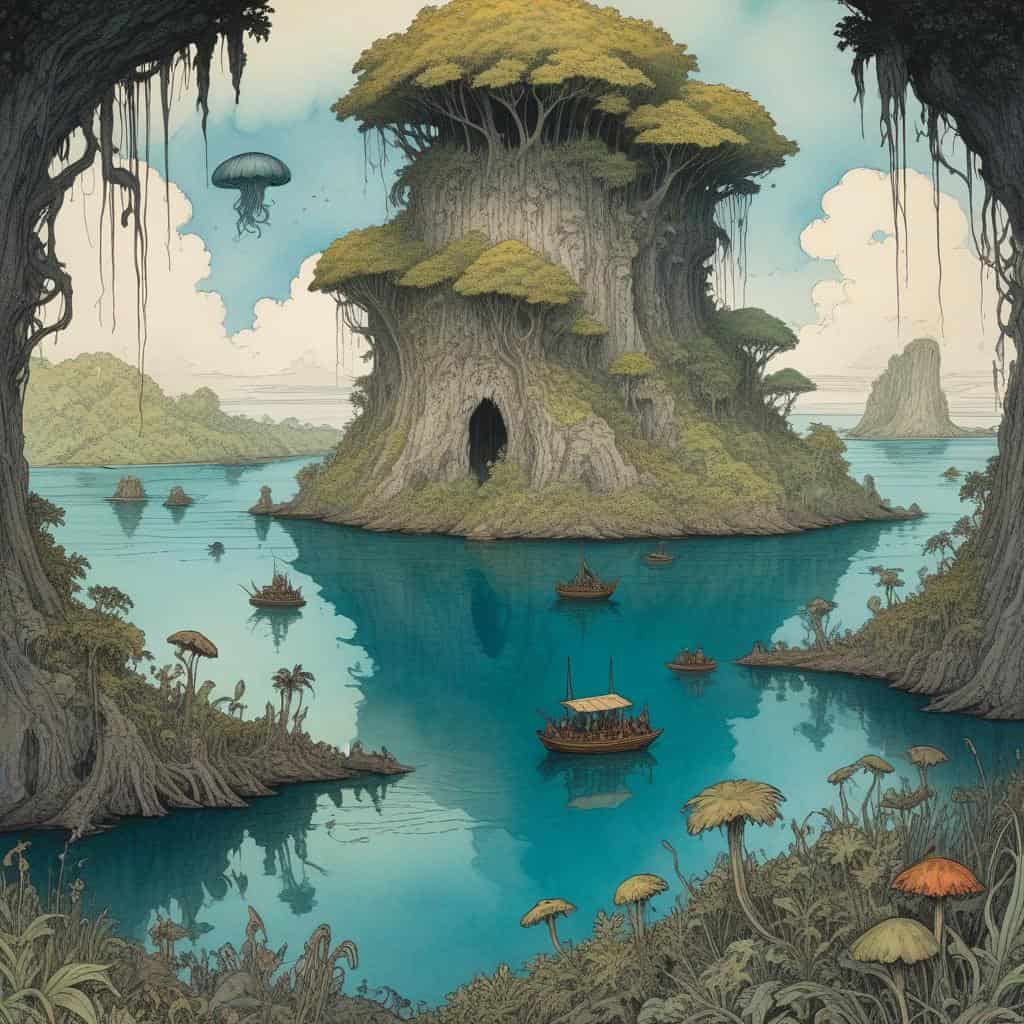
3. Jellyfish Lake
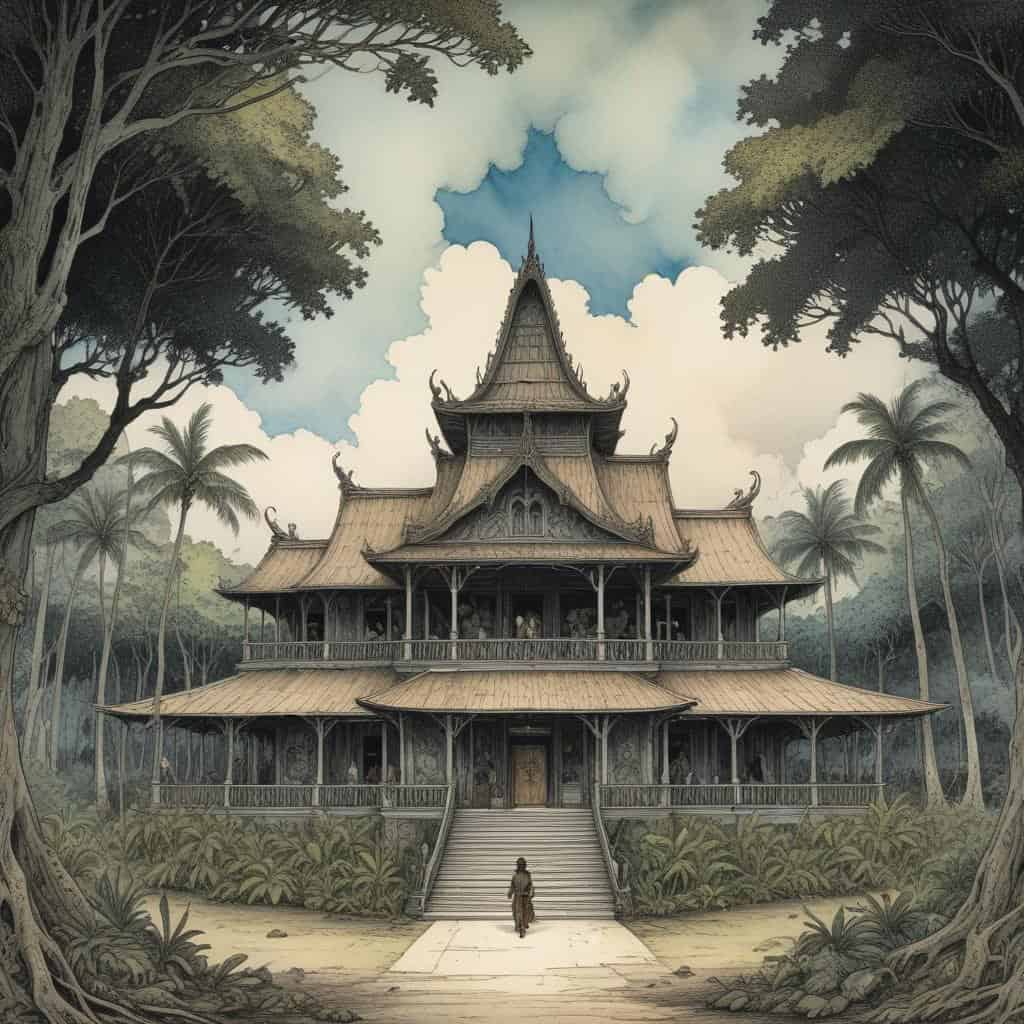
4. Belau National Museum
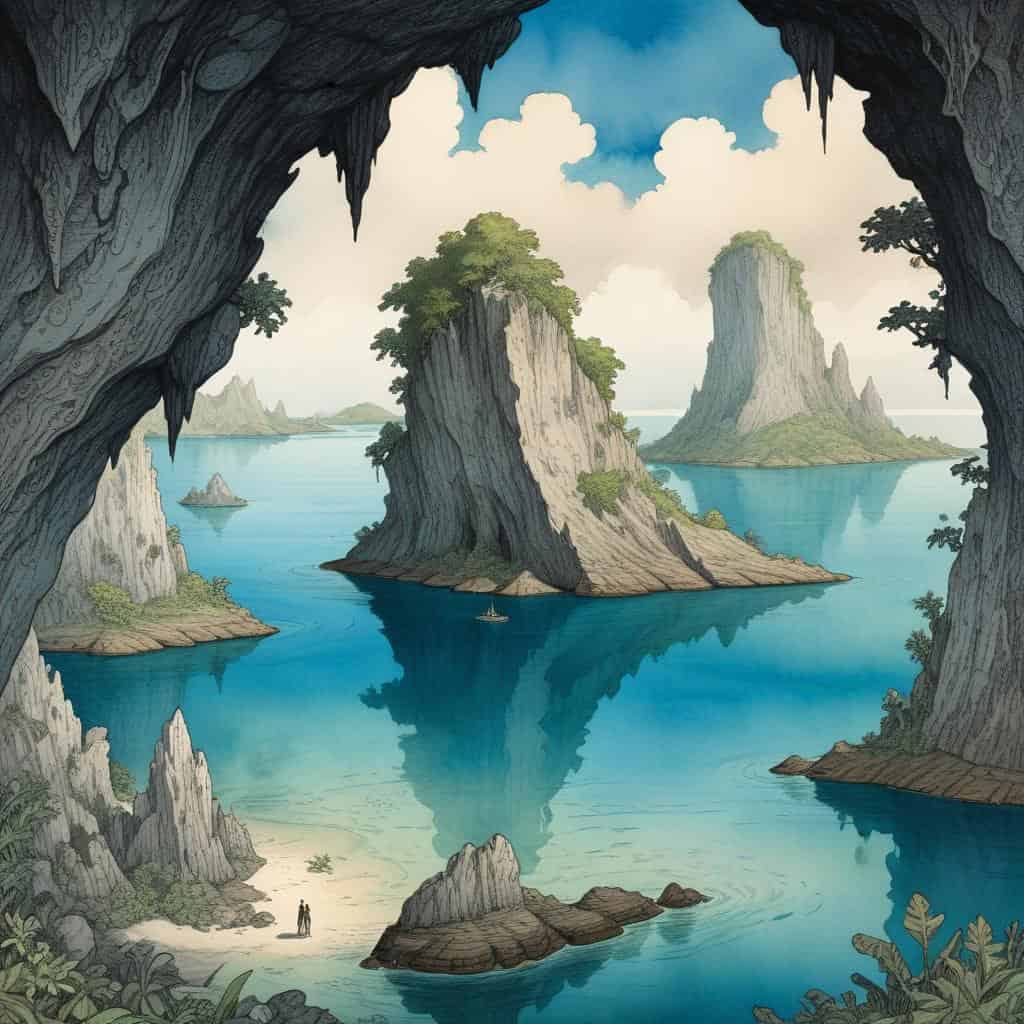
5. Rock Islands
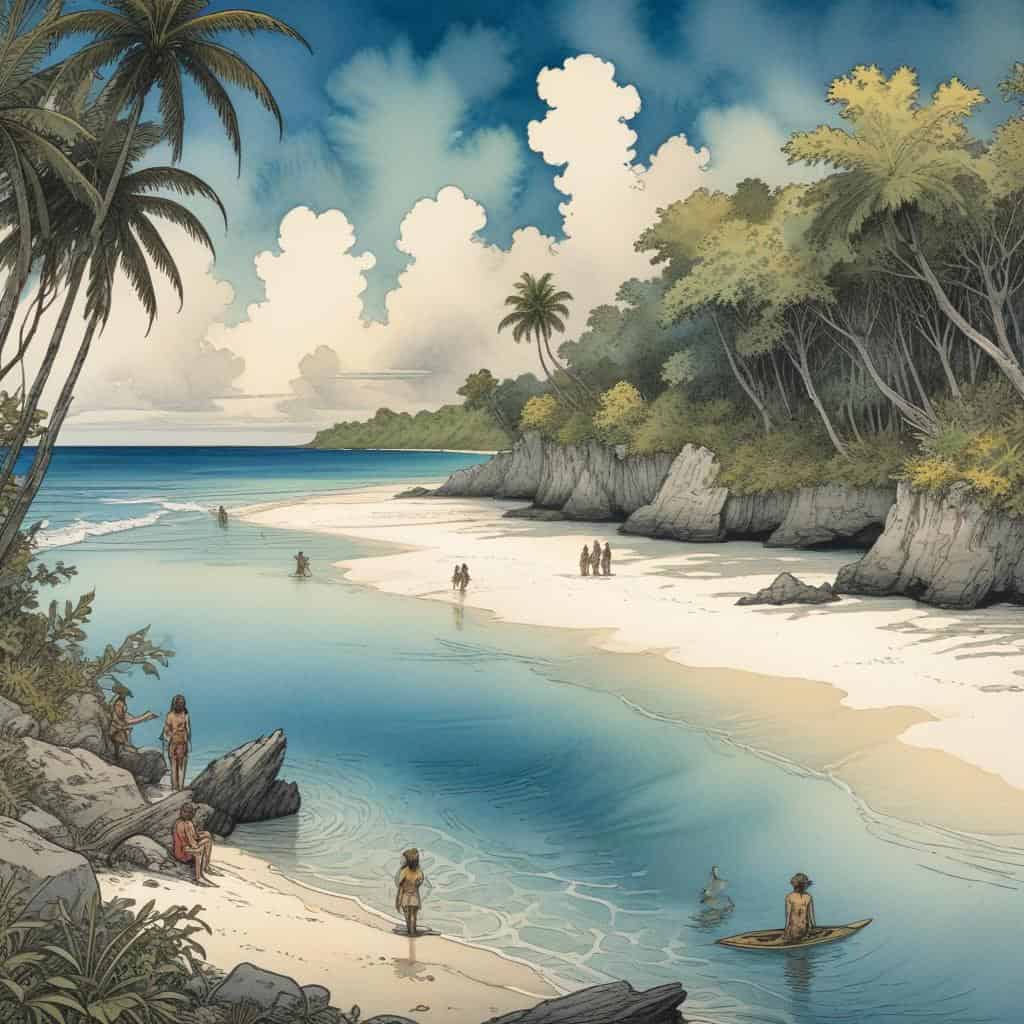
Pristine Beaches
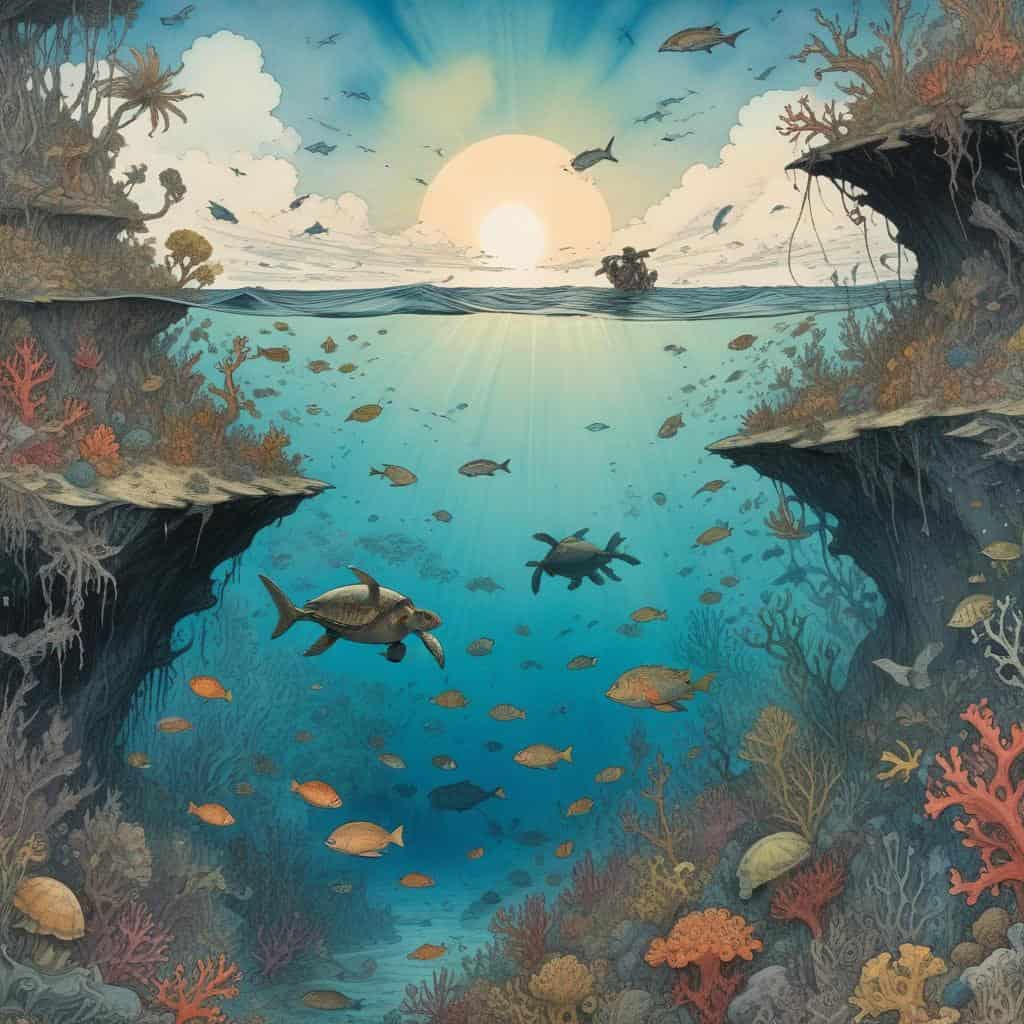
Diverse Marine Life
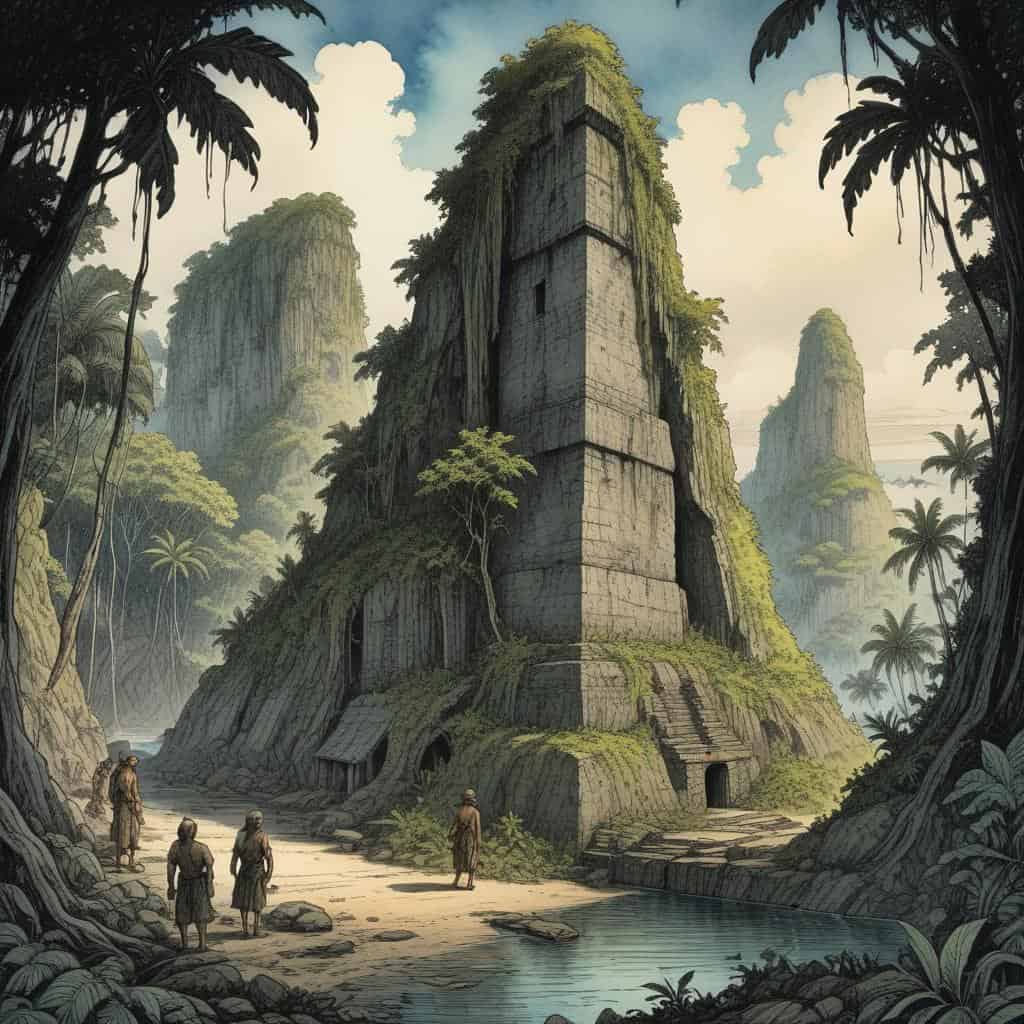
Historical Sites

Rock Islands
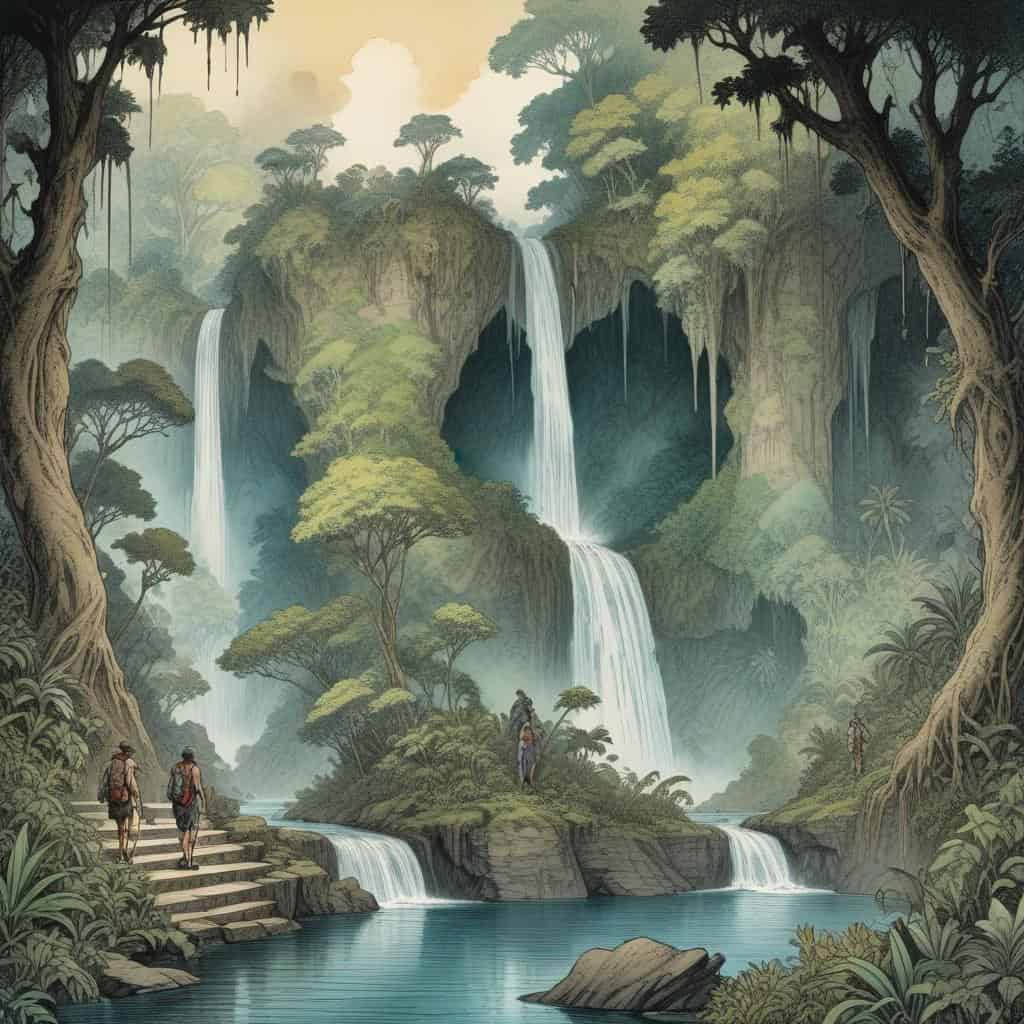
Waterfall Hikes
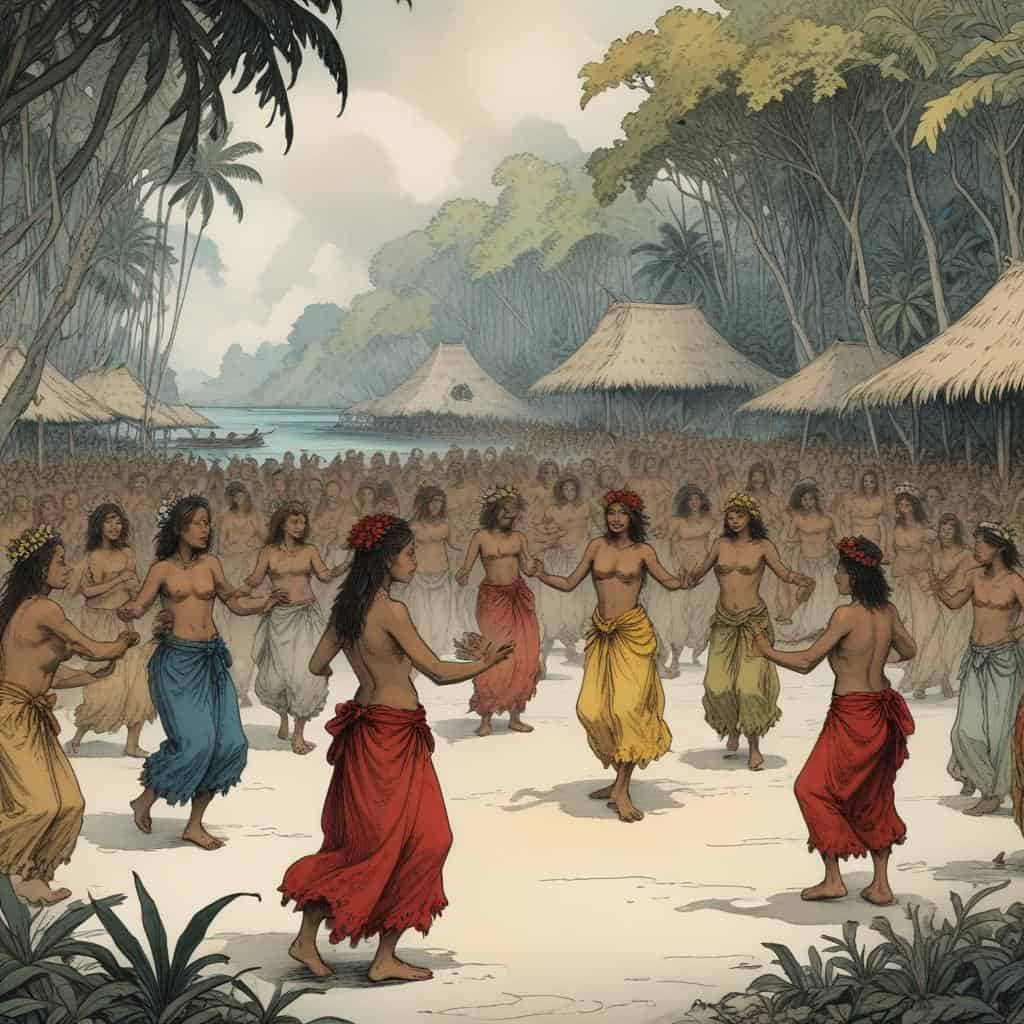
Cultural Experiences

Adventure Activities
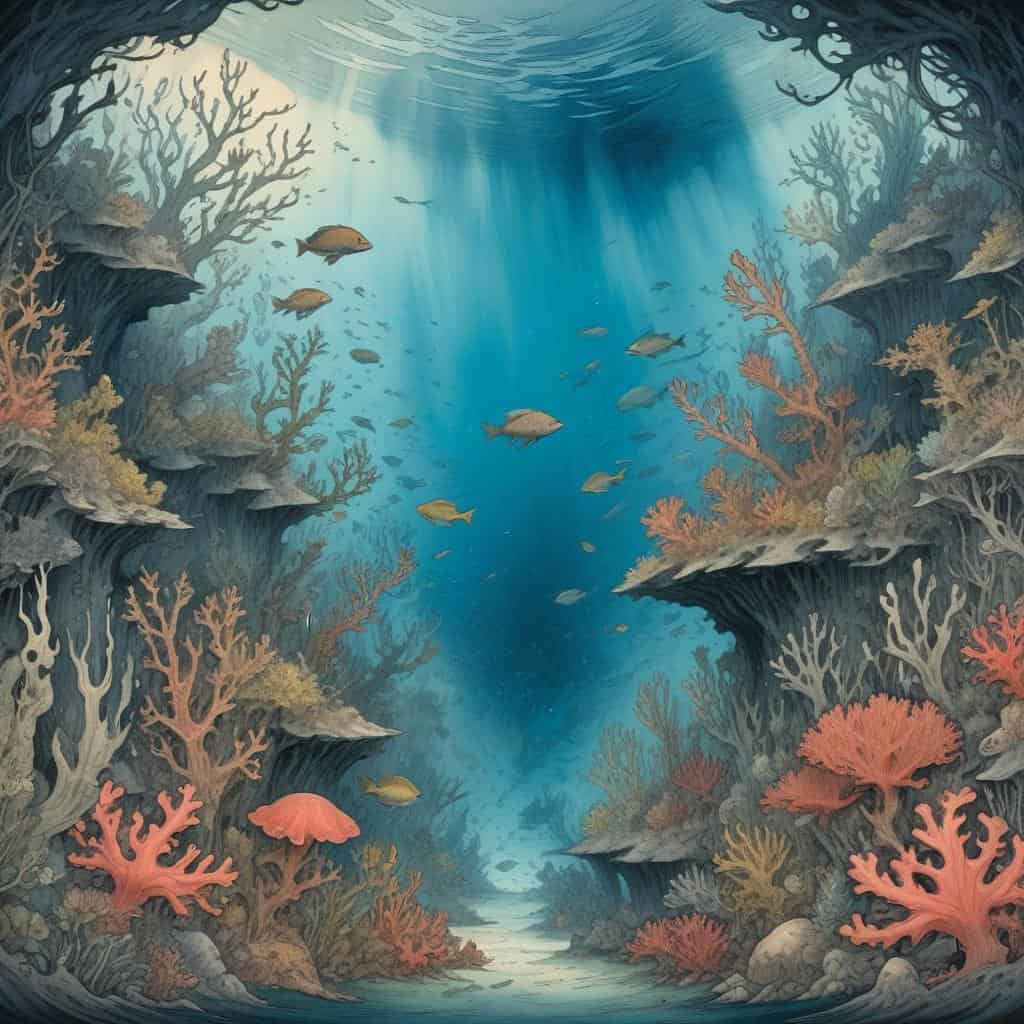
Conservation Efforts
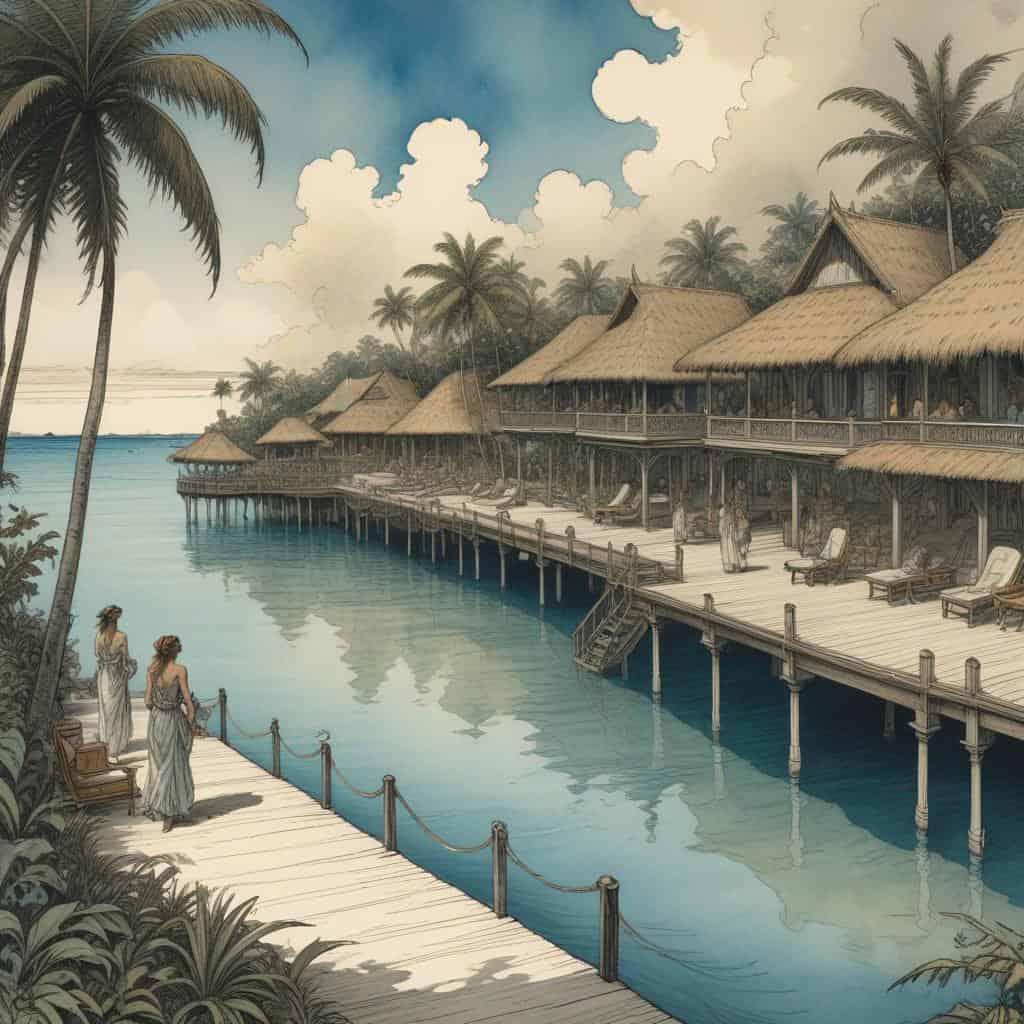
Luxurious Resorts
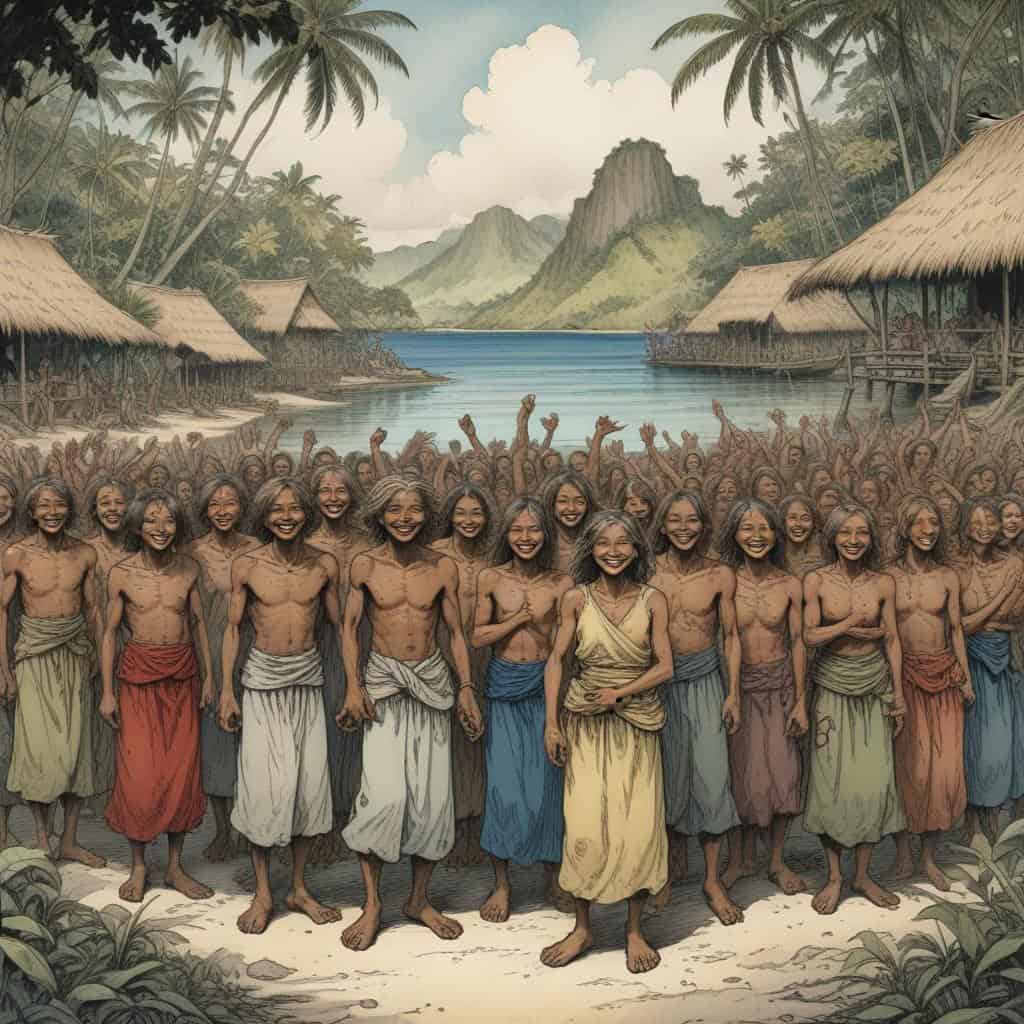
Friendly Locals
In a Nutshell
- Capital: Ngerulmud
- Population: Approx. 18,000 (2021)
- Official Language: English, Palauan
- Currency: United States Dollar (USD)
Breaking Down the Country
Tropical Paradise
Palau is a dream destination with pristine white sandy beaches, crystal-clear turquoise waters, and lush tropical rainforests.
Underwater Wonderland
Home to some of the world's best diving and snorkeling spots, Palau's underwater world is teeming with colorful coral reefs and diverse marine life.
Cultural Gems
Discover Palau's rich cultural heritage through traditional dances, ancient stone monoliths, and vibrant local festivals celebrating the island's history.
Timeline of Palau
First settlement of Palau by Austronesian people
Spanish exploration and claim of Palau
British presence in Palau
Japanese occupation of Palau during World War I
Japanese mandate over Palau
Battle of Peleliu during World War II
Palau placed under United States administration as part of the Trust Territory of the Pacific Islands
Palau becomes part of the United Nations Trust Territory of the Pacific Islands
Palauans vote against joining the Federated States of Micronesia
Palau signs the Compact of Free Association with the United States
Palau becomes an independent nation
Construction of the Palau National Capitol Building
Opening of the Palau National Museum
Establishment of the Palau National Marine Sanctuary
Destruction caused by Typhoon Bopha
Recovery efforts following Typhoon Haiyan
Palau's declaration of a state of emergency due to drought
Opening of the Palau International Airport
Launch of the Palau Pledge initiative
Coronavirus pandemic impacts on Palau tourism
Vocabulary List
- Lagoon
- The crystal-clear lagoon in Palau is perfect for snorkeling and diving.
- Coral reefs
- The colorful coral reefs surrounding Palau are teeming with marine life.
- Jellyfish lake
- Swimming in the jellyfish lake is a unique experience in Palau.
- Mangroves
- The mangroves in Palau provide important habitat for various species of wildlife.
- Rock islands
- The iconic rock islands of Palau are a popular tourist attraction.
- Waterfall
- Visitors can hike to a beautiful waterfall in the lush jungles of Palau.
- Traditional village
- Exploring a traditional village in Palau offers a glimpse into the local culture and way of life.
- Mountain peaks
- The mountain peaks in Palau offer stunning panoramic views of the surrounding landscape.
- Coconut palms
- The swaying coconut palms lining the beaches of Palau provide shade and a tropical vibe.
- Historic ruins
- The historic ruins in Palau are a reminder of the island's rich cultural heritage.
Key Facts
This is the information used in the fact matching game
- Palau is made up of over 340 islands, which are part of the western Caroline Islands in Micronesia.
- The island of Babeldaob is the largest island in Palau and is home to the country's capital city, Ngerulmud.
- Palau's landscape is characterized by lush tropical forests, sandy beaches, and pristine coral reefs.
- The Rock Islands in Palau are a UNESCO World Heritage Site known for their unique mushroom-shaped limestone formations.
- Palau is home to the world-famous Jellyfish Lake, where visitors can swim with millions of harmless jellyfish.
- The diverse marine life in Palau's waters includes manta rays, sharks, and sea turtles, making it a popular destination for diving and snorkeling.
- The Milky Way, a natural phenomenon where the water appears milky due to the high concentration of limestone, is a popular tourist attraction in Palau.
- The Ngarchelong Waterfall on Babeldaob Island is one of the tallest waterfalls in Palau, cascading down over 30 meters into a natural swimming pool.
- Palau's traditional architecture features wooden stilt houses known as 'bai' that are used for community gatherings and ceremonies.
- The Belau National Museum in Koror showcases Palauan history, culture, and traditional crafts, including shell money and storyboards.
- Koror is the economic and commercial hub of Palau, with bustling markets, restaurants, and shops lining its waterfront.
- The Palau International Airport on Babeldaob Island is the main gateway to the country, serving both domestic and international flights.
- The Palau National Capitol Complex in Ngerulmud is the world's first capital city to be built exclusively on a man-made island.
- The Palau Pacific Resort on Koror Island offers luxury accommodations and amenities, including a private beach, spa, and multiple dining options.
- The Ngardmau Waterfall on Babeldaob Island is a popular hiking destination, with a trail leading to the base of the waterfall through lush rainforest.
- The traditional Palauan diet includes seafood, taro, cassava, and coconut, with dishes like coconut crab and fish soup being local favorites.
- The Palauan language is part of the Austronesian language family and is spoken by the majority of the population, alongside English and Japanese.
- The Ngarchelong Stone Monoliths on Babeldaob Island are ancient megaliths believed to have been used for ceremonial and religious purposes by early Palauan settlers.
- The Palauan people have a strong connection to their natural environment, with traditional beliefs and customs emphasizing respect for the land and sea.
- Palau's unique landscape and rich cultural heritage make it a truly special destination for travelers seeking adventure, relaxation, and a deeper connection to nature.
Why It Matters
Geopolitical Significance
Palau’s location in the western Pacific Ocean gives it strategic importance in the Asia-Pacific region. As a small island nation, it plays a role in maritime security and environmental conservation efforts, particularly in relation to climate change and rising sea levels.
Historical Importance
Palau has a rich history of traditional culture and unique customs, with a strong emphasis on oral traditions and storytelling. It has also been influenced by colonial powers such as Spain, Germany, Japan, and the United States, shaping its modern identity and governance.
Modern-Day Role
In the present day, Palau is known for its commitment to environmental conservation and sustainable tourism. Its efforts to protect marine biodiversity and promote ecotourism have gained international recognition, positioning Palau as a leader in conservation and sustainable development practices.
Palau Games


Take Your Learning Offline
Want a convenient, print-ready study guide for this lesson? Become a Memory Wizards Pro member to unlock the downloadable " Memory Scrolls" for this topic and our entire library!
- ✓ Complete Vocabulary Lists
- ✓ Key Facts & Timelines
- ✓ Beautifully Formatted for Print & Mobile