
How Do You Learn Best?
Learn by Reading
Immerse yourself in the 10-minute visual lesson for a comprehensive understanding of the topic.
Learn by Reviewing
Jump directly to the key facts, timeline, and vocabulary lists to build a solid foundation of details.
Learn by Doing
Challenge yourself! Jump straight into the interactive games to learn by trial, error, and discovery.
Nauru in 10 Minutes

Introduction
Aneta Detudamo
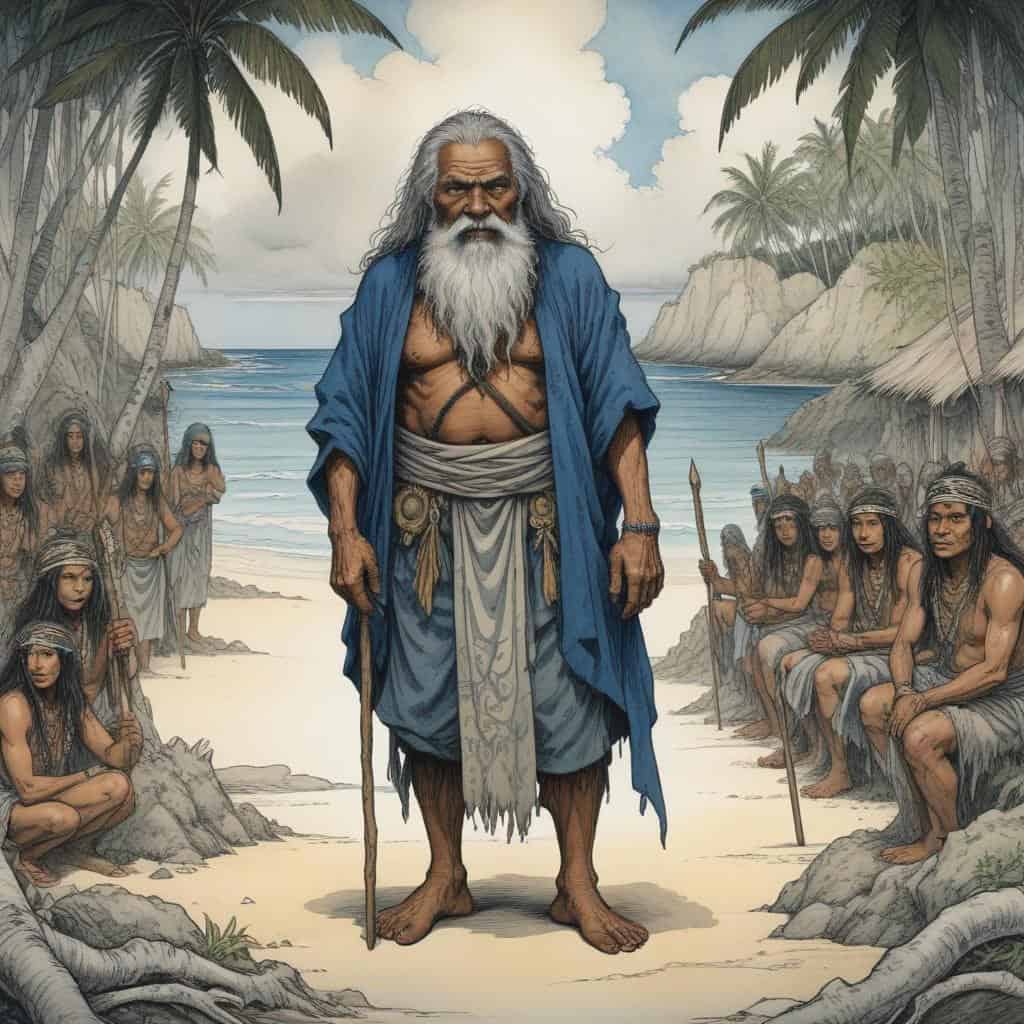
Chief Itaki

Dr. Kofi Amoako
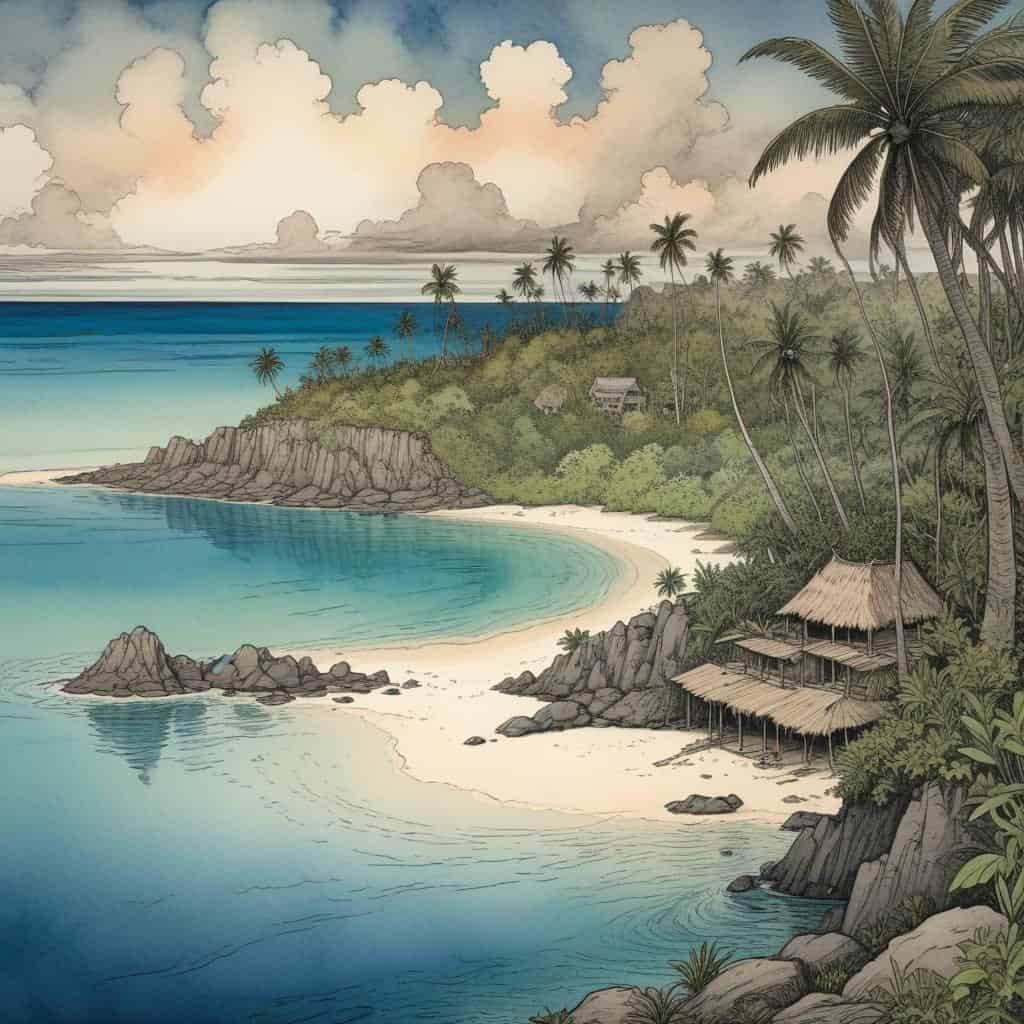
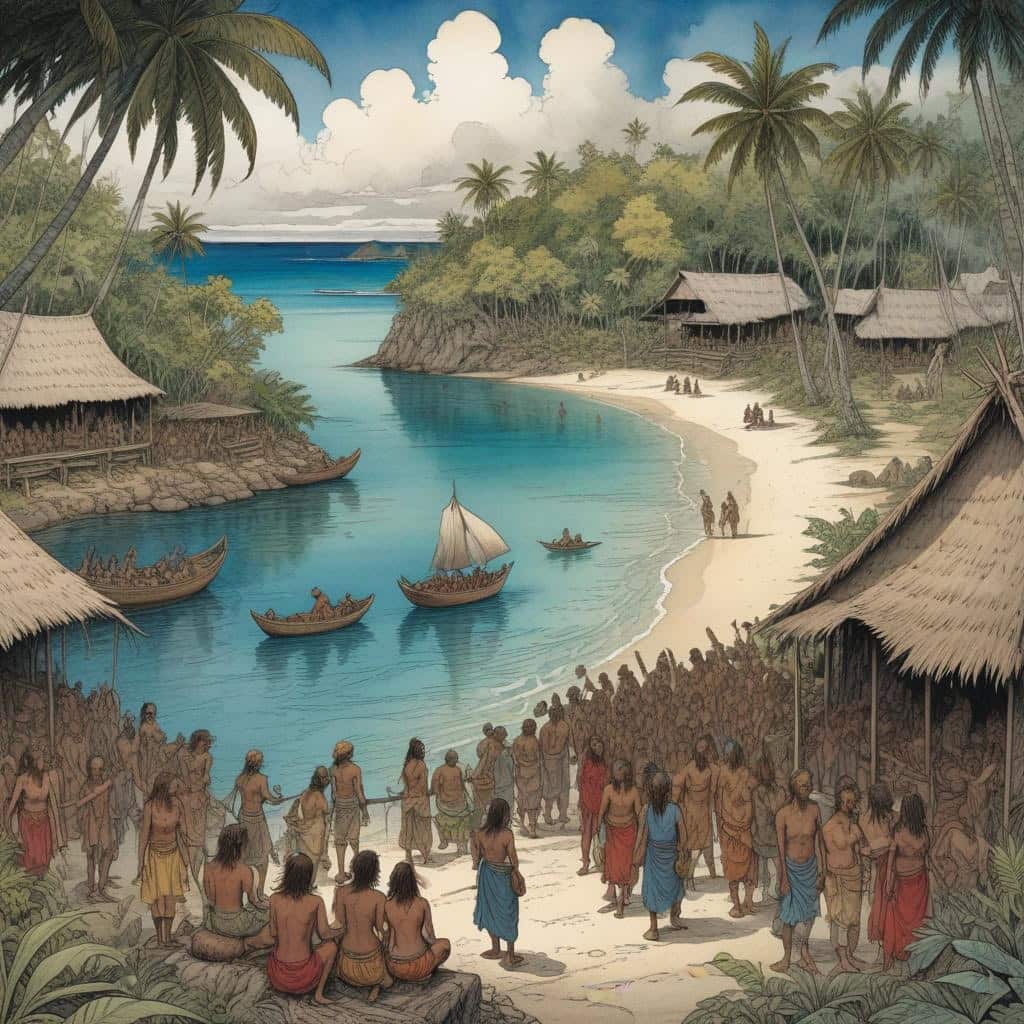
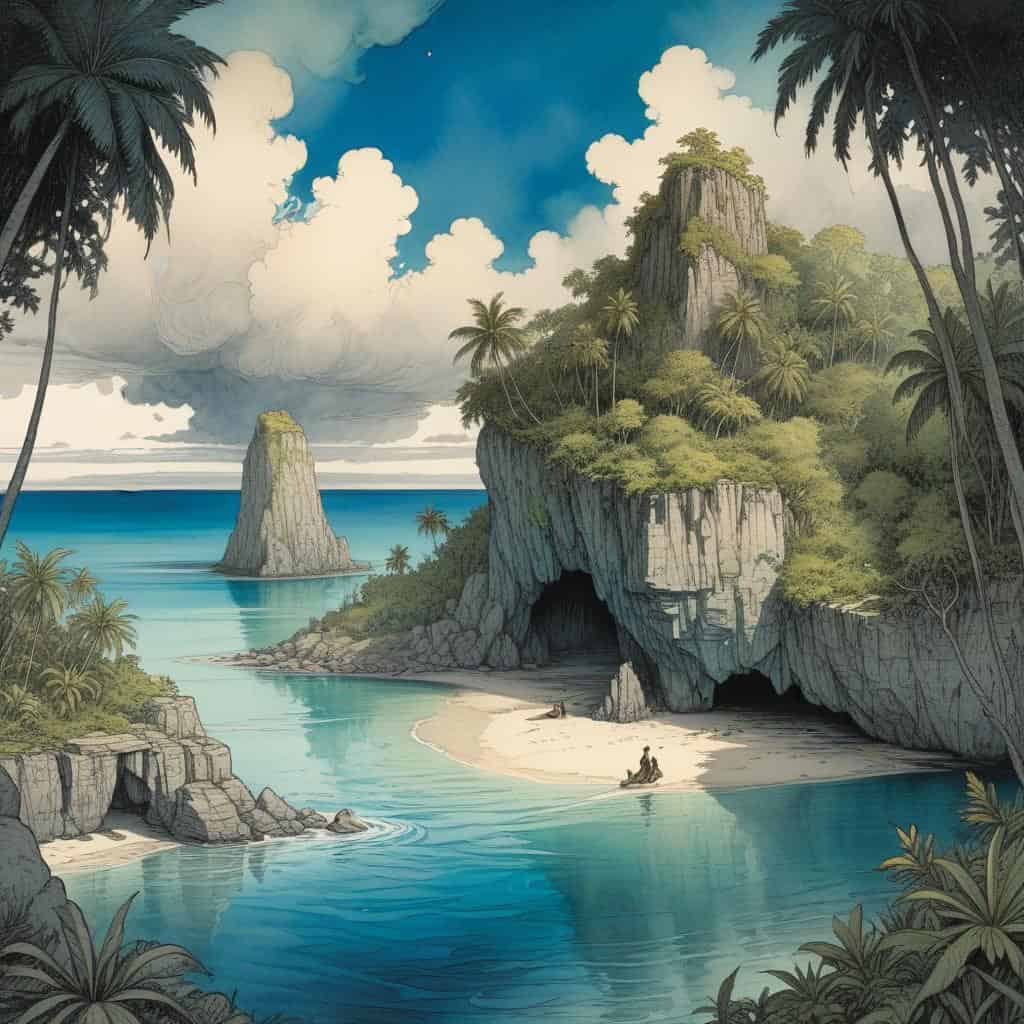
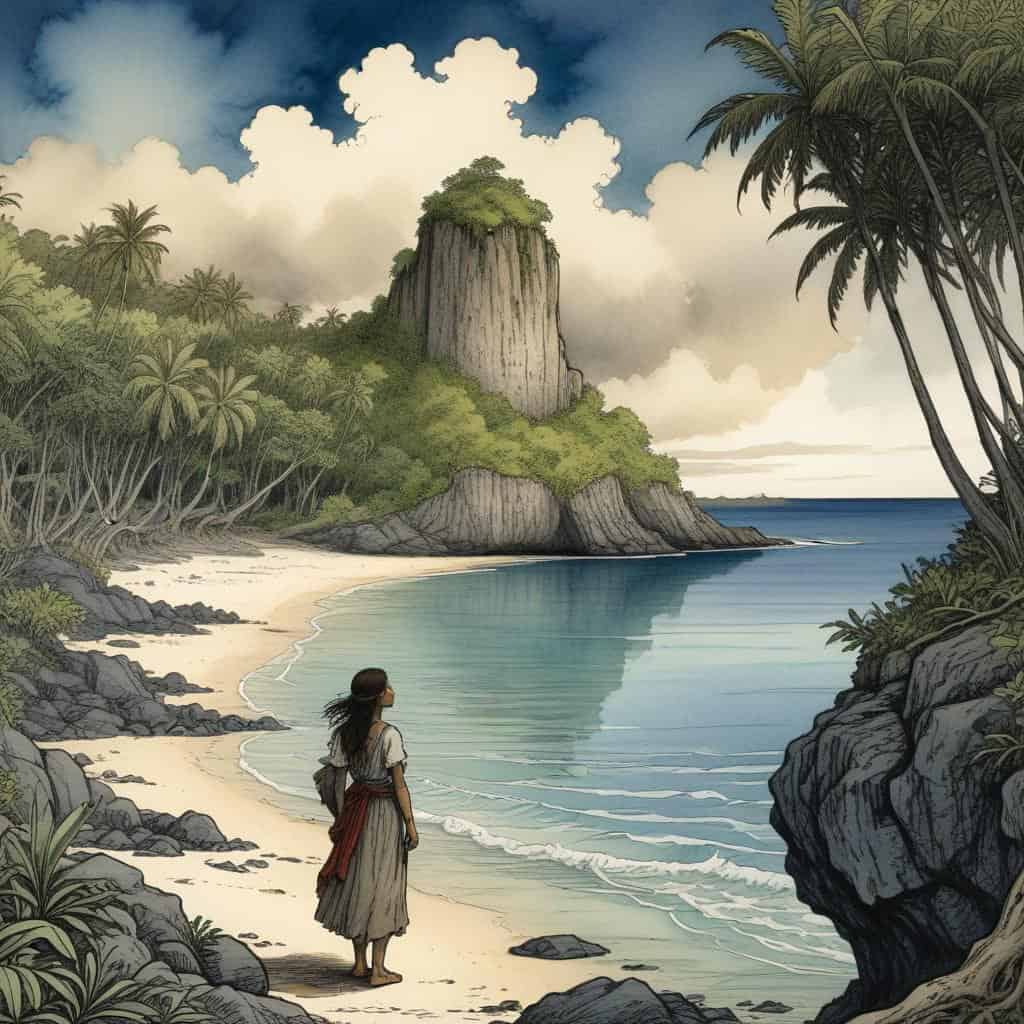
1. An Island Paradise

2. Unique Culture
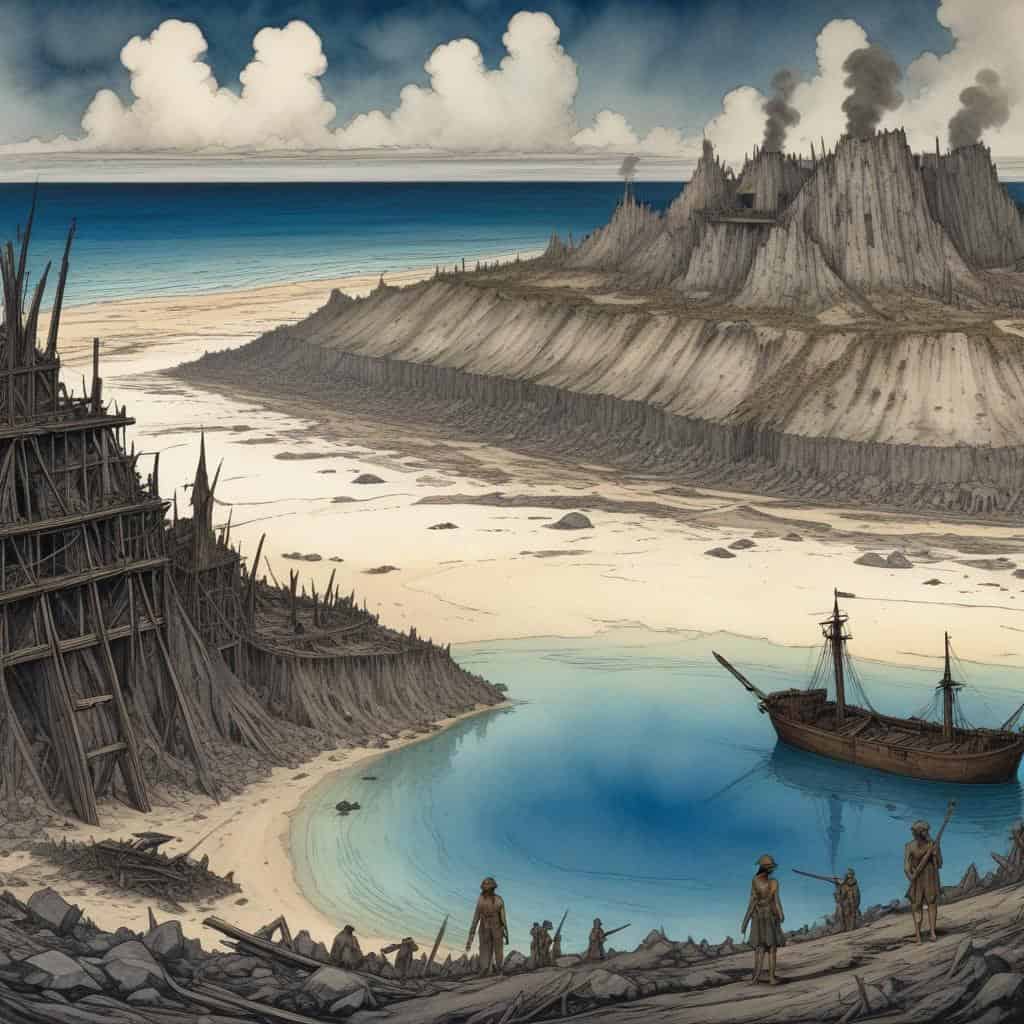
3. Phosphate Mining History

4. An Eco-Tourism Destination
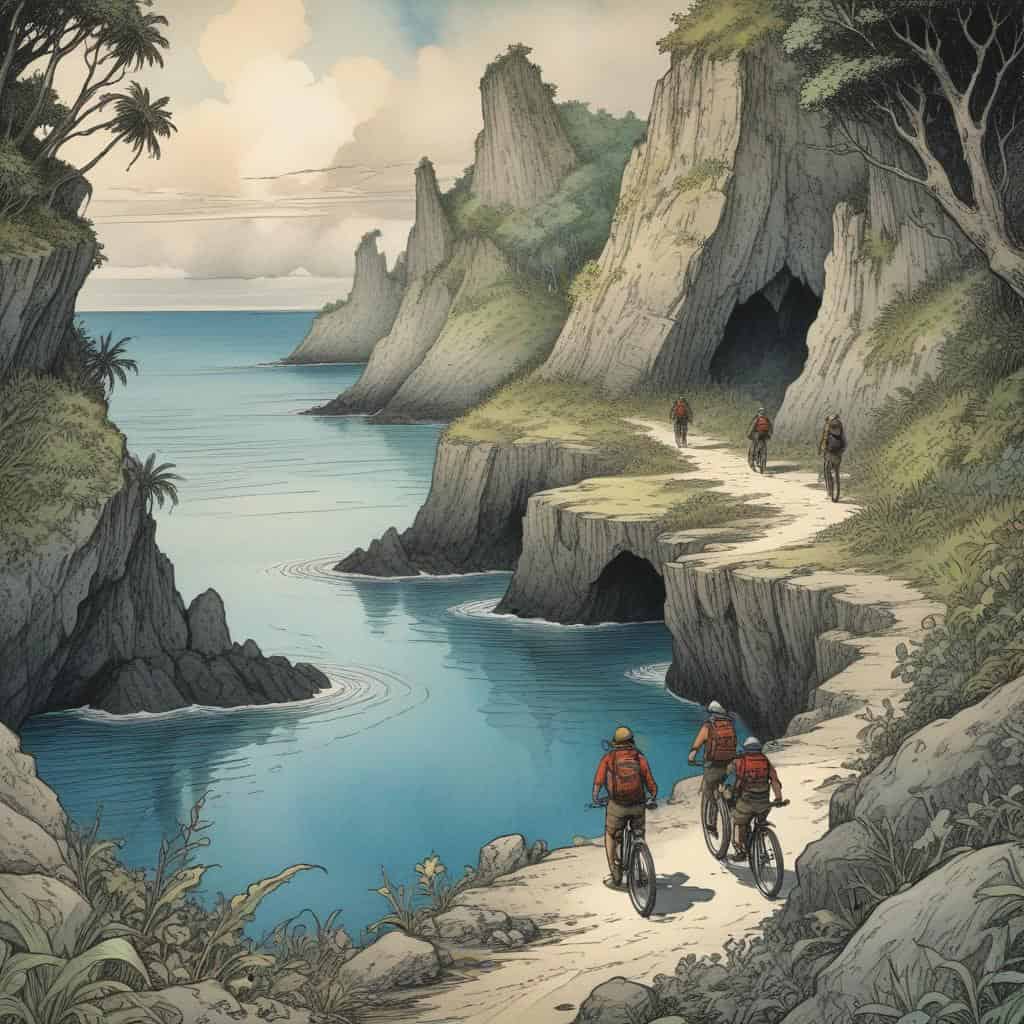
5. Outdoor Adventures
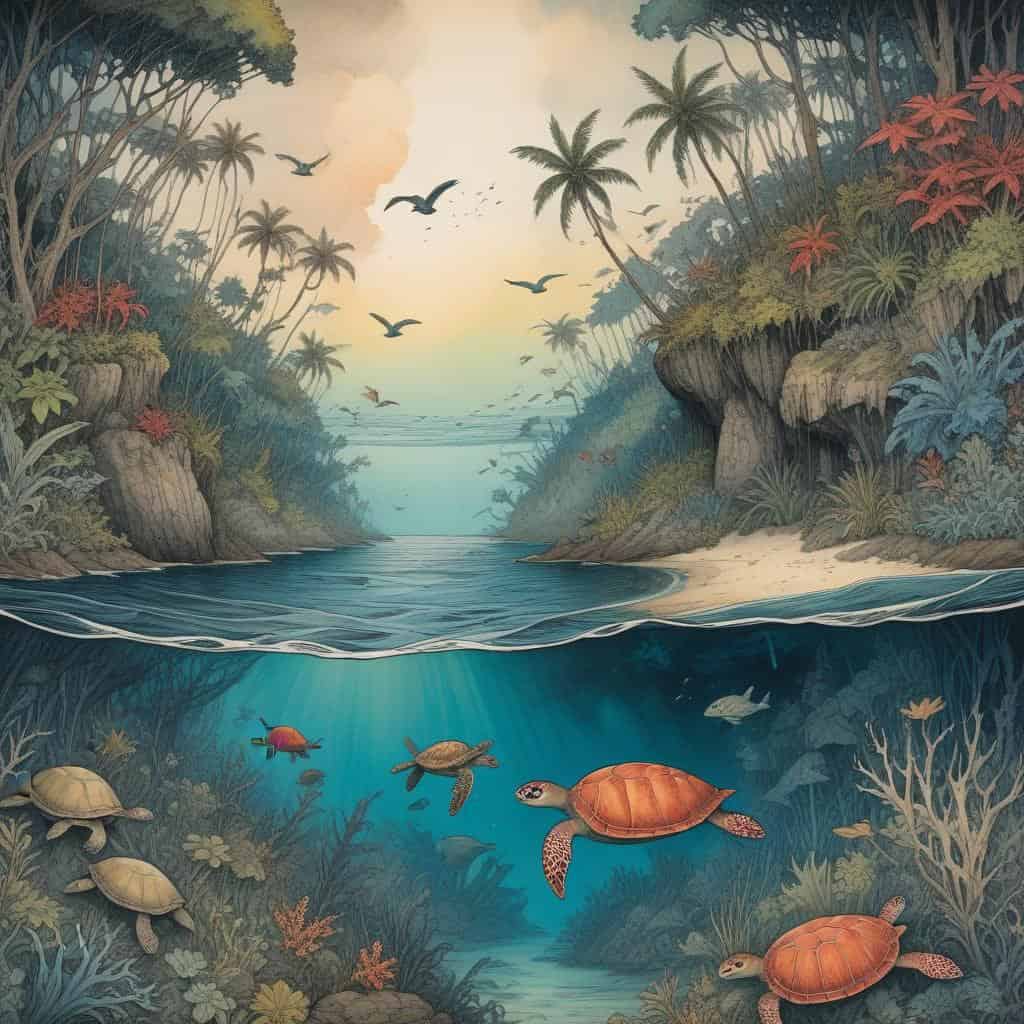
6. Indigenous Wildlife
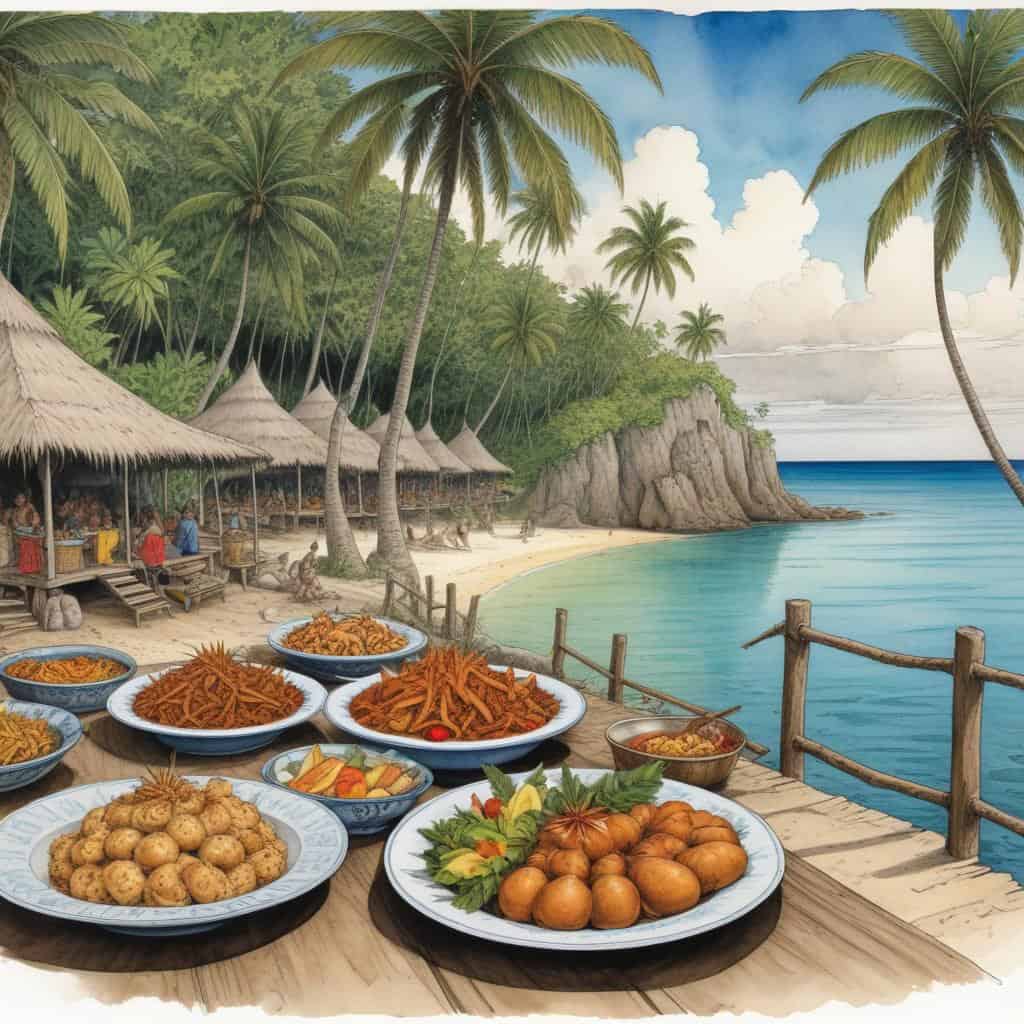
7. Local Cuisine
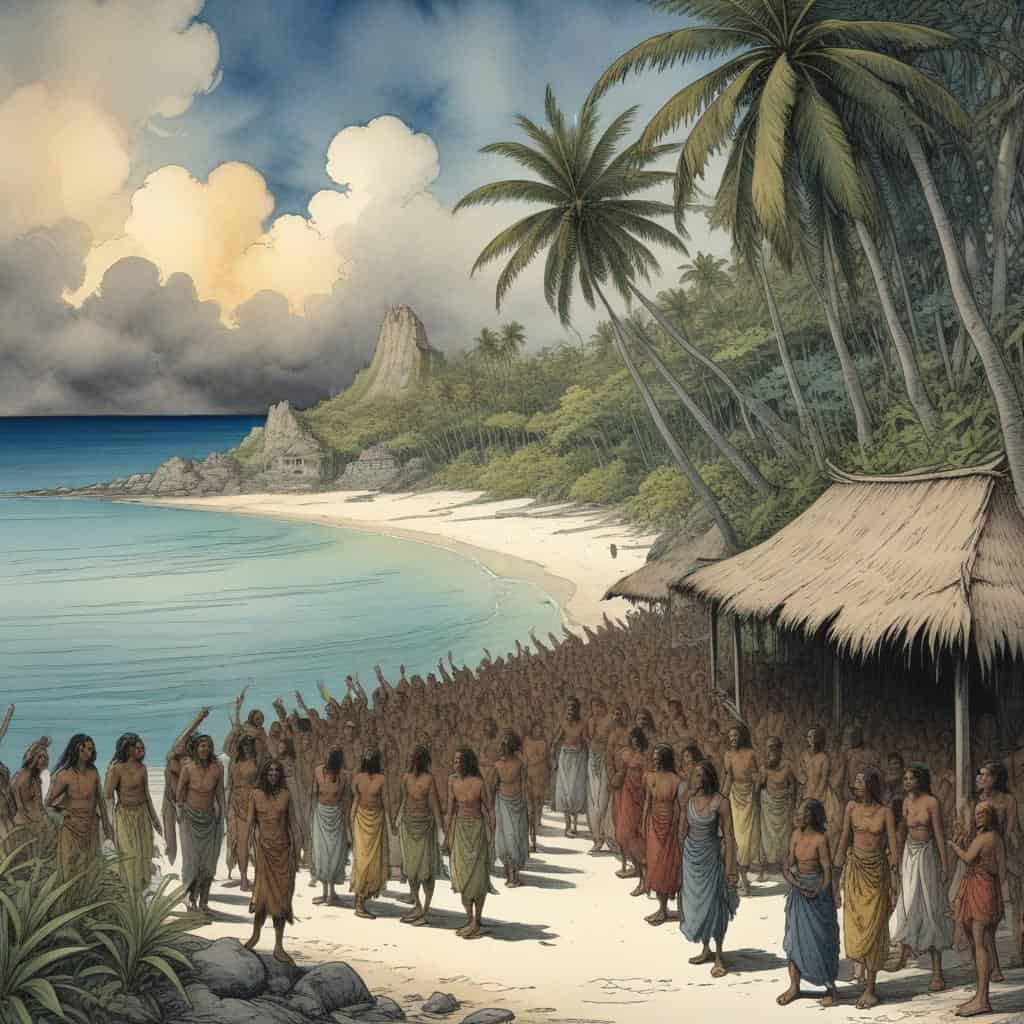
8. Warm Hospitality

9. Cultural Festivals

10. Untouched Beauty
In a Nutshell
- Capital: Yaren
- Population: Approx. 10,000 (2021)
- Official Language: Nauruan
- Currency: Australian dollar (AUD)
Breaking Down the Country
Location
Nauru is a tiny island country located in the Pacific Ocean, northeast of Australia and south of the Marshall Islands.
Phosphate Riches
Once known as 'Pleasant Island,' Nauru was once one of the richest countries per capita due to its phosphate reserves, but now faces environmental challenges.
Cultural Diversity
Nauru boasts a unique blend of Micronesian, Polynesian, and Melanesian cultures, with a rich heritage of traditional dances, music, and crafts.
Timeline of Nauru
First settlement of Nauru by Micronesian and Polynesian people
Discovery of Nauru by Europeans (Spanish navigator Alvaro de Mendaña)
Annexation of Nauru by Germany
Phosphate mining begins on Nauru by the Pacific Phosphate Company
Nauru becomes a League of Nations mandate administered by Australia, New Zealand, and the United Kingdom
Japanese occupation of Nauru during World War II
Nauru gains independence from Australia
Boom in phosphate mining leads to rapid economic growth on Nauru
Environmental degradation caused by phosphate mining becomes a major issue on Nauru
Nauru becomes a tax haven and offshore banking center
Closure of the Australian-run immigration detention center on Nauru
Nauru signs agreement with Australia to reopen immigration detention center
Nauru bans Facebook in response to criticism of government
Nauru hosts the Pacific Islands Forum
Continued phosphate mining and environmental rehabilitation efforts on Nauru
COVID-19 pandemic impacts Nauru's economy and tourism industry
Nauru becomes a member of the Asian Development Bank
Renewable energy projects launched on Nauru to reduce reliance on fossil fuels
Nauru celebrates its 55th Independence Day
Construction of new infrastructure and development projects on Nauru
Vocabulary List
- Lagoon
- The crystal-clear lagoon in Nauru is a popular spot for swimming and snorkeling.
- Coconut palm
- The coconut palms sway gently in the breeze, providing shade on the white sandy beaches of Nauru.
- Coral reef
- The vibrant coral reef surrounding Nauru is teeming with colorful fish and other marine life.
- Phosphate mine
- The abandoned phosphate mines on Nauru serve as a stark reminder of the island's troubled past.
- Traditional canoe
- Fishermen in Nauru still use traditional canoes to navigate the waters around the island.
- Pandanus tree
- The pandanus trees with their distinctive aerial roots can be found all over Nauru.
- Rocky coastline
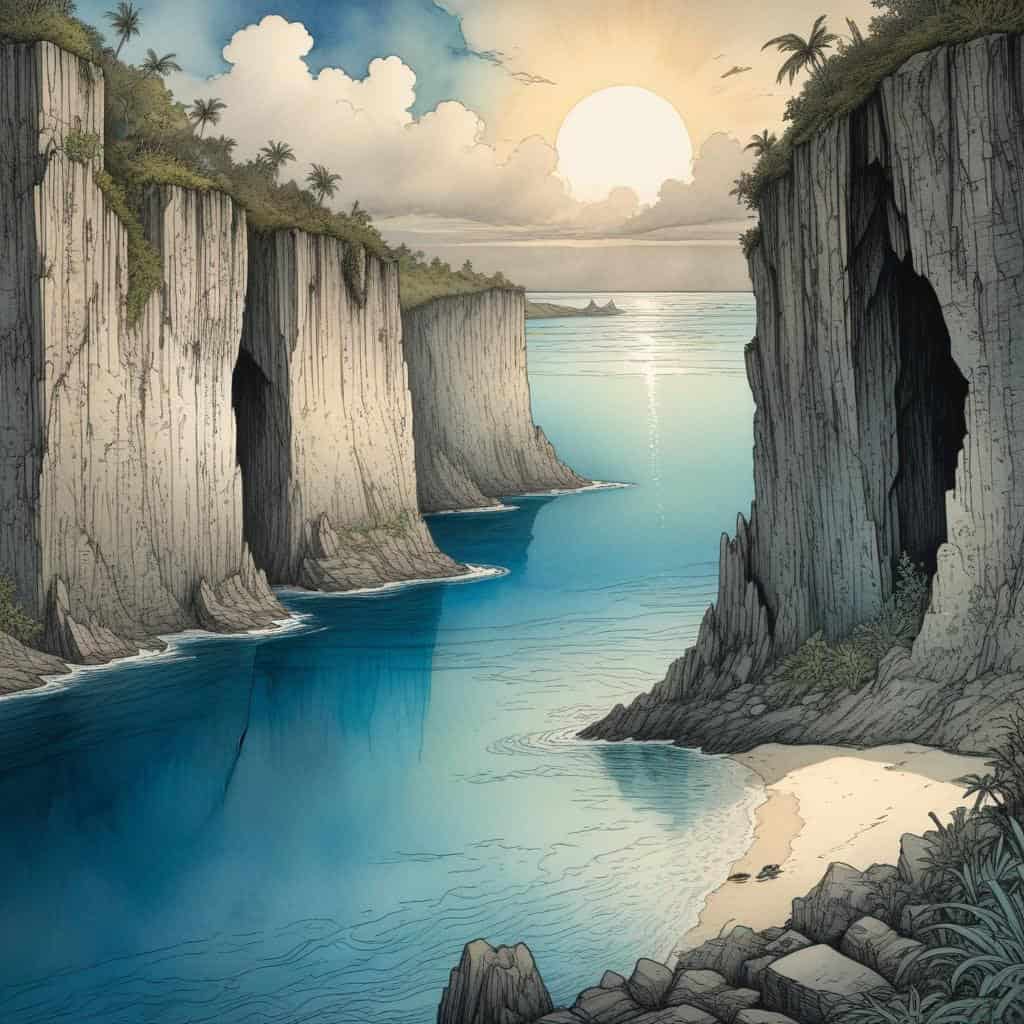
- The rugged, rocky coastline of Nauru is a beautiful contrast to the calm lagoon waters.
- Bird sanctuary
- Nauru is home to a bird sanctuary where visitors can observe a variety of seabirds in their natural habitat.
- Traditional dance
- The Nauruan people perform traditional dances that reflect their rich cultural heritage.
- Government building
- The imposing government building in Nauru is a symbol of the island nation's sovereignty.
Key Facts
This is the information used in the fact matching game
- Nauru is the third smallest country in the world by land area, measuring just 21 square kilometers.
- Nauru is known for its unique landscape of phosphate mining sites, which have left large areas of the island barren and scarred.
- The coastline of Nauru is characterized by rugged cliffs and coral reefs, making it a popular destination for diving and snorkeling.
- The interior of Nauru is dominated by deep pits and chasms created by years of phosphate mining, giving the landscape a lunar-like appearance.
- Nauru is home to a number of unique plant and animal species, including the endangered Nauru reed warbler.
- The highest point on Nauru is Command Ridge, which reaches an elevation of 65 meters above sea level.
- The climate in Nauru is tropical, with hot and humid conditions year-round and a wet season from November to February.
- Nauru is surrounded by a coral reef, which provides protection from the open ocean and supports a diverse array of marine life.
- The capital city of Nauru is Yaren, which is located in the southwestern part of the island.
- Yaren is the site of the Nauru Parliament House, as well as the Nauru International Airport.
- The architecture in Yaren is a mix of traditional Pacific Island styles and modern concrete buildings.
- The people of Nauru are known for their hospitality and friendliness towards visitors.
- Nauru has a small population of around 10,000 people, most of whom are of Nauruan or Chinese descent.
- The official languages of Nauru are Nauruan and English, reflecting the country's history of British colonization.
- Nauru is a member of the Pacific Islands Forum, an intergovernmental organization that promotes cooperation and economic development in the region.
- Nauru is known for its traditional music and dance, which are an important part of the country's cultural heritage.
- The economy of Nauru is heavily dependent on phosphate mining and offshore banking, with limited opportunities for other industries.
- Nauru has a high rate of obesity and diabetes, due in part to a diet that is heavy in processed foods and sugary drinks.
- Nauru is working to develop its tourism industry as a way to diversify its economy and create jobs for its people.
Why It Matters
Geopolitical Significance
Nauru’s small size and remote location in the Pacific Ocean do not diminish its importance. It has been a key player in regional politics, with its strategic position giving it a voice in international forums like the United Nations. Its relationships with larger nations and its status as one of the world’s smallest independent states shape its geopolitical significance.
Historical Importance
Nauru’s history is marked by colonization, exploitation of its phosphate reserves, and environmental challenges. As one of the world’s smallest countries, its struggle for independence and self-determination reflects broader themes of decolonization and sovereignty in the Pacific region. Understanding Nauru’s past is crucial to appreciating its present reality.
Modern-Day Role
In the modern era, Nauru faces unique challenges such as climate change and economic sustainability. Its role as a hub for regional cooperation and advocacy on issues like environmental conservation and sustainable development is increasingly important. Despite its size, Nauru continues to play a significant role in global conversations about Pacific Island nations.
Nauru Games


Take Your Learning Offline
Want a convenient, print-ready study guide for this lesson? Become a Memory Wizards Pro member to unlock the downloadable " Memory Scrolls" for this topic and our entire library!
- ✓ Complete Vocabulary Lists
- ✓ Key Facts & Timelines
- ✓ Beautifully Formatted for Print & Mobile