
How Do You Learn Best?
Learn by Reading
Immerse yourself in the 10-minute visual lesson for a comprehensive understanding of the topic.
Learn by Reviewing
Jump directly to the key facts, timeline, and vocabulary lists to build a solid foundation of details.
Learn by Doing
Challenge yourself! Jump straight into the interactive games to learn by trial, error, and discovery.
Marshall Islands in 10 Minutes
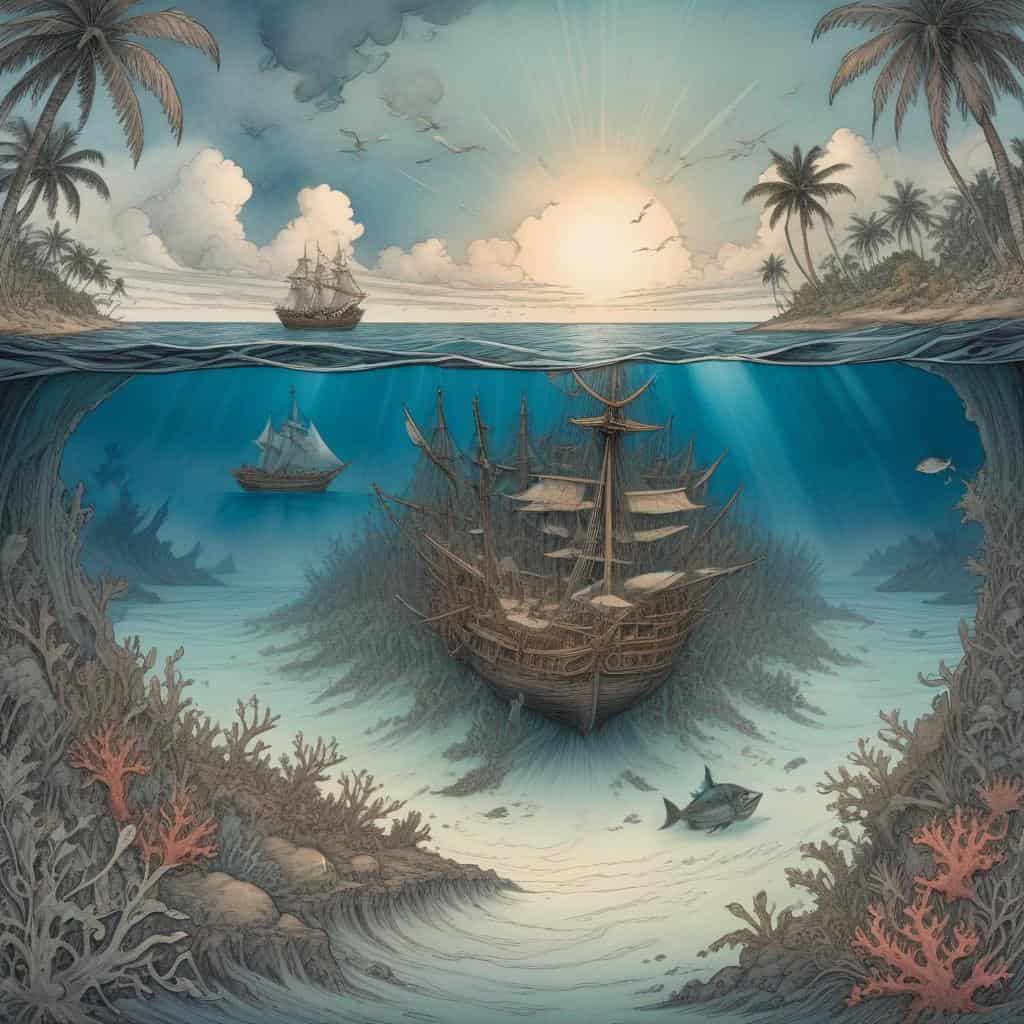
Introduction
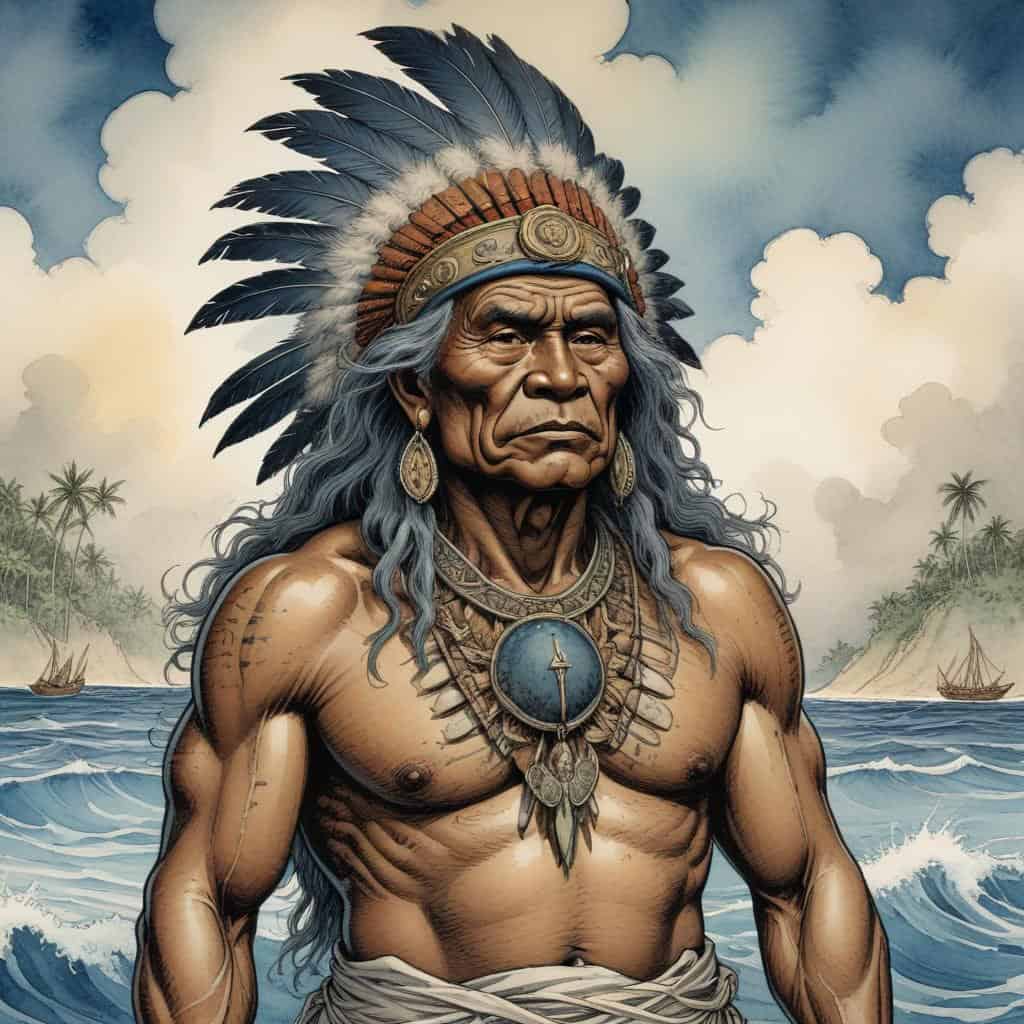
Chief Kabua
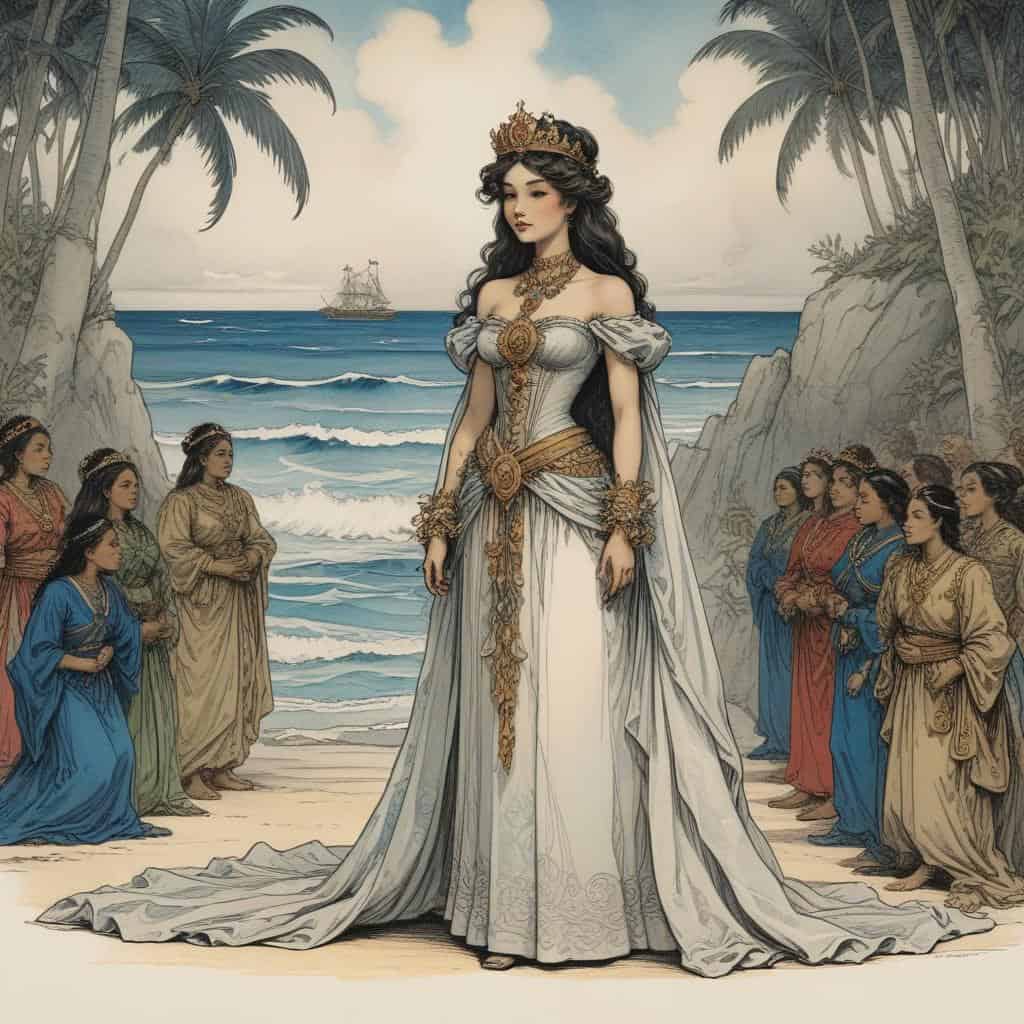
Princess Abinon
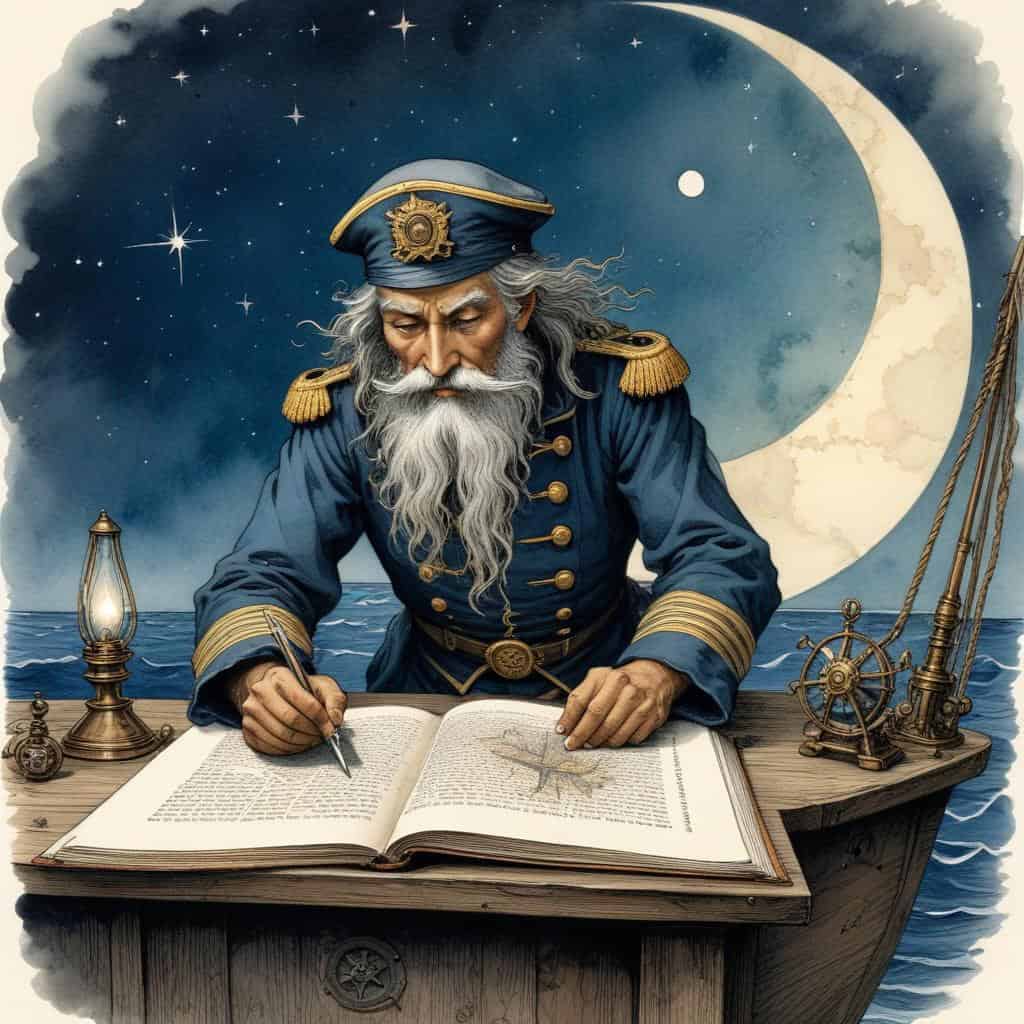
Captain Elimo
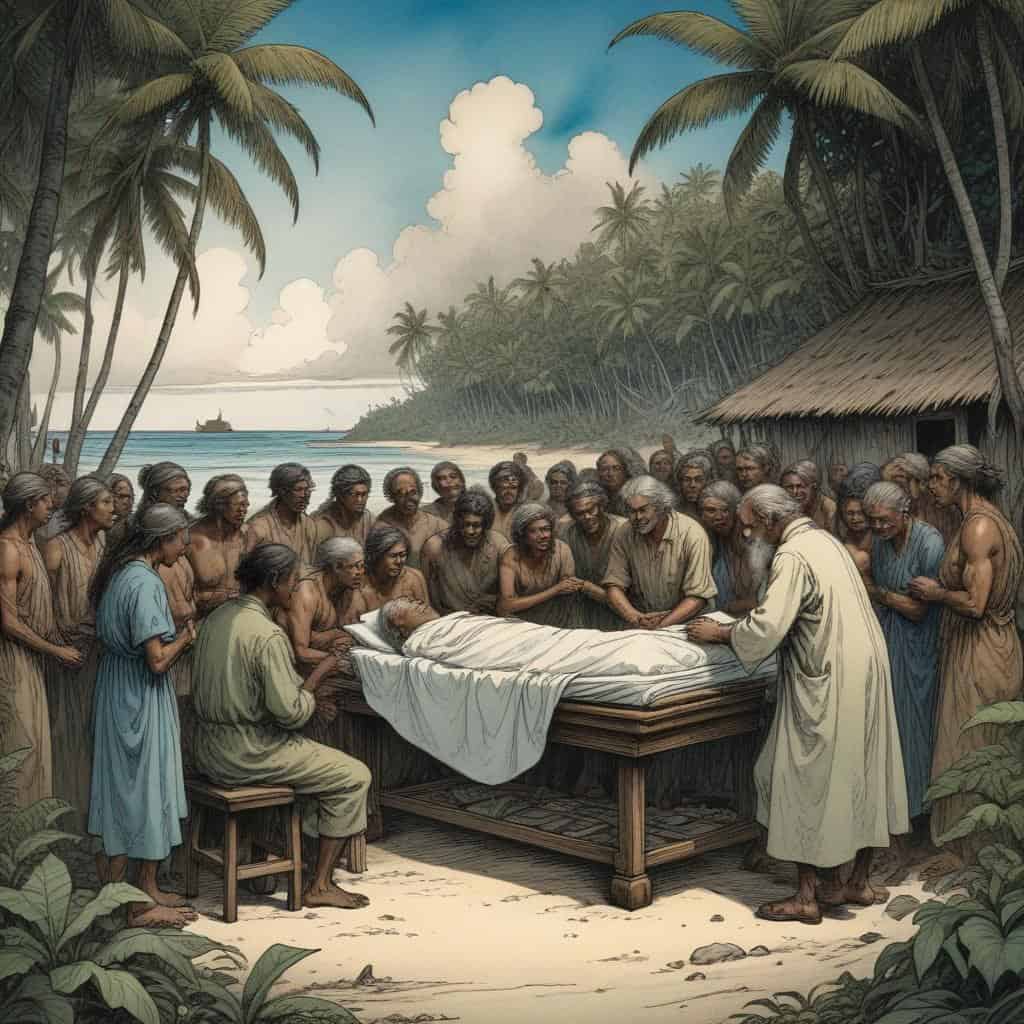
Dr. Heine

Mayor Loeak
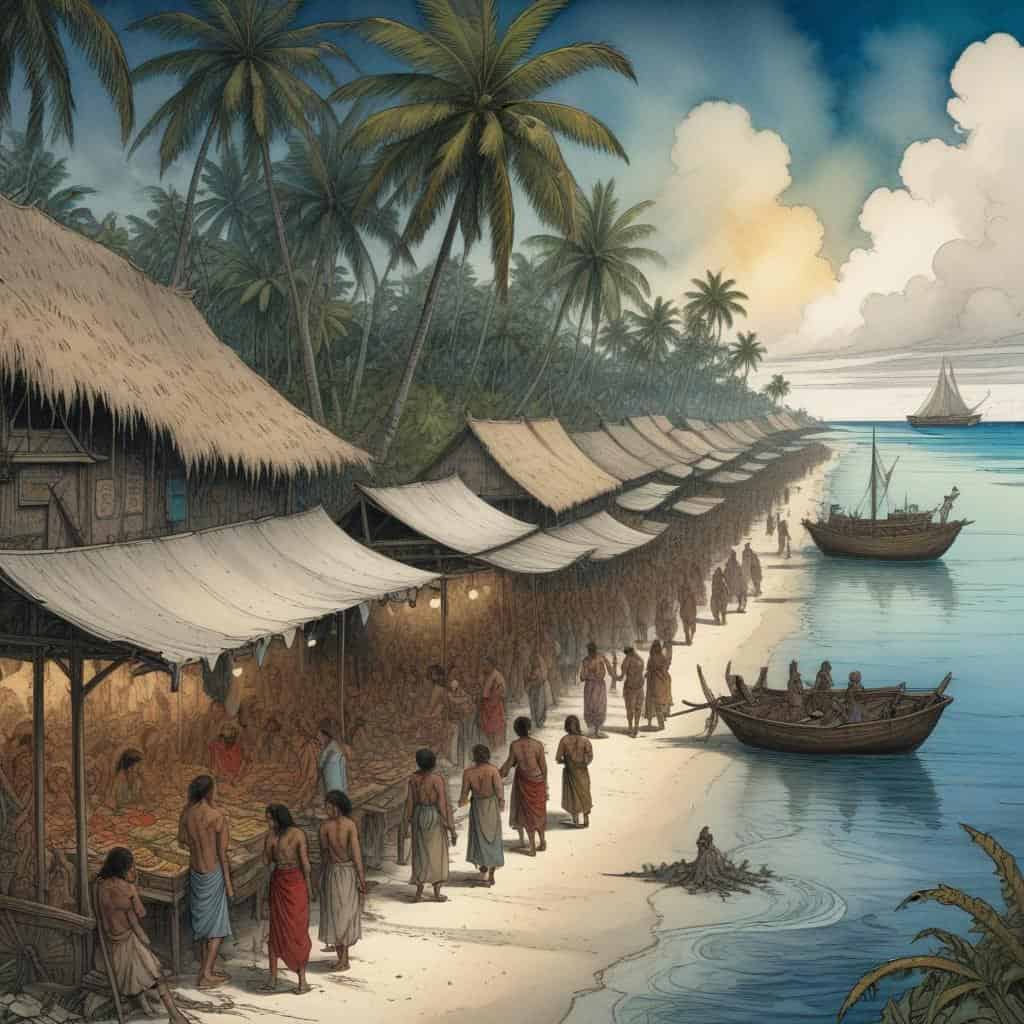
1. Majuro Atoll
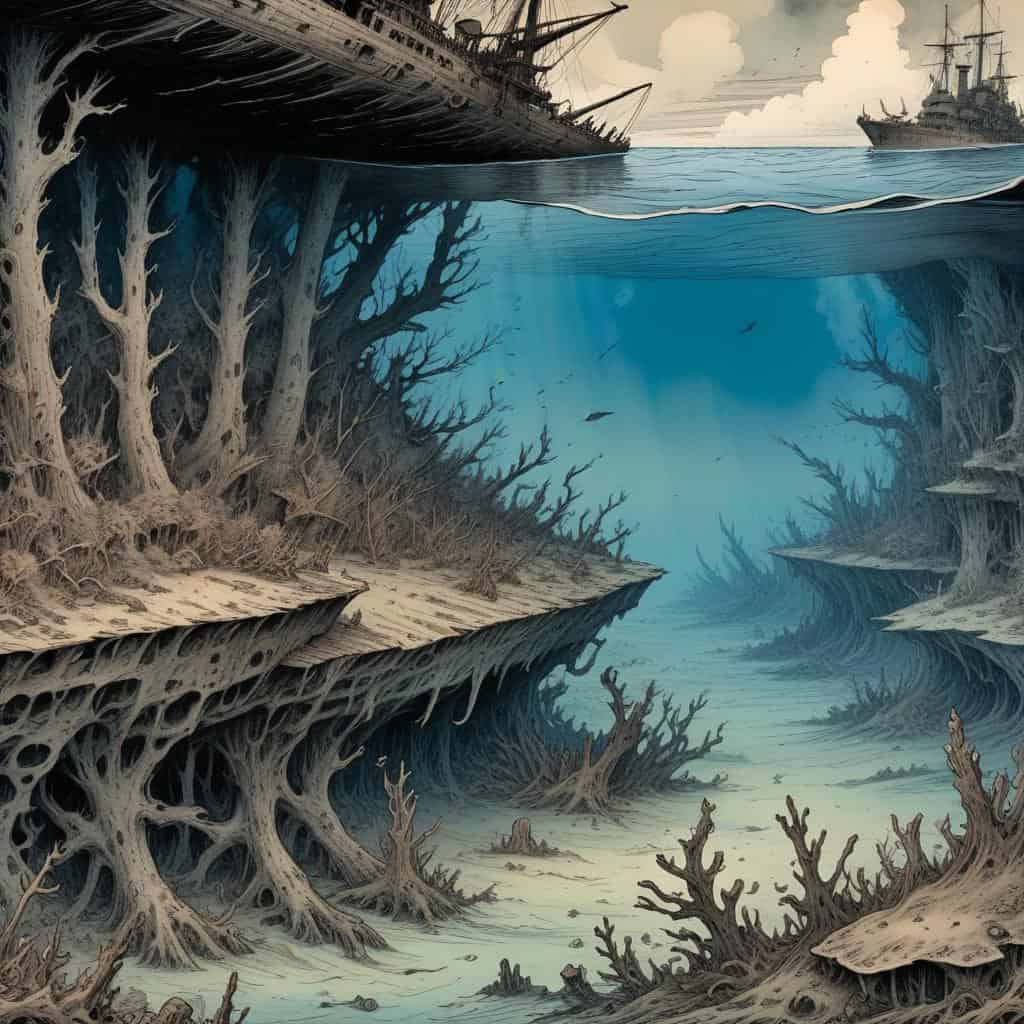
2. Bikini Atoll
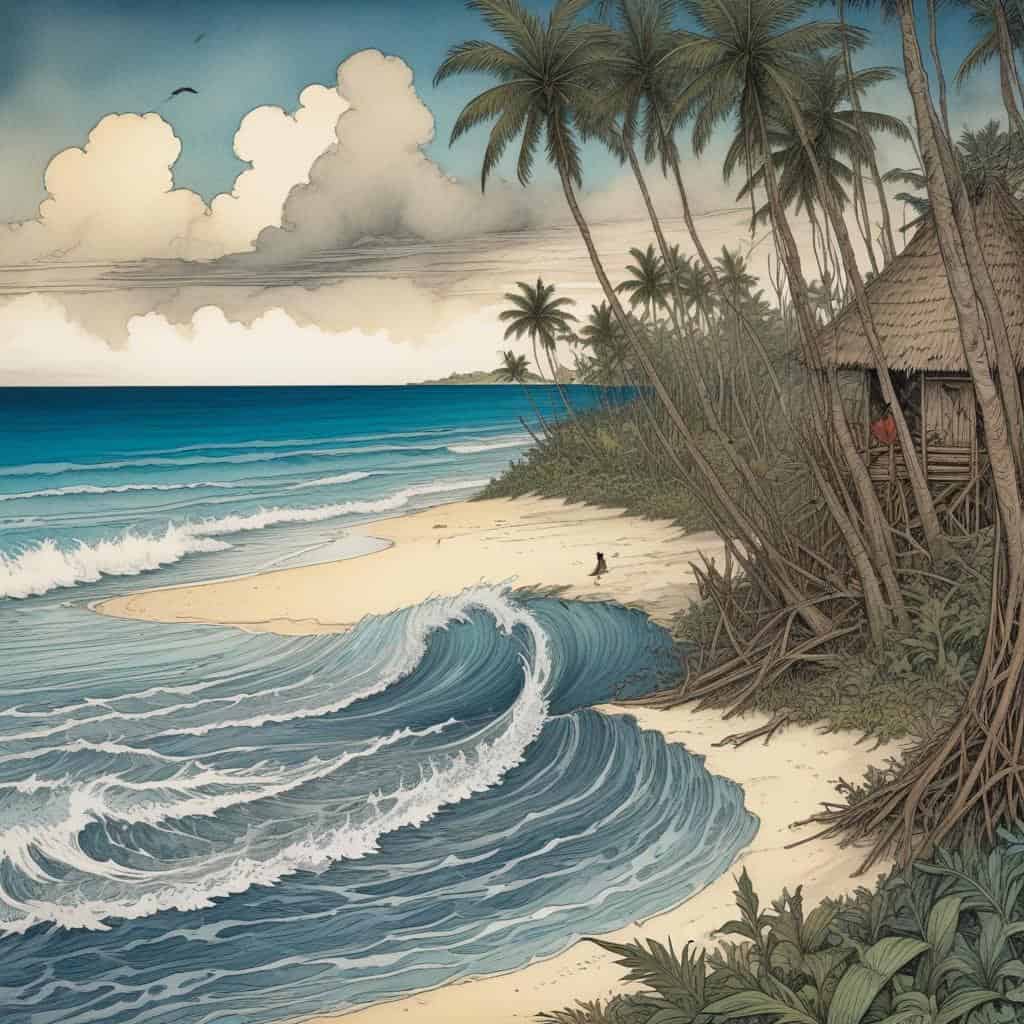
3. Ailinglaplap Atoll
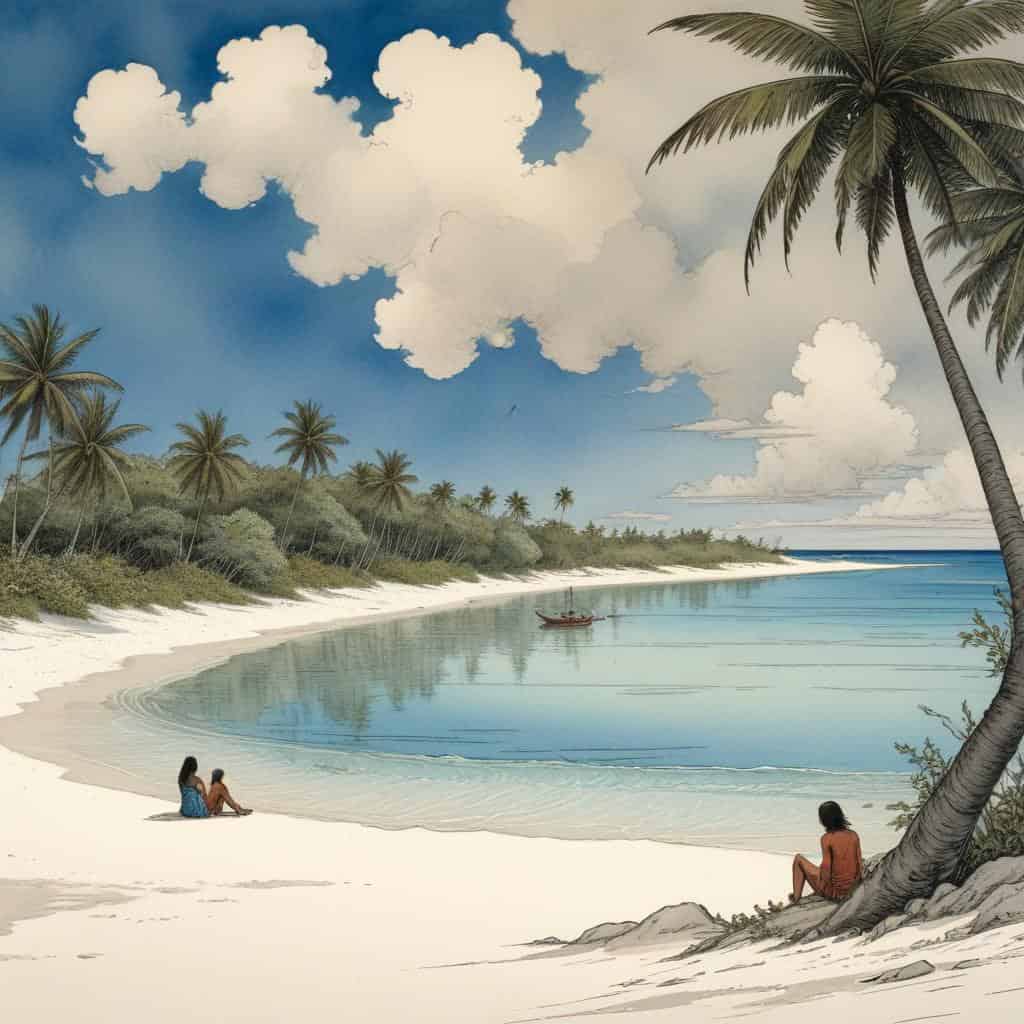
4. Laura Beach
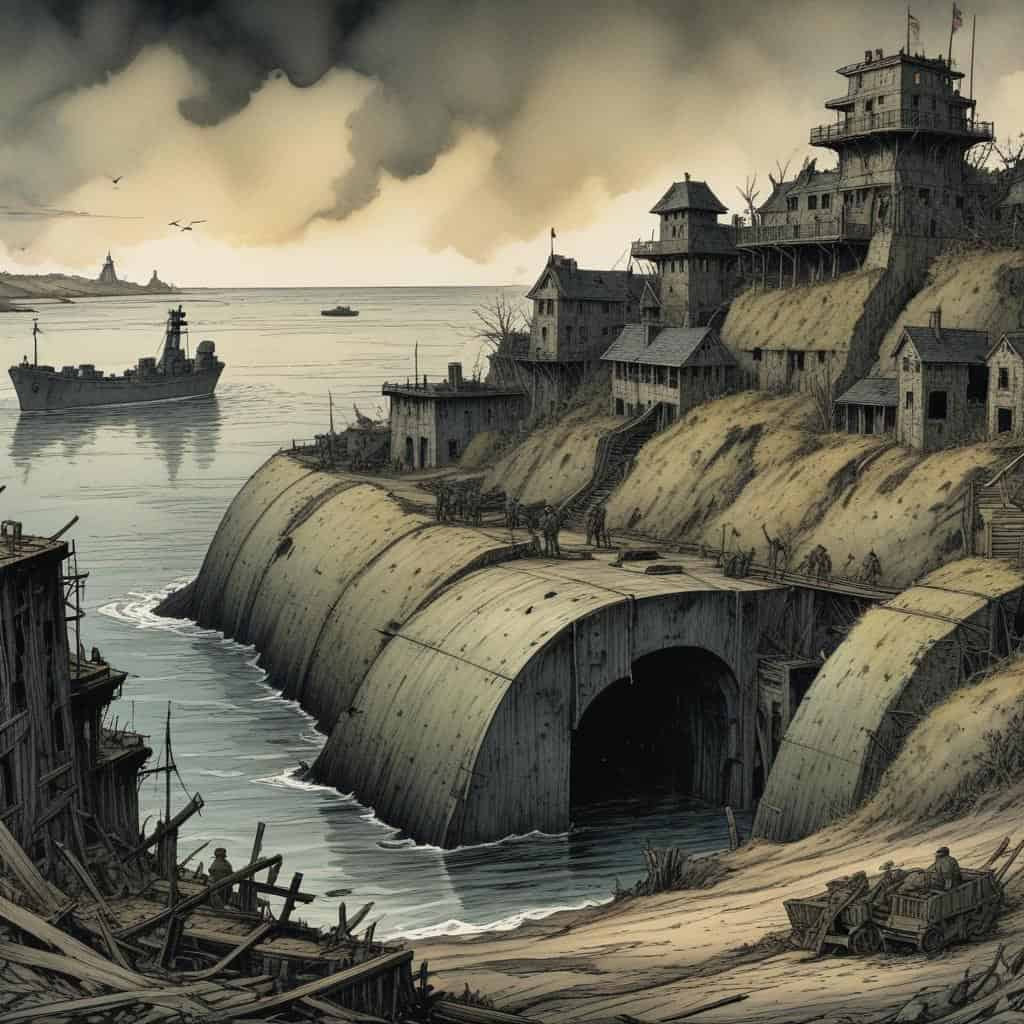
5. Roi-Namur

6. Arno Atoll
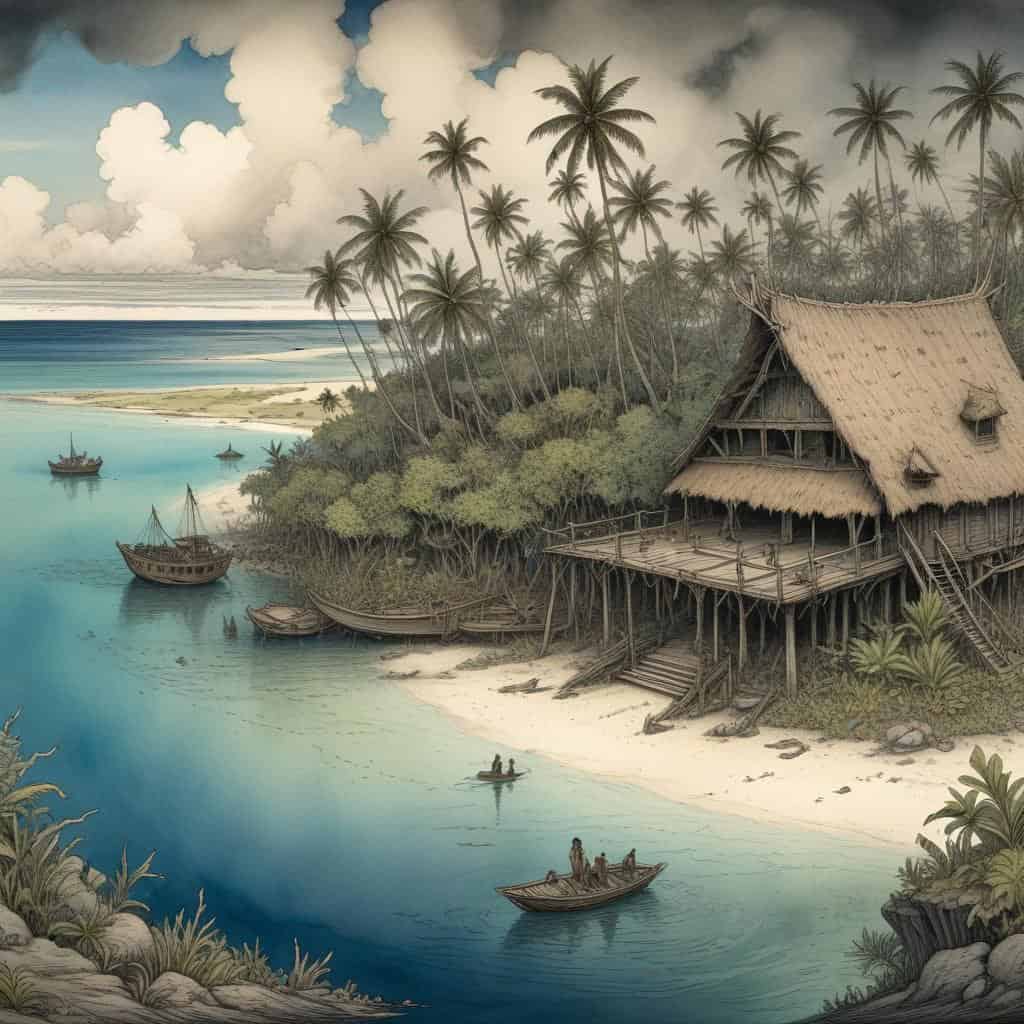
7. Jaluit Atoll
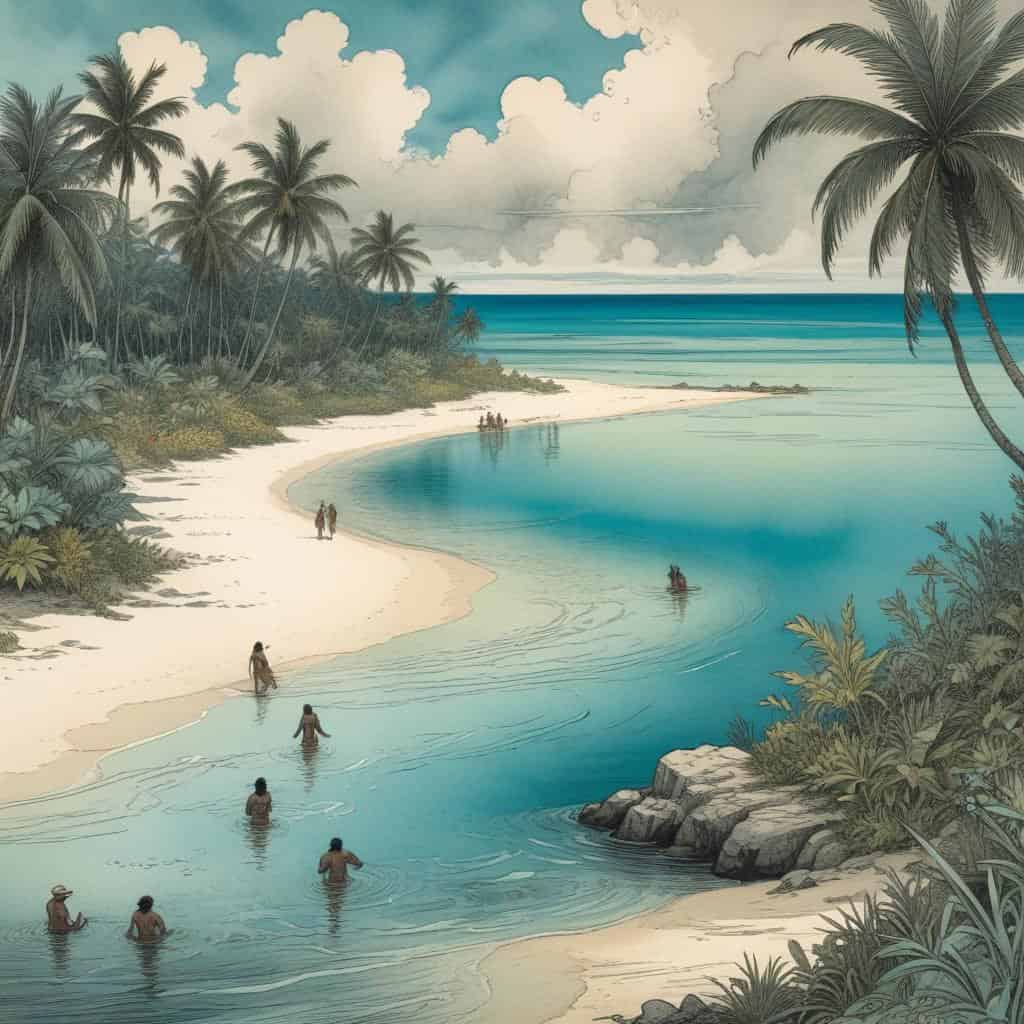
8. Ujae Atoll
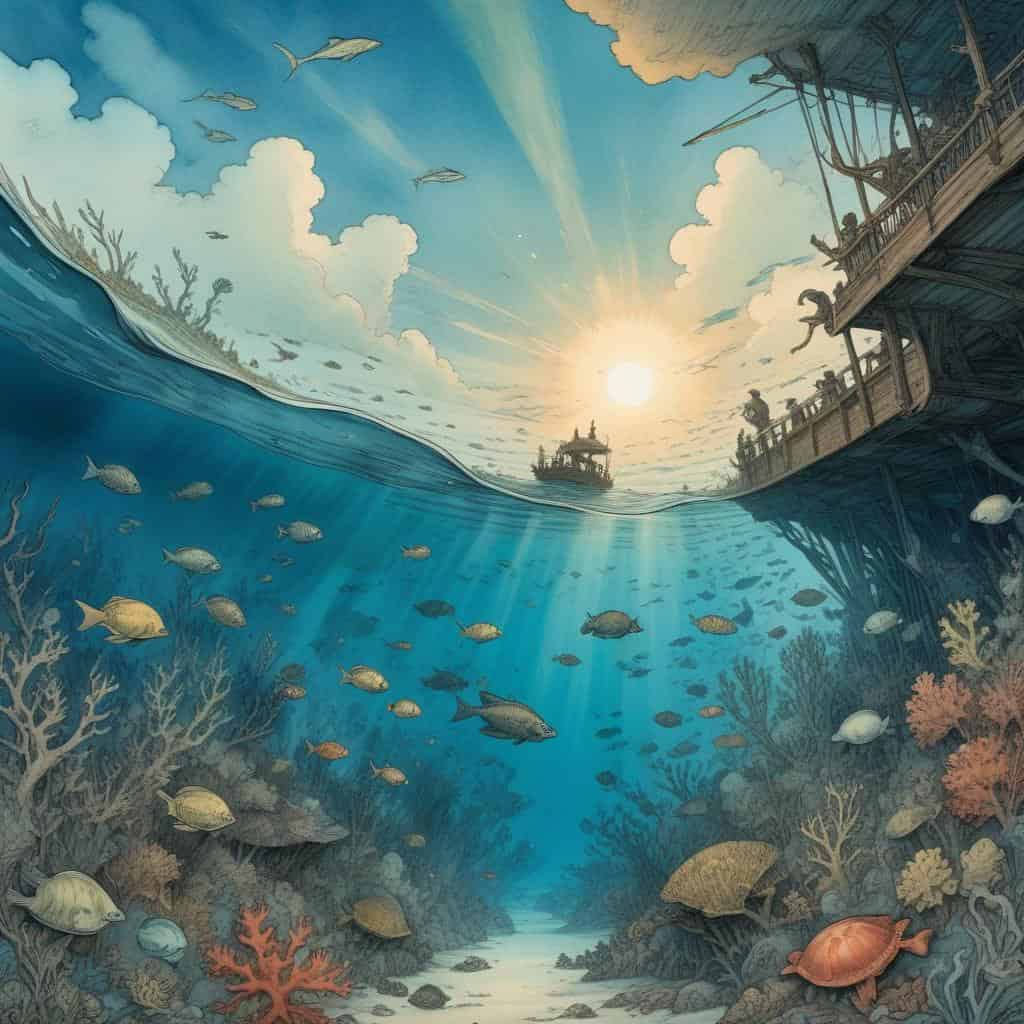
9. Namu Atoll
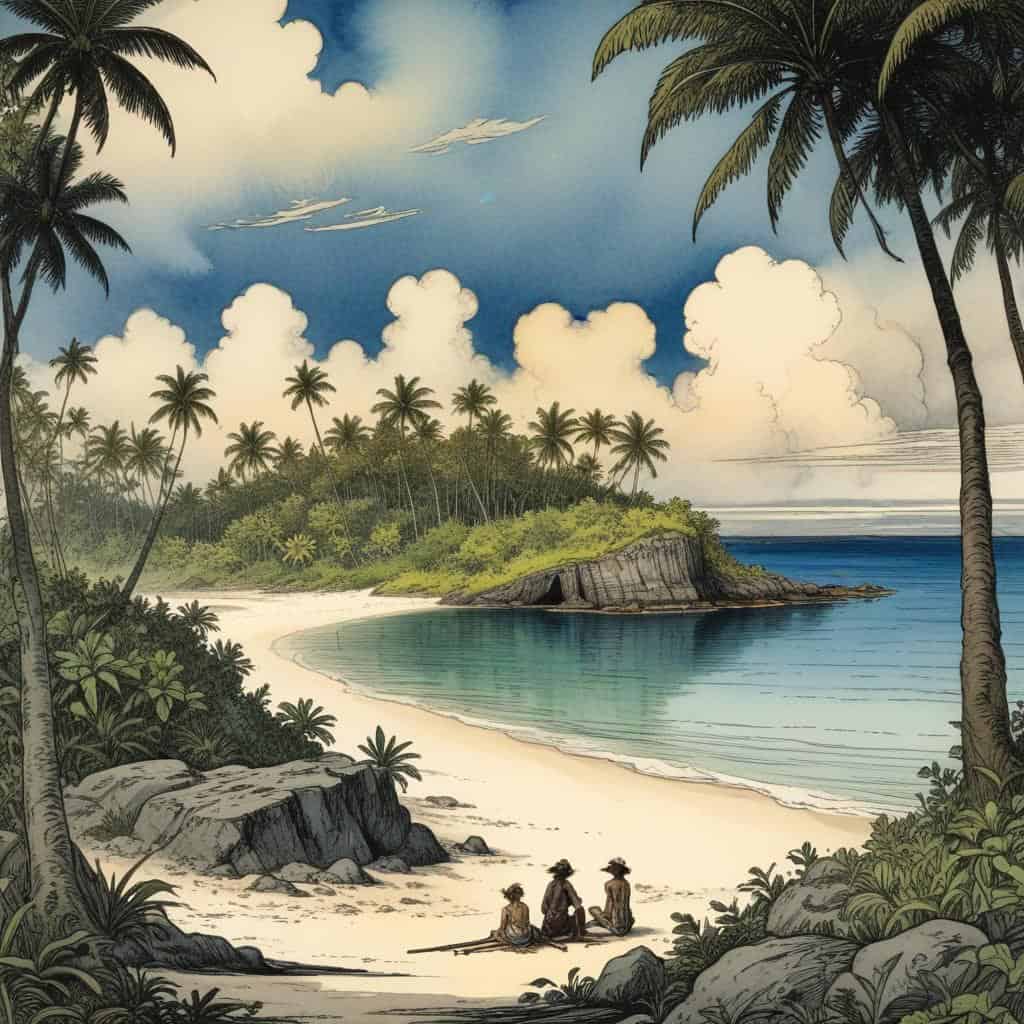
10. Enoko Island
In a Nutshell
- Capital: Majuro
- Population: Approx. 58,000 (2021)
- Official Language: Marshallese
- Currency: United States Dollar (USD)
Breaking Down the Country
Pacific Paradise
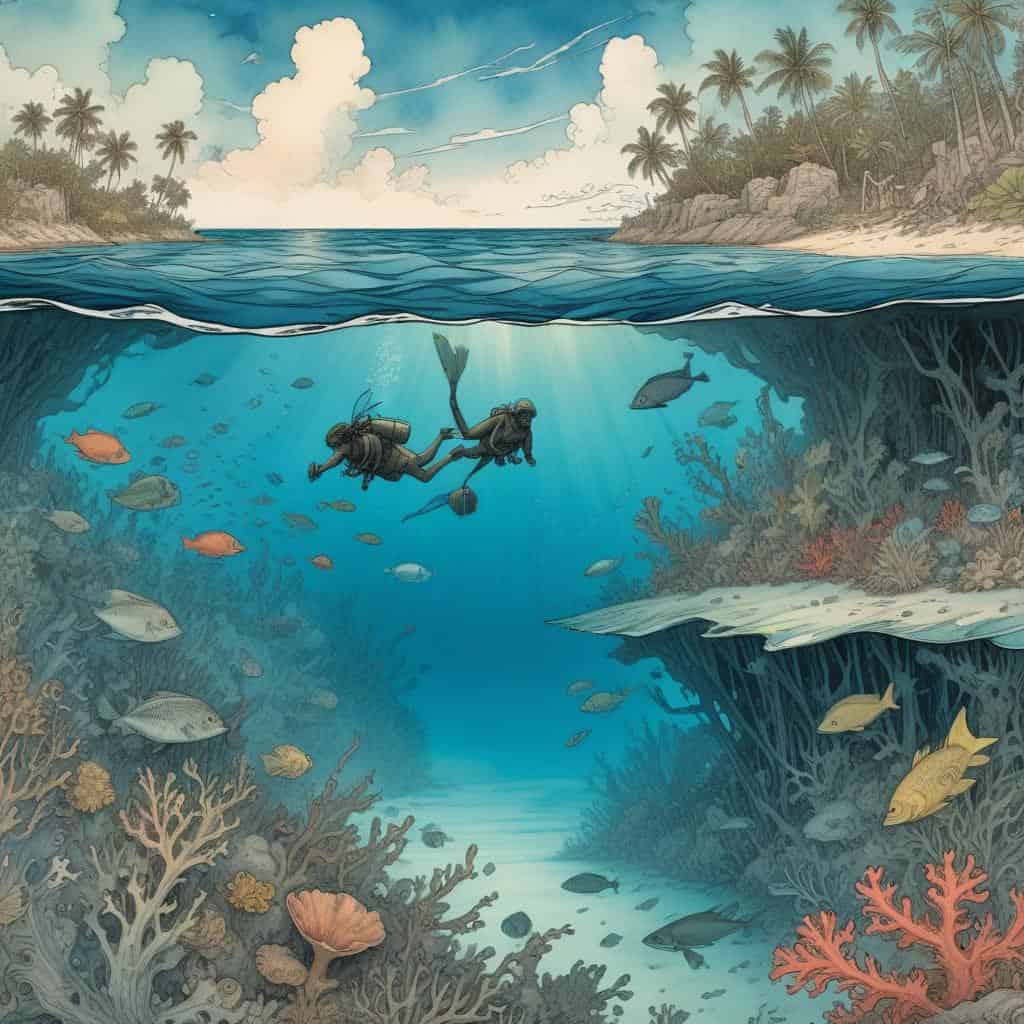
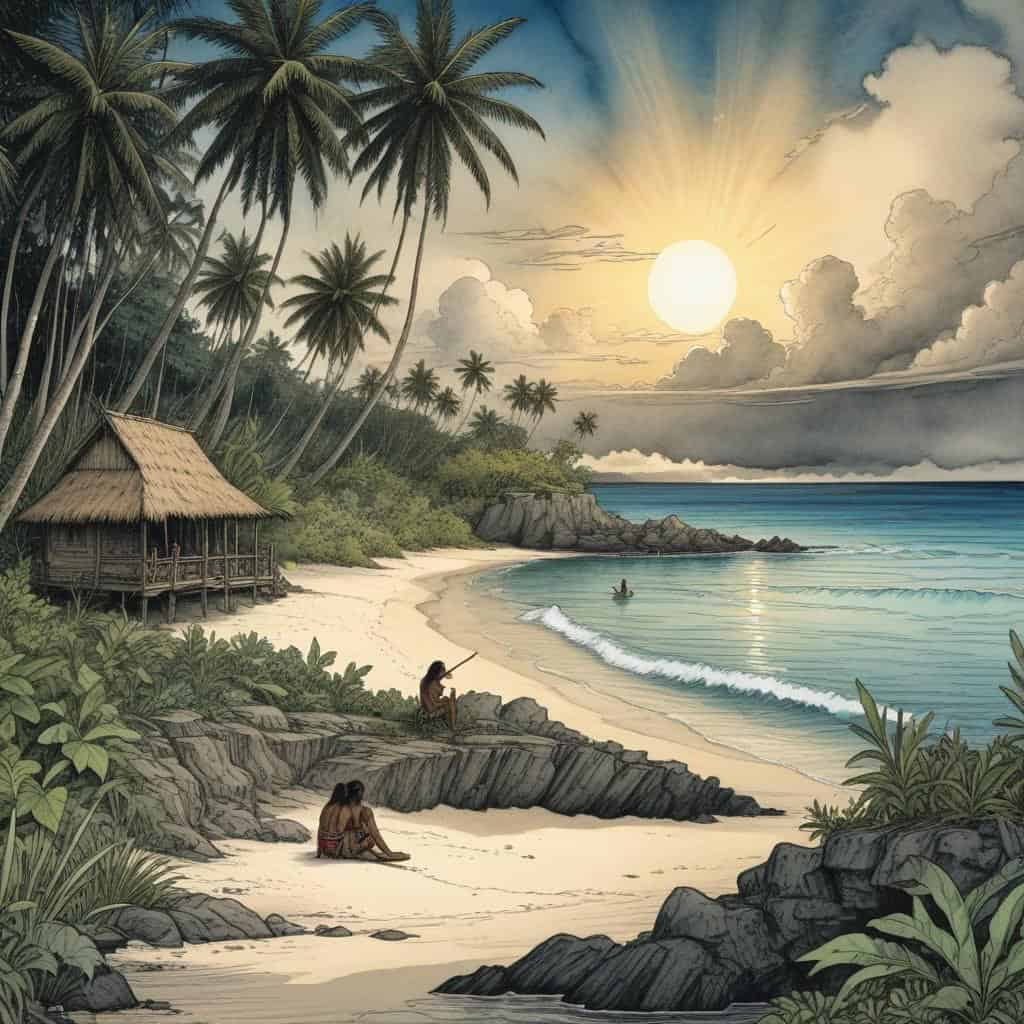
Discover a tropical paradise in the middle of the Pacific Ocean with crystal-clear waters, white sandy beaches, and vibrant marine life.
Traditional Culture
Immerse yourself in the rich cultural heritage of the Marshallese people, with traditional dances, crafts, and storytelling.
WWII History
Explore the impact of World War II on the Marshall Islands, including historic sites, sunken ships, and remnants of the past.
Timeline of Marshall Islands
First settlement by Micronesian navigators
European exploration by Spanish navigator Alonso de Salazar
Spanish colonization attempts
British exploration by John Marshall
German protectorate established over Marshall Islands
Japanese occupation during World War I
Japanese mandate over Marshall Islands
Battle of Kwajalein during World War II
Marshall Islands becomes a United Nations Trust Territory
Nuclear testing by the United States at Bikini Atoll
Marshall Islands gains independence from the United States
Establishment of the Compact of Free Association with the United States
Adoption of the Marshallese flag
Creation of the Bikini Atoll Nuclear Test Site as a UNESCO World Heritage Site
Climate change impacts on Marshall Islands
Rising sea levels threaten the existence of Marshall Islands
Construction of sea walls and other adaptation measures
Marshall Islands' participation in international climate change negotiations
Development of sustainable tourism in Marshall Islands
Preservation of traditional Marshallese culture and language
Vocabulary List
- Lagoon
- The Marshall Islands are known for their stunning lagoons with crystal-clear waters.
- Coconut palms
- The landscape of the Marshall Islands is dotted with swaying coconut palms.
- Coral reefs
- The Marshall Islands are surrounded by vibrant coral reefs, perfect for snorkeling and diving.
- Traditional outrigger canoe
- You can often see traditional outrigger canoes gliding through the lagoons of the Marshall Islands.
- Thatch-roofed huts
- Many of the traditional homes in the Marshall Islands are made of thatch and have charming thatched roofs.
- Sandy beaches
- The Marshall Islands have some of the most beautiful sandy beaches in the Pacific.
- Pandanus trees
- Pandanus trees are a common sight in the Marshall Islands, with their unique fruit and spiky leaves.
- Tropical flowers
- The landscape of the Marshall Islands is brightened by an array of colorful tropical flowers.
- Crystal-clear waters
- The waters surrounding the Marshall Islands are crystal-clear, perfect for swimming and snorkeling.
- Volcanic islands
- The Marshall Islands are made up of both coral atolls and volcanic islands, creating a diverse landscape.
Key Facts
This is the information used in the fact matching game
- The Marshall Islands is made up of 29 coral atolls and 5 single islands.
- The capital city of the Marshall Islands is Majuro, which is the largest city in the country.
- Majuro is known for its beautiful lagoon, which is a popular spot for snorkeling and diving.
- The Marshall Islands has a tropical climate with temperatures averaging around 80°F year-round.
- The landscape of the Marshall Islands is characterized by palm-lined beaches, turquoise waters, and vibrant coral reefs.
- The atolls of the Marshall Islands are low-lying and vulnerable to rising sea levels caused by climate change.
- The traditional Marshallese canoe, known as the wa, is still used for fishing and transportation in the islands.
- Coconut palms are a common sight in the Marshall Islands, providing shade and a source of food and materials.
- The Marshall Islands is home to several species of seabirds, including frigatebirds, terns, and boobies.
- The traditional Marshallese thatched houses, known as bwebwenato, are built using local materials such as coconut palm leaves and wood.
- The Marshall Islands is known for its colorful sunsets, which can be seen from many of the atolls.
- The waters surrounding the Marshall Islands are home to a diverse array of marine life, including sharks, manta rays, and sea turtles.
- The Marshall Islands was the site of nuclear testing by the United States in the mid-20th century, resulting in environmental and health impacts on the local population.
- The traditional Marshallese stick chart, or rebbilib, is used for navigation and represents the patterns of ocean swells and currents.
- The Marshall Islands is home to several endemic species of plants and animals, found nowhere else in the world.
- The Marshall Islands is a popular destination for wreck diving, with several World War II-era shipwrecks lying beneath the waters.
- The traditional Marshallese dance, known as the melele, is performed at cultural events and celebrations.
- The economy of the Marshall Islands is heavily reliant on fishing, agriculture, and foreign aid.
- The Marshall Islands is a member of the Pacific Islands Forum, a regional organization that promotes cooperation and development among Pacific island nations.
- The traditional Marshallese navigational skills, using knowledge of stars, winds, and currents, have been passed down through generations.
Why It Matters
Geopolitical Significance
The Marshall Islands holds strategic importance due to its location in the Pacific Ocean, where it serves as a key player in regional security and maritime trade. Its relationship with major powers, such as the United States and China, has a significant impact on the geopolitics of the Asia-Pacific region.
Historical Importance
The history of the Marshall Islands is marked by colonization, World War II battles, and nuclear testing. The legacy of these events continues to shape the cultural identity and political landscape of the country, emphasizing the importance of preserving its heritage and promoting peace and reconciliation.
Modern-Day Role
Today, the Marshall Islands faces challenges such as climate change, sustainable development, and economic security. As a sovereign nation with a unique cultural heritage, it plays a crucial role in global discussions on environmental conservation, nuclear disarmament, and the rights of small island nations.
Marshall Islands Games


Take Your Learning Offline
Want a convenient, print-ready study guide for this lesson? Become a Memory Wizards Pro member to unlock the downloadable " Memory Scrolls" for this topic and our entire library!
- ✓ Complete Vocabulary Lists
- ✓ Key Facts & Timelines
- ✓ Beautifully Formatted for Print & Mobile