
How Do You Learn Best?
Learn by Reading
Immerse yourself in the 10-minute visual lesson for a comprehensive understanding of the topic.
Learn by Reviewing
Jump directly to the key facts, timeline, and vocabulary lists to build a solid foundation of details.
Learn by Doing
Challenge yourself! Jump straight into the interactive games to learn by trial, error, and discovery.
Cook Islands in 10 Minutes
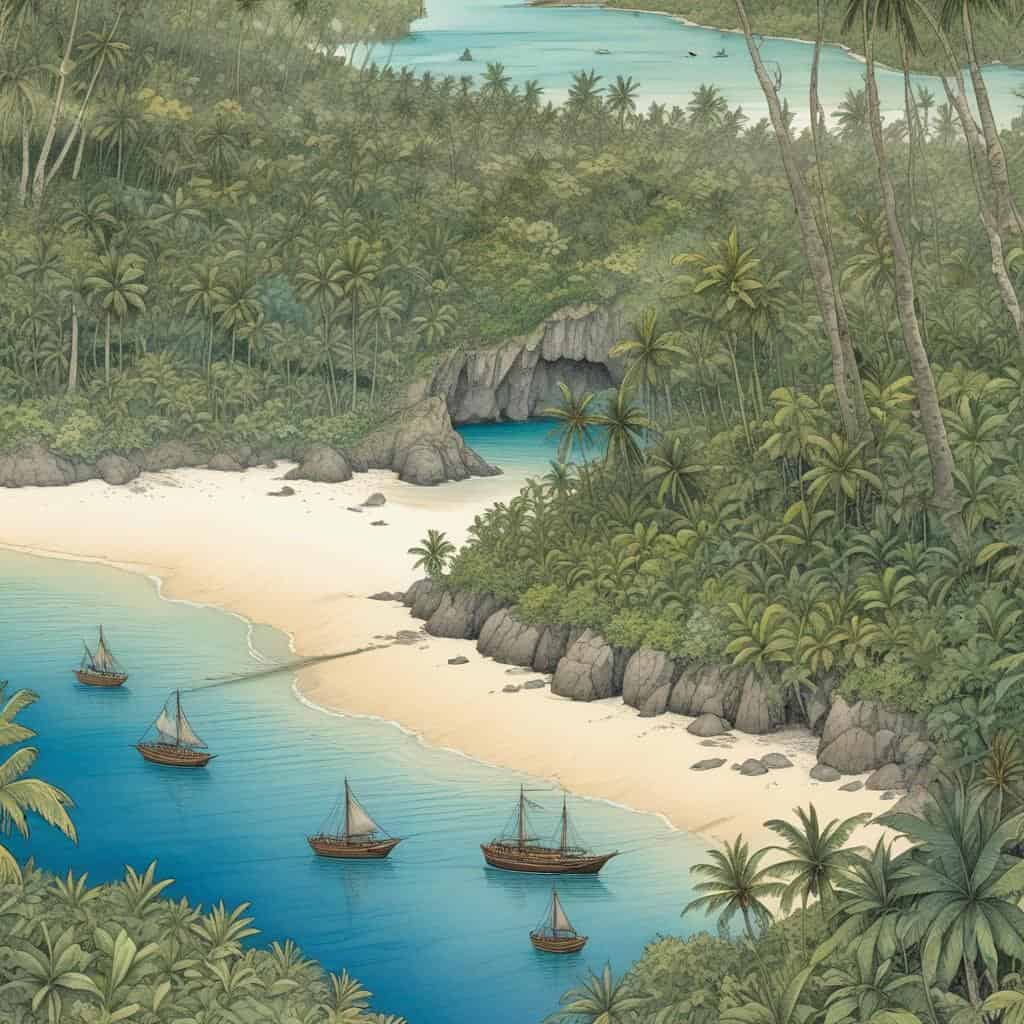
Introduction
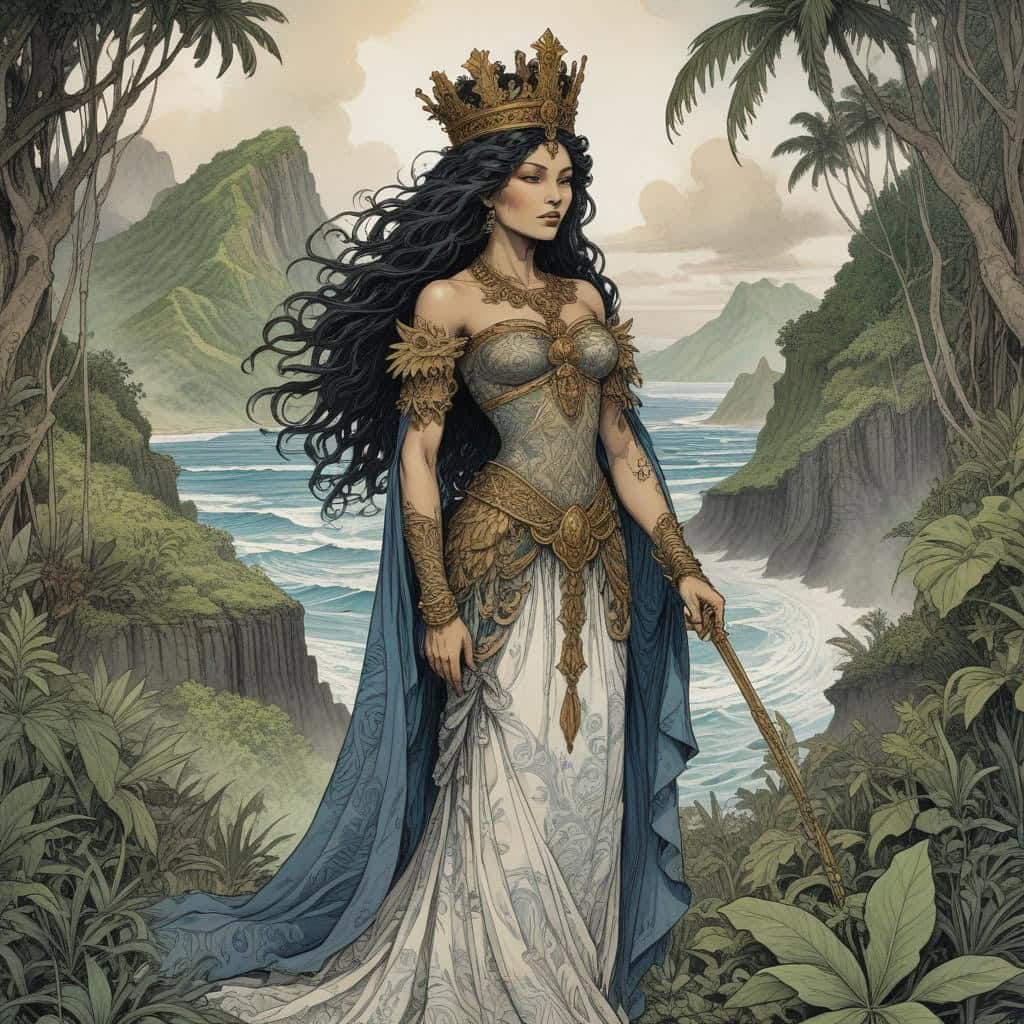
1. Queen Makea Takau Ariki
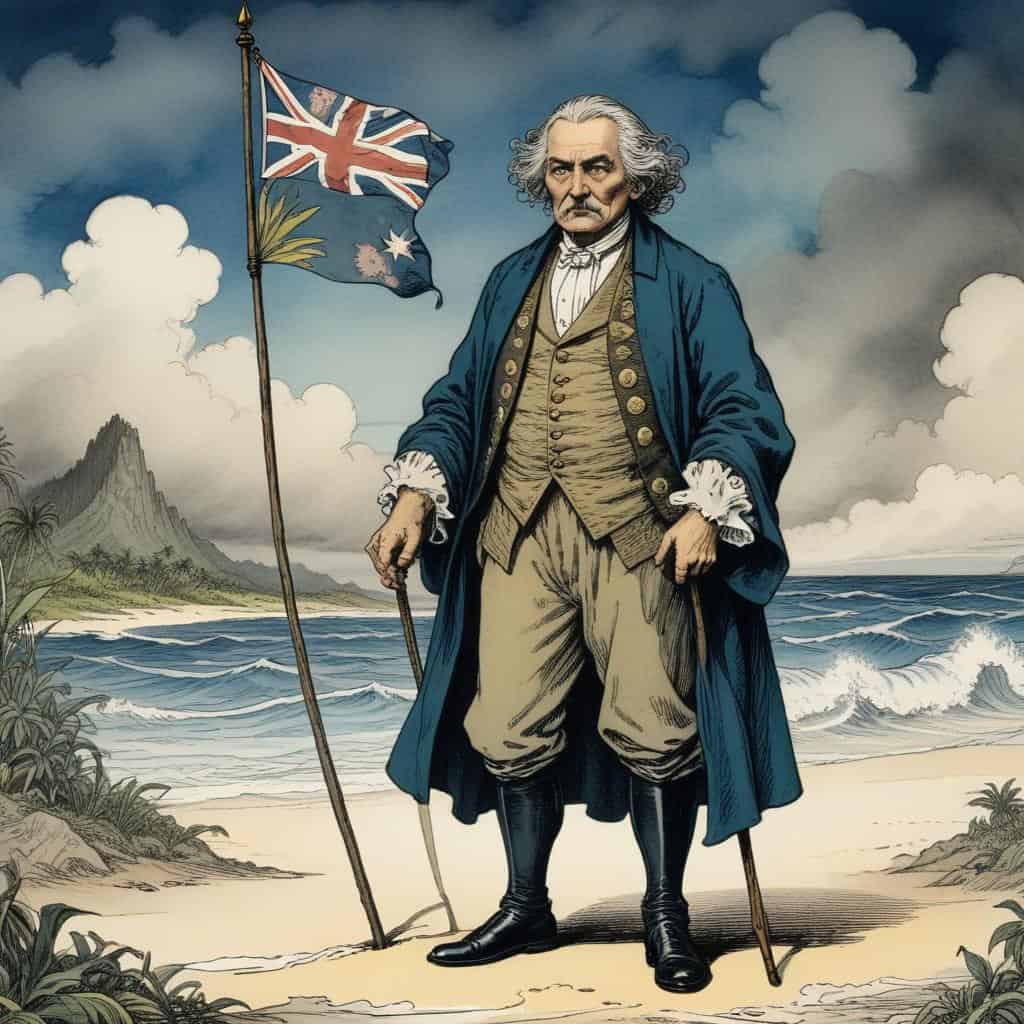
2. Sir Albert Henry
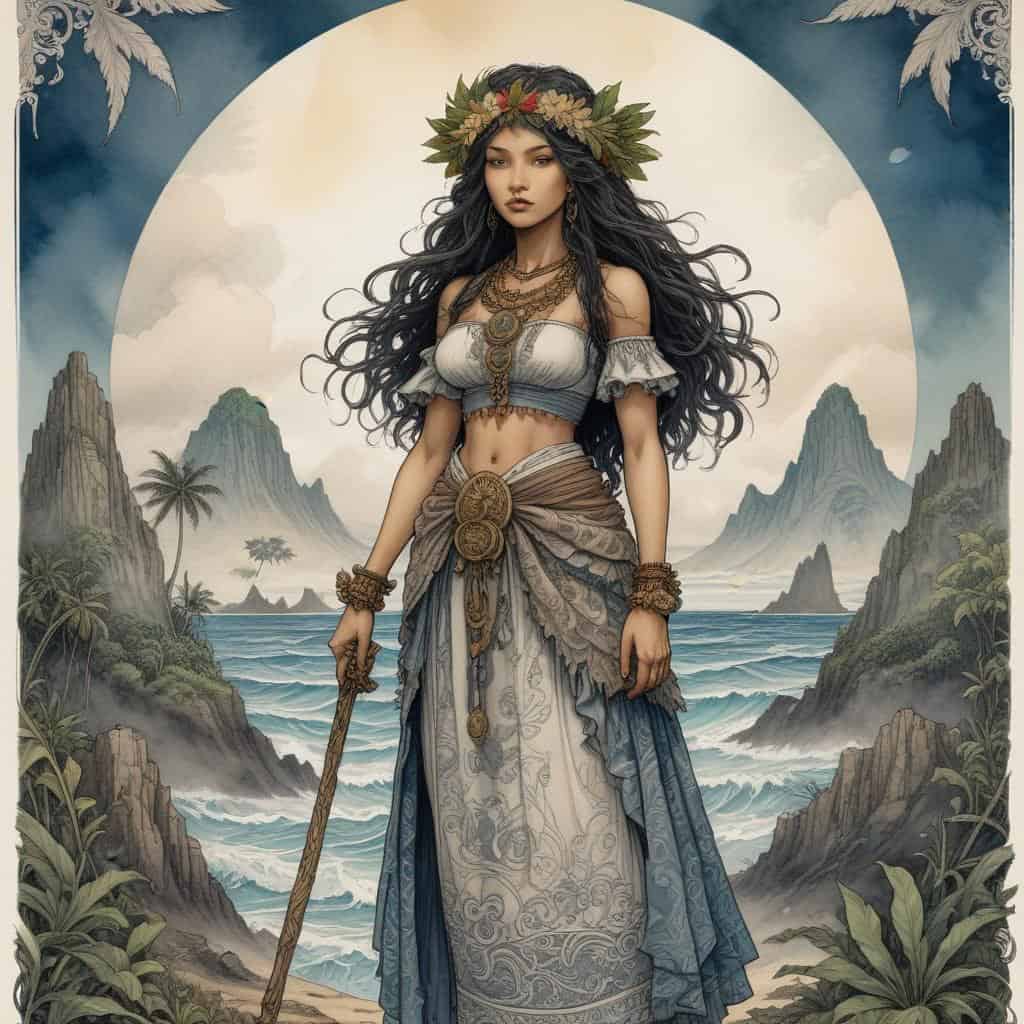
3. Tepaeru-Ariki Upokotini Marie Ariki
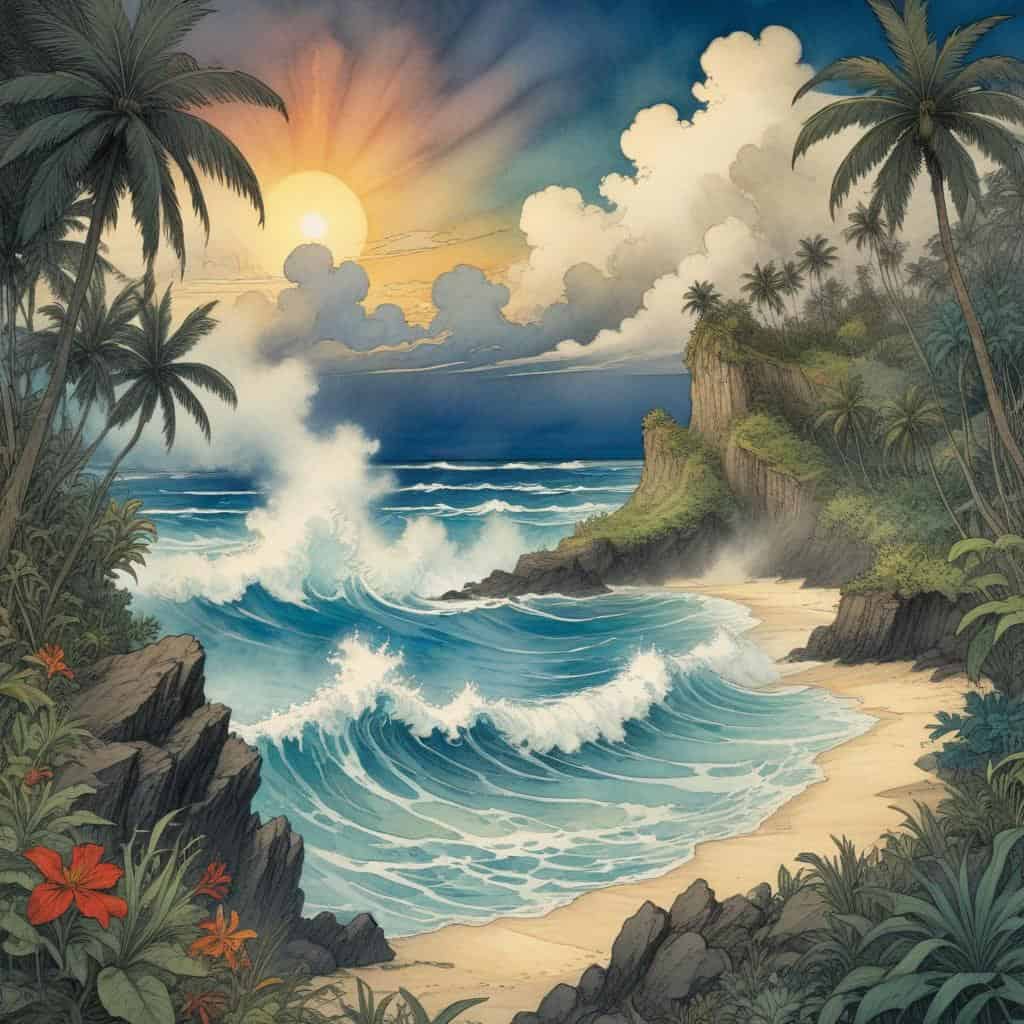
4. Piri Puruto Taio
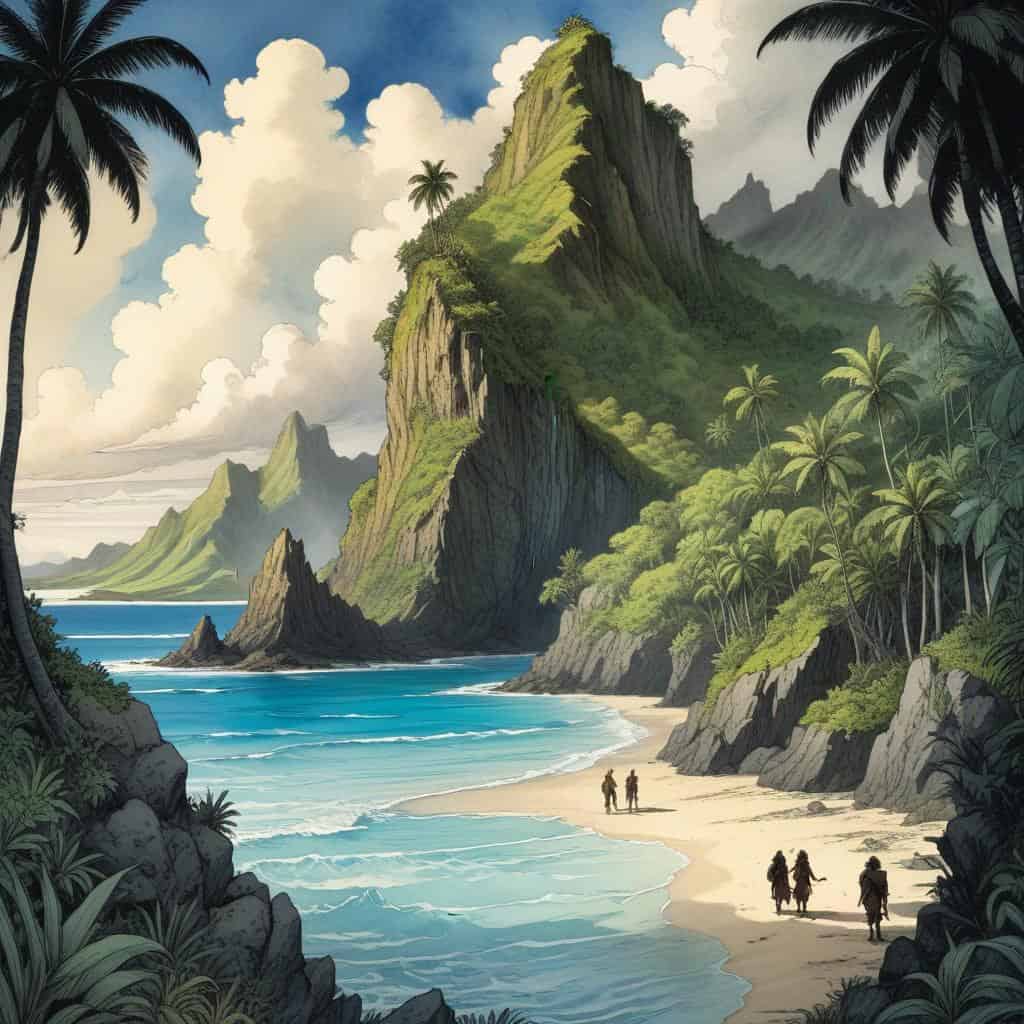
Exploring the Stunning Landscapes of Cook Islands
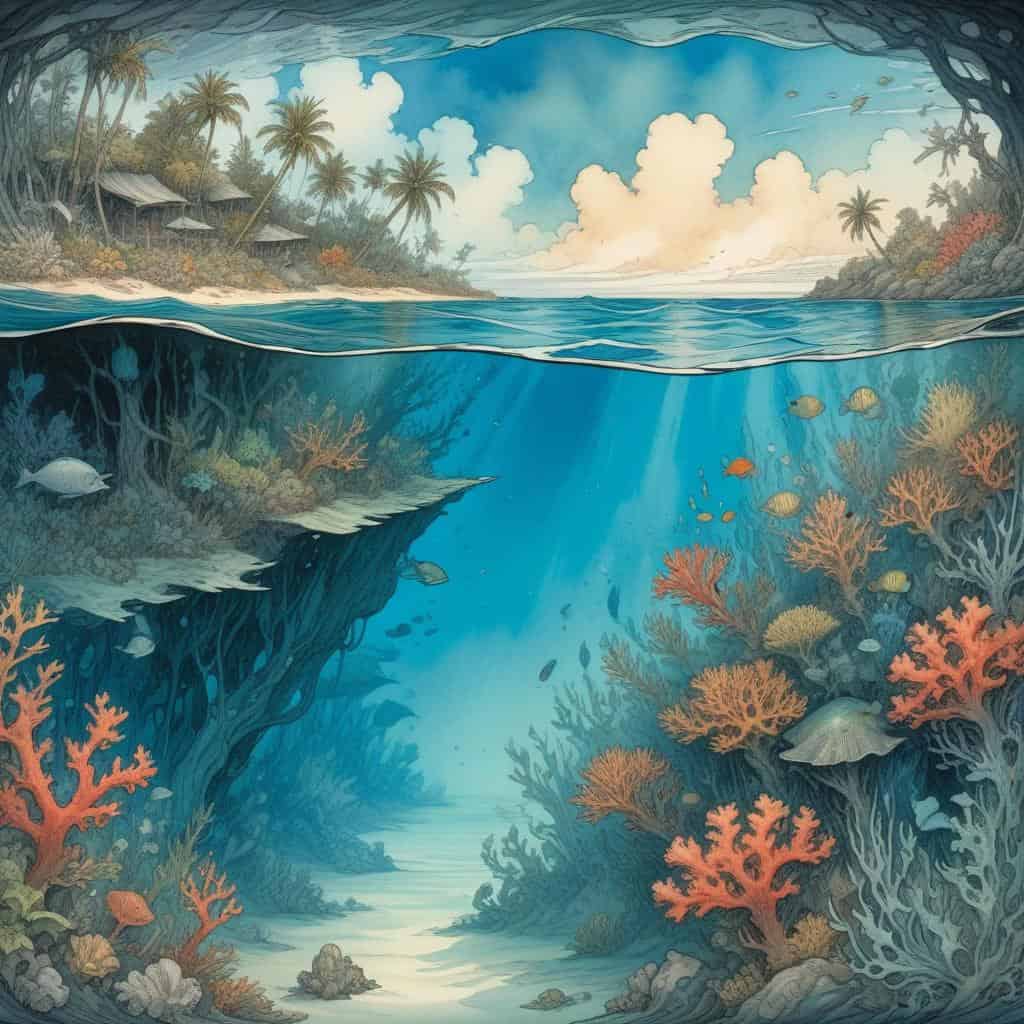
Crystal-Clear Waters
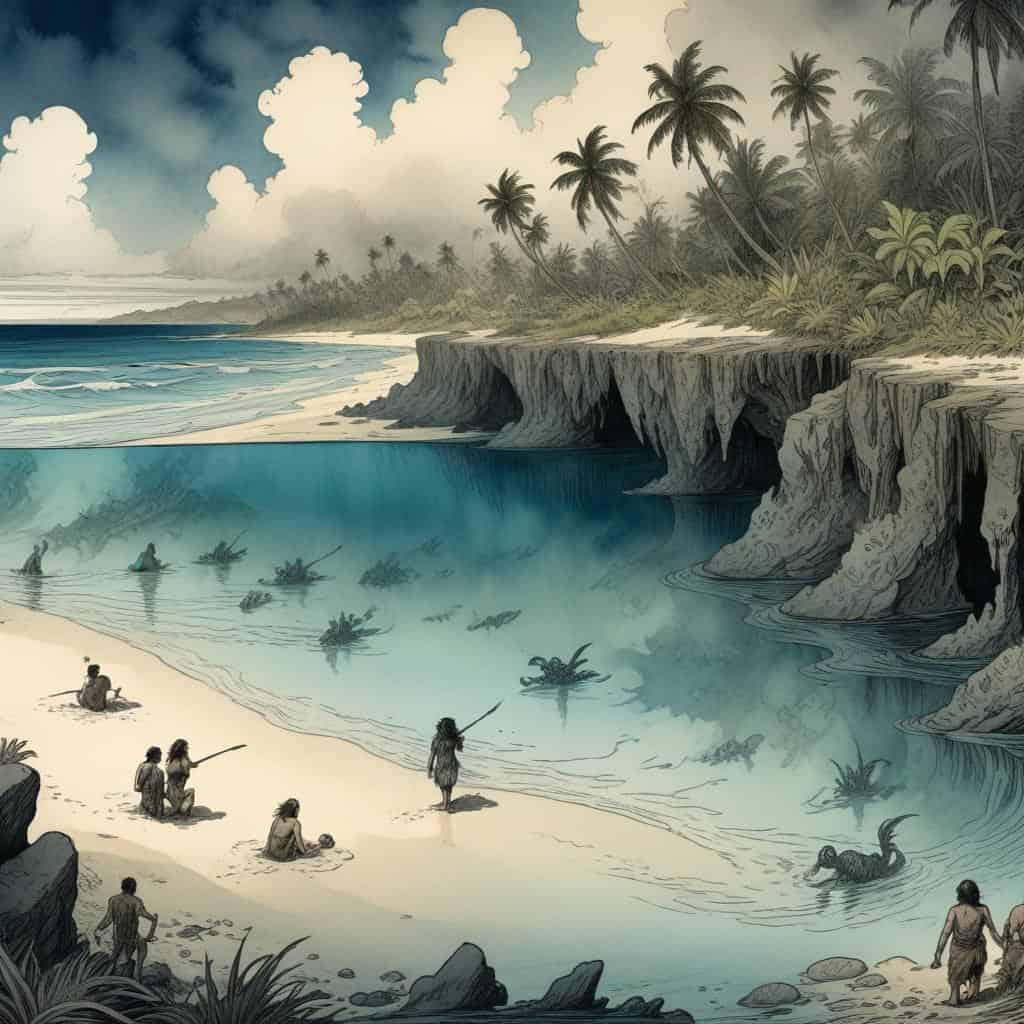
Pristine Beaches
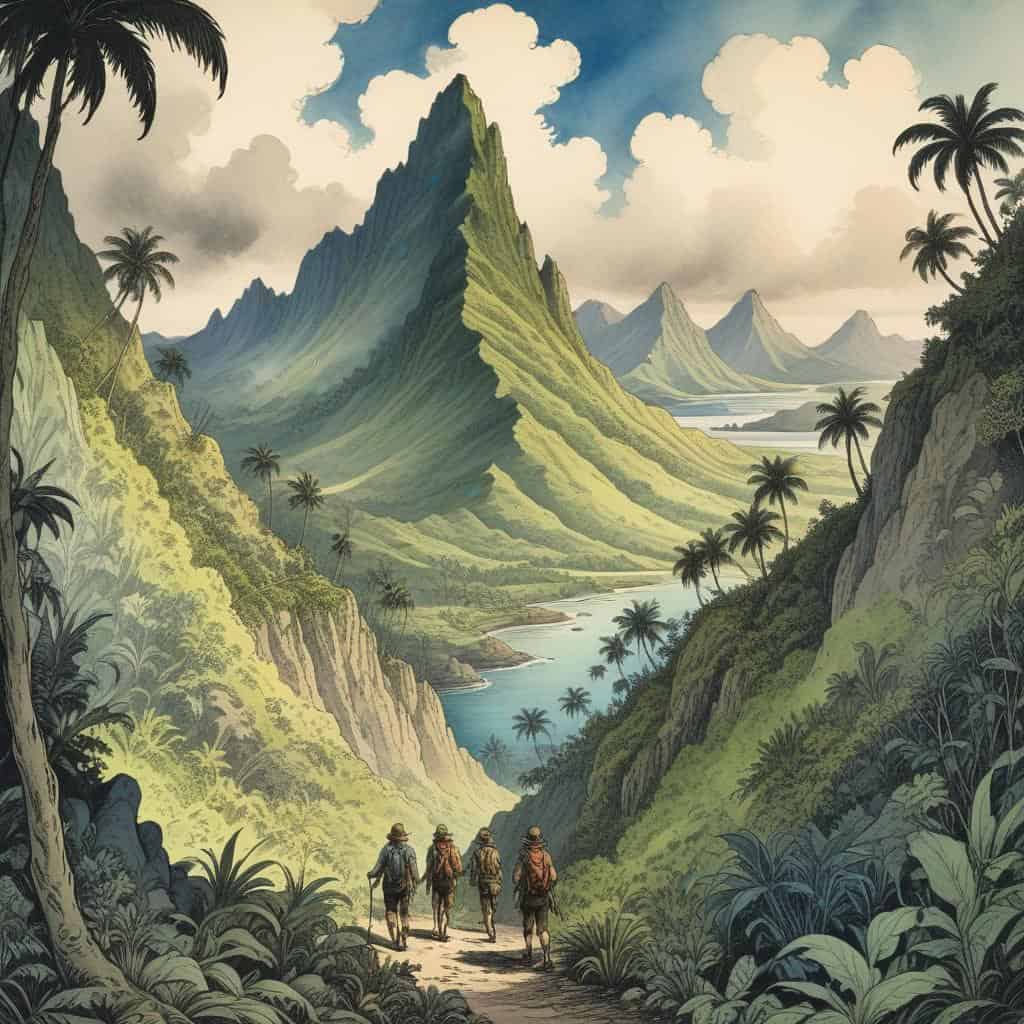
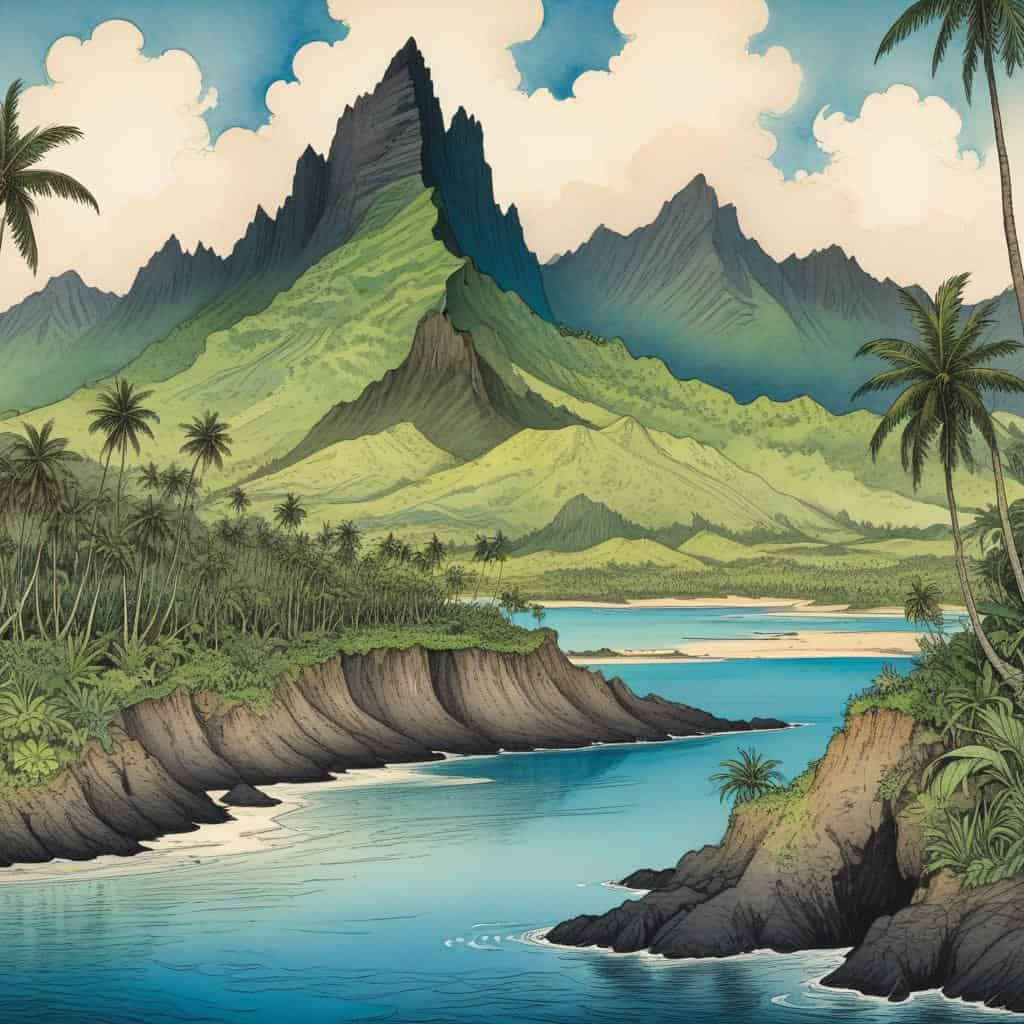
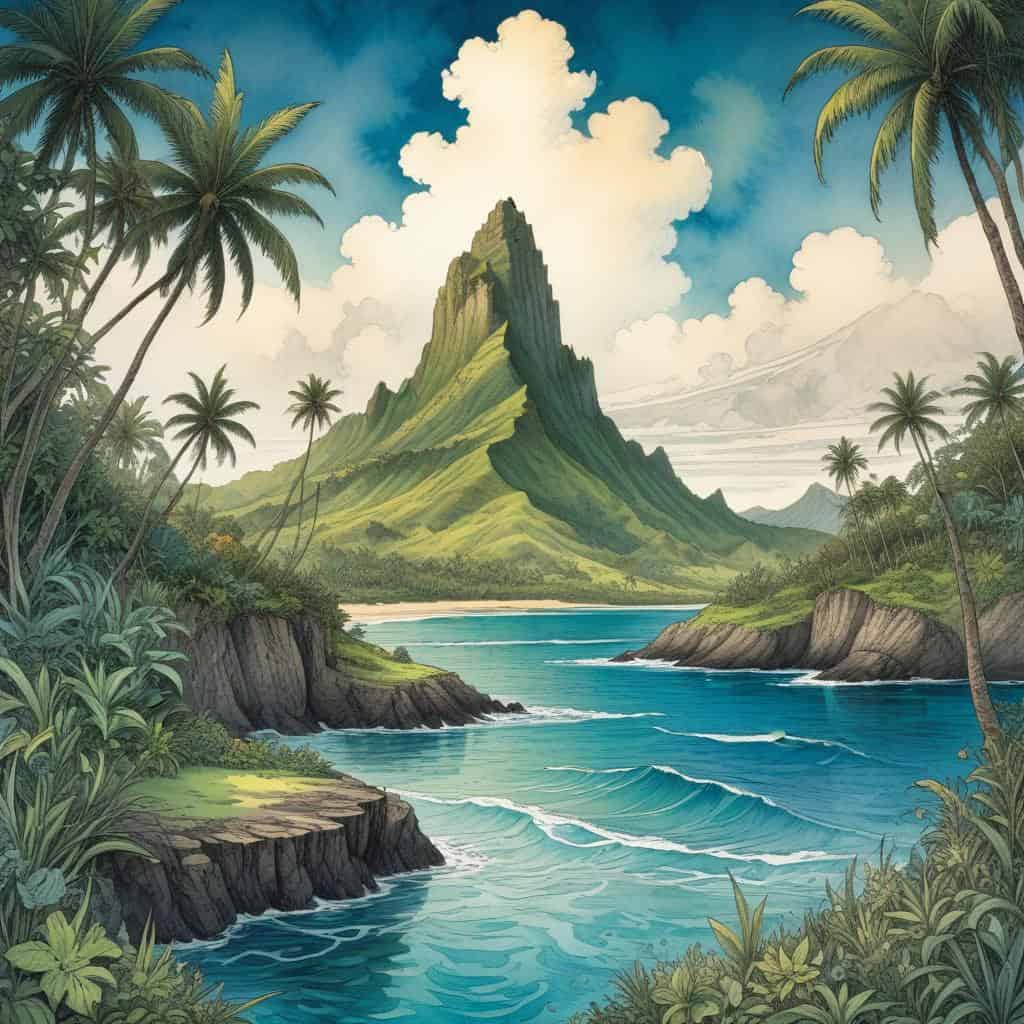
Lush Mountains
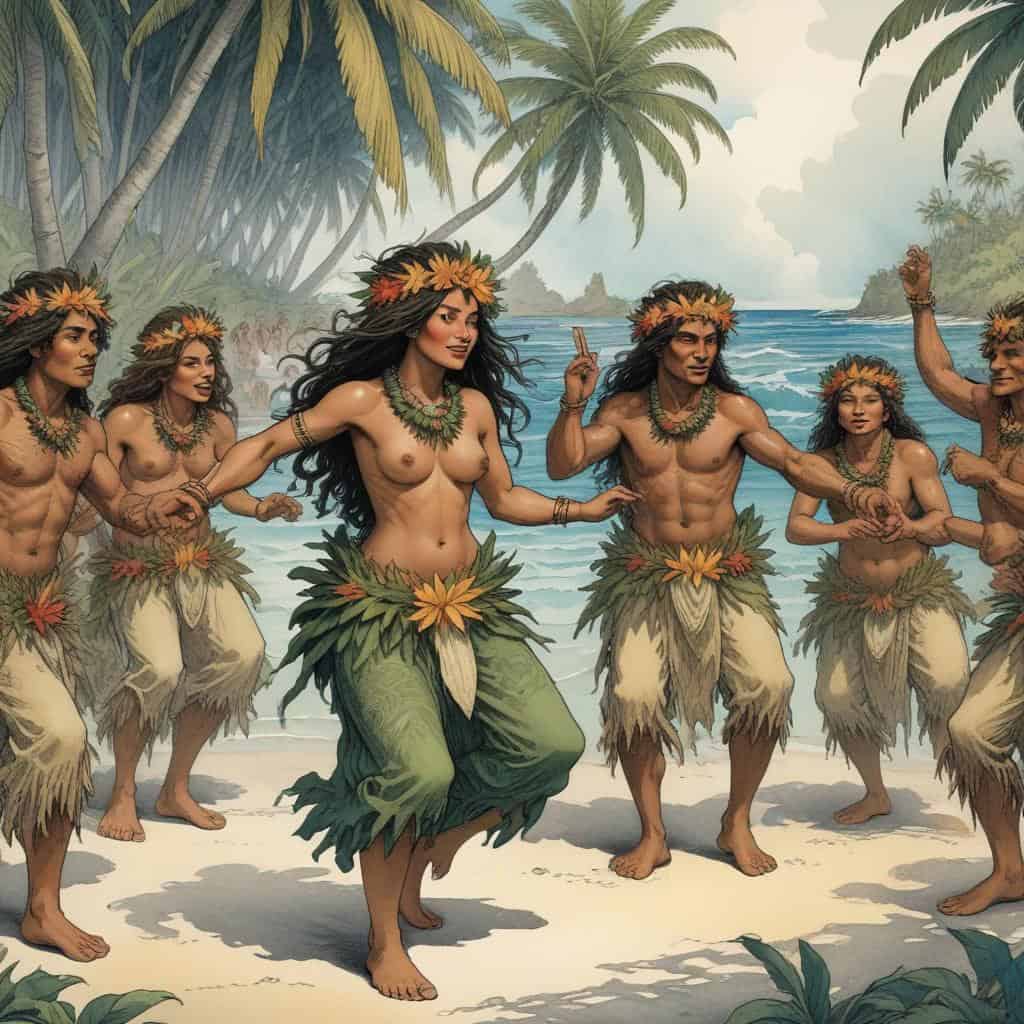
Local Culture
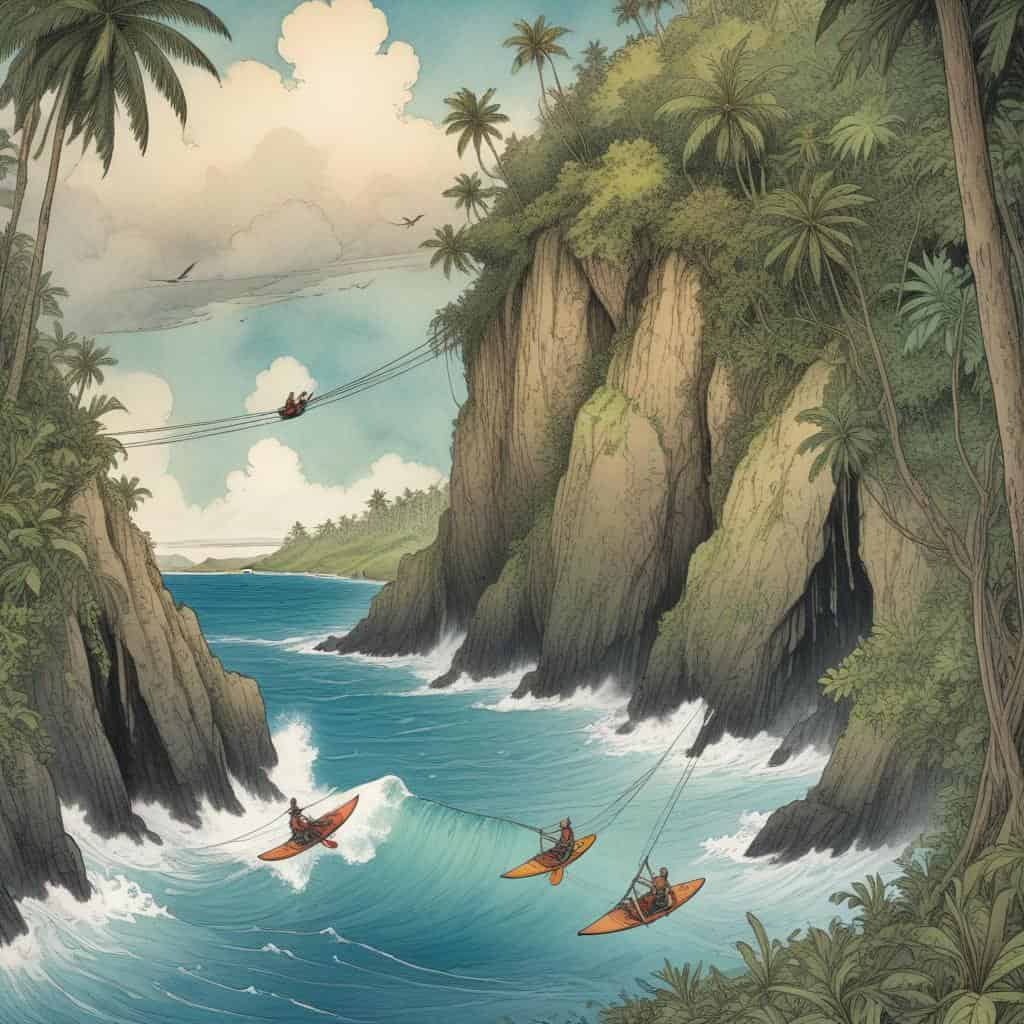
Adventure Activities
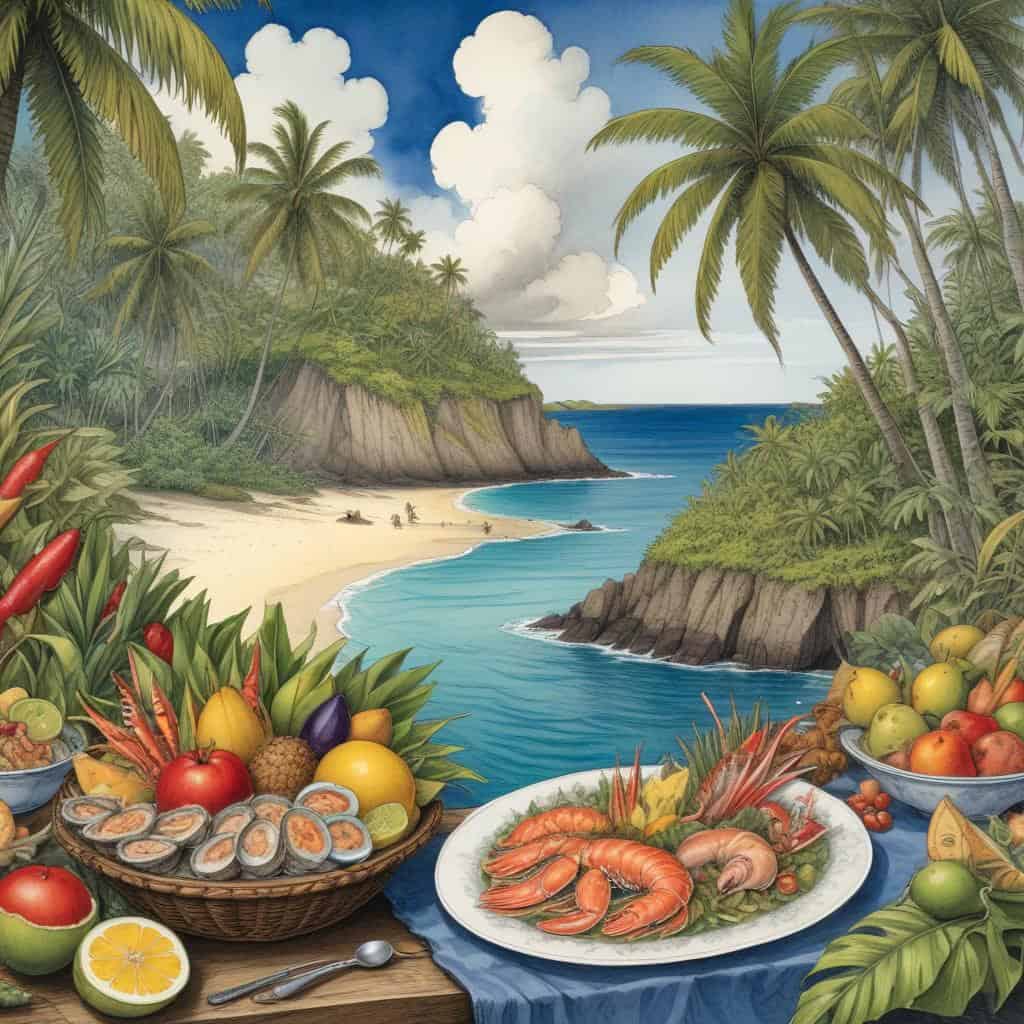
Delicious Cuisine
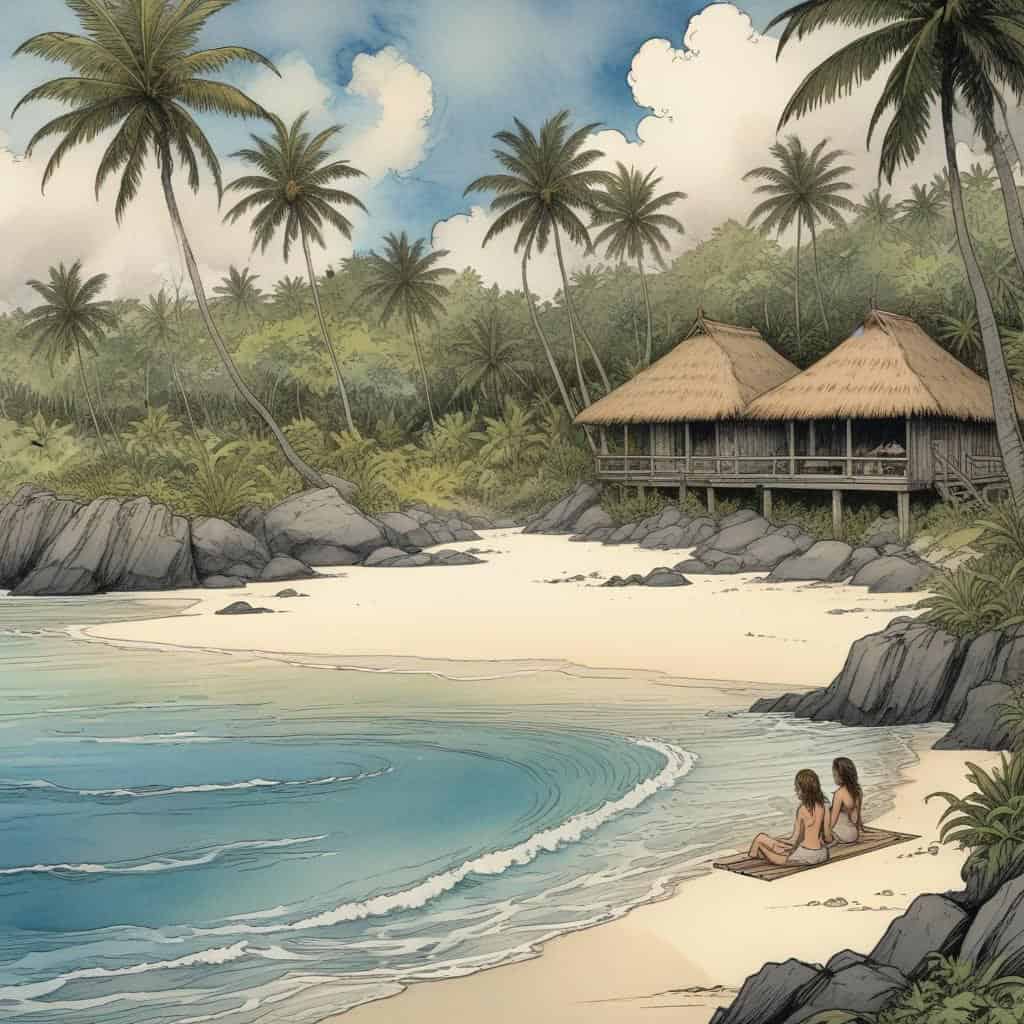
Relaxation and Wellness
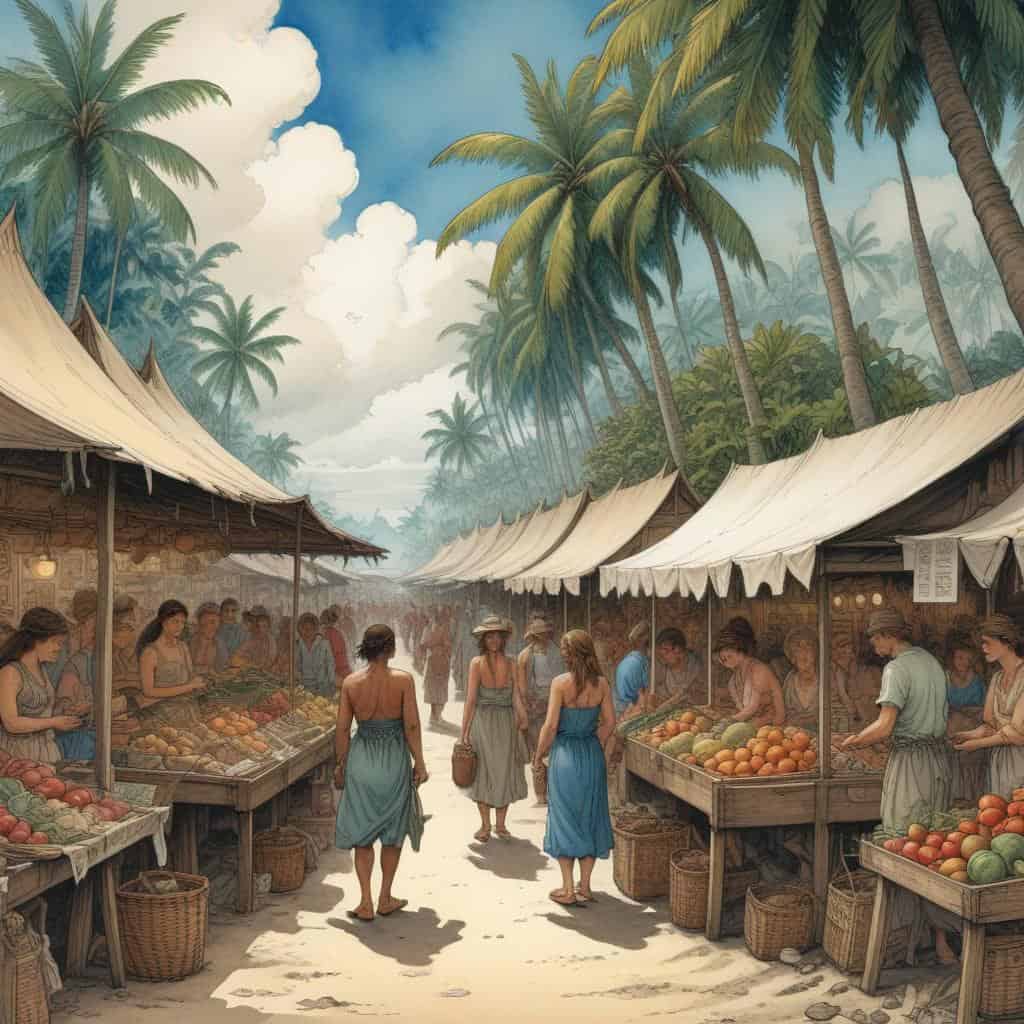
Local Markets
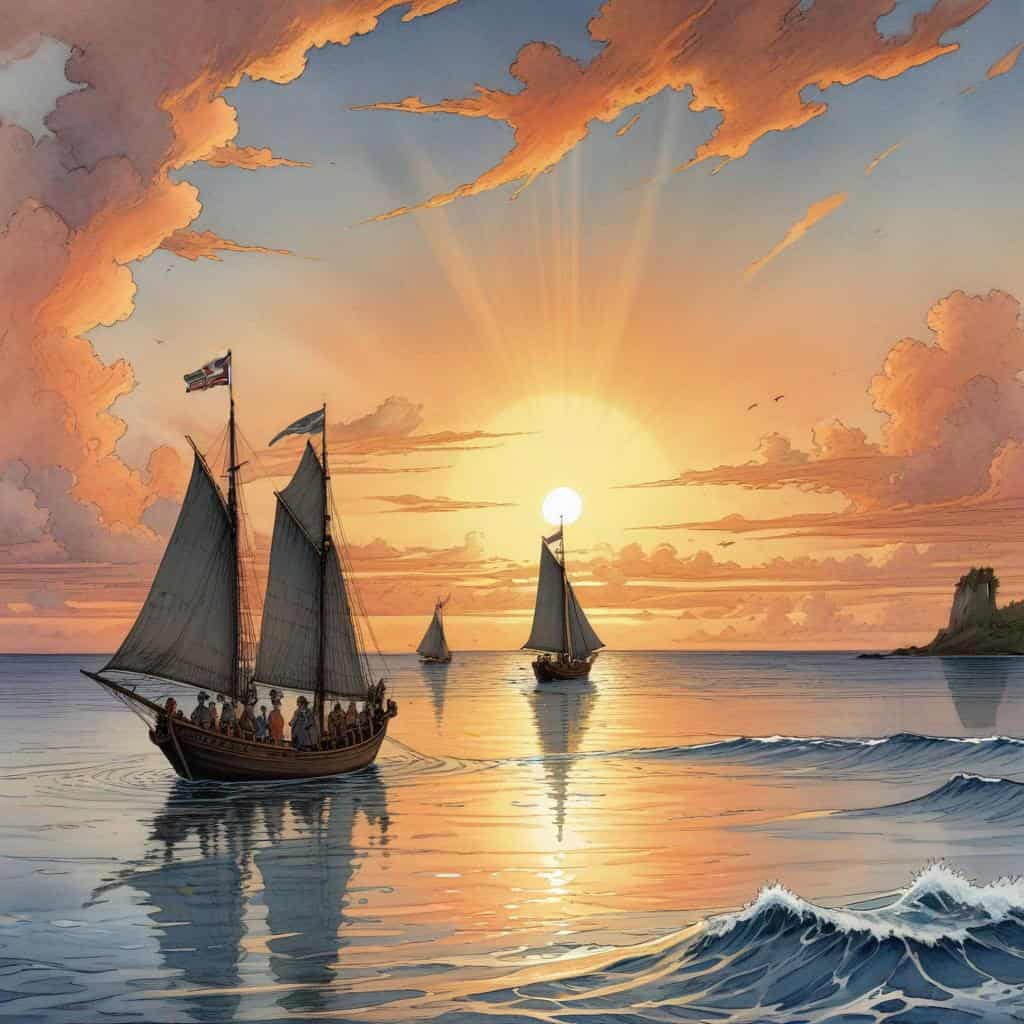
Sunset Cruises
In a Nutshell
- Capital: Avarua
- Population: Approx. 17,500 (2021)
- Official Language: English
- Currency: Cook Islands dollar (CKD)
Breaking Down the Country
Geographical Paradise
The Cook Islands boast crystal-clear waters, white sandy beaches, and lush tropical forests, making it a dream destination for nature lovers.
Cultural Richness
Immerse yourself in the vibrant Polynesian culture of the Cook Islands, where dance, music, and traditional arts play a central role in daily life.
Adventure Awaits
From snorkeling in pristine lagoons to hiking through volcanic landscapes, the Cook Islands offer endless opportunities for outdoor adventures.
Timeline of Cook Islands
First settlement by Polynesians
European contact with Spanish explorer Alvaro de Mendaña
British navigator Captain James Cook visits the islands
Christian missionaries arrive in the islands
Cook Islands become a British protectorate
Cook Islands annexed by New Zealand
WWII troops stationed in the Cook Islands
Self-government granted to the Cook Islands
Cook Islands become a self-governing territory in free association with New Zealand
The Cook Islands gain full independence from New Zealand
Cyclone Martin devastates the Cook Islands
The Cook Islands become a member of the United Nations
Cook Islands Tourism Corporation established
The Cook Islands sign a double taxation agreement with New Zealand
The Cook Islands sign a memorandum of understanding with China
Cyclone Pam causes widespread damage in the Cook Islands
Construction of a new international airport terminal begins
The Cook Islands launch a national sustainable development plan
The Cook Islands implement a ban on single-use plastic bags
COVID-19 pandemic impacts tourism in the Cook Islands
Vocabulary List
- Lagoon
- The crystal clear waters of the lagoon shimmered in the sunlight.
- Palm trees
- The palm trees swayed gently in the breeze, casting dappled shadows on the sandy beach.
- Volcano
- The volcano loomed in the distance, its peak obscured by a veil of mist.
- Coral reef
- The vibrant colors of the coral reef could be seen through the clear waters of the ocean.
- Traditional canoe
- A group of locals paddled their traditional canoe out to sea, the bright colors of the sail standing out against the blue sky.
- Coconut grove
- The coconut grove provided shade and shelter from the hot sun, the sound of rustling leaves filling the air.
- Limestone caves
- Exploring the limestone caves revealed hidden chambers and sparkling stalactites.
- Marae
- The marae, or traditional meeting place, was a sacred site where ceremonies and rituals were held.
- Waterfall
- The waterfall cascaded down the cliff face, creating a refreshing pool at its base.
- Black sand beach
- The black sand beach stretched for miles, the dark sand contrasting with the turquoise waters of the ocean.
Key Facts
This is the information used in the fact matching game
- The Cook Islands are made up of 15 islands in the South Pacific Ocean.
- The main island of Rarotonga is known for its rugged mountains and tropical rainforests.
- Avarua is the capital and largest city of the Cook Islands.
- The Cook Islands have a total land area of 240 square kilometers.
- The islands are surrounded by crystal clear turquoise waters and coral reefs.
- The landscape of the Cook Islands is dominated by volcanic peaks and lush green valleys.
- The islands are home to a diverse range of flora and fauna, including many endemic species.
- The traditional Maori culture is still strong in the Cook Islands, with many villages preserving their customs and traditions.
- The Cook Islands are a popular destination for snorkeling and diving, with numerous underwater caves and coral gardens to explore.
- The island of Aitutaki is known for its stunning lagoon, which is considered one of the most beautiful in the world.
- The islands are a popular filming location, with movies like Moana and Pirates of the Caribbean being filmed there.
- The Cook Islands have a tropical climate, with warm temperatures year-round and a wet season from November to March.
- Traditional fishing is an important part of the Cook Islands economy, with many locals relying on the sea for their livelihood.
- The islands are known for their colorful markets, where you can find fresh produce, local crafts, and traditional clothing.
- The Cook Islands were named after British explorer Captain James Cook, who was the first European to visit the islands in 1773.
- The islands are a popular destination for weddings and honeymoons, with many couples choosing to exchange vows on the white sandy beaches.
- The Cook Islands are a self-governing territory in free association with New Zealand, meaning they have their own government but rely on New Zealand for defense and foreign affairs.
- The traditional dance of the Cook Islands is called the 'Ura', which is performed to the beat of drums and chanting.
- The islands are known for their friendly and welcoming locals, who are always ready to share their culture and traditions with visitors.
- The Cook Islands were once a popular stop for whaling ships, who would restock their supplies and trade with the locals.
Why It Matters
Geopolitical Significance
Strategically located in the South Pacific Ocean, the Cook Islands have a unique geopolitical position. As a self-governing territory in free association with New Zealand, they play a crucial role in regional politics and maintain close ties with neighboring Pacific Island countries.
Historical Importance
The history of the Cook Islands is intertwined with Polynesian migration and European exploration. From being discovered by Captain James Cook to becoming a British protectorate, the islands have a rich cultural heritage that continues to shape their identity and relationship with the outside world.
Modern-Day Role
Today, the Cook Islands are known for their vibrant tourism industry and efforts to preserve their unique culture and environment. As a member of international organizations like the Pacific Islands Forum, they advocate for sustainable development and the protection of marine resources in the region.
Cook Islands Games


Take Your Learning Offline
Want a convenient, print-ready study guide for this lesson? Become a Memory Wizards Pro member to unlock the downloadable " Memory Scrolls" for this topic and our entire library!
- ✓ Complete Vocabulary Lists
- ✓ Key Facts & Timelines
- ✓ Beautifully Formatted for Print & Mobile