
How Do You Learn Best?
Learn by Reading
Immerse yourself in the 10-minute visual lesson for a comprehensive understanding of the topic.
Learn by Reviewing
Jump directly to the key facts, timeline, and vocabulary lists to build a solid foundation of details.
Learn by Doing
Challenge yourself! Jump straight into the interactive games to learn by trial, error, and discovery.
Australia in 10 Minutes
Introduction
1. Chris Hemsworth
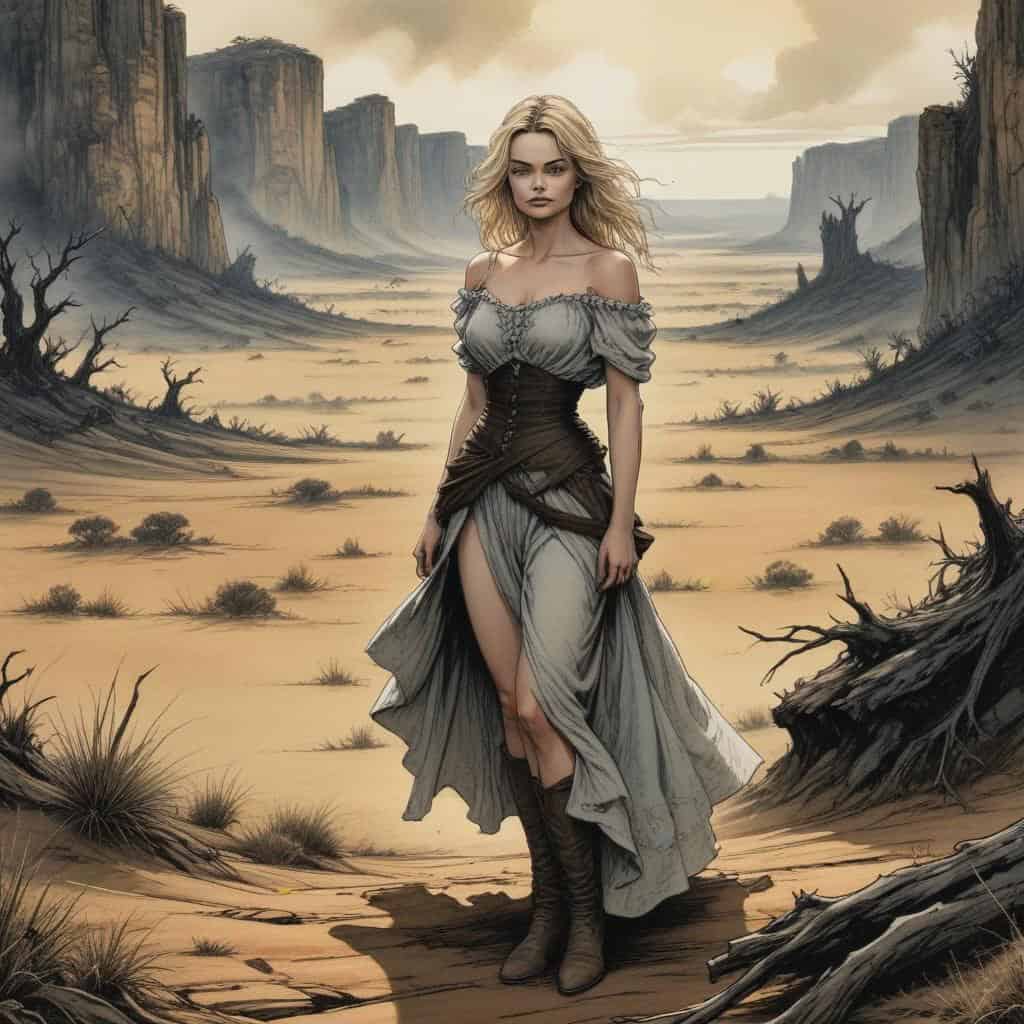
2. Margot Robbie
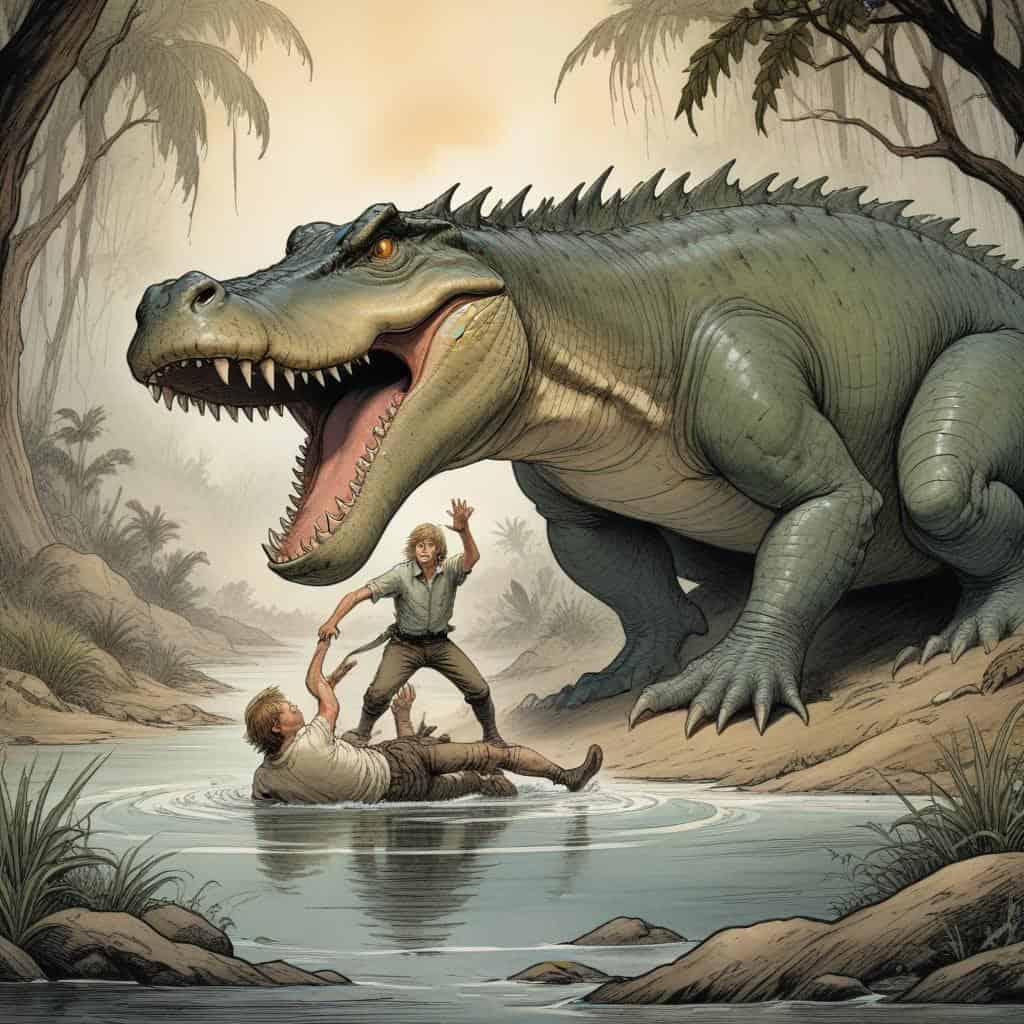
3. Steve Irwin

4. Hugh Jackman

5. Cathy Freeman
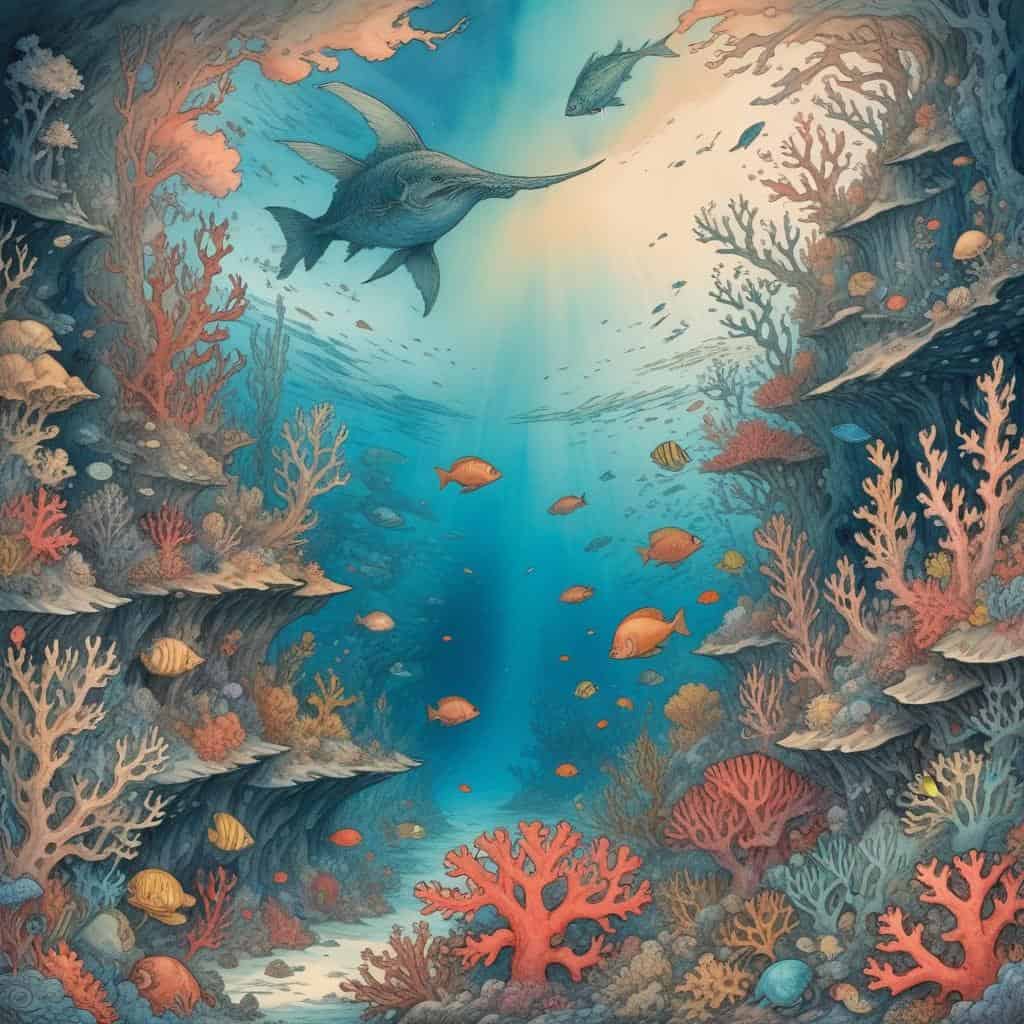
1. The Great Barrier Reef
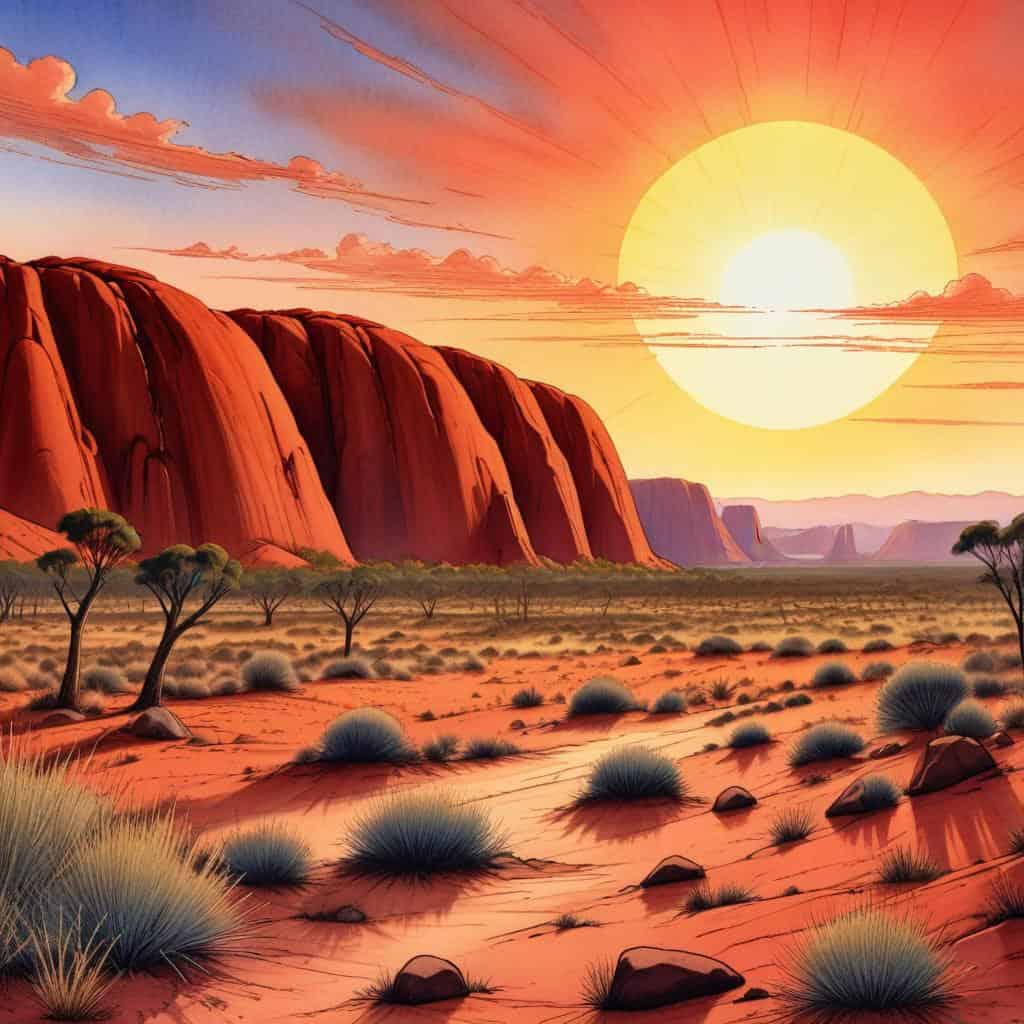
2. Uluru-Kata Tjuta National Park
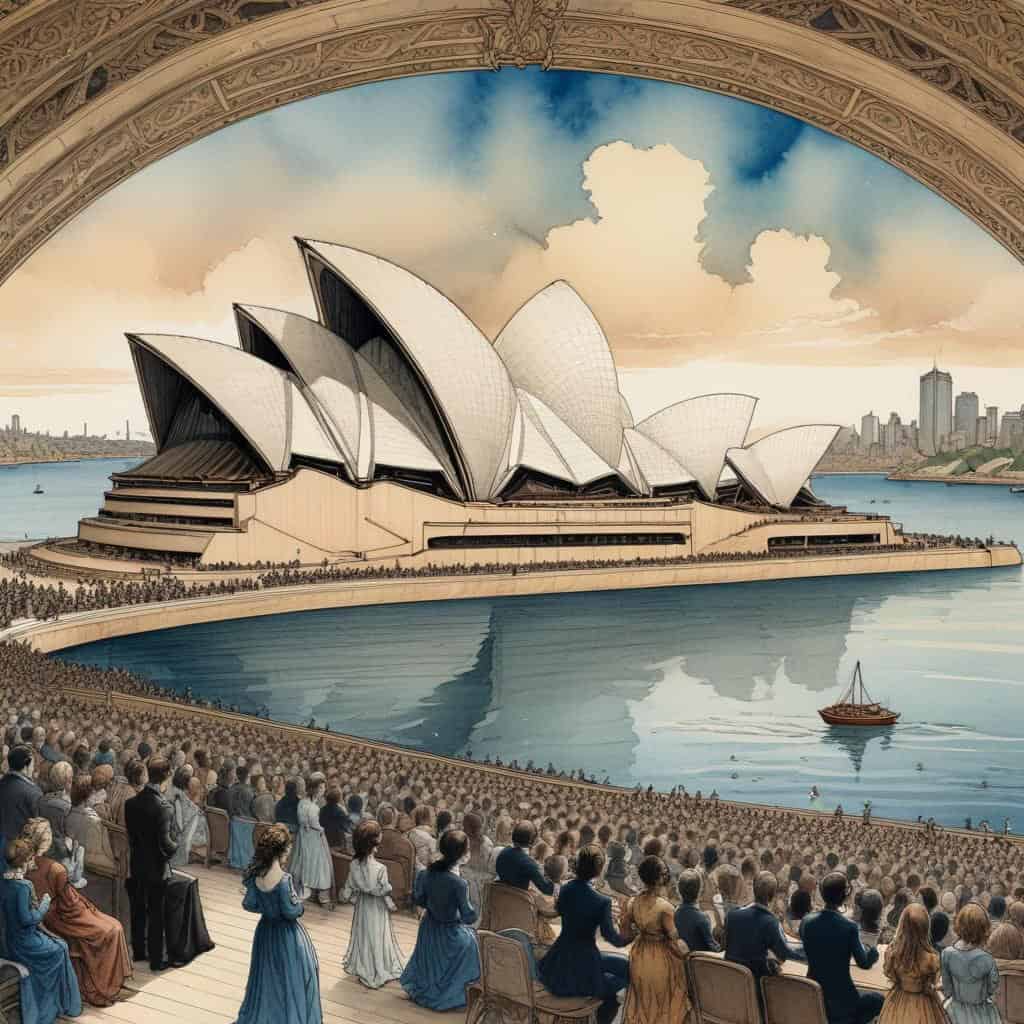
3. Sydney Opera House
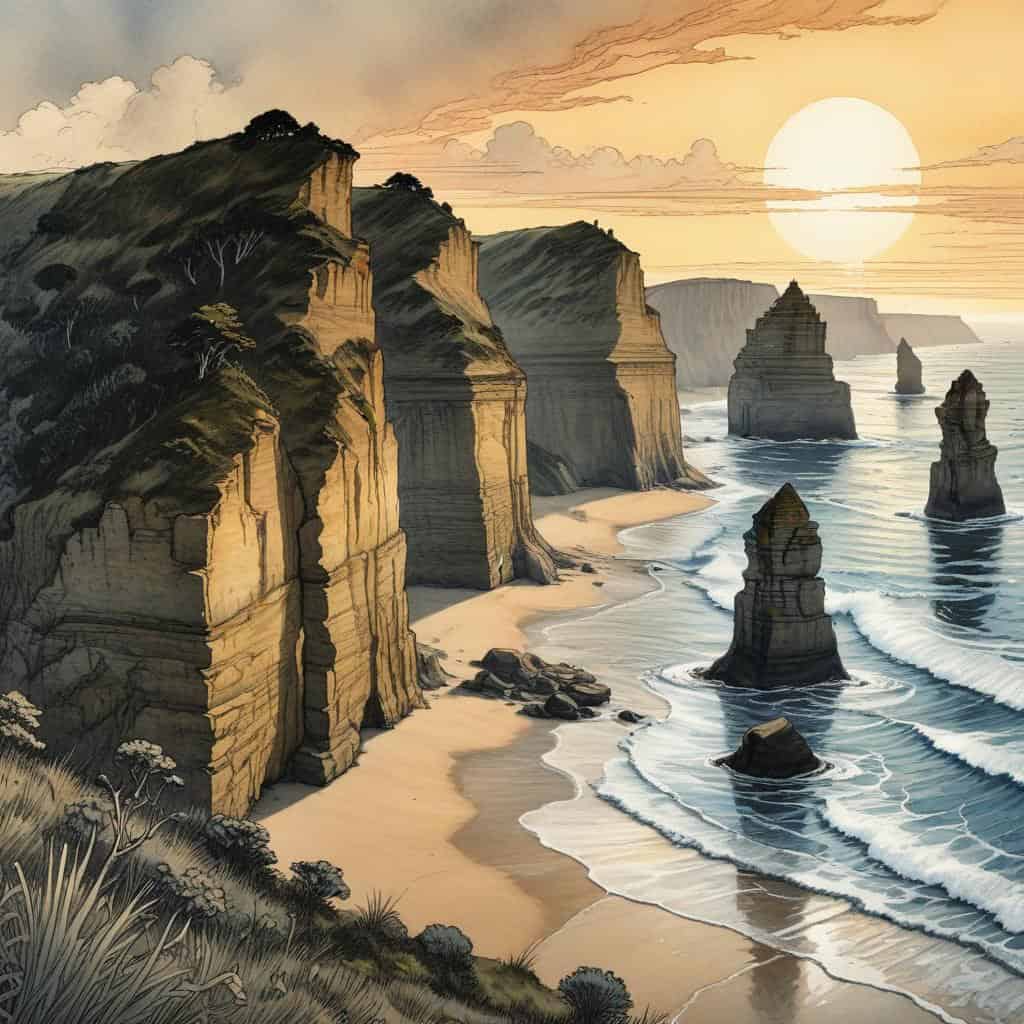
4. The Twelve Apostles
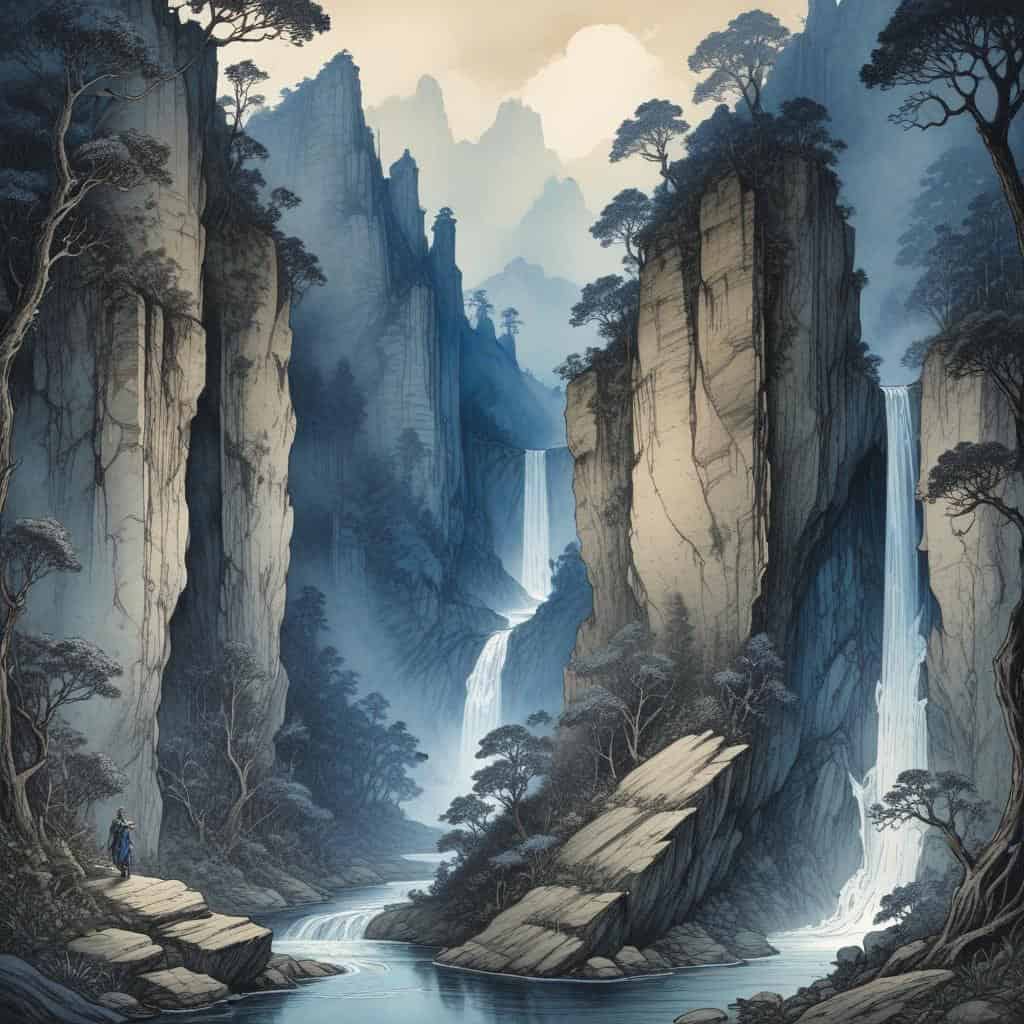
5. Blue Mountains National Park
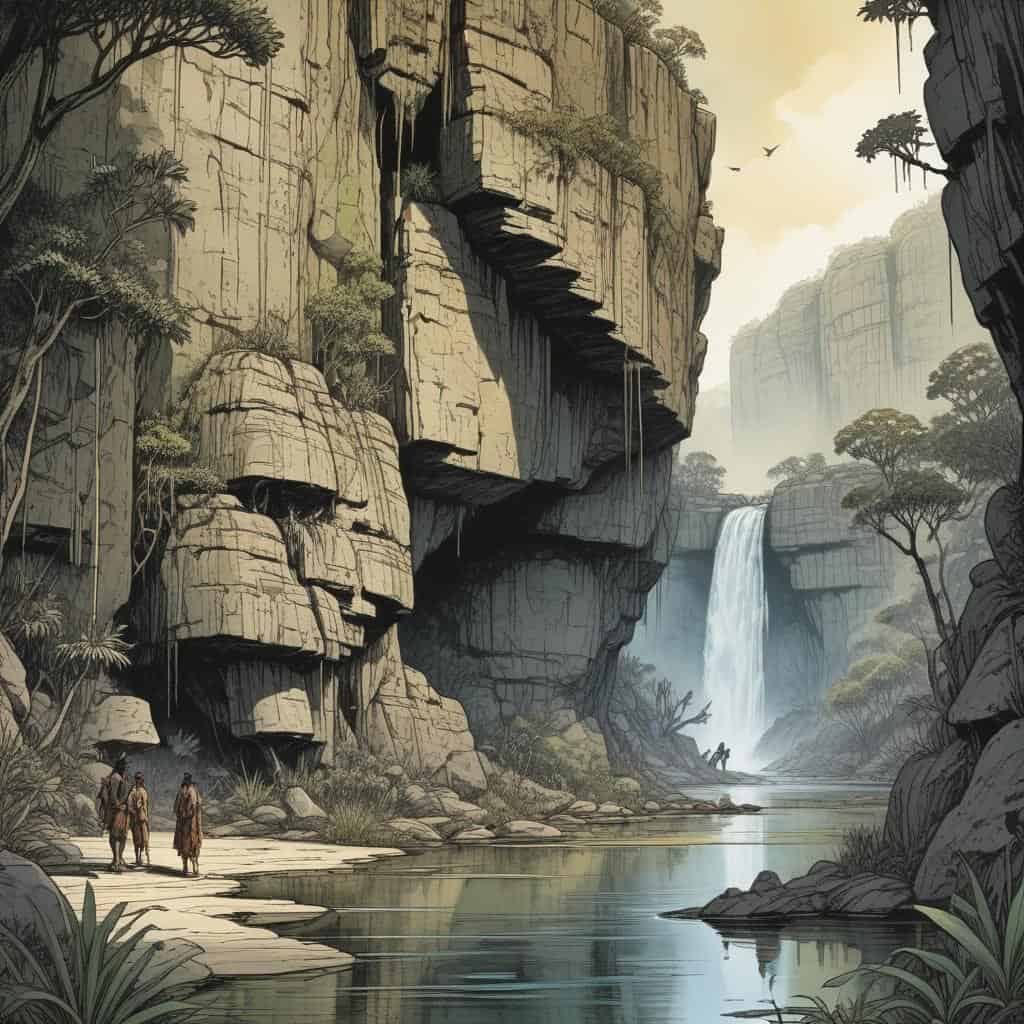
6. Kakadu National Park
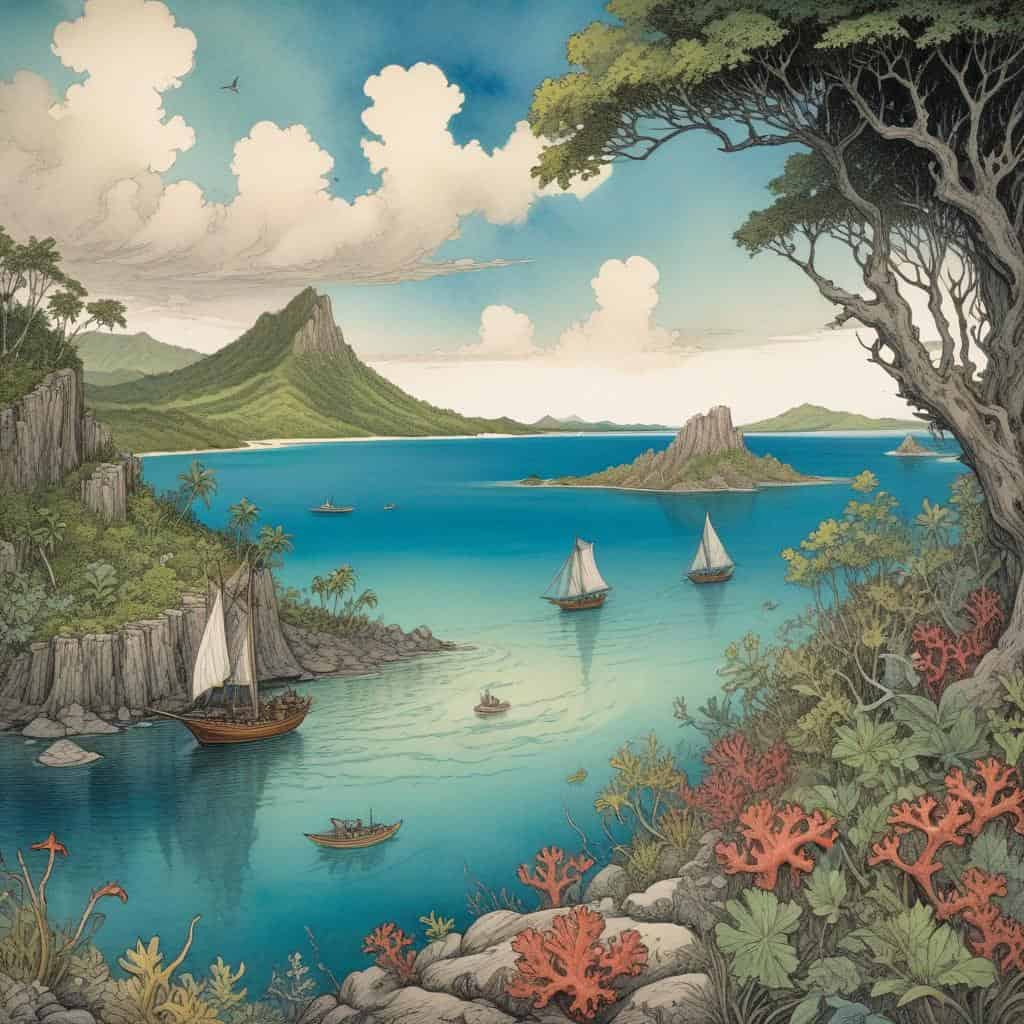
7. The Whitsunday Islands
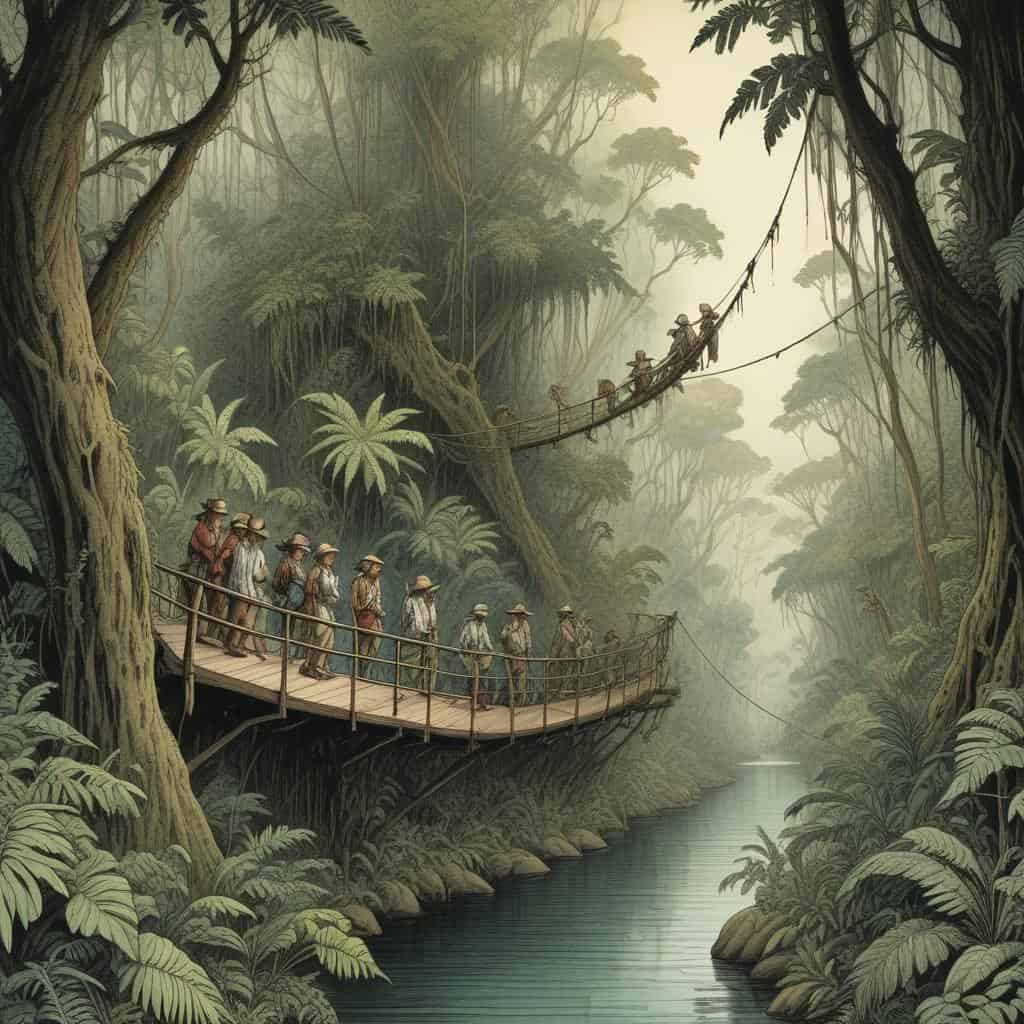
8. Daintree Rainforest
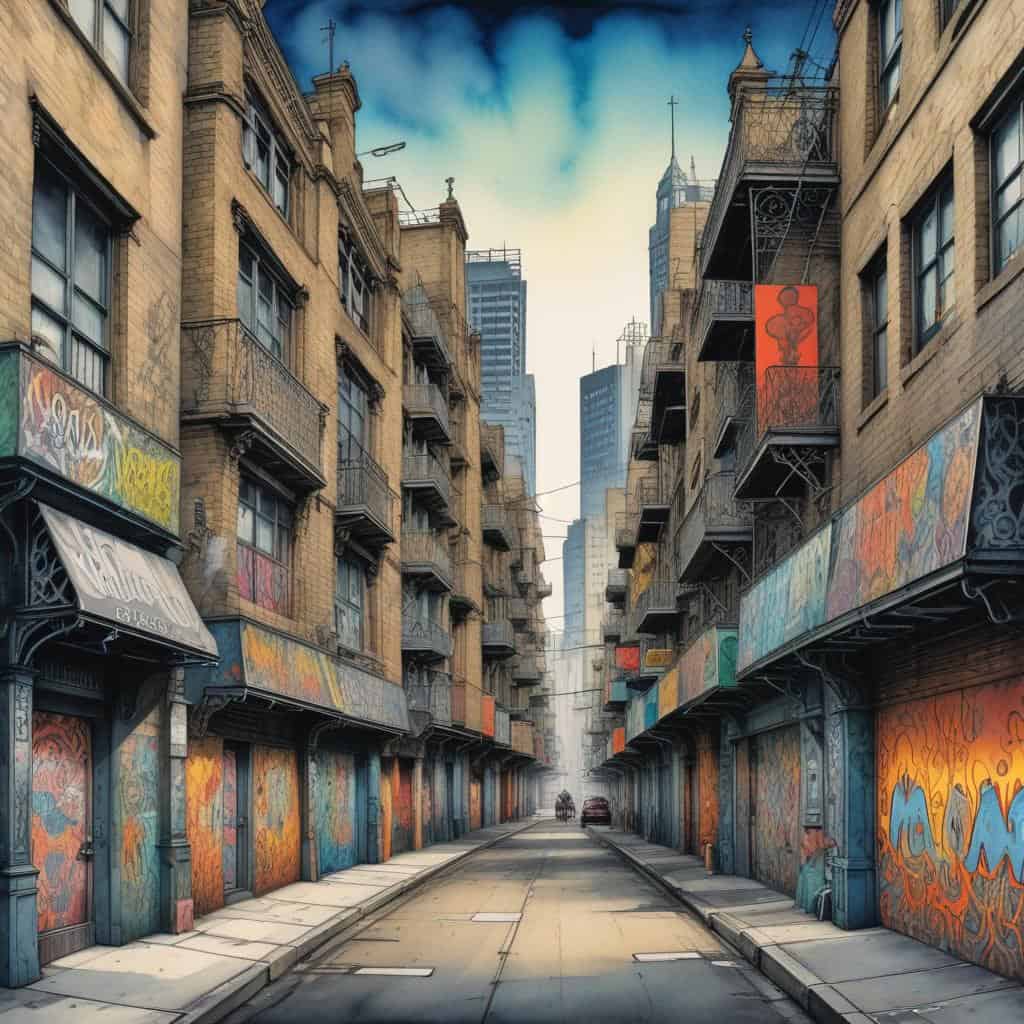
9. Melbournes Street Art Scene
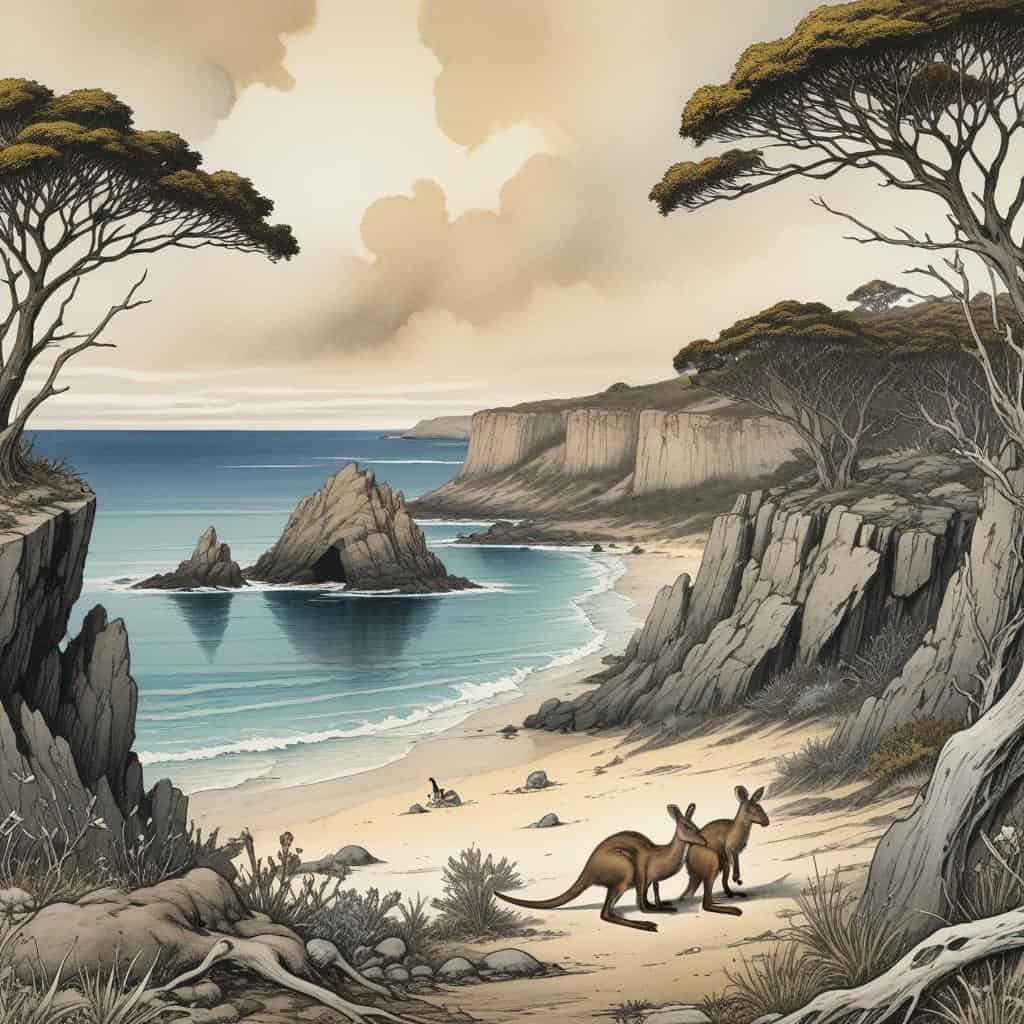
10. Kangaroo Island
In a Nutshell
- Capital: Canberra
- Population: Approx. 25.4 million (2022)
- Official Language: English
- Currency: Australian Dollar (AUD)
Breaking Down the Country
Unique Wildlife
Australia is home to iconic animals like kangaroos, koalas, and the elusive Tasmanian devil, making it a haven for wildlife enthusiasts.
Diverse Landscapes
From the vast Outback to the lush rainforests of Queensland, Australia boasts a diverse range of landscapes waiting to be explored.
Aboriginal Culture
Discover the rich traditions and spiritual connection to the land of Australia's indigenous peoples, the Aboriginal and Torres Strait Islander communities.
Timeline of Australia
Aboriginal people arrive in Australia
European exploration of Australia begins
First British settlement established in Australia
Gold rush in Australia
Federation of Australia
World War I
Great Depression in Australia
World War II
End of White Australia policy
Sydney Opera House opens
Tasmania becomes the first state to legalize same-sex marriage
Australian bushfires devastate the country
COVID-19 pandemic hits Australia
Black Lives Matter protests in Australia
Australia declares a climate emergency
Tokyo Olympics held with limited spectators due to COVID-19
Australian government announces plans to phase out coal-fired power plants
Australia announces plans to build a high-speed rail network
First Indigenous Australian elected as Prime Minister
Australia celebrates its 250th anniversary of European settlement
Vocabulary List
- Outback
- The vast, remote interior of Australia, often characterized by arid landscapes and sparse vegetation.
- Kangaroo
- A large marsupial native to Australia, known for its powerful hind legs and distinctive hopping gait.
- Didgeridoo
- A traditional Aboriginal wind instrument made from a hollowed-out wooden tube, often used in ceremonies and music.
- Uluru
- A large sandstone rock formation in the Northern Territory of Australia, also known as Ayers Rock.
- Boomerang
- A curved throwing stick used by Indigenous Australians for hunting and recreational purposes.
- Wombat
- A burrowing marsupial native to Australia, known for its sturdy build and slow-moving nature.
- Bushfire
- A fire that occurs in the bush or forested areas of Australia, often exacerbated by hot, dry conditions.
- Surfing
- A popular water sport in Australia, known for its world-class waves and laid-back beach culture.
- Aboriginal
- Referring to the Indigenous peoples of Australia, who have inhabited the continent for tens of thousands of years.
Key Facts
This is the information used in the fact matching game
- Australia is the sixth largest country in the world by total area.
- The Great Barrier Reef in Australia is the largest coral reef system in the world.
- Australia is home to the world's largest population of camels.
- Kangaroos cannot walk backwards, which is why they are on the Australian coat of arms.
- Australia is the only continent in the world without an active volcano.
- The Australian Alps receive more snowfall than Switzerland.
- The dingo is a native Australian animal that is not found anywhere else in the world.
- Australia has over 10,000 beaches, more than any other country in the world.
- The Sydney Opera House is one of the most famous and distinctive buildings in the world.
- Australia is the only country that is also a continent.
- The world's oldest fossilized rainforest is located in Australia.
- Australia has the highest rate of skin cancer in the world.
- The Australian Outback is one of the most remote and arid regions in the world.
- Australia is home to the world's longest fence, the Dingo Fence, which stretches over 5,600 kilometers.
- The Tasmanian Devil is a carnivorous marsupial native to Australia.
- Australia is the flattest continent in the world, with an average elevation of just 330 meters.
- The Australian coat of arms features the kangaroo and the emu, which are both native animals.
- The world's largest monolith, Uluru, is located in Australia.
- Australia is home to the world's largest population of wild camels.
- The platypus is a unique mammal native to Australia that lays eggs instead of giving birth to live young.
Why It Matters
Geopolitical Significance
Australia’s location in the Asia-Pacific region gives it strategic importance for global trade and security. As a key ally to the United States, it plays a crucial role in maintaining stability in the region and has strong ties with neighboring countries like Indonesia and New Zealand.
Historical Importance
Australia’s history as a former British colony and its treatment of indigenous populations have shaped its identity and social dynamics. The legacy of colonization, World War involvement, and immigration patterns have had lasting impacts on the country’s development.
Modern-Day Role
Today, Australia is a multicultural and economically prosperous nation with a high standard of living. It is known for its commitment to environmental conservation, technological innovation, and participation in international organizations like the United Nations and the Commonwealth of Nations.
Australia Games


Take Your Learning Offline
Want a convenient, print-ready study guide for this lesson? Become a Memory Wizards Pro member to unlock the downloadable " Memory Scrolls" for this topic and our entire library!
- ✓ Complete Vocabulary Lists
- ✓ Key Facts & Timelines
- ✓ Beautifully Formatted for Print & Mobile