
How Do You Learn Best?
Learn by Reading
Immerse yourself in the 10-minute visual lesson for a comprehensive understanding of the topic.
Learn by Reviewing
Jump directly to the key facts, timeline, and vocabulary lists to build a solid foundation of details.
Learn by Doing
Challenge yourself! Jump straight into the interactive games to learn by trial, error, and discovery.
American Samoa in 10 Minutes

Introduction


Chief Mauga

Dr. Lily Tuimavave
Samoa Tuiasosopo
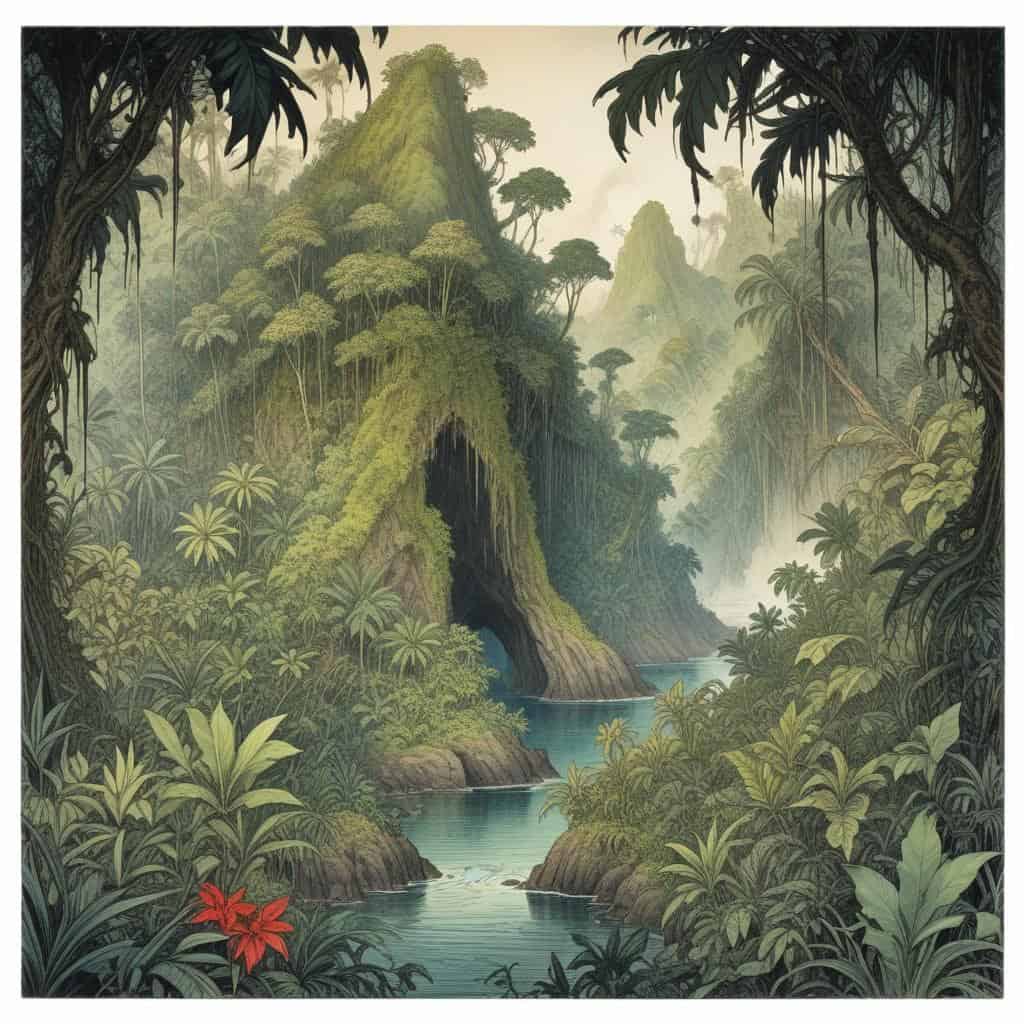
1. The Lush Rainforests
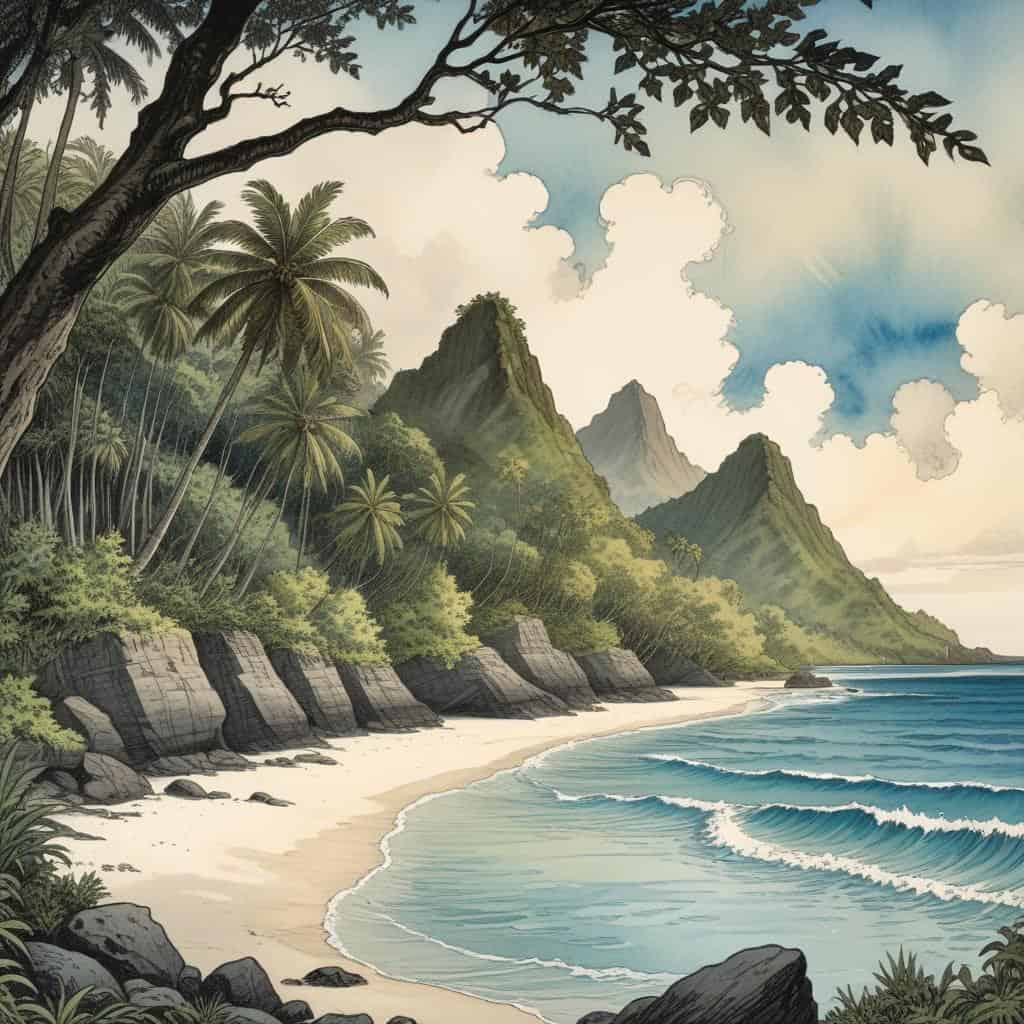
2. The Beautiful Beaches
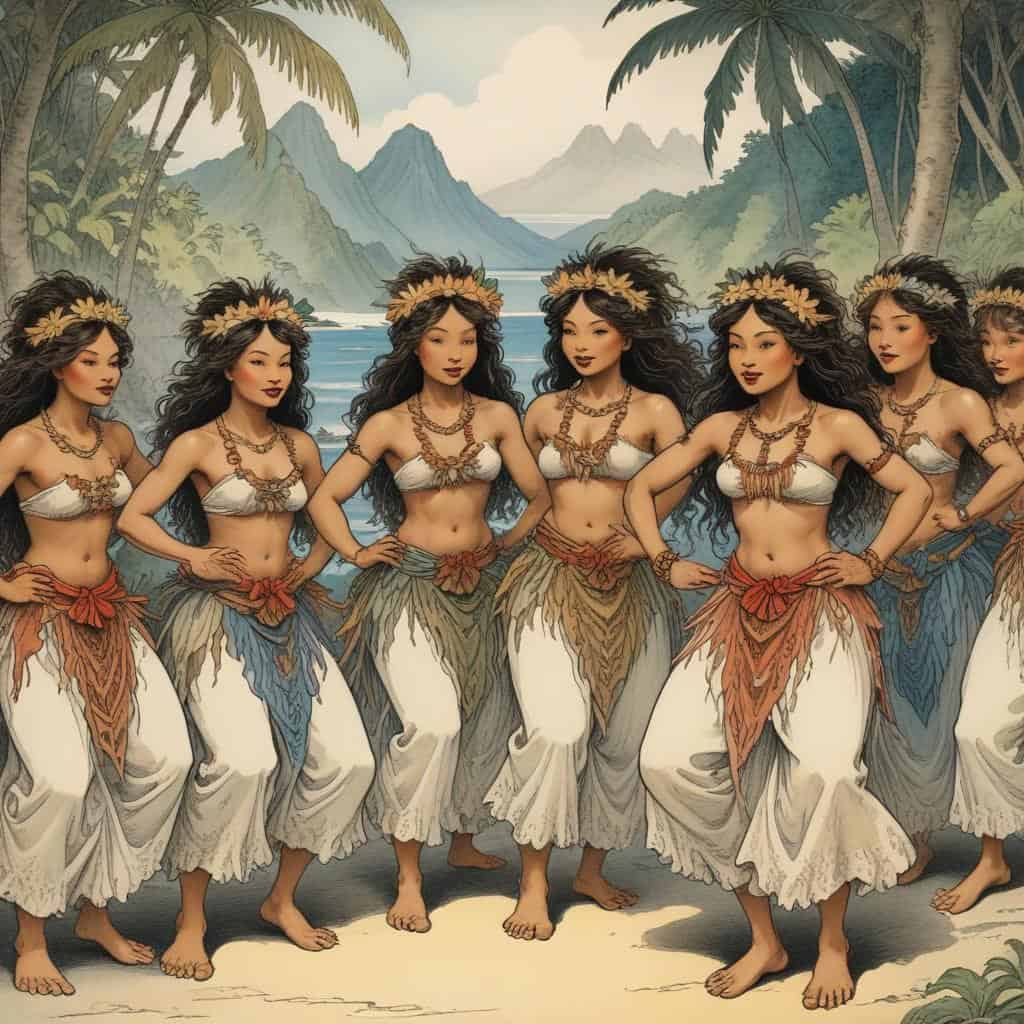
3. The Rich Culture
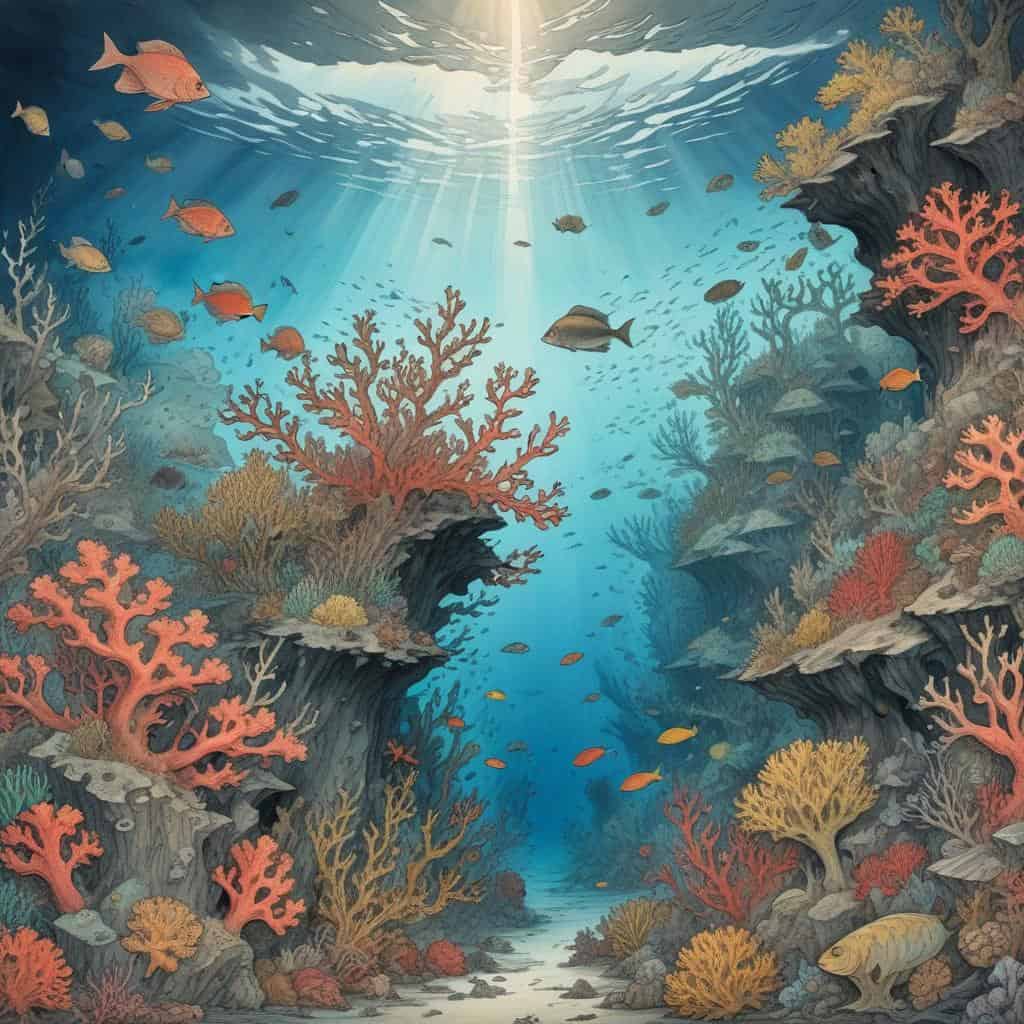
4. The Marine Life

5. The National Park of American Samoa
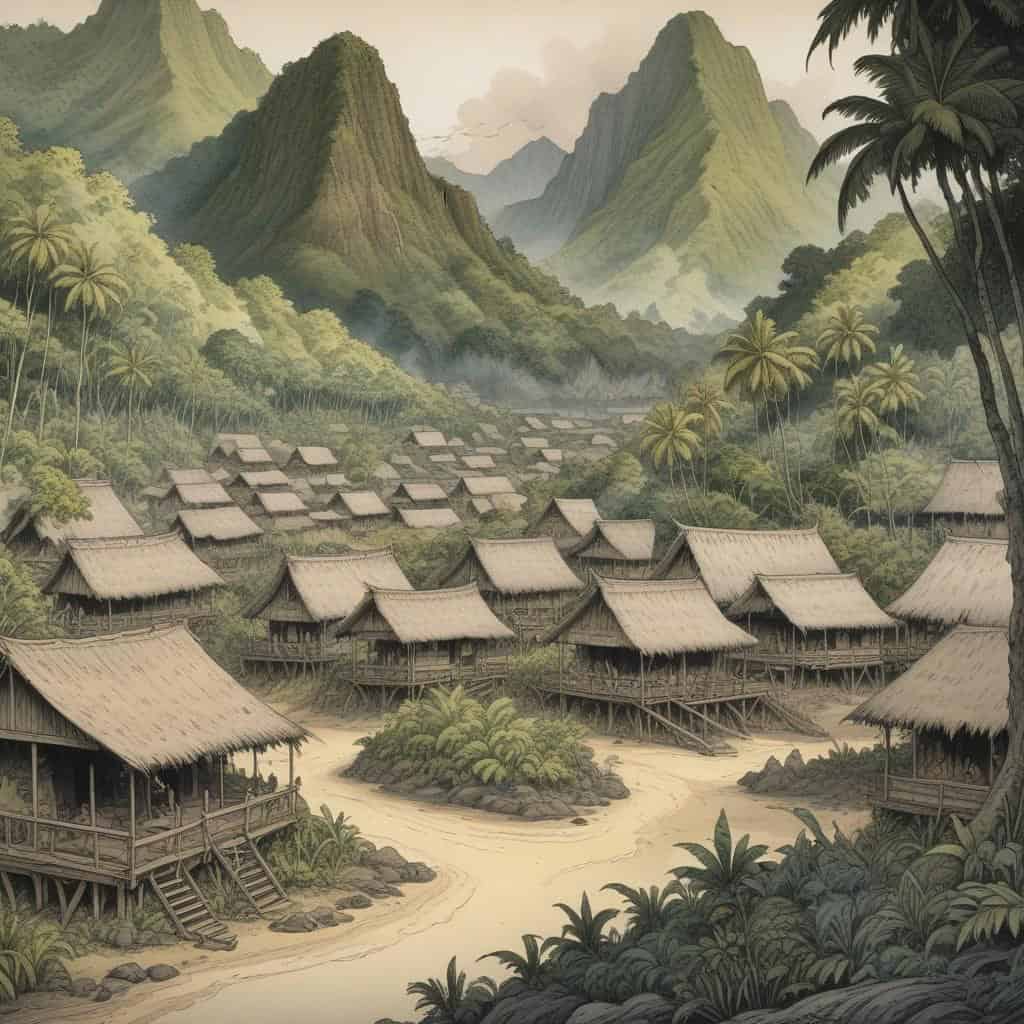
6. The Traditional Villages

7. The Delicious Cuisine

8. The Spectacular Waterfalls

9. The Historical Sites

10. The Warm Climate
In a Nutshell
- Capital: Pago Pago
- Population: Approx. 55,000 (2021)
- Official Language: English, Samoan
- Currency: United States Dollar (USD)
Breaking Down the Country
Geographical Setting
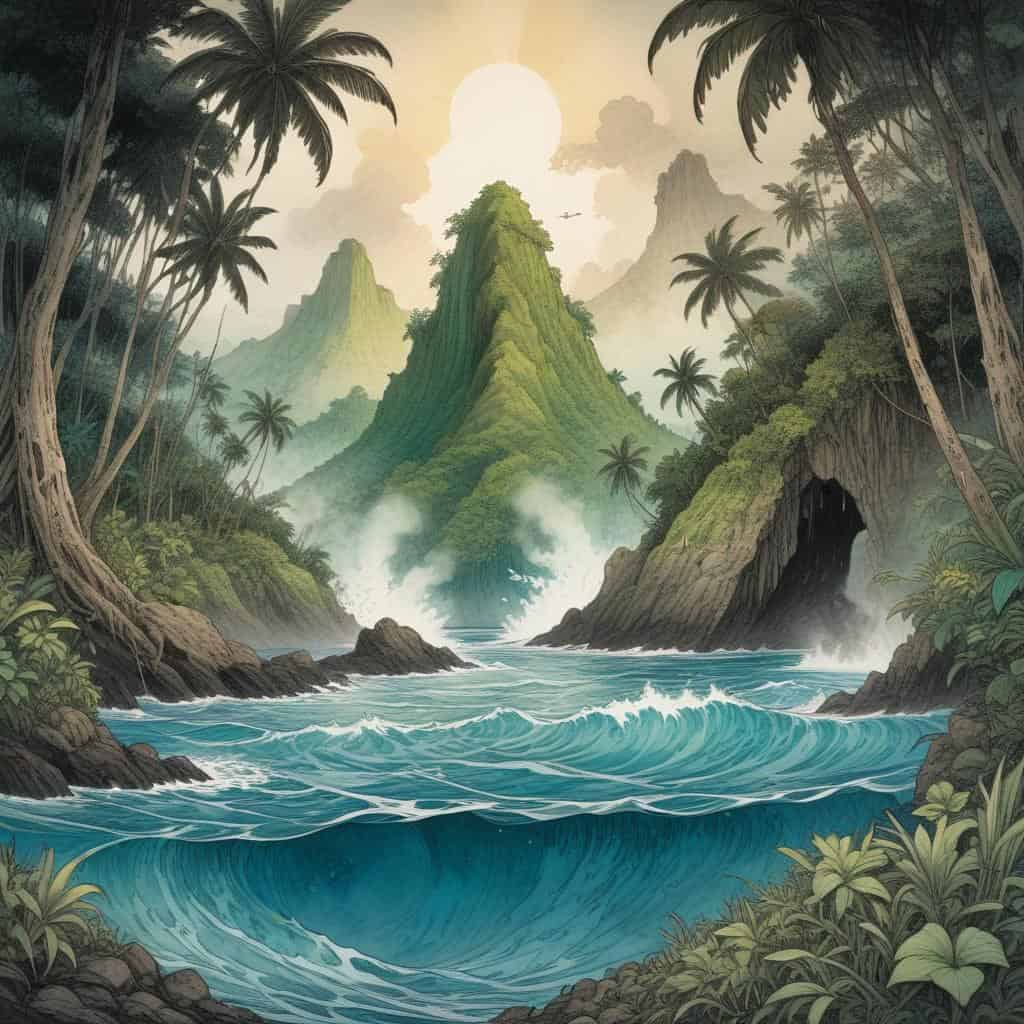
American Samoa, located in the South Pacific Ocean, consists of five volcanic islands and two coral atolls, known for their lush tropical rainforests and vibrant marine life.
Cultural Heritage
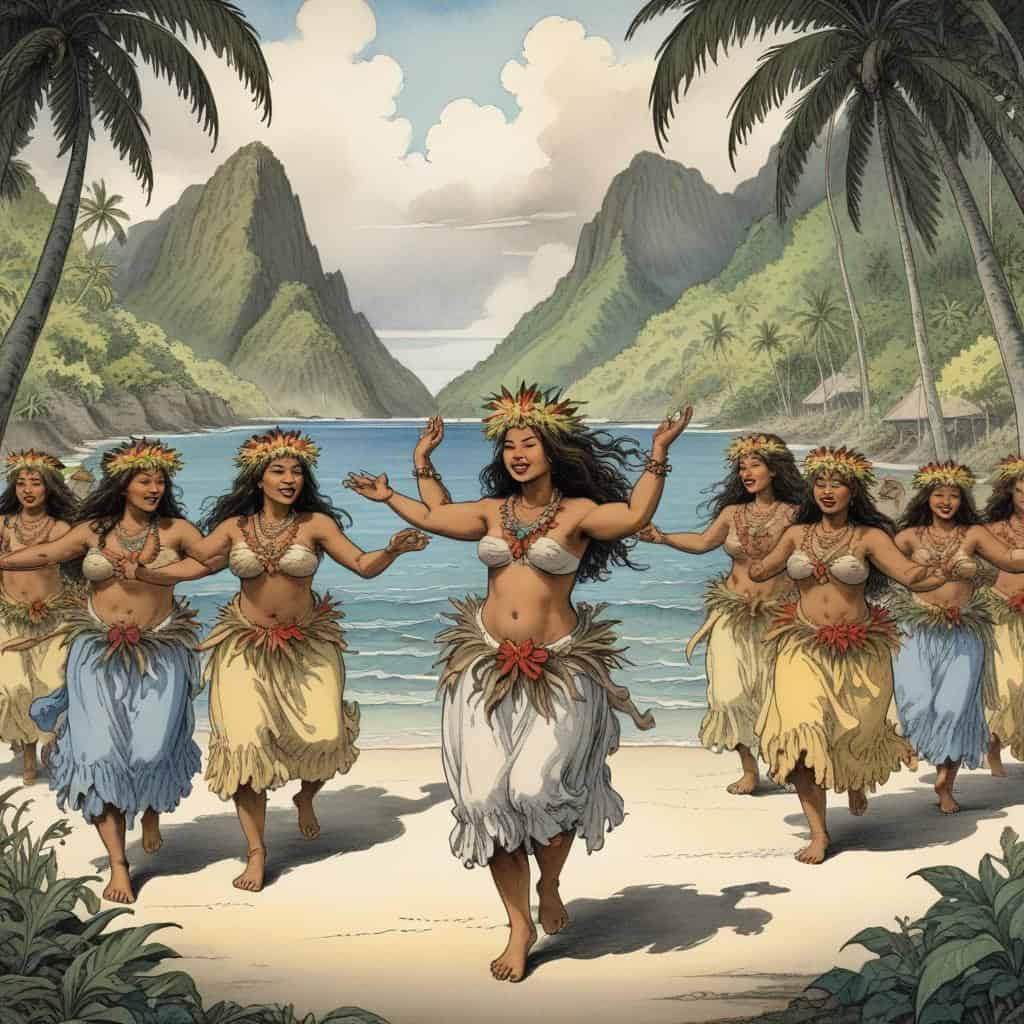
With strong Polynesian influences, American Samoa's culture is rich in traditions like dance, music, and tattooing, reflecting a deep connection to the land and sea.
Unique Governance
As an unincorporated territory of the United States, American Samoa has a unique political status with its own customs and traditions, blending American and Samoan influences.
Timeline of American Samoa
First known settlement by Polynesians
Contact with European explorers, including Dutch navigator Jacob Roggeveen
Arrival of missionaries from London Missionary Society
Signing of the Deed of Cession, making American Samoa a territory of the United States
Construction of Pago Pago Harbor
Battle of the Coral Sea during World War II, involving American Samoa
Establishment of the National Park of American Samoa
Cyclone Ofa hits American Samoa causing significant damage
American Samoa becomes an unincorporated territory of the United States
Successful tuna cannery industry established in American Samoa
Inauguration of the first female governor of American Samoa, Lolo Matalasi Moliga
Opening of the Fagatogo Market in Pago Pago
Visit by then-President Barack Obama to American Samoa
Rugby Sevens team from American Samoa competes in the Pacific Games
Development of renewable energy projects in American Samoa
COVID-19 pandemic affects American Samoa's tourism industry
Celebration of the 100th anniversary of American Samoa as a U.S. territory
Launch of the American Samoa National Park Quarter as part of the U.S. Mint's America the Beautiful Quarters Program
Reopening of the American Samoa Community College after renovations
Plans for a new hospital in American Samoa announced
Vocabulary List
- Lagoon
- The crystal clear lagoon in American Samoa is perfect for snorkeling and swimming.
- Coconut palms
- The landscape of American Samoa is dotted with swaying coconut palms.
- Volcano
- The island of Tutuila in American Samoa is home to the stunning Pago Pago volcano.
- Coral reefs
- The coral reefs around American Samoa are teeming with colorful marine life.
- Traditional fale
- The traditional fale huts in American Samoa are a common sight in the villages.
- Mangrove forests
- Mangrove forests line the coastlines of many of the islands in American Samoa.
- Waterfall
- The majestic Afu Aau waterfall is a popular tourist attraction in American Samoa.
- Black sand beaches
- Some of the beaches in American Samoa have unique black sand, created by volcanic activity.
- Mountainous terrain
- The mountainous terrain of American Samoa provides stunning panoramic views of the islands.
- Tropical rainforest
- The lush tropical rainforests of American Samoa are home to a diverse range of plant and animal species.
Key Facts
This is the information used in the fact matching game
- American Samoa is a group of islands located in the South Pacific Ocean.
- The capital of American Samoa is Pago Pago, which is located on the island of Tutuila.
- American Samoa is home to some of the most beautiful coral reefs in the world.
- The islands of American Samoa are lush and tropical, with dense rainforests covering much of the land.
- American Samoa is known for its stunning waterfalls, including the iconic Tia Seu Lupe waterfall.
- The islands of American Samoa are volcanic in origin, with many extinct volcanoes dotting the landscape.
- The Manu'a Islands, part of American Samoa, are known for their pristine beaches and crystal-clear waters.
- American Samoa is home to unique wildlife, including the endangered flying fox and the native Manumea bird.
- The traditional Samoan culture is alive and well in American Samoa, with many villages practicing fa'a Samoa, or the Samoan way of life.
- American Samoa is a popular destination for eco-tourism, with many visitors coming to explore the islands' natural beauty.
- The village of Vatia in American Samoa offers stunning panoramic views of the surrounding mountains and ocean.
- American Samoa is one of the few places in the world where you can experience both traditional Polynesian culture and American influences.
- The National Park of American Samoa covers over 13,000 acres of land and sea, preserving the islands' unique ecosystems.
- American Samoa is a popular destination for scuba diving and snorkeling, with many colorful coral reefs and marine life to explore.
- The village of Aunu'u in American Samoa is known for its black sand beaches and turquoise waters.
- American Samoa has a tropical climate, with warm temperatures year-round and a rainy season from November to April.
- The traditional Samoan tattoo, known as pe'a for men and malu for women, is an important part of Samoan culture and identity.
- American Samoa is home to many ancient archaeological sites, including stone platforms and petroglyphs, that offer a glimpse into the islands' rich history.
- The village of Leone in American Samoa is known for its historic sites, including the ruins of a 19th-century church and a traditional meeting house.
- American Samoa is a US territory, with its own unique culture and traditions that blend Polynesian and American influences.
Why It Matters
Geopolitical Significance
American Samoa’s strategic location in the South Pacific Ocean has made it a key player in regional geopolitics. Its relationship with the United States, as an unincorporated territory, has implications for security and economic interests in the Asia-Pacific region.
Historical Importance
American Samoa has a unique cultural heritage shaped by Polynesian traditions and its history of colonization by European powers. Its role in World War II as a strategic military base and its ongoing struggle for self-governance highlight its historical significance.
Modern-Day Role
Today, American Samoa is an important hub for tuna fishing and a key player in regional fisheries management. Its status as an unincorporated territory of the United States continues to impact its economy, governance, and relationship with neighboring Pacific Island nations.
American Samoa Games


Take Your Learning Offline
Want a convenient, print-ready study guide for this lesson? Become a Memory Wizards Pro member to unlock the downloadable " Memory Scrolls" for this topic and our entire library!
- ✓ Complete Vocabulary Lists
- ✓ Key Facts & Timelines
- ✓ Beautifully Formatted for Print & Mobile