
How Do You Learn Best?
Learn by Reading
Immerse yourself in the 10-minute visual lesson for a comprehensive understanding of the topic.
Learn by Reviewing
Jump directly to the key facts, timeline, and vocabulary lists to build a solid foundation of details.
Learn by Doing
Challenge yourself! Jump straight into the interactive games to learn by trial, error, and discovery.
A Woman of No Importance in 10 Minutes
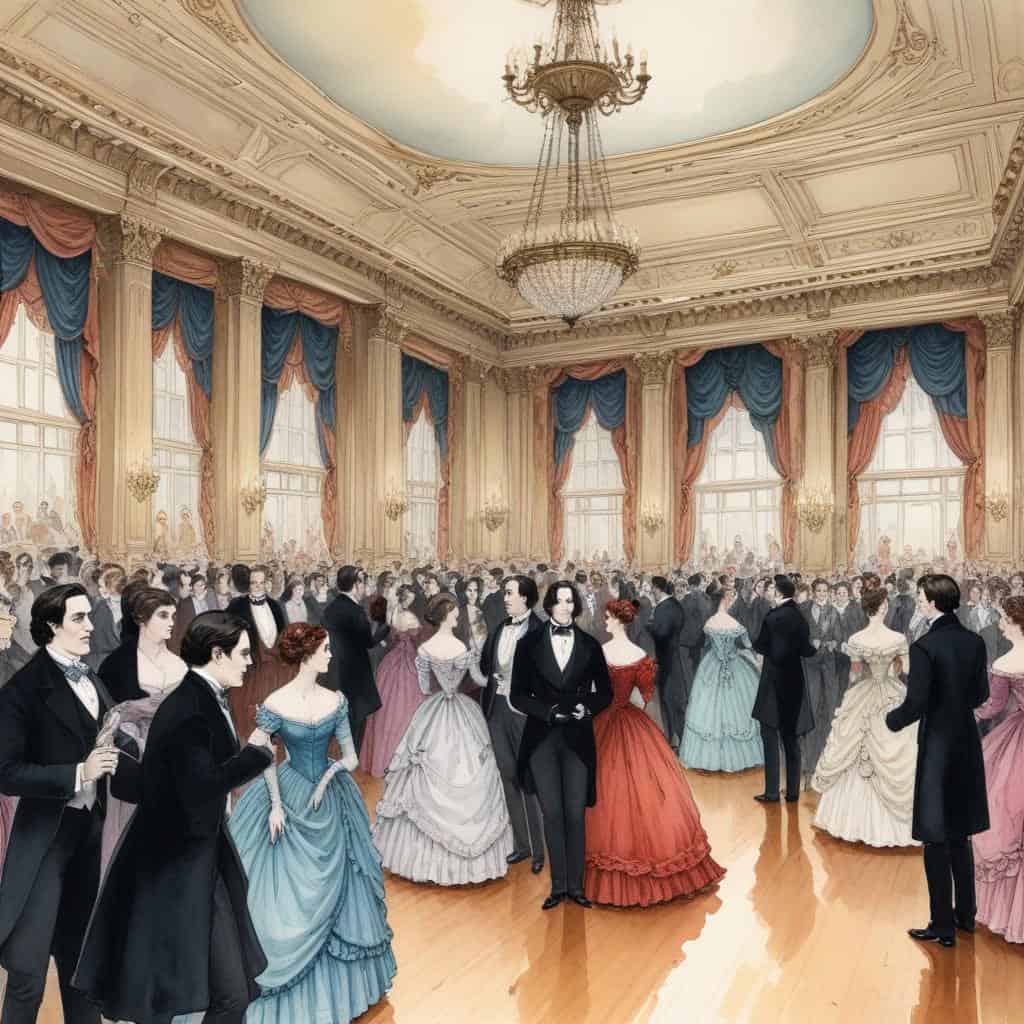
Introduction
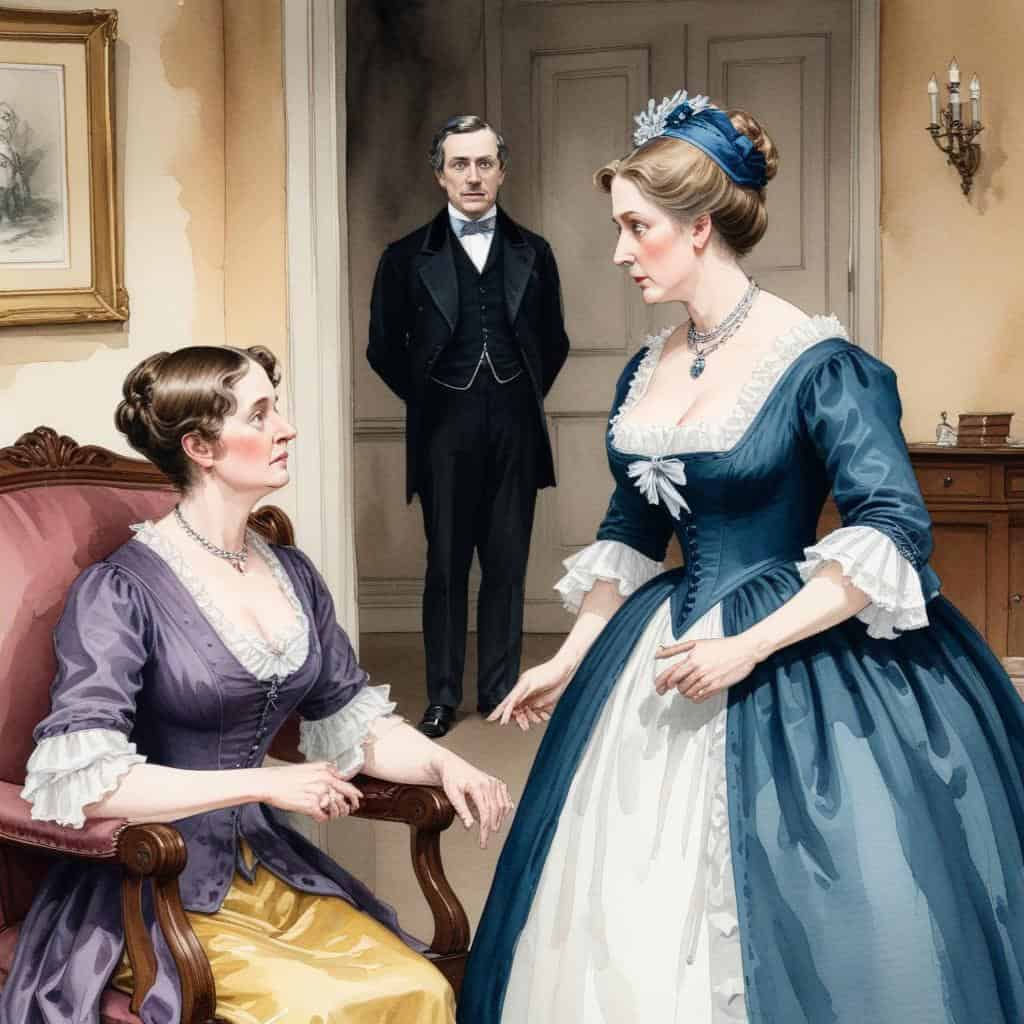
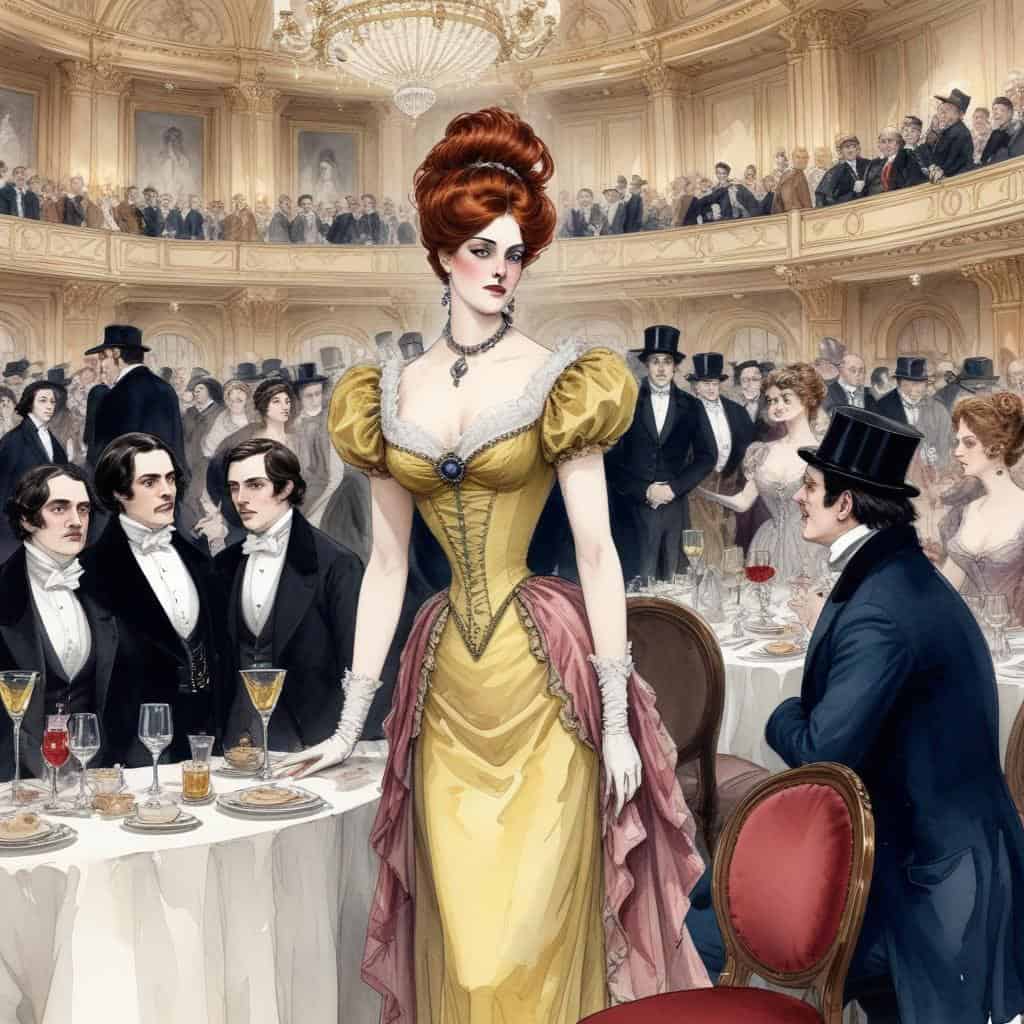

Lady Hunstanton

Lord Illingworth

Mrs. Arbuthnot

Gerald Arbuthnot

Hester Worsley
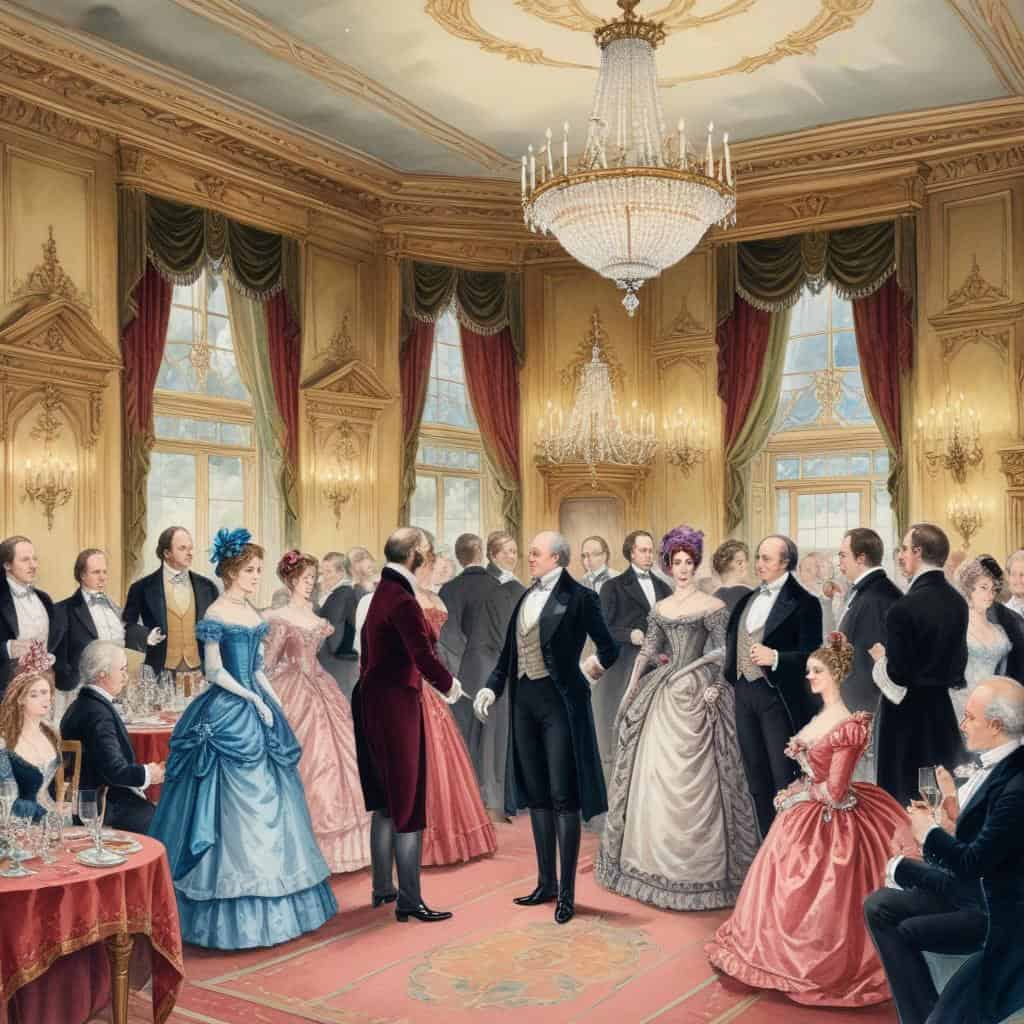
Lady Hunstantons House Party
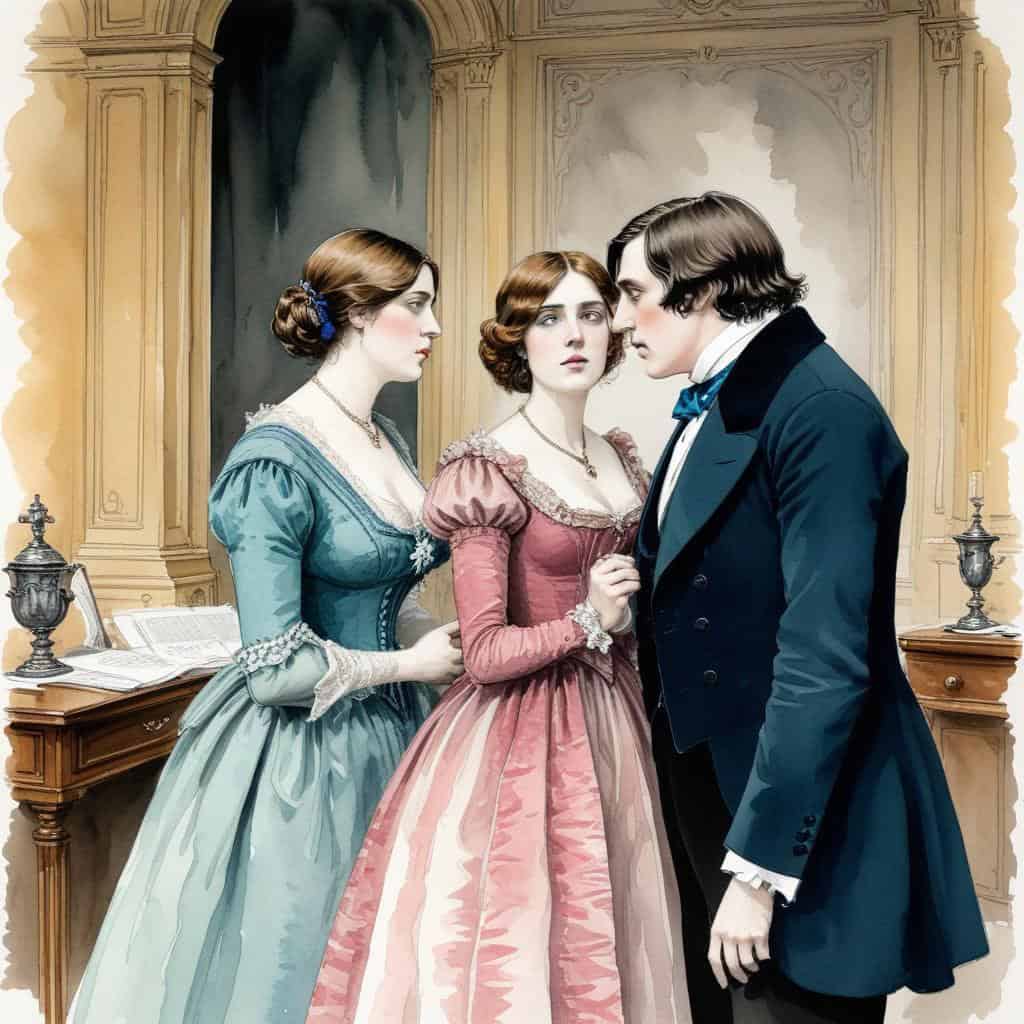
The Proposal
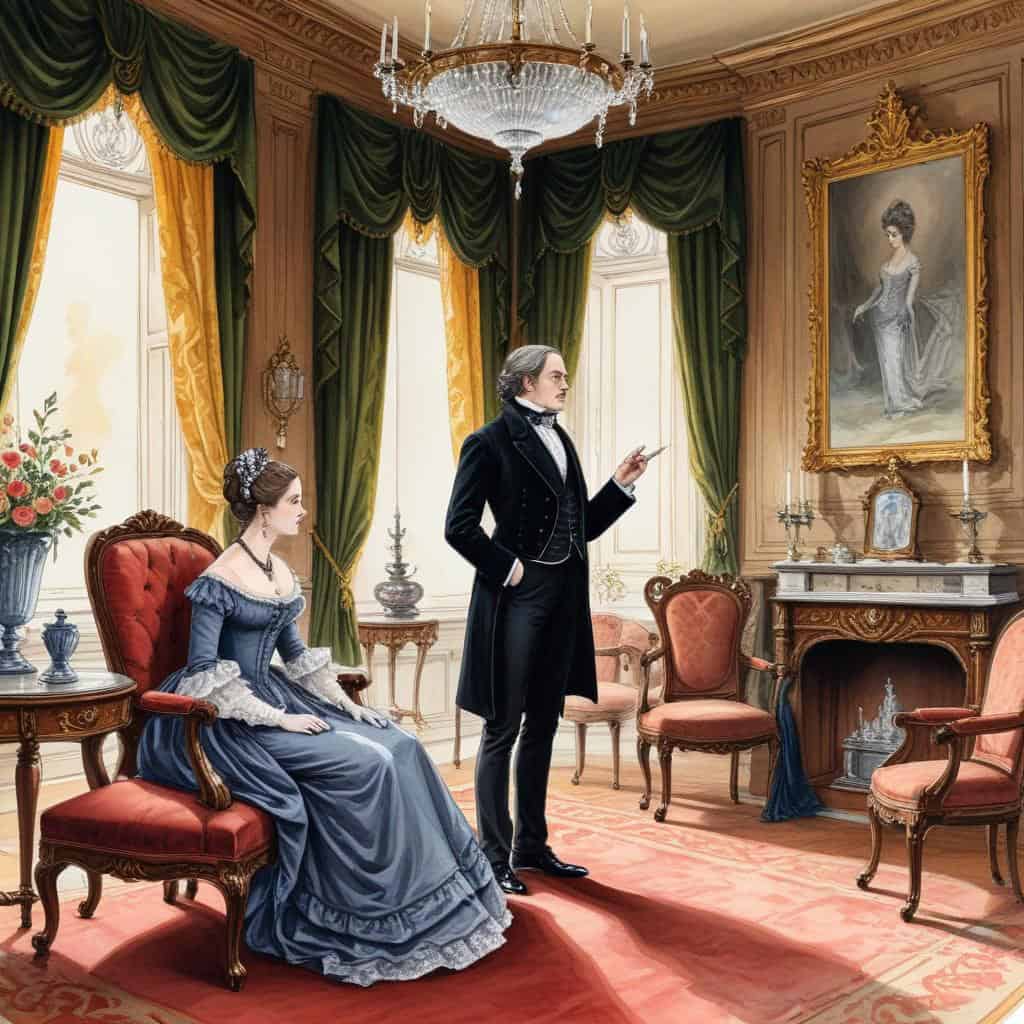
Confrontation
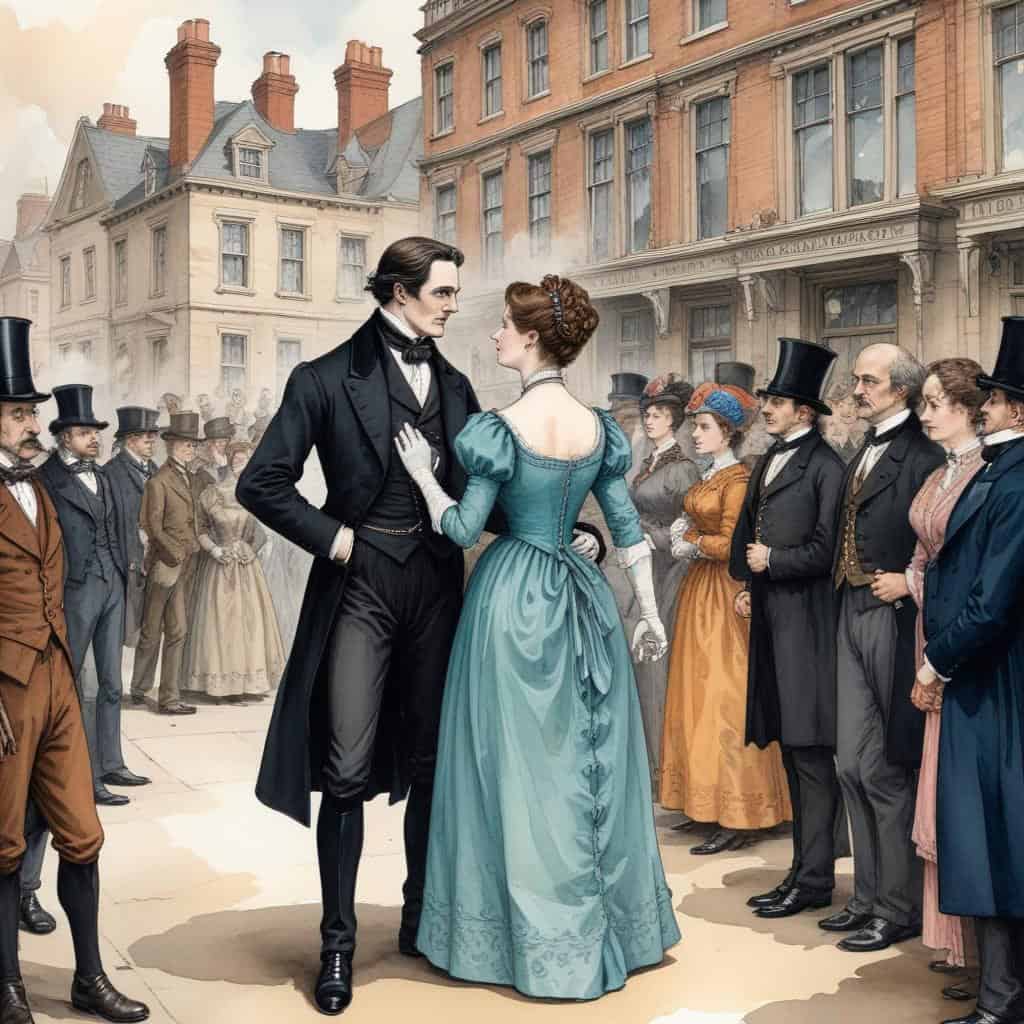
Rejection
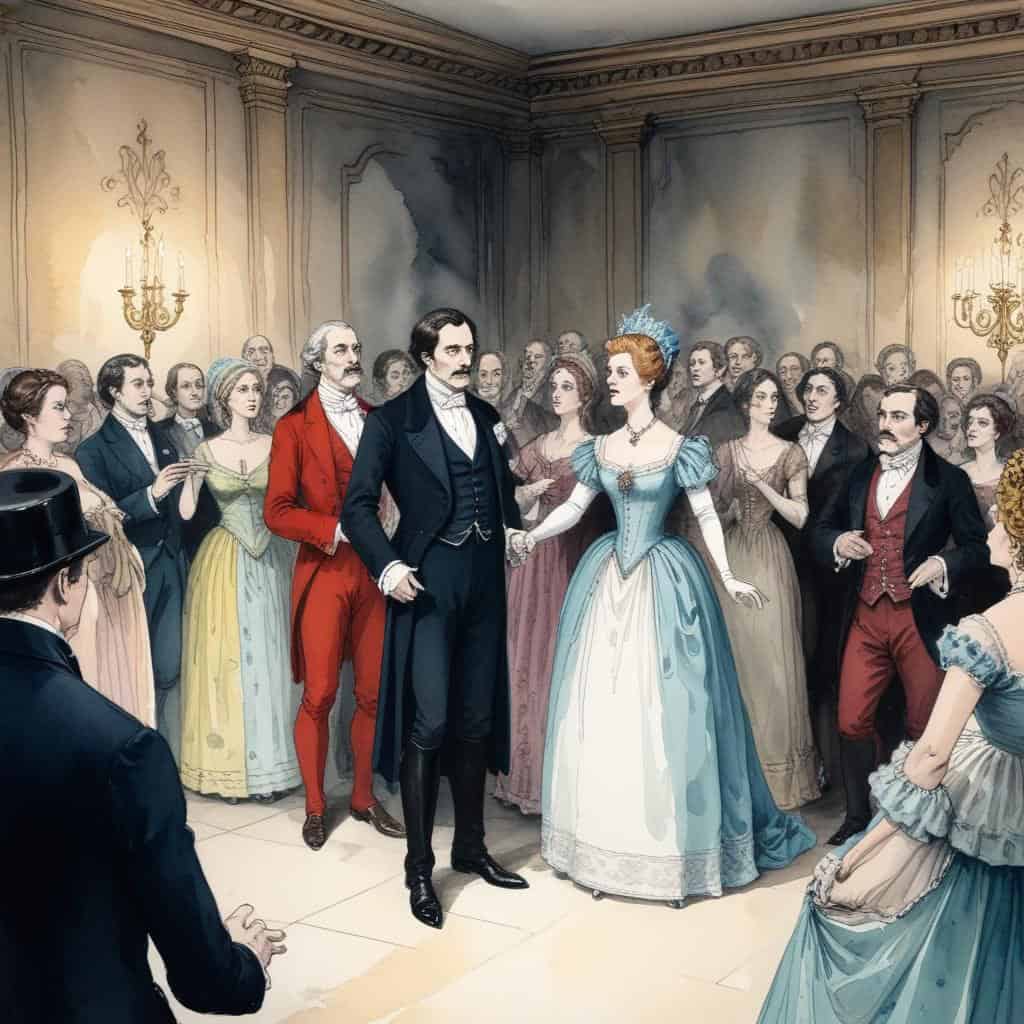
Revelation
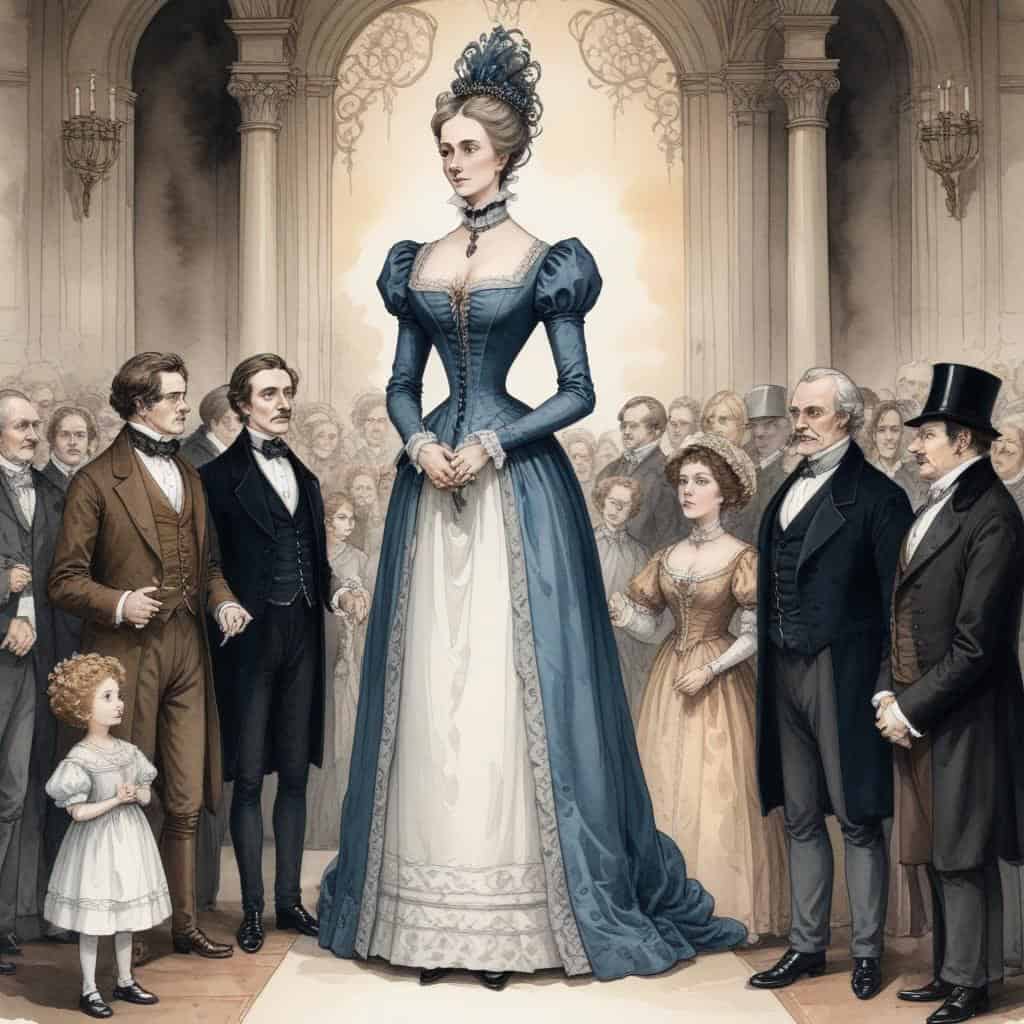
Forgiveness

Resolution
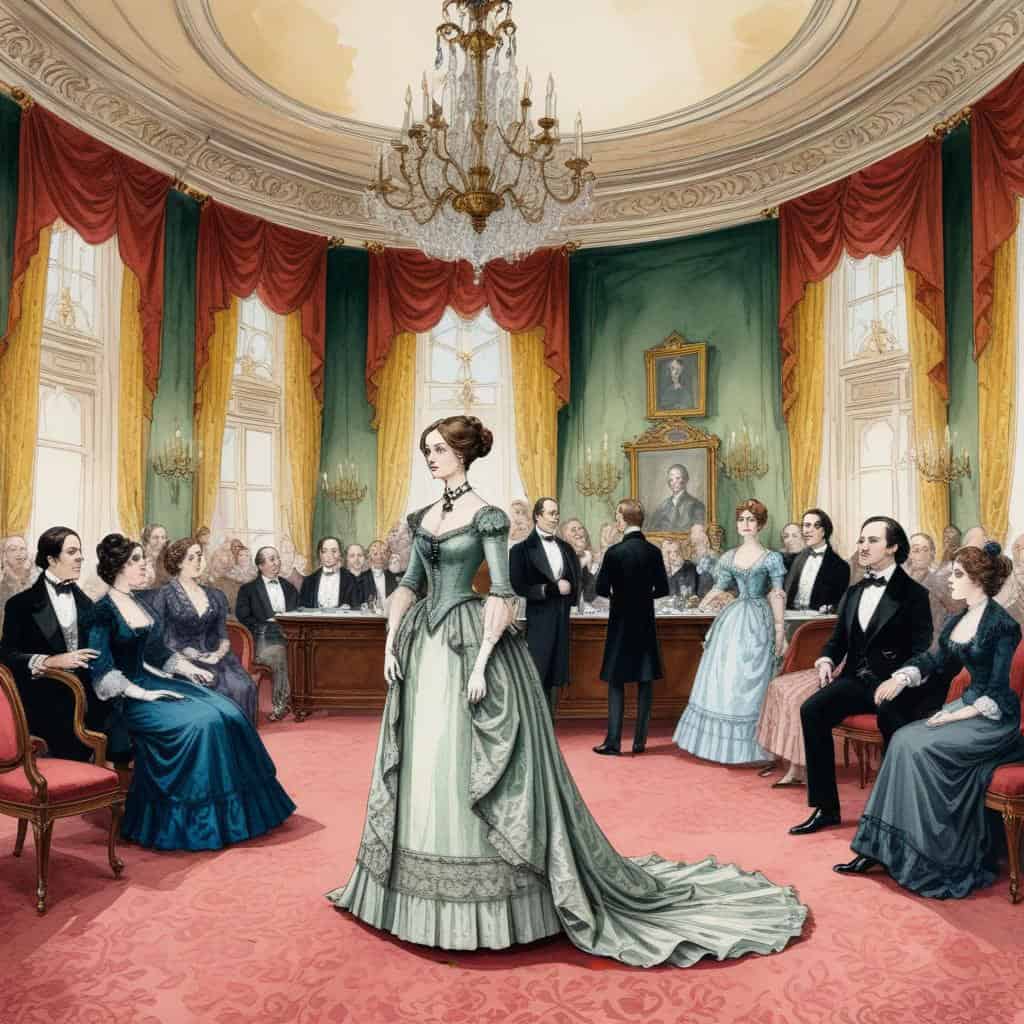
Lesson Details & Resources
In a Nutshell
- What: “A Woman of No Importance” by Oscar Wilde
- When: Written in the Victorian era
- Who: Main characters include Mrs. Arbuthnot, Lord Illingworth, and Gerald Arbuthnot
- Theme: The hypocrisy of society, the importance of forgiveness, and the role of women in society
List of Characters in A Woman of No Importance
-
Mrs. Arbuthnot
Mrs. Arbuthnot is a strong-willed woman who has a secret past that comes to light during the course of the play.
-
Lord Illingworth
Lord Illingworth is a charming but morally corrupt man who plays a pivotal role in the unfolding drama.
-
Gerald Arbuthnot
Gerald Arbuthnot is Mrs. Arbuthnot's son who becomes entangled in the events that unfold at Lady Hunstanton's country estate.
-
Lady Hunstanton
Lady Hunstanton is a kind-hearted hostess who inadvertently sets off a chain of events that affect the lives of those around her.
-
Lady Caroline Pontefract
Lady Caroline Pontefract is a gossiping socialite who adds a touch of humor to the story with her witty remarks.
Timeline of A Woman of No Importance
A Woman of No Importance - Unnumbered List of Events:
Lord Illingworth arrives at Hunstanton Chase.
Gerald Arbuthnot, the son of Mrs. Arbuthnot, arrives at Hunstanton Chase.
Mrs. Arbuthnot learns that Lord Illingworth is Gerald's father.
Mrs. Arbuthnot confronts Lord Illingworth about their past relationship and the child they had together.
Lord Illingworth offers Mrs. Arbuthnot financial support for their illegitimate son.
Mrs. Arbuthnot refuses Lord Illingworth's offer and insists on raising Gerald on her own.
Lord Illingworth tries to convince Mrs. Arbuthnot to accept his proposal, claiming that it would be in their son's best interest.
Mrs. Arbuthnot maintains her refusal and asserts her independence.
Hester Worsley, a young American woman, arrives at Hunstanton Chase.
Hester reveals to Gerald that she is in love with him.
Gerald confesses his love for Hester as well.
Lady Caroline Pontefract and Mrs. Allonby discuss the scandalous behavior of the upper class.
Sir John Pontefract flirts with Mrs. Allonby.
Lord Illingworth proposes to Hester, offering her a life of luxury and status.
Hester initially accepts Lord Illingworth's proposal but later changes her mind.
Hester confronts Lord Illingworth about his past with Mrs. Arbuthnot and refuses to marry him.
Mrs. Arbuthnot reveals the truth to Hester about Gerald being Lord Illingworth's son.
Hester decides to accept Gerald's proposal instead of Lord Illingworth's.
Gerald and Hester plan to marry and live a humble but honorable life together.
Mrs. Arbuthnot forgives Lord Illingworth for his past actions but remains firm in her decision to raise Gerald on her own.
Vocabulary List
- Gossip
- Lady Caroline enjoys gossiping about the scandalous behavior of others.
- Society
- Mrs. Arbuthnot feels out of place in high society due to her past.
- Hypocrisy
- Lord Illingworth's hypocrisy is revealed when his true character is exposed.
- Morality
- The characters in the play grapple with questions of morality and ethics.
- Class
- The divide between the upper and lower classes is a central theme in the play.
- Scandal
- The scandal involving Gerald and Mrs. Arbuthnot threatens to ruin their reputations.
- Deception
- Characters use deception to manipulate others and protect their own interests.
- Betrayal
- Mrs. Arbuthnot feels betrayed by Lord Illingworth's actions towards her.
- Independence
- Both Mrs. Arbuthnot and Hester stand up for their independence and autonomy.
- Judgment
- The characters face harsh judgment from society for their actions and choices.
Key Facts
This is the information used in the fact matching game
- - A Woman of No Importance is a play written by Oscar Wilde.
- - It was first performed in 1893 at the Haymarket Theatre in London.
- - The play explores themes of social class, gender roles, and hypocrisy.
- - The story is set in the late 19th century in an English country house.
- - The protagonist is Gerald Arbuthnot, a young man with a promising future.
- - Lady Hunstanton, the hostess of the house party, invites various guests.
- - Mrs. Arbuthnot, Gerald's mother, attends the party as a guest.
- - Lord Illingworth, a wealthy and influential man, is a central character.
- - Mrs. Allonby, a witty and independent woman, adds a spark to the story.
- - The play delves into the consequences of past secrets and hidden identities.
- - The dialogue is filled with Wilde's trademark wit and clever wordplay.
- - Society's double standards and the treatment of women are major themes.
- - Wilde uses satire to criticize the hypocrisy of the upper class.
- - The play highlights the limited opportunities available to women at the time.
- - The character of Lady Caroline Pontefract represents the traditional society.
- - Hester Worsley, a young American woman, challenges societal conventions.
- - The revelation of a scandalous secret brings tension and conflict to the story.
- - Wilde's sharp social commentary is present throughout the play.
- - The ending offers a surprising twist and a reflection on forgiveness.
- - A Woman of No Importance remains a popular and thought-provoking work by Oscar Wilde.
Analysis & Significance
Impact on Literature
Oscar Wilde’s ‘A Woman of No Importance’ is a prime example of a comedy of manners, a genre that focuses on the social behavior and conventions of the upper class. This work has influenced countless authors and playwrights in their exploration of class dynamics, hypocrisy, and societal expectations.
Enduring Themes
The timeless themes of societal expectations, gender roles, and the consequences of living a life of duplicity in ‘A Woman of No Importance’ still resonate with modern audiences. Wilde’s sharp wit and satirical commentary on the upper class make this play a relevant and thought-provoking piece of literature.
Cultural Significance Today
‘A Woman of No Importance’ continues to be performed and adapted to this day, showcasing its enduring cultural significance. Its exploration of morality, class, and the role of women in society remains relevant in today’s world, making it a classic work that continues to captivate audiences worldwide.
A Woman of No Importance Games




Take Your Learning Offline
Want a convenient, print-ready study guide for this lesson? Become a Memory Wizards Pro member to unlock the downloadable " Memory Scrolls" for this topic and our entire library!
- ✓ Complete Vocabulary Lists
- ✓ Key Facts & Timelines
- ✓ Beautifully Formatted for Print & Mobile