
How Do You Learn Best?
Learn by Reading
Immerse yourself in the 10-minute visual lesson for a comprehensive understanding of the topic.
Learn by Reviewing
Jump directly to the key facts, timeline, and vocabulary lists to build a solid foundation of details.
Learn by Doing
Challenge yourself! Jump straight into the interactive games to learn by trial, error, and discovery.
Salome in 10 Minutes
Introduction
Salome
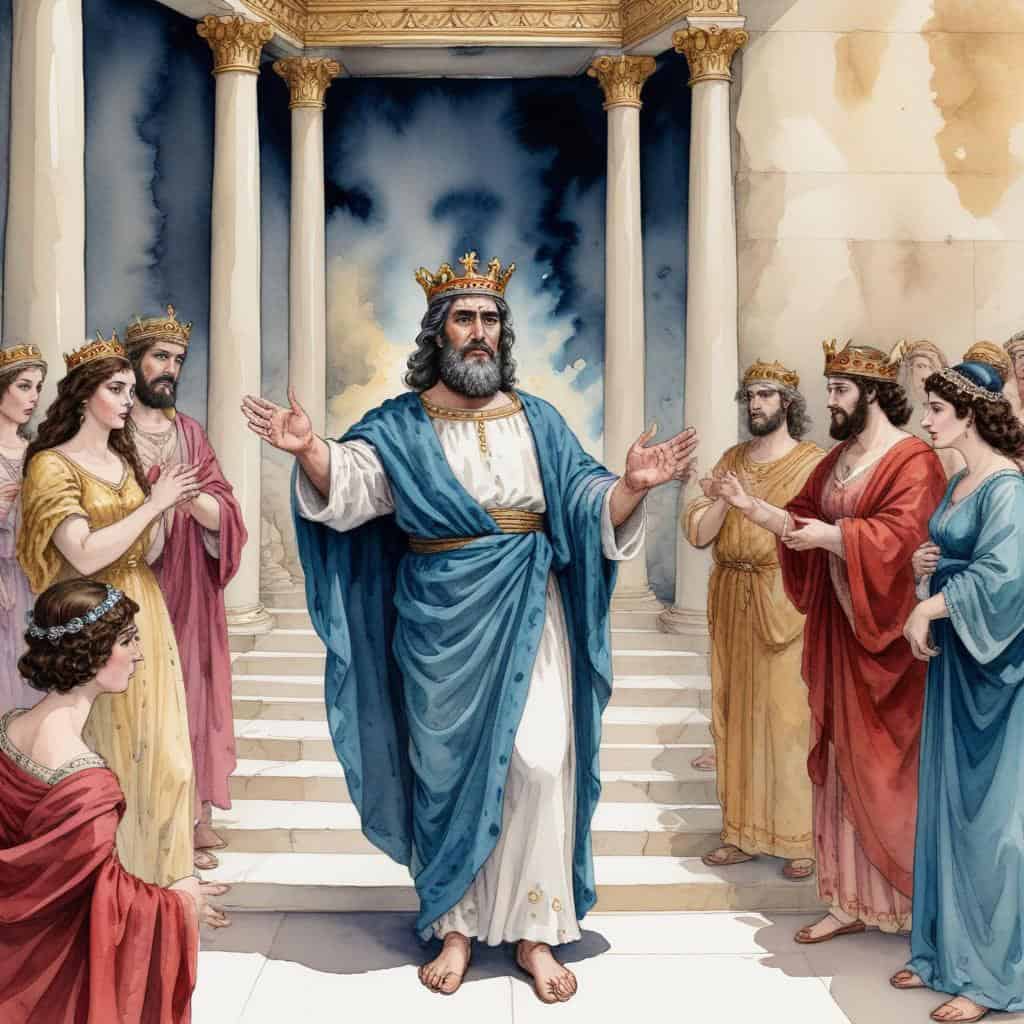
King Herod
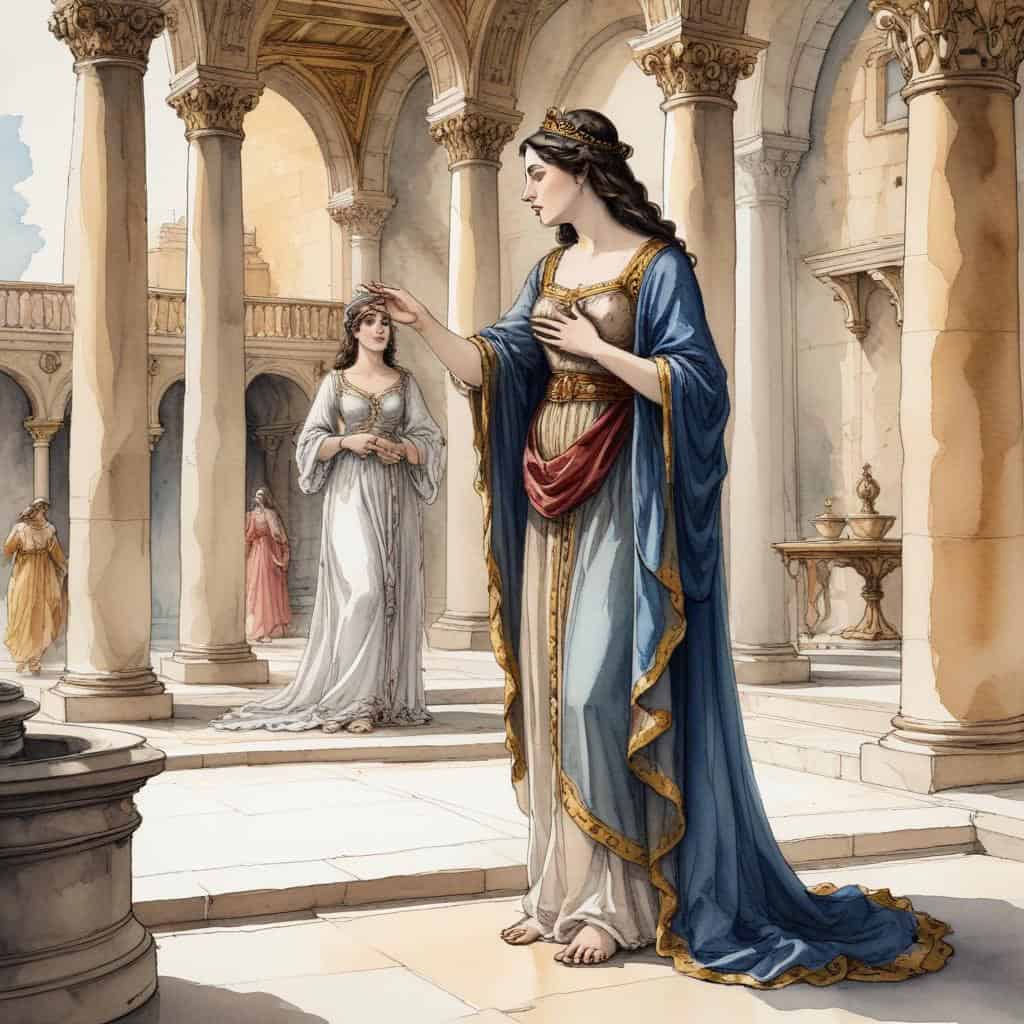
Herodias
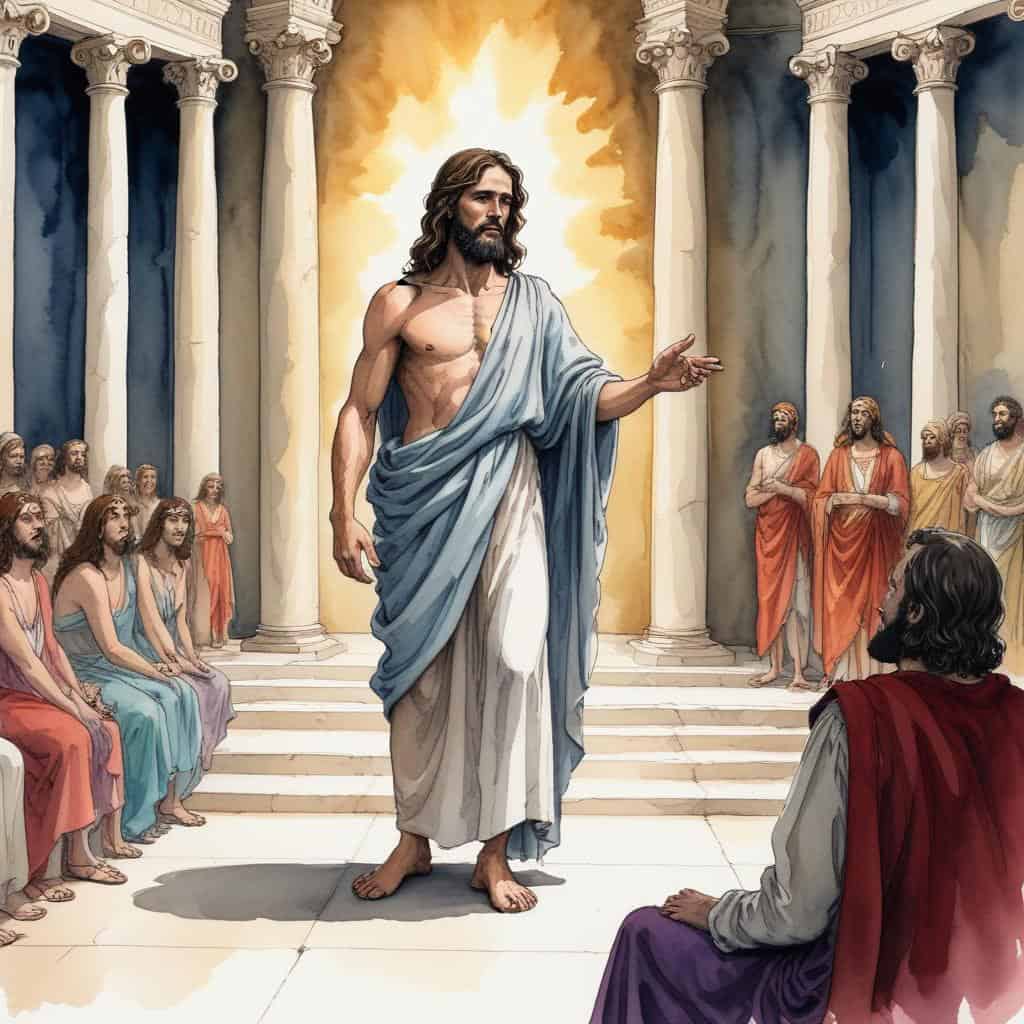
John the Baptist

The Request for the Head of John the Baptist
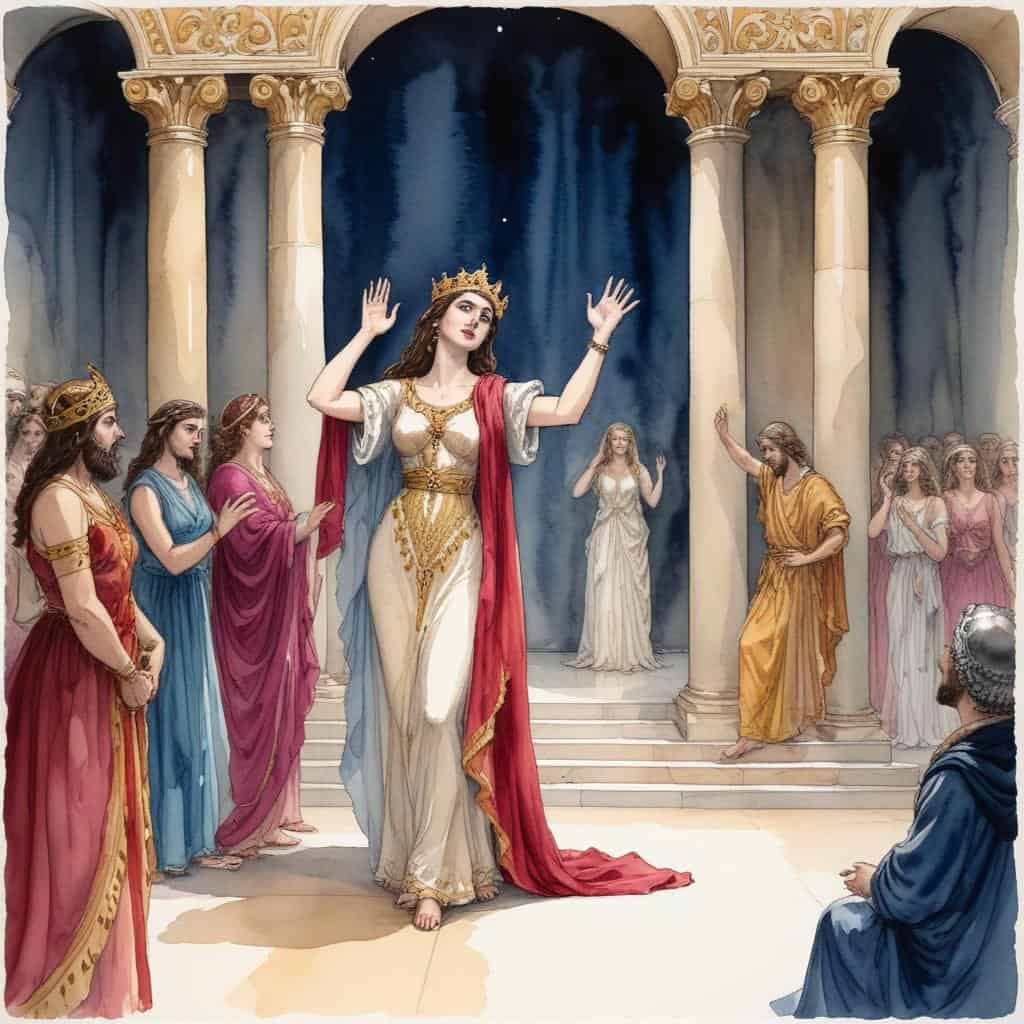
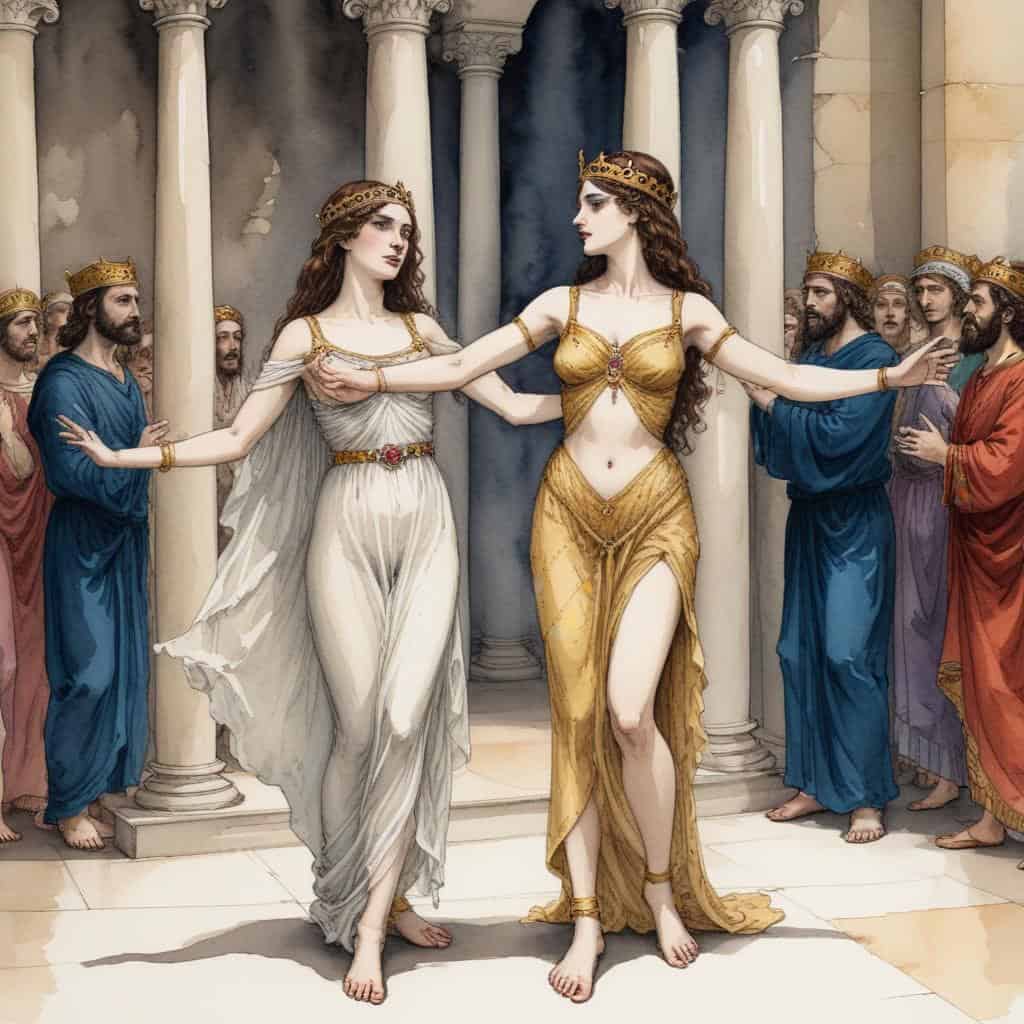
The Dance of the Seven Veils
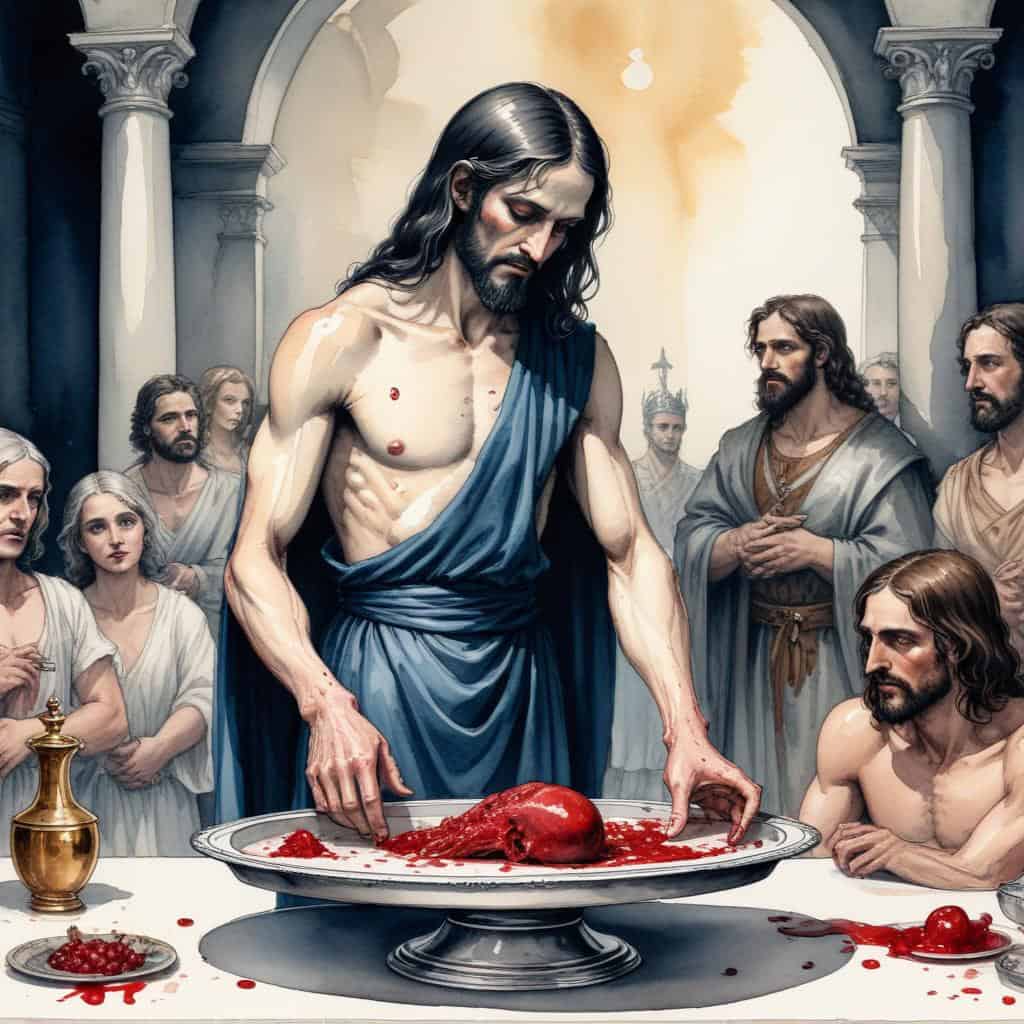
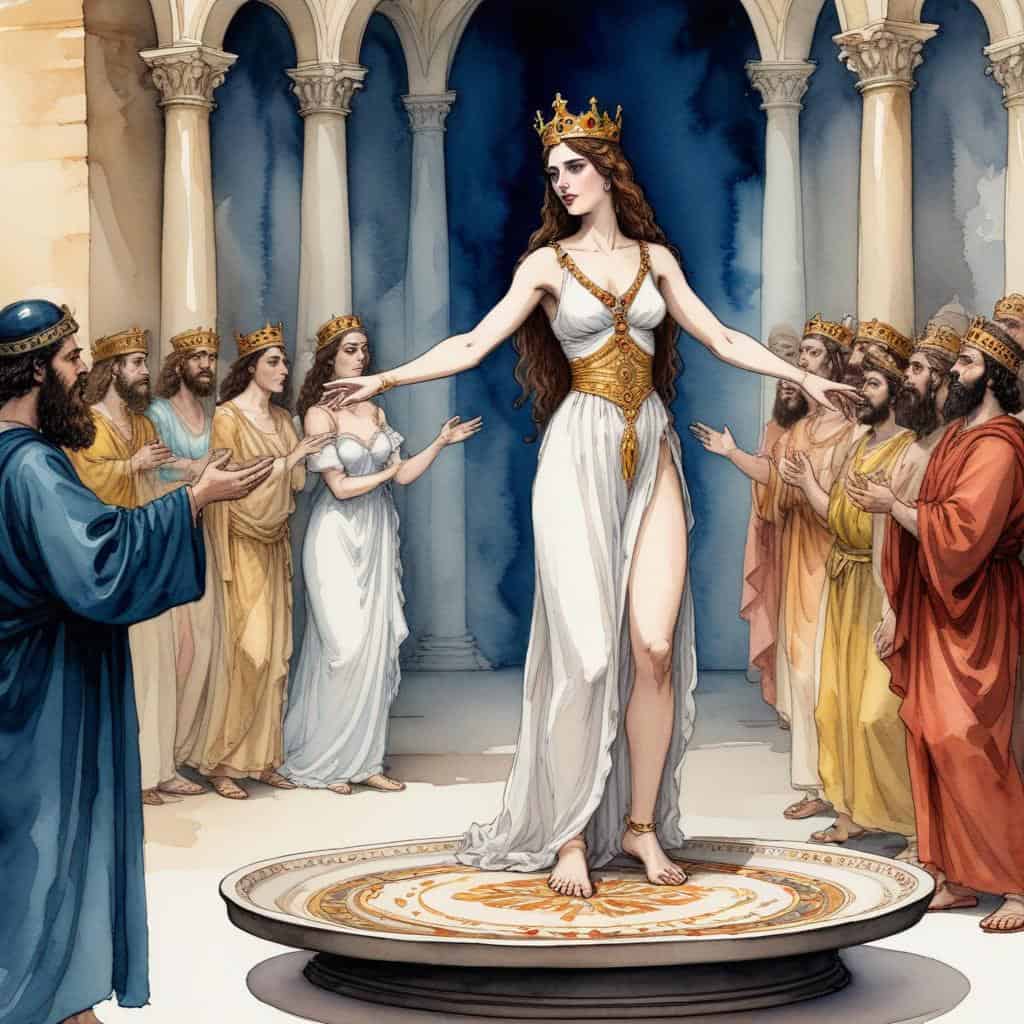
The Delivery of John the Baptists Head
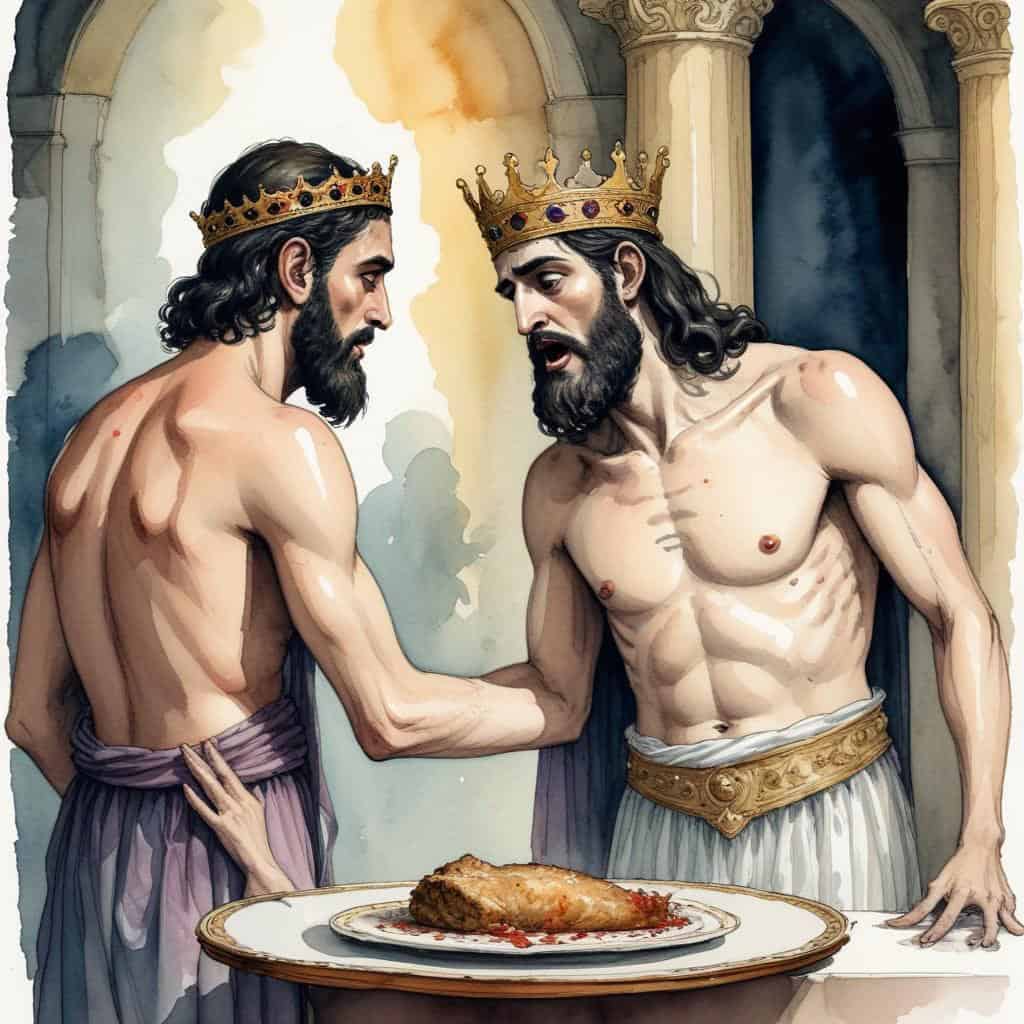
The Horror of Herod
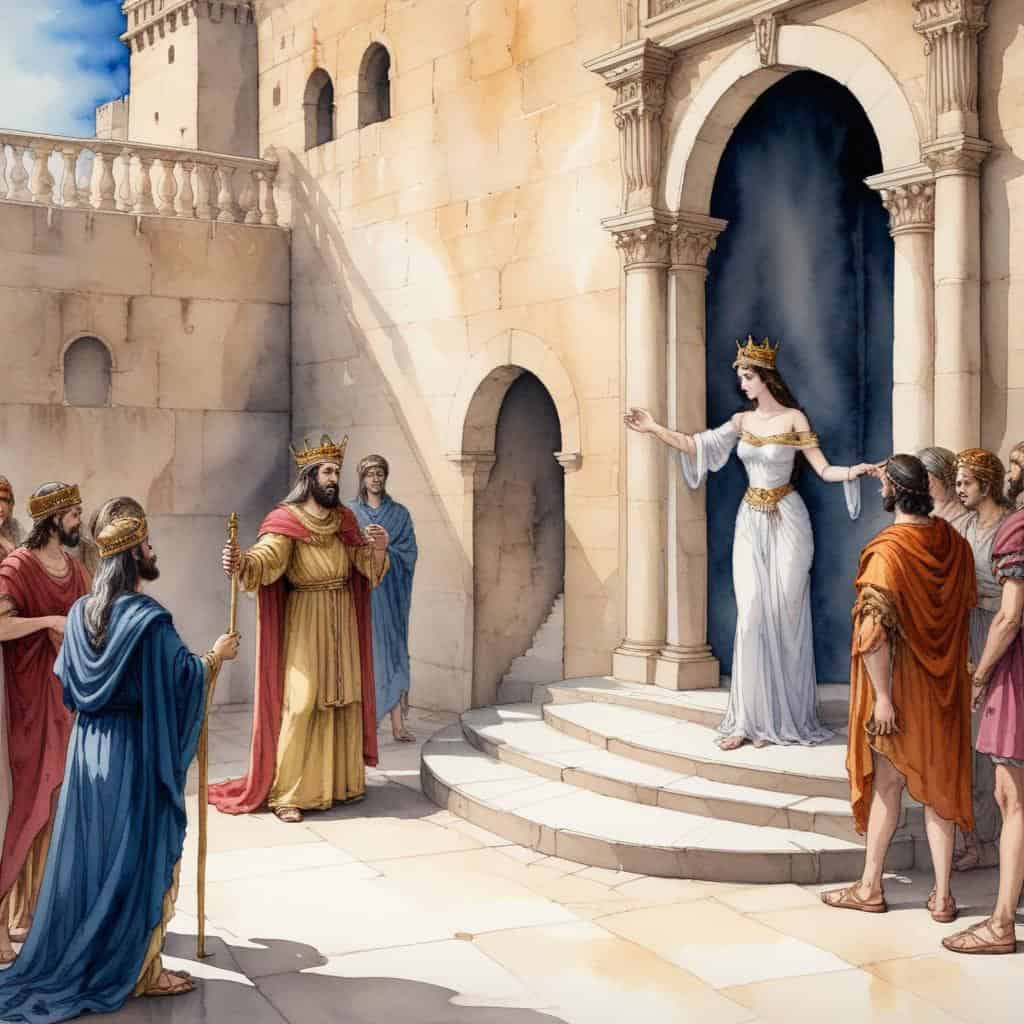
The Banishment of Salome
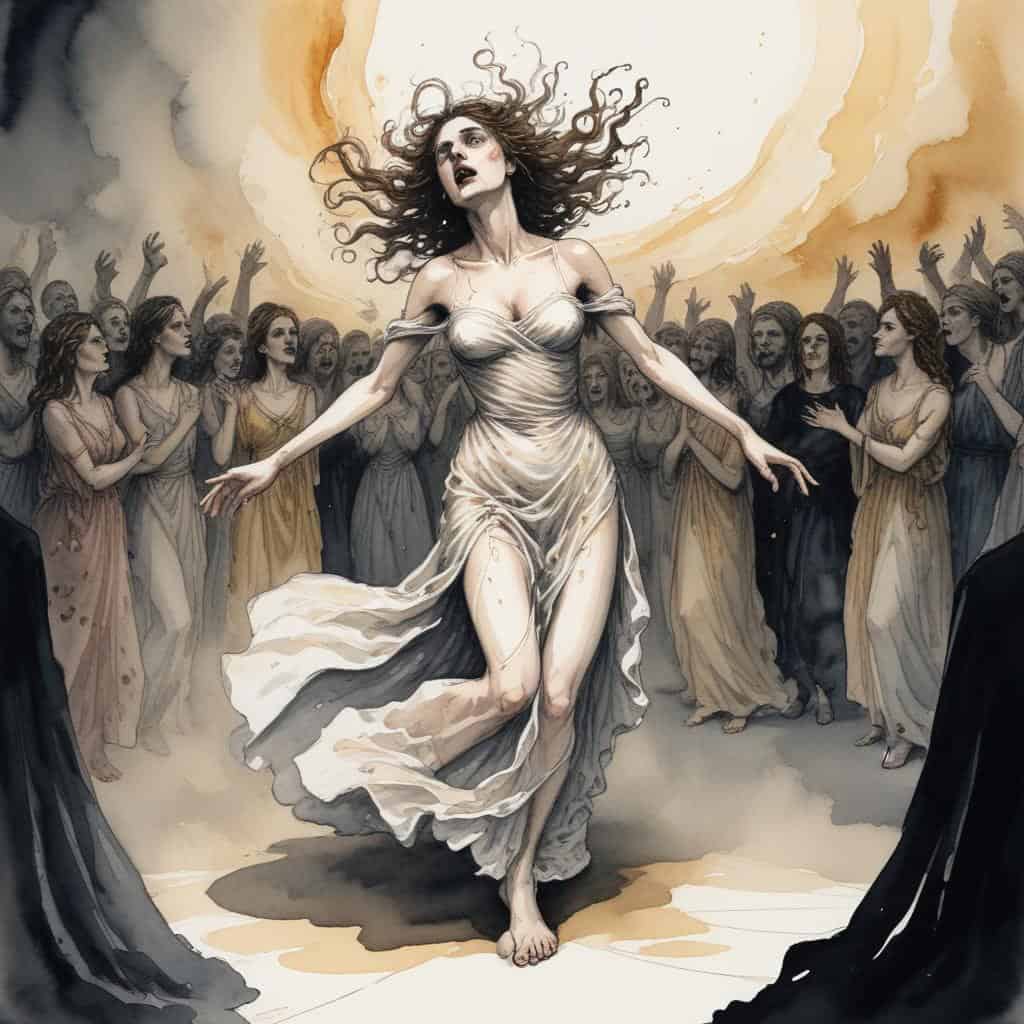
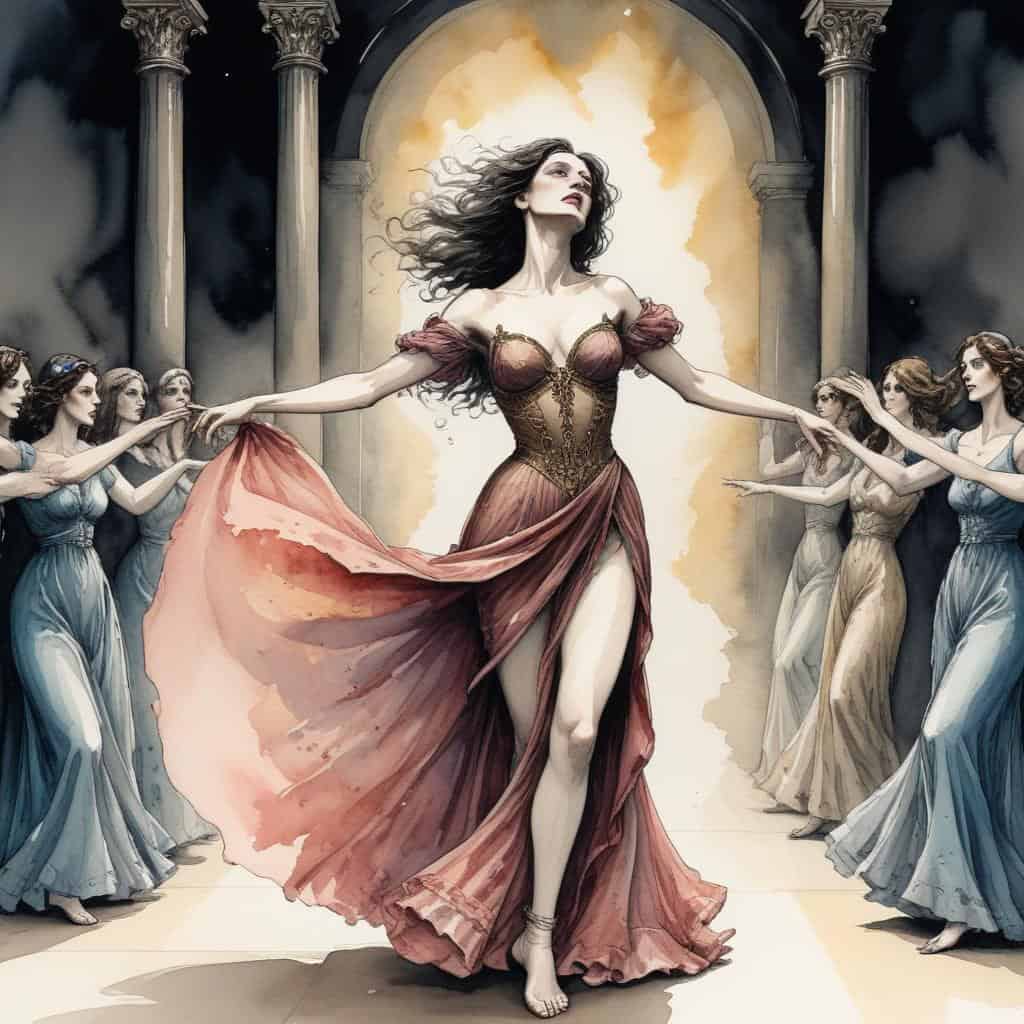
The Final Dance of Salome

The Tragic End of Salome
The Lesson of Vanity and Revenge
The Legacy of Salome
Lesson Details & Resources
In a Nutshell
- What: ‘Salome’ by Oscar Wilde
- When: Written in the late 19th century
- Who: Salome, King Herod, John the Baptist
- Theme: Forbidden desires and the consequences of obsession
List of Characters in Salome
-
Salome
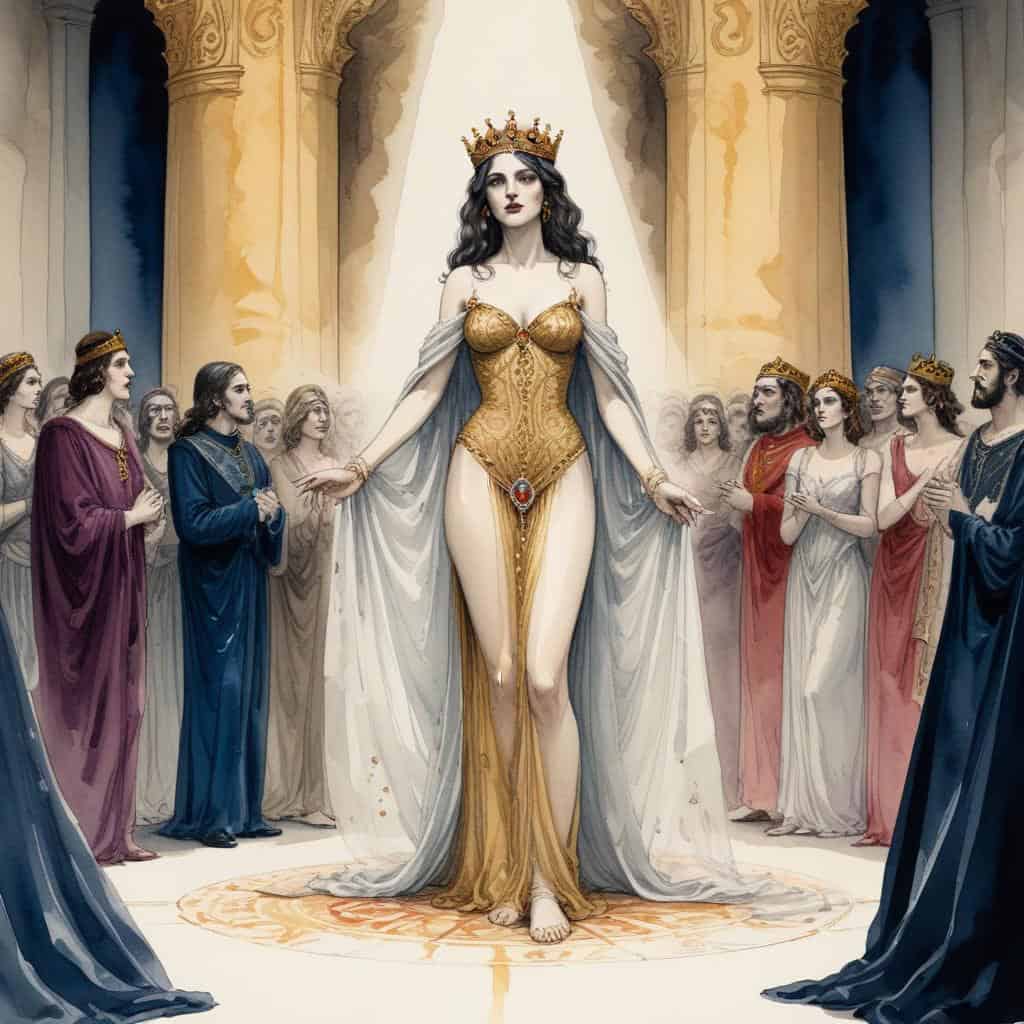
Salome is the daughter of Herodias and the stepdaughter of Herod. She becomes infatuated with Jokanaan, the prophet.
-
Herod
Herod is the ruler of Galilee and is obsessed with Salome.
-
Herodias
Herodias is the wife of Herod and mother of Salome. She manipulates her daughter to achieve her own desires.
-
Jokanaan
Jokanaan is a prophet who condemns Herod and Herodias' actions. He becomes the object of Salome's desire.
Timeline of Salome
Salome's stepfather, King Herod, throws a lavish banquet.
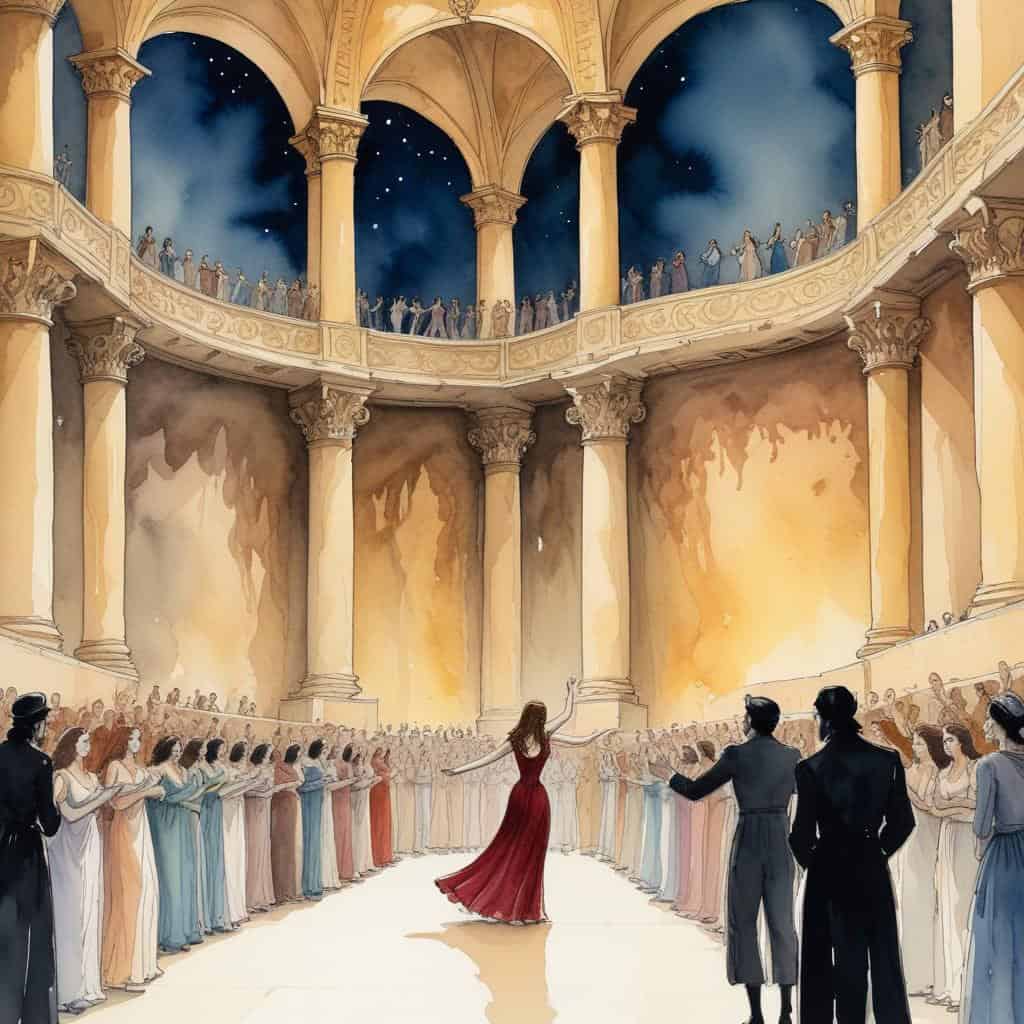
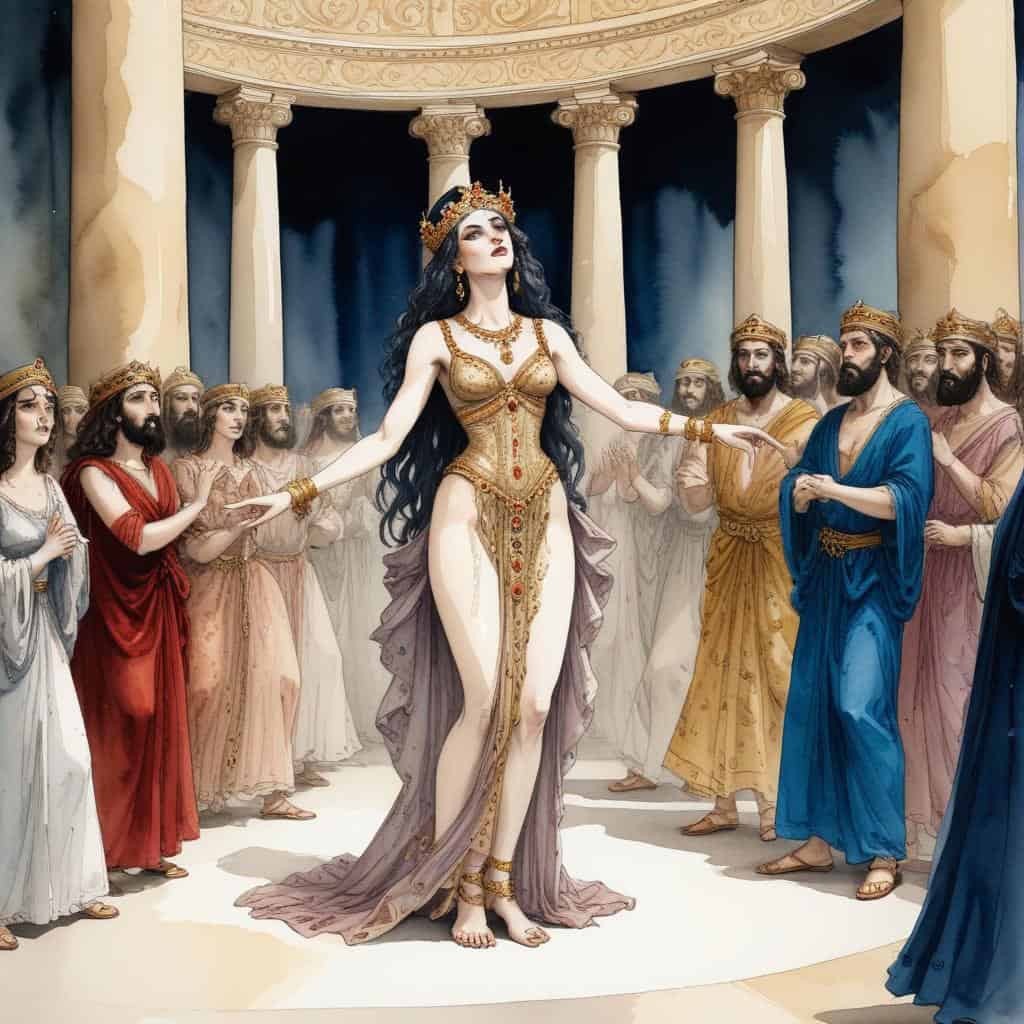
Salome dances for King Herod and his guests.
King Herod is captivated by Salome's dance and offers her a reward.
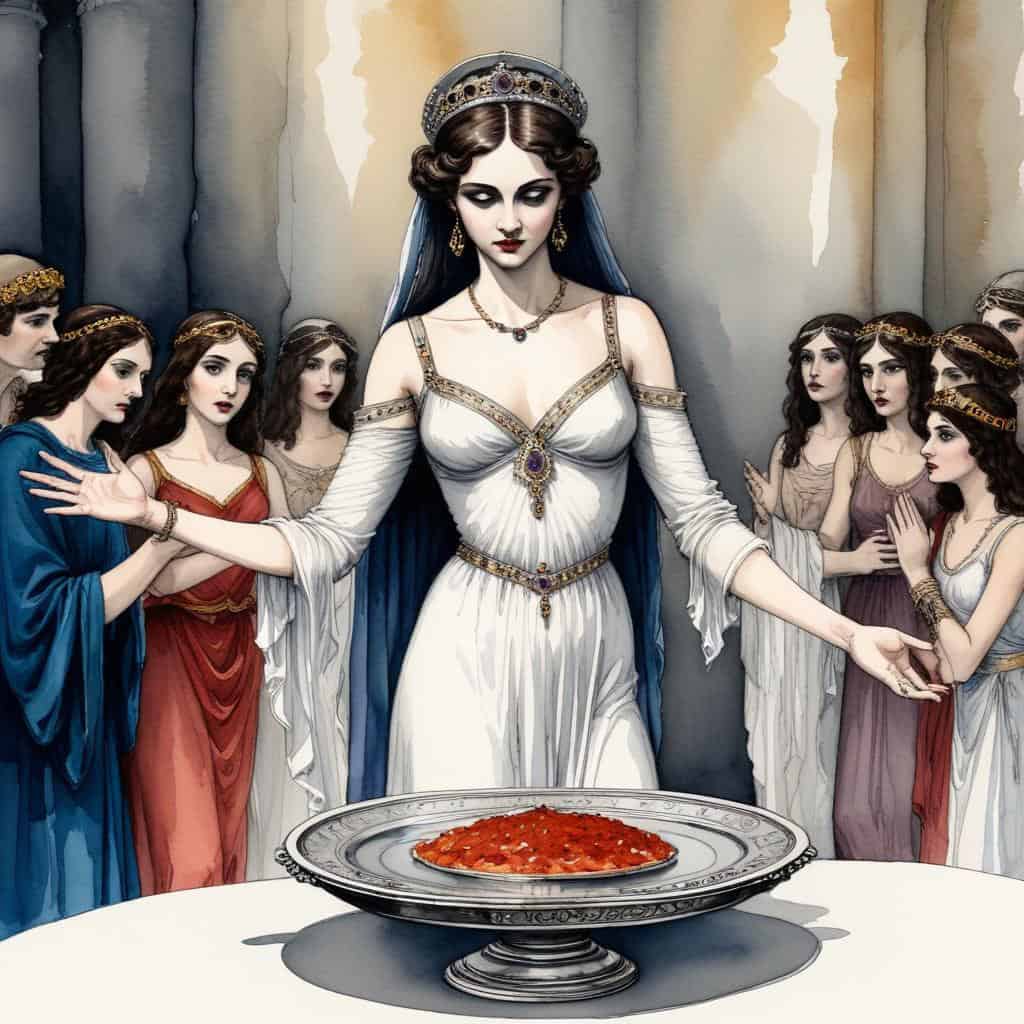
Salome asks for the head of John the Baptist on a platter as her reward.
King Herod is reluctant but grants Salome's gruesome request.
John the Baptist is beheaded.
Salome receives John the Baptist's head on a platter.
Salome takes the head of John the Baptist and presents it to her mother.
Vocabulary List
- Salome
- The title character of the play, Salome is a complex and enigmatic figure who becomes infatuated with John the Baptist.
- John the Baptist
- A prophet who denounces the immoral actions of King Herod and is ultimately beheaded at the request of Salome.
- Herod
- The ruler of Judea, Herod is depicted as a weak and morally corrupt man who is easily manipulated by those around him.
- Dance of the Seven Veils
- A seductive dance performed by Salome for Herod, which ultimately leads to her demanding the head of John the Baptist as a reward.
- Decapitation
- The act of cutting off someone's head, which is a central theme in the play as it is the fate of John the Baptist.
- Desire
- A strong feeling of wanting or longing for something, which drives the actions of Salome as she becomes obsessed with John the Baptist.
- Taboo
- A social or religious custom that is prohibited or forbidden, such as the relationship between Salome and John the Baptist.
- Obsession
- An unhealthy fixation on someone or something, which is a prominent theme in the play as Salome becomes consumed with desire for John the Baptist.
- Fatal attraction
- An intense and dangerous attraction between two people, often leading to tragic consequences, as seen in the relationship between Salome and John the Baptist.
- Tragedy
- A dramatic genre that depicts the downfall of a noble character, which is exemplified in the tragic fate of John the Baptist in the play.
Key Facts
This is the information used in the fact matching game
- - Salome is a play written by Oscar Wilde in 1891.
- - The story is based on the biblical tale of Salome, the stepdaughter of Herod Antipas.
- - Salome is infatuated with John the Baptist, also known as Jokanaan.
- - Salome demands the head of Jokanaan on a silver platter as a reward for dancing for Herod.
- - The play explores themes of desire, power, and obsession.
- - Wilde originally wrote Salome in French, but it was later translated into English.
- - It was the first biblical drama to be performed in England since the Middle Ages.
- - Salome was initially banned in England due to its provocative nature.
- - The play premiered in Paris in 1896, with Sarah Bernhardt in the title role.
- - Wilde's lover, Lord Alfred Douglas, inspired the character of Salome.
- - Salome's dance, known as the Dance of the Seven Veils, is a central element of the story.
- - The play's language is highly poetic and decadent, characteristic of Wilde's writing style.
- - Salome's obsession with Jokanaan becomes increasingly violent and disturbing throughout the play.
- - The play explores the corrupting influence of power and desire on individuals.
- - Wilde uses symbolism and imagery to evoke a sense of darkness and decadence.
- - Salome's demand for Jokanaan's head reflects her desire to possess him completely.
- - The play's initial reception was mixed, with some praising its artistic merits and others finding it scandalous.
- - It has since become one of Wilde's most famous works and a staple of theatrical repertoire.
- - Salome has inspired numerous adaptations in literature, opera, and film.
- - The play continues to be studied and performed worldwide for its exploration of human nature and the consequences of unchecked desire.
Analysis & Significance
Impact on Literature
Oscar Wilde’s play “Salome” has had a lasting impact on literature by pushing the boundaries of traditional storytelling and challenging societal norms. Its unique blend of decadence, eroticism, and religious themes paved the way for future works that explored taboo subjects and blurred the lines between good and evil.
Enduring Themes
The themes of desire, power, and manipulation in “Salome” still resonate with modern audiences today. Wilde’s exploration of the dark side of human nature and the consequences of unchecked ambition continue to captivate readers and provoke thought on the complexities of human relationships.
Cultural Significance Today
“Salome” remains culturally significant today for its bold portrayal of female sexuality and its influence on art, literature, and popular culture. The play has been adapted into various forms, including operas, ballets, and films, cementing its place in the canon of queer literature and continuing to inspire artists around the world.
Salome Games


Take Your Learning Offline
Want a convenient, print-ready study guide for this lesson? Become a Memory Wizards Pro member to unlock the downloadable " Memory Scrolls" for this topic and our entire library!
- ✓ Complete Vocabulary Lists
- ✓ Key Facts & Timelines
- ✓ Beautifully Formatted for Print & Mobile