
How Do You Learn Best?
Learn by Reading
Immerse yourself in the 10-minute visual lesson for a comprehensive understanding of the topic.
Learn by Reviewing
Jump directly to the key facts, timeline, and vocabulary lists to build a solid foundation of details.
Learn by Doing
Challenge yourself! Jump straight into the interactive games to learn by trial, error, and discovery.
The Picture of Dorian Gray in 10 Minutes
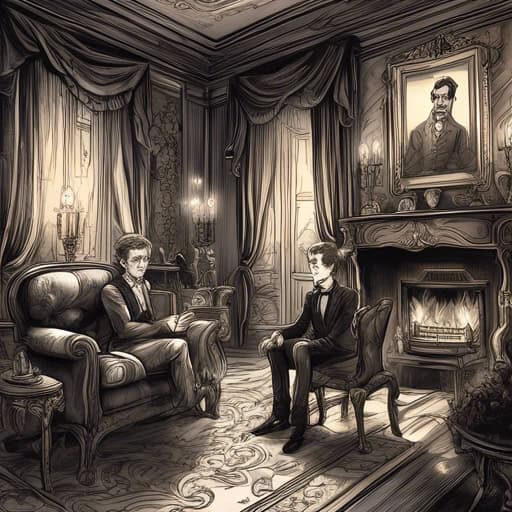
Introduction
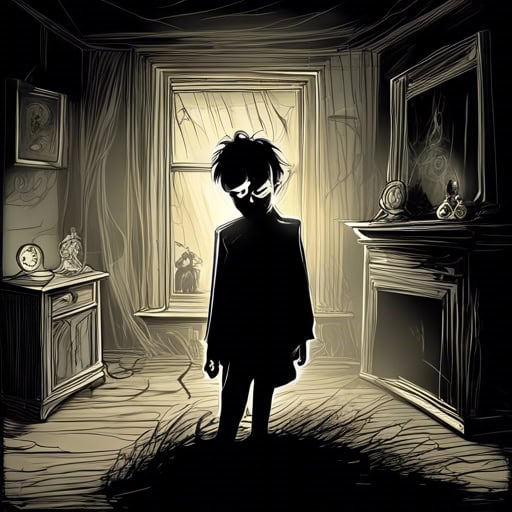
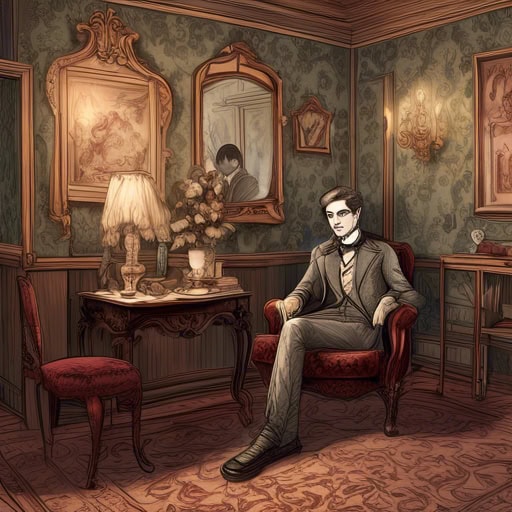

Dorian Gray

Lord Henry Wotton

Basil Hallward

Sibyl Vane

James Vane
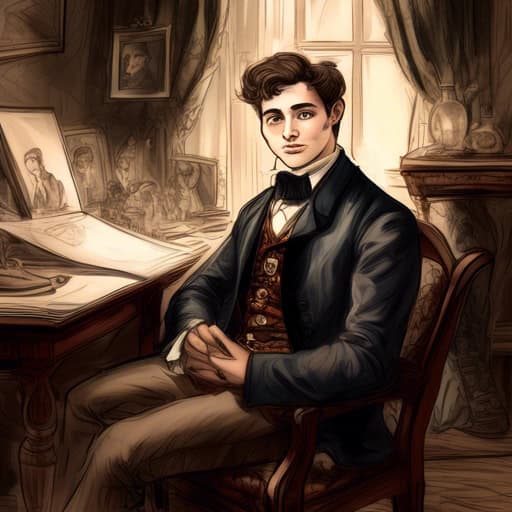
The Picture of Dorian Gray: A Captivating Summary
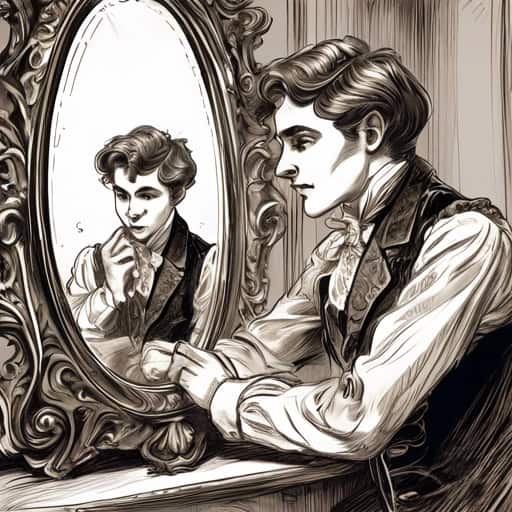
Dorians Wish Comes True
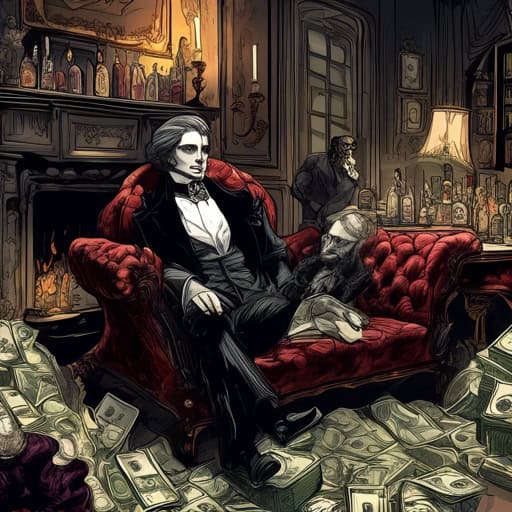
The Corruption of Dorian
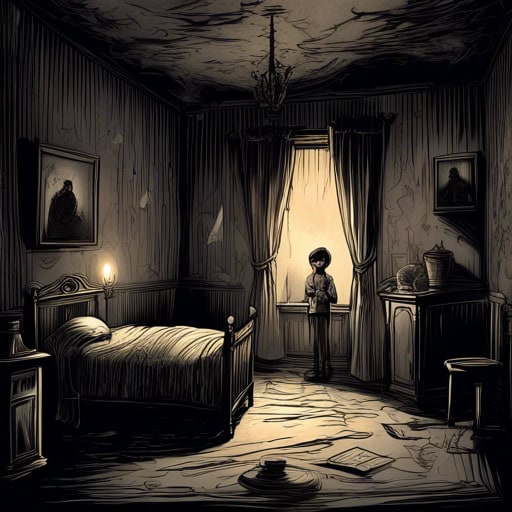
The Tragic Consequences
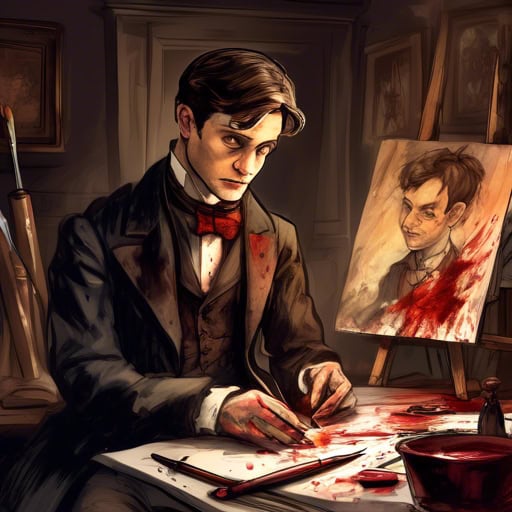
The Death of Basil Hallward
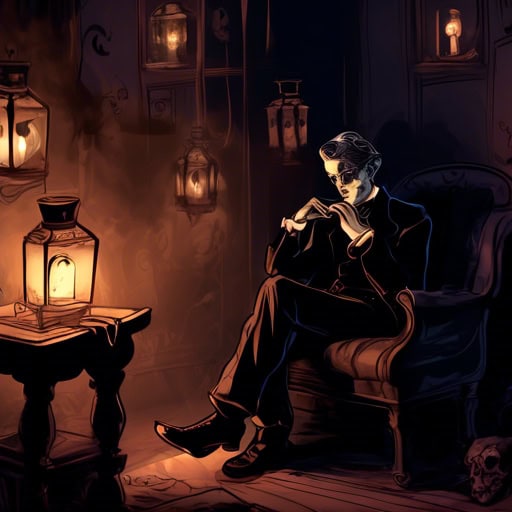
Dorians Downward Spiral
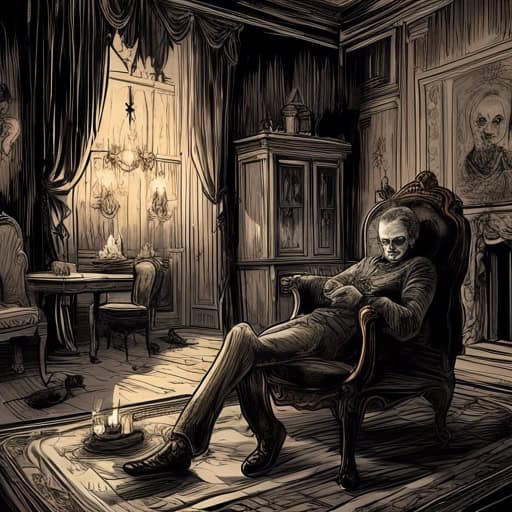
The Climactic Ending
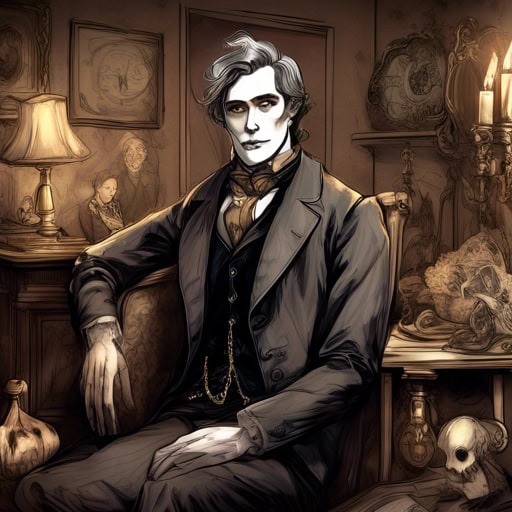
The Legacy of Dorian Gray
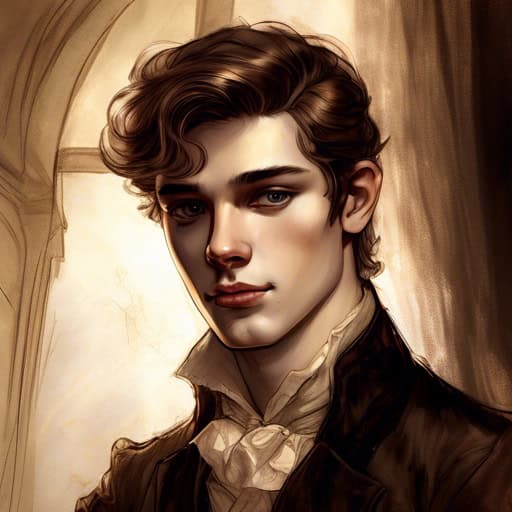
Lesson Details & Resources
In a Nutshell
- What: The Picture of Dorian Gray by Oscar Wilde
- When: Written in the Victorian era
- Who: Dorian Gray, Lord Henry Wotton, Basil Hallward
- Theme: The corrupting influence of vanity and the pursuit of beauty
List of Characters in The Picture of Dorian Gray
-
Dorian Gray
Dorian Gray is a young and handsome man who becomes obsessed with maintaining his youthful appearance.
-
Lord Henry Wotton
Lord Henry Wotton is a witty and influential aristocrat who influences Dorian to pursue a hedonistic lifestyle.
-
Basil Hallward
Basil Hallward is a talented artist who paints the portrait of Dorian Gray.
-
Sybil Vane
Sybil Vane is a beautiful actress who falls in love with Dorian Gray.
-
James Vane
James Vane is Sybil's protective brother who seeks revenge on Dorian for breaking his sister's heart.
Timeline of The Picture of Dorian Gray
Dorian Gray sits for a portrait painted by artist Basil Hallward.
Dorian meets Lord Henry Wotton, who influences him with his hedonistic and philosophical views.
Dorian becomes infatuated with an actress named Sibyl Vane and decides to marry her.
After Sibyl's poor performance on stage, Dorian cruelly breaks off their engagement, leading to her tragic death.
Dorian notices a change in his portrait; it begins to reflect the effects of his immoral actions while he remains physically young and untouched.
Dorian hides the portrait in his attic and continues to indulge in a life of debauchery and sin.
Dorian's reputation in society grows darker, and rumors circulate about his immoral behavior.
Basil confronts Dorian about the rumors and the changes in his character, but Dorian refuses to admit the truth.
Dorian invites Basil to see the portrait, and in a fit of rage and fear, he stabs Basil to death.
Dorian blackmails an old friend, Alan Campbell, into disposing of Basil's body.
Dorian's portrait shows the marks of the murder, but he decides to hide it away and live a life of pleasure and excess.
Dorian becomes obsessed with his own beauty and the portrait's decay, leading him to desperately try to hide the painting.
Dorian tries to reform his life and seeks redemption but ultimately fails, succumbing to his sinful nature.
Dorian confronts the portrait, stabbing it in a final act of defiance and destroying himself in the process.
When Dorian's body is discovered, it is found aged and withered, while the portrait has returned to its original state, showing a young and innocent Dorian.
Vocabulary List
- Hedonism
- Lord Henry promotes a philosophy of hedonism to Dorian, encouraging him to pursue pleasure above all else.
- Aestheticism
- Dorian becomes obsessed with aestheticism, valuing beauty and art above all other considerations.
- Corruption
- Dorian's soul becomes corrupted as he indulges in a life of debauchery and sin.
- Vanity
- Dorian's vanity leads him to obsess over his own appearance and youth.
- Morality
- The novel explores the themes of morality and the consequences of living a life devoid of ethical considerations.
- Decadence
- The society portrayed in the novel is one of decadence and excess, where moral values are disregarded in favor of pleasure.
- Temptation
- Dorian faces numerous temptations throughout the novel, ultimately leading to his downfall.
- Duplicity
- Dorian engages in acts of duplicity, presenting a facade of innocence while indulging in immoral behavior.
- Consequences
- Dorian must face the consequences of his actions as his life spirals out of control.
- Society
- The society in which Dorian Gray lives is characterized by superficiality and a preoccupation with appearances.
Key Facts
This is the information used in the fact matching game
- - Dorian Gray is a young and attractive man living in 19th century London.
- - The novel explores themes of beauty, corruption, and the pursuit of pleasure.
- - Dorian's portrait, painted by artist Basil Hallward, captures his youthful beauty and innocence.
- - Dorian wishes for his portrait to age instead of him, allowing him to maintain his youthful appearance.
- - As Dorian indulges in a life of hedonism and sin, his portrait begins to reflect his moral decay.
- - Dorian becomes obsessed with his own beauty and seeks to experience every pleasure available to him.
- - Lord Henry Wotton, a friend of Basil's, influences Dorian with his hedonistic worldview.
- - Dorian's actions become increasingly immoral and cruel, causing harm to those around him.
- - The portrait serves as a visual representation of Dorian's hidden sins and guilt.
- - Dorian's pursuit of pleasure leads him to engage in various vices, including opium dens and brothels.
- - Dorian's conscience is silenced by his desire for eternal youth and pleasure.
- - The novel explores the destructive power of vanity and the consequences of living a life devoid of morality.
- - Dorian's portrait becomes increasingly grotesque and distorted as his soul becomes more corrupted.
- - Dorian's relationships with Basil and Lord Henry are strained as his true nature is revealed.
- - Dorian's portrait ultimately reflects the ugliness and decay of his soul, while he remains outwardly youthful.
- - Dorian's crimes and sins catch up with him, leading to his ultimate downfall.
- - The novel raises questions about the nature of art, the duality of human nature, and the consequences of one's actions.
- - The Picture of Dorian Gray was initially met with controversy due to its themes of immorality and homosexuality.
- - Oscar Wilde, the author, was accused of promoting immorality and was put on trial for "gross indecency" shortly after the novel's publication.
- - The novel serves as a cautionary tale about the dangers of unchecked desires and the importance of moral integrity.
Analysis & Significance
Impact on Literature
Oscar Wilde’s ‘The Picture of Dorian Gray’ revolutionized the way authors explore the duality of human nature and the consequences of vanity. Its exploration of the corrupting influence of beauty and the pursuit of eternal youth inspired countless works of literature that continue to examine these themes today.
Enduring Themes
The timeless themes of vanity, decadence, and the price of eternal youth explored in ‘The Picture of Dorian Gray’ still resonate with modern audiences. Wilde’s sharp critique of society’s obsession with appearances and the consequences of living a superficial life continue to be relevant in today’s world.
Cultural Significance Today
‘The Picture of Dorian Gray’ remains a cultural touchstone, with numerous adaptations in film, television, and theater keeping Wilde’s work alive in the public consciousness. Its exploration of beauty, morality, and the human soul continues to captivate audiences and spark conversations about the nature of art and the pursuit of perfection.
The Picture of Dorian Gray Games


Take Your Learning Offline
Want a convenient, print-ready study guide for this lesson? Become a Memory Wizards Pro member to unlock the downloadable " Memory Scrolls" for this topic and our entire library!
- ✓ Complete Vocabulary Lists
- ✓ Key Facts & Timelines
- ✓ Beautifully Formatted for Print & Mobile