
How Do You Learn Best?
Learn by Reading
Immerse yourself in the 10-minute visual lesson for a comprehensive understanding of the topic.
Learn by Reviewing
Jump directly to the key facts, timeline, and vocabulary lists to build a solid foundation of details.
Learn by Doing
Challenge yourself! Jump straight into the interactive games to learn by trial, error, and discovery.
The Ballad of Reading Gaol in 10 Minutes
Introduction


The Convict

The Executioner

The Warden

The Chaplain
The Arrest

Life in Prison
The Execution
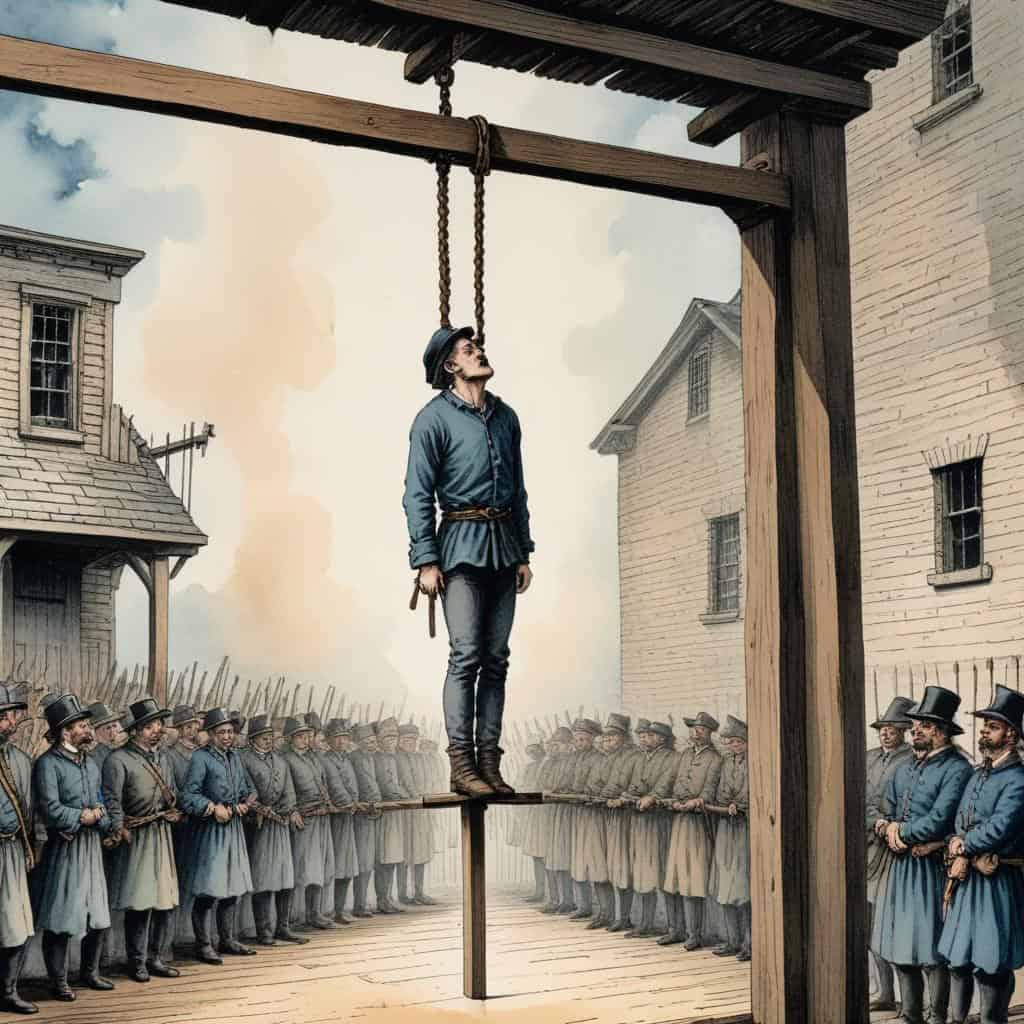
The Gallows

The Empty Cell
The Ballad

The Prisoners

The Guards
The Aftermath
The Legacy
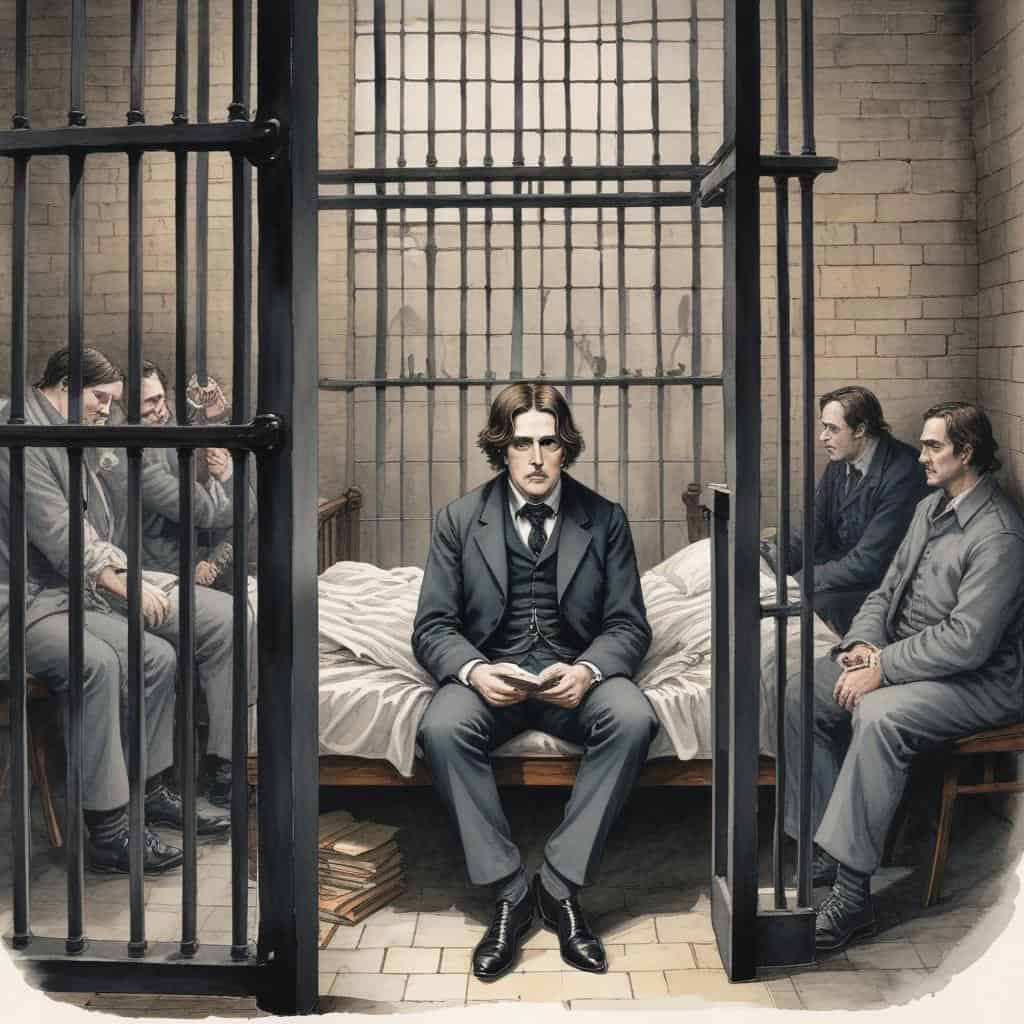
Lesson Details & Resources
In a Nutshell
- What: The Ballad of Reading Gaol by Oscar Wilde
- When: Written in the late 19th century
- Who: Main character: Oscar Wilde
- Theme: The harsh realities of prison life and the nature of punishment
List of Characters in The Ballad of Reading Gaol
-
Oscar Wilde
Oscar Wilde was a famous Irish poet and playwright who was imprisoned in Reading Gaol for two years.
-
Charles Thomas Wooldridge
Charles Thomas Wooldridge was a trooper in the Royal Horse Guards who was executed for murdering his wife.
-
Alfred Taylor
Alfred Taylor was a friend of Charles Thomas Wooldridge who was also involved in the murder.
-
The Prison Governor
The Prison Governor was in charge of Reading Gaol and had to oversee the prisoners, including Oscar Wilde.
-
The Chaplain
The Chaplain provided spiritual guidance to the prisoners, including Oscar Wilde.
-
The Doctor
The Doctor was responsible for the health and well-being of the prisoners in Reading Gaol.
Timeline of The Ballad of Reading Gaol
A man is sentenced to death for murdering his wife.
The man is transferred to Reading Gaol.
The man reflects on his crime and the consequences of his actions.
The man witnesses the harsh conditions and brutal treatment of prisoners in the gaol.
The man becomes aware of the despair and suffering of his fellow inmates.
The man witnesses the execution of a fellow prisoner.
The man feels guilt and remorse for his crime and the lives he has affected.
The man is haunted by the image of the executed prisoner.
The man reflects on the futility and inevitability of death.
The man finds solace in his faith and seeks forgiveness for his sins.
The man contemplates the role of society in creating criminals.
The man expresses his empathy for all prisoners and their shared humanity.
The man reflects on the concept of forgiveness and redemption.
The man comes to terms with his impending execution.
The man's execution is carried out.
Vocabulary List
- Gaol
- The Ballad of Reading Gaol is a poem written by Oscar Wilde during his time spent in Reading Gaol.
- Condemned
- The poem tells the story of a man who has been condemned to death and is awaiting his execution in Reading Gaol.
- Gallows
- The gallows is a symbol of death and punishment that is mentioned in The Ballad of Reading Gaol.
- Inmate
- The poem describes the life of the inmates in Reading Gaol, including their suffering and despair.
- Sorrow
- The poem conveys a sense of sorrow and regret for the prisoners who are facing their fate in Reading Gaol.
Key Facts
This is the information used in the fact matching game
- - The Ballad of Reading Gaol was written by Oscar Wilde in 1897.
- - The poem was inspired by Wilde's own experience of imprisonment in Reading Gaol.
- - Wilde was sentenced to two years of hard labor for "gross indecency" due to his homosexual relationships.
- - The poem was originally published under the pseudonym C.3.3, which was Wilde's prison number.
- - The Ballad of Reading Gaol is divided into six parts, each with a different theme.
- - The poem explores themes of punishment, guilt, and the inhumanity of the prison system.
- - It is written in ballad form, with rhyme and rhythm resembling traditional folk songs.
- - The poem begins with the execution of a fellow inmate, Charles Thomas Wooldridge.
- - Wooldridge was hanged for the murder of his wife, which serves as a catalyst for the poem's themes.
- - Wilde reflects on the dehumanizing effects of the prison system and the suffering of the inmates.
- - The poem also delves into the psychological impact of imprisonment on both the inmates and the prison staff.
- - It criticizes society's judgment and treatment of those who have been incarcerated.
- - The Ballad of Reading Gaol was Wilde's last published work before his death in 1900.
- - It was initially met with mixed reviews, but has since been recognized as a powerful work of social commentary.
- - The poem has been adapted into various forms, including operas, plays, and musical compositions.
- - It continues to be studied and analyzed for its exploration of human suffering and the flaws of the justice system.
- - The Ballad of Reading Gaol uses vivid imagery to depict the harsh reality of prison life.
- - It includes poetic descriptions of the prison walls, the prisoners' daily routines, and their inner turmoil.
- - The poem also incorporates religious symbolism and references, highlighting the themes of redemption and forgiveness.
- - Wilde's personal experience and emotions are evident throughout the poem, making it a deeply personal and introspective work.
Analysis & Significance
Impact on Literature
‘The Ballad of Reading Gaol’ by Oscar Wilde is a powerful and poignant work that has greatly influenced the genre of prison literature. Wilde’s exploration of the harsh realities of prison life and the themes of suffering, punishment, and redemption have set a standard for future works in this genre, inspiring countless authors to delve into the human experience behind bars.
Enduring Themes
The timeless themes of injustice, societal hypocrisy, and the human capacity for compassion and forgiveness explored in ‘The Ballad of Reading Gaol’ continue to resonate with modern audiences. Wilde’s examination of the complexities of morality and the consequences of societal judgment remain relevant today, making this work a timeless piece of literature that continues to provoke thought and discussion.
Cultural Significance Today
Oscar Wilde’s ‘The Ballad of Reading Gaol’ remains a significant work in literature and continues to be studied and celebrated for its lyrical beauty and profound insights into the human condition. The poem’s legacy has been further solidified through various adaptations, including stage productions and musical compositions, ensuring that its impact on culture and the arts endures to this day.
The Ballad of Reading Gaol Games


Take Your Learning Offline
Want a convenient, print-ready study guide for this lesson? Become a Memory Wizards Pro member to unlock the downloadable " Memory Scrolls" for this topic and our entire library!
- ✓ Complete Vocabulary Lists
- ✓ Key Facts & Timelines
- ✓ Beautifully Formatted for Print & Mobile