Existence And Essence

Are we defined by what we are or what we do?

How Do You Learn Best?

Note: You can explore any or all of these paths in any order you prefer!

Existence And Essence in 10 Minutes

Introduction
Introduction

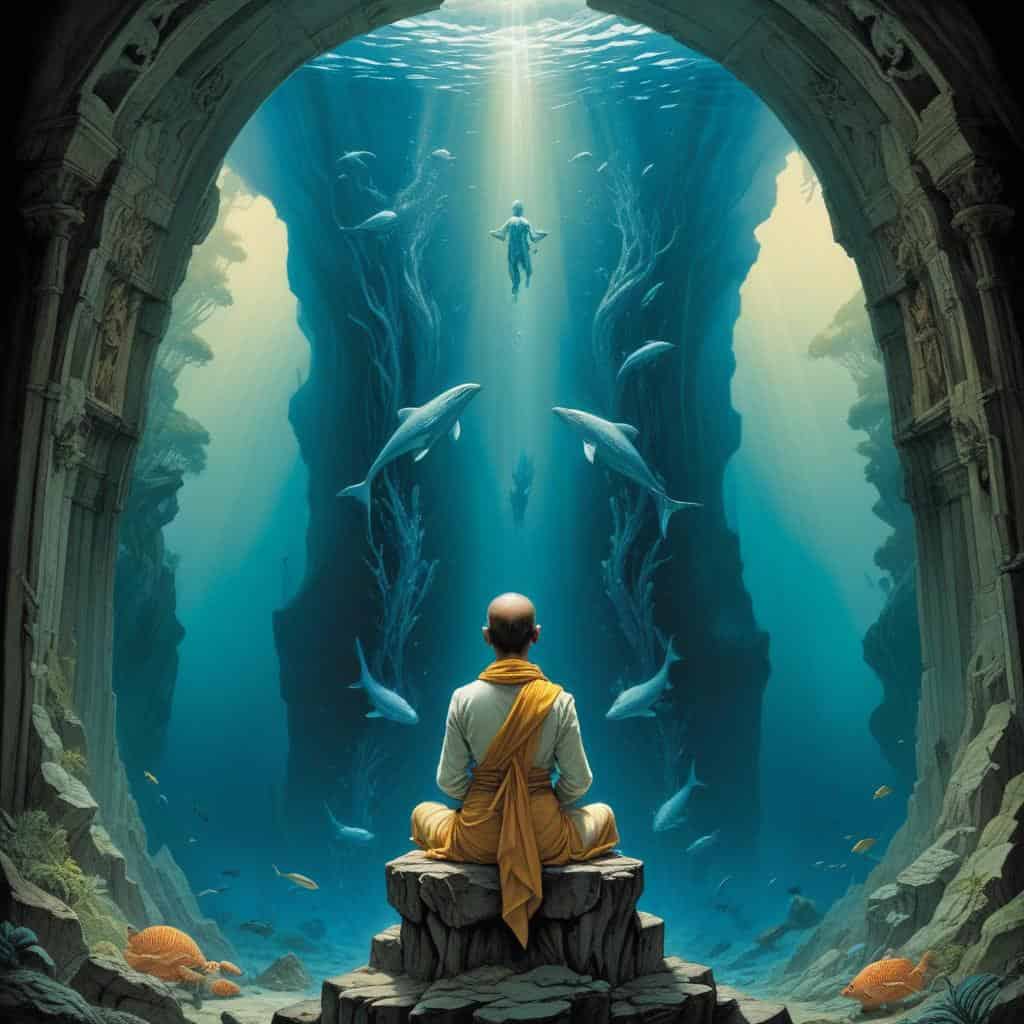
Have you ever wondered about the fundamental nature of existence and essence? In the realm of philosophy, these concepts are central to understanding the world around us. In this article, we will delve into the complex relationship between existence and essence, exploring how philosophers throughout history have grappled with these profound questions.

From Aristotle to Descartes to Sartre, thinkers have debated the nature of reality and what it means to exist. By examining their various perspectives, we can gain a deeper insight into the essence of being and the essence of things. Through this exploration, we hope to shed light on the timeless philosophical inquiry into the very nature of existence itself.

Join us on a journey through the annals of philosophical thought as we unravel the essence of existence. By contemplating the intricate interplay between existence and essence, we can better appreciate the complexity of the world we inhabit. Through this philosophical summary, we aim to provoke thought and inspire further exploration into the profound mysteries of existence and essence.

1. Plato

1. Plato

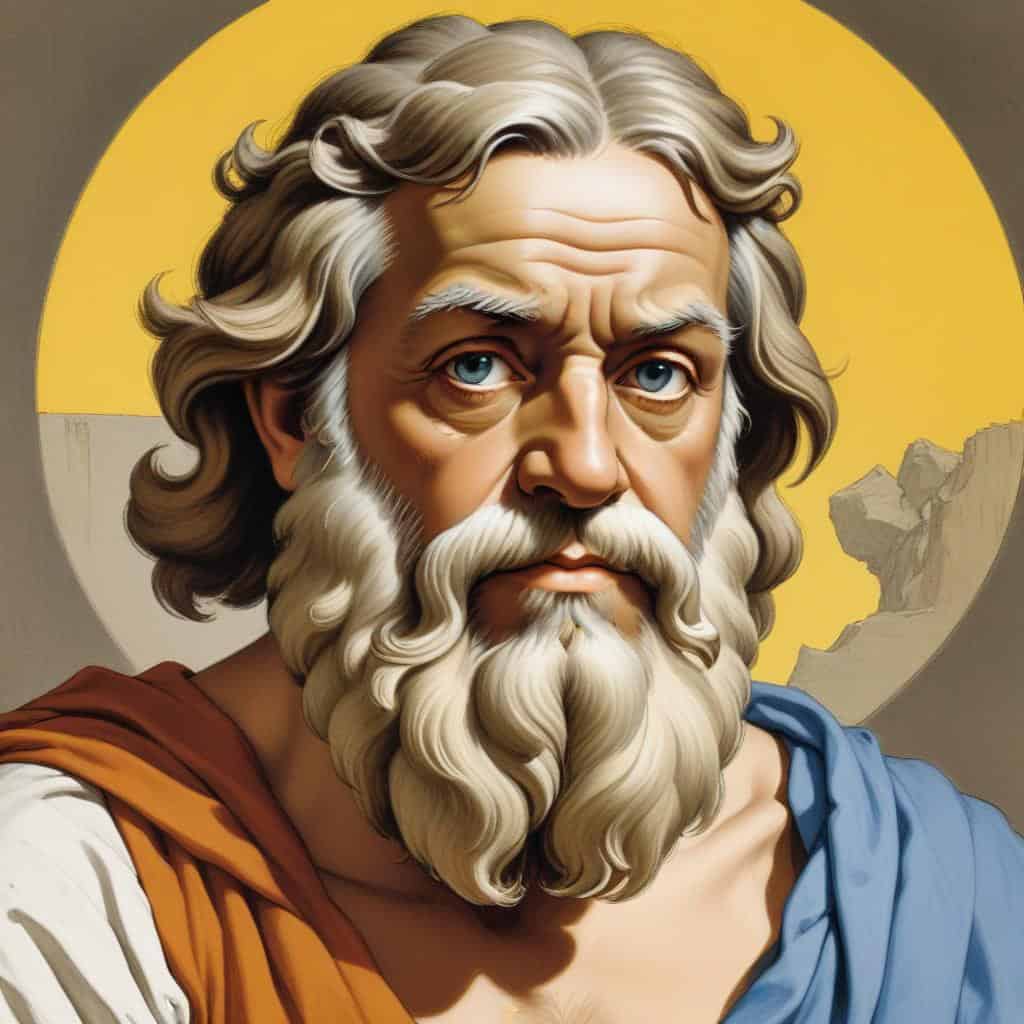
Plato, a prominent Greek philosopher, delved into the concept of existence and essence in his works. He believed that the essence of things existed in a separate realm of forms, which shaped the physical world we perceive.

2. Aristotle

2. Aristotle

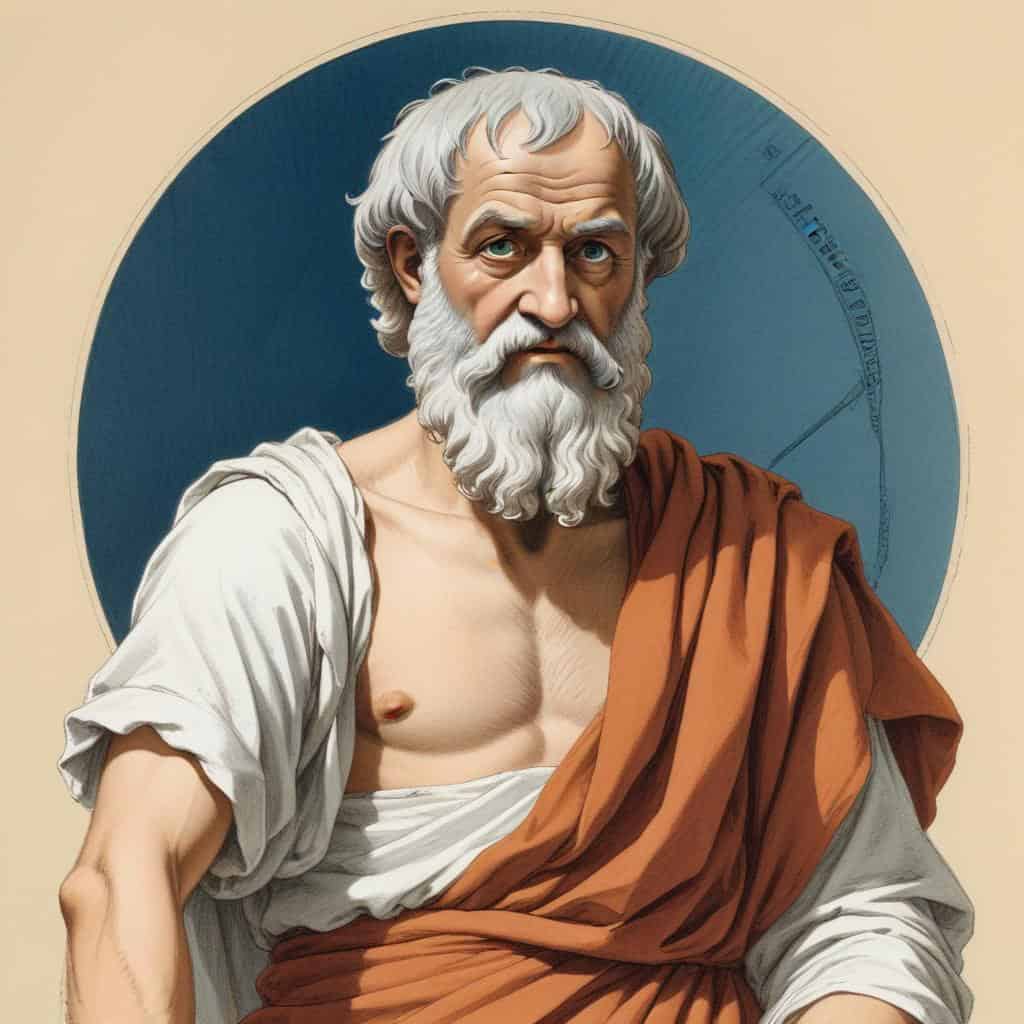
Aristotle, a student of Plato, explored the relationship between existence and essence in his philosophy. He posited that essence is inherent in individual objects and is not separate from their existence.

3. Immanuel Kant

3. Immanuel Kant

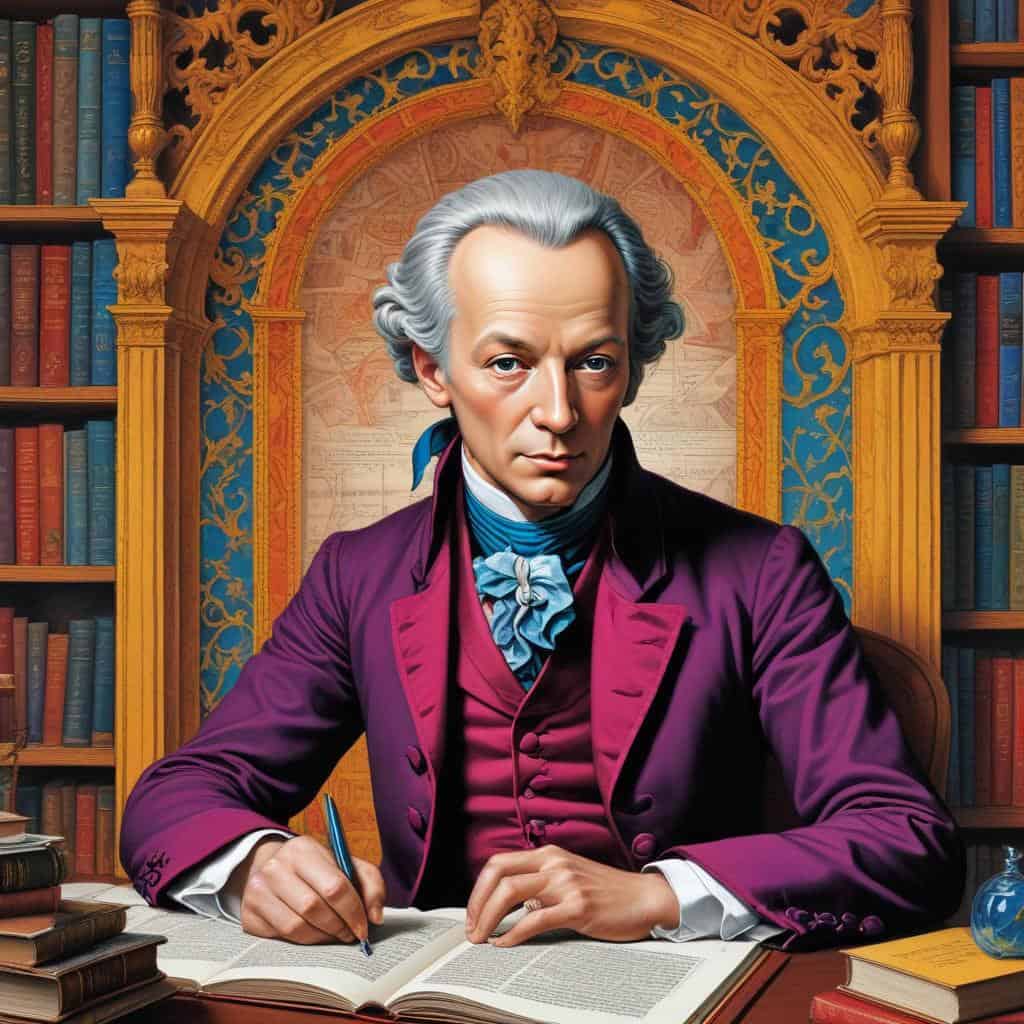
Kant, a German philosopher, introduced the idea of transcendental idealism, which questions the nature of existence and essence. He argued that our perception of reality is shaped by our mental faculties and cannot be separated from them.

4. Jean-Paul Sartre

4. Jean-Paul Sartre

Sartre, a French existentialist philosopher, emphasized the concept of existence preceding essence. He believed that individuals create their own essence through their actions and choices, rather than being defined by predetermined qualities.

5. Martin Heidegger

5. Martin Heidegger

Heidegger, a German philosopher, explored the relationship between existence and essence in his concept of Dasein. He argued that human existence is characterized by its unique ability to question and reflect on its own essence.

1. The Concept of Existence

1. The Concept of Existence

Existence refers to the state of being, the fact of being real or being present in the world. It is the foundation of all things that exist in the universe.

2. Understanding Essence

2. Understanding Essence

Essence, on the other hand, is the fundamental nature of a thing, the qualities or attributes that make something what it is. It is the intrinsic nature or indispensable quality of something.

3. Relationship Between Existence and Essence

3. Relationship Between Existence and Essence

In philosophy, the relationship between existence and essence has been a topic of much debate. Some philosophers argue that existence precedes essence, meaning that a thing exists first and then its essence is defined by its existence.

4. Existentialism and Essence

4. Existentialism and Essence
Existentialist philosophers, such as Jean-Paul Sartre, believe that existence precedes essence. They argue that individuals are responsible for creating their own essence through their choices and actions.

5. Essence Before Existence

5. Essence Before Existence

On the other hand, some philosophers, like Aristotle, believe that essence precedes existence. They argue that a thing's essence defines what it is and its existence is a result of that essence.

6. The Essence of Being Human

6. The Essence of Being Human

One of the central questions in philosophy is the essence of being human. What qualities define humanity? Is it our ability to reason, our capacity for emotions, or something else entirely?

7. The Search for Meaning

7. The Search for Meaning

Many philosophers explore the concept of existence and essence in their search for meaning and purpose in life. They question what it means to exist and how we can find meaning in our existence.

8. Existence in the Modern World

8. Existence in the Modern World

In today's modern world, the concept of existence and essence continues to be relevant. As we navigate our way through life, we are constantly questioning our existence and searching for our true essence.

9. Philosophical Reflections

9. Philosophical Reflections

Philosophers continue to ponder the relationship between existence and essence, delving deeper into the fundamental questions of human existence. Through their reflections, we gain a deeper understanding of ourselves and our place in the world.

Understanding the concepts of existence and essence is crucial in the field of philosophy. By exploring the relationship between the two, we gain insight into the nature of reality and the essence of things. As we delve deeper into these philosophical ideas, we are able to contemplate the very essence of our own existence.

In conclusion, the study of existence and essence in philosophy provides a foundation for exploring the fundamental questions of life. By pondering the essence of things and contemplating our own existence, we are able to gain a deeper understanding of the world around us and our place within it.

1 / 19

Lesson Details & Resources

In a Nutshell

  • Concept: The relationship between existence and essence in metaphysics.
  • Thinkers: Aristotle, Thomas Aquinas, and Jean-Paul Sartre, Ancient to Modern times.
  • Central Question: What is the nature of being and what defines the essence of a thing?
  • Core Implication: Existence precedes essence, meaning that individuals define themselves through their choices and actions.

Timeline of Existence And Essence

No timeline events found.

Vocabulary List

No vocabulary terms found.

Key Facts

This is the information used in the fact matching game

    No key facts found.

Analysis & Significance

The Core Argument

Existence and essence are fundamental philosophical concepts that explore the relationship between what something is and the fact that it exists. The core argument revolves around the idea that existence is essential to essence, and that the essence of something is what defines its existence.

Criticisms and Counterarguments

One major criticism of the concept of existence and essence is the challenge of defining what constitutes essence and how it relates to existence. Some philosophers argue that essence is not necessary for existence, leading to debates about the nature of being and identity. Additionally, questions arise about whether essence can exist independently of existence.

Modern Relevance

The philosophical concept of existence and essence continues to be relevant in modern society, especially in discussions about personal identity, ethical dilemmas, and the nature of reality. Understanding the relationship between existence and essence can help individuals navigate complex moral issues and make decisions based on their core values and beliefs. In a world where identity and authenticity are often questioned, exploring the philosophical implications of existence and essence can provide valuable insights into the nature of being and existence.

Existence And Essence Games

Was This Lesson Helpful?

Please log in or sign up to rate this lesson. 

Take Your Learning Offline

Want a convenient, print-ready study guide for this lesson? Become a Memory Wizards Pro member to unlock the downloadable " Memory Scrolls" for this topic and our entire library!

  • ✓ Complete Vocabulary Lists
  • ✓ Key Facts & Timelines
  • ✓ Beautifully Formatted for Print & Mobile
Upgrade to Pro

You must be logged in to provide feedback. Please log in or create a free account.

Scroll to Top