
How Do You Learn Best?
Learn by Reading
Immerse yourself in the 10-minute visual lesson for a comprehensive understanding of the topic.
Learn by Reviewing
Jump directly to the key facts, timeline, and vocabulary lists to build a solid foundation of details.
Learn by Doing
Challenge yourself! Jump straight into the interactive games to learn by trial, error, and discovery.
The Masterpiece: The Agony In The Garden Hans Holbein The Younger
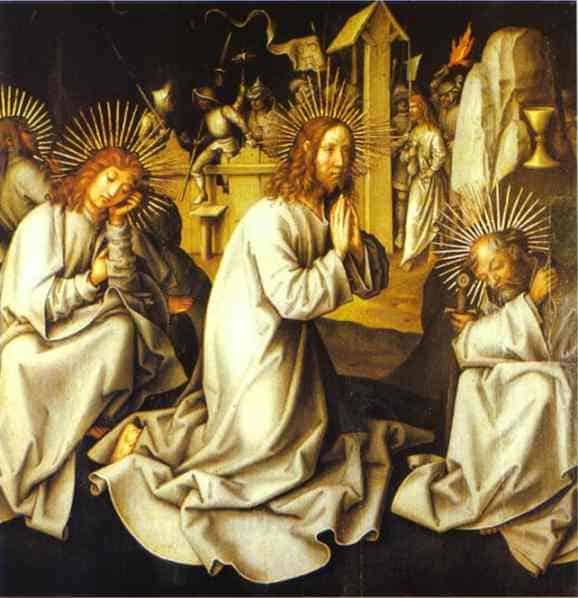
Deconstructing the Masterpiece
Emotional Intensity
The figures' expressive faces and body language convey deep emotional turmoil and spiritual anguish.
Foreshortening
The use of foreshortening creates a sense of depth and dramatic perspective, drawing the viewer into the scene.
Symbolic Elements
The inclusion of symbolic objects, such as the cup and cross, adds layers of meaning and references to biblical narrative.
Oil Paint and Luminous Detail: An Analysis in 10 Minutes
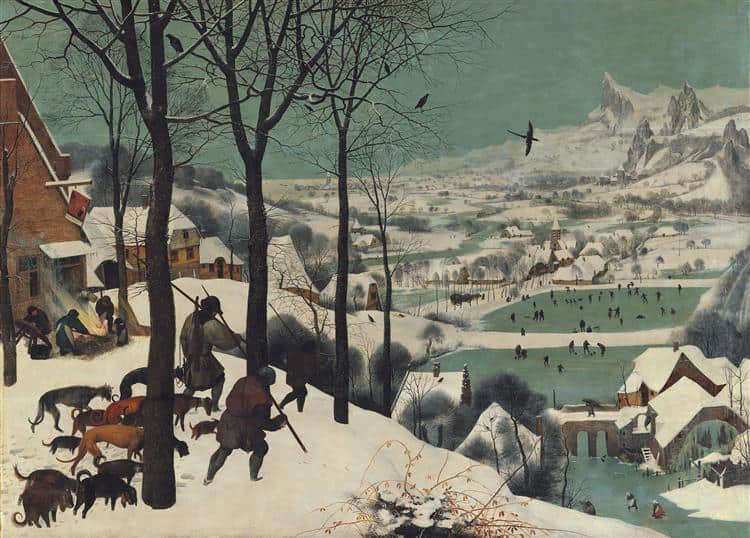
1. The Emergence of Oil Paint in the Northern Renaissance
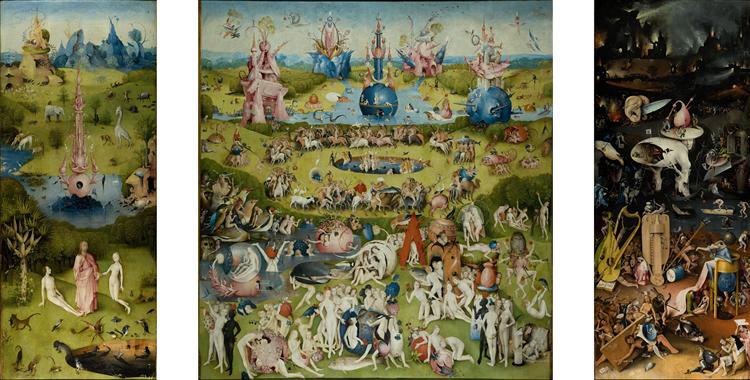
2. The Importance of Luminous Detail in Northern Renaissance Art
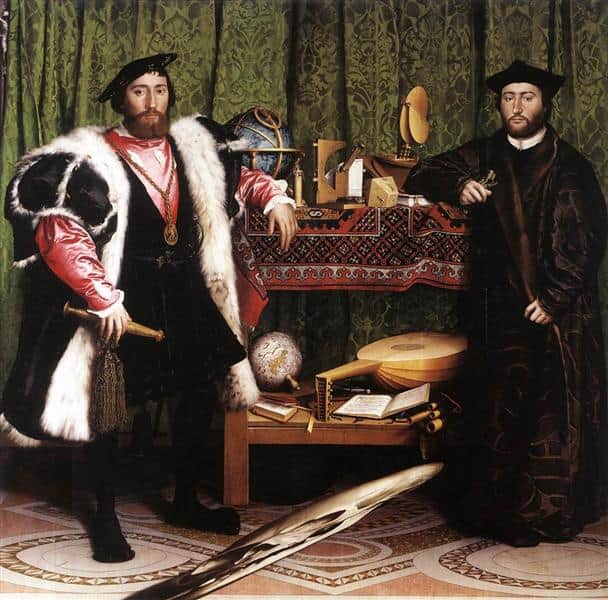
3. Techniques for Achieving Luminous Detail in Oil Paint
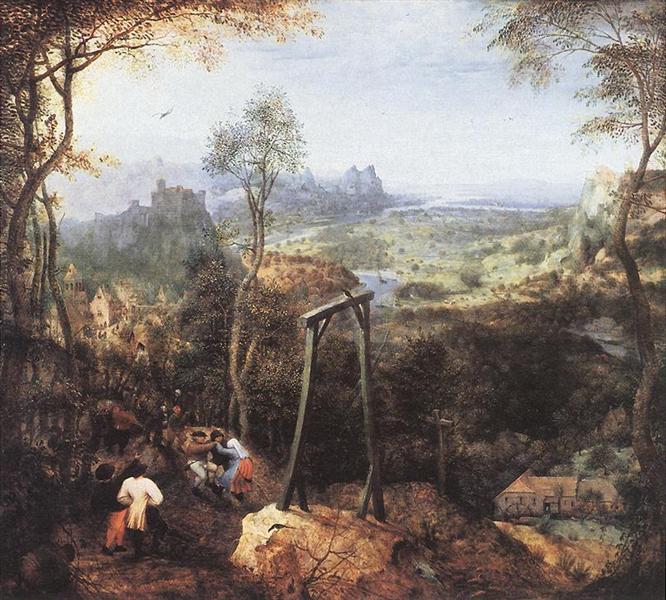
4. The Role of Light and Shadow in Luminous Detail
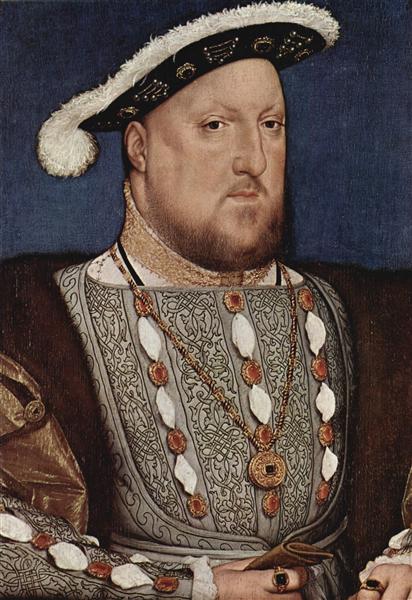
5. Portraiture and Luminous Detail in Northern Renaissance Art
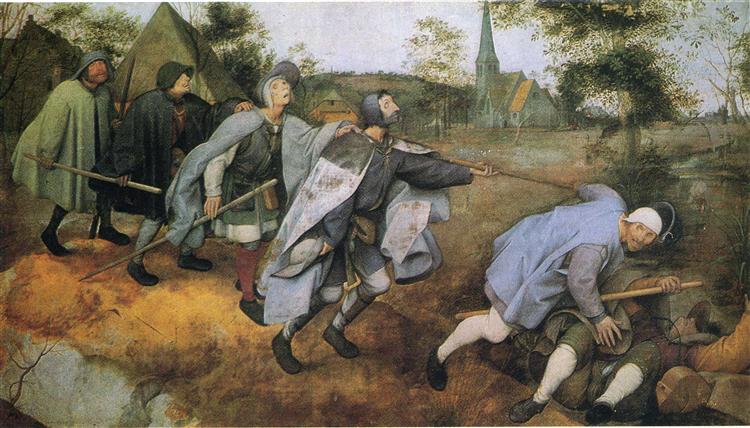
6. Landscape Painting and Luminous Detail in the Northern Renaissance
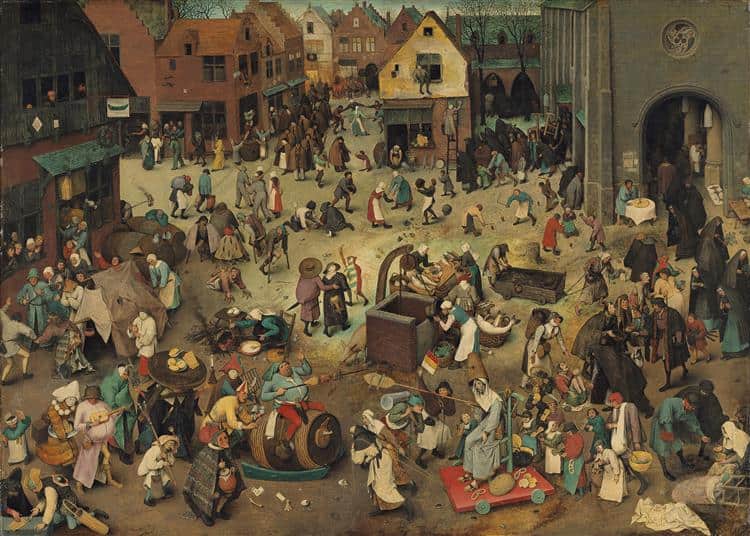
7. Still Life Painting and Luminous Detail in Northern Renaissance Art
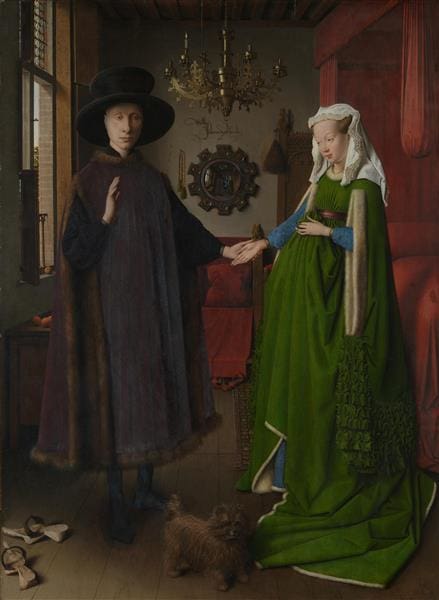
8. Symbolism and Luminous Detail in Northern Renaissance Art
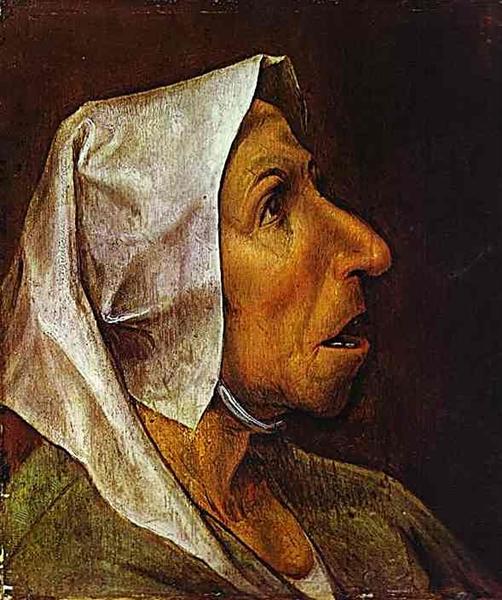
9. The Legacy of Luminous Detail in Northern Renaissance Art
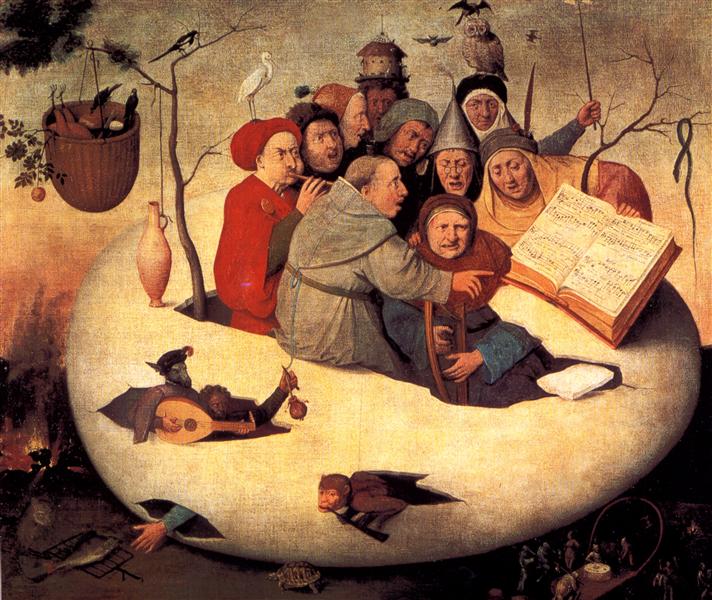
10. Mastering Luminous Detail in Oil Paint: A Continuing Tradition
Lesson Details & Resources
In a Nutshell
- Artists: Jan van Eyck, Albrecht Dürer, Hieronymus Bosch
- Techniques: glazing, impasto, scumbling
- Materials: linseed oil, pigments (lead white, vermillion, ultramarine)
- Subjects: religious scenes, portraits, landscapes
- Symbols: use of light and shadow to create depth and realism
Vocabulary List
Timeline of Oil Paint and Luminous Detail: An Analysis
Oil paint first used in Europe
Jan van Eyck perfects oil painting technique
Oil paint becomes popular in Northern Renaissance art
Albrecht Dürer uses oil paint in his works
Hans Holbein the Younger creates detailed oil paintings
Vermeer uses oil paint to create luminous effects in his paintings
Rembrandt uses oil paint to create dramatic lighting effects
Oil paint widely used by Baroque artists for detailed and luminous works
Impressionist artists experiment with luminous effects in oil paint
Vincent van Gogh creates luminous and expressive oil paintings
Claude Monet paints luminous landscapes with oil paint
Oil paint continues to be popular medium for detailed and luminous works in modern art
Contemporary artists use oil paint to create highly detailed and luminous artworks
Key Facts
Analysis & Significance
Artistic Innovation
The artwork ‘Oil Paint and Luminous Detail’ introduced a groundbreaking use of oil paint to create luminous, highly detailed scenes. The artist’s meticulous brushwork and mastery of light and shadow brought a new level of realism and depth to their compositions, setting a new standard for the representation of textures and colors in painting.
Influence on Art History
This work revolutionized the way artists approached the use of oil paint, inspiring a generation of painters to experiment with techniques that emphasized luminosity and intricate detail. It contributed to the development of the genre of still life painting and influenced later artists such as Vermeer and Rembrandt in their exploration of light and texture.
Cultural Significance Today
‘Oil Paint and Luminous Detail’ continues to be celebrated as a masterpiece of technique and craftsmanship. Its ability to capture the play of light on various surfaces and objects resonates with viewers today, making it a timeless example of the power of art to evoke emotion and fascination. The artwork’s enduring popularity highlights its status as a symbol of artistic excellence and innovation.
Oil Paint and Luminous Detail: An Analysis Games


Take Your Learning Offline
Want a convenient, print-ready study guide for this lesson? Become a Memory Wizards Pro member to unlock the downloadable " Memory Scrolls" for this topic and our entire library!
- ✓ Complete Vocabulary Lists
- ✓ Key Facts & Timelines
- ✓ Beautifully Formatted for Print & Mobile