
How Do You Learn Best?
Learn by Reading
Immerse yourself in the 10-minute visual lesson for a comprehensive understanding of the topic.
Learn by Reviewing
Jump directly to the key facts, timeline, and vocabulary lists to build a solid foundation of details.
Learn by Doing
Challenge yourself! Jump straight into the interactive games to learn by trial, error, and discovery.
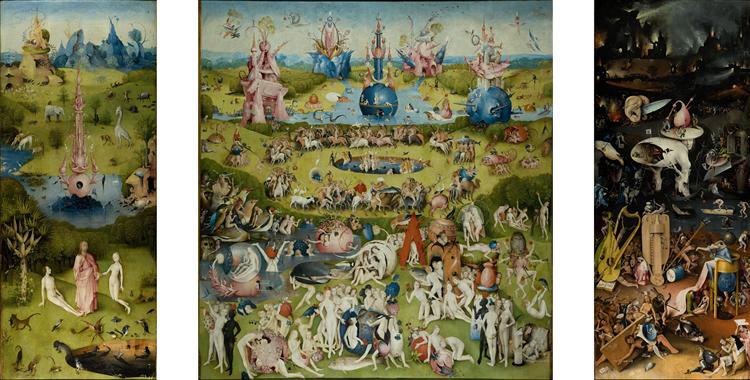
The Masterpiece: The Garden Of Earthly Delights Full Hieronymus Bosch
Deconstructing the Masterpiece
Triptych Structure
The three-panel layout allows for a narrative progression from innocence to sin to punishment.
Surreal Imagery
Fantastic creatures and dream-like landscapes blur the line between reality and fantasy, inviting interpretation and contemplation.
Symbolic Iconography
Each element in the composition holds symbolic meaning, encouraging viewers to decipher hidden messages and allegories.
Hieronymus Bosch: An Analysis in 10 Minutes
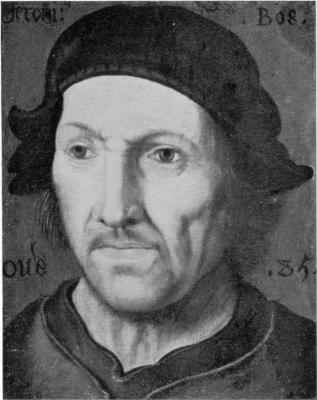
The Early Life of Hieronymus Bosch
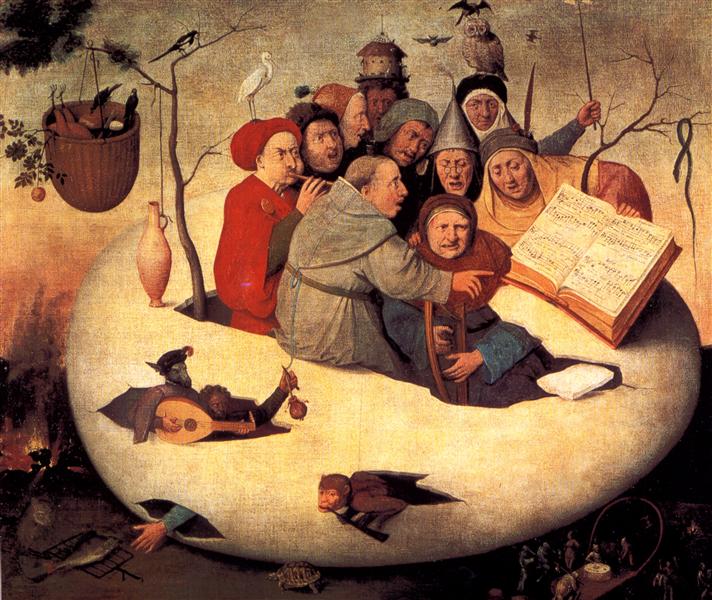
Boschs Unique Style
The Garden of Earthly Delights
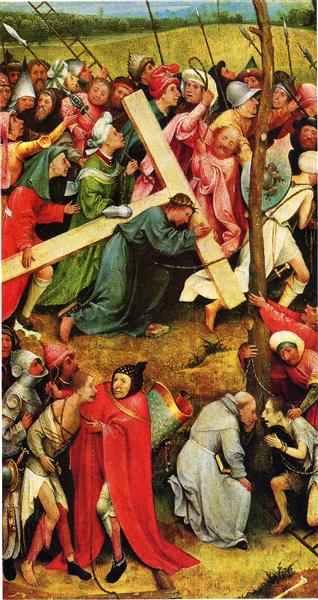
Boschs Religious Works
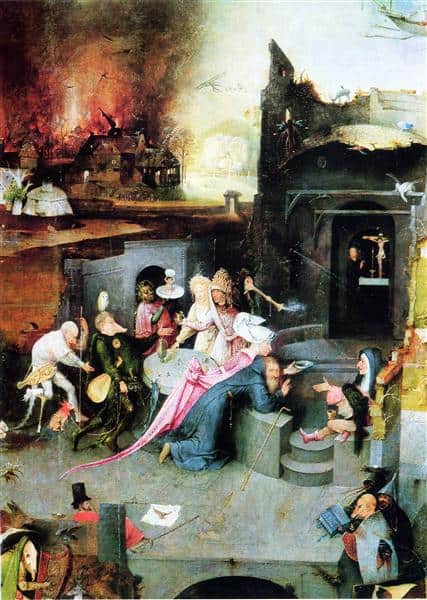
Legacy and Influence
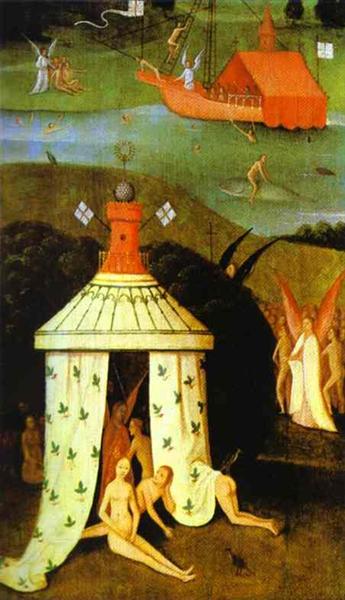
The Mystery of Boschs Work
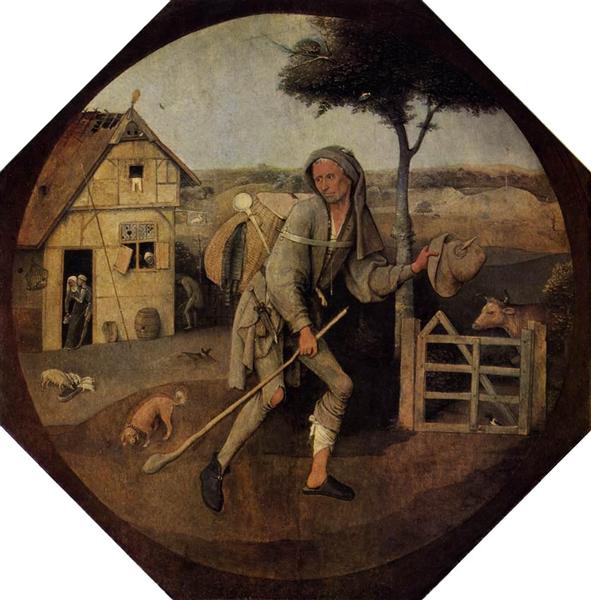
Boschs Influence on Surrealism
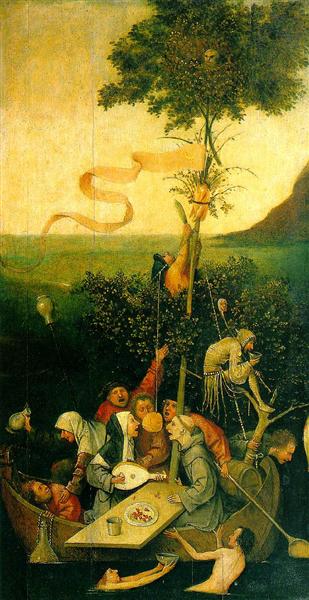
Boschs Technical Skill
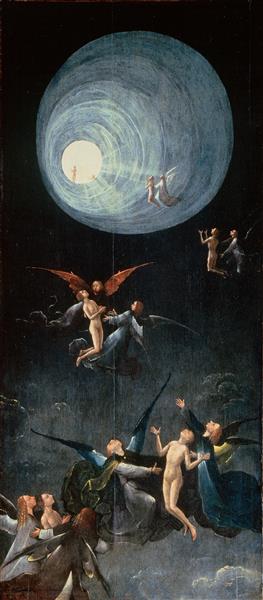
The Enduring Appeal of Boschs Work
Lesson Details & Resources
In a Nutshell
- Artist: Hieronymus Bosch
- Year: 1510
- Medium: Oil on wood
- Location: Museo del Prado, Madrid
Vocabulary List
- Surreal
- Bosch's artwork is known for its surreal and fantastical imagery.
- Grotesque
- The grotesque figures in Bosch's paintings reflect his unique artistic style.
- Nightmarish
- The nightmarish scenes depicted in Bosch's works have captivated art historians for centuries.
- Demonic
- Bosch often included demonic creatures in his paintings, adding to their mysterious and eerie atmosphere.
- Allegorical
- Many of Bosch's works are allegorical, with symbolic meanings hidden within the intricate details.
- Mystical
- Bosch's paintings often have a mystical quality, evoking a sense of wonder and intrigue.
- Sinister
- The sinister themes in Bosch's artwork challenge viewers to confront their own fears and anxieties.
- Enigmatic
- The enigmatic symbols in Bosch's paintings invite interpretation and speculation.
- Otherworldly
- Bosch's imaginative landscapes transport viewers to otherworldly realms filled with strange and wondrous creatures.
- Macabre
- The macabre subject matter in Bosch's paintings reflects his fascination with death and the afterlife.
- Mysterious
- Bosch's mysterious compositions leave viewers puzzled and intrigued by their hidden meanings.
- Symbolic
- The symbolic imagery in Bosch's paintings conveys deeper philosophical and religious themes.
- Fantastical
- Bosch's fantastical creatures and landscapes defy the laws of nature, creating a sense of unreality.
- Bizarre
- The bizarre figures and scenes in Bosch's artwork challenge traditional notions of beauty and harmony.
- Apocalyptic
- Bosch's apocalyptic visions warn of the consequences of sin and the impending end of the world.
- Eclectic
- Bosch's eclectic style combines elements of fantasy, horror, and religious symbolism.
- Intricate
- The intricate details in Bosch's paintings reveal his meticulous attention to craftsmanship and composition.
- Dreamlike
- Bosch's dreamlike landscapes blur the line between reality and fantasy, inviting viewers into a world of imagination.
- Breathtaking
- The breathtaking beauty of Bosch's intricate brushwork and vibrant colors captivates viewers and art enthusiasts alike.
- Haunting
- The haunting images in Bosch's paintings linger in the viewer's mind, leaving a lasting impression long after they have been seen.
Timeline of Hieronymus Bosch: An Analysis
Key Facts
This is the information used in the fact matching game
- Hieronymus Bosch was a Dutch painter born around 1450 and died in 1516.
- Bosch's most famous triptych is 'The Garden of Earthly Delights', which is housed in the Prado Museum in Madrid.
- His artwork often depicts fantastical and surreal scenes filled with symbolism and religious imagery.
- Bosch's work has influenced many artists, including Salvador Dali and the Surrealists.
- Bosch's paintings often include bizarre creatures and hybrid beings, such as half-human, half-animal figures.
- He is known for his meticulous attention to detail and intricate compositions.
- Bosch's work has been interpreted as a warning about the consequences of sin and temptation.
- He was a member of the Brotherhood of Our Lady, a religious confraternity in his hometown of 's-Hertogenbosch.
- Bosch's paintings often feature intricate landscapes and architectural elements.
- He was one of the first artists to depict hell as a place of torment and suffering in his painting 'The Last Judgment'.
- Bosch's work was not widely recognized during his lifetime, but he gained posthumous fame.
- His use of color and composition set him apart from other artists of his time.
- Bosch's paintings often feature moralistic themes and cautionary tales.
- He was influenced by the work of other Netherlandish painters, such as Jan van Eyck and Rogier van der Weyden.
- Bosch's paintings have been the subject of much scholarly debate and interpretation.
- He is often referred to as the 'Devil's Painter' due to the dark and macabre themes in his work.
- Bosch's work is characterized by its intricate symbolism and hidden meanings.
- He was one of the leading artists of the Northern Renaissance period.
- Bosch's paintings have been studied for centuries and continue to captivate audiences with their enigmatic imagery.
- His work has had a lasting impact on the art world and continues to inspire artists today.
Analysis & Significance
Artistic Innovation
Hieronymus Bosch’s fantastical and surreal imagery, filled with grotesque creatures, nightmarish landscapes, and intricate details, pushed the boundaries of artistic imagination in the late Middle Ages. His use of symbolic narratives and moral allegories created a rich tapestry of visual storytelling that was unprecedented in his time.
Influence on Art History
Bosch’s visionary works had a profound influence on the development of Northern Renaissance art and the emergence of the fantastical and grotesque in art. His unique style and subject matter paved the way for future artists like Pieter Bruegel the Elder and Salvador Dalí, who continued to explore themes of the subconscious and the surreal in their own work.
Cultural Significance Today
Today, Hieronymus Bosch’s paintings, such as “The Garden of Earthly Delights,” continue to captivate audiences with their enigmatic symbolism and otherworldly landscapes. His intricate and imaginative works are considered masterpieces of art history, inspiring contemporary artists, writers, and filmmakers, and sparking ongoing debates about the nature of good and evil, temptation, and the human condition.
Hieronymus Bosch: An Analysis Games


Take Your Learning Offline
Want a convenient, print-ready study guide for this lesson? Become a Memory Wizards Pro member to unlock the downloadable " Memory Scrolls" for this topic and our entire library!
- ✓ Complete Vocabulary Lists
- ✓ Key Facts & Timelines
- ✓ Beautifully Formatted for Print & Mobile