
How Do You Learn Best?
Learn by Reading
Immerse yourself in the 10-minute visual lesson for a comprehensive understanding of the topic.
Learn by Reviewing
Jump directly to the key facts, timeline, and vocabulary lists to build a solid foundation of details.
Learn by Doing
Challenge yourself! Jump straight into the interactive games to learn by trial, error, and discovery.
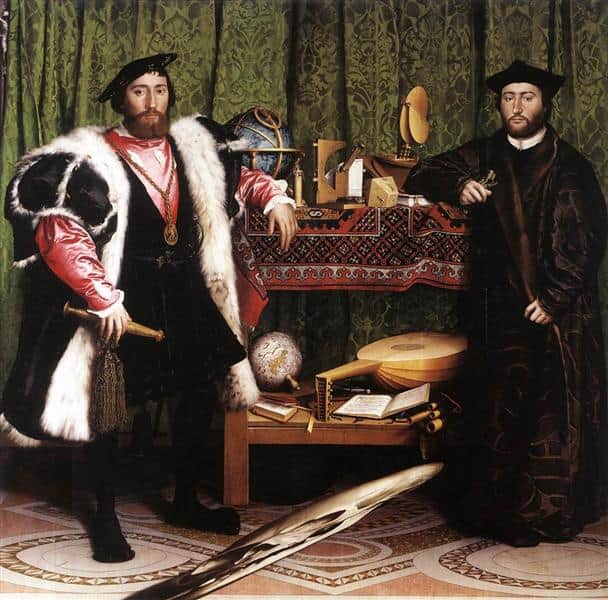
The Masterpiece: The Ambassadors Hans Holbein The Younger
Deconstructing the Masterpiece
Anamorphic Skull
The distorted skull at the bottom of the painting can only be viewed correctly from a specific angle, symbolizing the fleeting nature of life and vanity.
Scientific Instruments
The inclusion of various scientific instruments reflects the Renaissance interest in knowledge, discovery, and the intersection of art and science.
Rich Textiles
The elaborate clothing and textiles showcase the wealth and status of the sitters, emphasizing their power and influence in society.
Hans Holbein the Younger: An Analysis in 10 Minutes
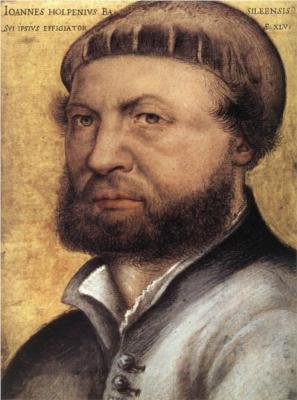
Early Life and Education
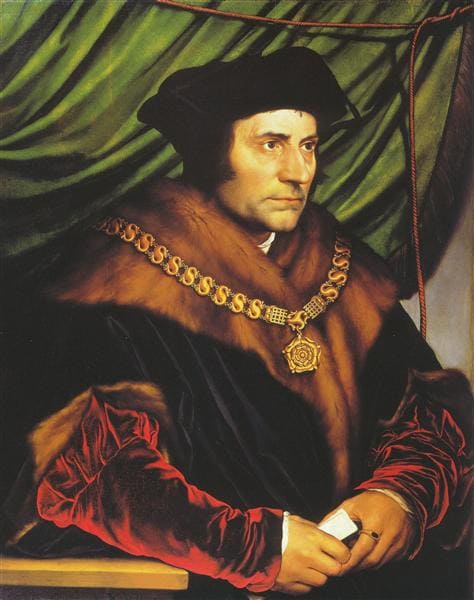
Move to England
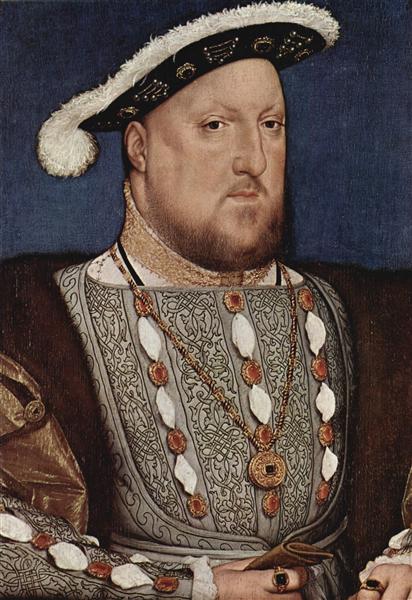
Royal Portraits
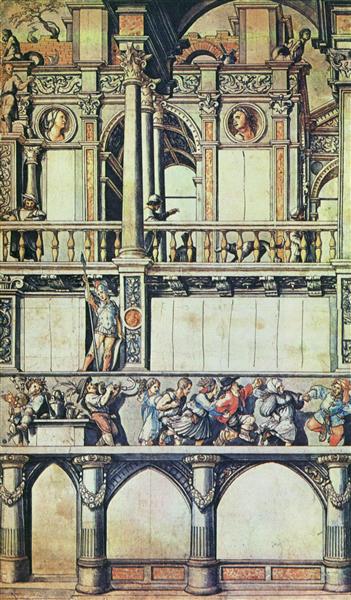
Exploration of Perspective
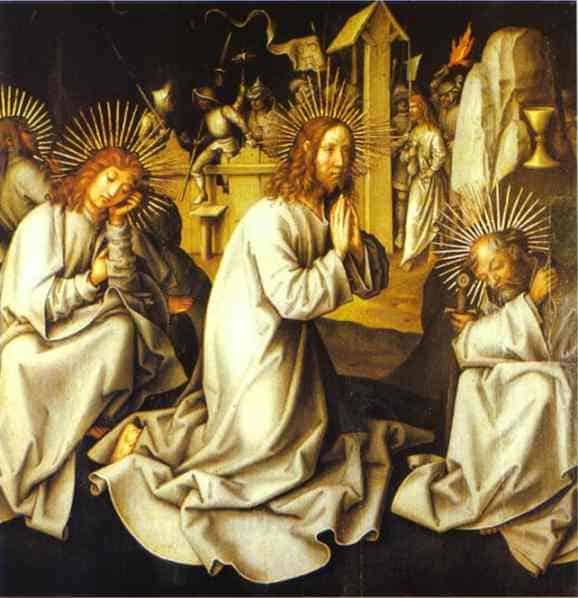
Religious Art
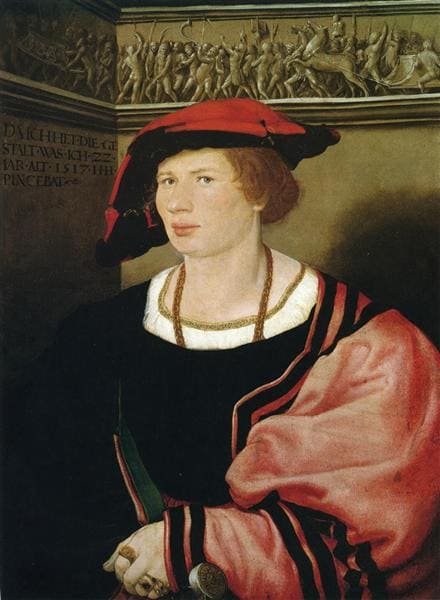
Return to Basel
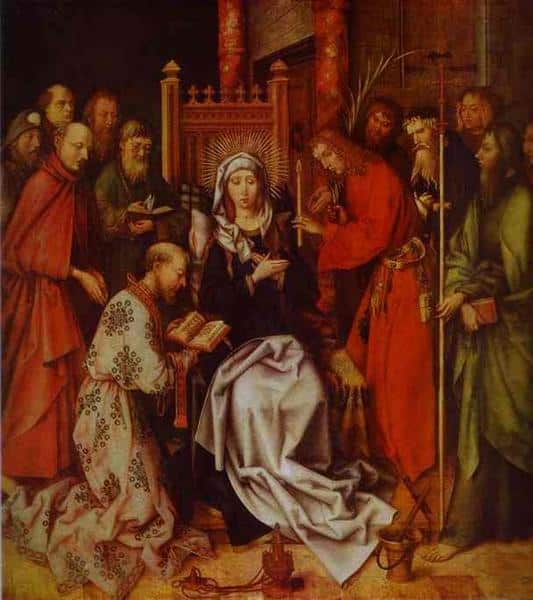
Death and Legacy
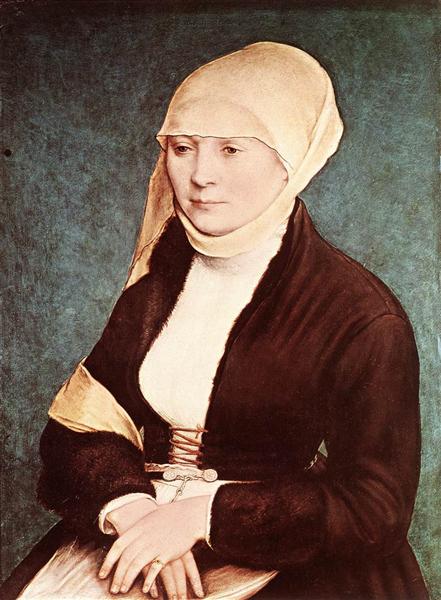
Artistic Techniques
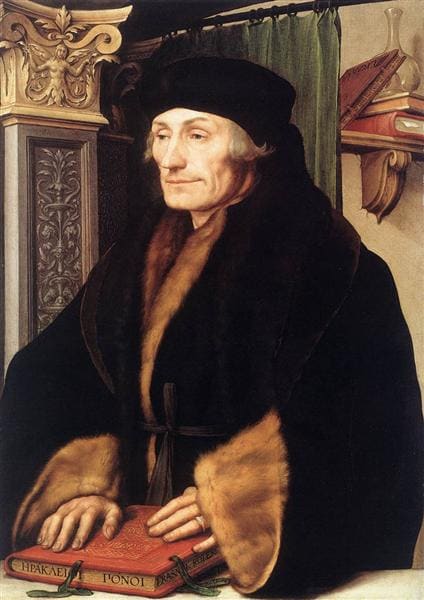
Influence on Future Artists
Lesson Details & Resources
In a Nutshell
- Artist: Hans Holbein the Younger
- Year: 1533
- Medium: Oil on wood
- Location: The National Gallery, London
Vocabulary List
Timeline of Hans Holbein the Younger: An Analysis
Hans Holbein the Younger is born in Augsburg, Germany
Holbein begins his artistic training in his father's workshop
Holbein moves to Basel, Switzerland to work as an illustrator
Holbein travels to England and becomes a court painter to King Henry VIII
Holbein paints portraits of members of the English royal family, including Henry VIII and Anne Boleyn
Holbein's famous painting 'The Ambassadors' is completed
Holbein returns to Basel briefly before moving back to England
Holbein paints portraits of Thomas More and Thomas Cromwell
Holbein paints 'The French Ambassadors'
Holbein paints 'The Merchant Georg Gisze'
Holbein paints 'The Madonna of Burgomaster Meyer'
Holbein is appointed King's Painter to Henry VIII
Holbein's wife and two of his children die from the plague
Holbein paints 'The Body of the Dead Christ in the Tomb'
Holbein's portrait of Henry VIII is completed
Holbein travels to Brussels to work on a portrait of Christina of Denmark
Holbein paints portraits of the Duke of Norfolk and Sir Richard Southwell
Holbein dies in London
Holbein's son, also named Hans Holbein, becomes a successful painter in his own right
Key Facts
This is the information used in the fact matching game
- Hans Holbein the Younger was a German artist known for his portraits during the Northern Renaissance period.
- Holbein's most famous portrait is 'The Ambassadors', which includes anamorphic perspective and symbolic objects.
- He was the court painter to King Henry VIII of England, creating many portraits of the king and his court.
- Holbein's detailed and realistic style influenced many artists of his time and later generations.
- One of Holbein's famous works is 'The French Ambassadors', which features detailed renderings of the two ambassadors.
- Holbein's portraits were known for their psychological depth and attention to detail.
- He also created religious works, such as altarpieces and woodcuts, showcasing his versatility as an artist.
- Holbein was skilled in capturing the likeness and character of his subjects, making his portraits highly sought after.
- Holbein's works often featured rich colors and intricate patterns in the clothing and backgrounds.
- He was known for his attention to detail, including the textures of fabrics and the expressions of his subjects.
- Holbein's portraits are considered some of the finest examples of Northern Renaissance art.
- He was highly sought after by nobility and royalty for his ability to capture their likeness with exceptional skill.
- Holbein's use of light and shadow in his portraits added depth and realism to his subjects.
- He was known for his meticulous attention to detail, spending hours on intricate patterns and textures in his works.
- Holbein's portraits often included symbolic objects or elements that added layers of meaning to the composition.
- He was skilled in capturing the individual personalities of his subjects, making each portrait unique and personal.
- Holbein's works were highly sought after for their quality and attention to detail, making him one of the most renowned portrait painters of his time.
- He was known for his ability to convey emotion and character through subtle facial expressions and body language in his portraits.
- Holbein's portraits often featured elaborate costumes and accessories that reflected the wealth and status of his subjects.
- He was a master of capturing the individual features and expressions of his subjects, creating lifelike and engaging portraits.
Analysis & Significance
Artistic Innovation
Hans Holbein the Younger’s meticulous attention to detail and skill in capturing realistic likenesses revolutionized portraiture during the Northern Renaissance. His use of light and shadow, precise rendering of textures, and ability to convey the sitter’s personality made his works stand out as unparalleled examples of artistic mastery.
Influence on Art History
Holbein’s portraits set a new standard for the genre, influencing generations of artists to come. His innovative approach to capturing the individuality of his subjects paved the way for a more psychological and emotive interpretation of portraiture. Holbein’s work also played a significant role in bridging the gap between Northern and Italian Renaissance art styles.
Cultural Significance Today
Hans Holbein the Younger’s portraits continue to be celebrated for their technical brilliance and profound insight into the human condition. His works are revered as masterpieces of the Renaissance era, attracting art enthusiasts and scholars from around the world. Holbein’s legacy as a portraitist remains unmatched, making him a pivotal figure in art history whose influence endures to this day.
Hans Holbein the Younger: An Analysis Games


Take Your Learning Offline
Want a convenient, print-ready study guide for this lesson? Become a Memory Wizards Pro member to unlock the downloadable " Memory Scrolls" for this topic and our entire library!
- ✓ Complete Vocabulary Lists
- ✓ Key Facts & Timelines
- ✓ Beautifully Formatted for Print & Mobile