
How Do You Learn Best?
Learn by Reading
Immerse yourself in the 10-minute visual lesson for a comprehensive understanding of the topic.
Learn by Reviewing
Jump directly to the key facts, timeline, and vocabulary lists to build a solid foundation of details.
Learn by Doing
Challenge yourself! Jump straight into the interactive games to learn by trial, error, and discovery.
United States in 10 Minutes
Introduction
John Muir
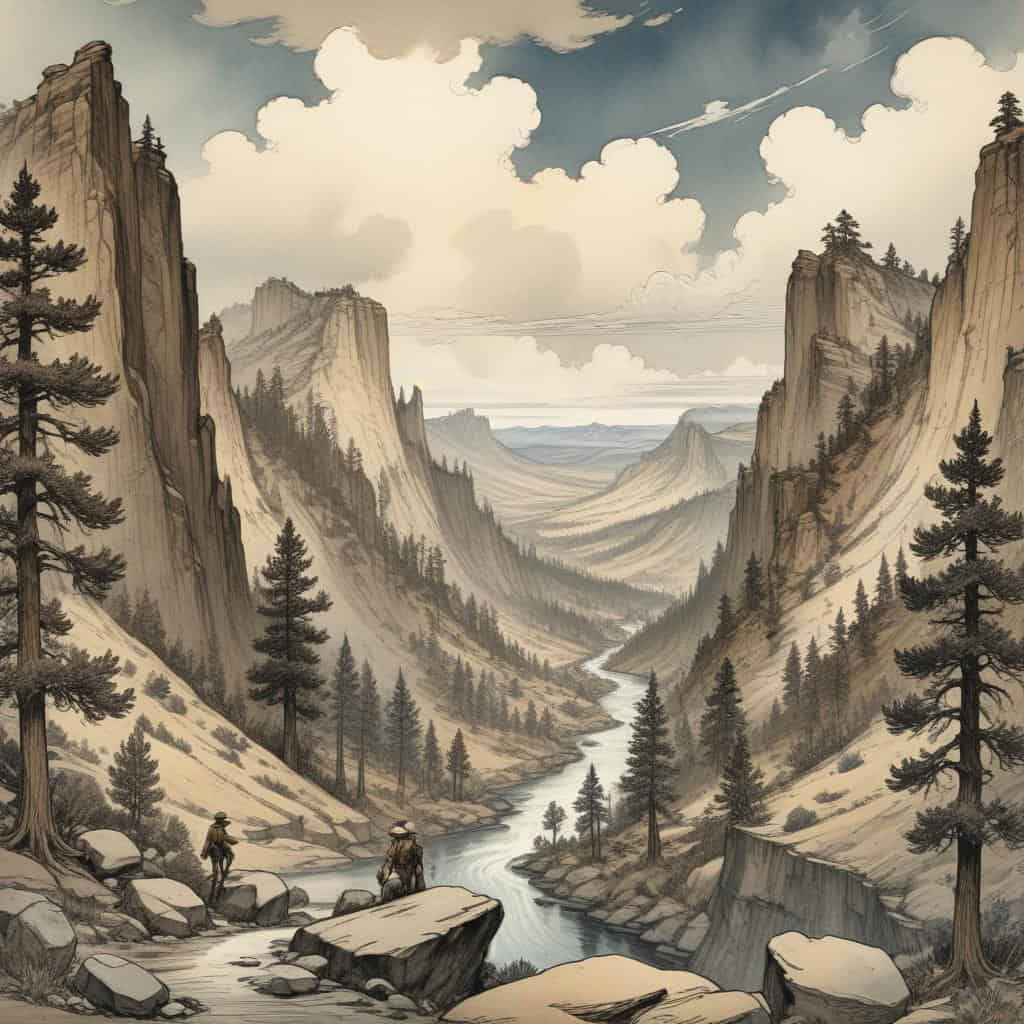
Ansel Adams

Rachel Carson
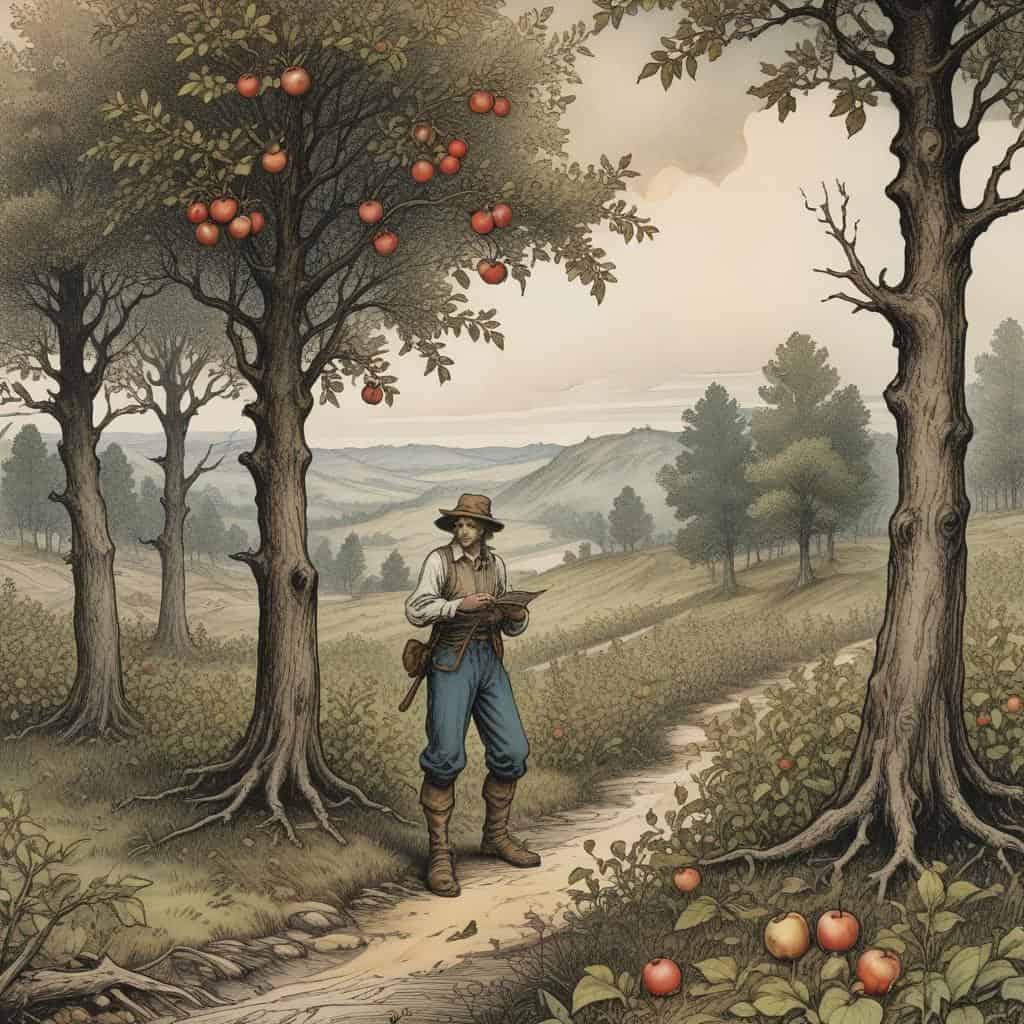
Johnny Appleseed

Exploration and Settlement
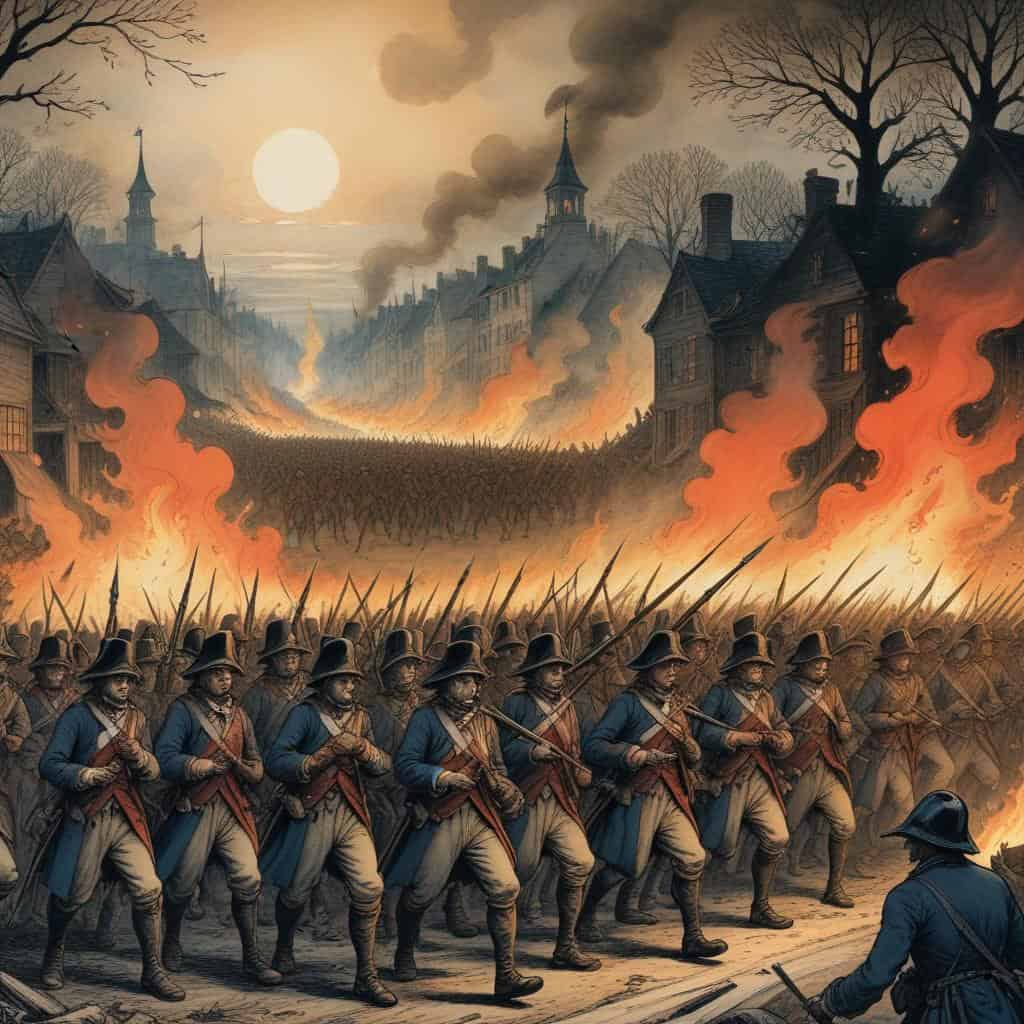
American Revolution
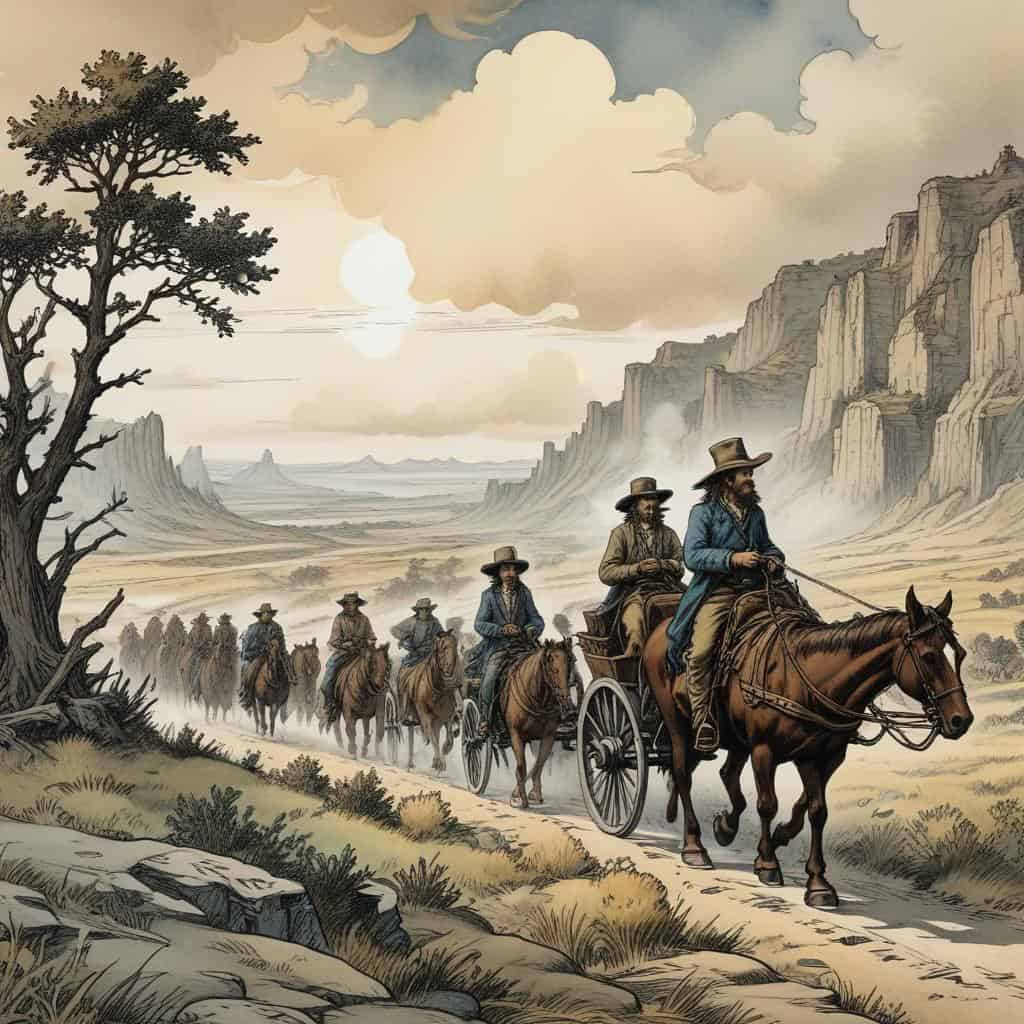
Westward Expansion
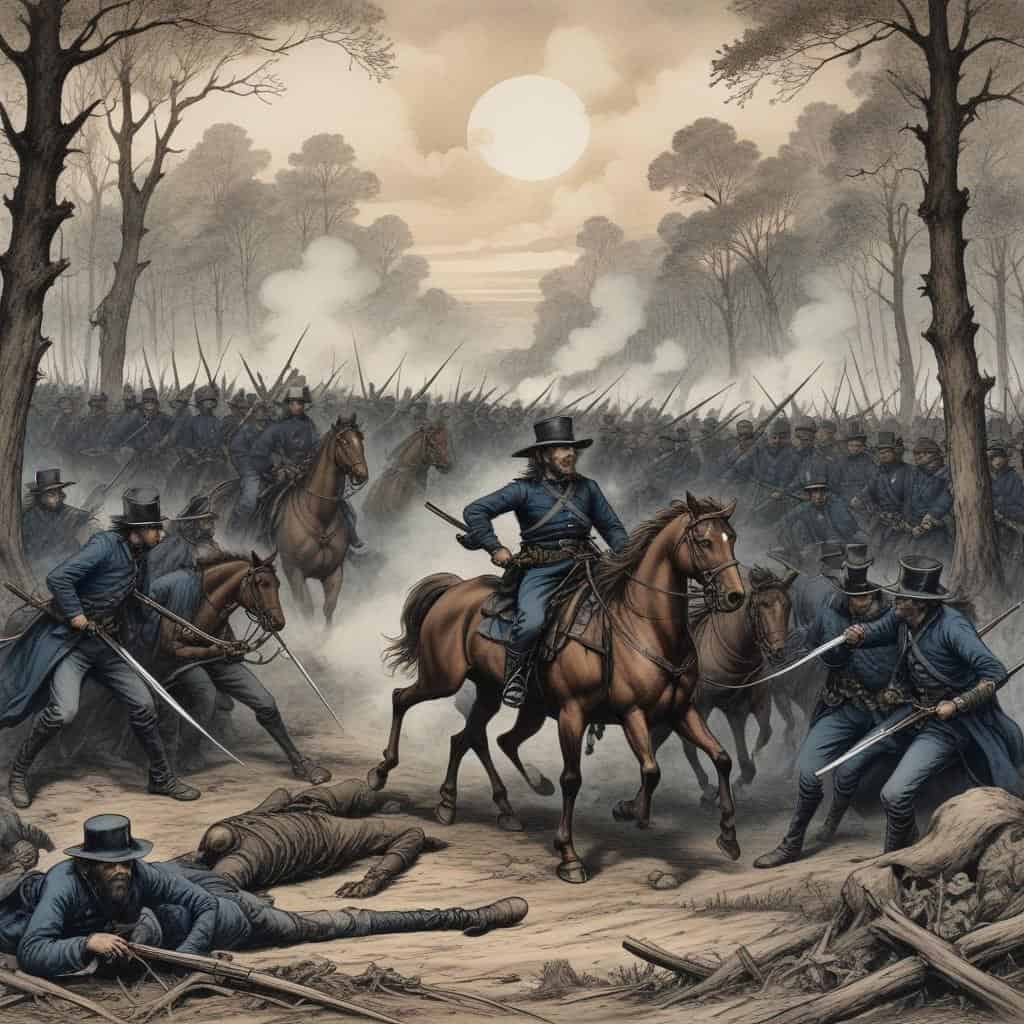
Civil War
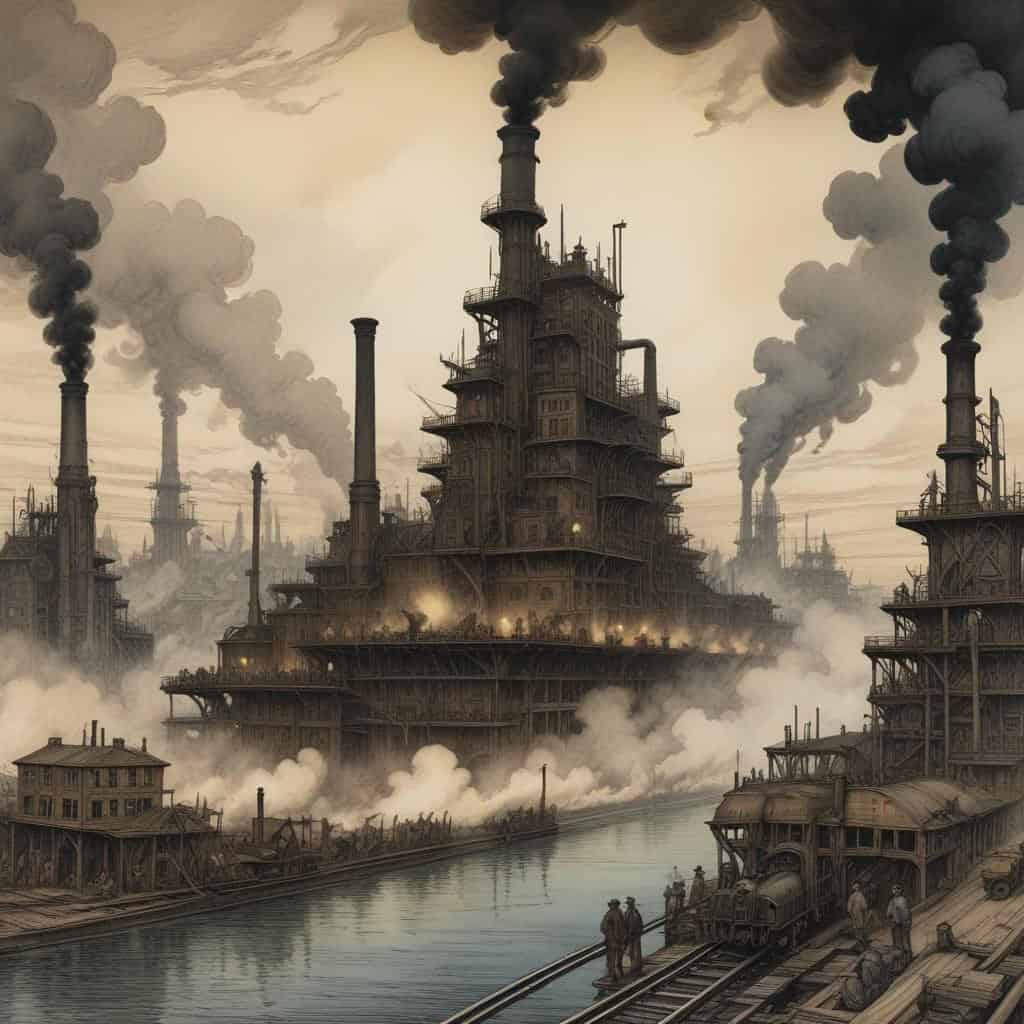
Industrialization
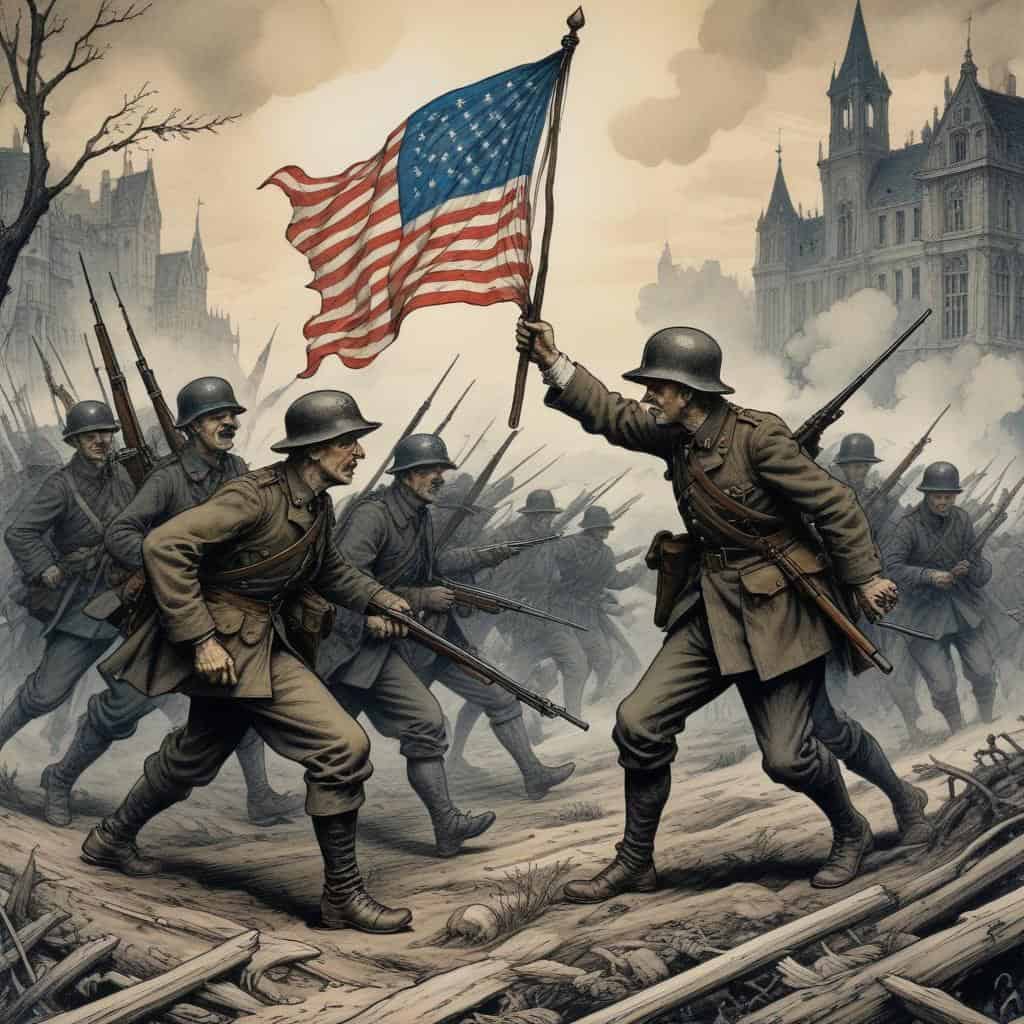
World Wars
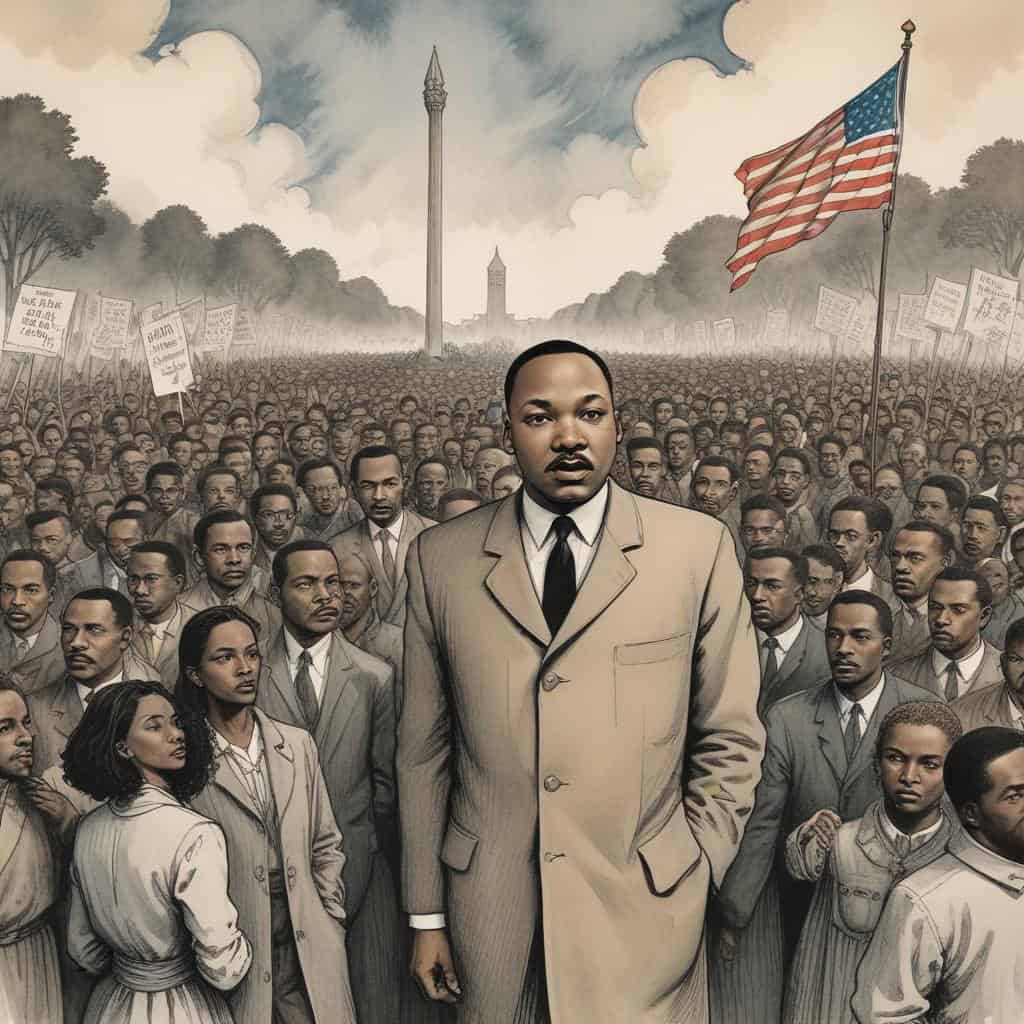
Civil Rights Movement
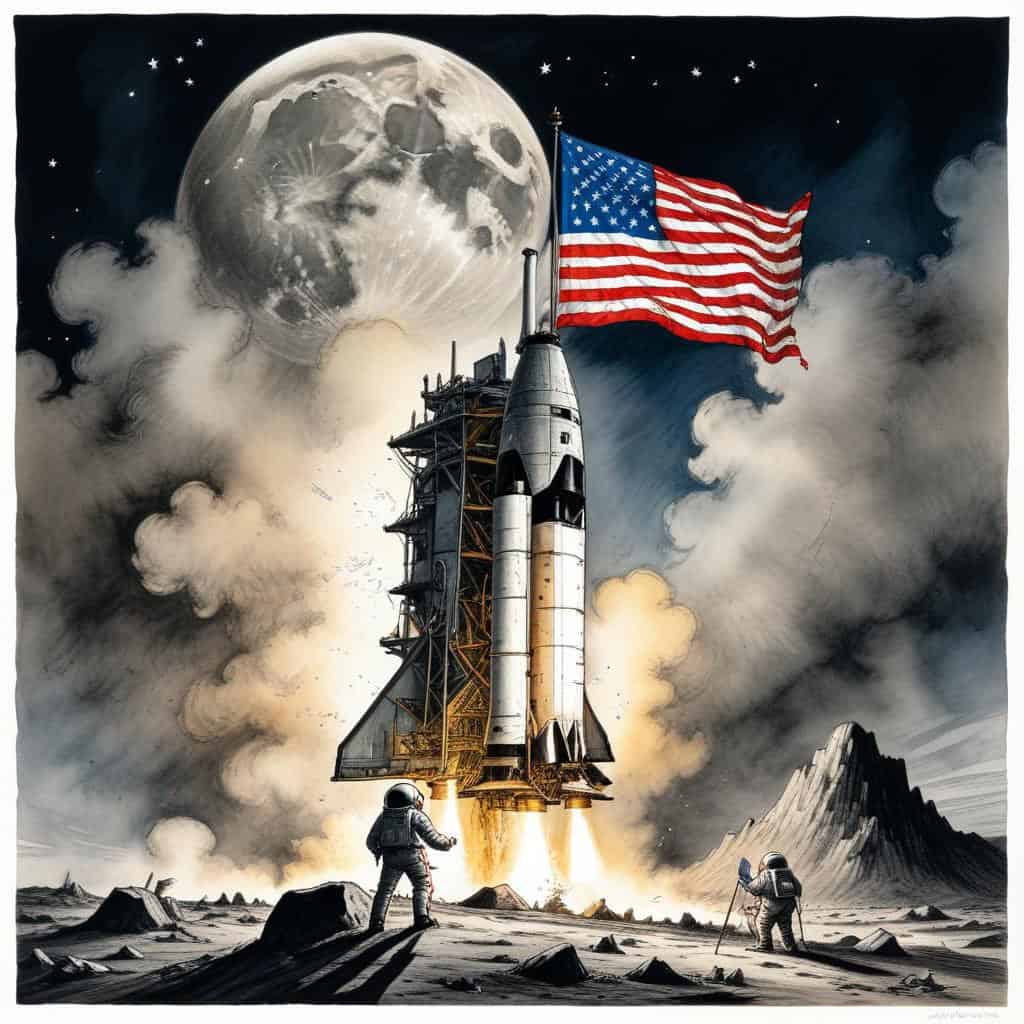
Space Exploration

9/11 Attacks
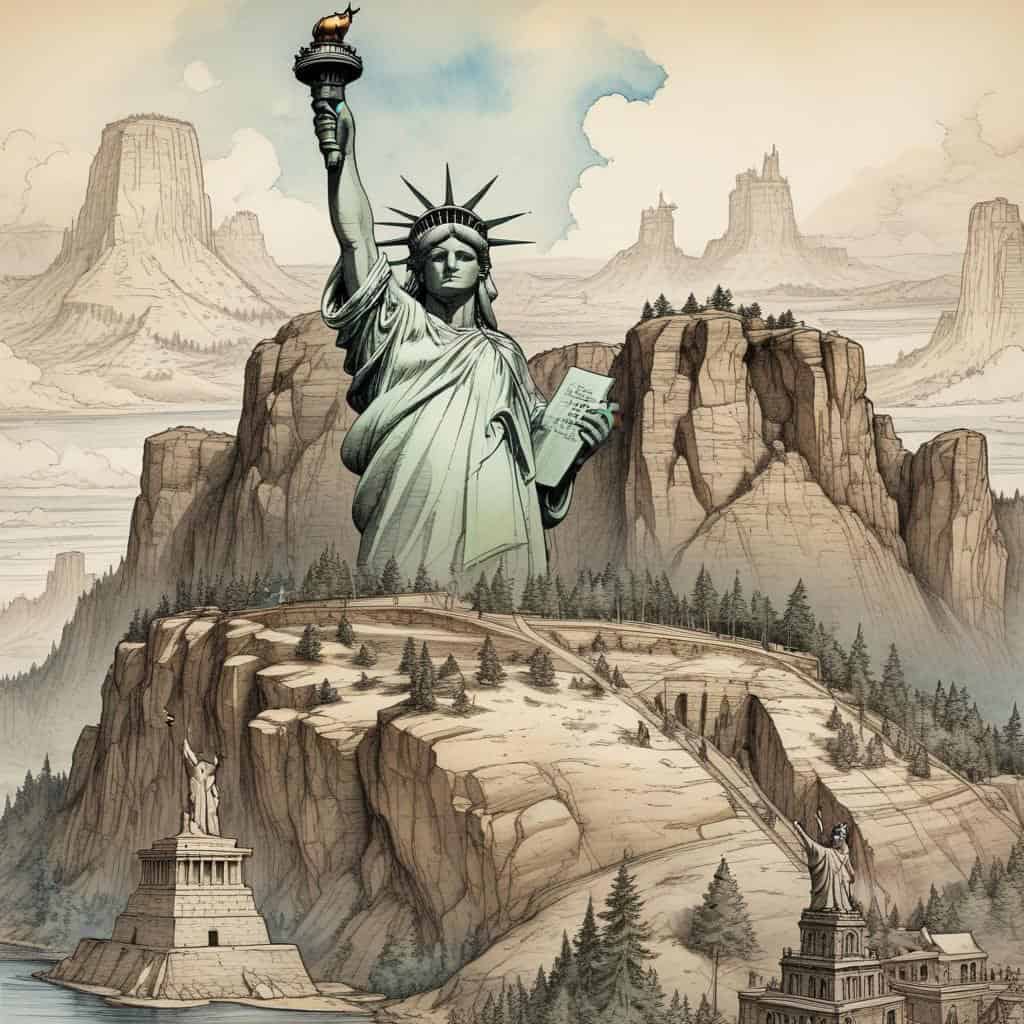
Modern America
In a Nutshell
- Capital: Washington, D.C.
- Population: Approx. 331 million (2021)
- Official Language: English
- Currency: United States Dollar (USD)
Breaking Down the Country
Landmarks
From the Statue of Liberty to the Grand Canyon, discover the iconic landmarks that define the diverse landscape of the United States.
Cultural Melting Pot
Explore the rich tapestry of cultures that make up the United States, from Native American traditions to the influence of European immigrants.
Innovative Technology
Delve into the cutting-edge technology and scientific advancements that have shaped the United States as a global leader in innovation.
Timeline of United States
Vocabulary List
- Skyscraper
- The skyline of New York City is filled with towering skyscrapers.
- Mountain
- The Rocky Mountains stretch across several states in the western United States.
- River
- The Mississippi River is one of the longest rivers in North America.
- Forest
- The Pacific Northwest is known for its lush forests filled with towering trees.
- Lake
- Lake Michigan is one of the Great Lakes located in the northern United States.
- Desert
- The Mojave Desert covers parts of California, Nevada, and Arizona.
- Bridge
- The Golden Gate Bridge is an iconic landmark in San Francisco.
- Park
- Central Park in New York City is a popular destination for both tourists and locals.
- Beach
- The beaches of Miami are known for their white sand and clear blue water.
- Suburb
- Many families choose to live in the suburbs surrounding major cities for a quieter lifestyle.
Key Facts
This is the information used in the fact matching game
- The Grand Canyon is over a mile deep and 277 miles long.
- The Great Salt Lake in Utah is the largest saltwater lake in the Western Hemisphere.
- Manhattan, New York has more skyscrapers than any other city in the United States.
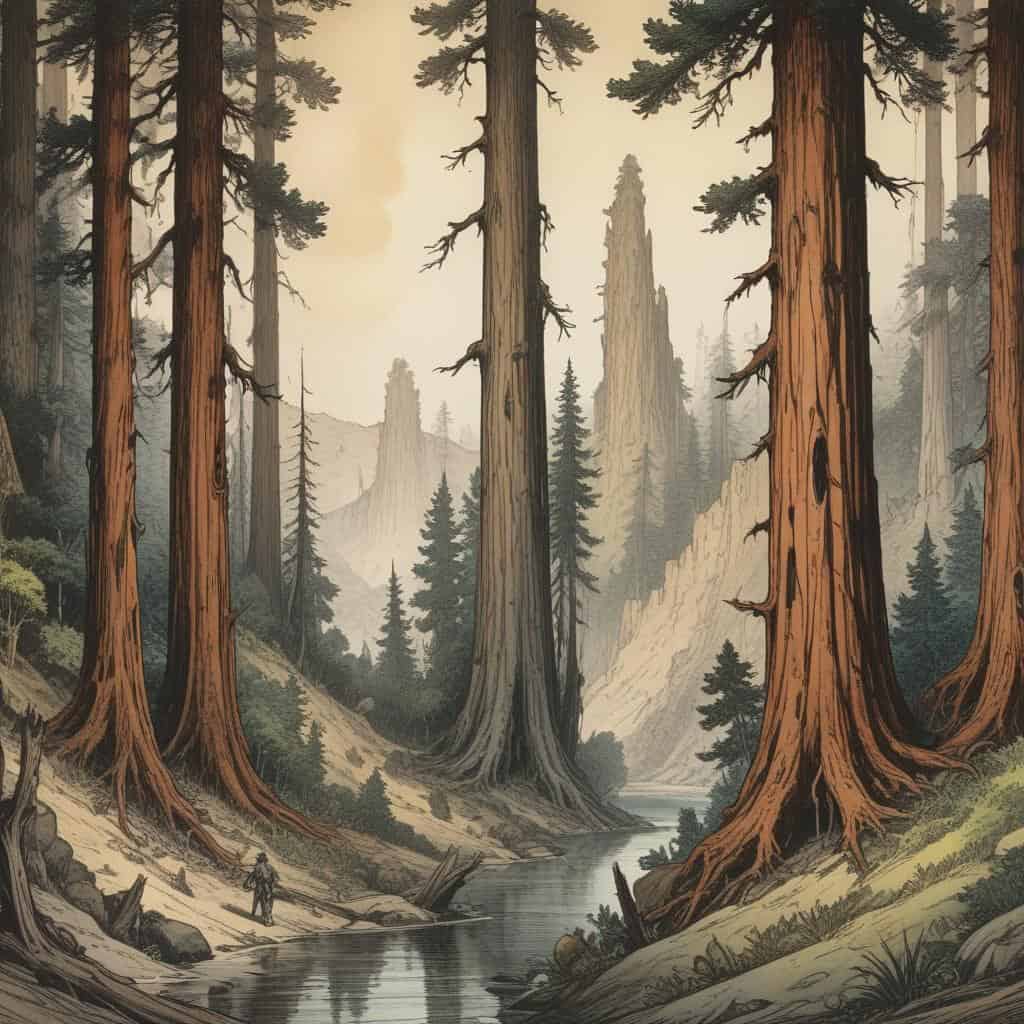
- The Redwood National and State Parks in California are home to the tallest trees on Earth.
- The Painted Hills in Oregon feature colorful layers of volcanic ash and clay.
- Mount Rainier in Washington state is an active volcano and the highest peak in the Cascade Range.
- The Gateway Arch in St. Louis, Missouri is the tallest man-made monument in the United States.
- Yellowstone National Park is located primarily in Wyoming, but also extends into Montana and Idaho.
- The Hollywood Sign in Los Angeles, California originally read "Hollywoodland" when it was erected in 1923.
- The Badlands National Park in South Dakota contains one of the world's richest fossil beds.
- Chicago, Illinois is home to the Willis Tower, formerly known as the Sears Tower, which was once the tallest building in the world.
- The Everglades National Park in Florida is the largest tropical wilderness of any kind in the United States.
- The Space Needle in Seattle, Washington was built for the 1962 World's Fair.
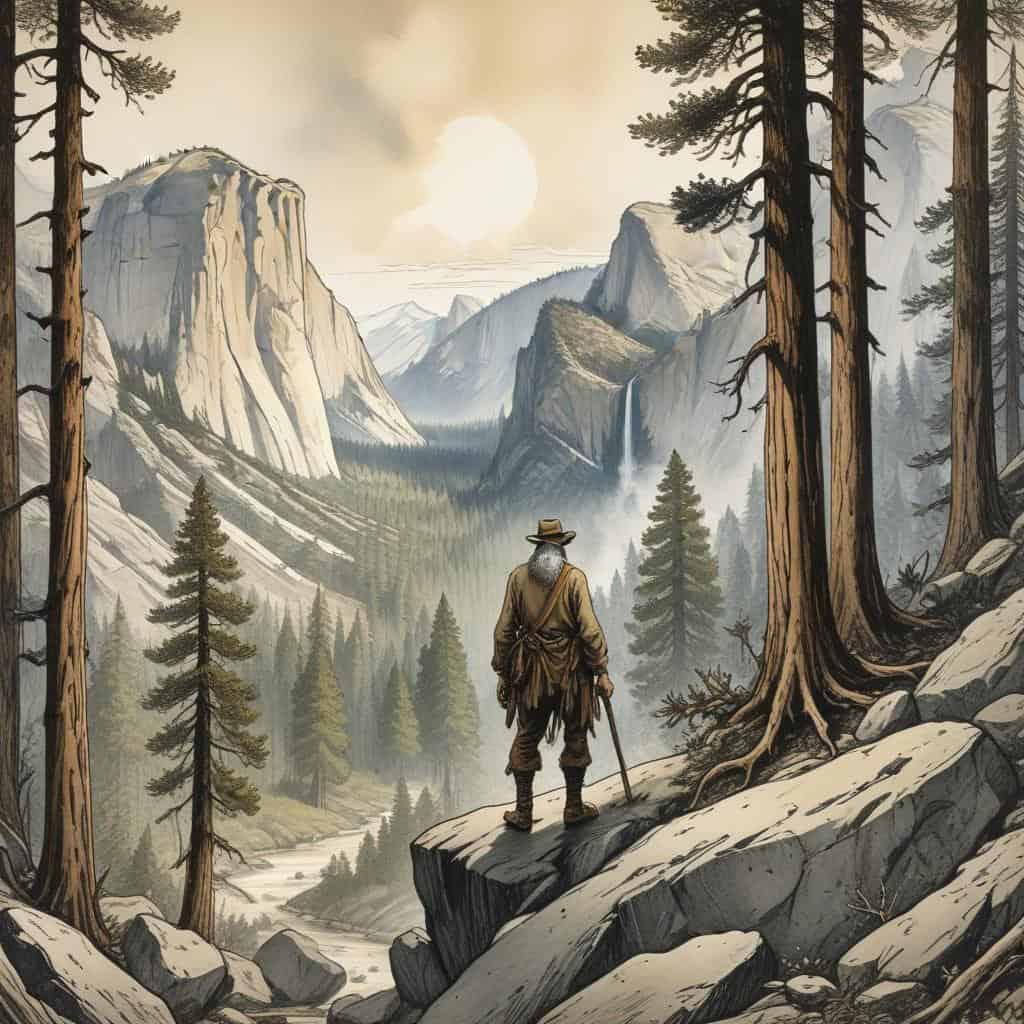
- Yosemite National Park in California is known for its iconic granite cliffs, waterfalls, and giant sequoia trees.
- The Brooklyn Bridge in New York City was the first steel-wire suspension bridge ever constructed.
- The Grand Teton National Park in Wyoming features the stunning Teton Range of the Rocky Mountains.
- The Golden Gate Bridge in San Francisco, California was the longest suspension bridge in the world when it was completed in 1937.
- The Appalachian Trail stretches over 2,000 miles from Georgia to Maine, making it the longest continuously marked footpath in the world.
- Sedona, Arizona is known for its red sandstone formations and vibrant arts community.
- The Statue of Liberty in New York Harbor was a gift from France to commemorate the alliance between the two countries during the American Revolution.
Why It Matters
Geopolitical Significance
The United States is a global superpower, with its influence felt across the world. Its strategic location in North America, bordering Canada and Mexico, has shaped its interactions with neighboring countries and its role in international relations.
Historical Importance
The United States has a rich history, from the founding fathers and the American Revolution to the Civil War and Civil Rights Movement. Its evolution from a colony to a world power has had a profound impact on global politics and culture.
Modern-Day Role
Today, the United States is a leader in technology, economy, and military strength. It plays a crucial role in international organizations like the United Nations and NATO, shaping global policies on issues such as trade, security, and human rights.
United States Games


Take Your Learning Offline
Want a convenient, print-ready study guide for this lesson? Become a Memory Wizards Pro member to unlock the downloadable " Memory Scrolls" for this topic and our entire library!
- ✓ Complete Vocabulary Lists
- ✓ Key Facts & Timelines
- ✓ Beautifully Formatted for Print & Mobile