
How Do You Learn Best?
Learn by Reading
Immerse yourself in the 10-minute visual lesson for a comprehensive understanding of the topic.
Learn by Reviewing
Jump directly to the key facts, timeline, and vocabulary lists to build a solid foundation of details.
Learn by Doing
Challenge yourself! Jump straight into the interactive games to learn by trial, error, and discovery.
Mexico in 10 Minutes

Introduction
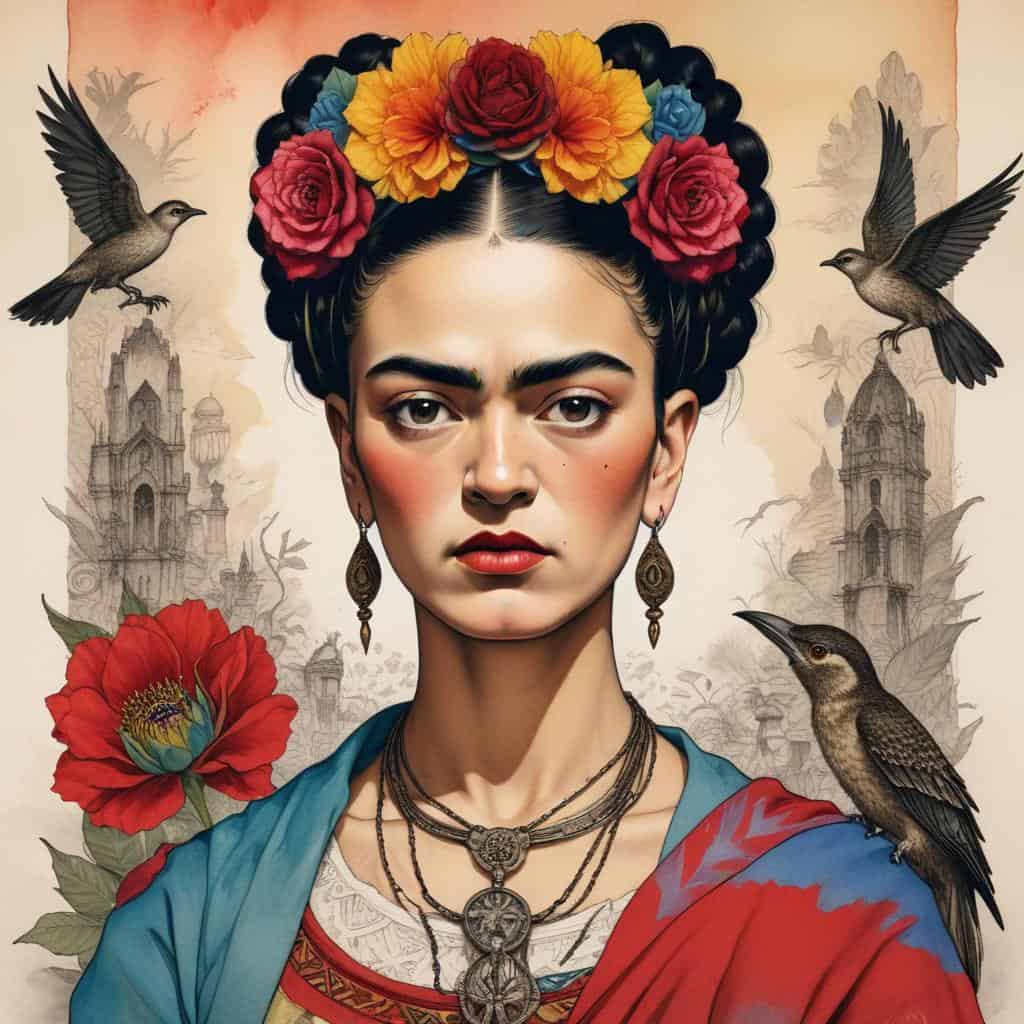
Frida Kahlo
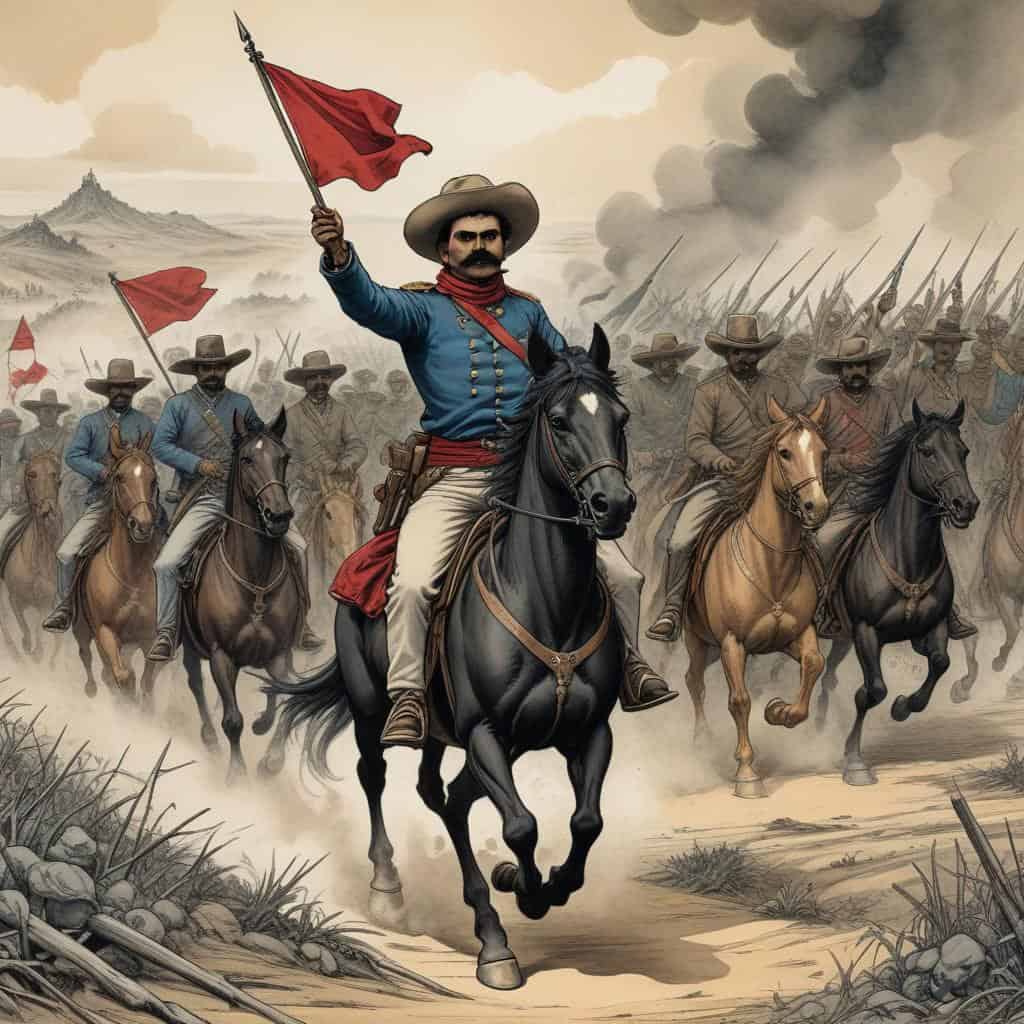
Emiliano Zapata
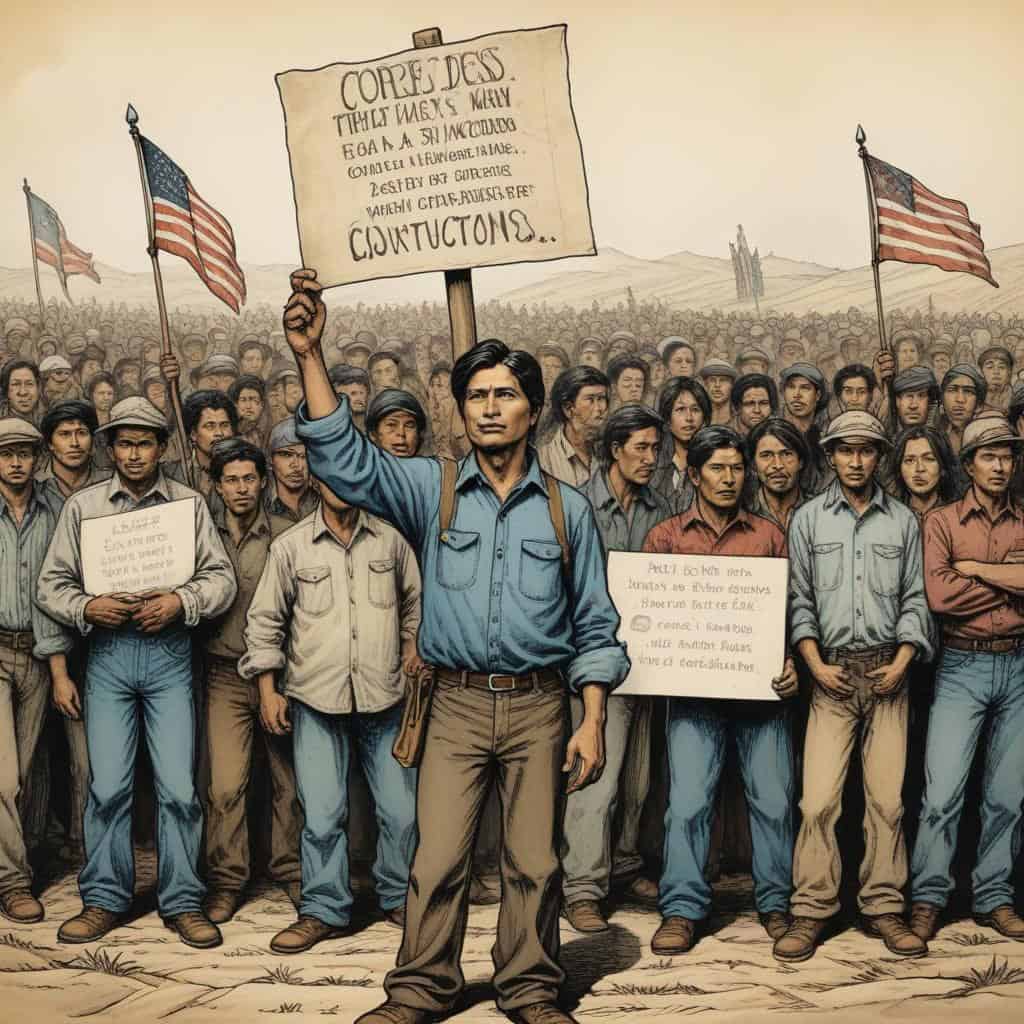
Cesar Chavez

Luis Barragan

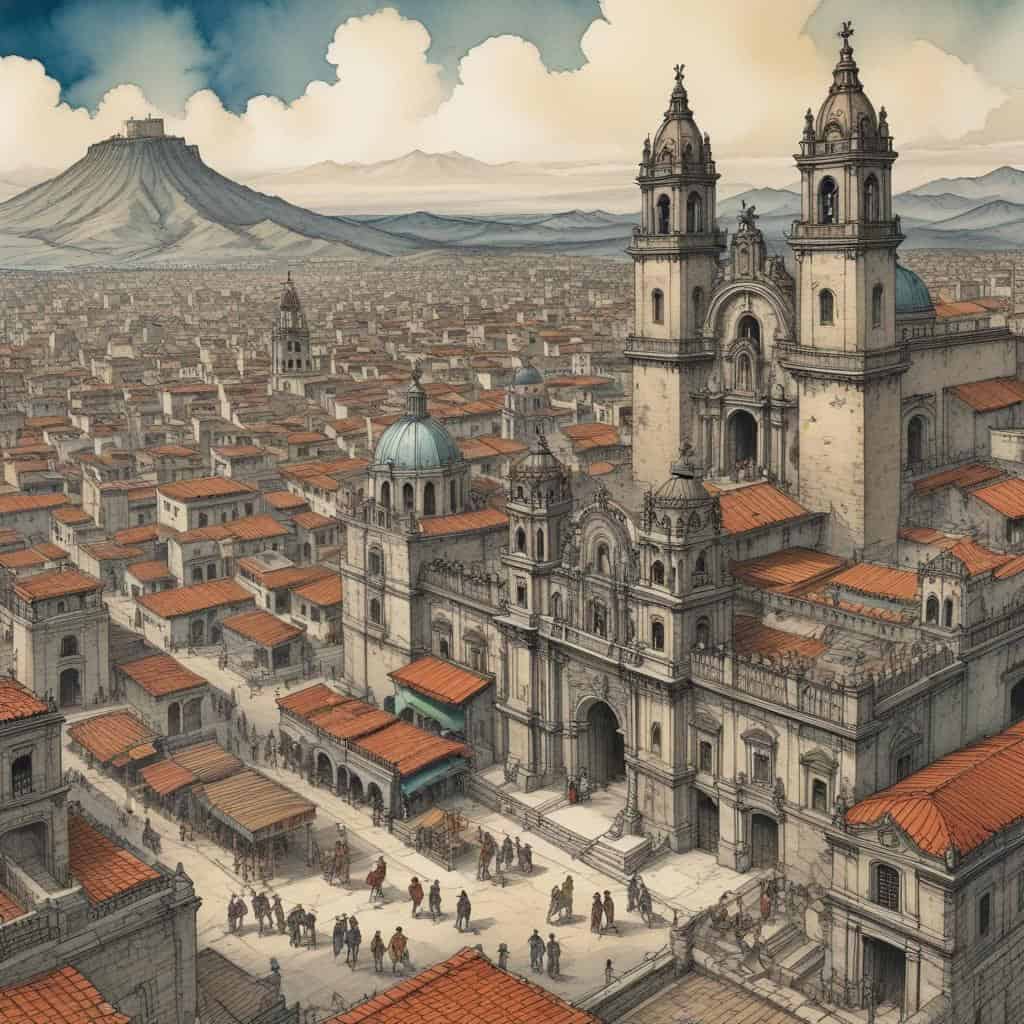
1. The Bustling Streets of Mexico City

2. Exploring the Ancient Ruins of Teotihuacan
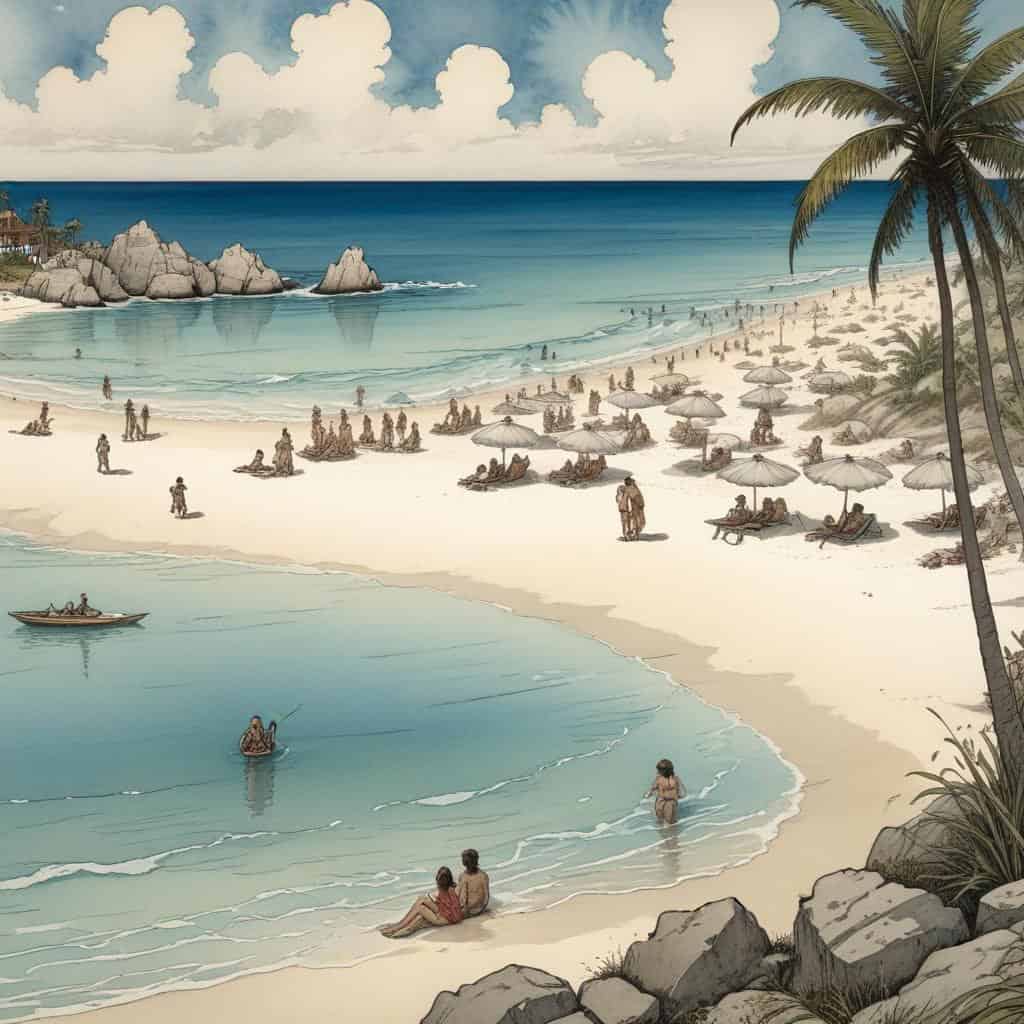
3. Relaxing on the Beautiful Beaches of Cancun
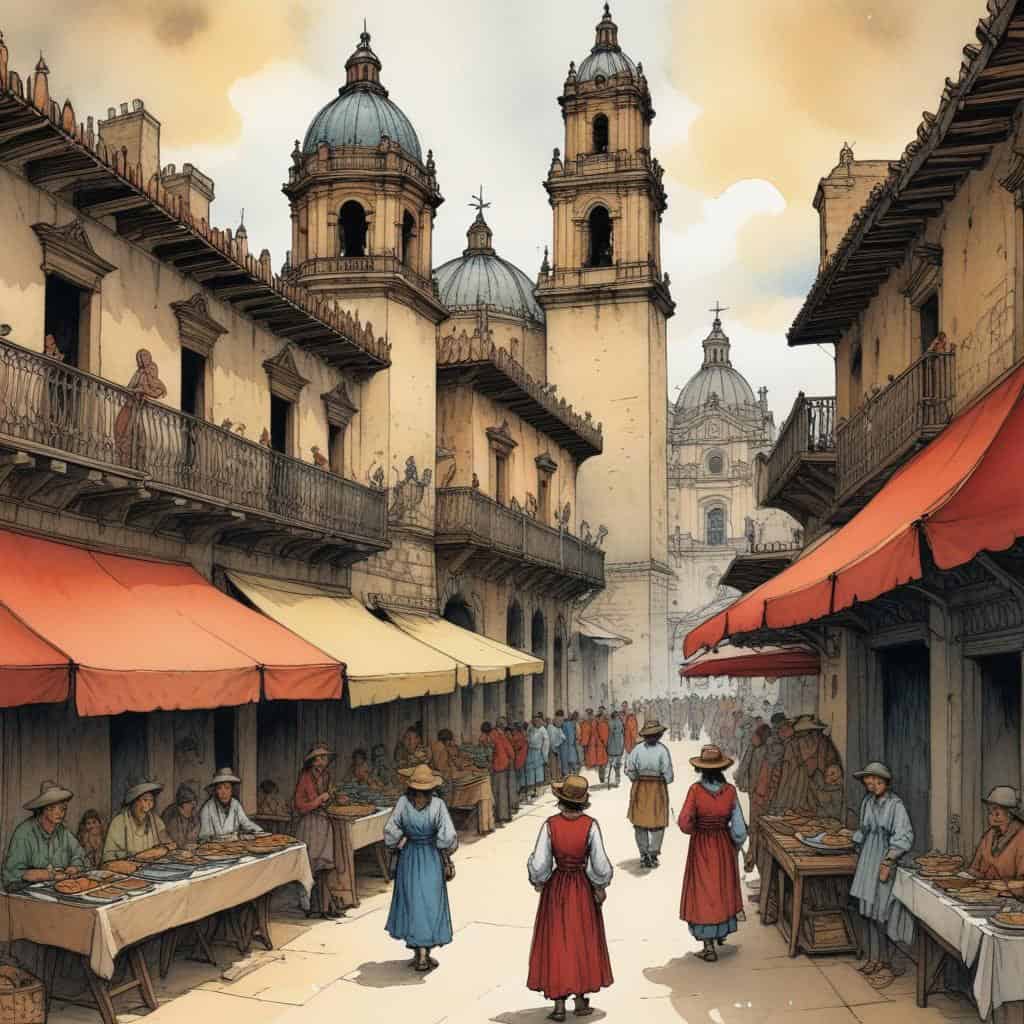
4. Discovering the Charm of Oaxaca

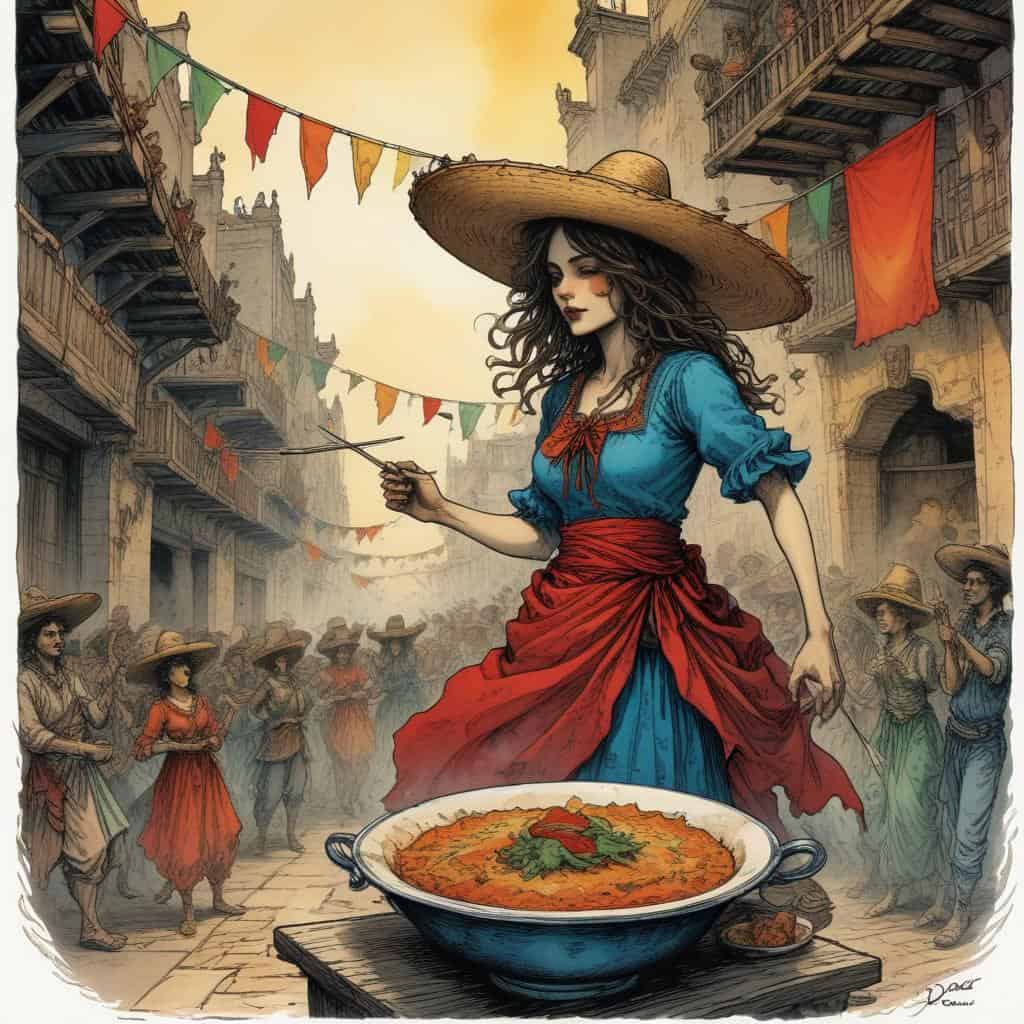
5. Sampling the Delicious Street Food of Mexico

6. Marveling at the Natural Beauty of Copper Canyon
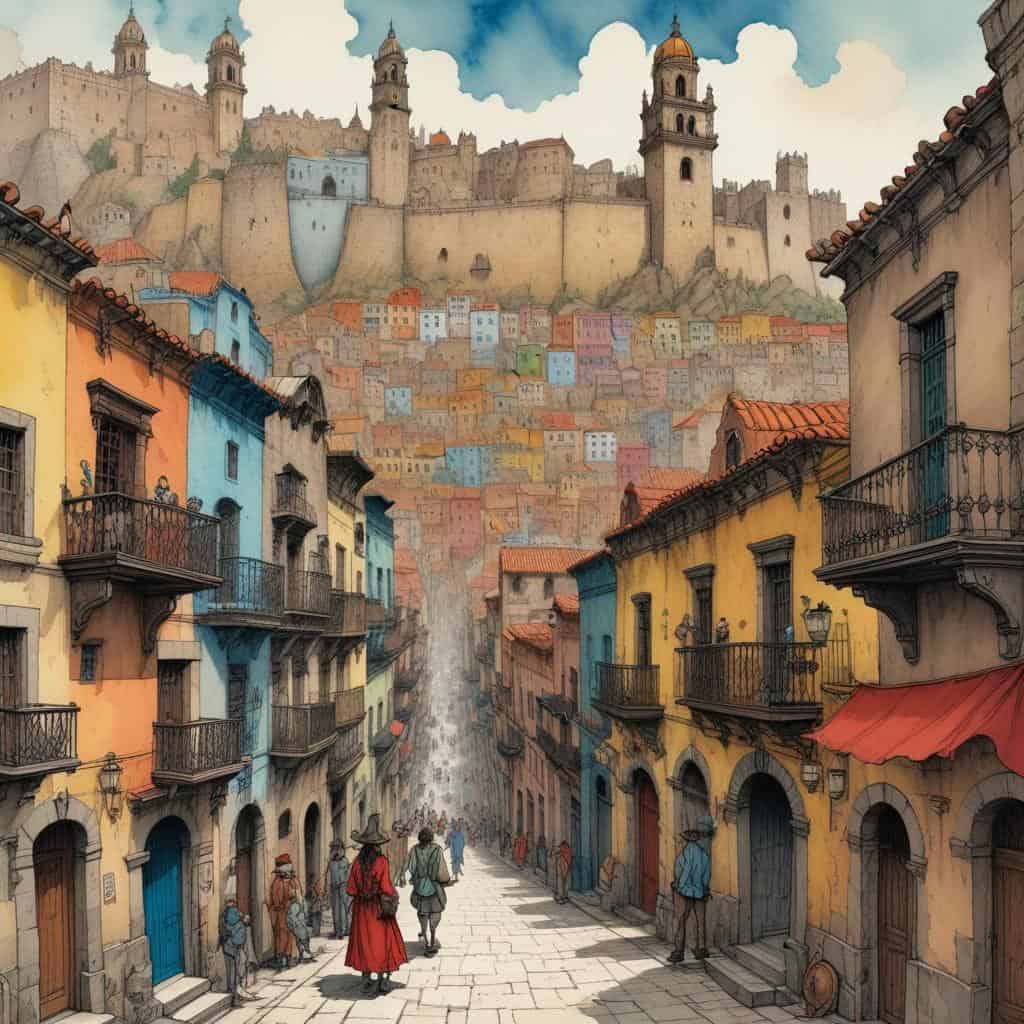
7. Exploring the Colorful Town of Guanajuato

8. Visiting the Chichen Itza Archaeological Site

9. Soaking in the Hot Springs of Hierve el Agua
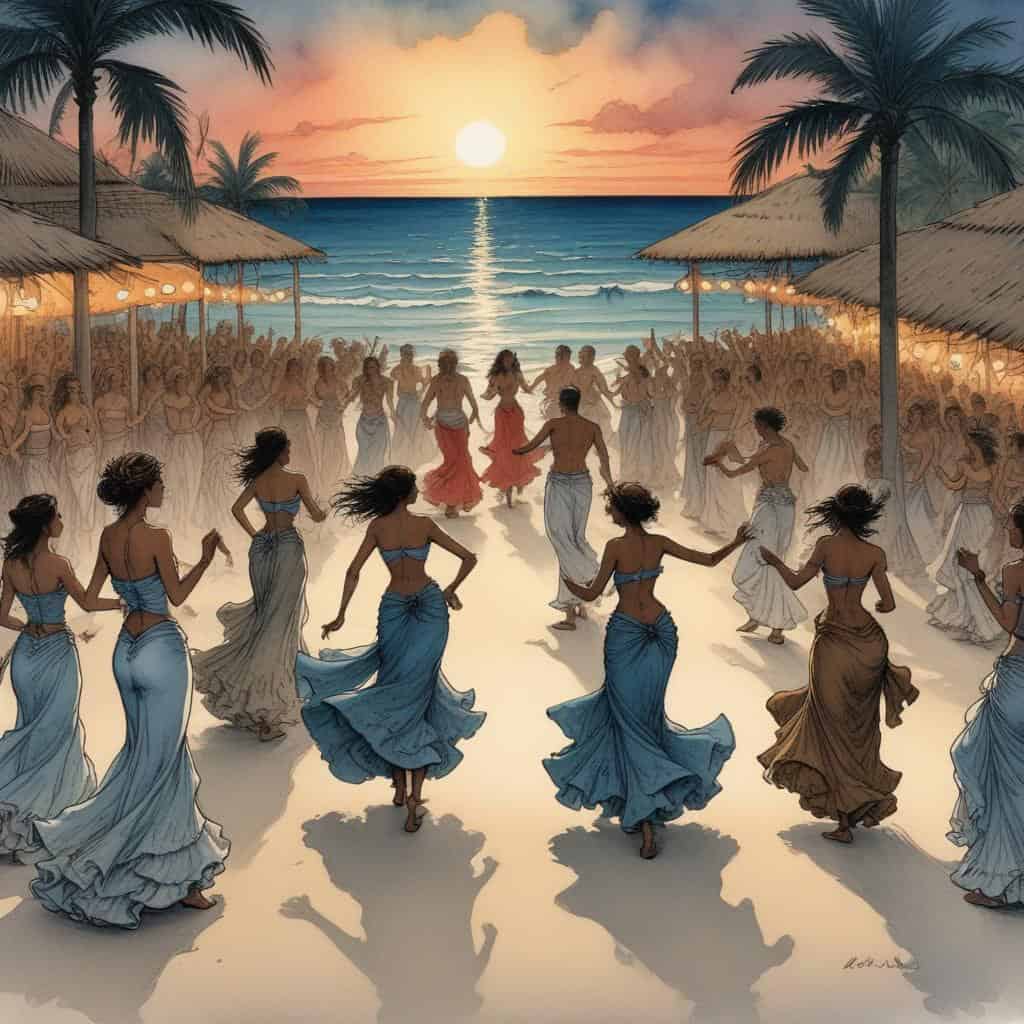
10. Dancing the Night Away in Playa del Carmen
In a Nutshell
- Capital: Mexico City
- Population: Approx. 126 million (2023)
- Official Language: Spanish
- Currency: Mexican peso (MXN)
Breaking Down the Country
Cultural Heritage
Mexico boasts a rich cultural heritage, with influences from indigenous civilizations like the Aztecs and Mayans, as well as Spanish colonialism.
Vibrant Cuisine
Experience the diverse flavors of Mexican cuisine, from spicy salsas and rich moles to traditional dishes like tacos, tamales, and enchiladas.
Natural Wonders
Explore Mexico's stunning natural beauty, from the lush jungles of Chiapas to the crystal-clear waters of the Yucatan Peninsula and the iconic deserts of the north.
Timeline of Mexico
Maya civilization begins in Mesoamerica
Teotihuacan civilization flourishes in central Mexico
Toltec civilization emerges in central Mexico
Aztec Empire founded in central Mexico
Spanish conquest of the Aztec Empire
Mexico City founded by the Spanish
Mexican War of Independence begins
Independence of Mexico from Spain
Mexican-American War begins
Treaty of Guadalupe Hidalgo ends Mexican-American War
French intervention in Mexico leads to establishment of Second Mexican Empire
Execution of Emperor Maximilian I
Mexican Revolution begins
Constitution of Mexico adopted
Oil nationalization in Mexico
North American Free Trade Agreement (NAFTA) signed
Zapatista uprising in Chiapas
Election of Vicente Fox as President of Mexico, ending 71 years of PRI rule
War on Drugs intensifies in Mexico
Mexican drug cartels become major security threat
Vocabulary List
- Cactus
- The desert landscape in Mexico is filled with tall cacti.
- Mariachi
- The sound of mariachi music filled the streets of Guadalajara.
- Pyramid
- The ancient Mayan pyramid in Chichen Itza is a popular tourist attraction.
- Plaza
- The central plaza in Mexico City is always bustling with activity.
- Siesta
- Many people in Mexico take a siesta in the afternoon to escape the heat.
- Mole
- Mole poblano is a traditional Mexican dish made with chocolate and spices.
- Sombrero
- The mariachi band wore sombreros as they played their music.
- Adobe
- The houses in the Mexican countryside are often made of adobe bricks.
- Tequila
- A shot of tequila is a popular drink in Mexico.
- Taco
- Street vendors in Mexico City sell delicious tacos filled with meat and salsa.
Key Facts
This is the information used in the fact matching game
- Mexico City is the oldest capital city in the Americas, founded in 1325 by the Aztecs.
- Mexico has the second largest coral reef in the world, the Mesoamerican Barrier Reef.
- The Chihuahuan Desert in northern Mexico is the largest desert in North America.
- The city of Guanajuato is known for its colorful buildings and narrow streets, making it a popular tourist destination.
- The Sierra Madre Occidental mountain range runs through western Mexico, providing stunning landscapes and outdoor recreational opportunities.
- Mexico City is home to the largest urban park in Latin America, Bosque de Chapultepec.
- The city of Puebla is known for its beautiful colonial architecture, including the iconic Puebla Cathedral.
- The Copper Canyon in northern Mexico is larger and deeper than the Grand Canyon in the United States.
- The city of Oaxaca is famous for its cuisine, particularly its mole sauces and traditional mezcal.
- The Yucatan Peninsula is home to the ancient Mayan ruins of Chichen Itza, a UNESCO World Heritage site.
- The city of Merida is known for its vibrant cultural scene, including art galleries, museums, and live music venues.
- The Baja California Peninsula is a popular destination for whale watching, with opportunities to see gray whales, humpback whales, and blue whales.
- The city of San Miguel de Allende is known for its well-preserved Spanish colonial architecture and vibrant arts scene.
- The state of Michoacan is home to the Monarch Butterfly Biosphere Reserve, where millions of monarch butterflies migrate each year.
- The city of Tulum is famous for its archaeological site overlooking the Caribbean Sea, as well as its beautiful beaches and eco-friendly resorts.
- The Sonoran Desert in northwest Mexico is known for its unique flora and fauna, including saguaro cacti and desert tortoises.
- The city of Monterrey is surrounded by dramatic mountains, including the iconic Cerro de la Silla (Saddle Mountain).
- Mexico City is built on top of a former Aztec city, Tenochtitlan, which was built on an island in Lake Texcoco.
- The city of Oaxaca is known for its vibrant Day of the Dead celebrations, including colorful parades and elaborate altars.
- The city of Cancun is a popular tourist destination known for its white sandy beaches, turquoise waters, and vibrant nightlife.
Why It Matters
Geopolitical Significance
Mexico holds a strategic position as a gateway between North and Central America. Its proximity to the United States shapes trade relations and migration patterns, impacting the economies and societies of both countries. Additionally, Mexico’s role in international organizations like the United Nations influences global politics.
Historical Importance
Mexico’s history is rich and diverse, spanning ancient civilizations like the Aztecs and Mayans to the Spanish conquest and the struggle for independence. The Mexican Revolution of 1910 shaped the country’s modern identity and continues to influence its political and social development.
Modern-Day Role
Today, Mexico is a major player in the global economy, particularly in industries like automotive manufacturing and agriculture. Its cultural contributions, from art and cuisine to music and literature, have a significant impact worldwide. Mexico’s position as a leader in Latin America shapes regional politics and trade agreements.
Mexico Games


Take Your Learning Offline
Want a convenient, print-ready study guide for this lesson? Become a Memory Wizards Pro member to unlock the downloadable " Memory Scrolls" for this topic and our entire library!
- ✓ Complete Vocabulary Lists
- ✓ Key Facts & Timelines
- ✓ Beautifully Formatted for Print & Mobile