Haiti

Uncover the vibrant culture and resilient spirit of enchanting Haiti.

How Do You Learn Best?

Note: You can explore any or all of these paths in any order you prefer!

Haiti in 10 Minutes

Introduction

Introduction

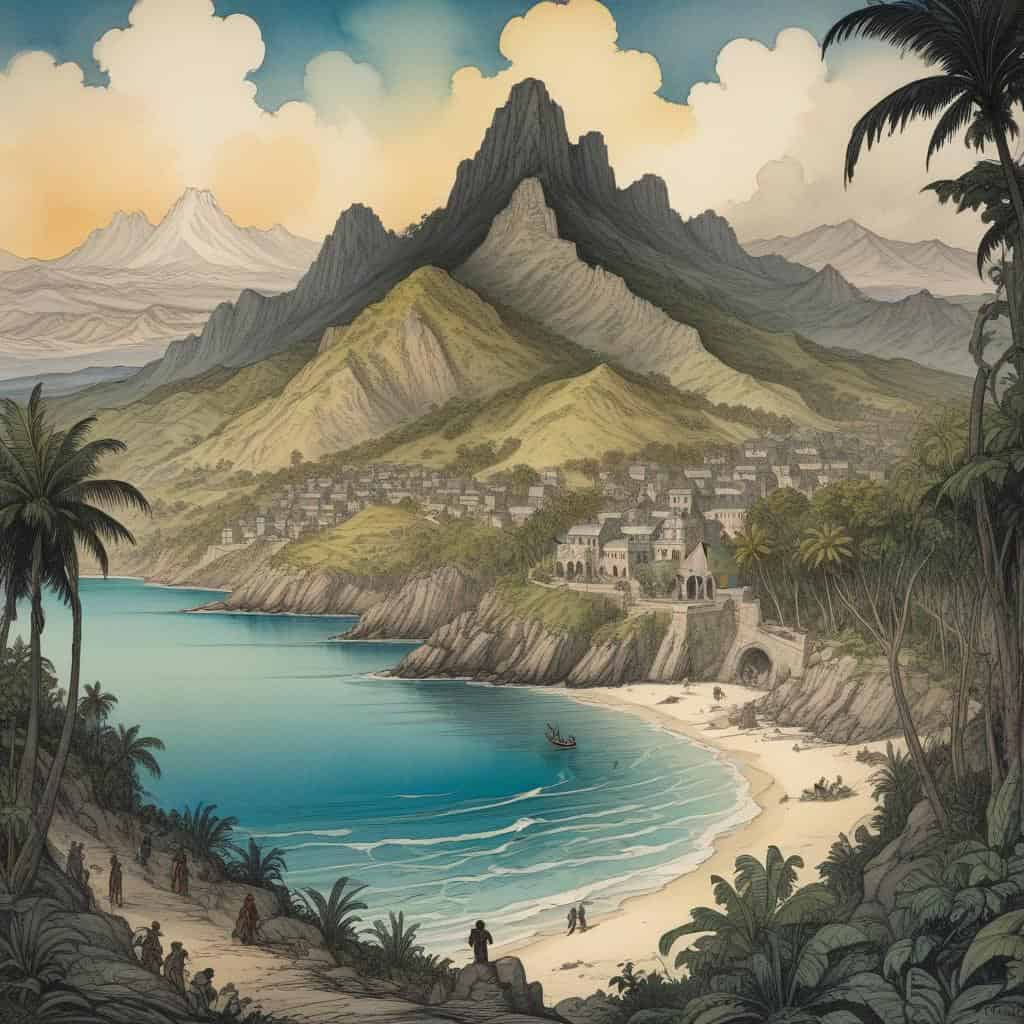
Are you ready to embark on a journey to the breathtaking landscapes of Haiti? In this comprehensive summary, we will explore the diverse terrain, rich culture, and unique attractions that make Haiti a hidden gem in the Caribbean. From the lush mountains to the pristine beaches, Haiti offers a glimpse into a world of natural beauty and vibrant history.

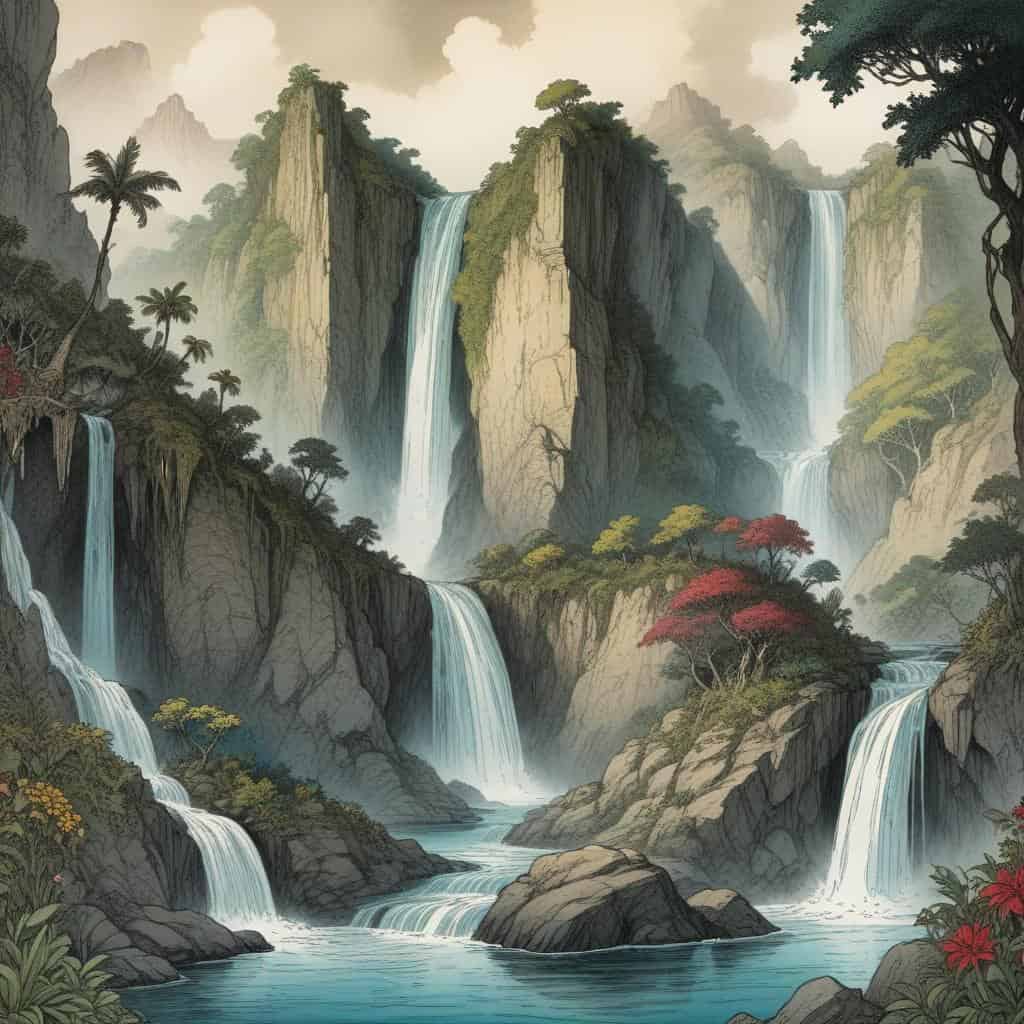
Discover the rugged beauty of Haiti as we delve into the stunning waterfalls, colorful flora, and majestic peaks that adorn this enchanting country. Whether you're a nature lover, history buff, or adventure seeker, Haiti has something for everyone to enjoy. Join us as we uncover the hidden treasures and fascinating landmarks that make Haiti a must-visit destination.

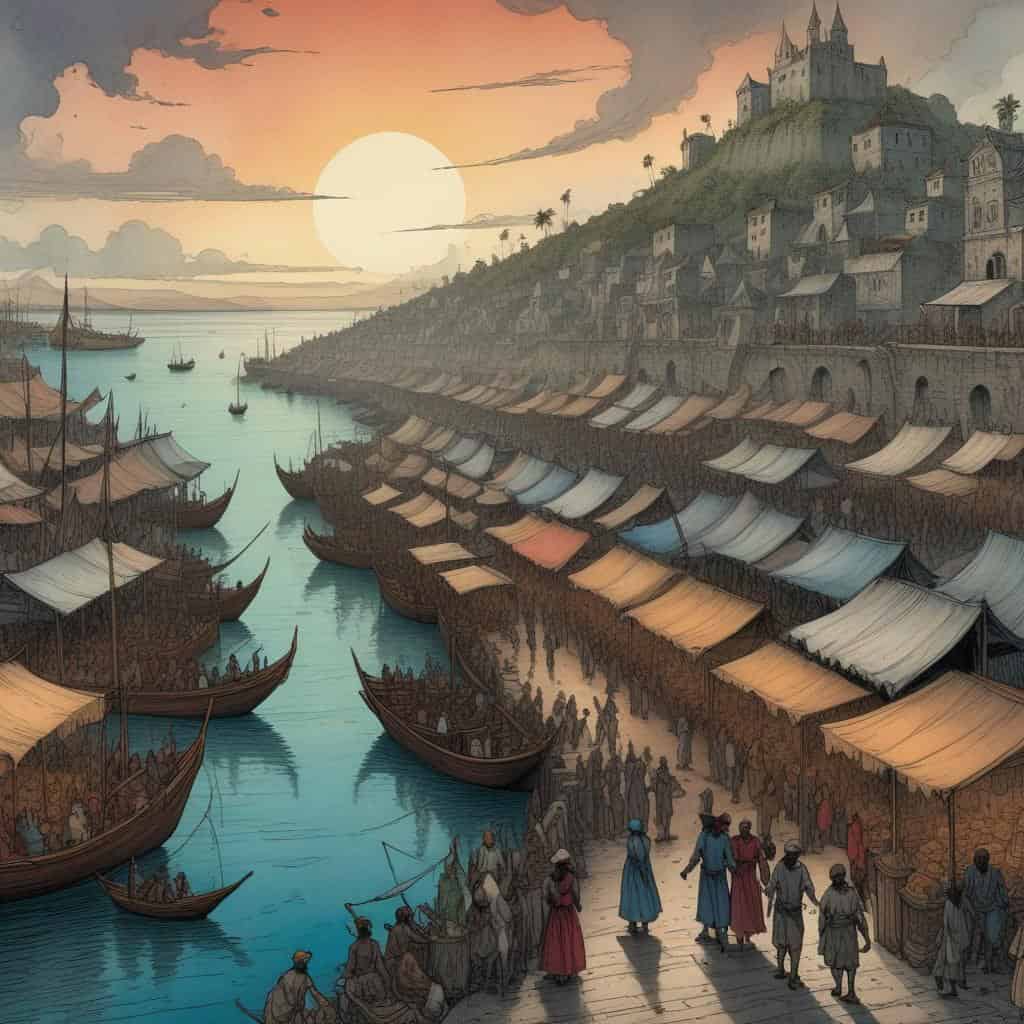
From the bustling markets of Port-au-Prince to the tranquil shores of Île-à-Vache, Haiti is a land of contrasts and surprises waiting to be explored. Let this summary be your guide to the wonders of Haiti, from the bustling city life to the serene countryside. Get ready to be inspired by the beauty and resilience of this vibrant country as we take you on a virtual tour of Haiti's stunning landscapes.

Madeline - Local Tour Guide

Madeline - Local Tour Guide

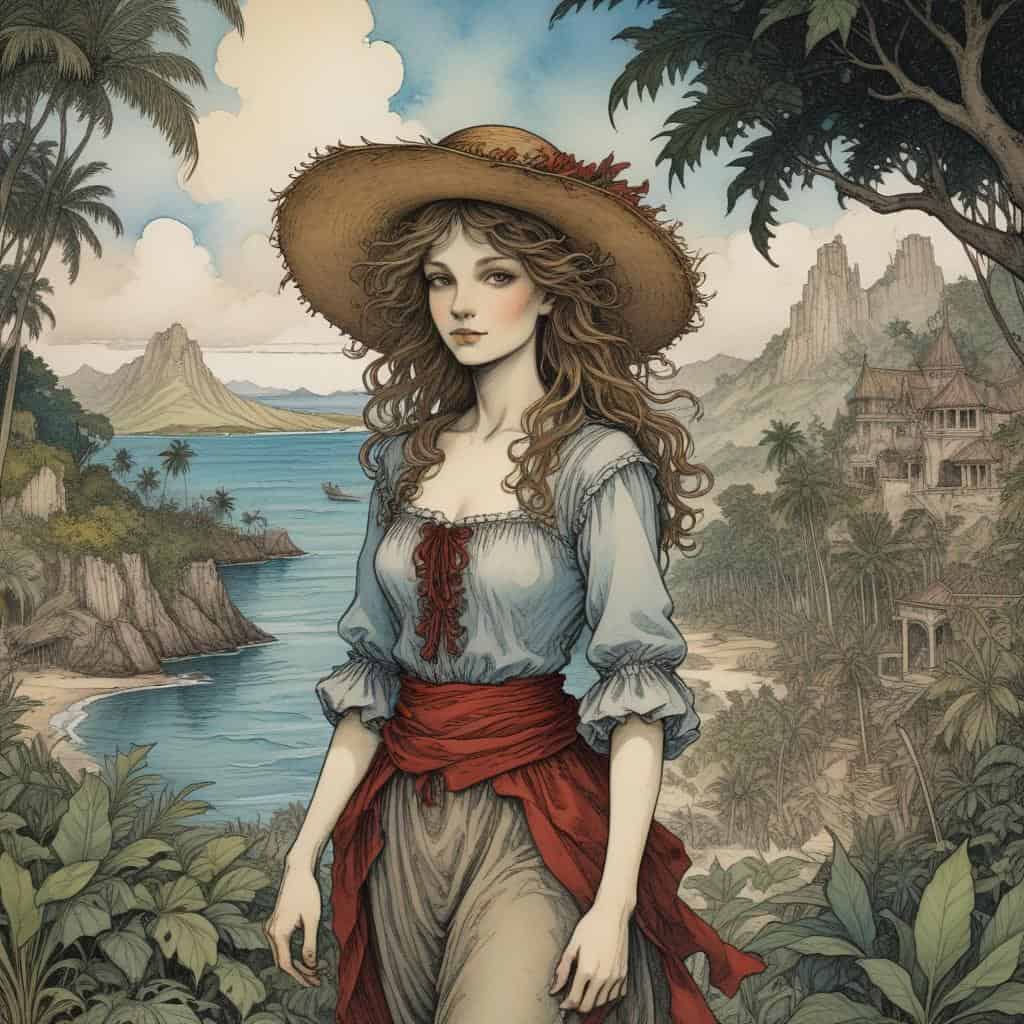
Madeline is a knowledgeable and experienced tour guide who is passionate about showcasing the beauty and history of Haiti. She is fluent in multiple languages and always goes above and beyond to ensure her guests have an unforgettable experience.

Dr. Jean - Environmental Activist

Dr. Jean - Environmental Activist

Dr. Jean is a dedicated environmental activist who works tirelessly to protect Haiti's stunning landscapes and promote sustainable practices. His advocacy efforts have led to significant improvements in conservation efforts throughout the country.

Sophie - Local Artisan

Sophie - Local Artisan

Sophie is a talented local artisan who creates stunning handcrafted souvenirs inspired by Haiti's vibrant culture and landscapes. Her unique creations are highly sought after by tourists and collectors alike.

Marie - Community Leader

Marie - Community Leader

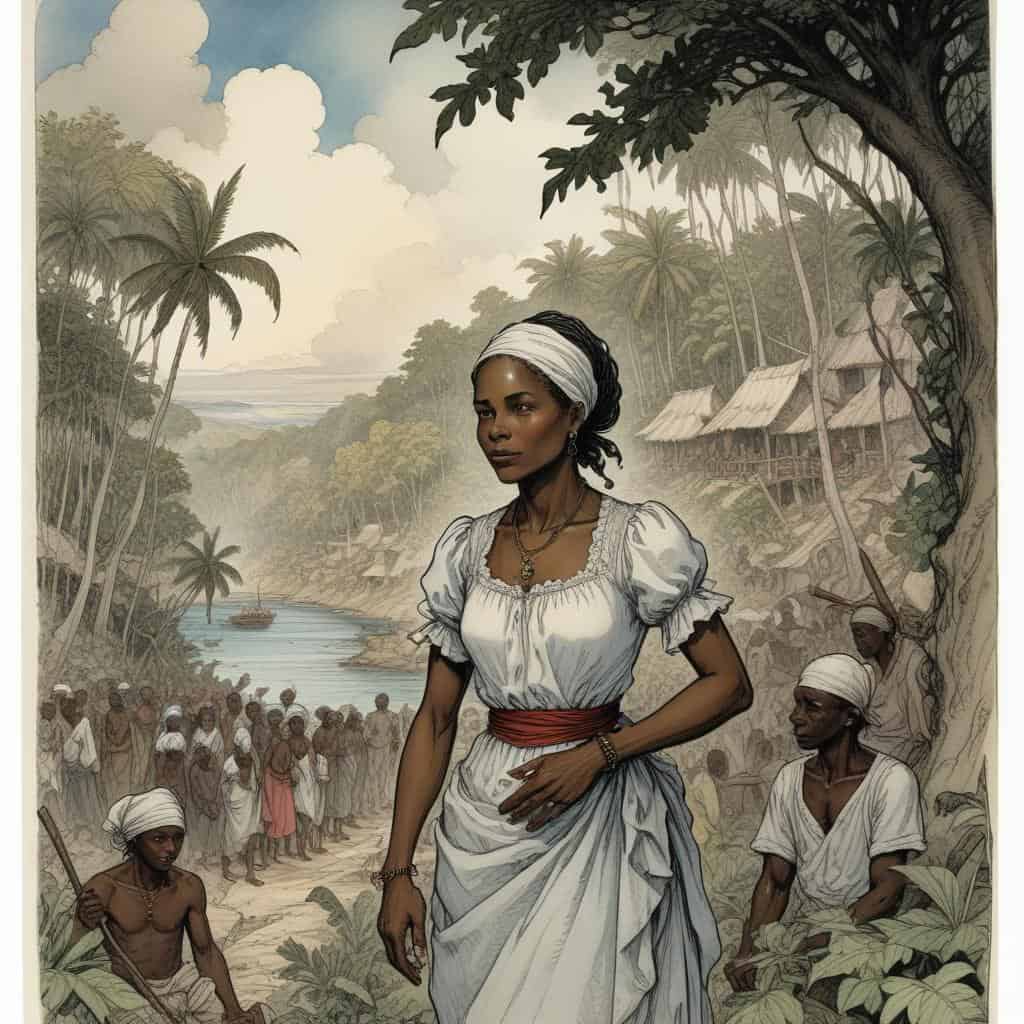
Marie is a respected community leader who is committed to improving the lives of her fellow Haitians. She works tirelessly to promote education, healthcare, and economic development in her local village, all while preserving the natural beauty of Haiti's landscapes.

Discovering the Rich Culture of Haiti
Discovering the Rich Culture of Haiti

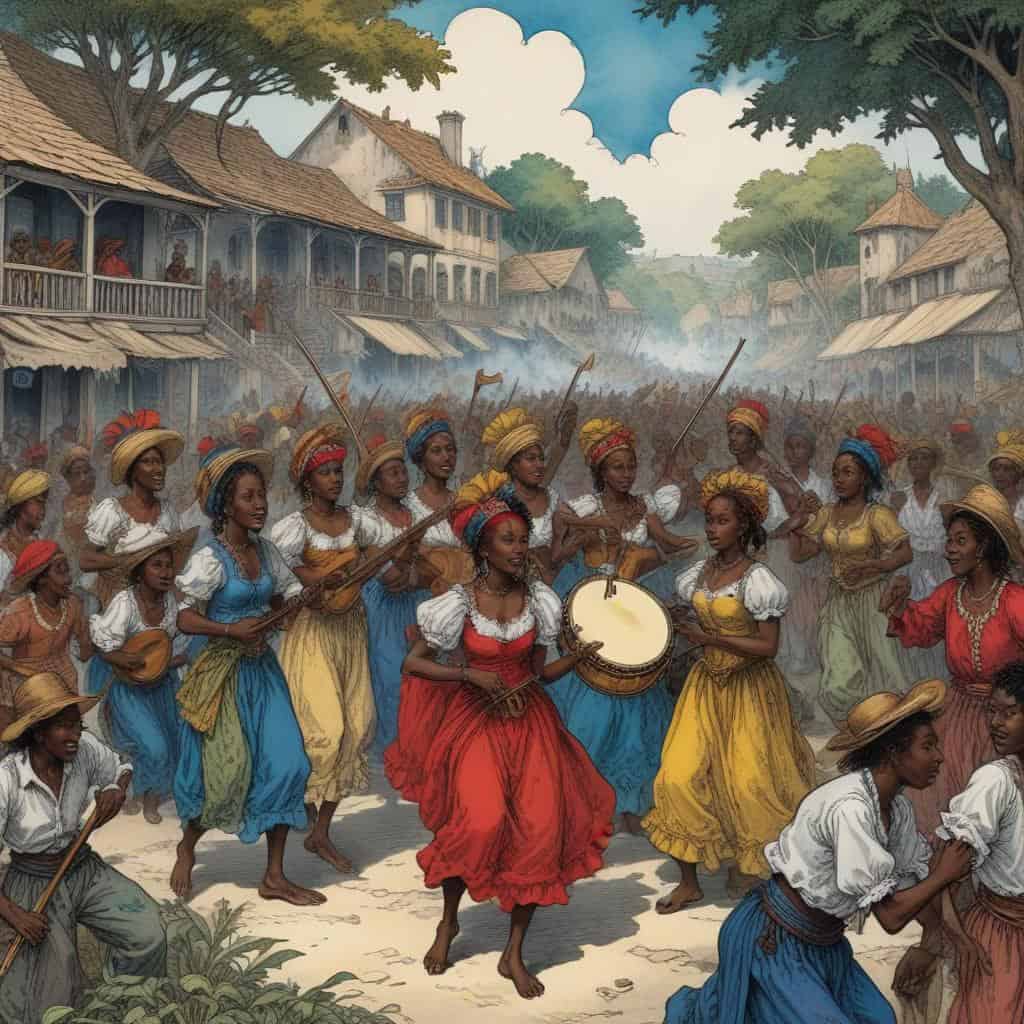
One of the most captivating aspects of Haiti is its vibrant culture, deeply rooted in African and French influences. The country is known for its colorful artwork, traditional music, and lively festivals that celebrate its unique heritage. Visitors can explore historic sites such as the Citadelle Laferrière and the Iron Market in Port-au-Prince to learn more about Haiti's fascinating history.

Exploring the Breathtaking Beaches of Haiti
Exploring the Breathtaking Beaches of Haiti

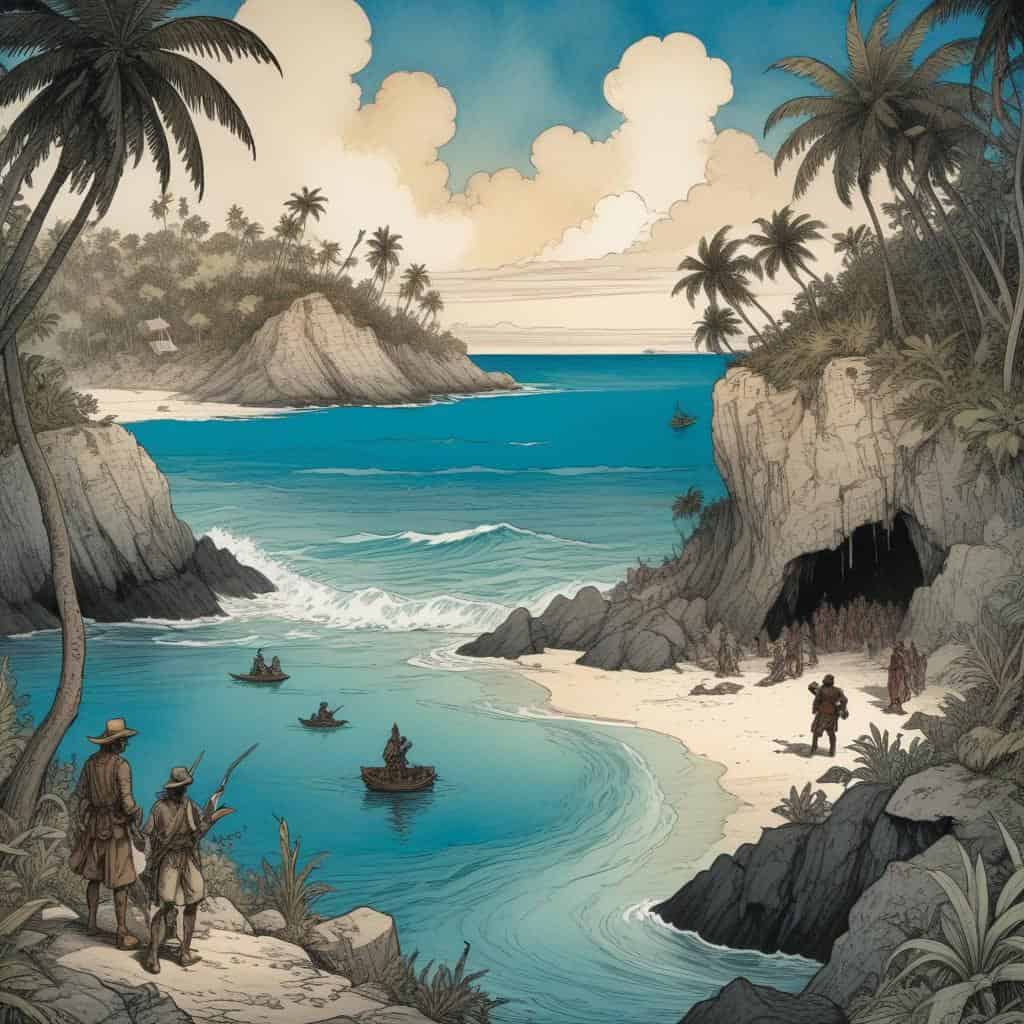
Haiti is home to some of the most stunning beaches in the Caribbean, with crystal-clear waters and pristine white sands. Popular beach destinations include Labadee, Jacmel, and Île-à-Vache, where visitors can relax, swim, and soak up the sun. Adventure seekers can also enjoy water sports such as snorkeling, scuba diving, and surfing along the coast.

Immersing in the Natural Beauty of Haiti
Immersing in the Natural Beauty of Haiti

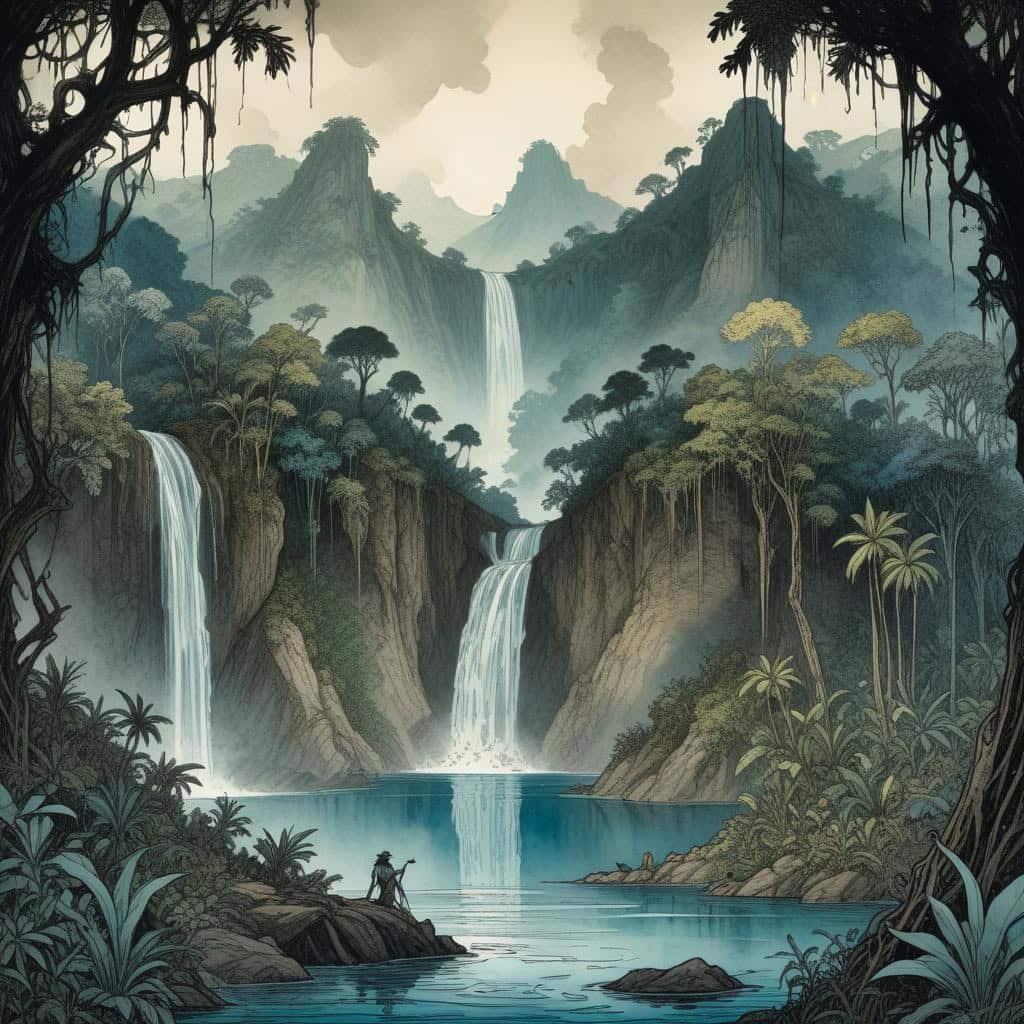
From lush rainforests to towering mountains, Haiti boasts a diverse range of natural landscapes waiting to be explored. The country is home to the breathtaking Bassin Bleu waterfalls, the scenic Pic Macaya National Park, and the picturesque Kenscoff region. Nature lovers can hike, birdwatch, and explore the unique flora and fauna of Haiti's wilderness.

Sampling the Delicious Haitian Cuisine
Sampling the Delicious Haitian Cuisine

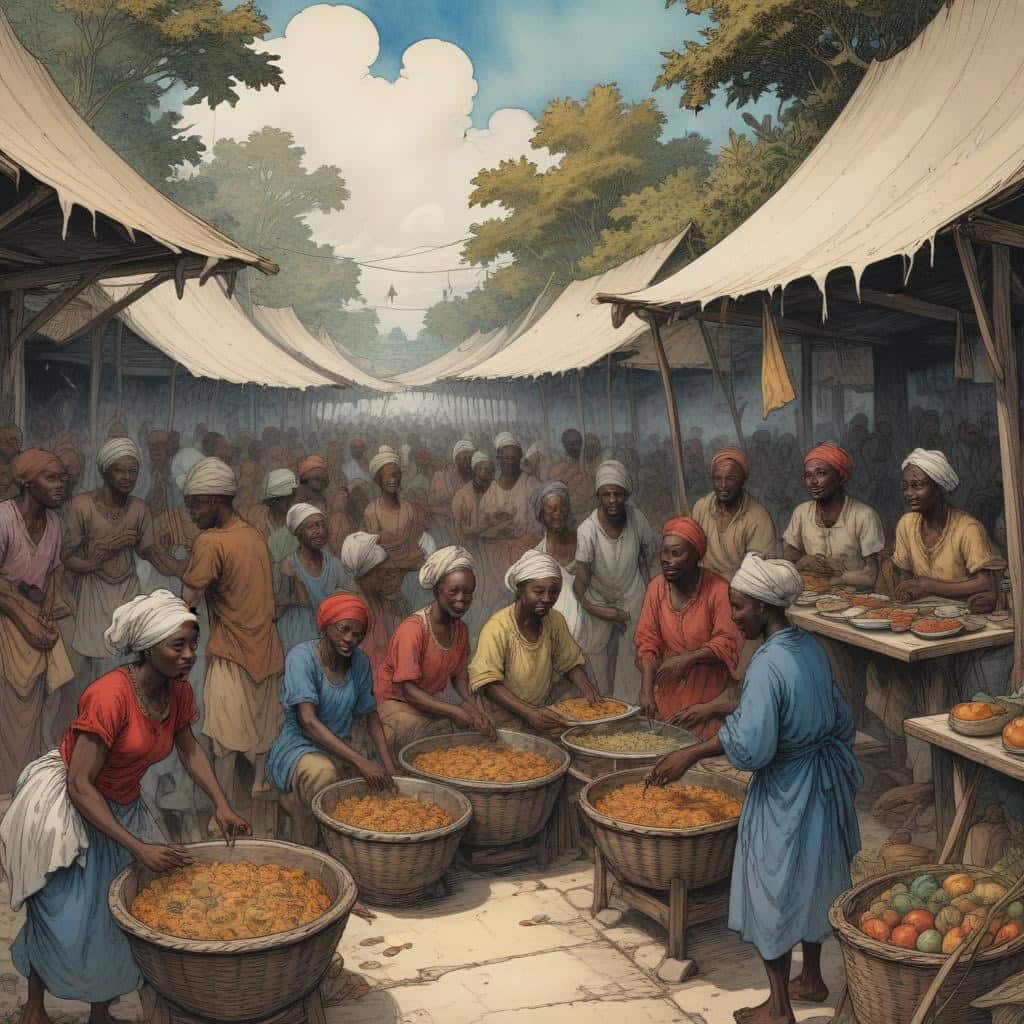
Haiti is a paradise for food lovers, with a rich culinary tradition that blends African, French, and Caribbean flavors. Visitors can savor local delicacies such as griot (fried pork), diri ak djon djon (rice with black mushrooms), and pikliz (spicy pickled vegetables). Street markets and restaurants offer a variety of dishes that showcase the unique tastes of Haiti.

Experiencing the Warm Hospitality of the Haitian People
Experiencing the Warm Hospitality of the Haitian People

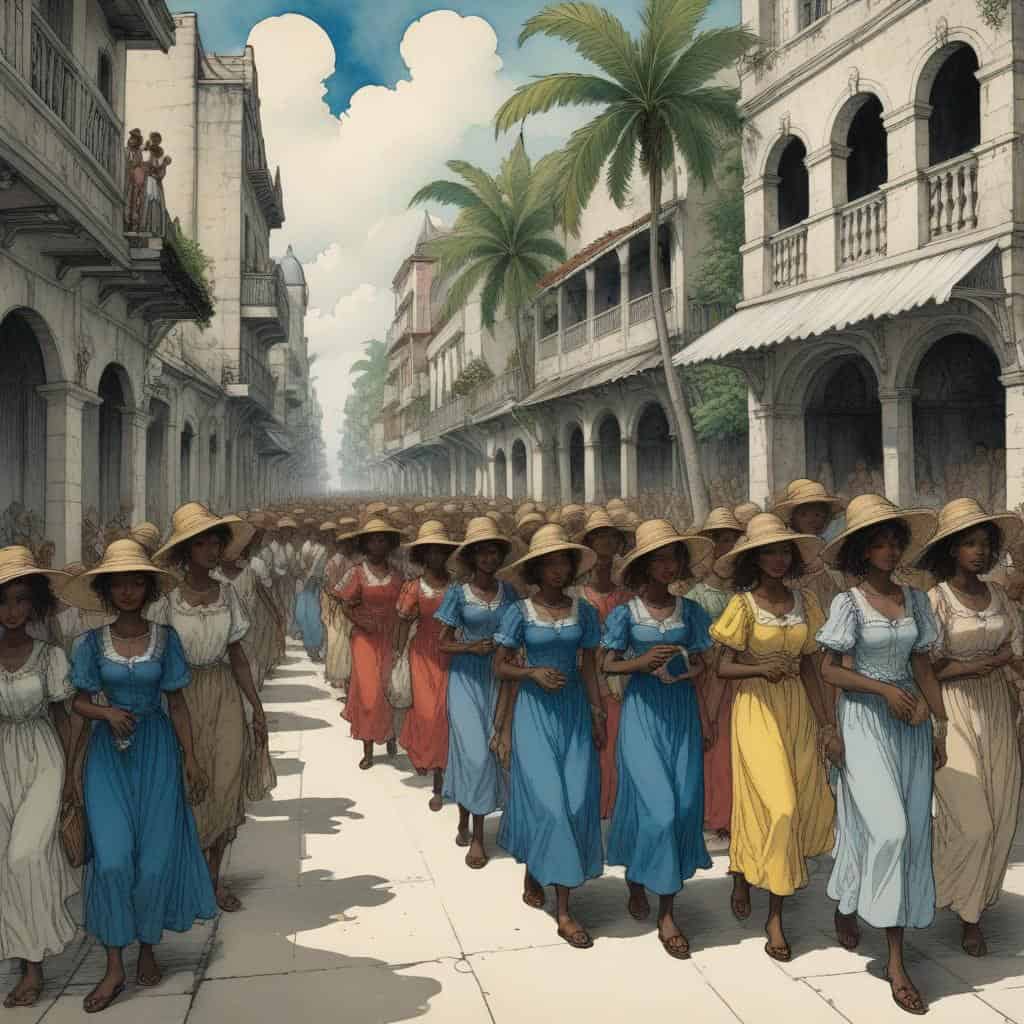
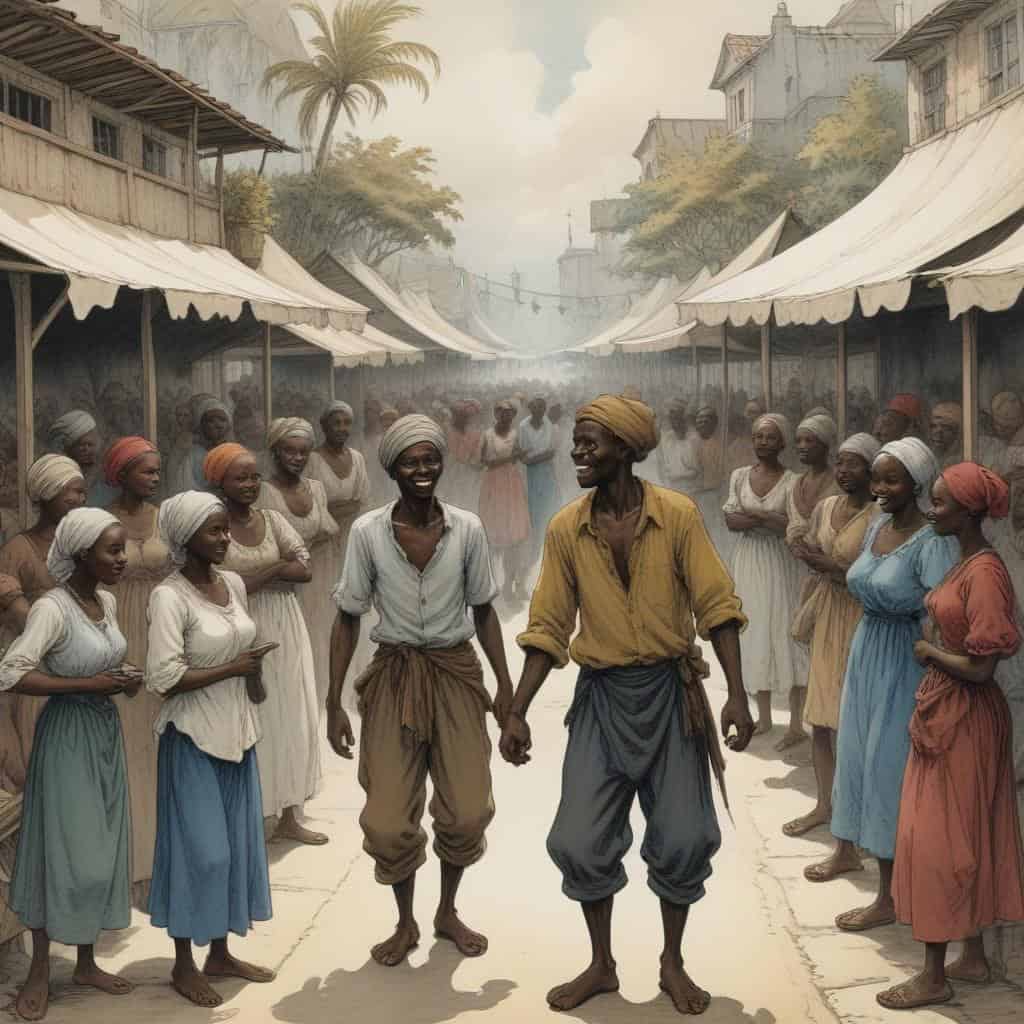
Haitians are known for their warm and welcoming hospitality, making visitors feel right at home in their country. Locals are eager to share their culture, traditions, and stories with tourists, creating lasting memories and connections. Whether exploring a bustling market or attending a cultural event, visitors can expect to be greeted with kindness and generosity.

Learning about Haitis History and Resilience
Learning about Haitis History and Resilience

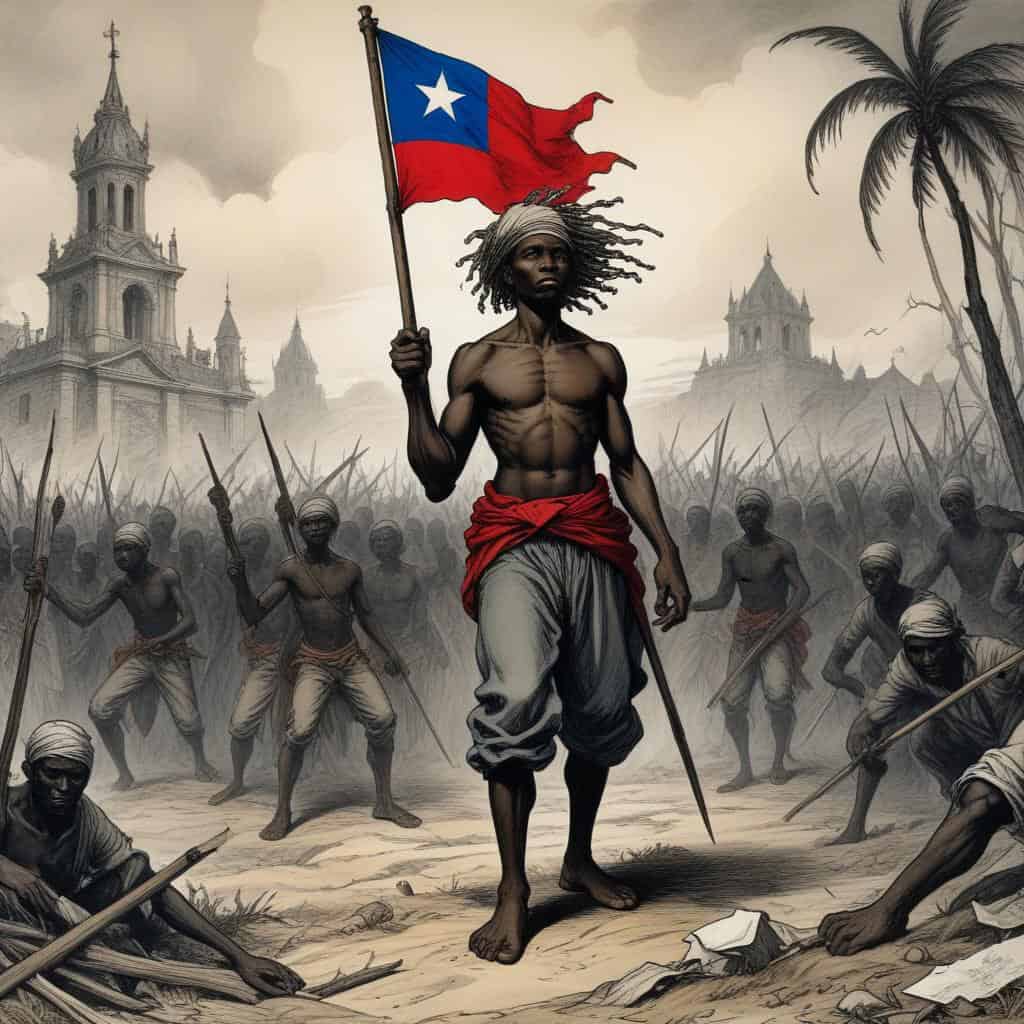
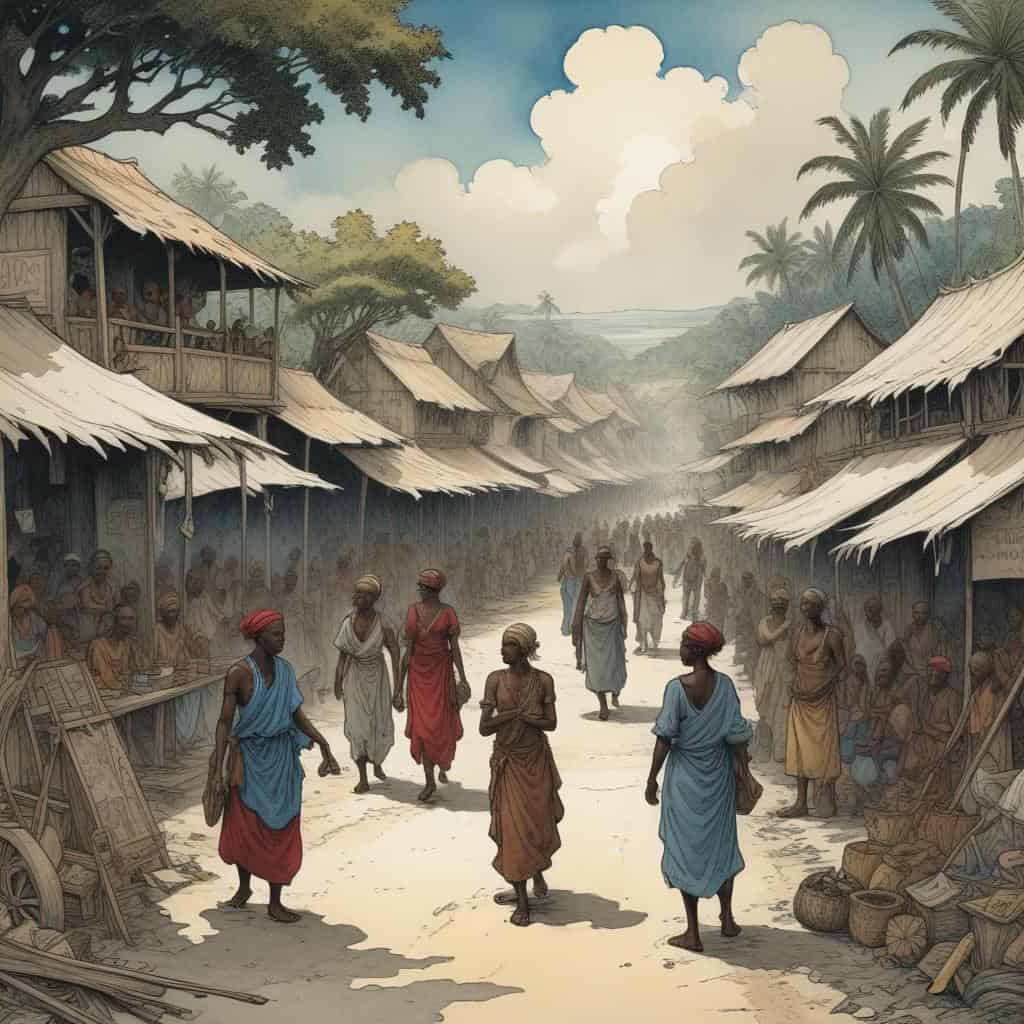
Haiti has a complex history marked by colonization, slavery, dictatorship, and natural disasters. Despite facing numerous challenges, the Haitian people have shown remarkable resilience and strength in rebuilding their country. Visitors can gain a deeper understanding of Haiti's past and present by visiting museums, monuments, and historical sites that tell the story of its struggles and triumphs.

Supporting Local Communities and Sustainable Tourism
Supporting Local Communities and Sustainable Tourism

Travelers can make a positive impact on Haiti by supporting local businesses, artisans, and community projects that promote sustainable tourism. By purchasing handmade crafts, staying at eco-friendly accommodations, and participating in responsible tourism practices, visitors can contribute to the economic development and well-being of Haitian communities. Engaging with locals and learning about their daily lives also fosters cultural exchange and mutual understanding.

Participating in Ecotourism and Adventure Activities
Participating in Ecotourism and Adventure Activities

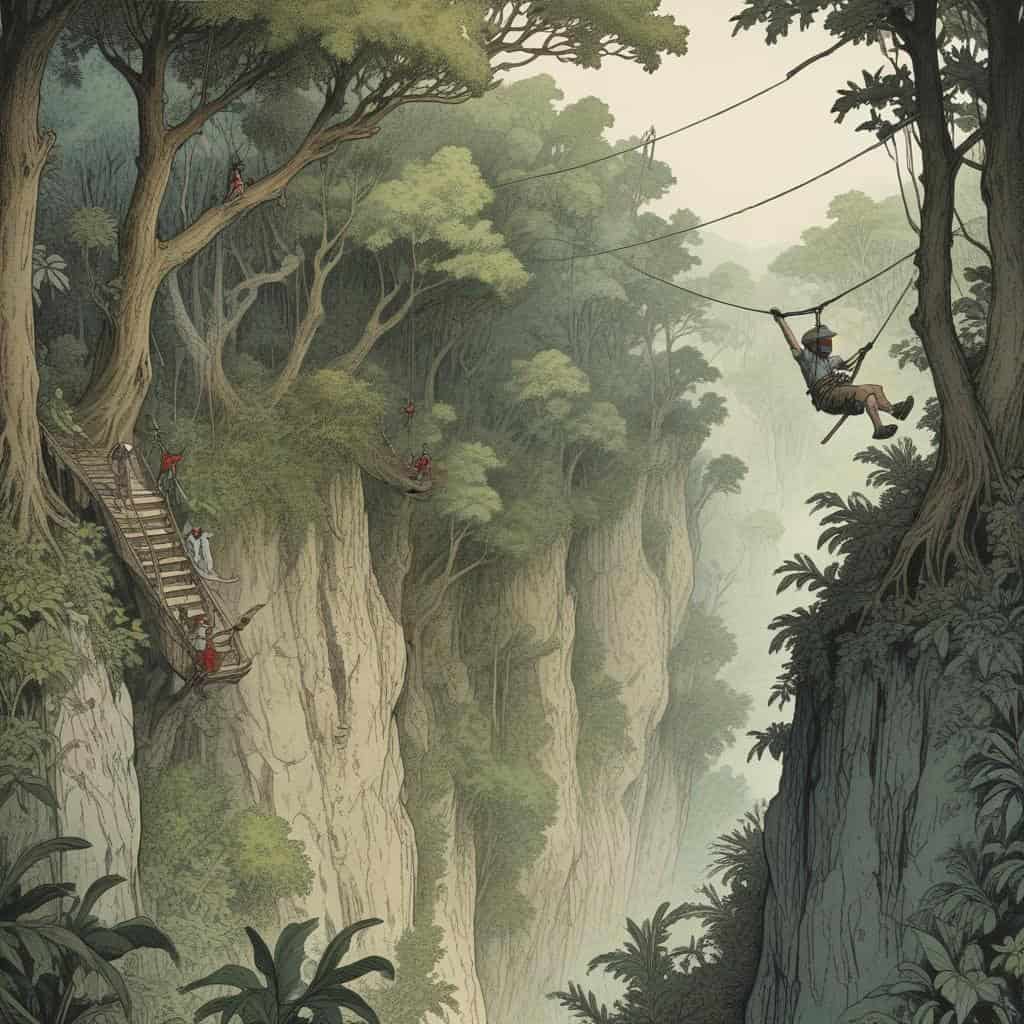
Haiti offers a wide range of ecotourism and adventure activities for travelers seeking outdoor thrills and natural wonders. From zip-lining through the treetops of the La Visite National Park to exploring the hidden caves of Trou du Diable, there are plenty of opportunities to get off the beaten path and discover the unspoiled beauty of Haiti. Eco-friendly tours, hiking expeditions, and wildlife encounters provide unforgettable experiences for nature enthusiasts.

Enjoying Festivals and Celebrations in Haiti

Enjoying Festivals and Celebrations in Haiti

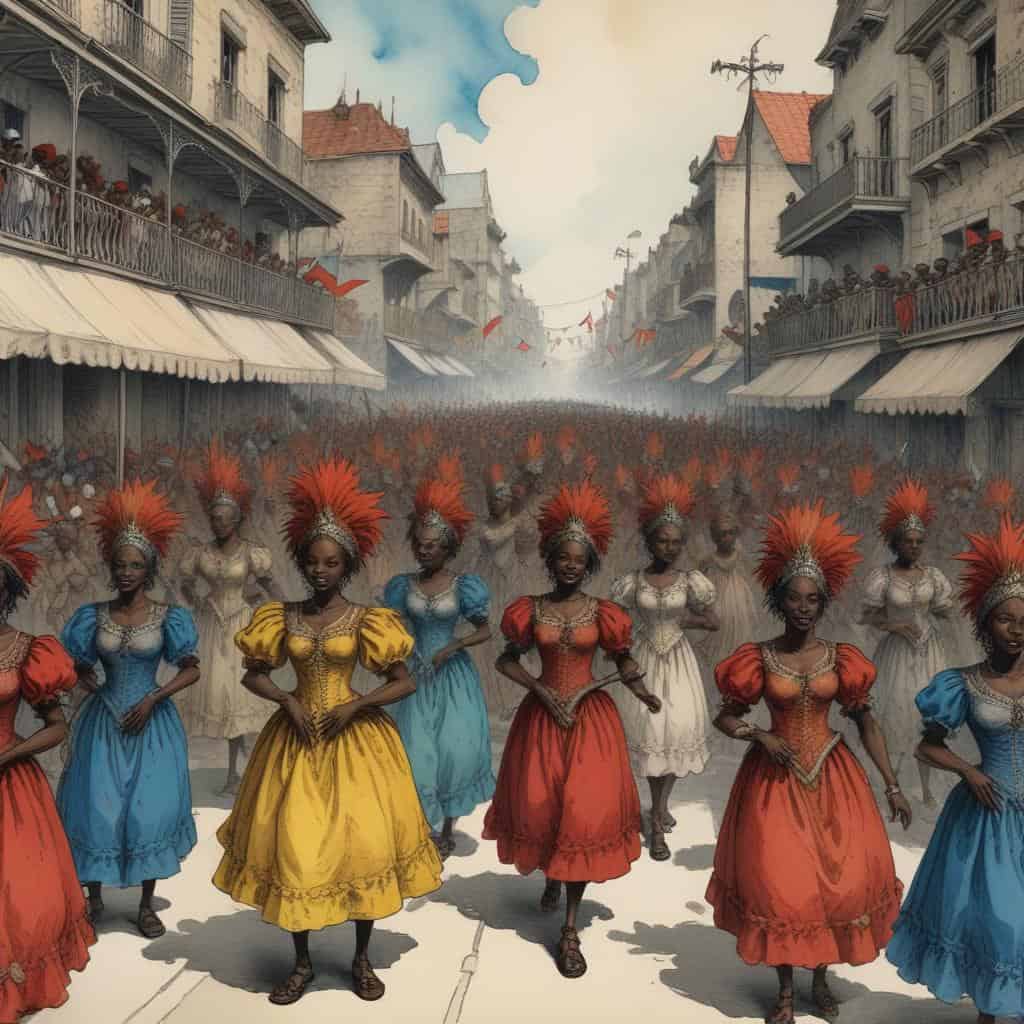
Haiti is a vibrant and festive country that loves to celebrate its cultural traditions through music, dance, and art. Visitors can join in the excitement of annual events such as Carnival, Fête Gede, and the Jacmel Film Festival, where they can experience the energy and creativity of Haitian culture. From street parades to live performances, these festivals offer a glimpse into the heart and soul of Haiti.

Reflecting on the Beauty and Resilience of Haiti

Reflecting on the Beauty and Resilience of Haiti

Exploring the stunning landscapes of Haiti offers a unique opportunity to appreciate the country's beauty, diversity, and resilience. From its rich culture and warm hospitality to its natural wonders and historical sites, Haiti captivates visitors with its charm and spirit. By immersing in the vibrant tapestry of Haitian life, travelers can create lasting memories and forge connections that transcend borders and cultures.

1 / 19

In a Nutshell

  • Capital: Port-au-Prince
  • Population: Approx. 11.4 million (2023)
  • Official Language: Haitian Creole, French
  • Currency: Haitian gourde (HTG)

Breaking Down the Country

Geographical Diversity

Haiti boasts a diverse landscape, from lush mountains and tropical forests to stunning beaches and vibrant cityscapes.

Rich Cultural Heritage

Explore Haiti's rich cultural tapestry, blending African, French, and indigenous influences in its art, music, and cuisine.

Historical Resilience

Discover Haiti's tumultuous history of revolution, independence, and resilience, shaping its identity as the first black-led republic.

Timeline of Haiti

500 AD

Taino people settle in Haiti

1492

Christopher Columbus lands in Haiti

1496

Spanish colonization of Haiti begins

1625

French colonization of Haiti begins

1791

Haitian Revolution begins

1804

Haiti declares independence from France

1804

Jean-Jacques Dessalines becomes first ruler of independent Haiti

1804

Haiti becomes the first black-led republic in the world

1915

United States occupies Haiti

1934

Haiti gains independence from the United States

1957

Francois Duvalier becomes President of Haiti

1971

Jean-Claude Duvalier becomes President of Haiti

1990

Jean-Bertrand Aristide becomes President of Haiti

2010

Haiti experiences a devastating earthquake

2016

Hurricane Matthew hits Haiti

2017

Jovenel Moise becomes President of Haiti

2019

Protests erupt in Haiti over government corruption

2020

COVID-19 pandemic reaches Haiti

2021

Assassination of President Jovenel Moise

2021

Earthquake hits Haiti

Vocabulary List

Mountains
The mountains in Haiti provide stunning views.
Beaches
The beaches in Haiti are known for their crystal-clear waters.
Palm trees
Palm trees line the streets of many cities in Haiti.
Coastline
The coastline of Haiti is dotted with picturesque fishing villages.
Waterfall
Visitors can hike to a beautiful waterfall in the mountains of Haiti.
Countryside
The countryside of Haiti is lush and green.
Cityscape
The cityscape of Port-au-Prince is a mix of colonial architecture and modern high-rises.
Plaza
The central plaza in Cap-Haïtien is a popular gathering spot for locals and tourists alike.
Market
The bustling markets of Haiti are filled with colorful fruits and handicrafts.
Cathedral
The Notre Dame Cathedral in Port-au-Prince is a historic landmark in Haiti.

Key Facts

This is the information used in the fact matching game

  • Haiti is located on the island of Hispaniola, which it shares with the Dominican Republic.
  • The landscape of Haiti is characterized by mountain ranges, valleys, and coastal plains.
  • Port-au-Prince is the capital and largest city of Haiti.

  • The city of Cap-Haïtien is known for its well-preserved French colonial architecture.
  • The Citadel Laferrière, located near Cap-Haïtien, is a UNESCO World Heritage site and the largest fortress in the Americas.
  • Haiti has a tropical climate with distinct wet and dry seasons.

  • The country is susceptible to natural disasters such as hurricanes, earthquakes, and landslides.
  • The island of Tortuga, off the coast of Haiti, was a notorious pirate haven in the 17th century.
  • The National Palace in Port-au-Prince was severely damaged in the 2010 earthquake and has yet to be fully restored.

  • Haiti is home to the world's first successful slave rebellion, which led to the country's independence from France in 1804.
  • The Blue Mountains in Haiti are known for their stunning views and coffee plantations.
  • The city of Jacmel is famous for its vibrant arts scene and annual carnival celebrations.

  • Haiti's national bird is the Hispaniolan trogon, a colorful species found in the country's forests.
  • The town of Milot is home to the ruins of the Sans-Souci Palace, a former royal residence of King Henri I of Haiti.
  • The city of Les Cayes is known for its beautiful beaches and vibrant local culture.

  • Haiti's national flower is the hibiscus, which can be found in a variety of colors throughout the country.
  • The island of Île-à-Vache, off the coast of Haiti, is a popular destination for tourists seeking a secluded beach getaway.
  • The city of Gonaïves is known as the birthplace of Haiti's independence movement and hosts annual celebrations on Independence Day.

  • Haiti is home to several unique species of wildlife, including the Hispaniolan solenodon and the Hispaniolan hutia.
  • The city of Port-de-Paix is located on the country's northwest coast and is known for its colorful waterfront and historic architecture.

Why It Matters

Geopolitical Significance

Located in the Caribbean, Haiti holds strategic importance as the first independent nation in Latin America and the Caribbean, following a successful slave revolution in 1804. Its position in the region has influenced its relationships with neighboring countries and global powers.

Historical Importance

Haiti’s history is marked by its revolutionary past and the struggle for freedom against colonial powers. The Haitian Revolution of the late 18th century remains a pivotal event in world history, inspiring movements for independence and abolition of slavery worldwide.

Modern-Day Role

Today, Haiti faces challenges such as political instability, poverty, and natural disasters. As the poorest country in the Western Hemisphere, Haiti’s development and recovery efforts are closely watched by the international community. Its cultural heritage and resilience continue to shape its identity and global perception.

Haiti Games

Was This Lesson Helpful?

Please log in or sign up to rate this lesson. 

Take Your Learning Offline

Want a convenient, print-ready study guide for this lesson? Become a Memory Wizards Pro member to unlock the downloadable " Memory Scrolls" for this topic and our entire library!

  • ✓ Complete Vocabulary Lists
  • ✓ Key Facts & Timelines
  • ✓ Beautifully Formatted for Print & Mobile
Upgrade to Pro

You must be logged in to provide feedback. Please log in or create a free account.

You must be logged in to provide feedback. Please log in or create a free account.

Scroll to Top