
How Do You Learn Best?
Learn by Reading
Immerse yourself in the 10-minute visual lesson for a comprehensive understanding of the topic.
Learn by Reviewing
Jump directly to the key facts, timeline, and vocabulary lists to build a solid foundation of details.
Learn by Doing
Challenge yourself! Jump straight into the interactive games to learn by trial, error, and discovery.
Dominican Republic in 10 Minutes
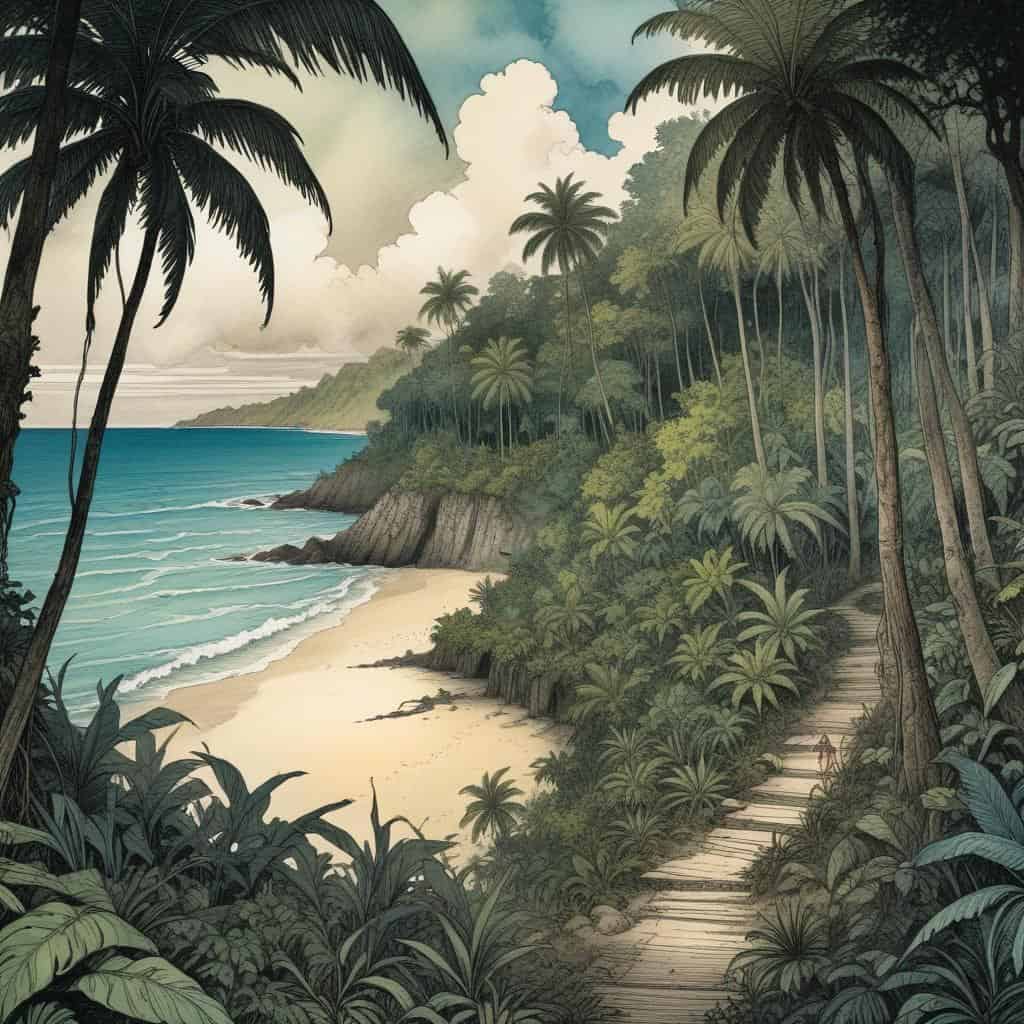
Introduction
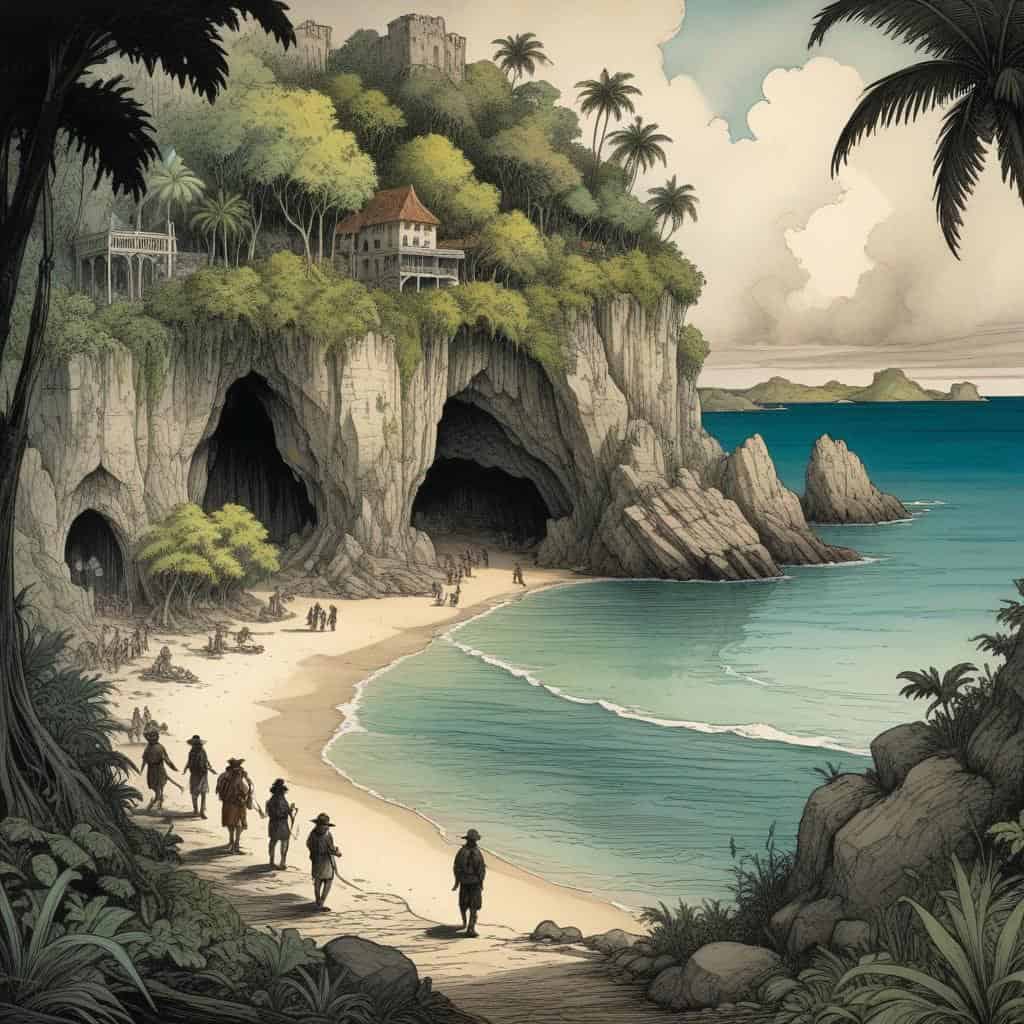
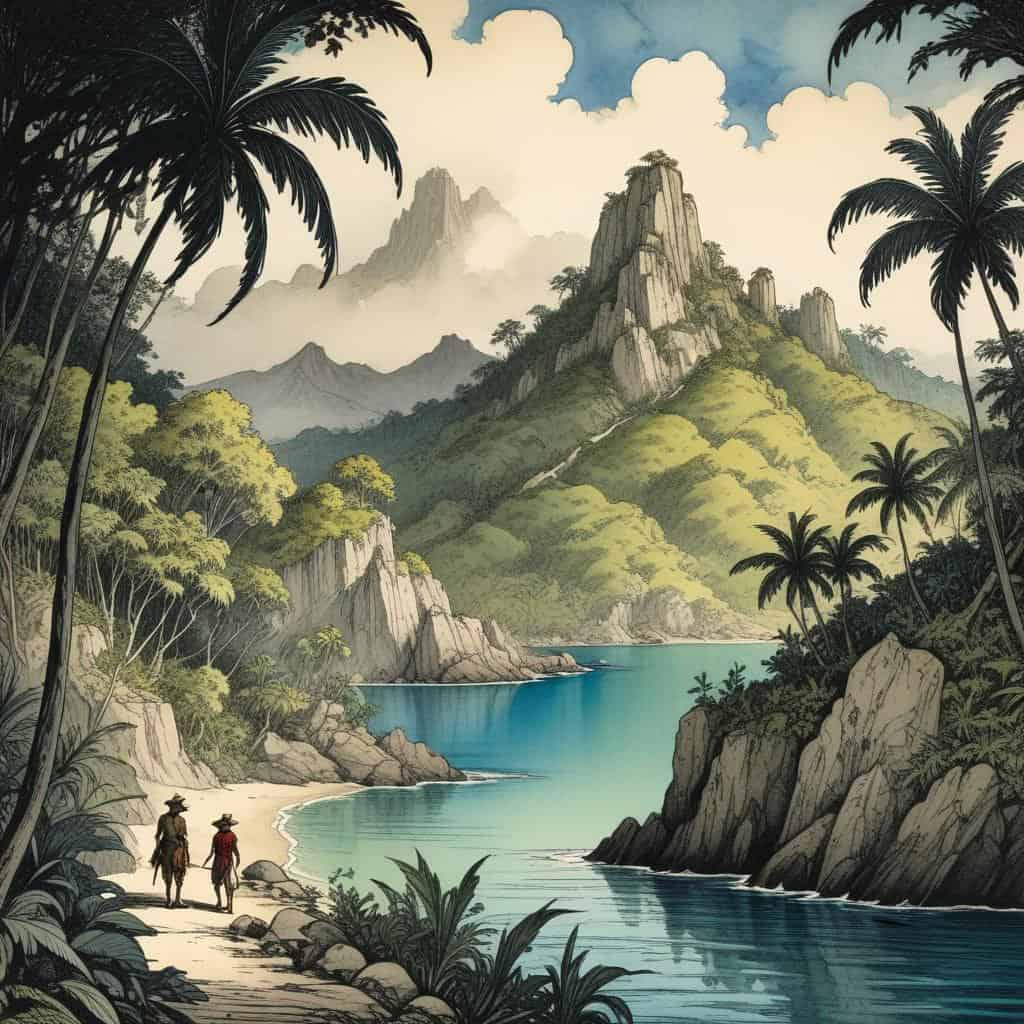
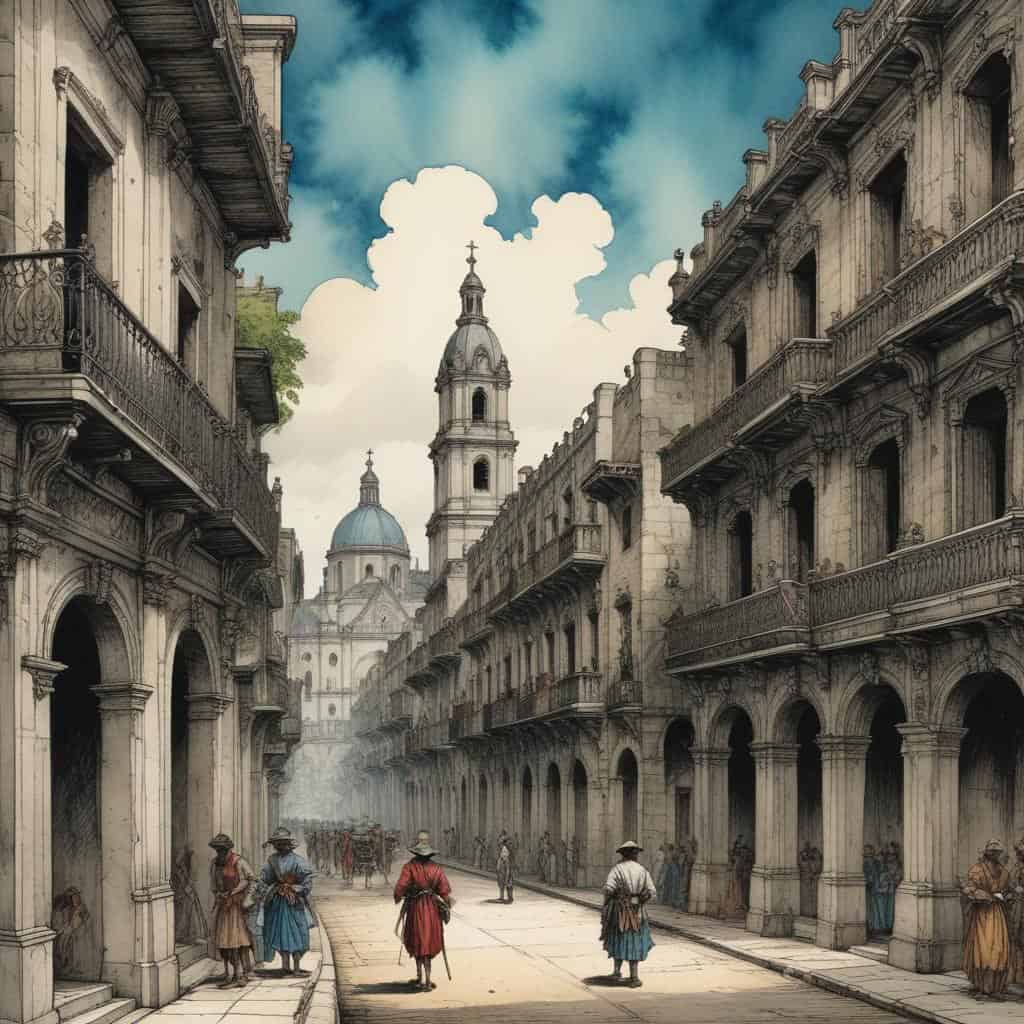
1. Santo Domingo
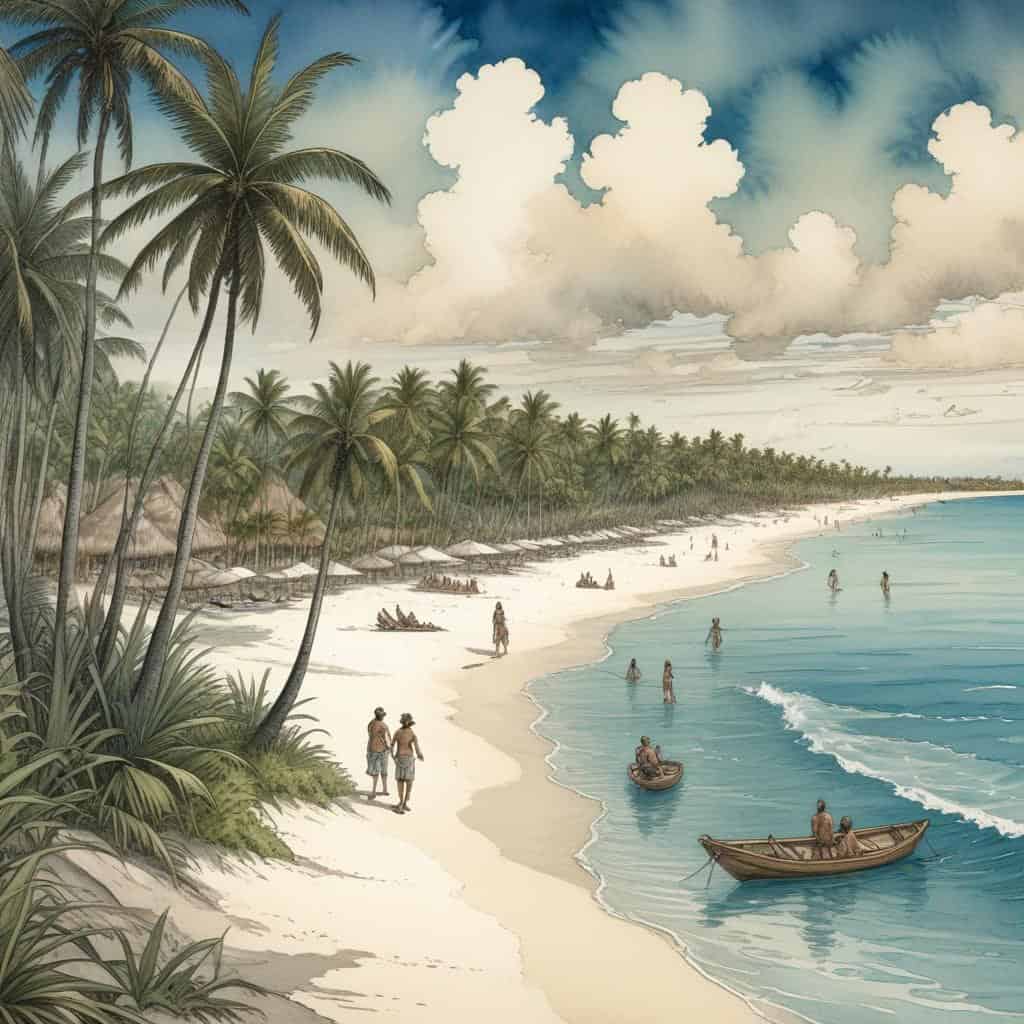
2. Punta Cana
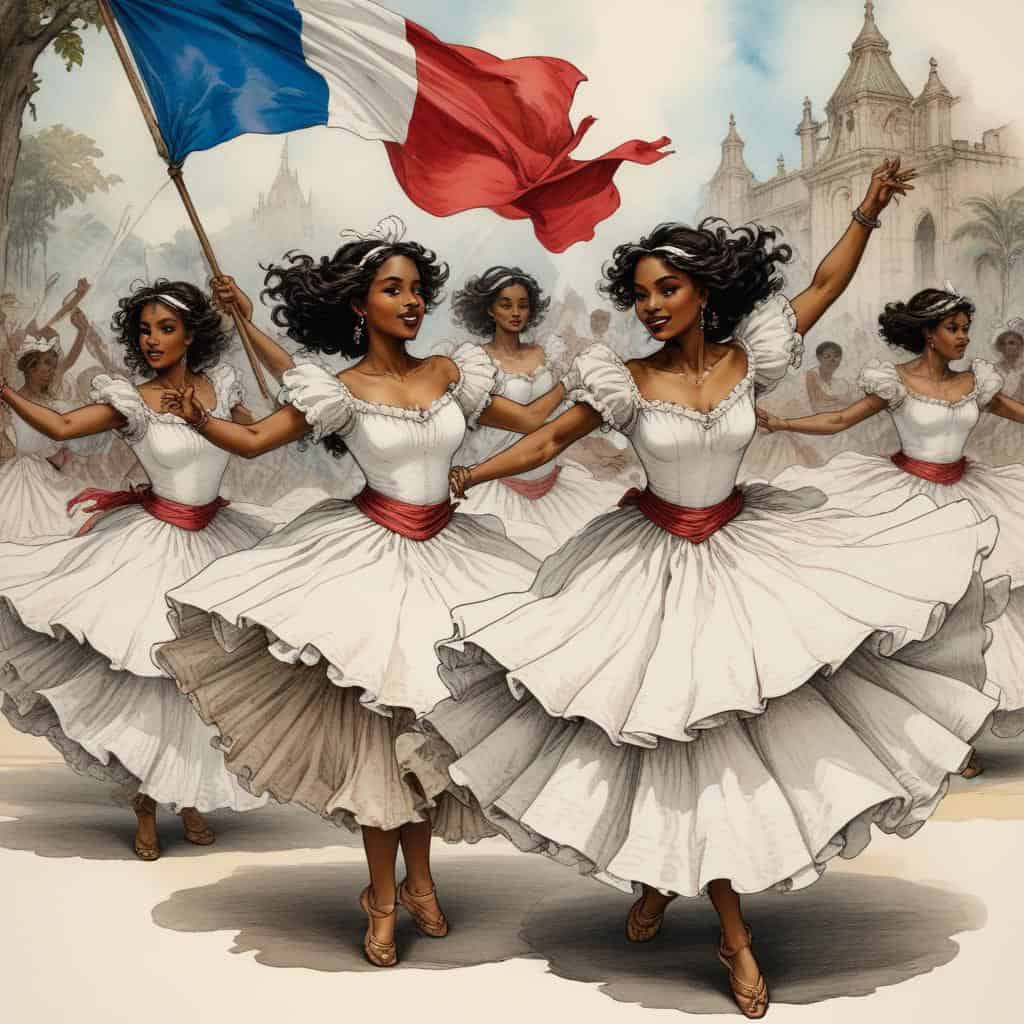
3. Merengue Dancers

4. Baseball Players
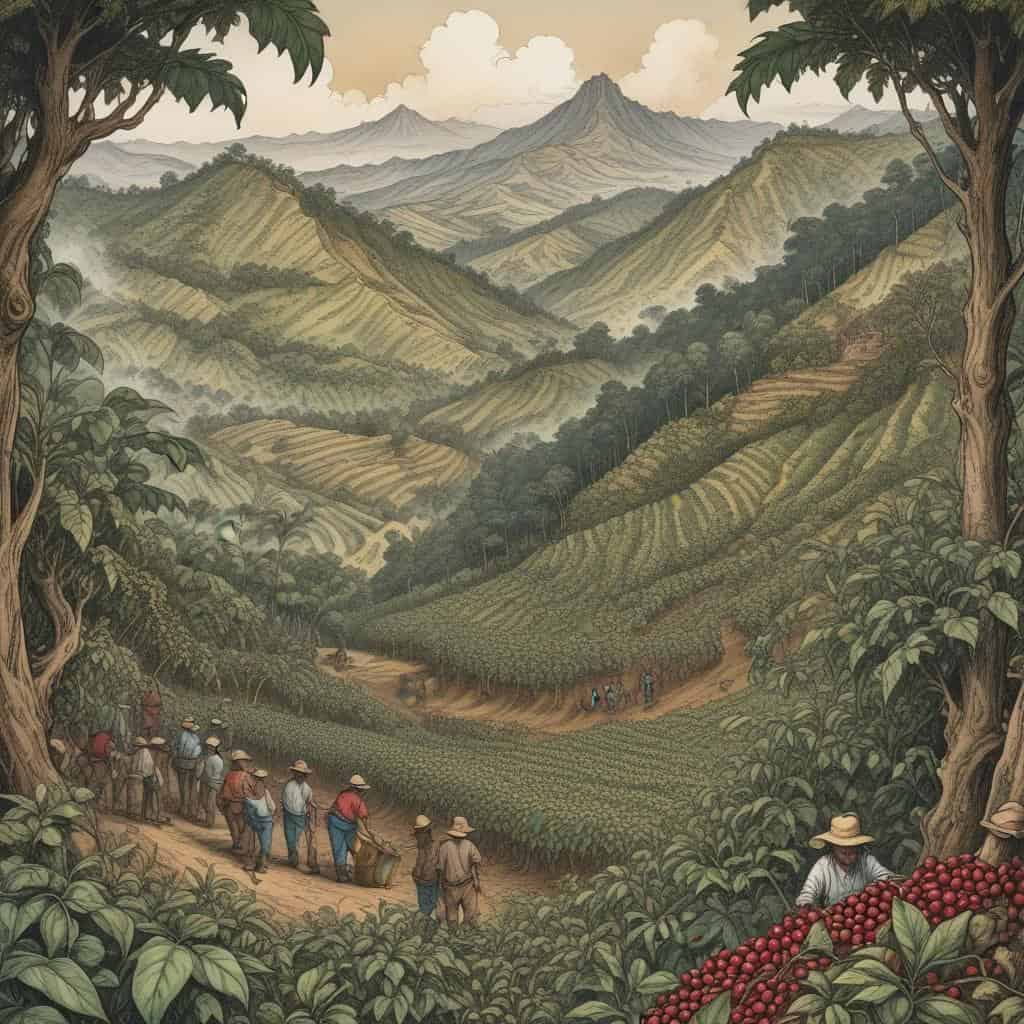
5. Coffee Farmers
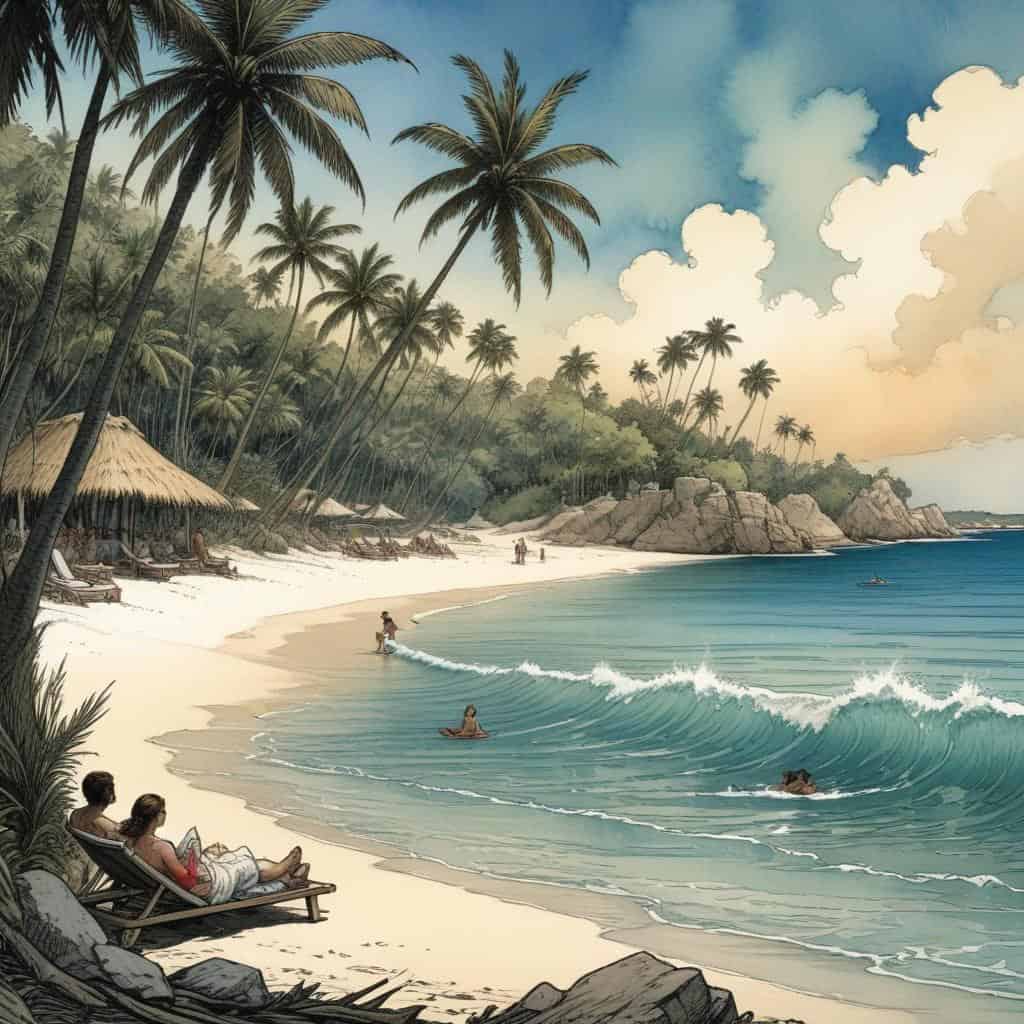
1. Stunning Beaches
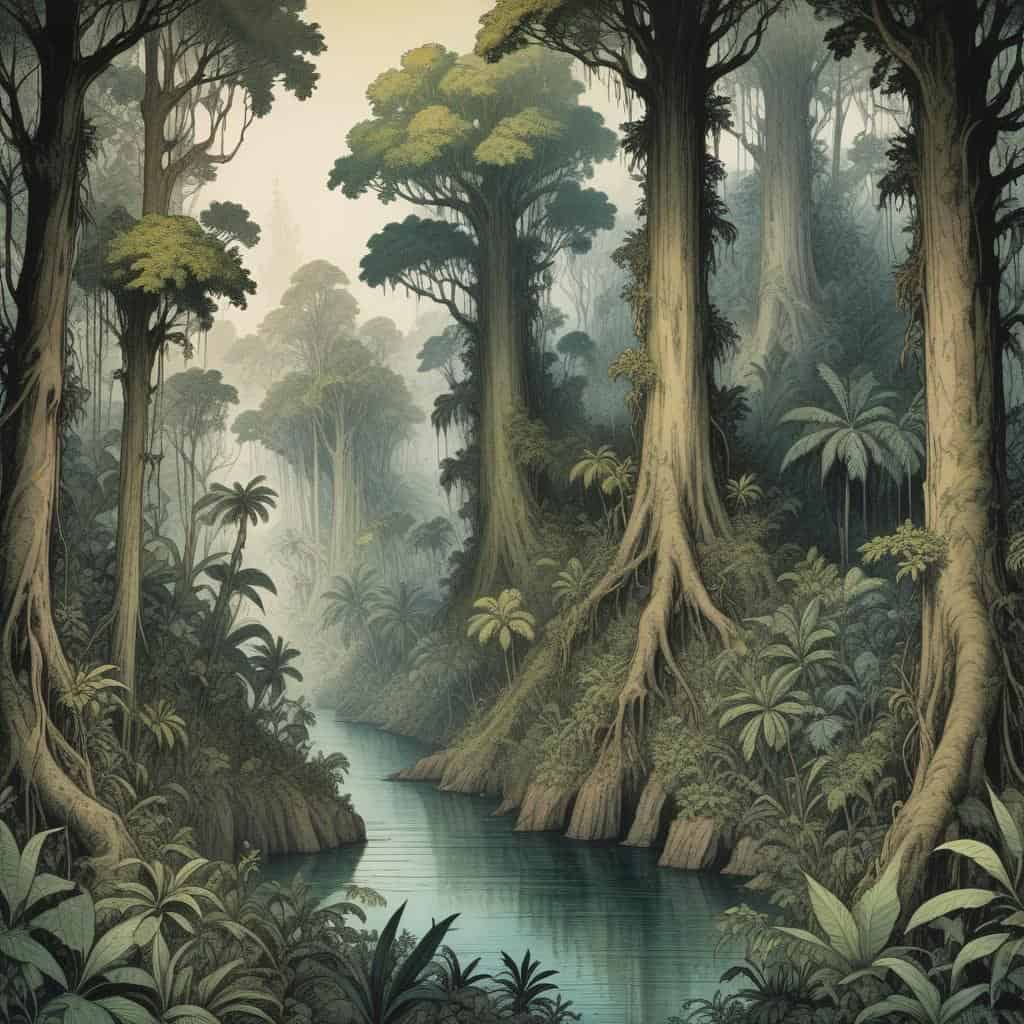
2. Lush Rainforests
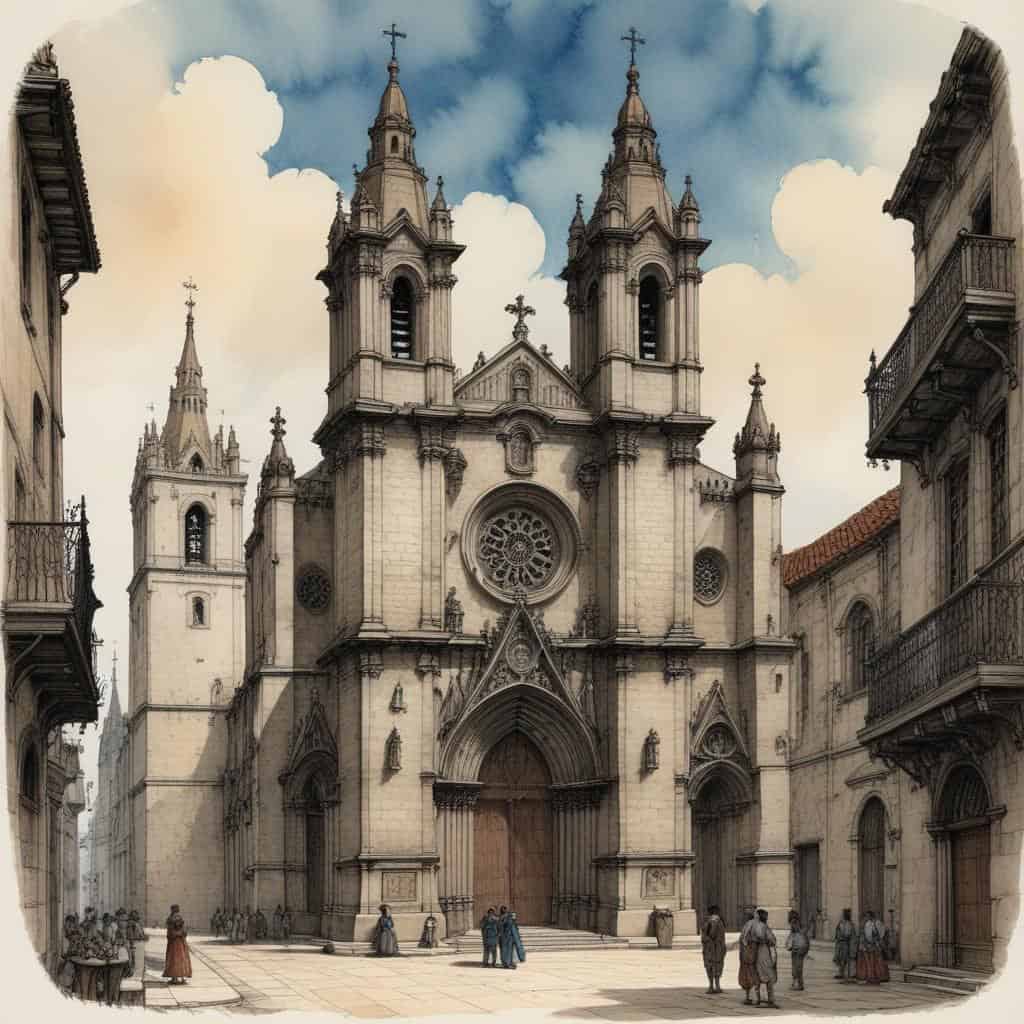
3. Colonial Architecture
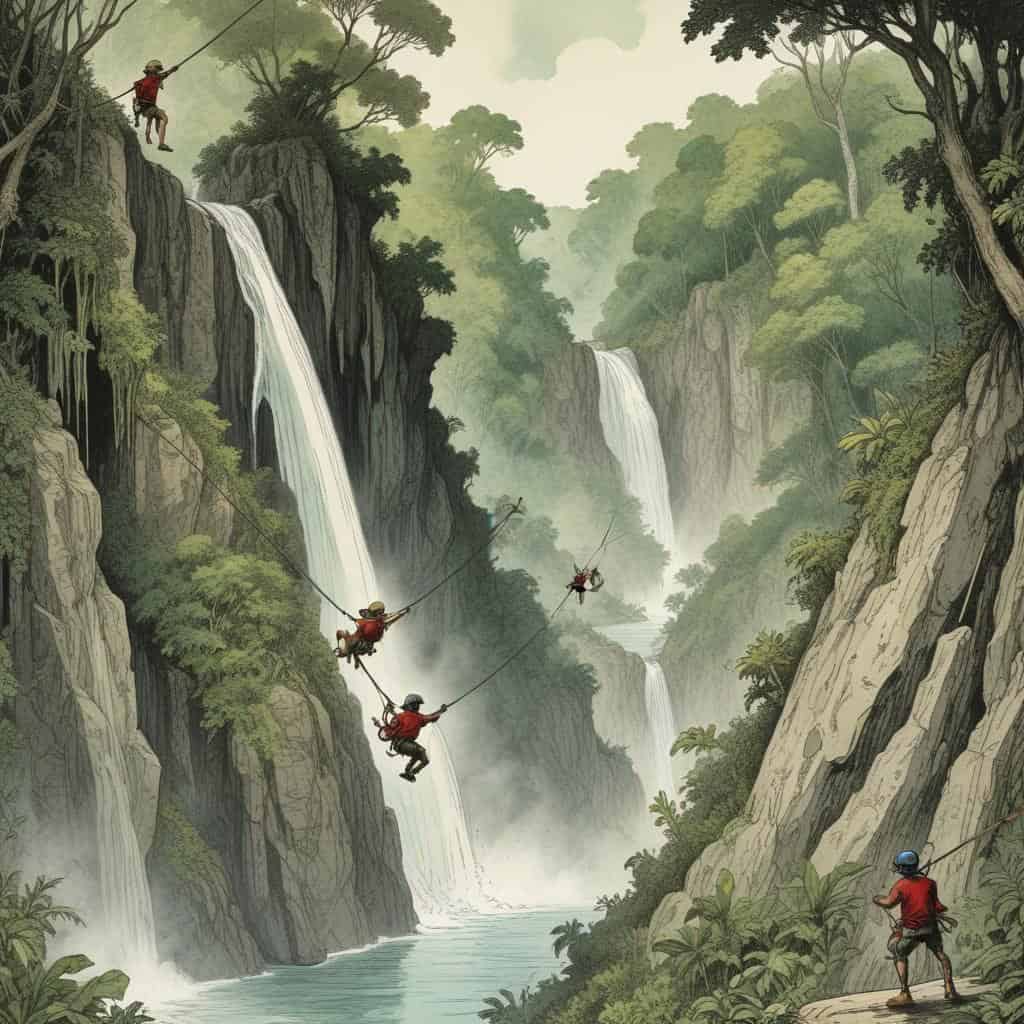
4. Adventure Activities
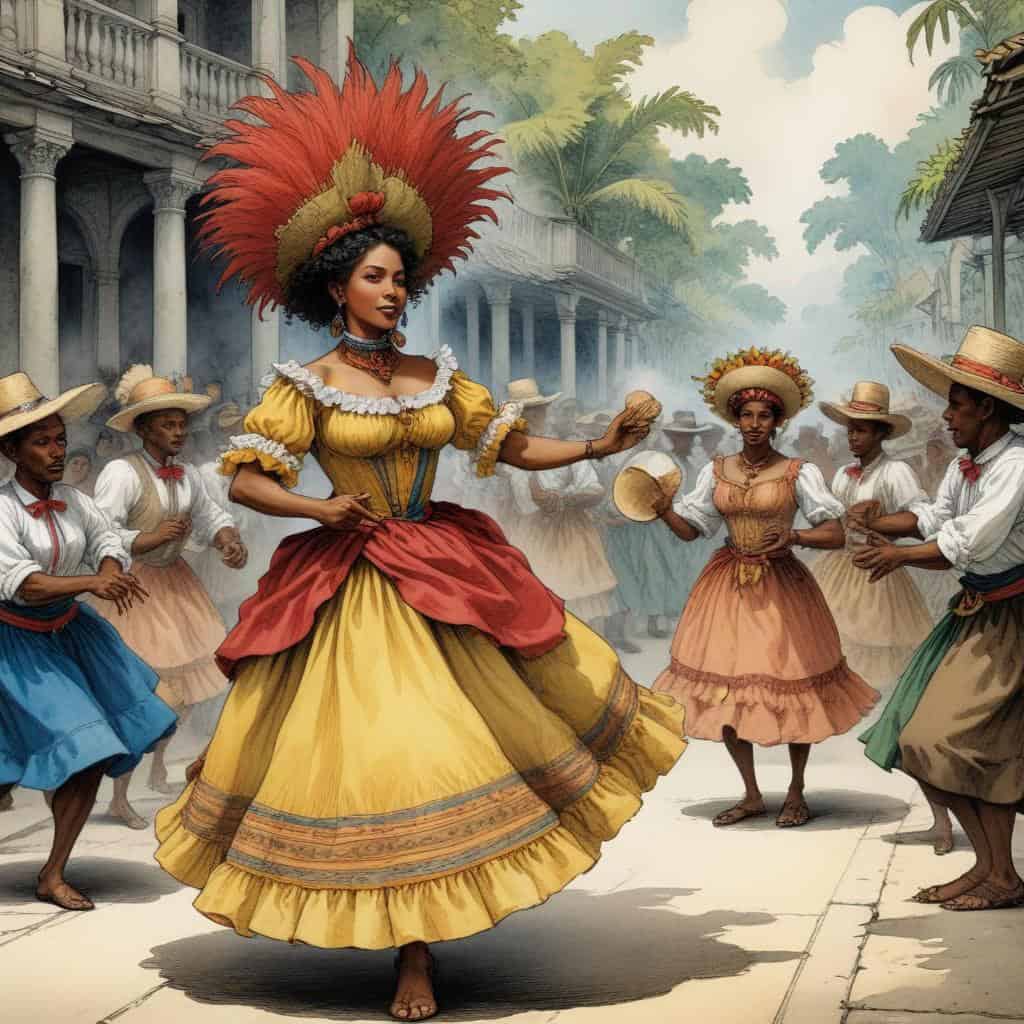
5. Vibrant Culture

6. Water Sports

7. Baseball Fever

8. Ecotourism Opportunities
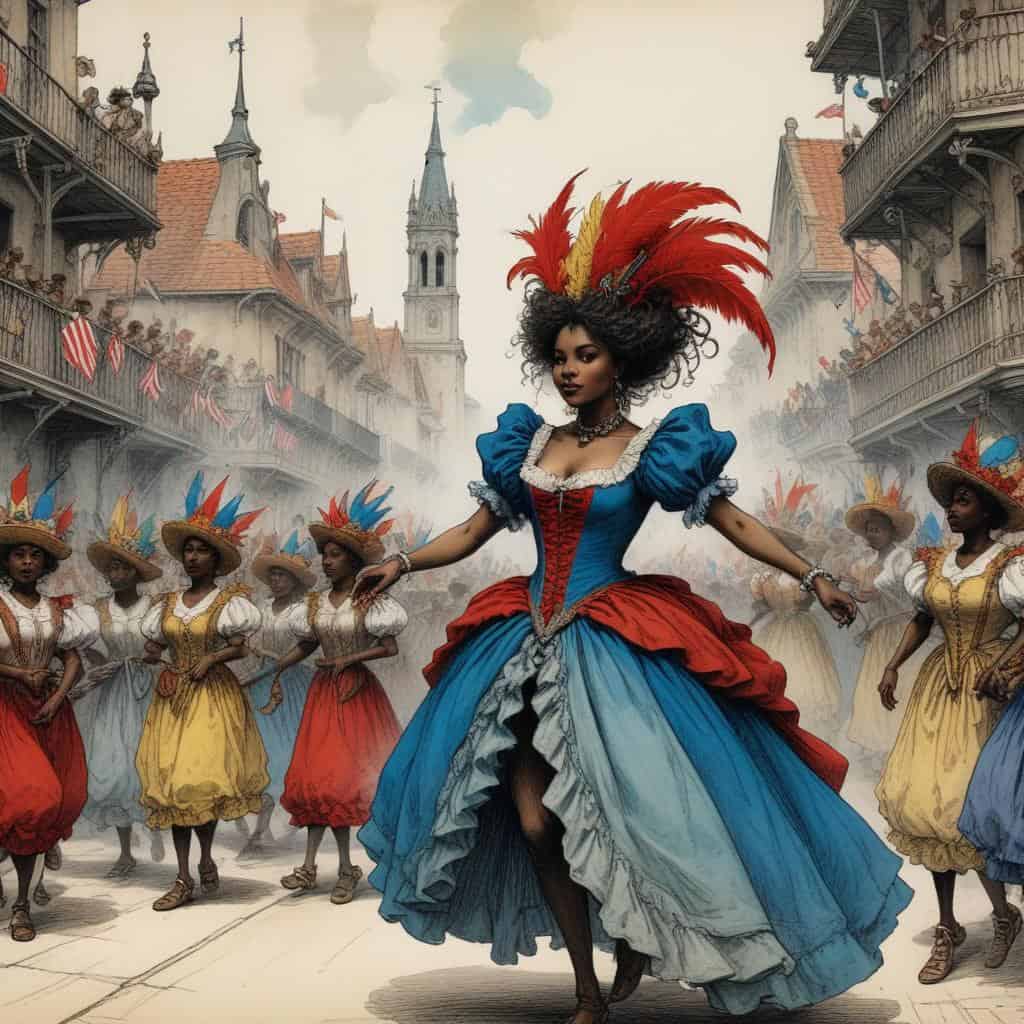
9. Festivals and Celebrations
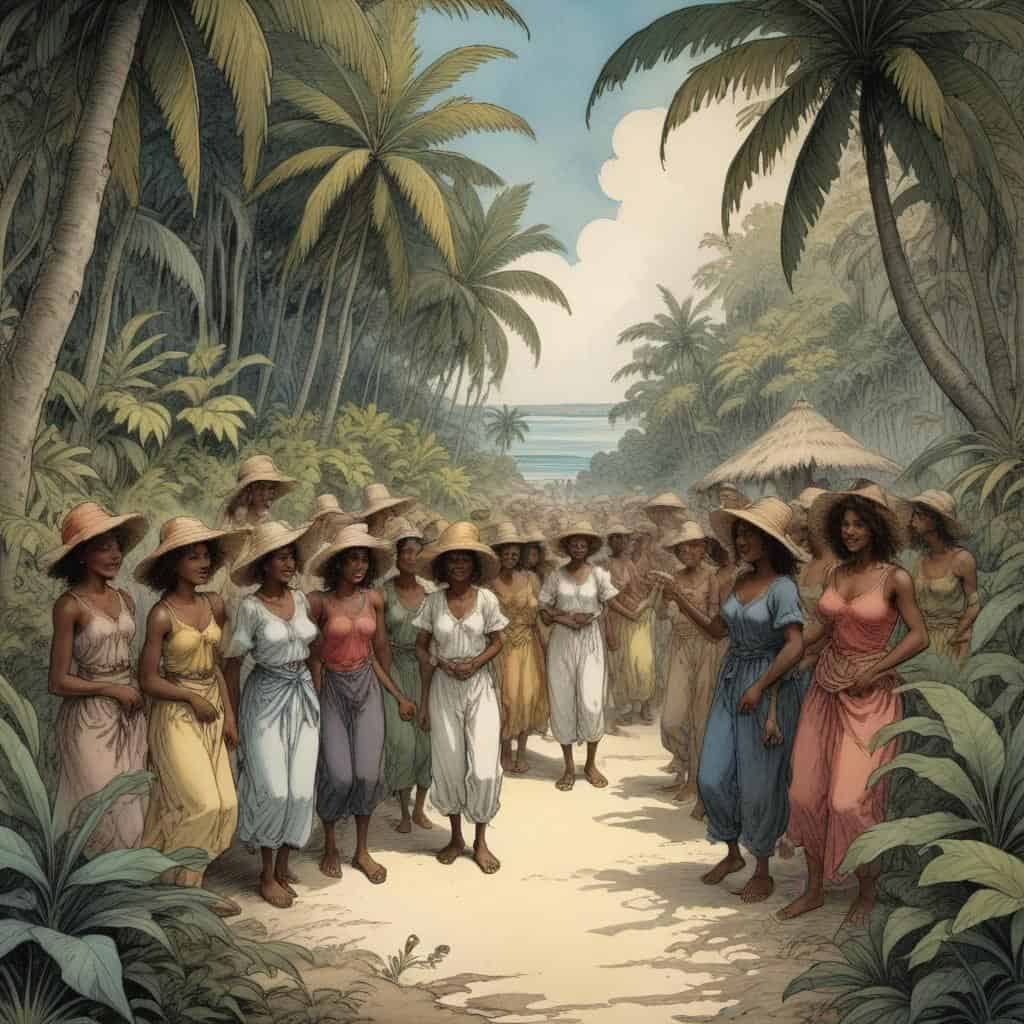
10. Warm Hospitality
In a Nutshell
- Capital: Santo Domingo
- Population: Approx. 10.8 million (2021)
- Official Language: Spanish
- Currency: Dominican peso (DOP)
Breaking Down the Country
Tropical Paradise
Discover breathtaking white-sand beaches, crystal-clear waters, and lush tropical landscapes that make the Dominican Republic a top vacation destination.
Cultural Fusion
Experience a vibrant mix of Spanish, African, and Taino influences in the music, dance, art, and delicious cuisine of the Dominican Republic.
Adventure Awaits
Embark on thrilling outdoor adventures like zip-lining through rainforests, hiking to waterfalls, and exploring ancient Taino cave paintings.
Timeline of Dominican Republic
Columbus arrives in the Dominican Republic
Colonization by the Spanish begins
Construction of the first cathedral in Santo Domingo
Pirate attacks on the city of Santo Domingo
Independence from Spain declared
Haitian occupation of the Dominican Republic
Independence from Haiti declared
First constitution of the Dominican Republic adopted
US occupation of the Dominican Republic
Trujillo comes to power as dictator
Construction of the Columbus Lighthouse in Santo Domingo
Hurricane George devastates the Dominican Republic
Election of Leonel Fernández as president
Earthquake strikes the city of Santiago
Danilo Medina elected president
COVID-19 pandemic hits the Dominican Republic
Mass protests against government corruption
New airport terminal opens in Punta Cana
Hurricane Maria causes widespread damage
Dominican Republic celebrates 178 years of independence
Vocabulary List
- Beach
- The white sandy beaches of Punta Cana are a popular tourist destination.
- Mountains
- The lush green mountains of Jarabacoa provide a picturesque backdrop.
- Palm trees
- The streets of Santo Domingo are lined with swaying palm trees.
- Plaza
- The historic Zona Colonial in Santo Domingo features a beautiful plaza.
- Cathedral
- The majestic Catedral Primada de América is a prominent landmark in Santo Domingo.
- Waterfall
- The cascading waters of El Limón waterfall draw visitors from all over.
- Cobblestone streets
- The charming town of Altos de Chavón is known for its cobblestone streets.
- Tropical vegetation
- The lush tropical vegetation of Samaná Peninsula is a sight to behold.
- Historic architecture
- The colonial architecture of Santiago's historic district is well-preserved.
- Fishing village
- The colorful fishing village of Las Terrenas is a hidden gem on the coast.
Key Facts
This is the information used in the fact matching game
- The Dominican Republic is the second largest country in the Caribbean, after Cuba.
- The Dominican Republic is home to Pico Duarte, the highest peak in the Caribbean, reaching an elevation of 10,164 feet.
- The Dominican Republic has over 250 miles of coastline, with stunning beaches along the Caribbean Sea and Atlantic Ocean.
- The capital city of the Dominican Republic is Santo Domingo, which is the oldest continuously inhabited European settlement in the Americas.
- The Colonial Zone in Santo Domingo is a UNESCO World Heritage Site, known for its historic buildings and cobblestone streets.
- The Dominican Republic is known for its diverse landscapes, including tropical rainforests, mountains, and deserts.
- The Dominican Republic shares the island of Hispaniola with Haiti, making it one of only two countries in the Caribbean to be located on a shared landmass.
- The city of Puerto Plata in the Dominican Republic is known for its Victorian architecture and sandy beaches.
- The Dominican Republic is home to Lake Enriquillo, the largest lake and lowest point in the Caribbean, sitting at 144 feet below sea level.
- The Dominican Republic is a popular destination for eco-tourism, with opportunities for hiking, bird watching, and whale watching.
- The city of Santiago in the Dominican Republic is known for its vibrant cultural scene, including museums, theaters, and music festivals.
- The Dominican Republic is home to the Cordillera Central mountain range, which spans the length of the country and offers stunning views and hiking opportunities.
- The city of La Romana in the Dominican Republic is famous for its luxury resorts, golf courses, and sugar cane plantations.
- The Dominican Republic is a popular filming location for Hollywood movies, with its picturesque landscapes and historic architecture attracting filmmakers from around the world.
- The city of Punta Cana in the Dominican Republic is known for its all-inclusive resorts, white sand beaches, and crystal-clear waters perfect for snorkeling and diving.
- The Dominican Republic is home to Los Haitises National Park, a protected area known for its mangrove forests, caves, and diverse bird species.
- The city of Boca Chica in the Dominican Republic is a popular beach destination, known for its lively nightlife, water sports, and seafood restaurants.
- The Dominican Republic is a leading producer of organic cacao, with its chocolate industry gaining international recognition for its high-quality products.
- The city of Jarabacoa in the Dominican Republic is known as the 'City of Eternal Spring' for its mild climate, lush landscapes, and outdoor adventure opportunities.
- The Dominican Republic is a melting pot of cultures, with influences from Spanish, African, Taino, and French settlers shaping its cuisine, music, and art.
Why It Matters
Geopolitical Significance
The Dominican Republic occupies a key position in the Caribbean, sharing the island of Hispaniola with Haiti. Its location influences trade routes, migration patterns, and regional politics in the Caribbean Basin. The country’s relationship with the United States and other neighboring nations has a significant impact on the broader region.
Historical Importance
The history of the Dominican Republic is marked by colonization, independence struggles, and political upheaval. From being a Spanish colony to gaining independence in the 19th century, the nation’s past is intertwined with European powers and indigenous cultures. Events like the Haitian occupation and the Trujillo dictatorship have shaped its identity.
Modern-Day Role
In the present day, the Dominican Republic plays a vital role in the tourism industry, attracting visitors to its pristine beaches and vibrant culture. It also serves as a hub for trade and commerce in the Caribbean, with a growing economy driven by sectors such as agriculture, manufacturing, and services.
Dominican Republic Games


Take Your Learning Offline
Want a convenient, print-ready study guide for this lesson? Become a Memory Wizards Pro member to unlock the downloadable " Memory Scrolls" for this topic and our entire library!
- ✓ Complete Vocabulary Lists
- ✓ Key Facts & Timelines
- ✓ Beautifully Formatted for Print & Mobile