
How Do You Learn Best?
Learn by Reading
Immerse yourself in the 10-minute visual lesson for a comprehensive understanding of the topic.
Learn by Reviewing
Jump directly to the key facts, timeline, and vocabulary lists to build a solid foundation of details.
Learn by Doing
Challenge yourself! Jump straight into the interactive games to learn by trial, error, and discovery.
Cuba in 10 Minutes

Introduction

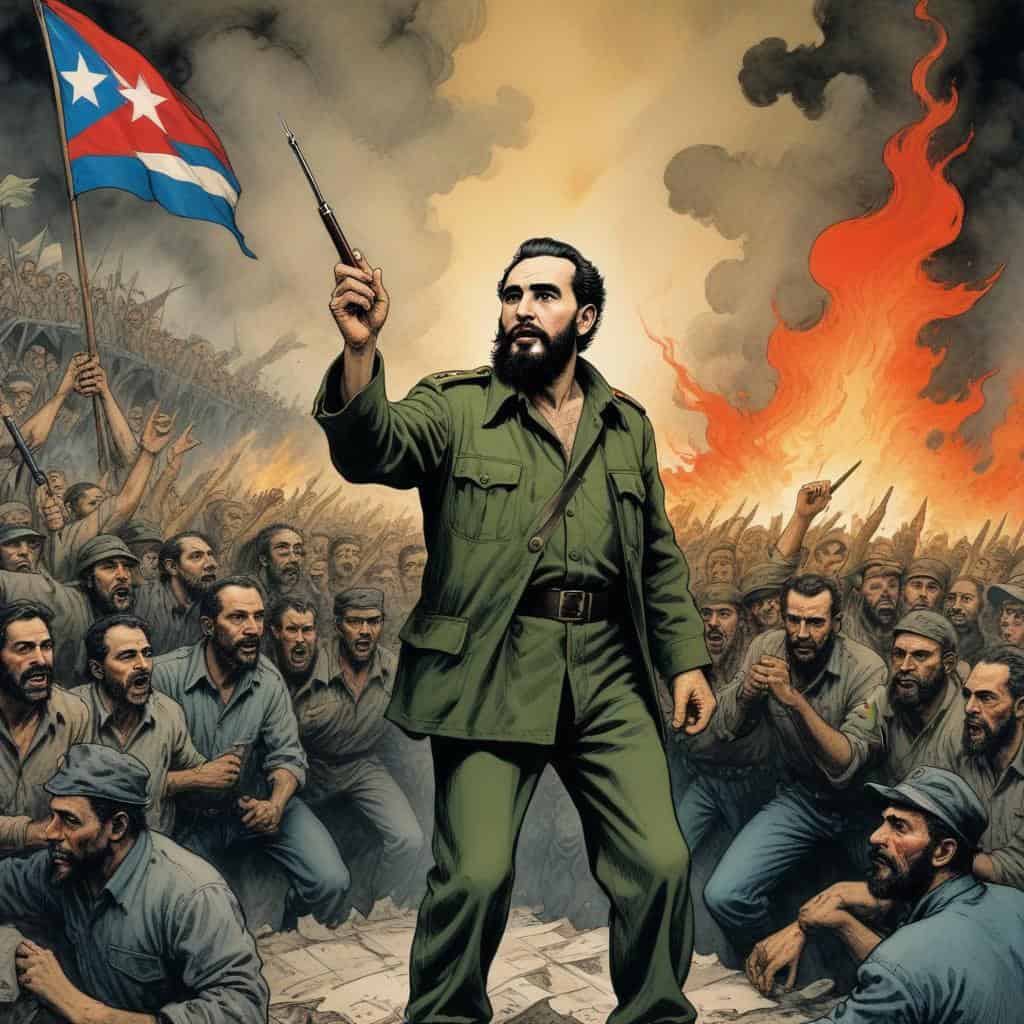
Fidel Castro
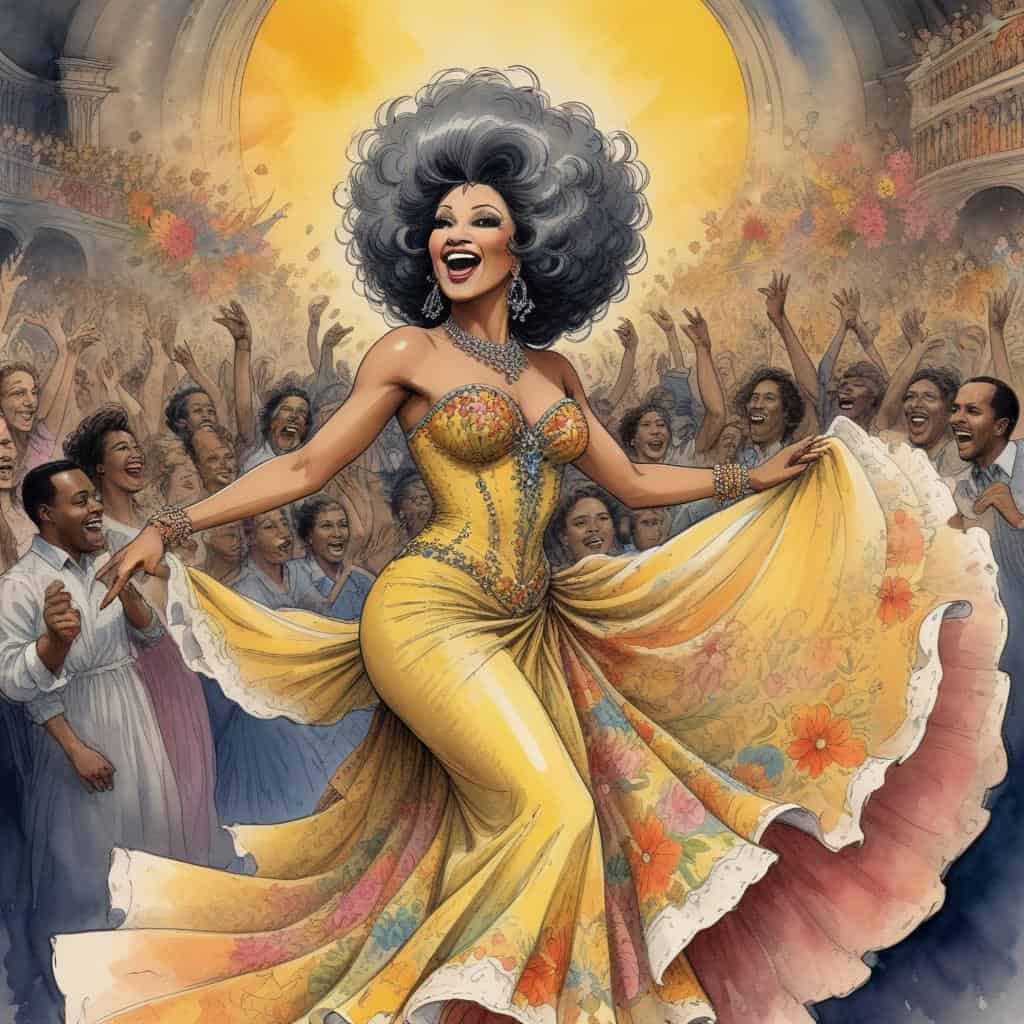
Celia Cruz
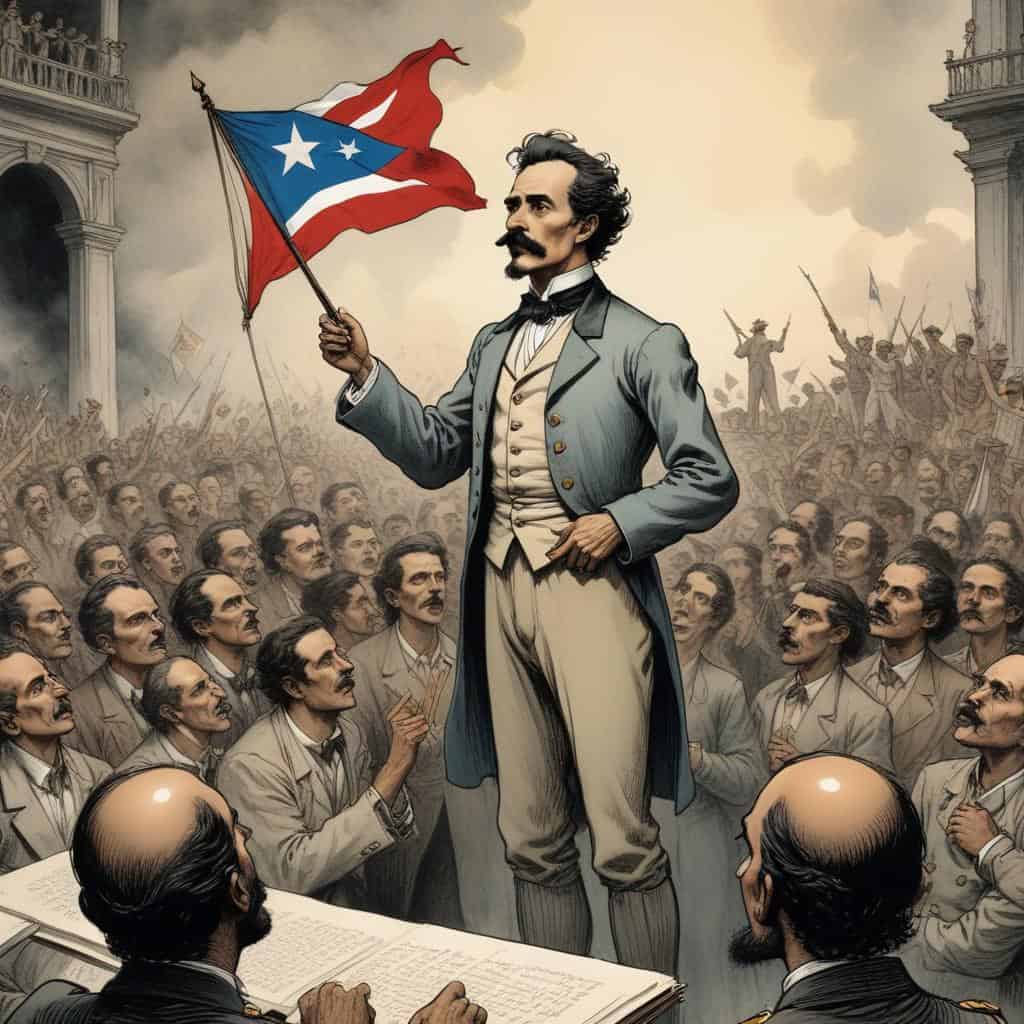
Jose Marti

Gloria Estefan

Ernest Hemingway
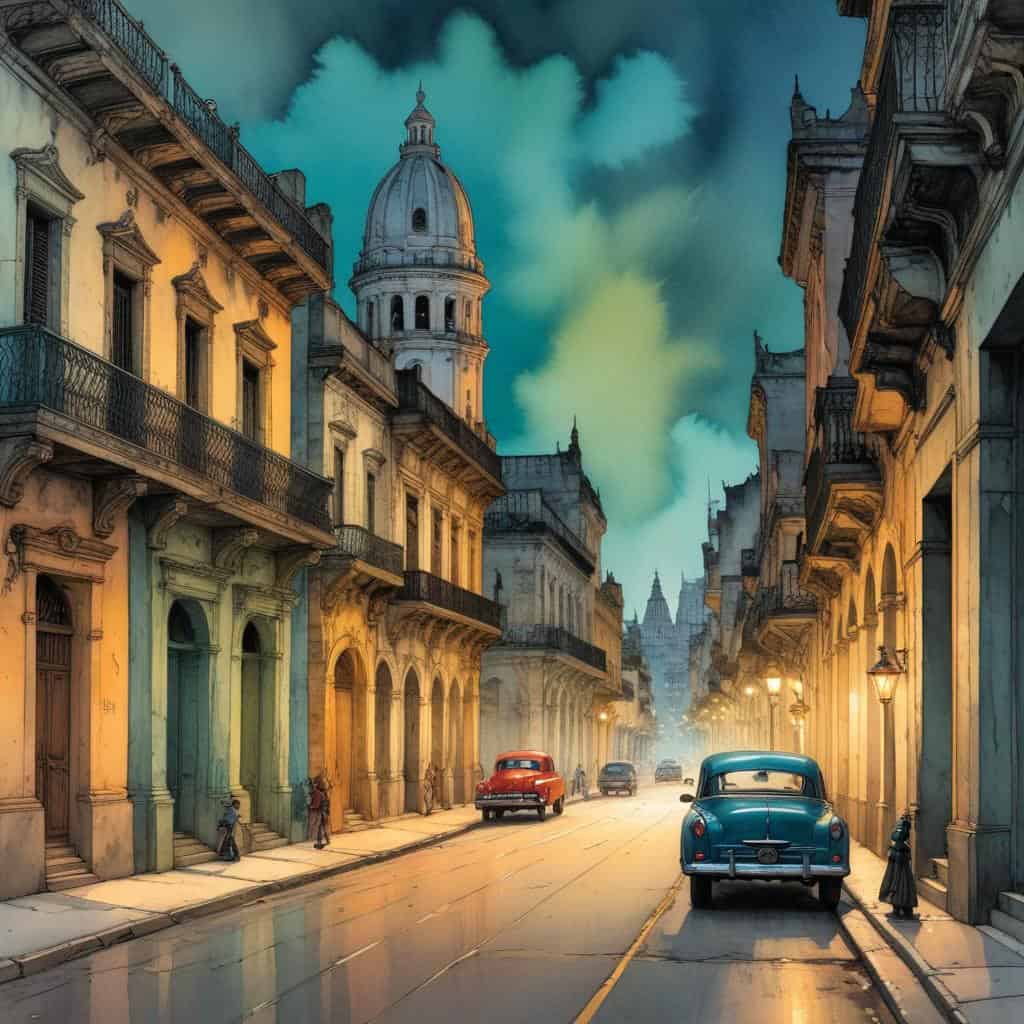
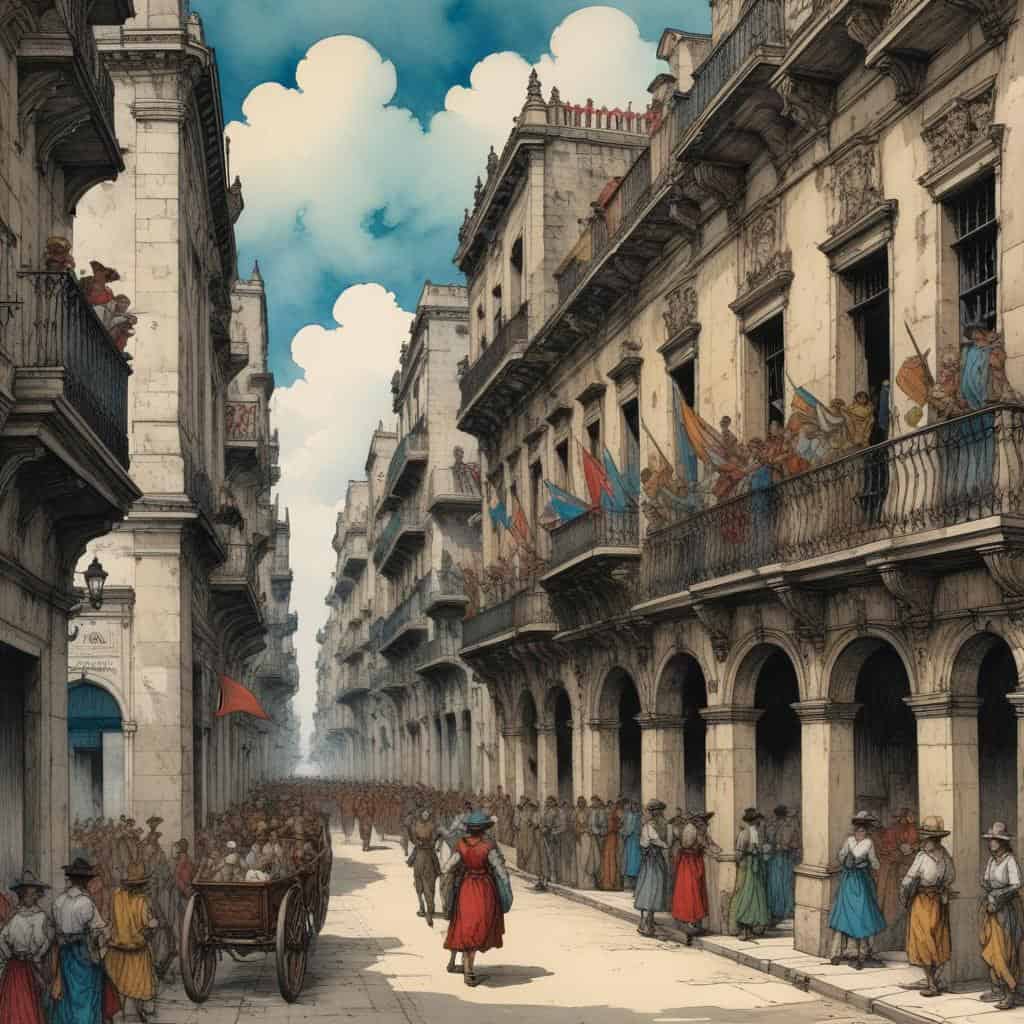
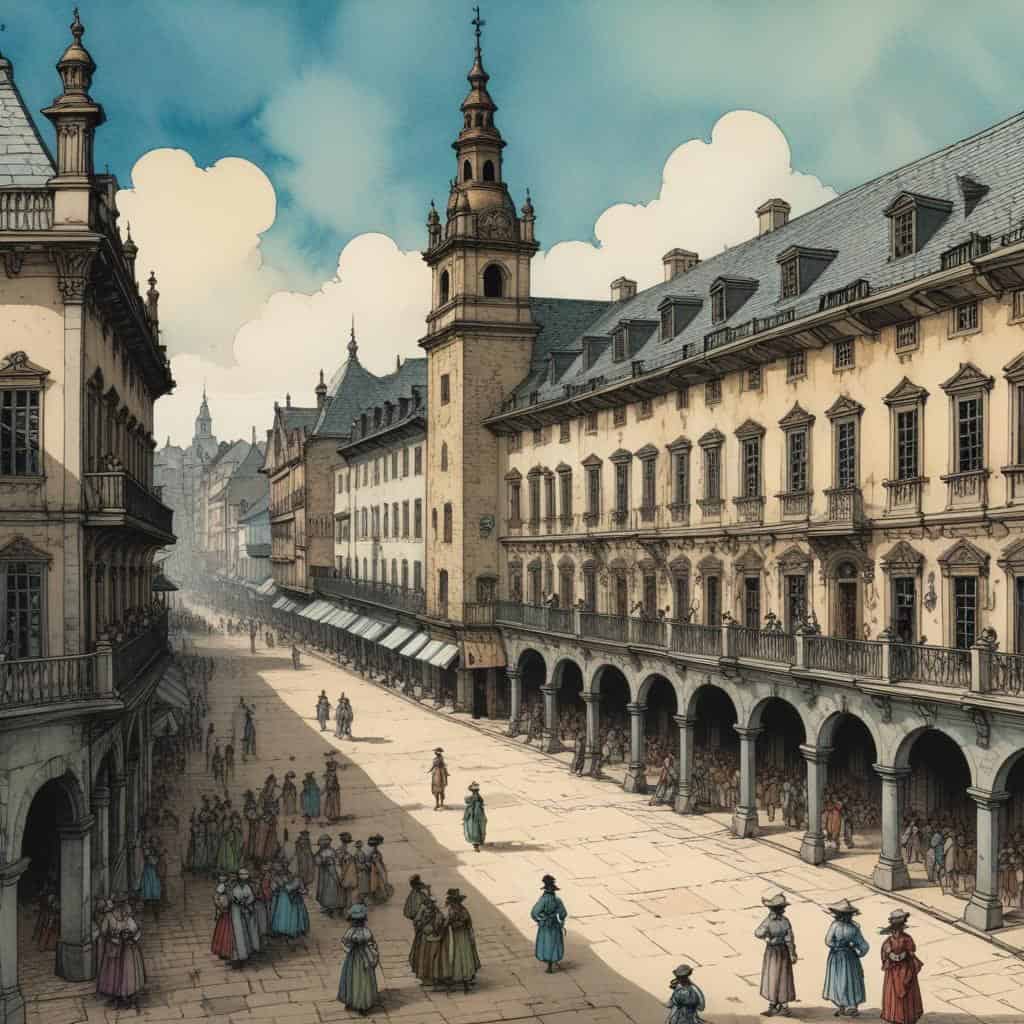
Cubas Stunning Cityscapes
Old Havana
Trinidad
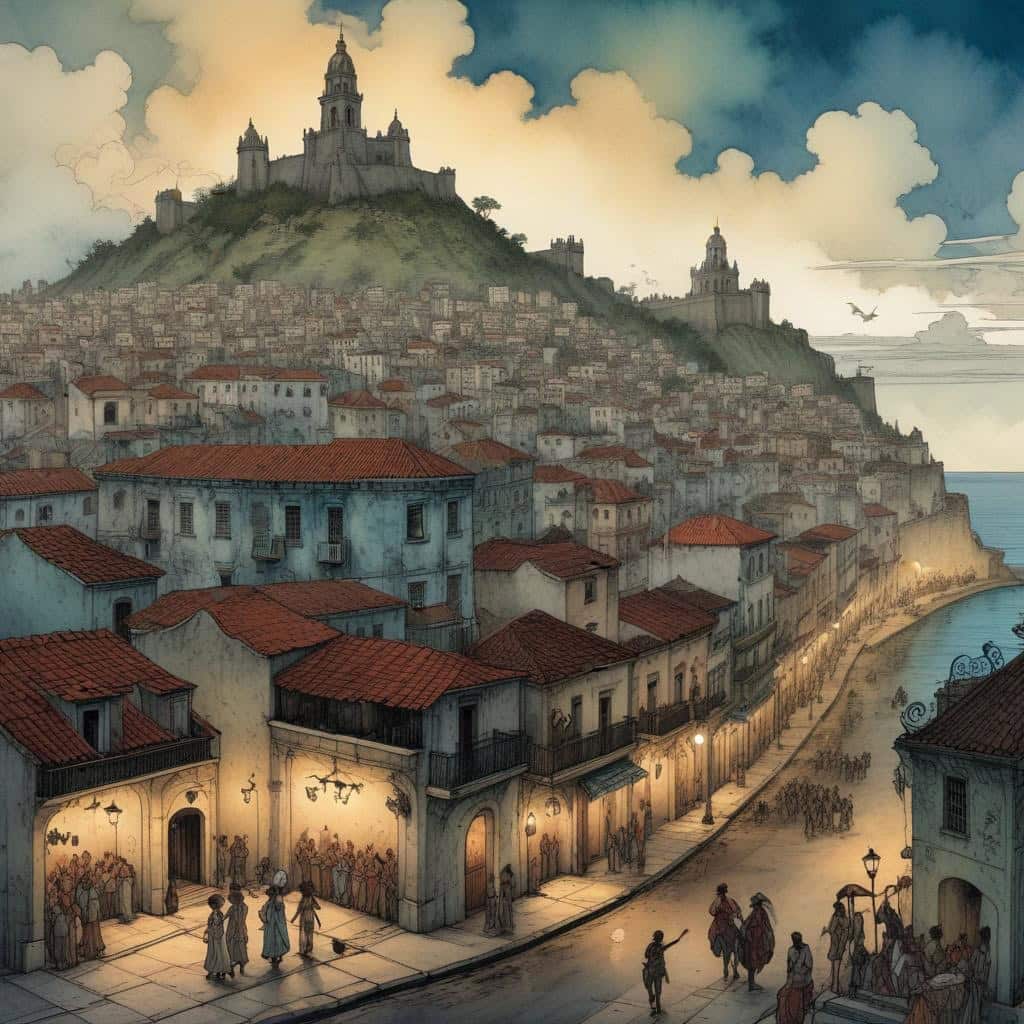
Santiago de Cuba
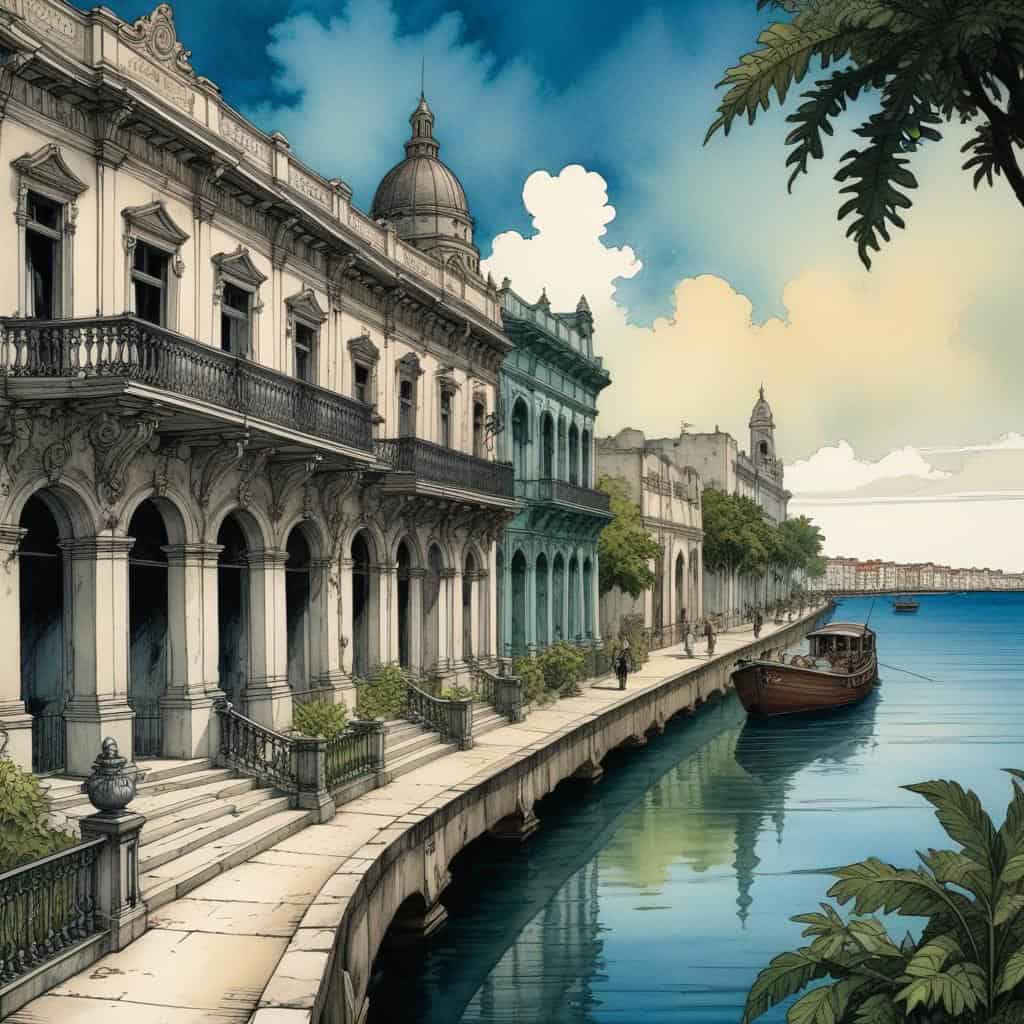
Cienfuegos
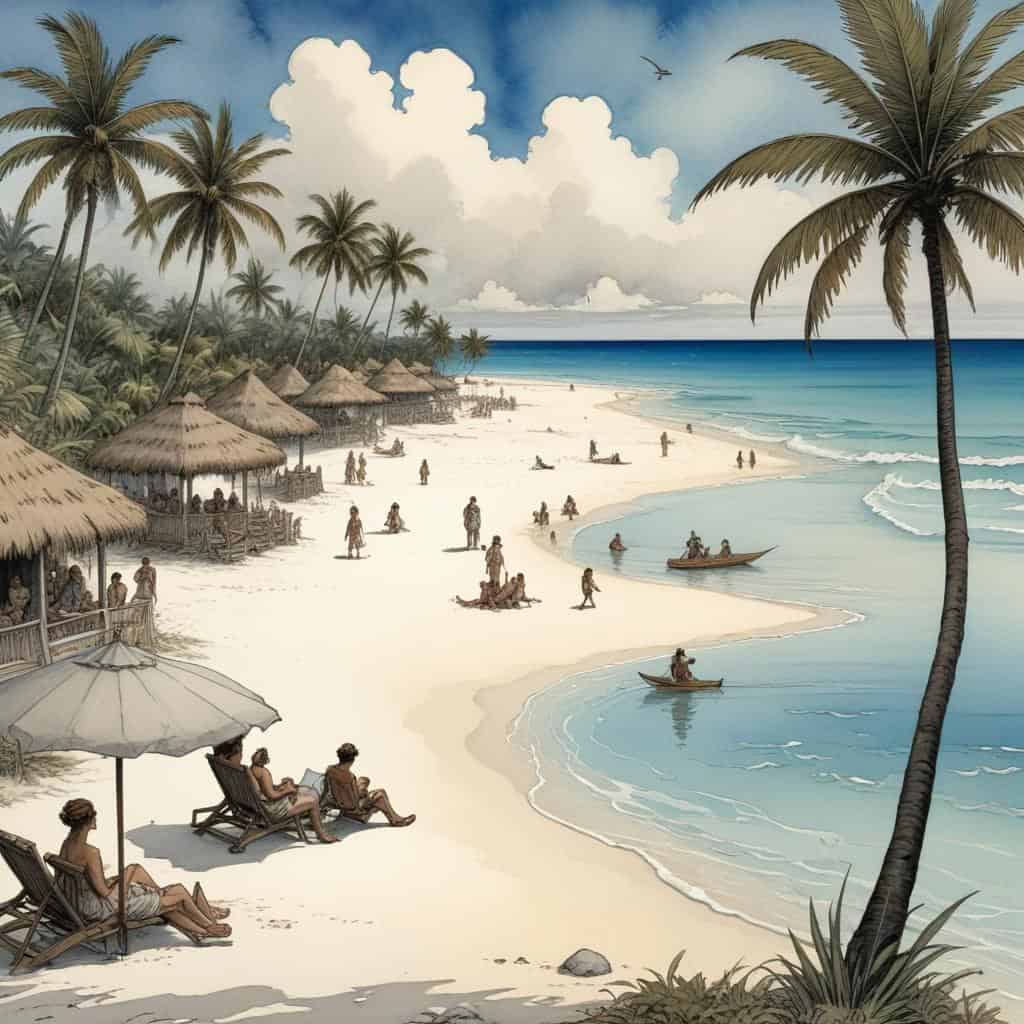
Varadero
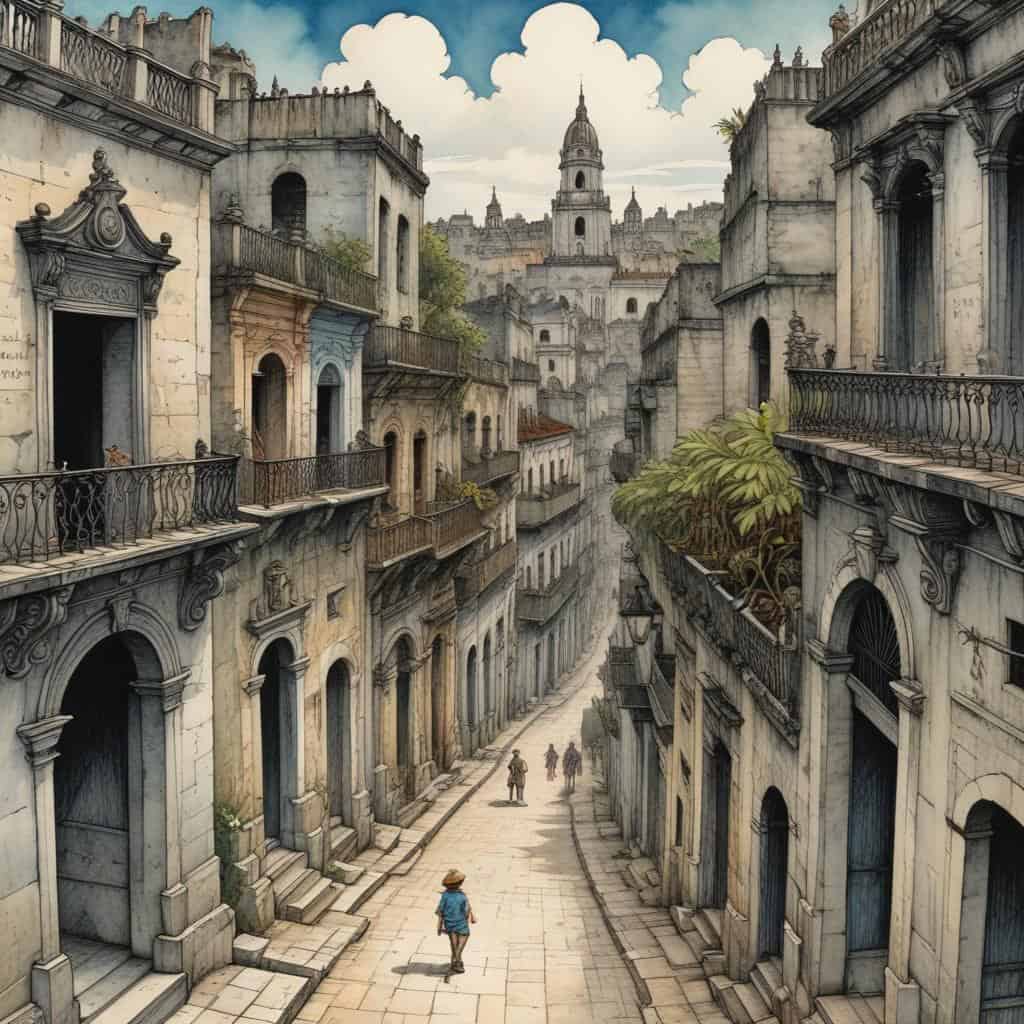
Camaguey
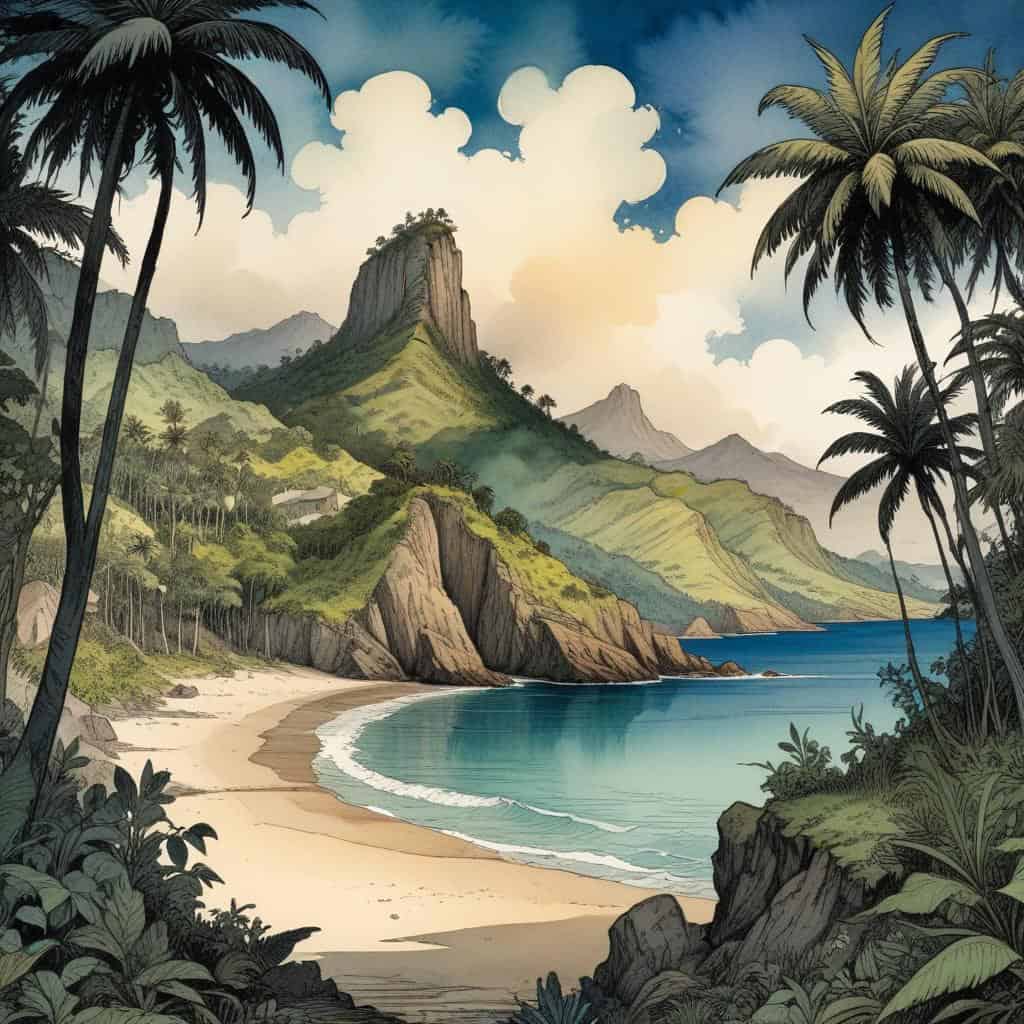
Baracoa
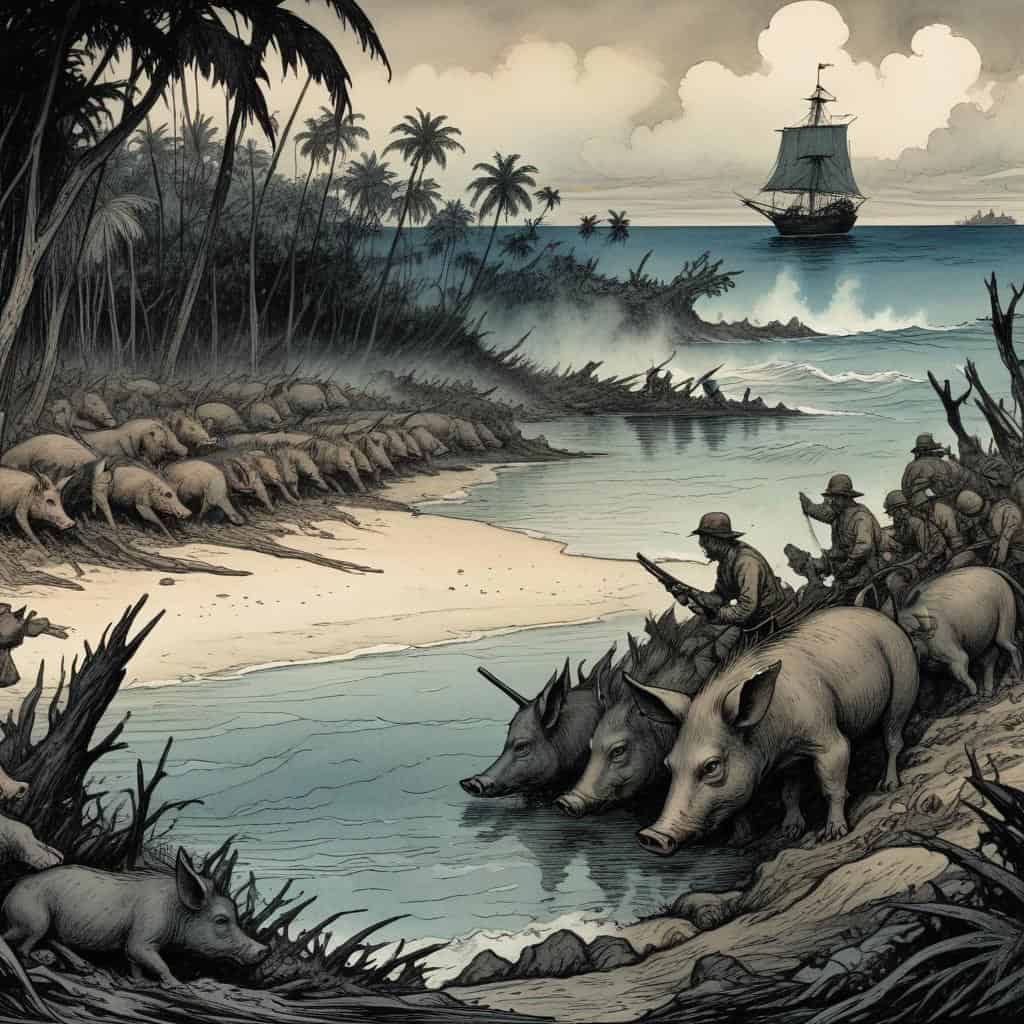
Bay of Pigs

Santa Clara
In a Nutshell
- Capital: Havana
- Population: Approx. 11.3 million (2021)
- Official Language: Spanish
- Currency: Cuban peso (CUP)
Breaking Down the Country
History
Cuba boasts a rich history spanning from indigenous Taino tribes to Spanish colonization, revolution, and modern-day socialism.
Cultural Heritage
Experience the vibrant culture of Cuba through its music, dance, art, and cuisine influenced by African, Spanish, and Caribbean traditions.
Natural Beauty
Explore Cuba's diverse landscapes, from lush tobacco fields to pristine beaches, and discover its unique flora and fauna.
Timeline of Cuba
Vocabulary List
- Havana
- The vibrant capital city of Cuba known for its colorful buildings and historic landmarks.
- Cigar
- A rolled bundle of dried and fermented tobacco leaves, commonly associated with Cuba.
- Salsa
- A lively and popular dance style originating from Cuba.
- Mojito
- A traditional Cuban cocktail made with rum, sugar, lime, mint, and soda water.
- Chevrolet
- A classic American car model commonly found in Cuba due to the trade embargo.
- Revolution
- The Cuban Revolution led by Fidel Castro in the 1950s that resulted in the overthrow of the government.
- Tobacco
- A plant cultivated in Cuba for the production of cigars.
- Plaza
- A public square or marketplace commonly found in Cuban cities.
- Rumba
- A lively and rhythmic music and dance style originating from Afro-Cuban culture.
- Sugar cane
- A major crop grown in Cuba for the production of sugar.
Key Facts
This is the information used in the fact matching game
- Cuba is the most populous island in the Caribbean, with over 11 million inhabitants.
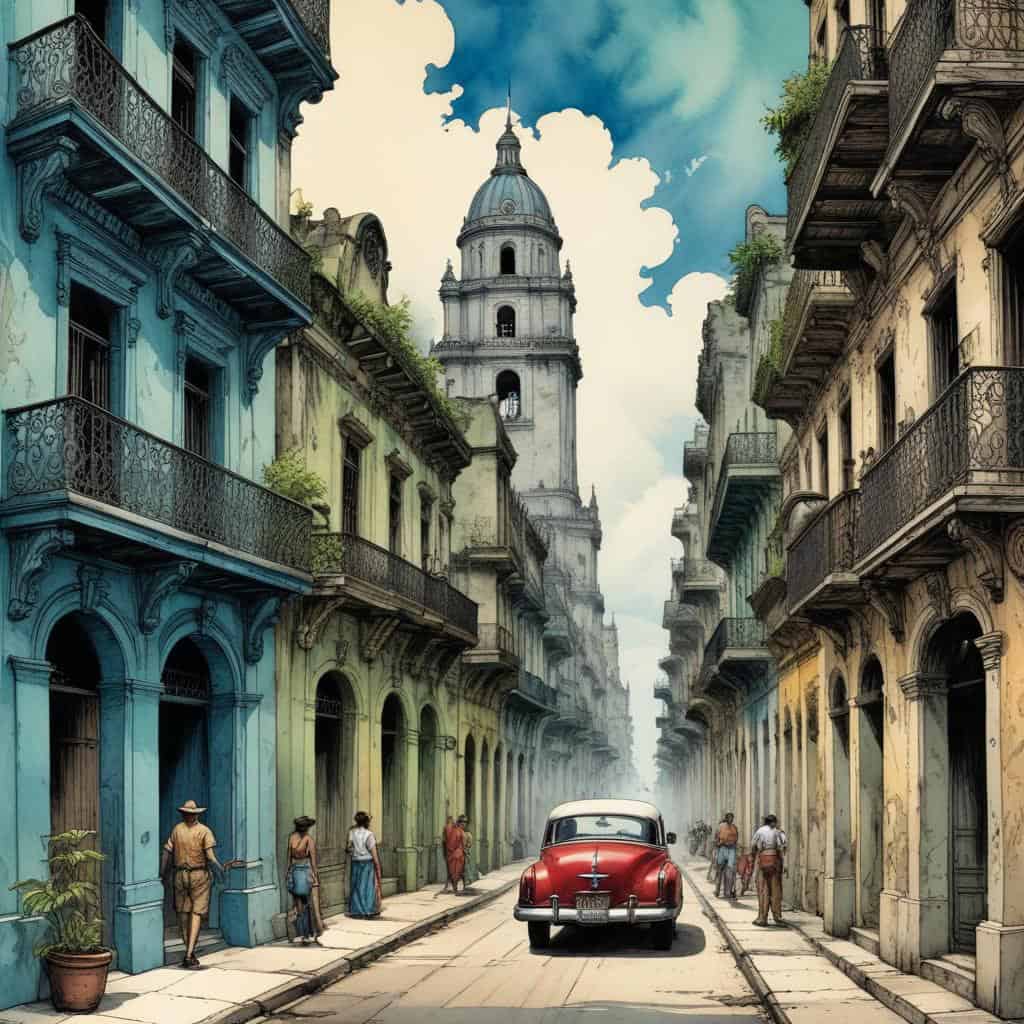
- Havana, the capital city of Cuba, is known for its colorful buildings and vintage cars.
- The Sierra Maestra mountain range in Cuba is the highest in the country, with Pico Turquino being the tallest peak at 6,476 feet.
- Cuba is home to over 300 beaches, including Varadero Beach which is known for its white sands and clear waters.
- The Vinales Valley in Cuba is a UNESCO World Heritage Site known for its stunning limestone formations and tobacco fields.
- Cuba is the largest exporter of sugar in the Caribbean region.
- The Malecon, a famous seawall in Havana, stretches for 8 kilometers along the city's coast.
- Cuba has nine UNESCO World Heritage Sites, including Old Havana and Trinidad.
- The city of Trinidad in Cuba is known for its well-preserved colonial architecture and cobblestone streets.
- Cuba is home to the world's smallest bird, the bee hummingbird, which measures just 2.4 inches long.
- The Zapata Swamp in Cuba is the largest wetland in the Caribbean, home to a diverse range of flora and fauna.
- Cuba's El Nicho waterfall is a popular tourist attraction, known for its crystal-clear pools and lush surroundings.
- The city of Cienfuegos in Cuba is known as the 'Pearl of the South' for its French colonial architecture and beautiful bay.
- Cuba has a rich Afro-Cuban culture, with influences from African, Spanish, and indigenous Taíno traditions.
- The Santa Clara city in Cuba is famous for the Che Guevara Mausoleum, dedicated to the revolutionary leader Ernesto 'Che' Guevara.
- Cuba's Valle de los Ingenios (Valley of the Sugar Mills) was once the center of the country's sugar industry and is now a UNESCO World Heritage Site.
- The city of Santiago de Cuba is known for its lively music scene, especially traditional genres like son and salsa.
- Cuba is home to the world's smallest frog, the Monte Iberia Eleuth.
- The city of Camagüey in Cuba is known for its maze-like streets and unique clay pot water storage system.
- Cuba's Baracoa region is famous for its chocolate production, with cacao trees growing in the lush rainforest surroundings.
Why It Matters
Geopolitical Significance
Cuba’s strategic location in the Caribbean has made it a key player in regional politics. Its historical relationship with the United States and other countries has influenced its foreign policy and international alliances. The Cuban Missile Crisis of 1962 highlighted the island’s geopolitical importance during the Cold War.
Historical Importance
Cuba’s history is marked by colonialism, revolution, and independence struggles. The Cuban Revolution led by Fidel Castro in 1959 had a profound impact on Latin American and global politics. The country’s role in the Cold War and its unique socialist system continue to shape its identity.
Modern-Day Role
Today, Cuba remains a socialist state with a state-controlled economy. Its relationship with the United States, as well as its alliances with countries like Venezuela and Russia, continue to influence its domestic and foreign policies. The island’s healthcare system and education programs are also notable aspects of its modern identity.
Cuba Games


Take Your Learning Offline
Want a convenient, print-ready study guide for this lesson? Become a Memory Wizards Pro member to unlock the downloadable " Memory Scrolls" for this topic and our entire library!
- ✓ Complete Vocabulary Lists
- ✓ Key Facts & Timelines
- ✓ Beautifully Formatted for Print & Mobile