
How Do You Learn Best?
Learn by Reading
Immerse yourself in the 10-minute visual lesson for a comprehensive understanding of the topic.
Learn by Reviewing
Jump directly to the key facts, timeline, and vocabulary lists to build a solid foundation of details.
Learn by Doing
Challenge yourself! Jump straight into the interactive games to learn by trial, error, and discovery.
Costa Rica in 10 Minutes
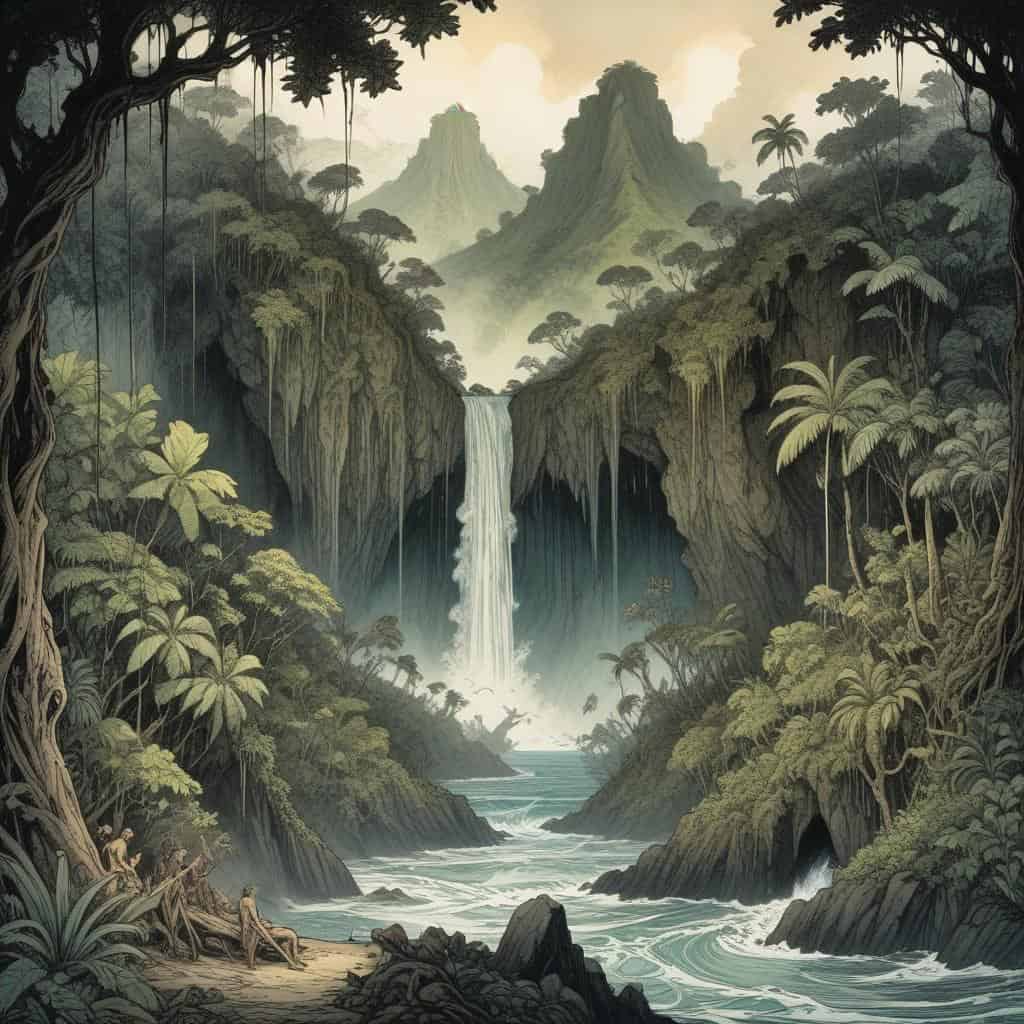
Introduction
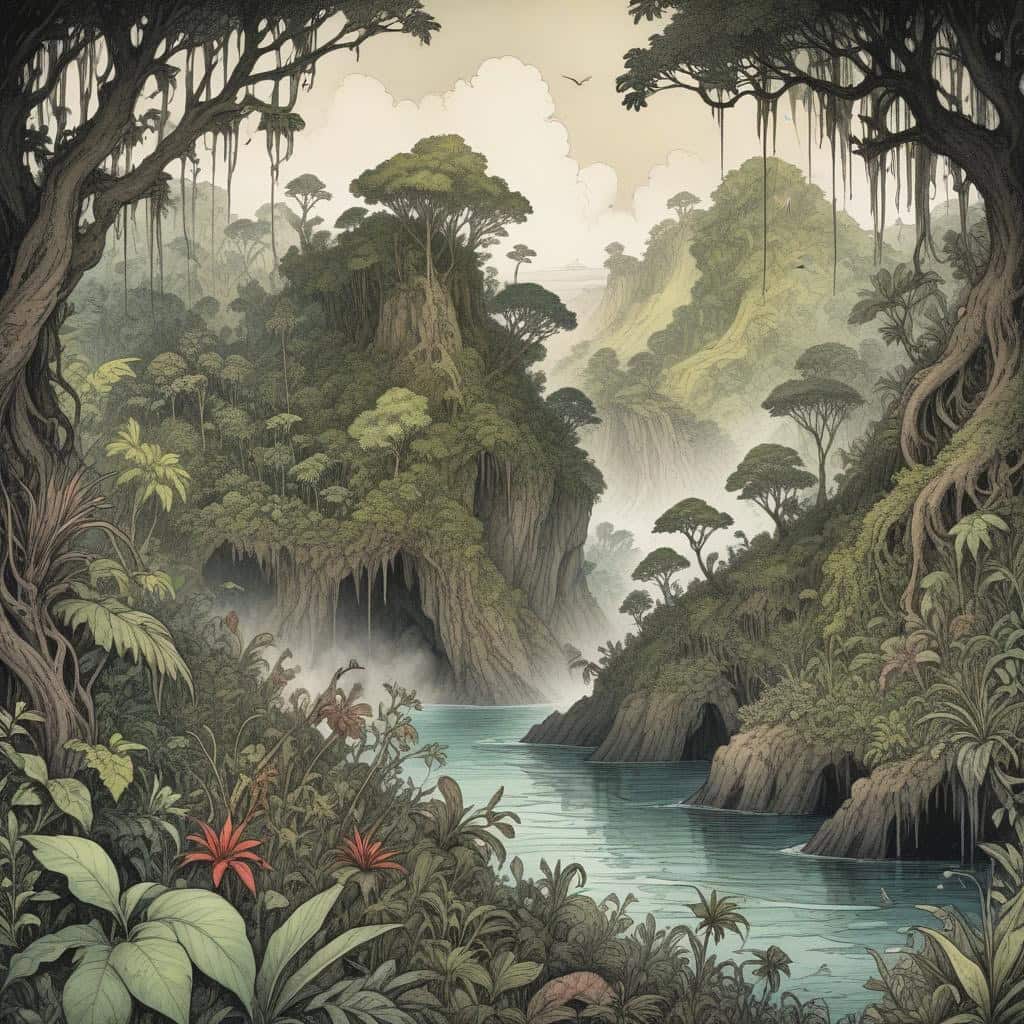
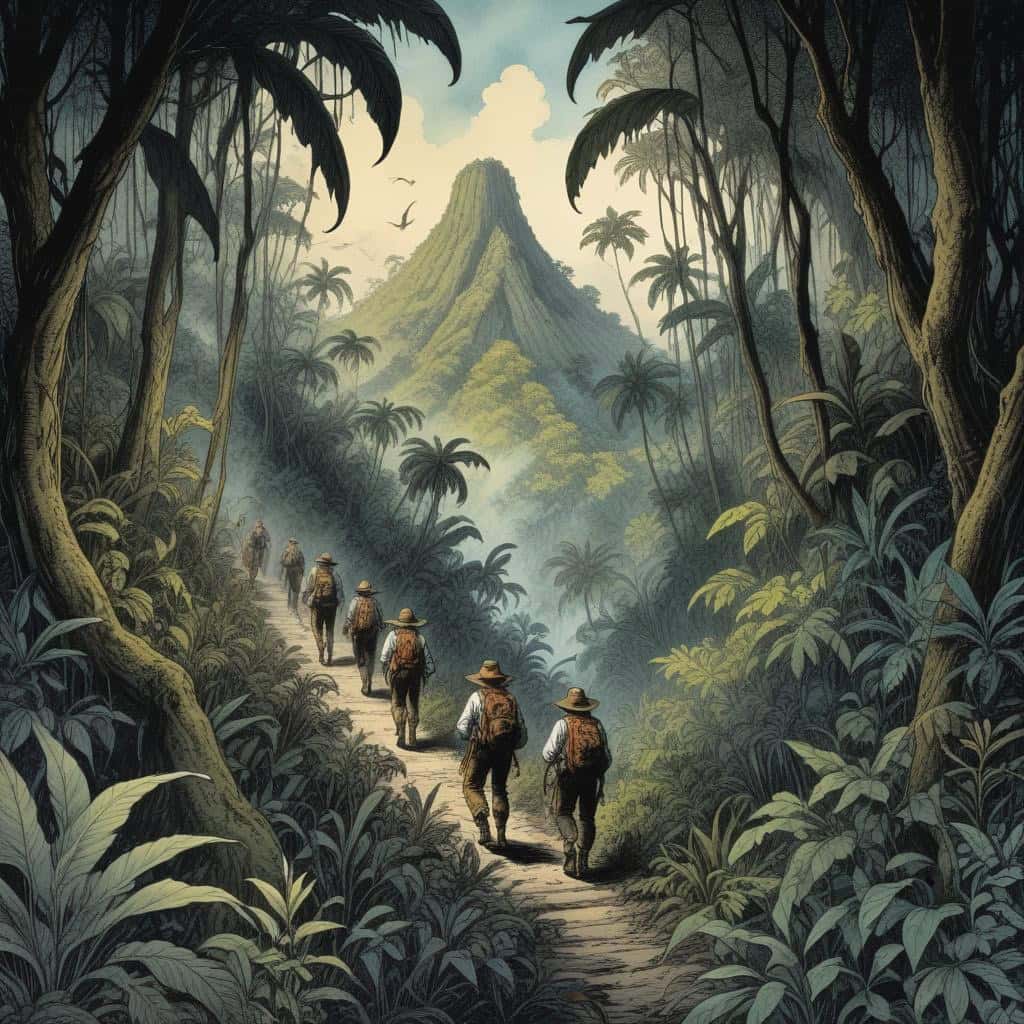
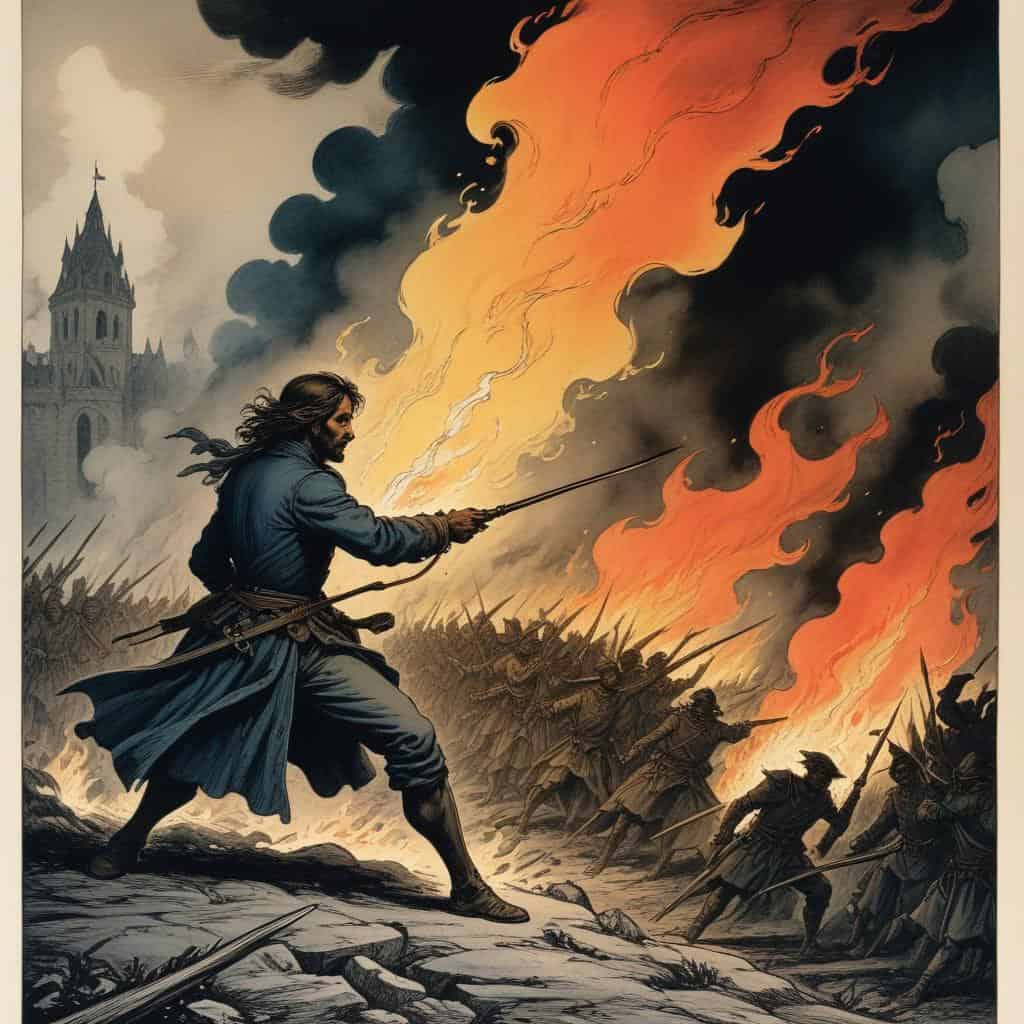
1. Juan Santamaría

2. Sloth

3. Scarlet Macaw
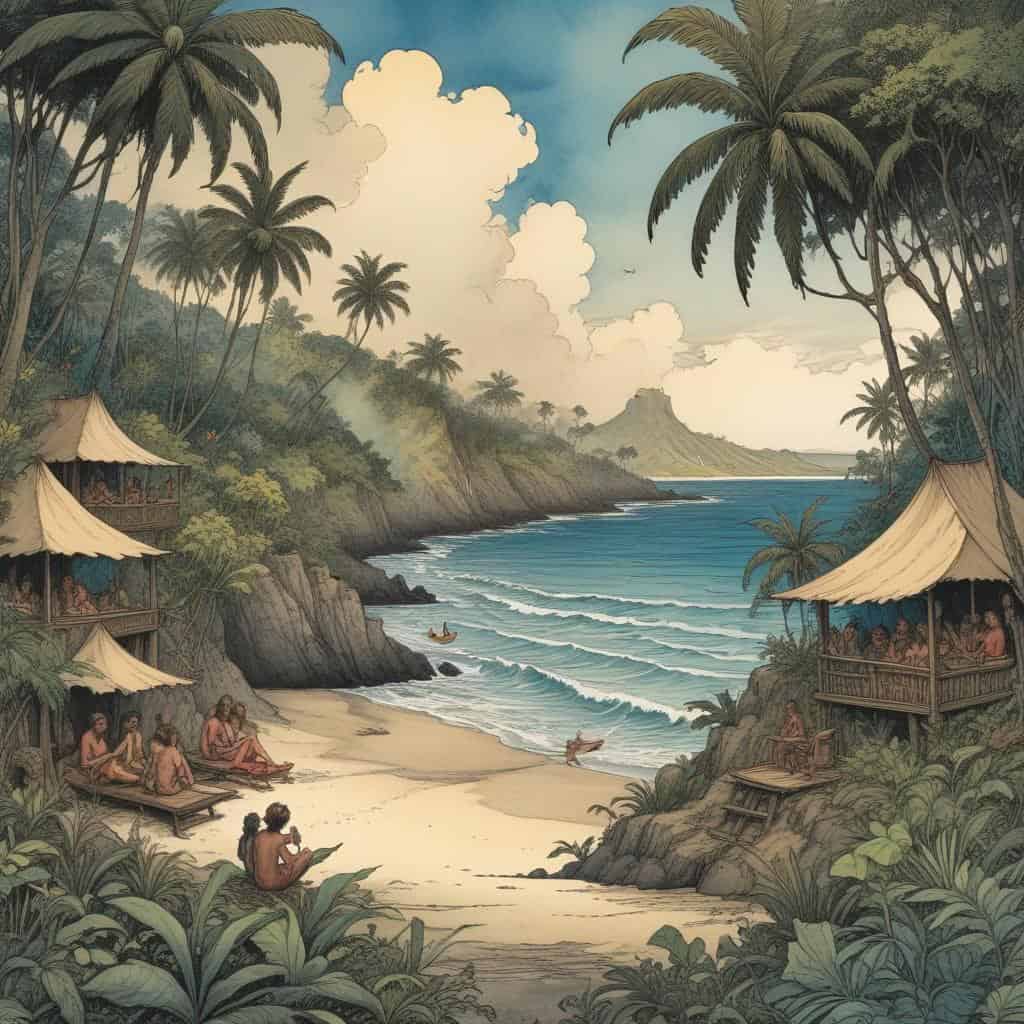
4. Tico/Tica
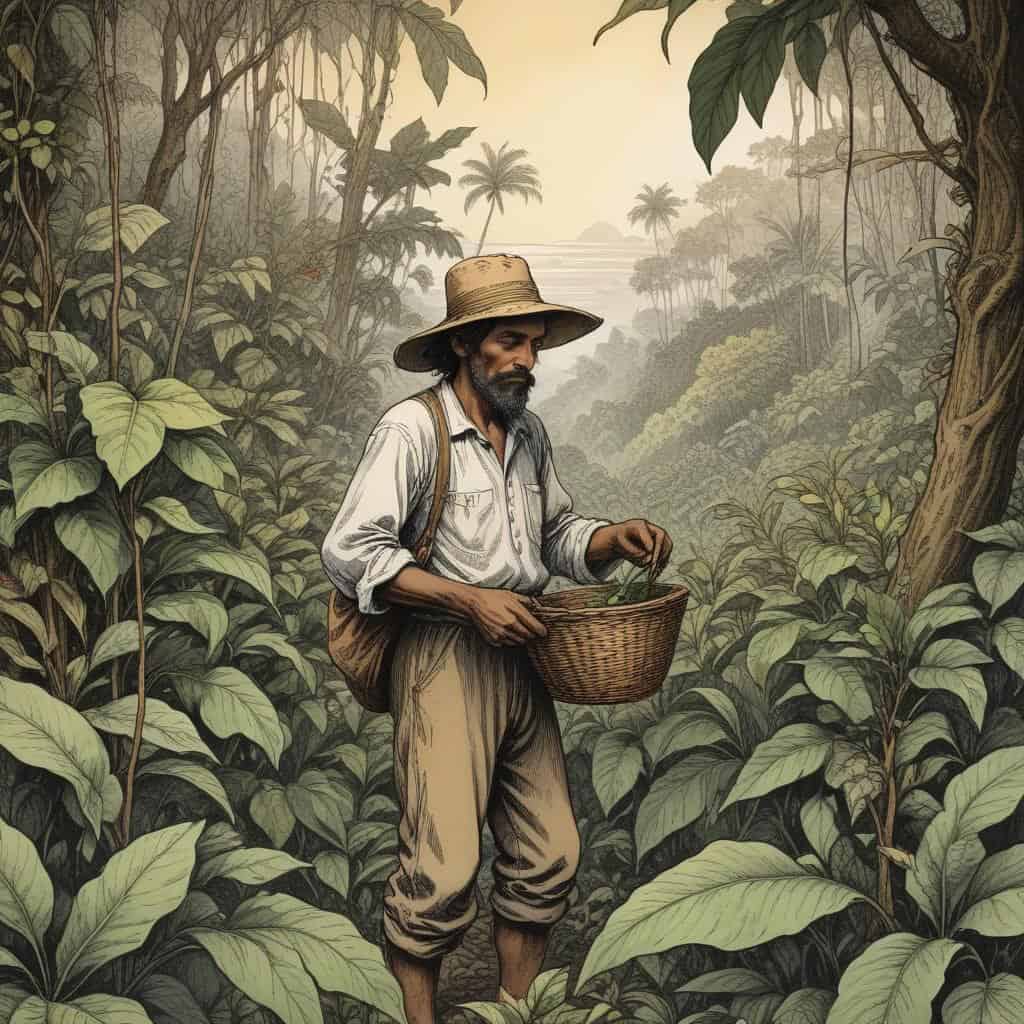
5. Coffee Farmer
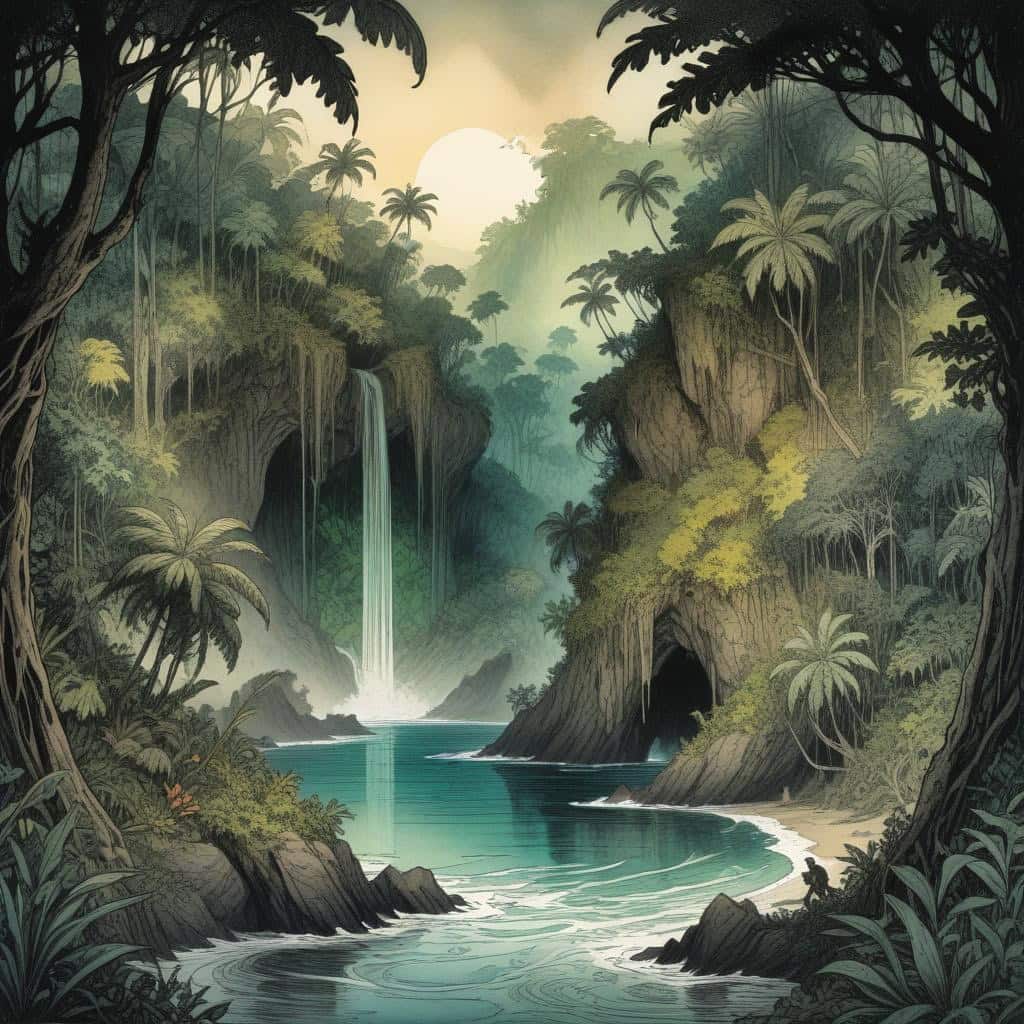
1. A Land of Breathtaking Beauty
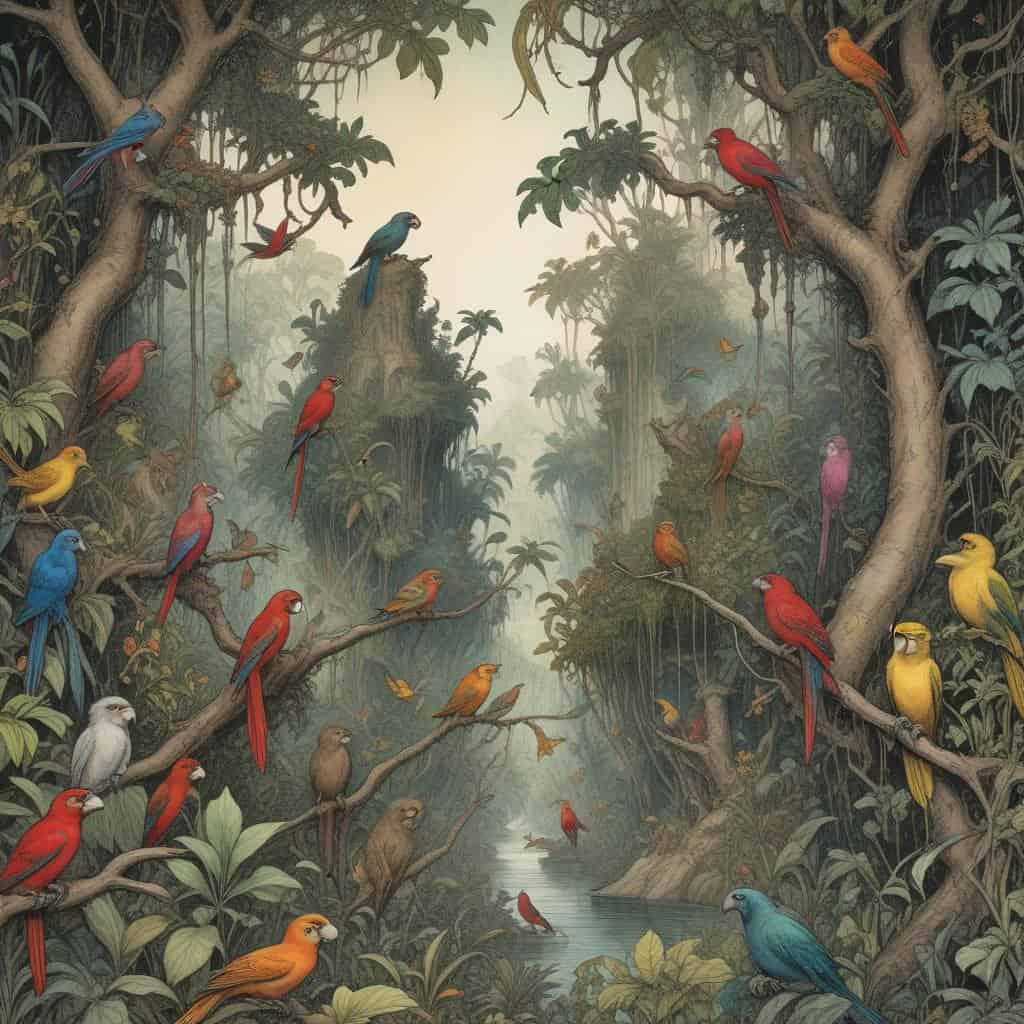
2. Rich Biodiversity
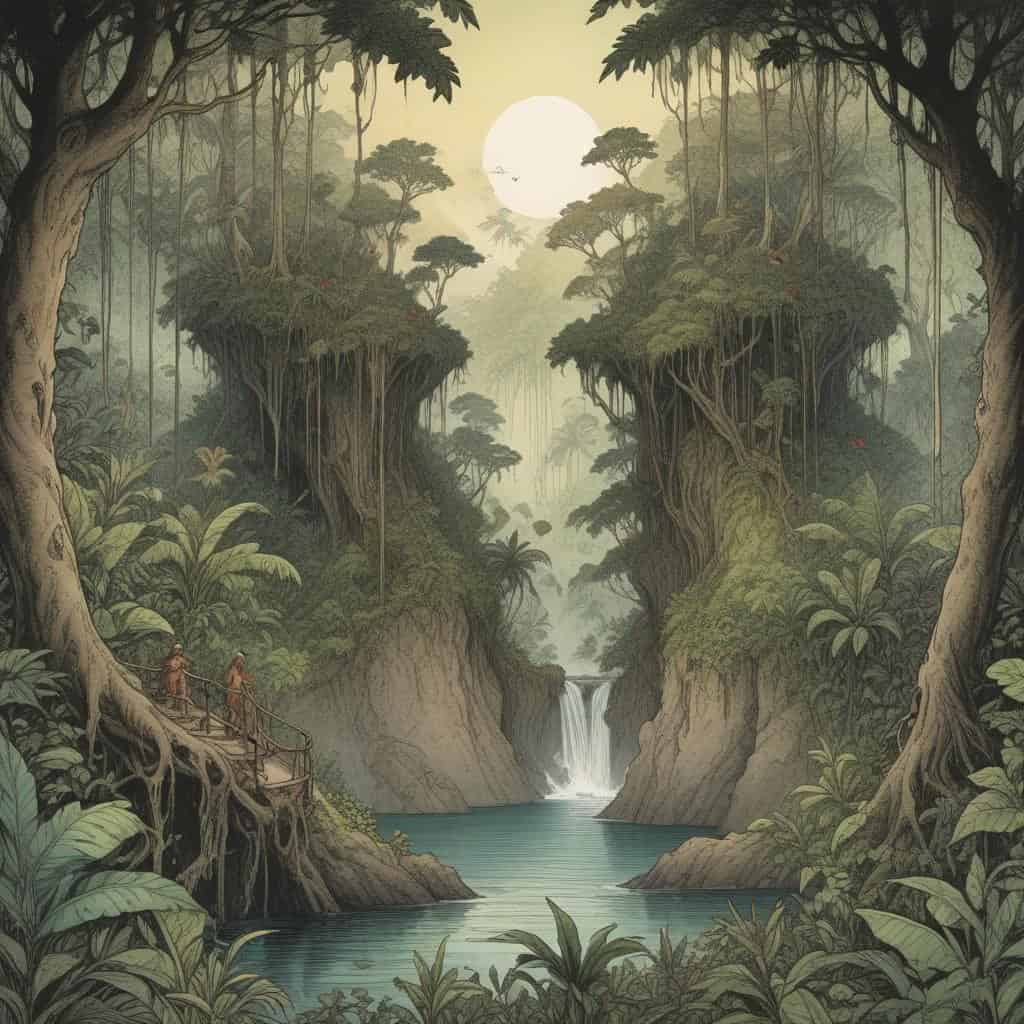
3. Eco-Friendly Practices
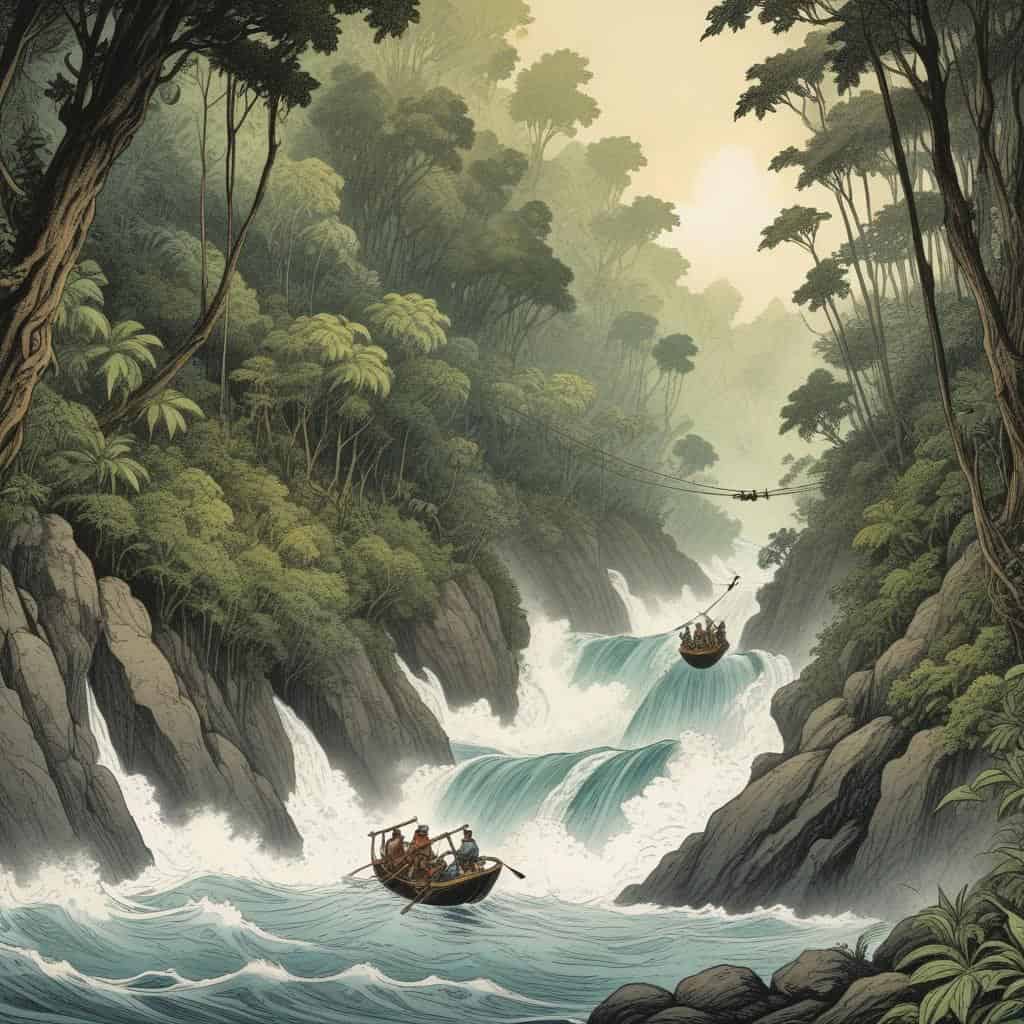
4. Adventure Awaits
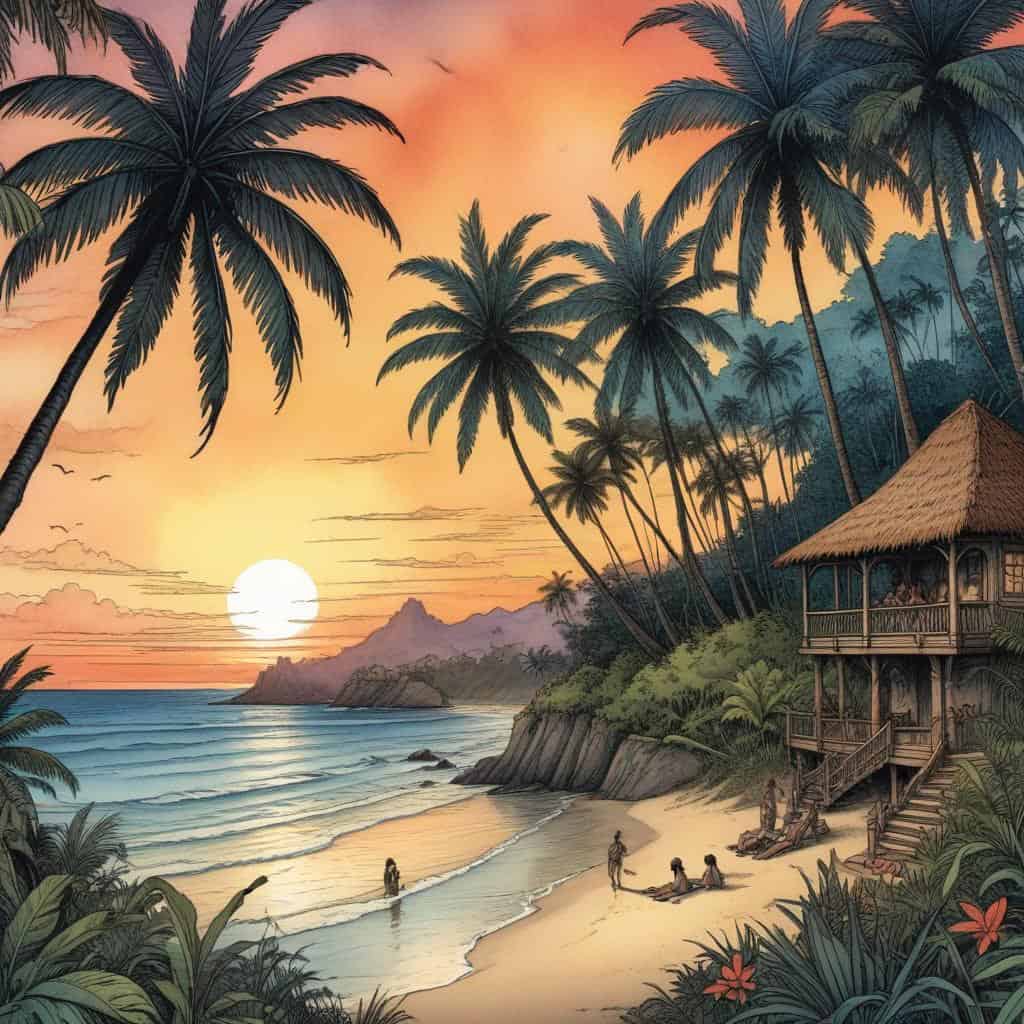
5. Pura Vida Lifestyle

6. Delicious Cuisine
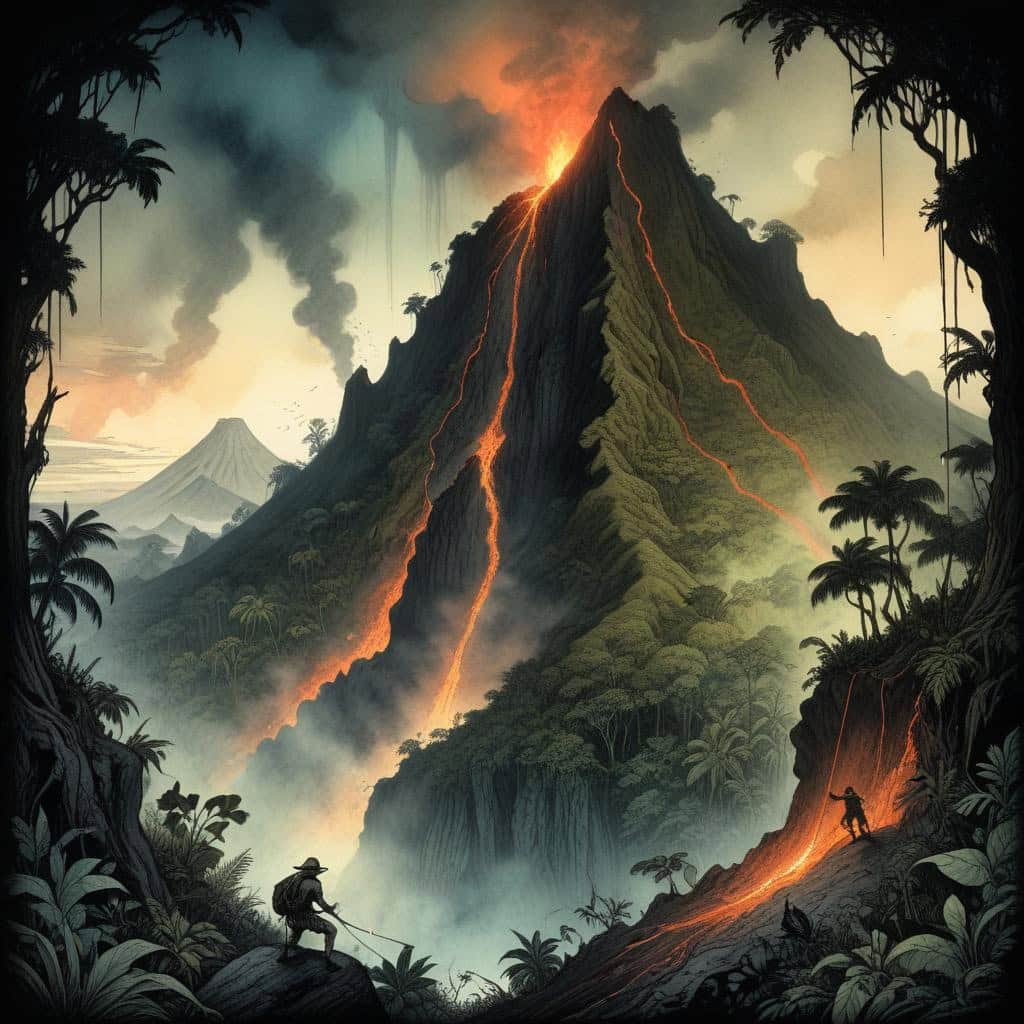
7. Volcanic Wonders
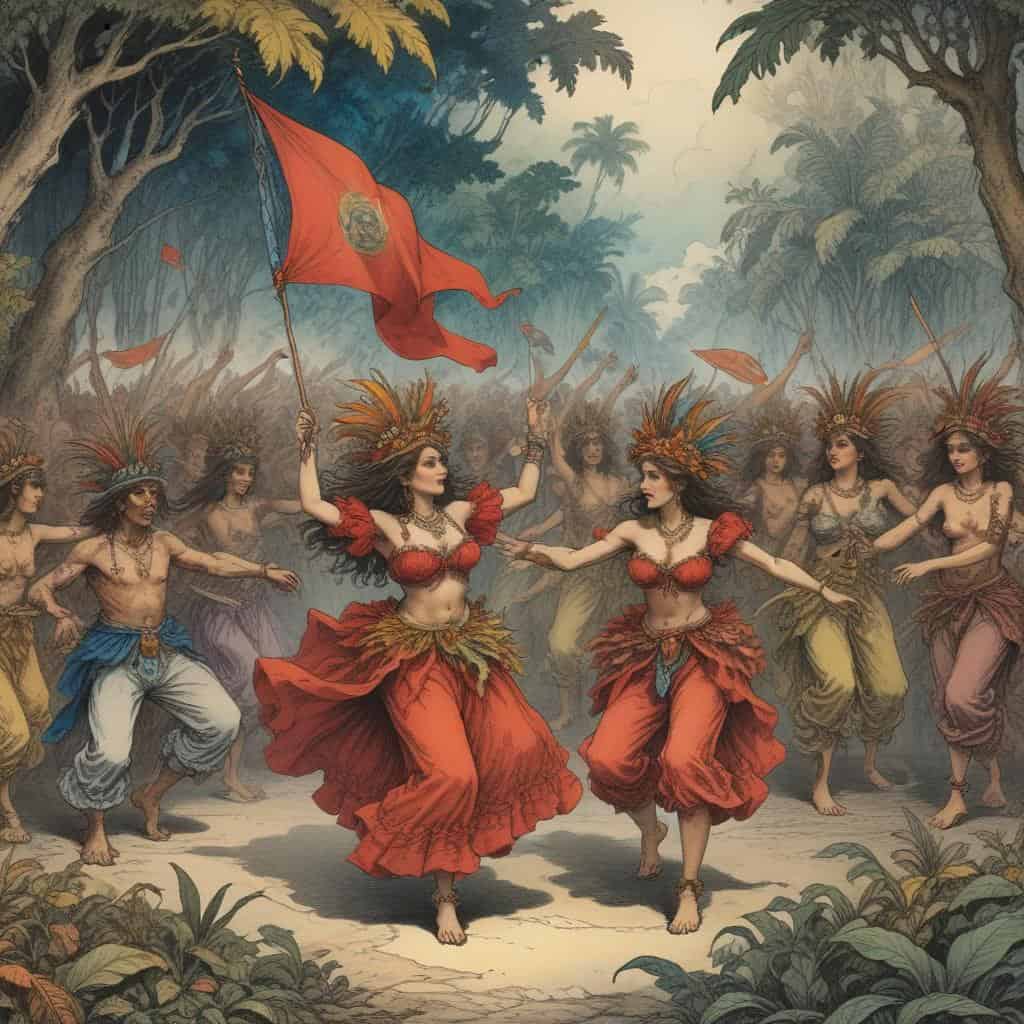
8. Vibrant Culture
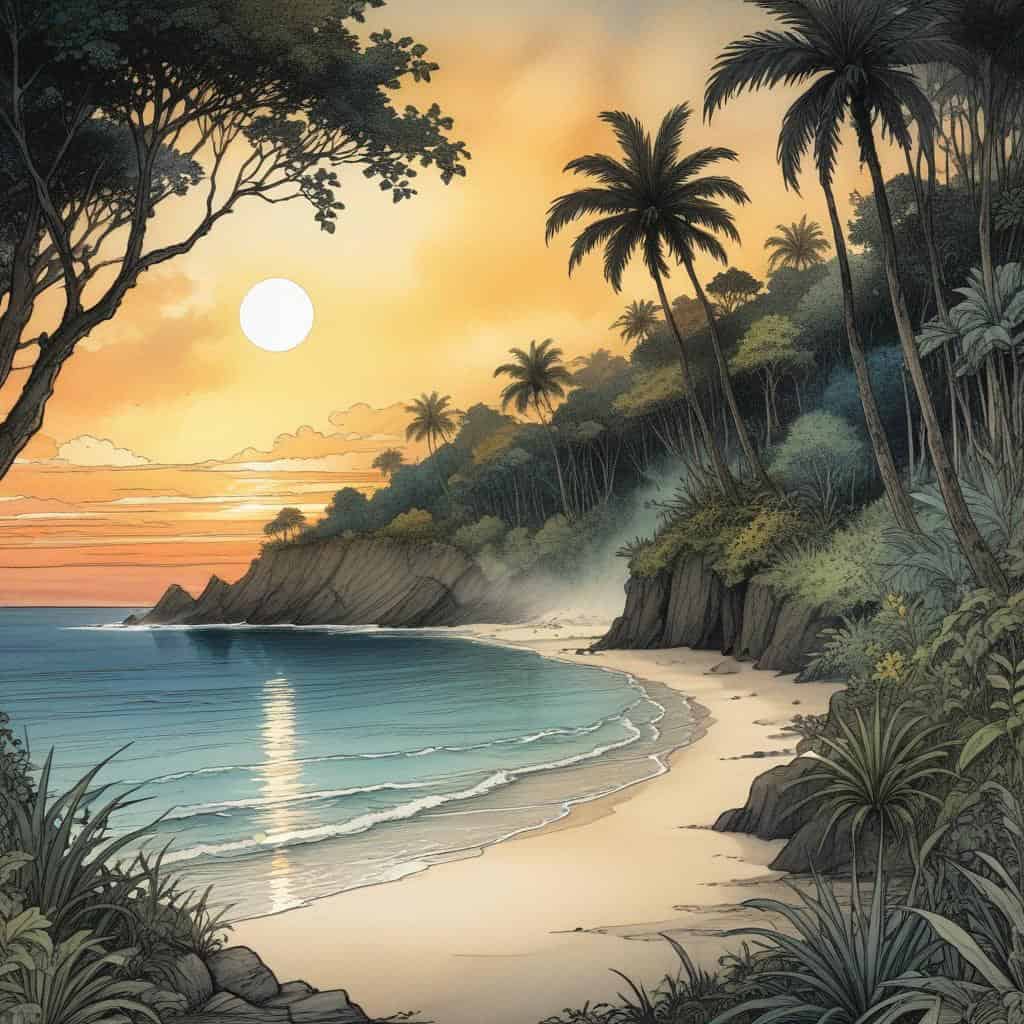
9. Beach Paradise
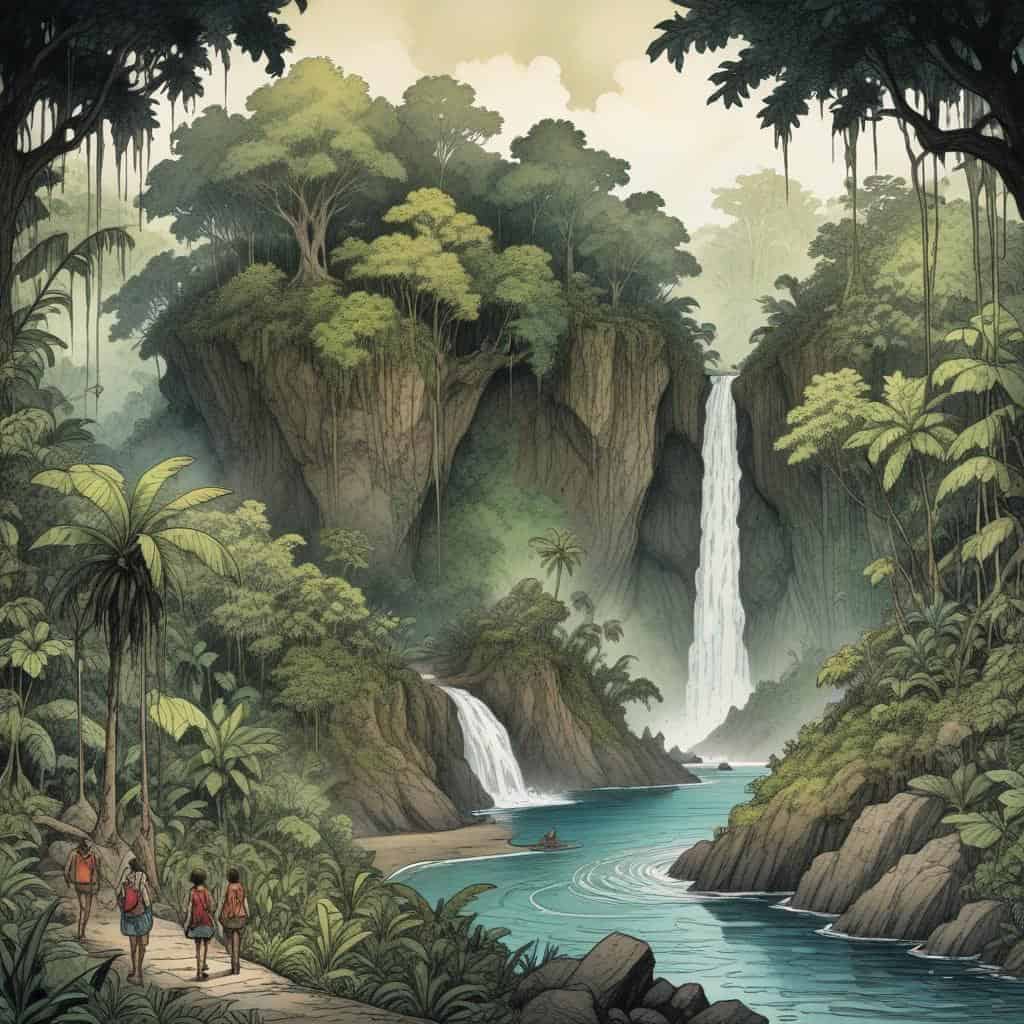
10. Sustainable Travel Destination
In a Nutshell
- Capital: San José
- Population: Approx. 5 million (2023)
- Official Language: Spanish
- Currency: Costa Rican colón (CRC)
Breaking Down the Country
Biodiversity Hotspot
Costa Rica is home to 5% of the world's biodiversity, with lush rainforests, cloud forests, and diverse ecosystems teeming with unique flora and fauna.
Pura Vida Lifestyle
Experience the 'pure life' of Costa Rica with its emphasis on relaxation, nature, and well-being, reflected in the local culture, food, and warm hospitality.
Eco-Tourism Paradise
Discover sustainable travel at its best in Costa Rica, where eco-friendly accommodations, wildlife reserves, and outdoor adventures await eco-conscious travelers.
Timeline of Costa Rica
First human settlements in Costa Rica
Spanish colonization of Costa Rica
Independence from Spain
First coffee plantations established in Costa Rica
Construction of the National Theatre of Costa Rica
Banana plantations established on the Caribbean coast
Establishment of the first national park in Costa Rica, Poas Volcano National Park
Demilitarization of Costa Rica
Establishment of the Inter-American Court of Human Rights in San Jose
Outbreak of the civil war in Nicaragua, leading to a influx of refugees into Costa Rica
Signing of the Central America Free Trade Agreement (CAFTA) between Costa Rica and the United States
Election of Laura Chinchilla as the first female president of Costa Rica
Costa Rica becomes the first country in the world to ban recreational hunting
Opening of the new National Stadium in Costa Rica
Establishment of the Manuel Antonio National Park
Construction of the Arenal Volcano Observatory Lodge
Hurricane Mitch hits Central America, causing widespread damage in Costa Rica
Expansion of ecotourism industry in Costa Rica
Costa Rica becomes a popular retirement destination for North Americans
Renewable energy sources account for over 95% of Costa Rica's electricity generation
Vocabulary List
- Volcano
- The Arenal Volcano is one of the most popular attractions in Costa Rica.
- Rainforest
- Costa Rica is home to a diverse range of rainforest ecosystems.
- Beach
- The beaches in Costa Rica are known for their pristine white sand and crystal-clear waters.
- Jungle
- Tourists can explore the dense jungle of Costa Rica on guided hikes.
- Waterfall
- Costa Rica is home to numerous breathtaking waterfalls.
- Sunset
- Watching the sunset over the Pacific Ocean is a must-do activity in Costa Rica.
- Cityscape
- The cityscape of San Jose, the capital of Costa Rica, is a mix of modern skyscrapers and historic buildings.
- Coffee plantation
- Costa Rica is famous for its coffee plantations, where visitors can learn about the coffee-making process.
- National park
- Costa Rica has several national parks that protect its diverse ecosystems and wildlife.
- Mountain range
- The Central Mountain Range runs through the heart of Costa Rica, offering stunning views and excellent hiking opportunities.
Key Facts
This is the information used in the fact matching game
- Costa Rica is home to over 5% of the world's biodiversity.
- The country has over 800 miles of coastline along both the Pacific Ocean and the Caribbean Sea.
- Costa Rica's Arenal Volcano is one of the most active volcanoes in the world.
- The capital city of Costa Rica is San Jose.
- The country has over 200 volcanic formations, with seven active volcanoes.
- Monteverde Cloud Forest Reserve is one of the most famous cloud forests in the world, located in Costa Rica.
- Costa Rica is known for its eco-tourism and commitment to sustainability.
- The country has over 121 volcanic formations, with seven active volcanoes.
- The biodiversity in Costa Rica is due in part to its many different ecosystems, including rainforests, cloud forests, and mangrove swamps.
- The country's national parks and protected areas cover over a quarter of its land area.
- Costa Rica has two seasons: the dry season (December to April) and the wet season (May to November).
- The country is home to over 900 species of birds, making it a popular destination for birdwatchers.
- Tortuguero National Park is one of the most important nesting sites for green sea turtles in the world.
- The Nicoya Peninsula in Costa Rica is known for its stunning beaches and surf spots.
- The country's official language is Spanish.
- Poas Volcano is one of the most visited volcanoes in Costa Rica, known for its large crater and frequent eruptions.
- The Tabacon Hot Springs in Costa Rica are fed by the Arenal Volcano, making them a popular tourist attraction.
- The country has over 121 volcanic formations, with seven active volcanoes.
- Manuel Antonio National Park is one of the smallest but most popular national parks in Costa Rica, known for its beautiful beaches and abundant wildlife.
- Costa Rica abolished its army in 1948, becoming one of the few countries in the world without a military.
Why It Matters
Geopolitical Significance
Strategically located in Central America, Costa Rica serves as a bridge between North and South America. Its peaceful nature and diplomatic efforts have earned it a reputation as a stable and neutral country in the region. Costa Rica’s position influences regional politics and trade, making it an important player in the Americas.
Historical Importance
Costa Rica has a history of democracy and abolition of the military, setting it apart from its neighbors in Central America. The country’s commitment to education and environmental protection has shaped its identity and global perception. Historical events, such as the abolition of the military in 1948, continue to influence Costa Rican society.
Modern-Day Role
Today, Costa Rica is known for its commitment to sustainability and eco-tourism. Its biodiversity and natural resources make it a key player in global conservation efforts. Costa Rica’s investment in renewable energy and environmental protection sets an example for other nations striving for sustainable development.
Costa Rica Games


Take Your Learning Offline
Want a convenient, print-ready study guide for this lesson? Become a Memory Wizards Pro member to unlock the downloadable " Memory Scrolls" for this topic and our entire library!
- ✓ Complete Vocabulary Lists
- ✓ Key Facts & Timelines
- ✓ Beautifully Formatted for Print & Mobile