
How Do You Learn Best?
Learn by Reading
Immerse yourself in the 10-minute visual lesson for a comprehensive understanding of the topic.
Learn by Reviewing
Jump directly to the key facts, timeline, and vocabulary lists to build a solid foundation of details.
Learn by Doing
Challenge yourself! Jump straight into the interactive games to learn by trial, error, and discovery.
Canada in 10 Minutes
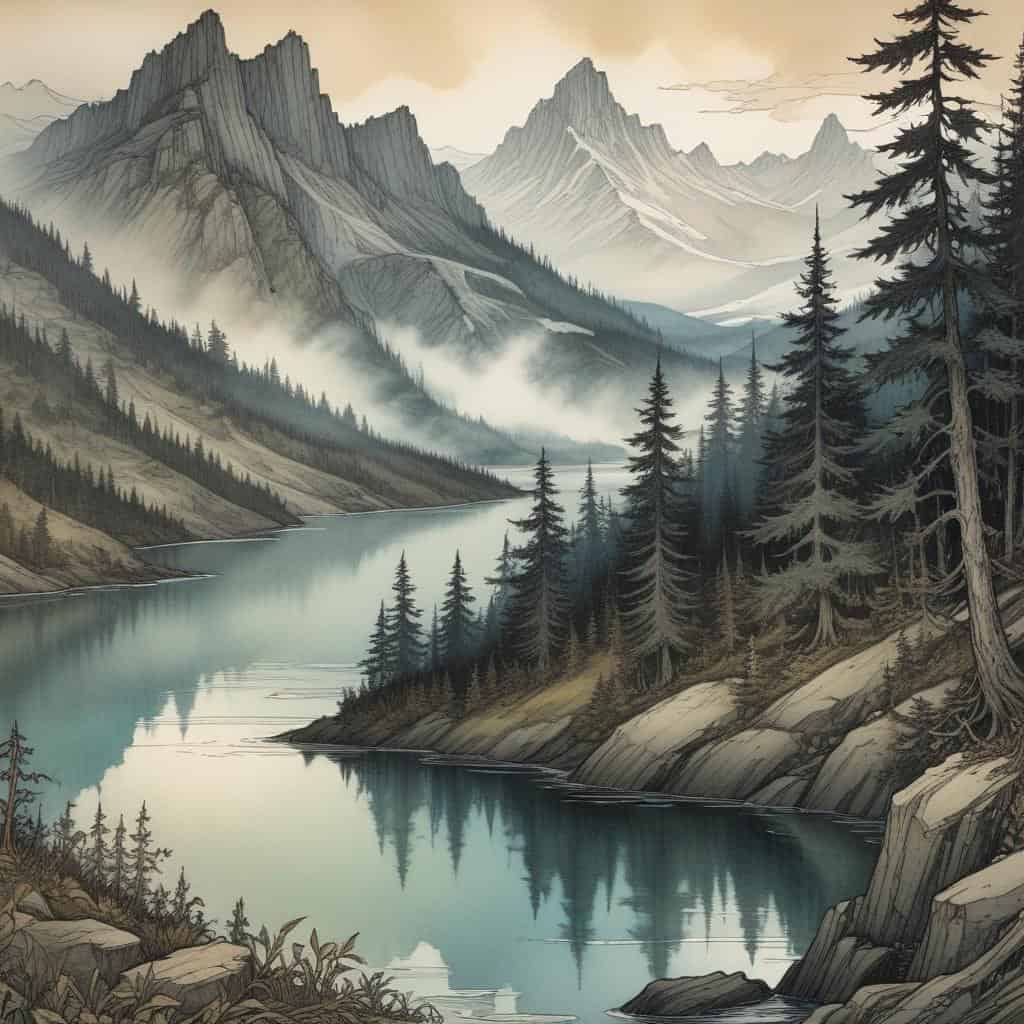
Introduction
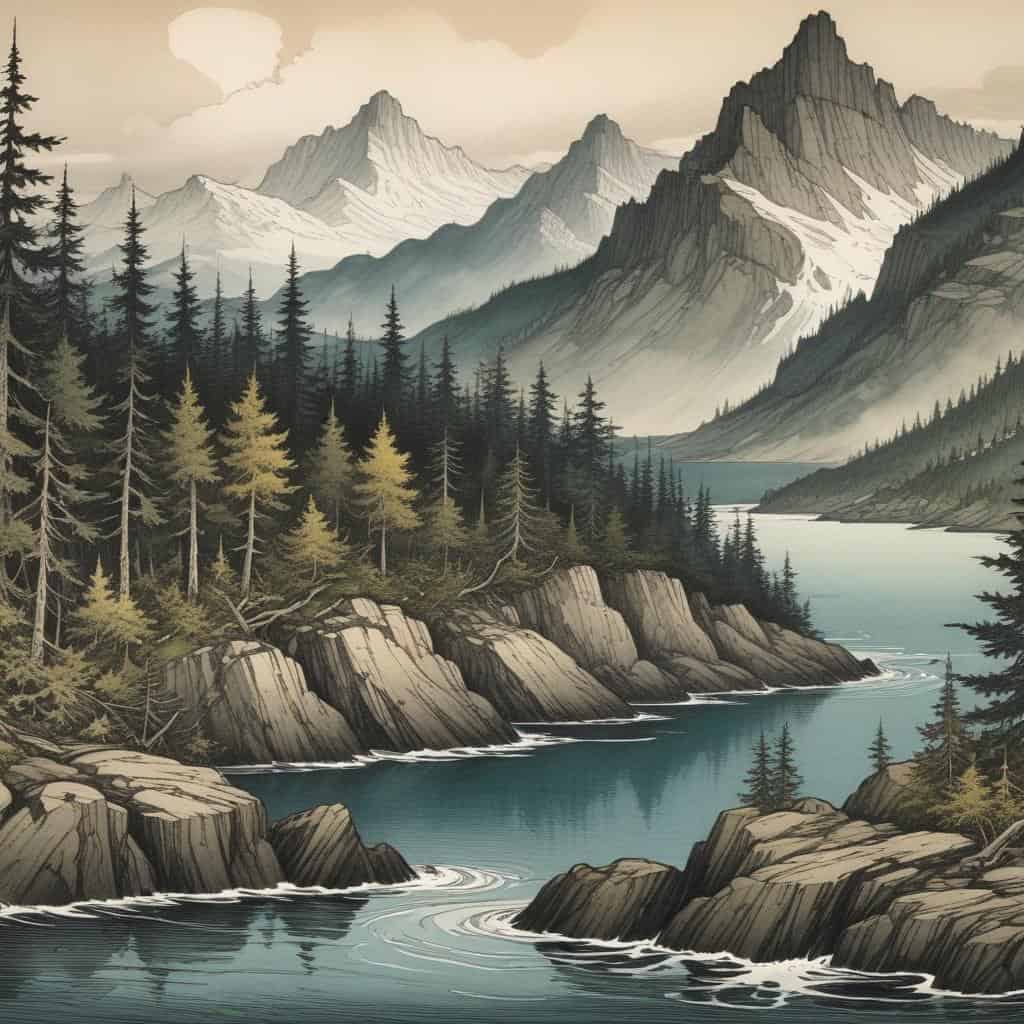
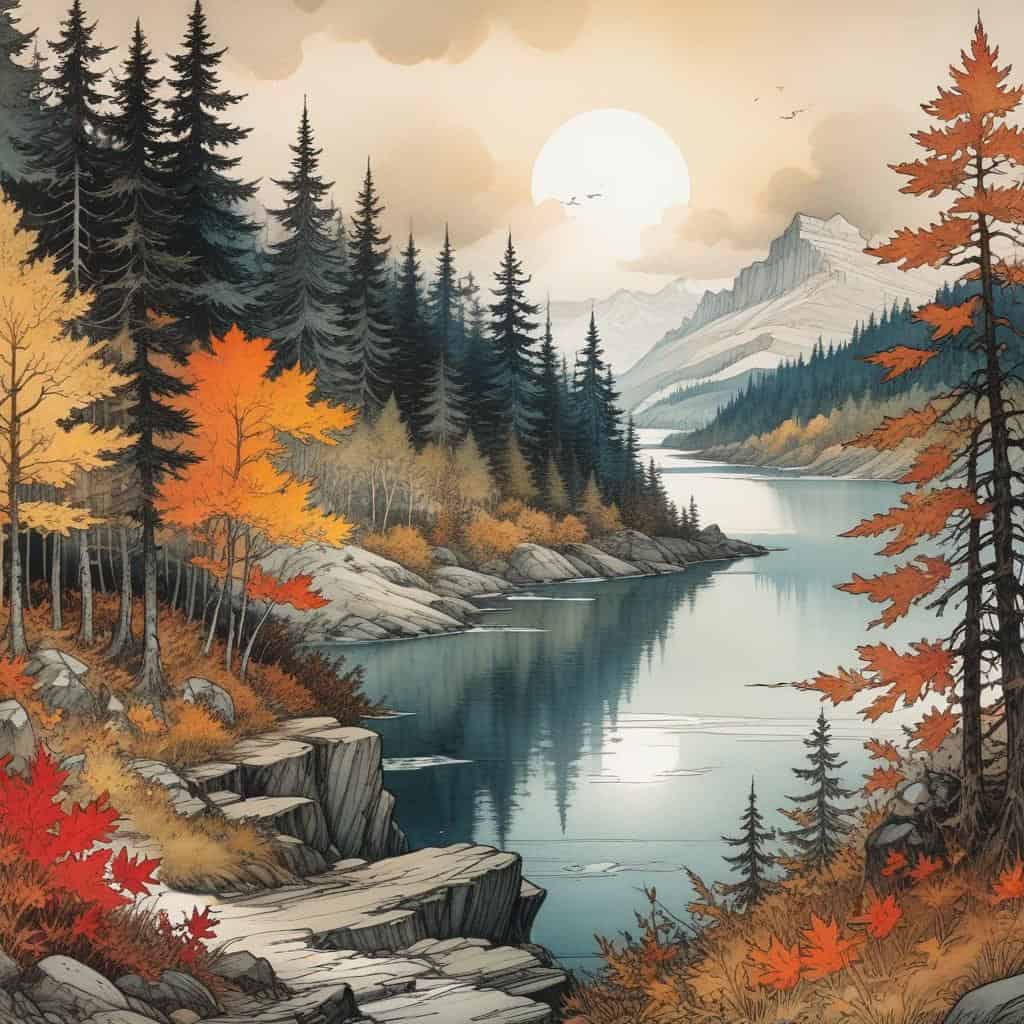

1. Anne Shirley
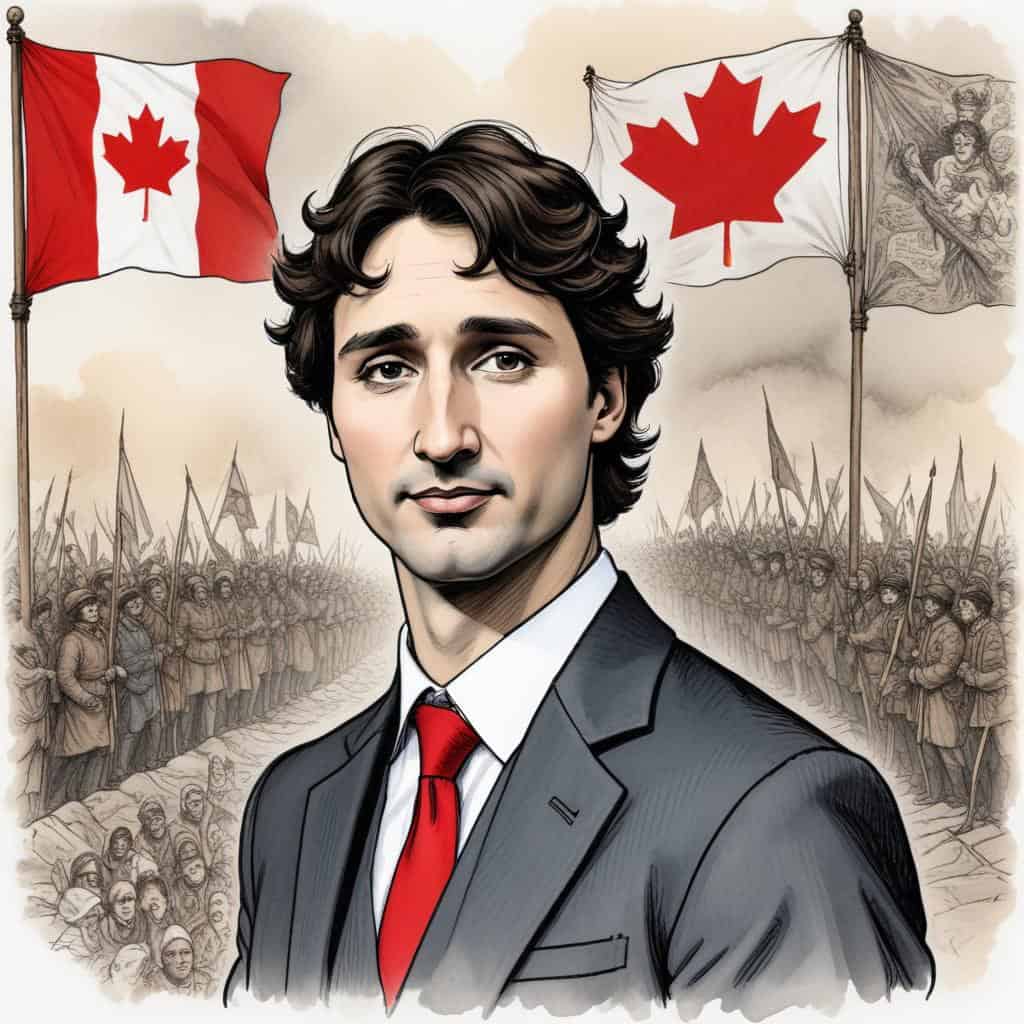
2. Justin Trudeau
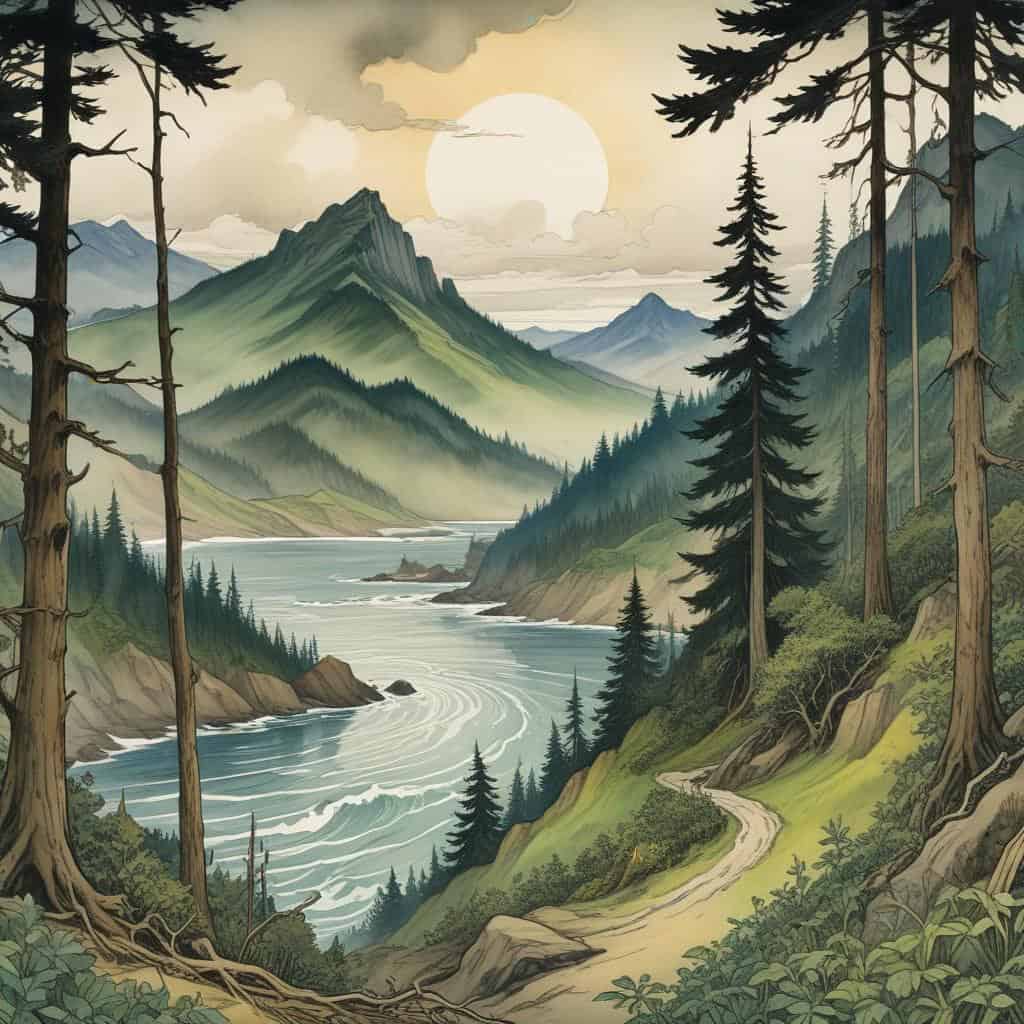
3. Emily Carr

4. Terry Fox
5. Margaret Atwood
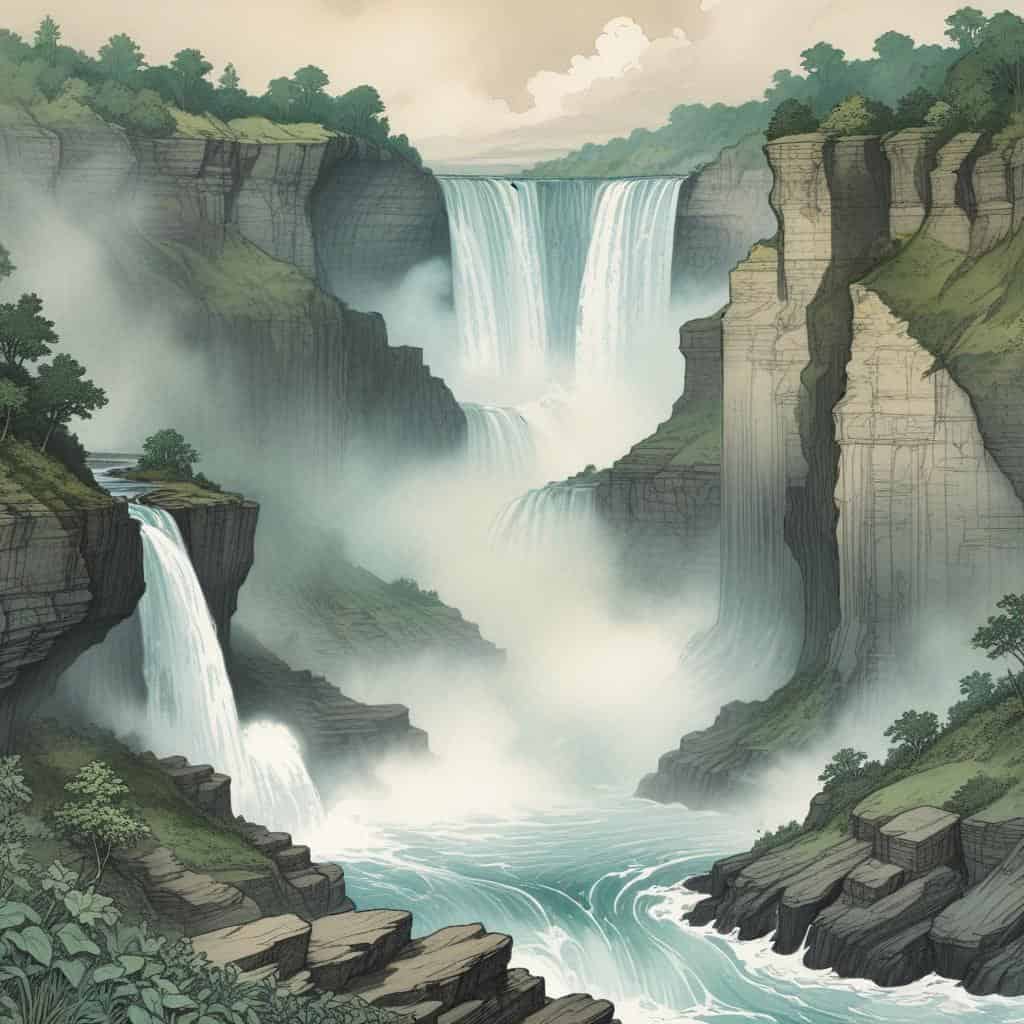
1. Niagara Falls: A Natural Wonder
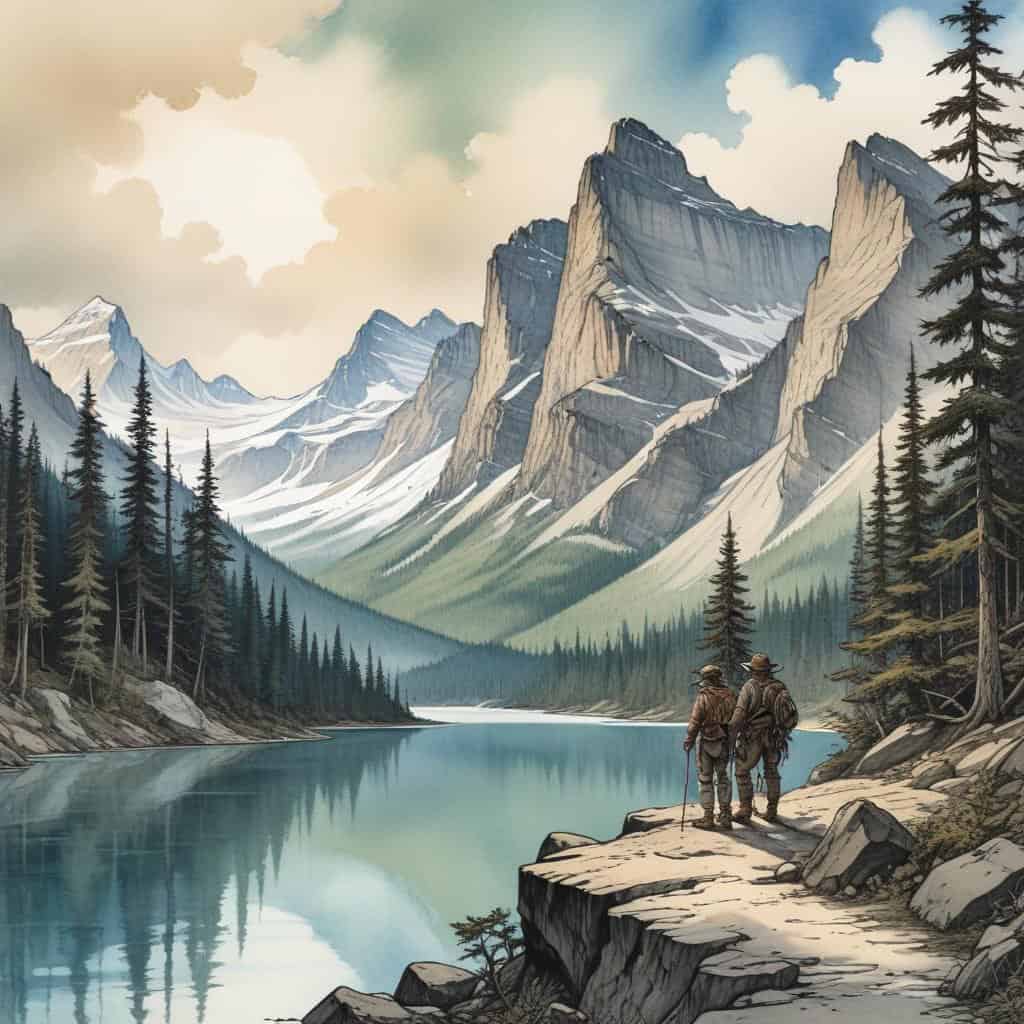
2. Banff National Park: A Paradise for Outdoor Enthusiasts
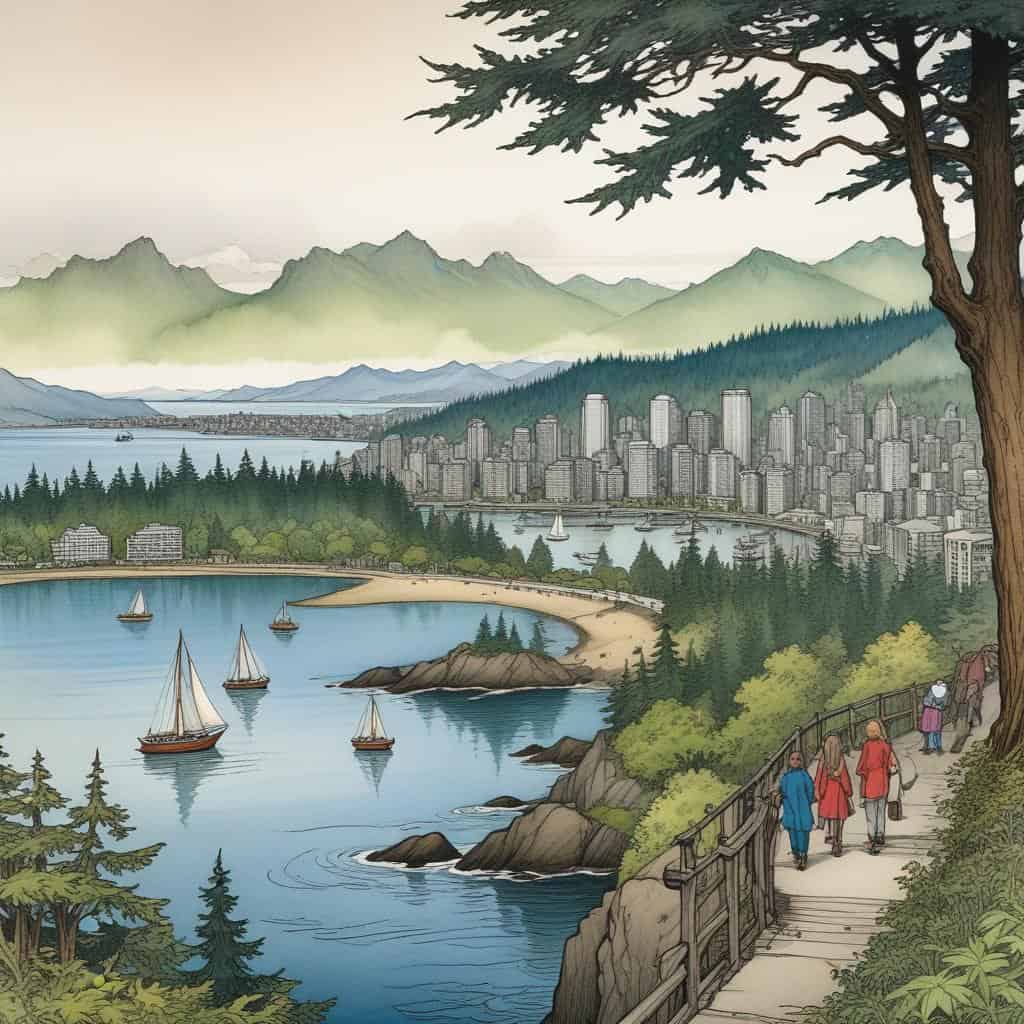
3. Vancouver: A Vibrant Coastal City
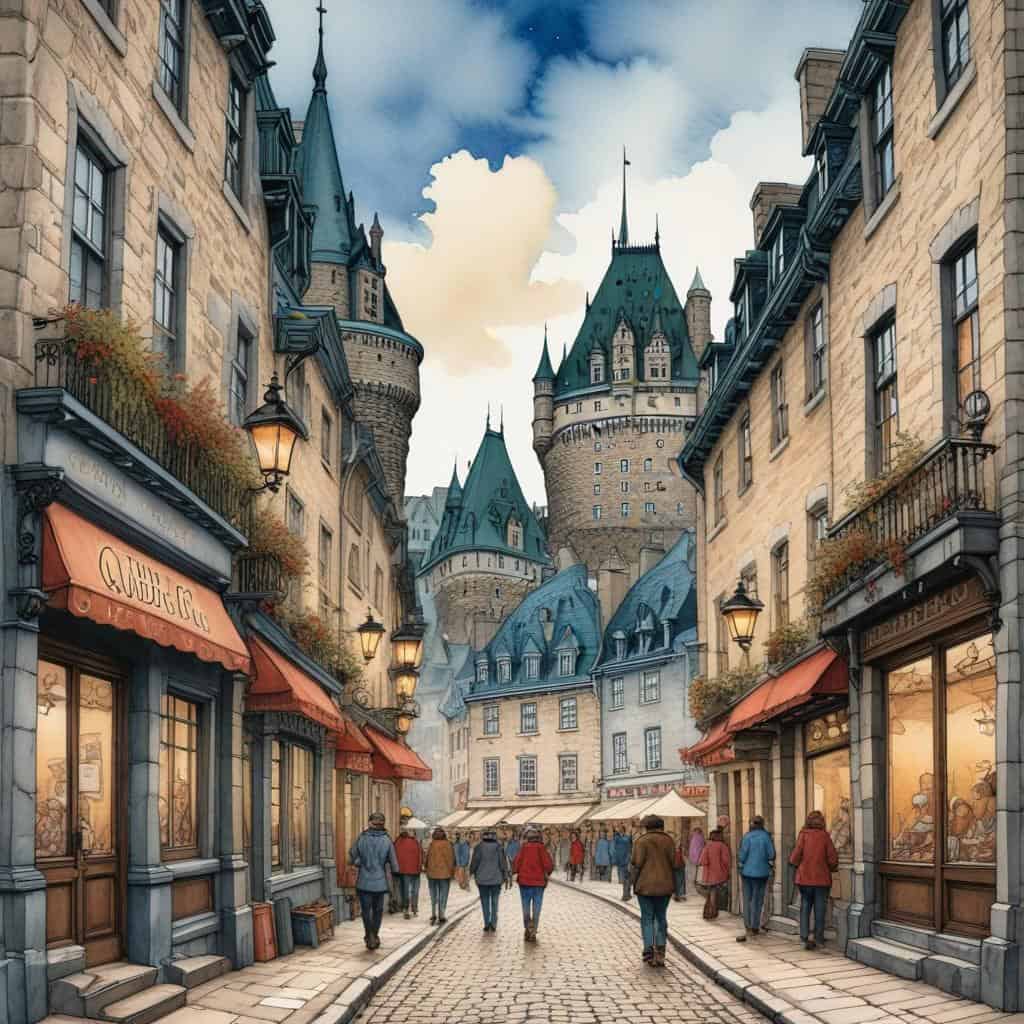
4. Quebec City: A Taste of Europe in North America
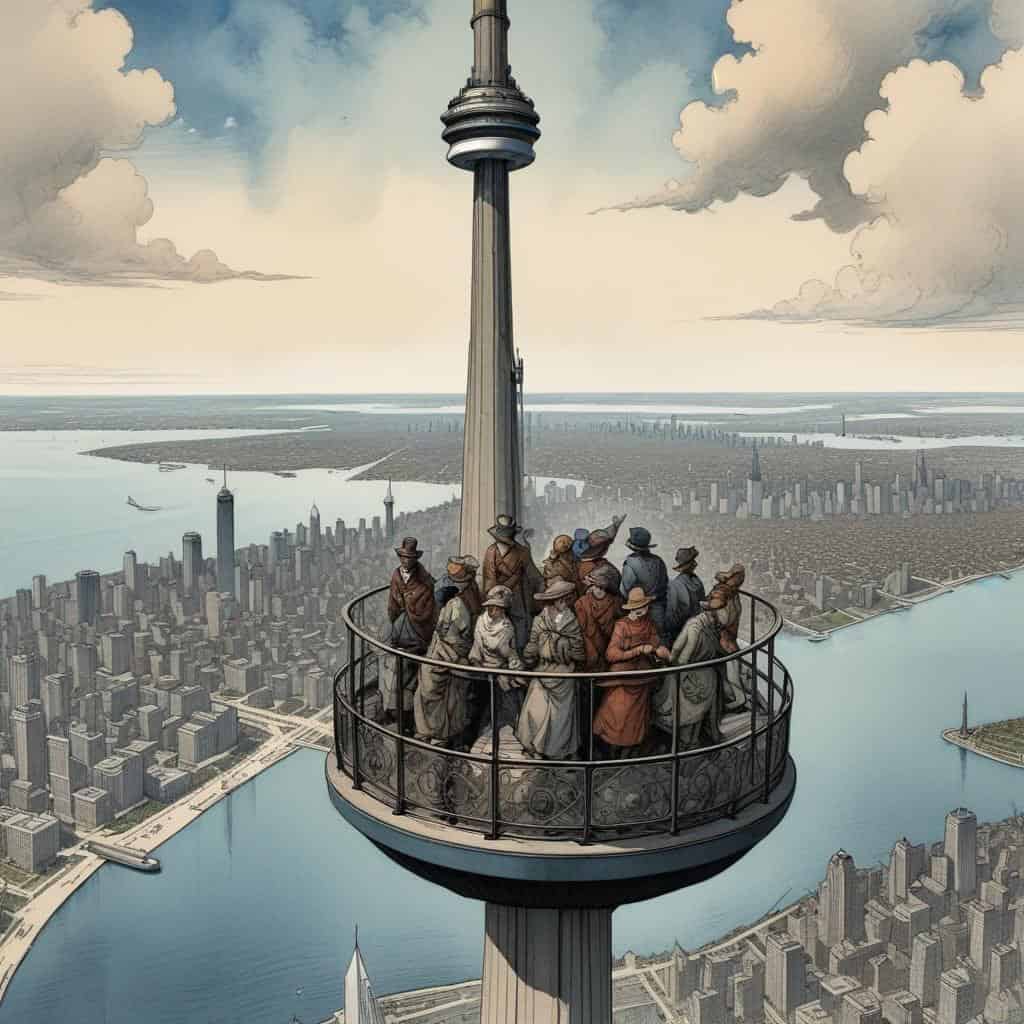
5. CN Tower: A Iconic Landmark in Toronto
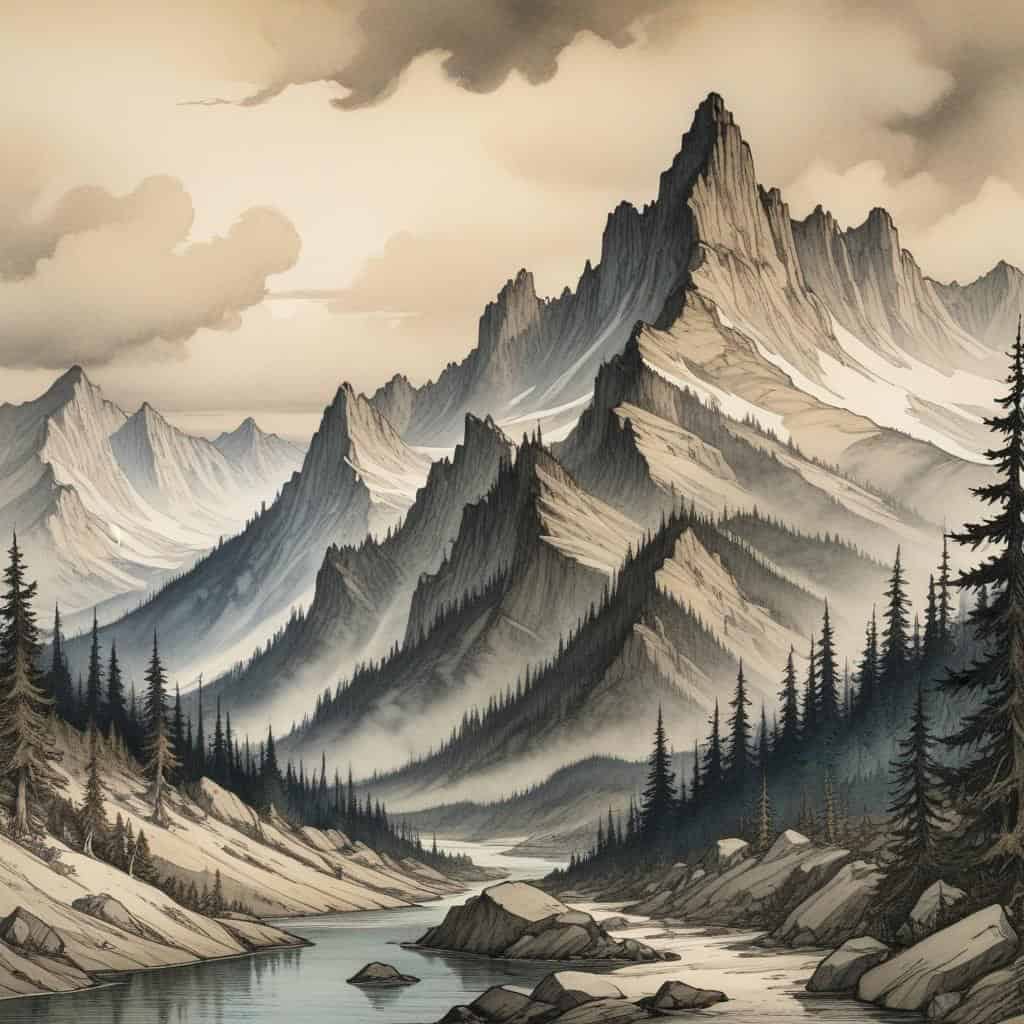
6. The Rocky Mountains: Majestic Peaks and Pristine Wilderness
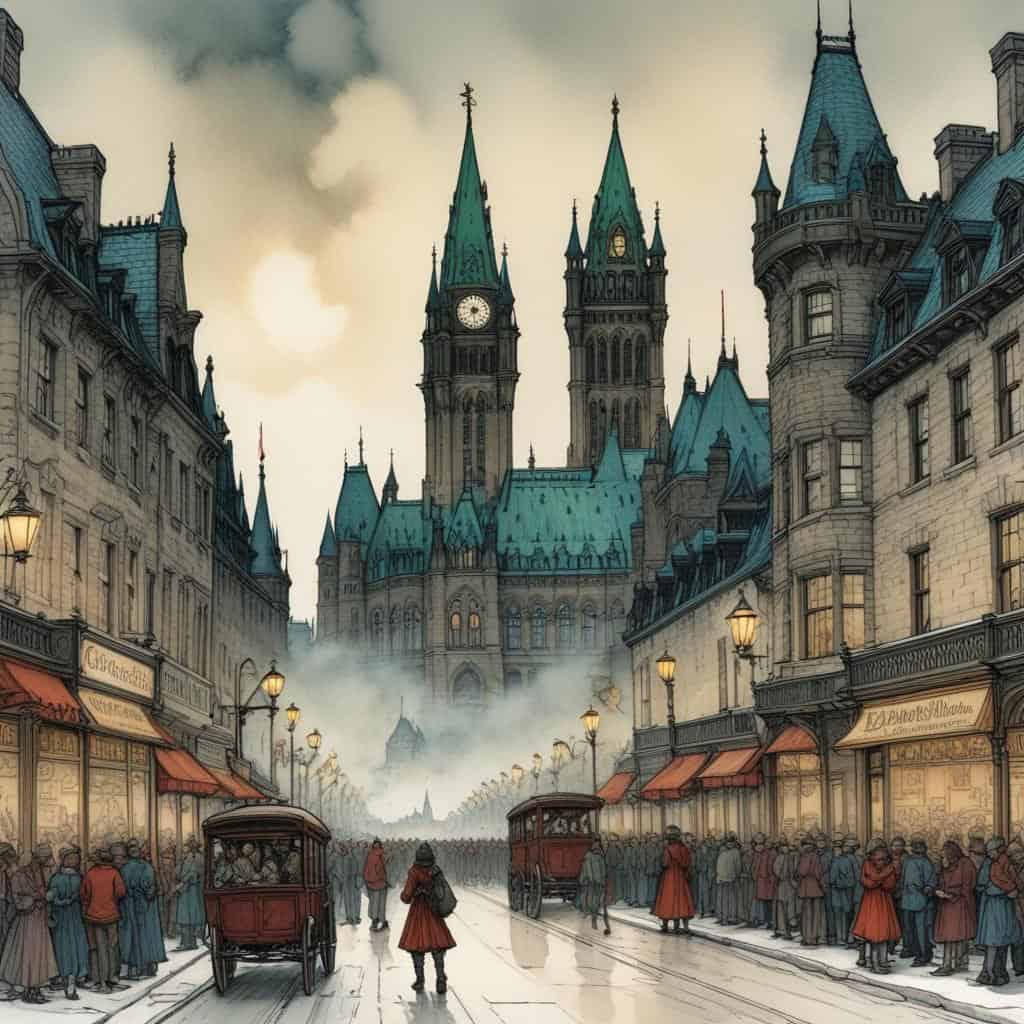
7. Ottawa: Canadas Capital City
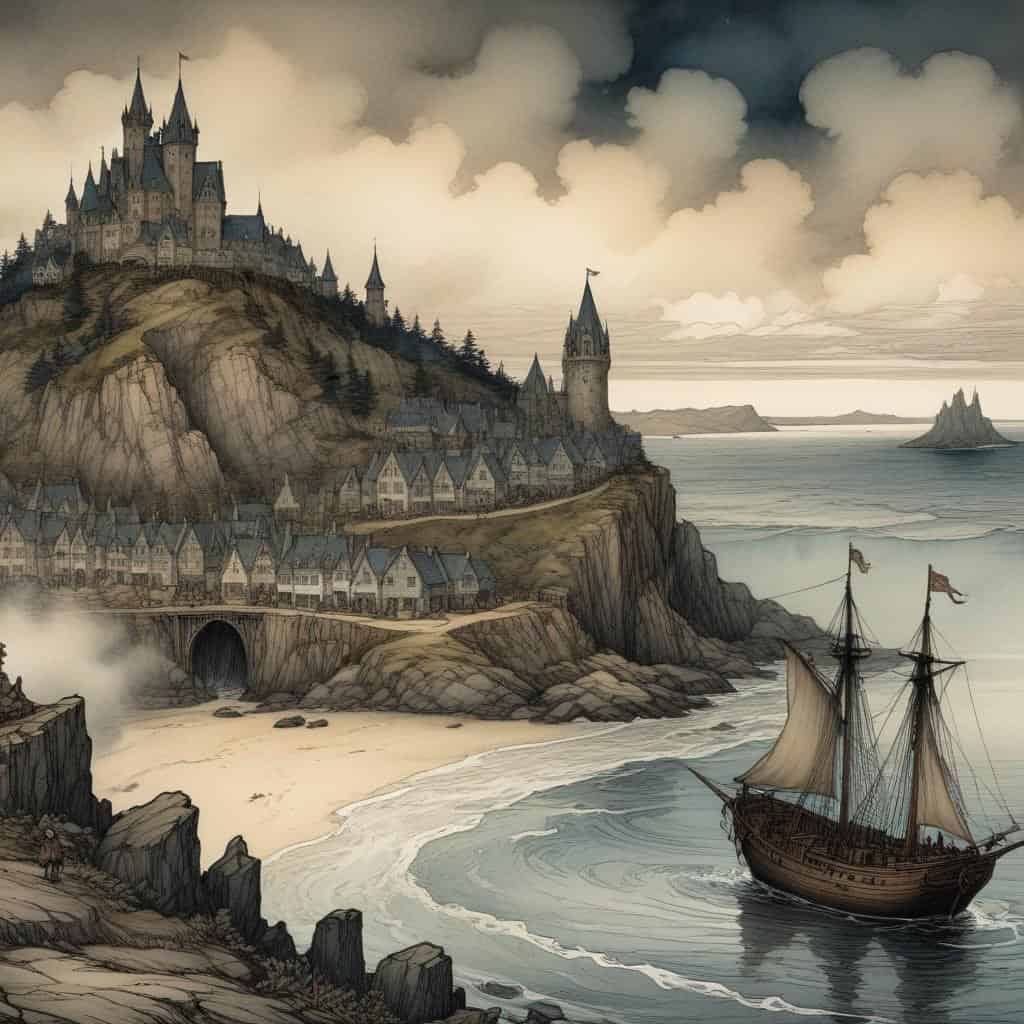
8. Maritime Provinces: Charming Coastal Towns and Scenic Landscapes
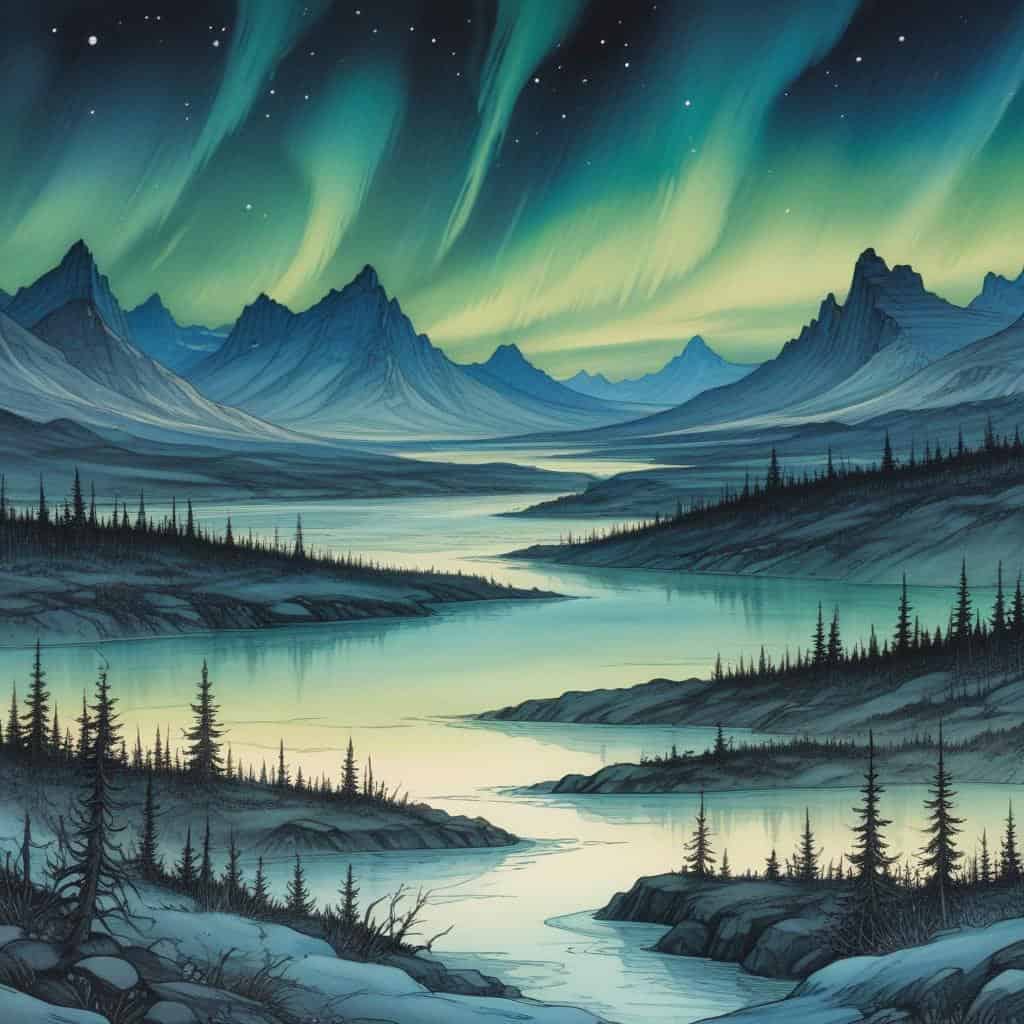
9. Tundra and Wildlife in the North
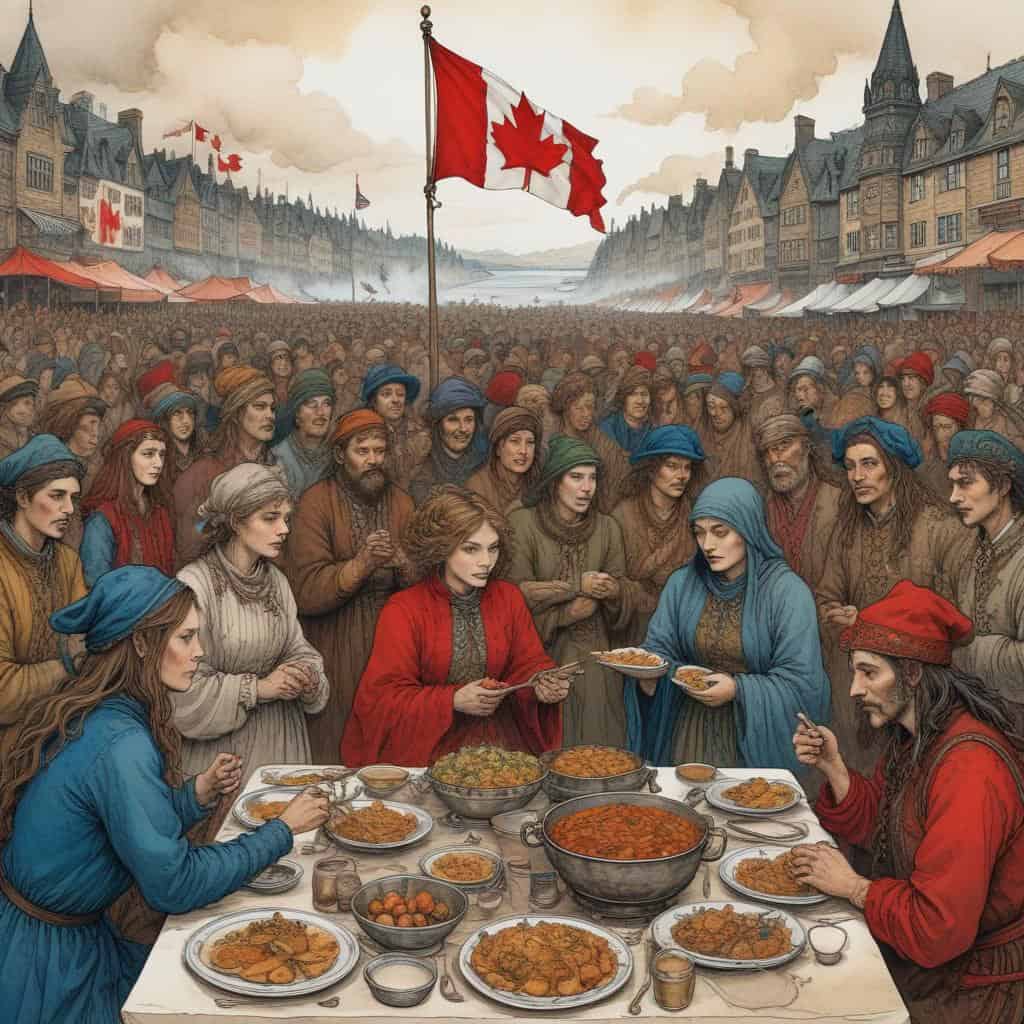
10. Diversity and Multiculturalism
In a Nutshell
- Capital: Ottawa
- Population: Approx. 37.9 million (2021)
- Official Language: English, French
- Currency: Canadian Dollar (CAD)
Breaking Down the Country
Geographic Diversity
From the Rocky Mountains to the Northern Arctic region, Canada boasts a wide range of natural landscapes and ecosystems.
Cultural Mosaic
With a rich history of Indigenous peoples and diverse immigrant communities, Canada celebrates multiculturalism and inclusivity.
Modern Innovation
As a global leader in technology, research, and sustainability, Canada continues to push boundaries in science and innovation.
Timeline of Canada
First Nations people arrive in North America
Vikings establish a settlement in Newfoundland
European exploration of Canada begins
French colonization of Canada begins
British takeover of Canada from the French
Canadian Confederation is formed
Completion of the Canadian Pacific Railway
World War I begins
Women in Canada gain the right to vote
World War II begins
Canada participates in the Korean War
Canada introduces the Canadian Charter of Rights and Freedoms
Canada signs the North American Free Trade Agreement (NAFTA)
Canada hosts the Winter Olympics in Vancouver
Canada legalizes cannabis for recreational use
COVID-19 pandemic begins in Canada
Canada announces plans to ban single-use plastics
Canada elects Justin Trudeau as Prime Minister for a second term
Discovery of unmarked graves at former residential schools in Canada
Canada celebrates its 150th anniversary of Confederation
Vocabulary List
- Tundra
- The tundra landscape in Canada is characterized by low temperatures and permafrost.
- Iceberg
- Icebergs can be seen floating in the waters off the coast of Canada.
- Maple
- The maple tree is a symbol of Canada and its leaves turn vibrant colors in the fall.
- Igloo
- In some parts of Canada, people still build igloos out of snow and ice.
- Aurora
- The Northern Lights, or aurora borealis, can be seen in the night sky in northern Canada.
- Skyscraper
- The skyline of Toronto is dominated by skyscrapers.
- Inuksuk
- Inuksuit are stone landmarks built by the Inuit people in northern Canada.
- Poutine
- Poutine is a popular Canadian dish made of french fries, gravy, and cheese curds.
- Moose
- Moose are commonly found in the forests of Canada.
- Toque
- In Canada, people wear toques to keep warm in the winter.
Key Facts
This is the information used in the fact matching game
- Canada has the world's longest coastline, stretching over 202,080 kilometers.
- Toronto, the capital city of Ontario, is the most populous city in Canada.
- Banff National Park in Alberta is one of the oldest national parks in Canada, established in 1885.
- Vancouver, located in British Columbia, is consistently ranked as one of the most livable cities in the world.
- The Canadian Rockies, located in Alberta and British Columbia, are known for their stunning mountain landscapes and crystal-clear lakes.
- Montreal, the largest city in Quebec, is known for its vibrant arts and culture scene.
- The Northern Lights, also known as the Aurora Borealis, can be seen in parts of Canada, particularly in the northern regions.
- The Bay of Fundy in Nova Scotia has the highest tides in the world, with variations of up to 16 meters.
- Niagara Falls, located on the border between Ontario and New York, is one of the most famous natural attractions in Canada.
- The CN Tower in Toronto was once the tallest freestanding structure in the world, standing at 553 meters.
- Canada is home to over 2 million lakes, including the iconic Lake Louise in Alberta.
- Quebec City, the capital of Quebec, is the only walled city north of Mexico.
- The Dempster Highway in Yukon and Northwest Territories is one of the most remote and scenic drives in Canada.
- Churchill, Manitoba is known as the polar bear capital of the world, where visitors can see these majestic creatures in their natural habitat.
- The Cabot Trail in Nova Scotia is considered one of the most scenic drives in the world, offering breathtaking views of the Atlantic Ocean and rugged coastline.
- The Parliament Hill in Ottawa, the capital city of Canada, is home to the country's government and is a popular tourist attraction.
- Jasper National Park in Alberta is the largest national park in the Canadian Rockies, known for its stunning mountain scenery and abundant wildlife.
- The Calgary Stampede in Alberta is one of the largest rodeo events in the world, attracting visitors from all over the globe.
- The Inuksuk, a stone landmark used by the Inuit people, is a symbol of Canada's northern heritage and can be found in various locations across the country.
- The Muskoka region in Ontario is known for its picturesque lakes, forests, and cottages, making it a popular vacation destination for Canadians.
Why It Matters
Geopolitical Significance
Canada’s vast territory spans from the Atlantic to the Pacific Ocean, making it the second-largest country in the world by land area. Its proximity to the United States and its Arctic sovereignty give it a strategic position in North America and the global community.
Historical Importance
Canada has a rich history shaped by Indigenous cultures, European colonization, and its role in both World Wars. The country’s bilingual identity, multicultural society, and peaceful transition to independence from Britain are key aspects of its historical significance.
Modern-Day Role
Today, Canada is known for its commitment to peacekeeping, environmental conservation, and humanitarian efforts worldwide. As a G7 member and one of the world’s top economies, Canada plays a crucial role in global diplomacy, trade relations, and promoting human rights.
Canada Games


Take Your Learning Offline
Want a convenient, print-ready study guide for this lesson? Become a Memory Wizards Pro member to unlock the downloadable " Memory Scrolls" for this topic and our entire library!
- ✓ Complete Vocabulary Lists
- ✓ Key Facts & Timelines
- ✓ Beautifully Formatted for Print & Mobile