The Soul's Ascent To The Good

What if our journey to goodness is guided by our soul?

How Do You Learn Best?

Note: You can explore any or all of these paths in any order you prefer!

The Soul's Ascent To The Good in 10 Minutes

Introduction
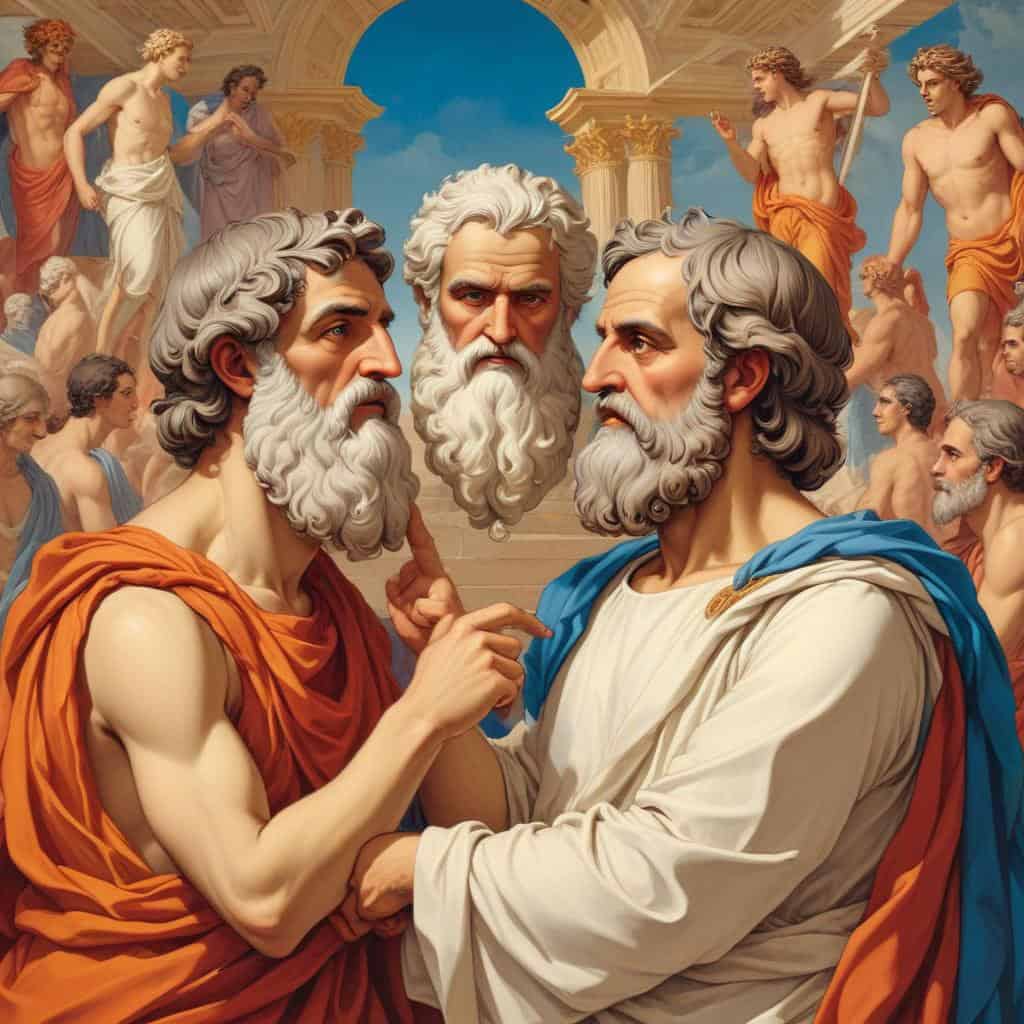
Introduction

Have you ever wondered about the nature of the soul and its journey towards the good? In philosophy, this concept has been a central theme for centuries, with thinkers exploring the idea of the soul's ascent towards moral excellence. This article will provide a summary of key philosophical perspectives on the soul's journey to the good, shedding light on the different ways in which philosophers have grappled with this complex and profound topic.

From ancient Greek philosophers like Plato and Aristotle to modern thinkers like Immanuel Kant and Friedrich Nietzsche, the question of how the soul can achieve moral goodness has been a fundamental concern. These philosophers have offered various theories and arguments about the nature of the soul, its relationship to the good, and the path towards ethical perfection. By examining their insights, we can gain a deeper understanding of the complexities surrounding the soul's ascent to the good.

This summary will delve into the key concepts and ideas that have shaped philosophical discussions on the soul's journey to the good. By exploring different perspectives and interpretations, we can appreciate the richness and diversity of thought that exists within the philosophical tradition. Whether you are a novice or a seasoned philosopher, this article aims to provide a comprehensive overview of the soul's ascent to the good, inviting readers to ponder the timeless questions that have captivated thinkers throughout history.

Plato

Plato

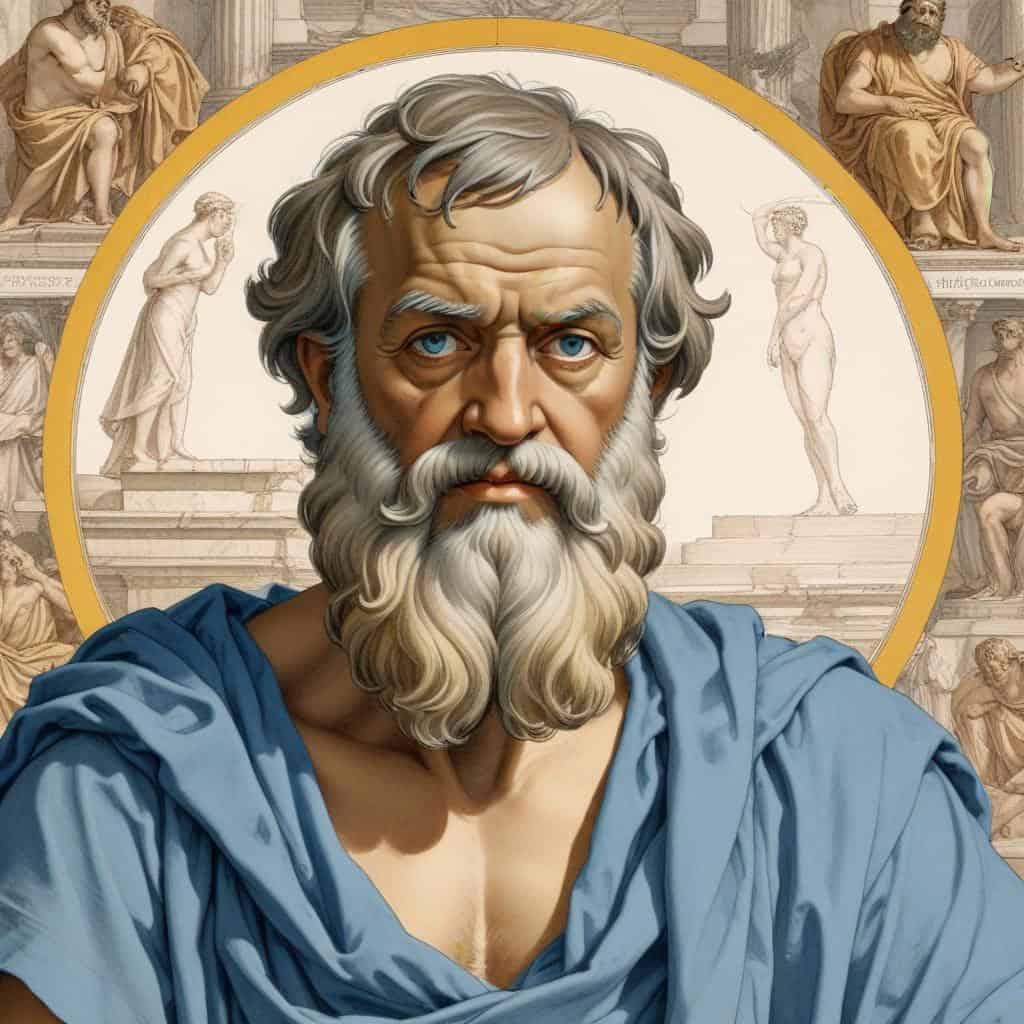
Plato was a renowned ancient Greek philosopher who believed in the existence of an eternal realm of Forms, including the ultimate Form of the Good. He argued that the soul must ascend through various stages of knowledge and contemplation to reach the highest level of understanding and virtue.

Aristotle

Aristotle

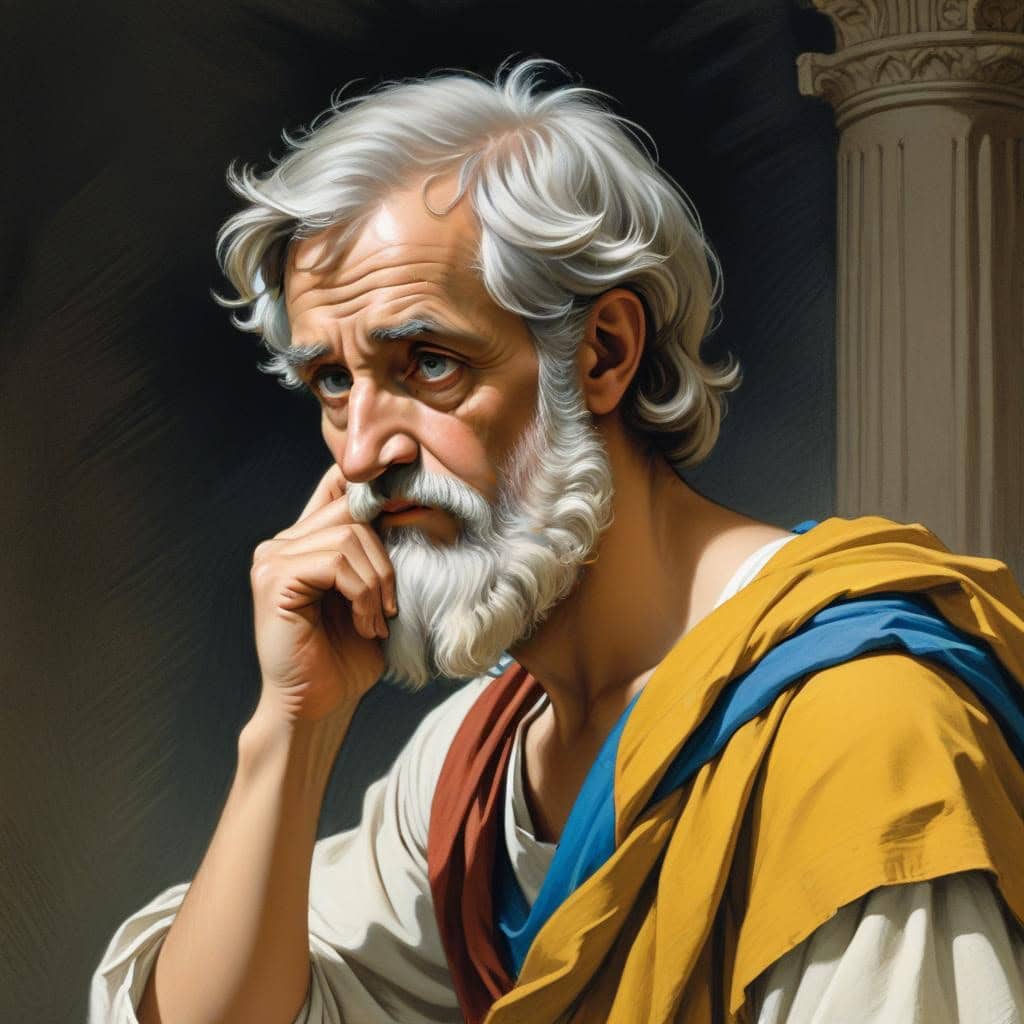
Aristotle, a student of Plato, also emphasized the importance of striving for the Good in his ethical and metaphysical writings. He believed that human beings have a natural tendency to seek fulfillment and happiness, which can be achieved through virtuous actions and the cultivation of moral character.

Plotinus

Plotinus

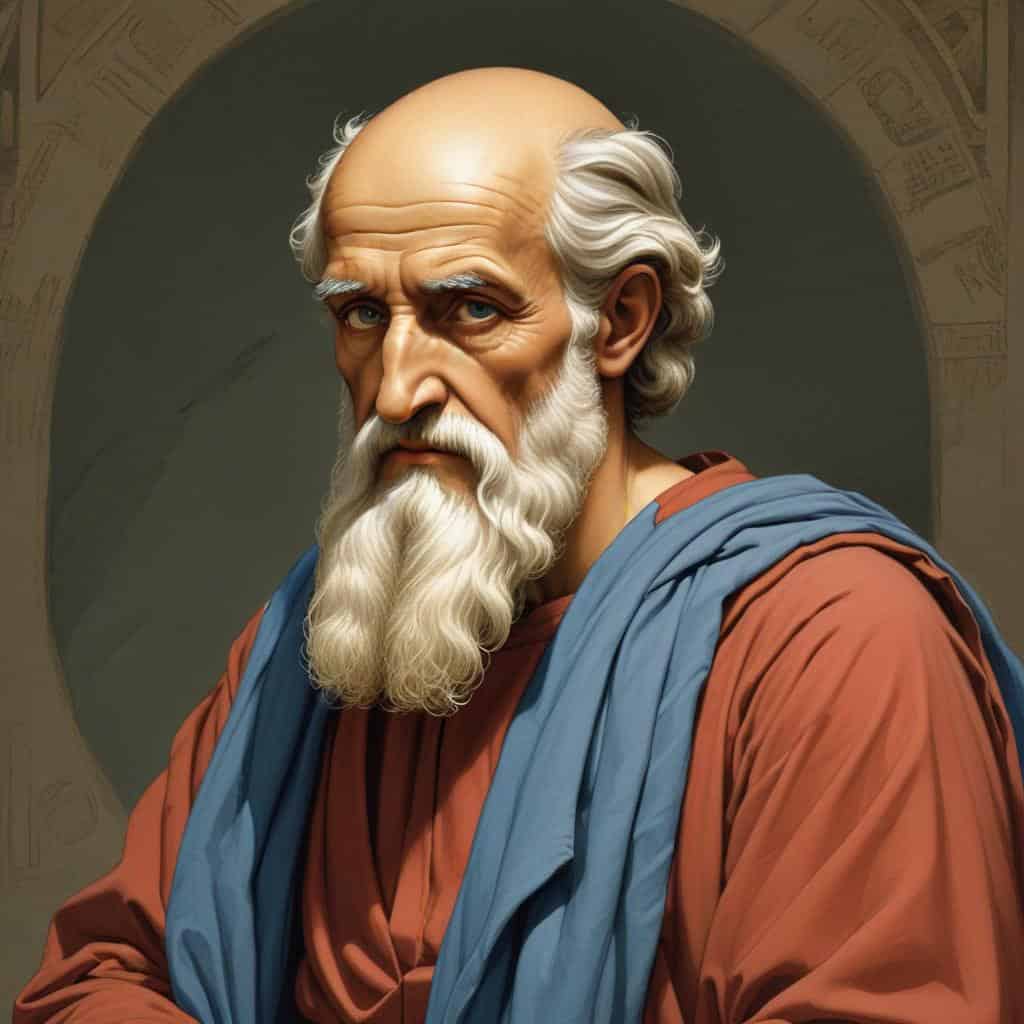
Plotinus was a Neoplatonist philosopher who built upon the ideas of Plato and Aristotle by proposing a hierarchical structure of reality that culminates in the One, the ultimate source of all goodness and beauty. He argued that the soul's ascent to the Good involves transcending the material world and uniting with the divine through intellectual contemplation.

Augustine

Augustine

Saint Augustine, a Christian theologian and philosopher, integrated Neoplatonic ideas into his teachings on the soul's journey to God. He believed that human beings are inherently flawed due to original sin, but can attain salvation and union with the Good through faith, grace, and moral transformation.

The Souls Journey Begins

The Souls Journey Begins

In the beginning of the story, the soul is depicted as being in a state of ignorance and confusion, unable to comprehend the nature of reality. It is lost and searching for meaning.

The Call to Adventure

The Call to Adventure

Suddenly, the soul receives a call to adventure, a beckoning to embark on a journey towards the Good. This call awakens a sense of purpose and direction within the soul.

The Trials and Tribulations

The Trials and Tribulations

As the soul progresses on its journey, it encounters various trials and tribulations that test its resolve and determination. These challenges serve to strengthen the soul and prepare it for the ultimate goal.

The Discovery of Wisdom

The Discovery of Wisdom

Through its trials, the soul gains wisdom and understanding of the nature of the Good. It begins to see the world in a new light, with clarity and insight.

The Transformation of the Soul

The Transformation of the Soul

With each step of the journey, the soul undergoes a transformation, shedding its ignorance and embracing the virtues of the Good. It becomes more enlightened and attuned to the higher truths of existence.

The Meeting of Mentors

The Meeting of Mentors

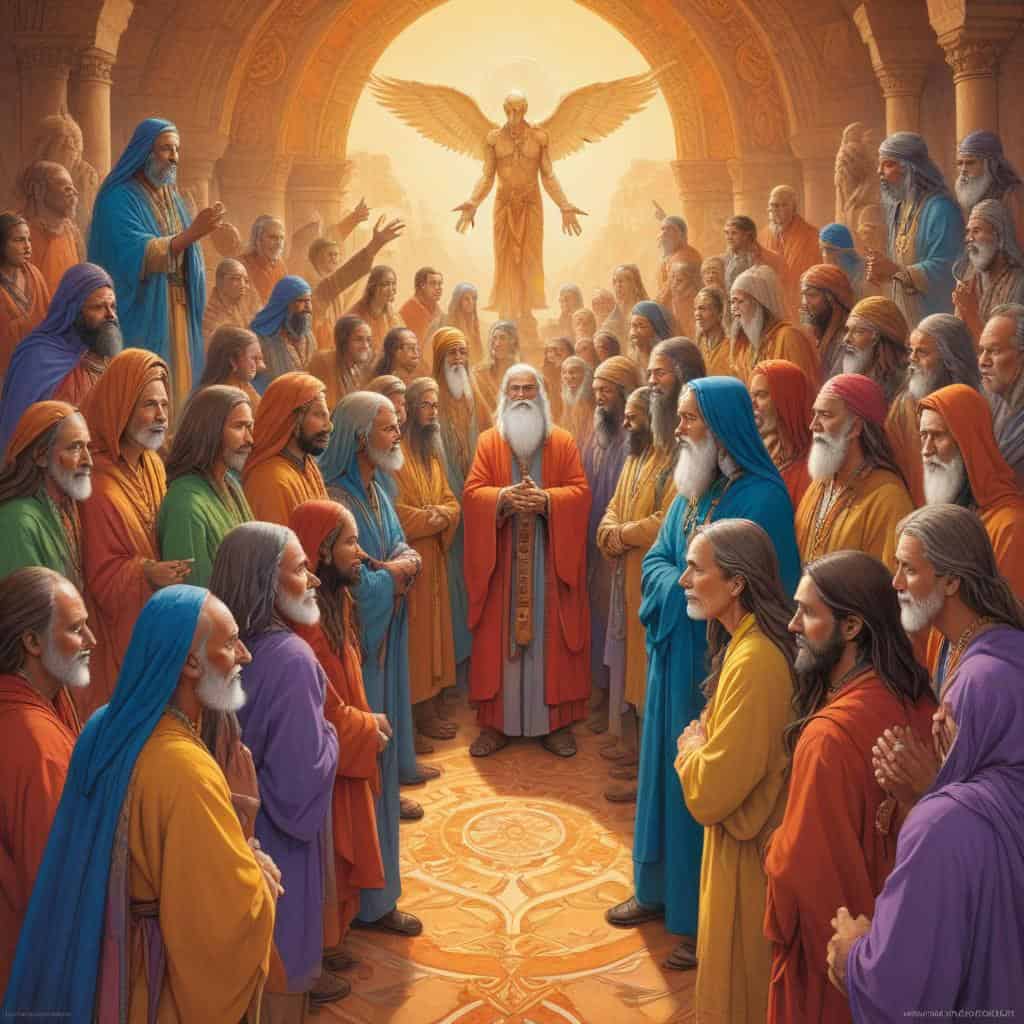
Along the way, the soul encounters wise mentors who guide and support its growth. These mentors impart valuable knowledge and wisdom, helping the soul navigate the challenges of the journey.

The Battle with Darkness

The Battle with Darkness

As the soul nears its destination, it faces a final battle with darkness and evil forces that seek to derail its progress. The soul must summon all its strength and courage to overcome these obstacles.

The Triumph of the Soul

The Triumph of the Soul

In a climactic moment, the soul emerges victorious, having vanquished the forces of darkness and embraced the Good. It achieves a sense of fulfillment and completion in its journey.

The Return to the World

The Return to the World

Having attained the Good, the soul returns to the world transformed and enlightened. It now carries the wisdom and virtues gained on its journey, ready to share them with others and make a positive impact on the world.

The Legacy of the Soul

The Legacy of the Soul

As the story concludes, the soul leaves behind a legacy of goodness and virtue, inspiring others to follow in its footsteps and embark on their own journeys towards the Good. Its journey serves as a timeless example of the power of the human spirit to transcend obstacles and strive for higher ideals.

In conclusion, the concept of the soul's ascent to the good is a central theme in philosophy that has been explored by many thinkers throughout history. By striving to align ourselves with the ultimate good, we can cultivate virtue and lead a more fulfilling and meaningful life.

Through introspection and self-reflection, we can better understand our own moral compass and work towards achieving harmony between our desires and the greater good. The journey to the good is a lifelong pursuit that requires dedication, but the rewards of personal growth and enlightenment are well worth the effort.

1 / 19

Lesson Details & Resources

In a Nutshell

  • Concept: The Soul's Ascent to the Good is a philosophical concept that explores the journey of the soul towards the ultimate good or highest form of reality.
  • Thinkers: Plato, ancient Greek philosopher.
  • Central Question: How can individuals achieve a state of enlightenment or connection with the ultimate good?
  • Core Implication: The pursuit of wisdom and virtue is essential for the soul to reach its highest potential and ultimate fulfillment.

Timeline of The Soul's Ascent To The Good

380 BCE

Plato introduces the idea of the soul's ascent to the Good in his work 'The Republic'

370 BCE

Plato further explores the concept in 'Phaedrus'

3rd century CE

Plotinus elaborates on the soul's ascent in his Enneads

397 CE

Augustine of Hippo incorporates the idea into Christian philosophy in 'Confessions'

5th century CE

Pseudo-Dionysius the Areopagite writes about the soul's ascent in 'The Mystical Theology'

13th century CE

Thomas Aquinas discusses the soul's ascent in his works on theology and philosophy

15th century CE

Marsilio Ficino interprets Platonic philosophy, including the soul's ascent, in the Renaissance

19th century CE

Ralph Waldo Emerson explores the idea in his essay 'The Oversoul'

20th century CE

Henri Bergson incorporates the concept of the soul's ascent in his philosophy of life

20th century CE

Simone Weil discusses the soul's ascent in her works on spirituality and ethics

21st century CE

David Bentley Hart examines the soul's ascent in relation to theology and metaphysics

Vocabulary List

Soul
In the philosophy of Plato, the soul is seen as the essential part of a person that is capable of reason and transcends the physical body.
Ascent
The soul's ascent to the Good in philosophy refers to the process of reaching a higher level of understanding and enlightenment.
Good
In philosophy, the Good is often associated with the highest form of reality or truth, and is seen as the ultimate goal for the soul to strive towards.
Philosophy
The soul's ascent to the Good is a central concept in many philosophical traditions, including Platonic and Neoplatonic philosophy.

Key Facts

This is the information used in the fact matching game

    No key facts found.

Analysis & Significance

The Core Argument

The concept of the soul’s ascent to the Good, as proposed by Plato, revolves around the idea that the ultimate aim of human life is to reach a higher level of understanding and morality. Through philosophical contemplation and self-reflection, individuals can strive towards the Good and achieve a state of harmony and enlightenment.

Criticisms and Counterarguments

Critics of this concept argue that the idea of a soul’s ascent to the Good may be too idealistic and detached from the practical realities of human existence. Some question the existence of a universal Good and argue that moral values are subjective and culturally relative, making the concept of a soul’s ascent problematic.

Modern Relevance

In today’s world, the philosophical idea of the soul’s ascent to the Good remains relevant as individuals continue to grapple with questions of morality, purpose, and the pursuit of a meaningful life. In the face of ethical dilemmas and societal challenges, the concept serves as a reminder of the importance of introspection, self-improvement, and the pursuit of higher virtues for personal and collective flourishing.

The Soul's Ascent To The Good Games

Was This Lesson Helpful?

Please log in or sign up to rate this lesson. 

Take Your Learning Offline

Want a convenient, print-ready study guide for this lesson? Become a Memory Wizards Pro member to unlock the downloadable " Memory Scrolls" for this topic and our entire library!

  • ✓ Complete Vocabulary Lists
  • ✓ Key Facts & Timelines
  • ✓ Beautifully Formatted for Print & Mobile
Upgrade to Pro

You must be logged in to provide feedback. Please log in or create a free account.

Scroll to Top