The One And The Many

How can one be both unique and connected to all?

How Do You Learn Best?

Note: You can explore any or all of these paths in any order you prefer!

The One And The Many in 10 Minutes

Introduction
Introduction

Have you ever wondered about the relationship between unity and diversity in the world? In the field of philosophy, this concept is known as The One and the Many. Philosophers have long debated how to reconcile the idea of a singular, unified reality with the vast array of individual entities that make up our world.

From ancient Greek philosophers like Parmenides and Heraclitus to modern thinkers like Hegel and Bergson, the question of unity and diversity has been a central theme in philosophical discourse. How can we understand the interconnectedness of all things while also recognizing the uniqueness of each individual being?

This article will provide a summary of key philosophical ideas surrounding The One and the Many, exploring different perspectives on how unity and diversity coexist in the world. By delving into these complex philosophical concepts, we can gain a deeper understanding of the nature of reality and our place within it.

Plato

Plato

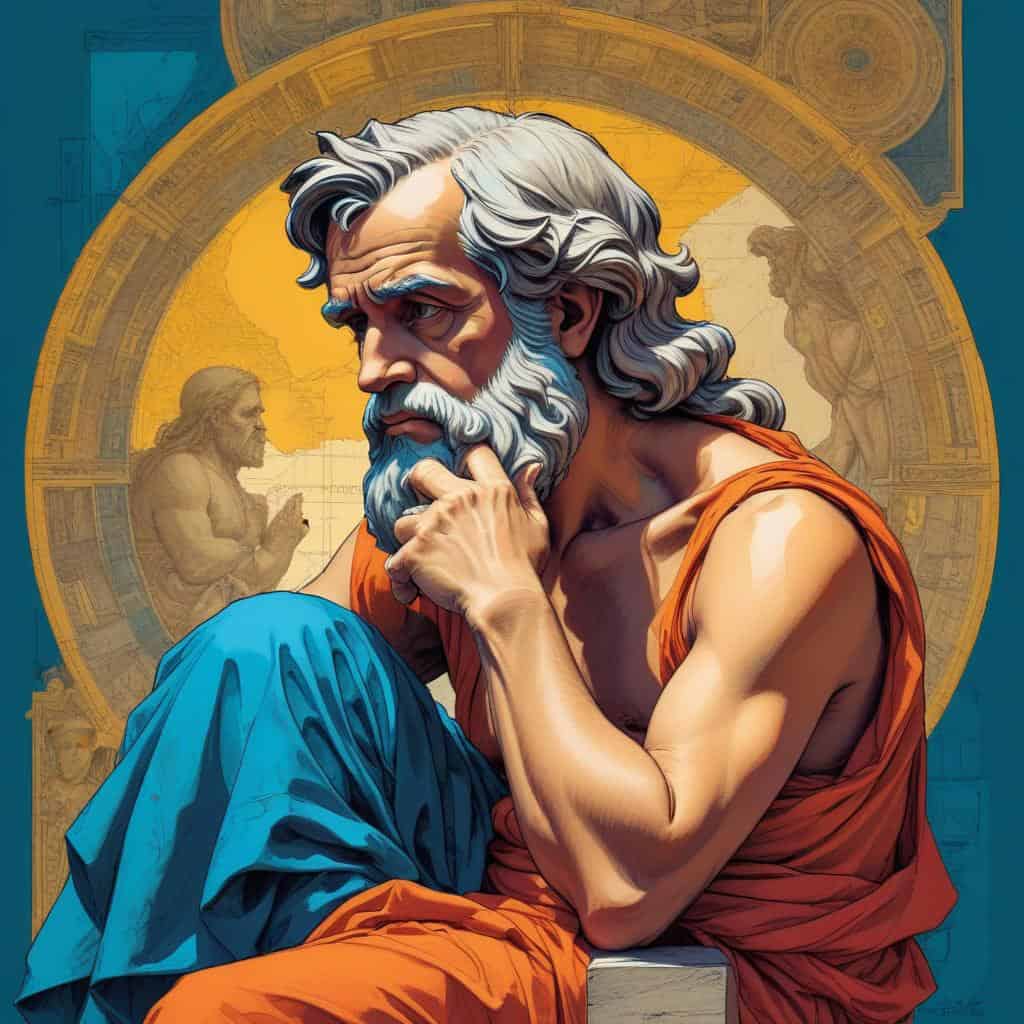
Plato believed in the concept of the One, which represents ultimate reality and unity. He argued that the material world is merely a reflection of the true, unchanging forms of the One.

Aristotle

Aristotle

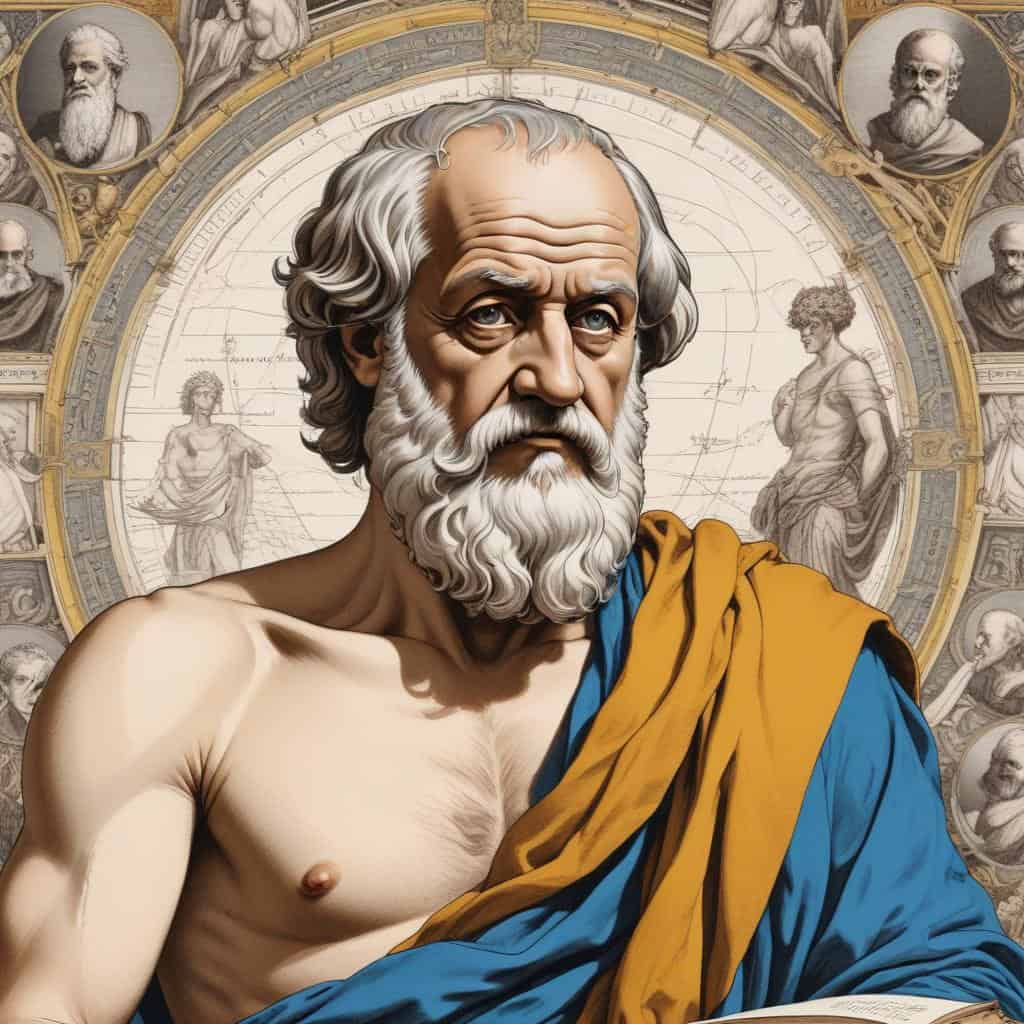
Aristotle emphasized the importance of the Many, acknowledging the diversity and plurality of the world. He believed that individual entities possess their own unique characteristics and essence.

Hegel

Hegel

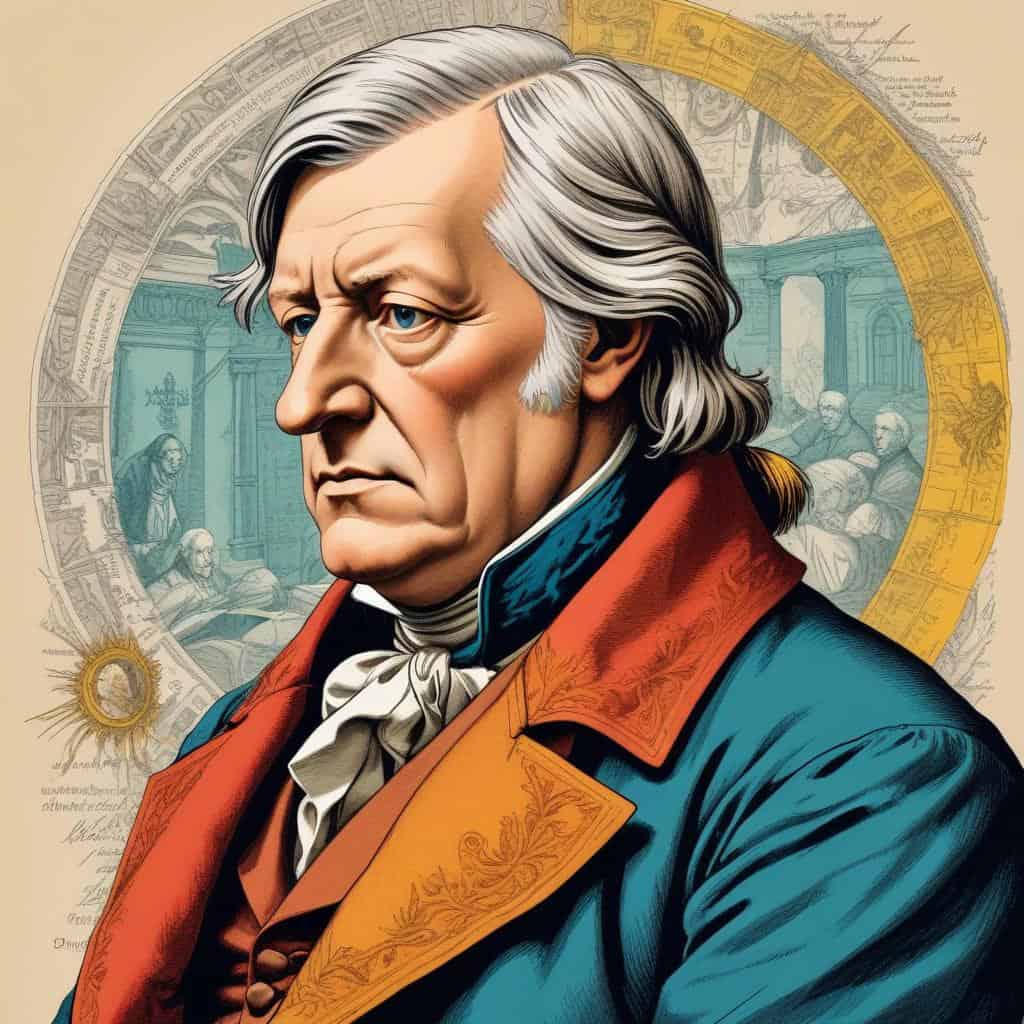
Hegel sought to reconcile the One and the Many through his dialectical method. He believed that history and reality progress through the synthesis of opposing forces, leading to a greater sense of unity and development.

Nietzsche

Nietzsche

Nietzsche challenged traditional notions of unity and diversity, advocating for a more individualistic and subjective approach to philosophy. He believed that the concept of the One could limit personal growth and self-expression.

Leibniz

Leibniz

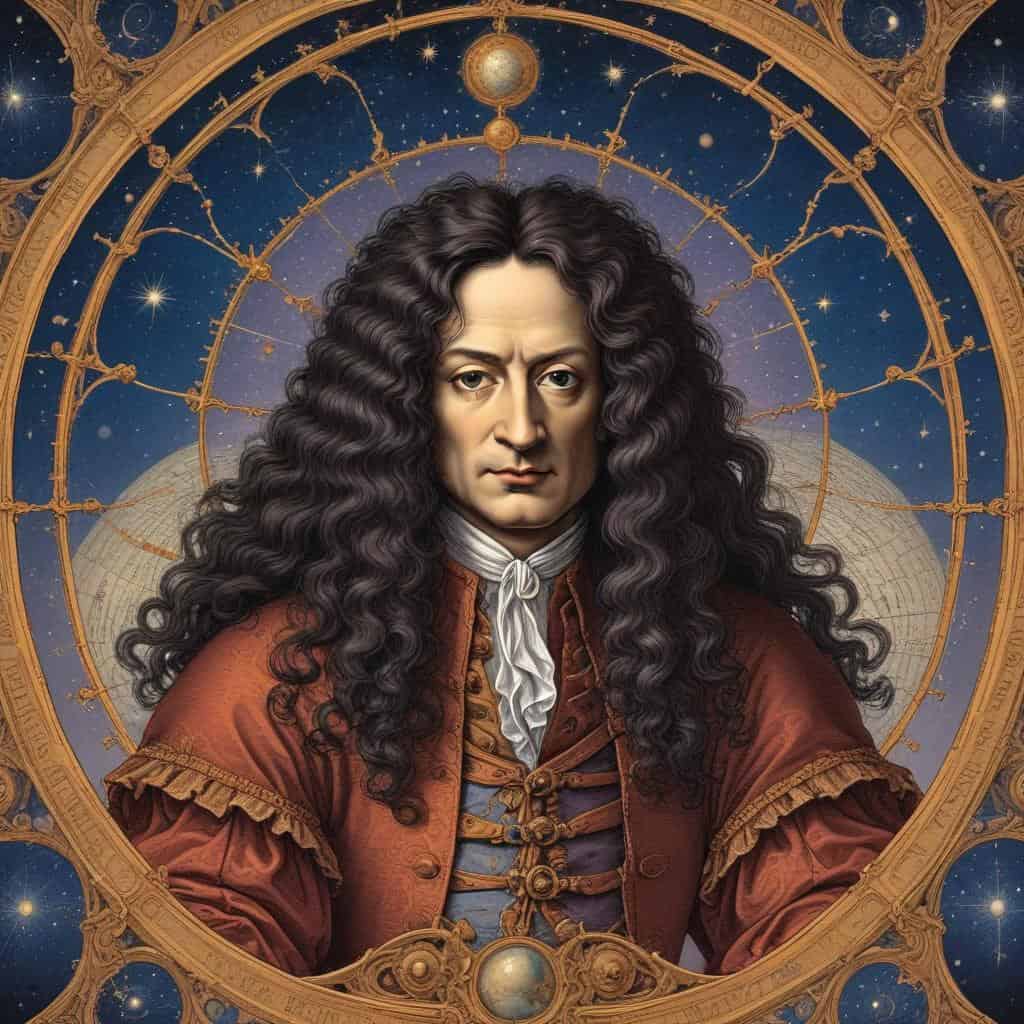
Leibniz proposed the idea of monads, which are indivisible units that make up the universe. He believed that each monad reflects a unique perspective of the One, contributing to the overall harmony and diversity of existence.

The Unity and Diversity: A Philosophical Summary

The Unity and Diversity: A Philosophical Summary

In philosophy, the concept of the One and the Many explores the relationship between unity and diversity. The One represents the idea of a singular, universal principle that underlies all things, while the Many represents the diverse and individual manifestations of this principle.

The Search for Unity

The Search for Unity

Philosophers throughout history have grappled with the question of how the One relates to the Many. Some have argued that the One is the ultimate reality, from which all diversity emerges. Others have suggested that the Many is just as real as the One, and that both are equally important.

The Problem of Plurality

The Problem of Plurality

One of the key challenges in understanding the relationship between the One and the Many is the problem of plurality. How can a single principle give rise to the many diverse forms and phenomena that we experience in the world? Philosophers have debated this question for centuries.

The Role of Identity

The Role of Identity

Identity plays a crucial role in the One and the Many. How do we define the identity of an individual in relation to the universal principle of the One? Is each individual unique and separate, or are we all connected in some way?

The Nature of Reality

The Nature of Reality

Another important aspect of the One and the Many is the nature of reality. Is reality ultimately unified, or is it fragmented and diverse? Different philosophical traditions have offered various perspectives on this question.

The Concept of Oneness

The Concept of Oneness

Some philosophers emphasize the concept of oneness as a unifying principle that connects all things in the universe. According to this view, everything is interconnected and part of a larger whole.

The Diversity of Experience

The Diversity of Experience

On the other hand, some philosophers focus on the diversity of human experience and the unique perspectives that individuals bring to the world. They argue that each person's experience is valid and important in its own right.

The Search for Balance

The Search for Balance

Ultimately, the One and the Many represent a balancing act between unity and diversity. Finding harmony between these two concepts is a central challenge for philosophers seeking to understand the nature of reality and the human experience.

The Quest for Truth

The Quest for Truth

Through exploring the relationship between the One and the Many, philosophers aim to uncover deeper truths about the nature of existence and our place in the universe. By grappling with these fundamental questions, they seek to gain a greater understanding of the world around us.

The Continuing Dialogue

The Continuing Dialogue

The discussion of the One and the Many continues to evolve as philosophers build on the ideas of their predecessors and explore new perspectives. This ongoing dialogue reflects the complexity and depth of the philosophical inquiry into the nature of reality and the human experience.

In conclusion, the concept of the One and the Many in philosophy explores the balance between unity and diversity in the world. Philosophers have grappled with this idea for centuries, seeking to understand how individual parts relate to the whole.

By examining the relationship between the One and the Many, we can gain a deeper understanding of the interconnectedness of all things and the complexities of existence. This philosophical concept challenges us to consider how unity and diversity coexist in our lives and in the world around us.

1 / 19

Lesson Details & Resources

In a Nutshell

  • Concept: A philosophical concept that explores the relationship between unity and diversity.
  • Thinkers: Parmenides, Plato, Aristotle, and G.W.F. Hegel, Ancient to 19th Century.
  • Central Question: How can the diverse world we perceive be related to a single underlying reality?
  • Core Implication: The tension between unity and diversity is fundamental to understanding the nature of reality and existence.

Timeline of The One And The Many

No timeline events found.

Vocabulary List

Monism
Monism is a philosophical concept that can be seen in various religions and belief systems.
Pluralism
Pluralism suggests that there are many different aspects or entities that make up the world.
Unity
The concept of unity is often explored in philosophy as the idea of all parts coming together to create a cohesive whole.
Multiplicity
Multiplicity refers to the idea that there are many individual elements or entities that exist within a larger framework.
Duality
Duality is a philosophical concept that explores the idea of two opposing forces or principles that exist in tandem.

Key Facts

This is the information used in the fact matching game

    No key facts found.

Analysis & Significance

The Core Argument

The philosophical concept of ‘The One and the Many’ explores the tension between unity and diversity. It delves into the question of how a single entity can encompass multiple parts or how multiple entities can form a unified whole. This idea challenges our understanding of identity, relationship, and the nature of reality.

Criticisms and Counterarguments

Critics argue that the concept of ‘The One and the Many’ is overly abstract and lacks practical applications. Some philosophers question the coherence of trying to reconcile unity and diversity, suggesting that these two aspects may be fundamentally incompatible. Others argue that this concept leads to a form of relativism that undermines objective truth.

Modern Relevance

In today’s interconnected world, the philosophical idea of ‘The One and the Many’ holds significant relevance. It can help us navigate complex issues of diversity and unity in multicultural societies, ethical dilemmas in global politics, and personal struggles with identity and belonging. Understanding how to balance the unity of a shared humanity with the diversity of individual experiences is crucial for fostering understanding and cooperation in our modern society.

The One And The Many Games

Was This Lesson Helpful?

Please log in or sign up to rate this lesson. 

Take Your Learning Offline

Want a convenient, print-ready study guide for this lesson? Become a Memory Wizards Pro member to unlock the downloadable " Memory Scrolls" for this topic and our entire library!

  • ✓ Complete Vocabulary Lists
  • ✓ Key Facts & Timelines
  • ✓ Beautifully Formatted for Print & Mobile
Upgrade to Pro

You must be logged in to provide feedback. Please log in or create a free account.

Scroll to Top