
Neoplatonism And Christian Thought
Do we reconcile the divine within ourselves and the universe?
How Do You Learn Best?
Learn by Reading
Immerse yourself in the 10-minute visual lesson for a comprehensive understanding of the topic.
Learn by Reviewing
Jump directly to the key facts, timeline, and vocabulary lists to build a solid foundation of details.
Learn by Doing
Challenge yourself! Jump straight into the interactive games to learn by trial, error, and discovery.
Neoplatonism And Christian Thought in 10 Minutes
Introduction
Plotinus
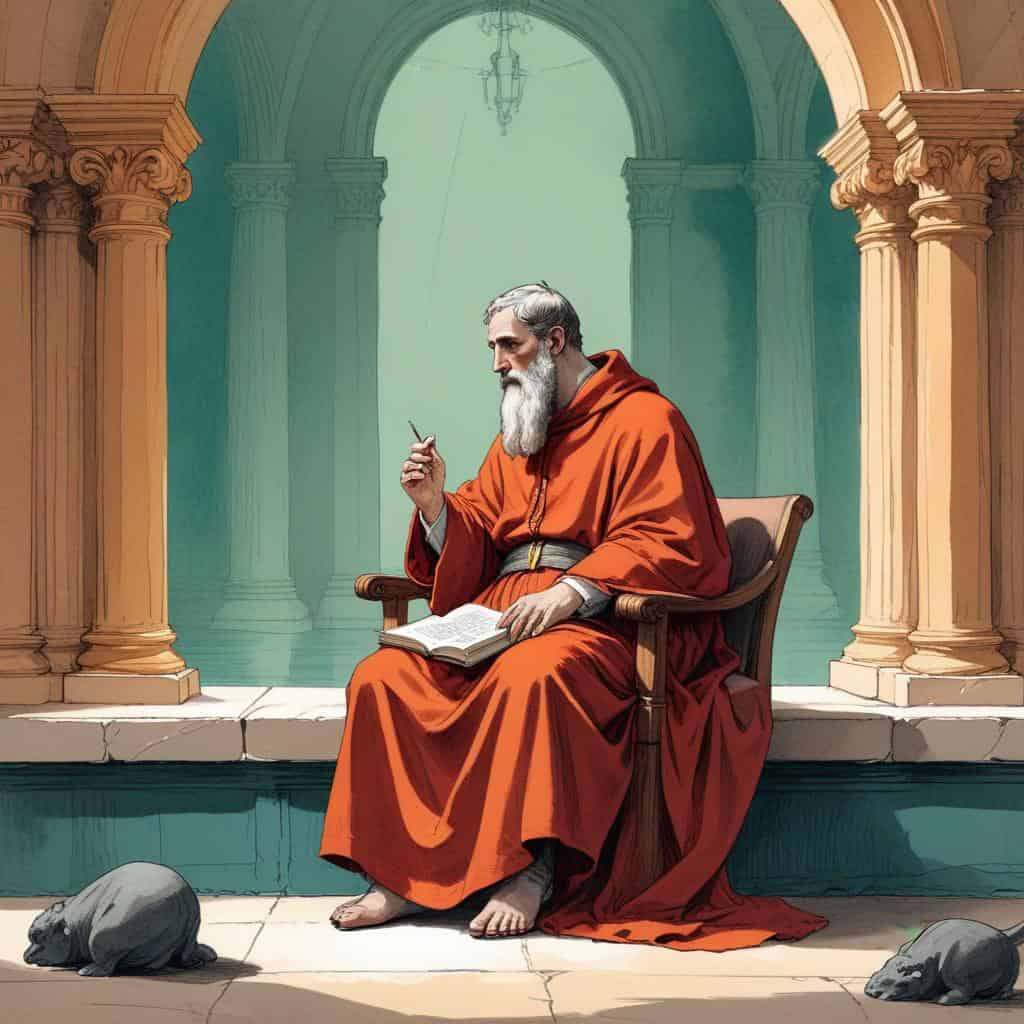
Augustine of Hippo
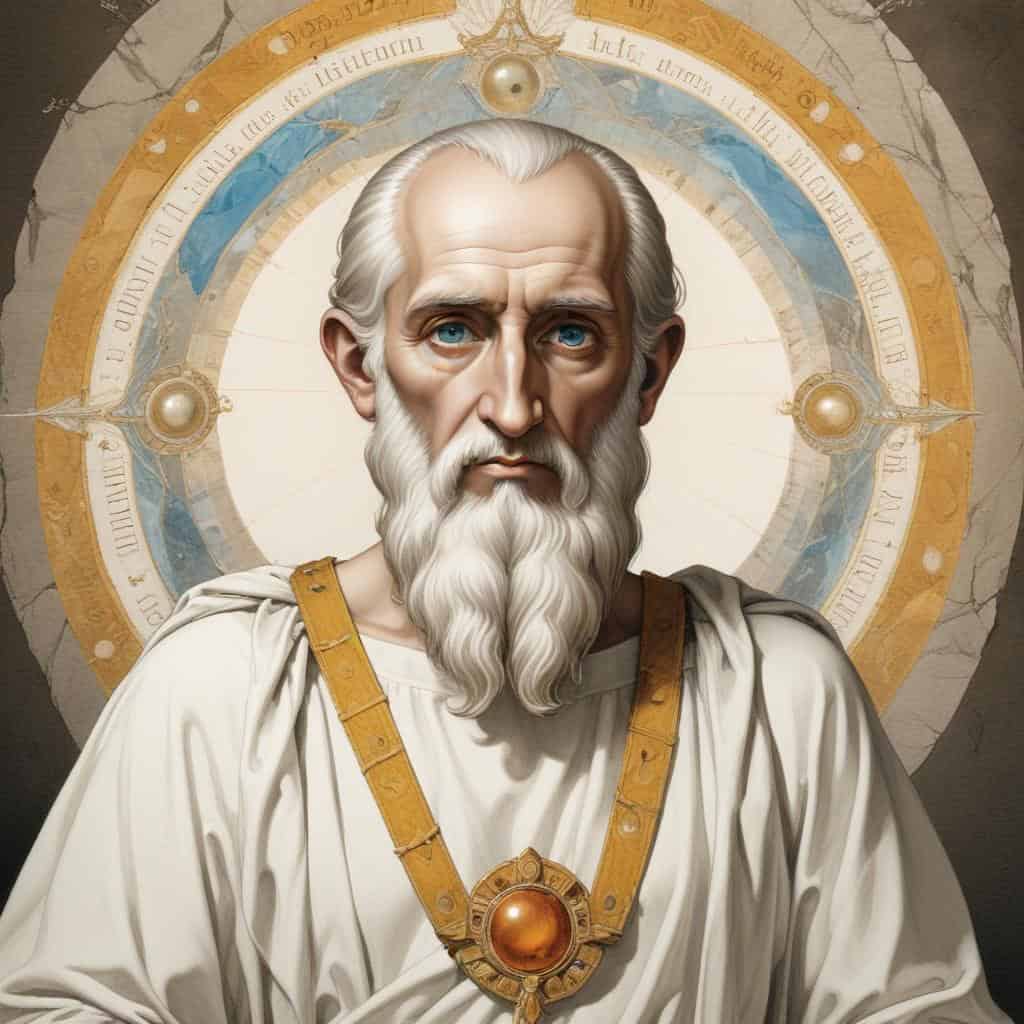
Dionysius the Areopagite
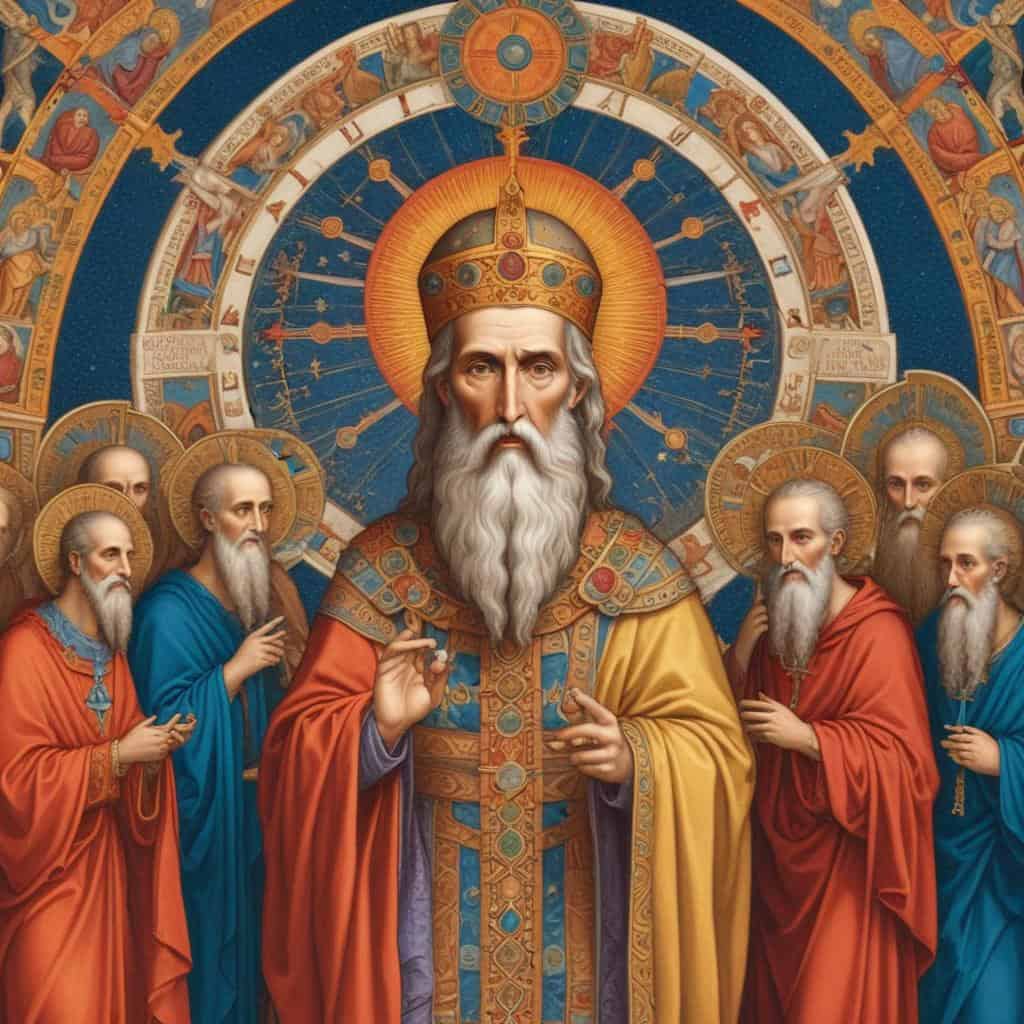
Pseudo-Dionysius
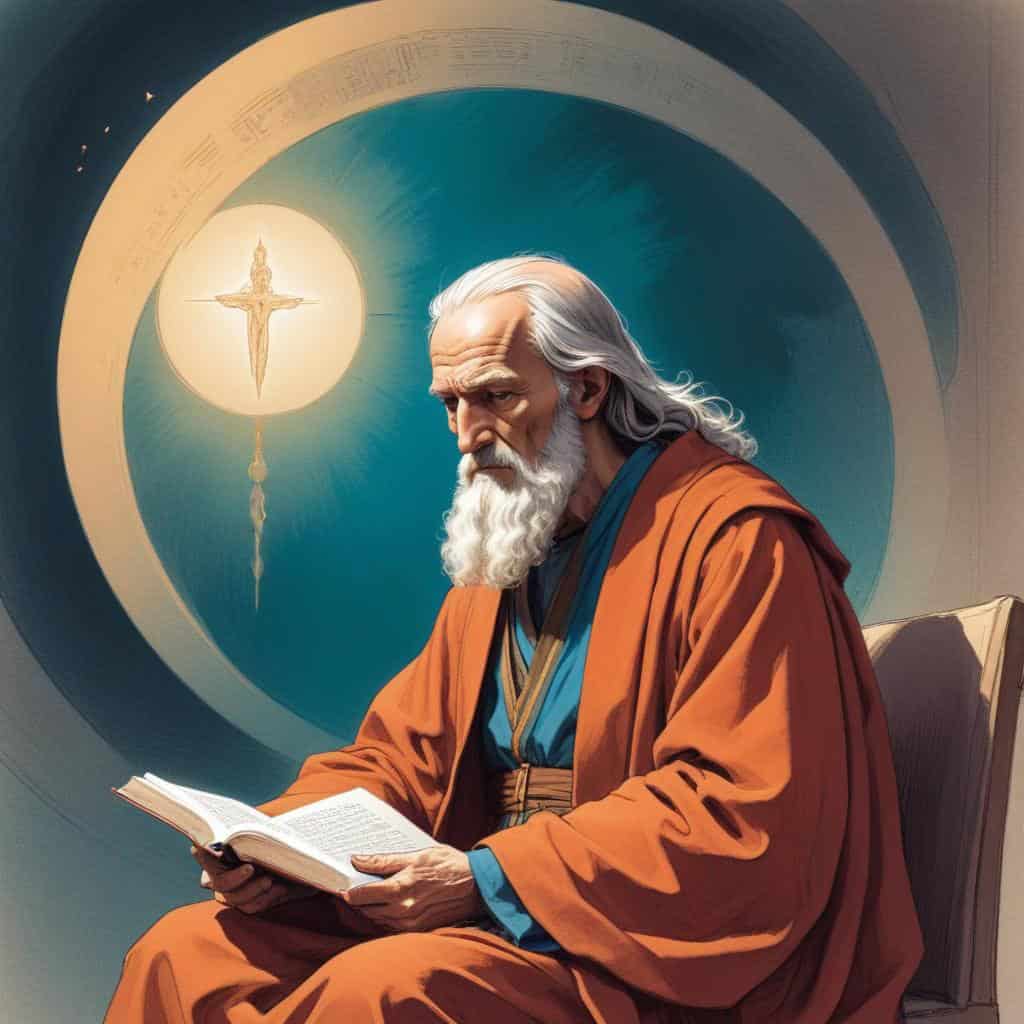
Origen
1. Origins of Neoplatonism

2. Core Beliefs of Neoplatonism
3. Influence of Neoplatonism on Christian Thought
4. Christian Neoplatonists
5. Reconciling Neoplatonism and Christianity
6. Mystical Elements in Neoplatonism and Christianity
7. Legacy of Neoplatonism in Christian Thought
8. Criticisms of Neoplatonism in Christian Thought
9. Modern Reinterpretations of Neoplatonism and Christianity
Lesson Details & Resources
In a Nutshell
- Concept: A philosophical movement that synthesized Platonic and Christian ideas.
- Thinkers: Plotinus, Augustine, Pseudo-Dionysius. 3rd-6th Century AD.
- Central Question: How can we reconcile the teachings of Plato with Christian theology?
- Core Implication: The belief in a hierarchy of existence leading to the ultimate unity with the divine.
Timeline of Neoplatonism And Christian Thought
Plotinus founds Neoplatonism
Origen of Alexandria incorporates Neoplatonism into Christian theology
Augustine of Hippo converts to Christianity
Augustine begins to incorporate Neoplatonism into his Christian writings
Pseudo-Dionysius the Areopagite writes works that blend Neoplatonism and Christian theology
Boethius translates works of Neoplatonist philosophers into Latin
John Scotus Eriugena translates Pseudo-Dionysius into Latin
Anselm of Canterbury incorporates Neoplatonic ideas in his ontological argument for the existence of God
Thomas Aquinas synthesizes Aristotelian philosophy with Christian theology
Meister Eckhart combines Neoplatonic mysticism with Christian mysticism
Nicholas of Cusa explores the relationship between Neoplatonism and Christianity in his writings
Marsilio Ficino translates works of Plato and other Neoplatonists into Latin
Renaissance humanists study Neoplatonic philosophy alongside Christian theology
Giordano Bruno is influenced by Neoplatonism in his theological and philosophical writings
Johannes Kepler incorporates Neoplatonic ideas into his scientific work
Ralph Waldo Emerson combines Neoplatonism with Transcendentalism in his philosophical writings
Plotinus' Enneads are translated into English by Thomas Taylor
Philosophers like Alain de Botton explore the influence of Neoplatonism on Christian thought in modern times
Vocabulary List
- Neoplatonism
- Neoplatonism was a major influence on early Christian thinkers such as Augustine.
- Metaphysics
- Neoplatonism was known for its emphasis on metaphysical concepts.
- Theology
- Many early Christian philosophers integrated Neoplatonic ideas into their theology.
- Divine
- Neoplatonism posits a hierarchy of divine beings.
- Transcendence
- Neoplatonism and Christian thought both explore the transcendence of the divine.
- Emanation
- Neoplatonism posits a series of emanations from the One.
- Mysticism
- Neoplatonism incorporates elements of mysticism in its philosophical system.
- Eschatology
- Christian thought often includes eschatological themes.
- Philosophy
- Neoplatonism and Christian thought both fall under the umbrella of philosophy.
Key Facts
This is the information used in the fact matching game
- Neoplatonism influenced Christian thinkers such as Augustine of Hippo, who incorporated Neoplatonic ideas into his theology.
- Neoplatonism and Christianity share a belief in a transcendent reality beyond the material world.
- Neoplatonism emphasized the importance of contemplation and the pursuit of knowledge as a means of achieving spiritual enlightenment, a concept also present in Christian mysticism.
- Both Neoplatonism and Christianity believe in the existence of a single ultimate source of all reality, whether called the One or God.
- Neoplatonism and Christianity both seek to transcend the limitations of the material world and achieve union with the divine through spiritual practices.
- Neoplatonism's concept of emanation, where all things flow from a single source, influenced Christian ideas of creation ex nihilo, or creation out of nothing.
- Neoplatonism's emphasis on the soul's journey towards union with the divine influenced Christian ideas of redemption and salvation.
- Both Neoplatonism and Christianity emphasize the importance of moral and ethical behavior as a means of spiritual growth and union with the divine.
- Neoplatonism's concept of the hierarchy of being, where all things participate in varying degrees of reality, influenced Christian ideas of the celestial hierarchy.
- Neoplatonism's emphasis on the ineffability and unknowability of the ultimate reality influenced Christian ideas of the mystery of God and the limitations of human knowledge.
- Neoplatonism's emphasis on the importance of the intellect and reason in the pursuit of truth influenced Christian ideas of theology as a rational enterprise.
- Both Neoplatonism and Christianity believe in the immortality of the soul and the ultimate destiny of the soul to return to the divine source.
- Neoplatonism's concept of the world soul, where the material world participates in the divine order, influenced Christian ideas of the immanence of God in creation.
- Neoplatonism's emphasis on the importance of beauty as a reflection of the divine influenced Christian ideas of the beauty of creation and the arts.
- Both Neoplatonism and Christianity believe in the importance of love as a unifying force that binds all things together in harmony.
- Neoplatonism's concept of the divine as beyond all duality and opposition influenced Christian ideas of the transcendence of God above all earthly categories.
- Neoplatonism's emphasis on the purification of the soul and the removal of obstacles to divine union influenced Christian ideas of repentance and purification through confession and penance.
- Both Neoplatonism and Christianity believe in the importance of prayer and contemplation as means of drawing closer to the divine and achieving spiritual transformation.
- Neoplatonism's concept of the logos, or divine reason, as the ordering principle of the cosmos, influenced Christian ideas of Christ as the Word made flesh.
- Neoplatonism's emphasis on the unity of all things in the divine influenced Christian ideas of the unity of the body of Christ, the church, as one body with many members.
Analysis & Significance
The Core Argument
Neoplatonism and Christian Thought explore the relationship between the material world and the realm of the divine. The core argument revolves around the idea of hierarchy of existence, with the ultimate goal being the ascent of the soul to reunite with the divine source.
Criticisms and Counterarguments
Critics of Neoplatonism and Christian Thought argue that this hierarchical view can lead to a devaluation of the physical world and human experience. They also question the compatibility of Neoplatonic ideas with Christian theology, particularly regarding the role of grace and redemption.
Modern Relevance
This philosophical concept remains relevant in contemporary discussions on the relationship between spirituality and the material world. It prompts reflection on the balance between transcendence and immanence in our lives, as well as ethical considerations about how we view and treat the physical world around us.
Neoplatonism And Christian Thought Games


Take Your Learning Offline
Want a convenient, print-ready study guide for this lesson? Become a Memory Wizards Pro member to unlock the downloadable " Memory Scrolls" for this topic and our entire library!
- ✓ Complete Vocabulary Lists
- ✓ Key Facts & Timelines
- ✓ Beautifully Formatted for Print & Mobile