
Introduction To Neoplatonism
Can we truly reach the divine through the material world?
How Do You Learn Best?
Learn by Reading
Immerse yourself in the 10-minute visual lesson for a comprehensive understanding of the topic.
Learn by Reviewing
Jump directly to the key facts, timeline, and vocabulary lists to build a solid foundation of details.
Learn by Doing
Challenge yourself! Jump straight into the interactive games to learn by trial, error, and discovery.
Introduction To Neoplatonism in 10 Minutes
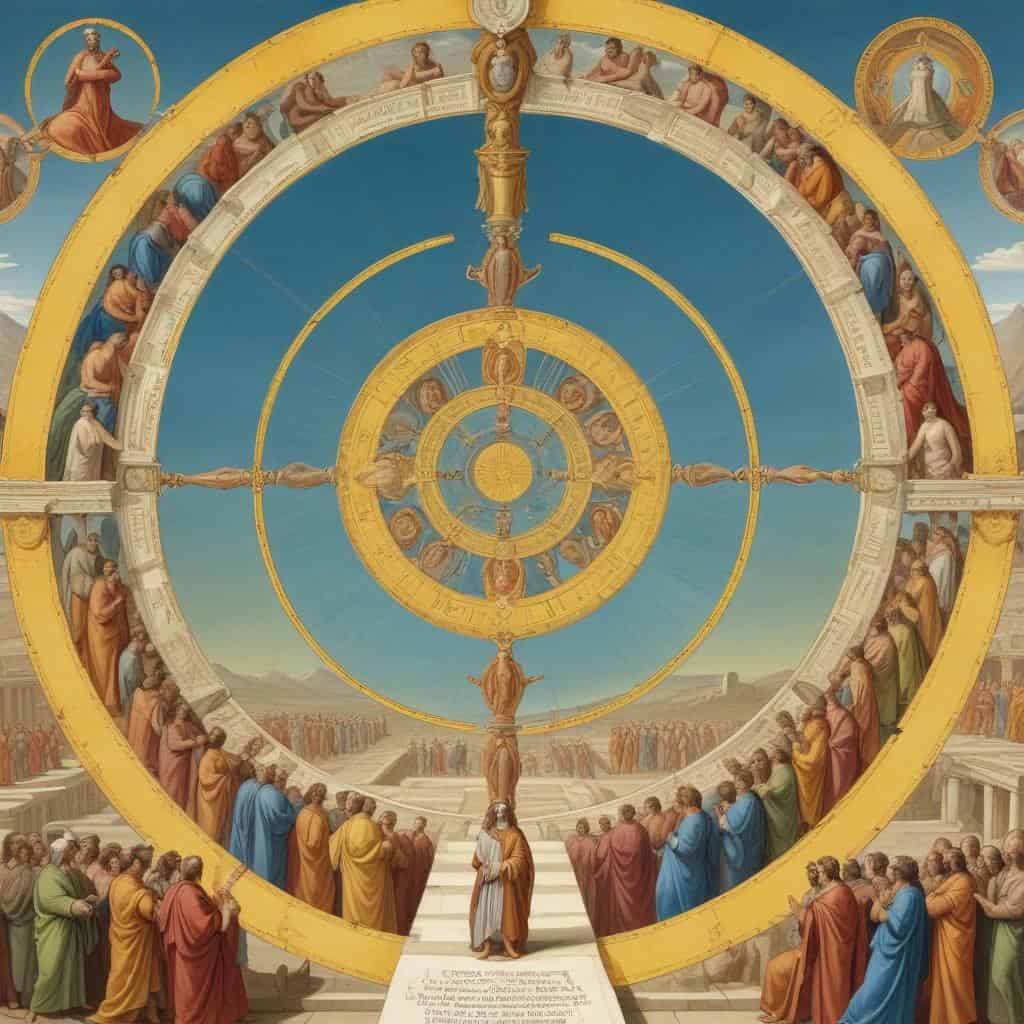
Introduction


Plotinus
Porphyry

Iamblichus
Proclus

Simplicius
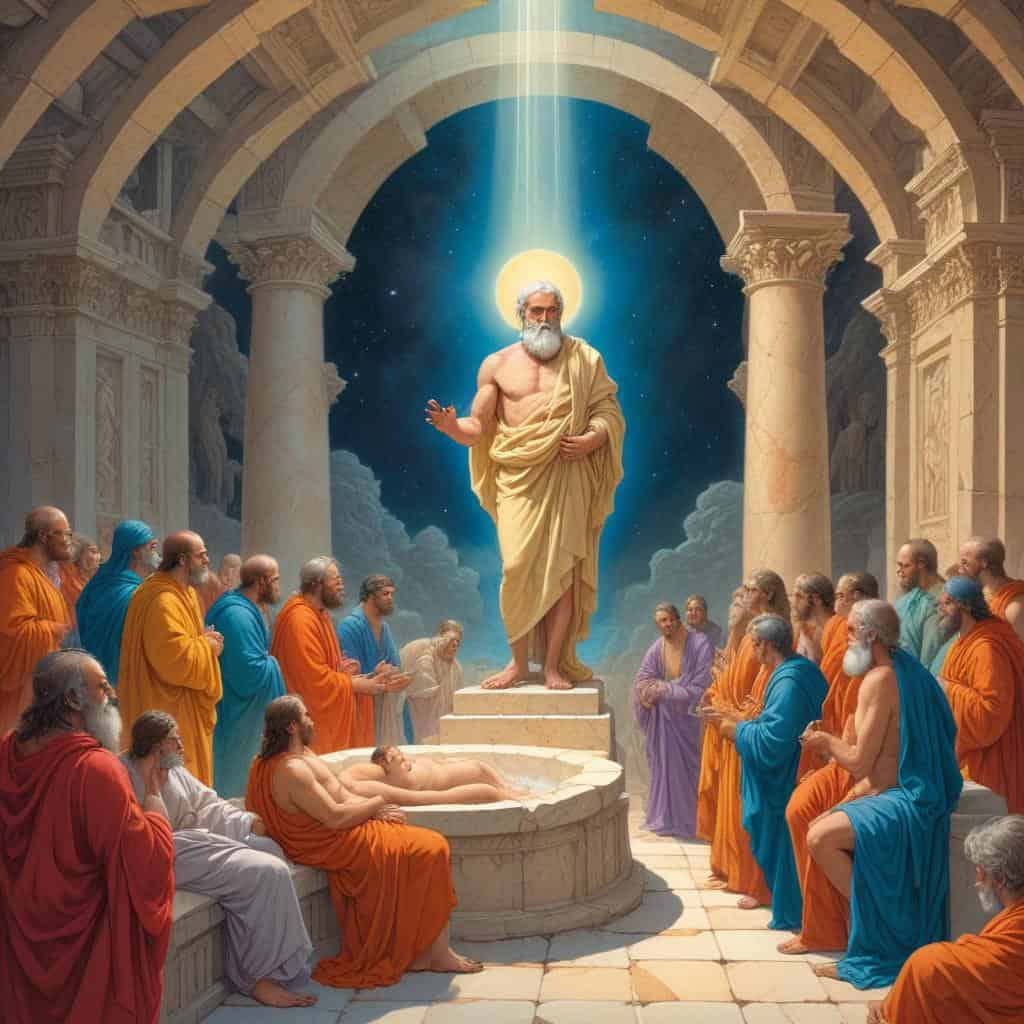
The Birth of Neoplatonism

Key Beliefs of Neoplatonism

The Role of Contemplation
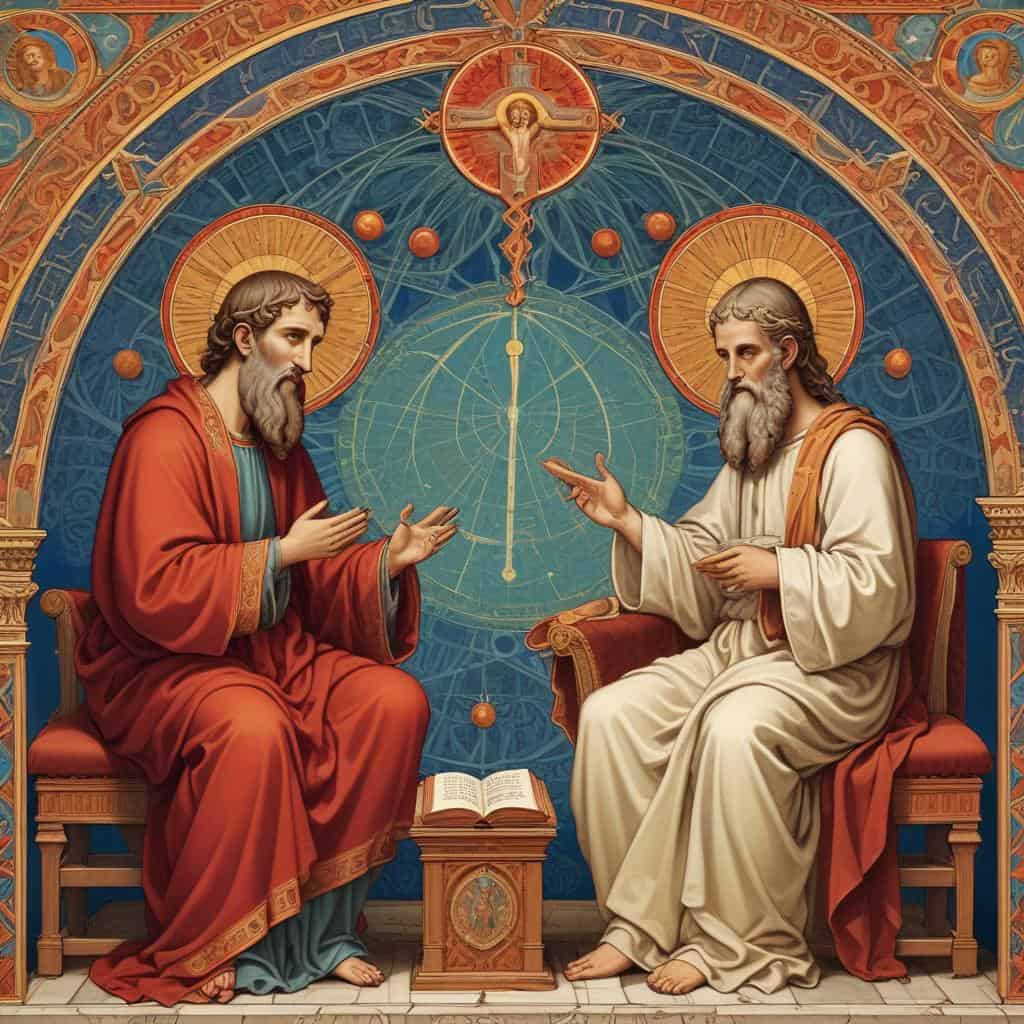
Influence on Christian Thought
Legacy of Neoplatonism

Critiques of Neoplatonism

Modern Interpretations

Neoplatonism in Popular Culture
Continuing Relevance

Lesson Details & Resources
In a Nutshell
- Concept: A philosophical system that combines elements of Platonism with other philosophical traditions.
- Thinkers: Plotinus, 3rd Century AD.
- Central Question: How can the One or the Good be the source of all existence?
- Core Implication: The ultimate goal of human life is to achieve unity with the divine through contemplation and philosophical inquiry.
Timeline of Introduction To Neoplatonism
Plotinus founds the Neoplatonic school in Rome
Plotinus writes the Enneads, a collection of his works
Porphyry becomes a student of Plotinus
Porphyry writes the Isagoge, an introduction to Aristotle's Categories
Iamblichus becomes a prominent Neoplatonist philosopher
Proclus becomes head of the Neoplatonic school in Athens
Damascius becomes head of the Neoplatonic school in Athens
Simplicius, a Neoplatonist commentator, writes commentaries on Aristotle and other philosophers
Neoplatonism influences early Christian thinkers such as Augustine of Hippo
Influence of Neoplatonism on Islamic philosophers like Al-Farabi and Avicenna
Rediscovery of Neoplatonism in the Renaissance by thinkers like Marsilio Ficino
Neoplatonism continues to influence philosophers, theologians, and mystics throughout the Middle Ages and beyond
Vocabulary List
- Neoplatonism
- Neoplatonism is a complex philosophical system that blends elements of Platonic thought with ideas about the nature of reality.
- Plotinus
- Plotinus' ideas about the nature of the divine and the soul are central to the development of Neoplatonism.
- The One
- According to Neoplatonism, the One is beyond all concepts and can only be understood through mystical experience.
- Intellect
- In Neoplatonism, the Intellect is seen as the intermediary between the One and the physical world, serving as a bridge between the divine and the material.
- Soul
- According to Neoplatonism, the soul's ultimate goal is to reunite with the One and transcend the material world.
Key Facts
This is the information used in the fact matching game
- Neoplatonism is a philosophical system that emerged in the 3rd century AD, based on the teachings of Plato and other Greek philosophers.
- Neoplatonism emphasizes the existence of a single, transcendent source of all reality, known as the One or the Good.
- Plotinus, a philosopher from Egypt, is considered the founder of Neoplatonism and is known for his Enneads, a collection of his writings.
- Neoplatonism had a significant influence on early Christian thought, particularly through the works of theologians like Augustine of Hippo.
- Neoplatonism posits a hierarchical structure of reality, with the One at the highest level, followed by the Nous (Intellect) and the World Soul.
- Neoplatonism emphasizes the importance of contemplation and mystical experience as a means to attain knowledge of the transcendent.
- Proclus, a Neoplatonist philosopher, developed a complex metaphysical system that further elaborated on the ideas of Plotinus.
- Neoplatonism was particularly influential in Late Antiquity, with figures like Porphyry and Iamblichus further developing its ideas.
- Neoplatonism's emphasis on the unity and interconnectedness of all things has been compared to Eastern philosophies like Hinduism and Buddhism.
- Neoplatonism was revived during the Renaissance, with figures like Marsilio Ficino and Pico della Mirandola incorporating its ideas into their work.
- The concept of theurgy, or divine ritual, was an important aspect of Neoplatonism, with practitioners seeking to align themselves with the divine through symbolic actions.
- Neoplatonism influenced various artistic movements, such as the Symbolist movement in the late 19th century.
- Neoplatonism has been critiqued for its perceived elitism and emphasis on the intellectual elite as the only ones capable of achieving true knowledge.
- The Neoplatonic tradition continued to have an impact on Western philosophy through figures like Thomas Aquinas and Nicholas of Cusa.
- Neoplatonism is often associated with mystical and esoteric traditions, with its emphasis on transcending the material world in search of ultimate truth.
- Neoplatonism's concept of the One has been compared to the monotheistic God of Abrahamic religions, highlighting its influence on Christian theology.
- Neoplatonism's emphasis on the immaterial aspects of reality has been seen as a precursor to modern idealist philosophies.
- Neoplatonism's concept of emanation, where lower levels of reality flow from higher ones, has parallels in other philosophical traditions like Gnosticism.
- Neoplatonism's emphasis on the unity of all things has been seen as a response to the dualism of earlier philosophies like Platonism and Aristotelianism.
- Neoplatonism's legacy can be seen in various intellectual and artistic movements throughout history, from the Renaissance to Romanticism.
Analysis & Significance
The Core Argument
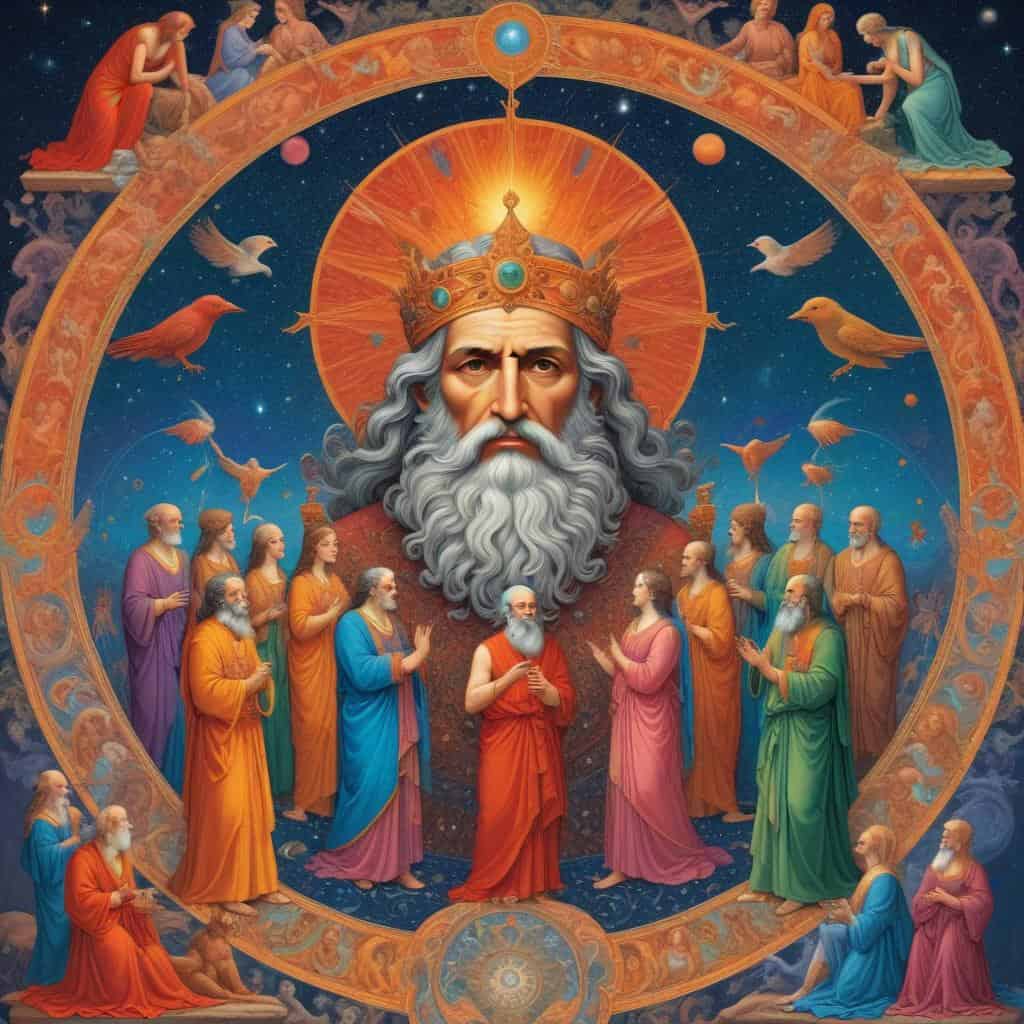
Neoplatonism revolves around the idea of a hierarchical metaphysical structure where the ultimate reality is the One, from which all existence emanates. This concept emphasizes the importance of transcending the material world and seeking unity with the divine through contemplation and philosophical inquiry.
Criticisms and Counterarguments
Critics of Neoplatonism argue that its focus on otherworldly realities and the pursuit of the divine neglects the value of the physical world and human experience. Additionally, some philosophers question the hierarchical nature of Neoplatonism, suggesting that it may limit individual freedom and agency.
Modern Relevance
Despite its ancient origins, Neoplatonism continues to be relevant in contemporary discussions about spirituality, ethics, and the nature of reality. The emphasis on seeking higher truths and transcending material concerns can offer valuable insights into navigating the complexities of modern life and finding meaning in a world filled with distractions and superficialities.
Introduction To Neoplatonism Games


Take Your Learning Offline
Want a convenient, print-ready study guide for this lesson? Become a Memory Wizards Pro member to unlock the downloadable " Memory Scrolls" for this topic and our entire library!
- ✓ Complete Vocabulary Lists
- ✓ Key Facts & Timelines
- ✓ Beautifully Formatted for Print & Mobile