
How Do You Learn Best?
Learn by Listening
Start with the 3-minute audio summary to get the key facts and narrative highlights quickly.
Learn by Reading
Immerse yourself in the 10-minute visual lesson for a comprehensive understanding of the topic.
Learn by Reviewing
Jump directly to the key facts, timeline, and vocabulary lists to build a solid foundation of details.
Learn by Doing
Challenge yourself! Jump straight into the interactive games to learn by trial, error, and discovery.
The Masterpiece: The last Day of Pompeii
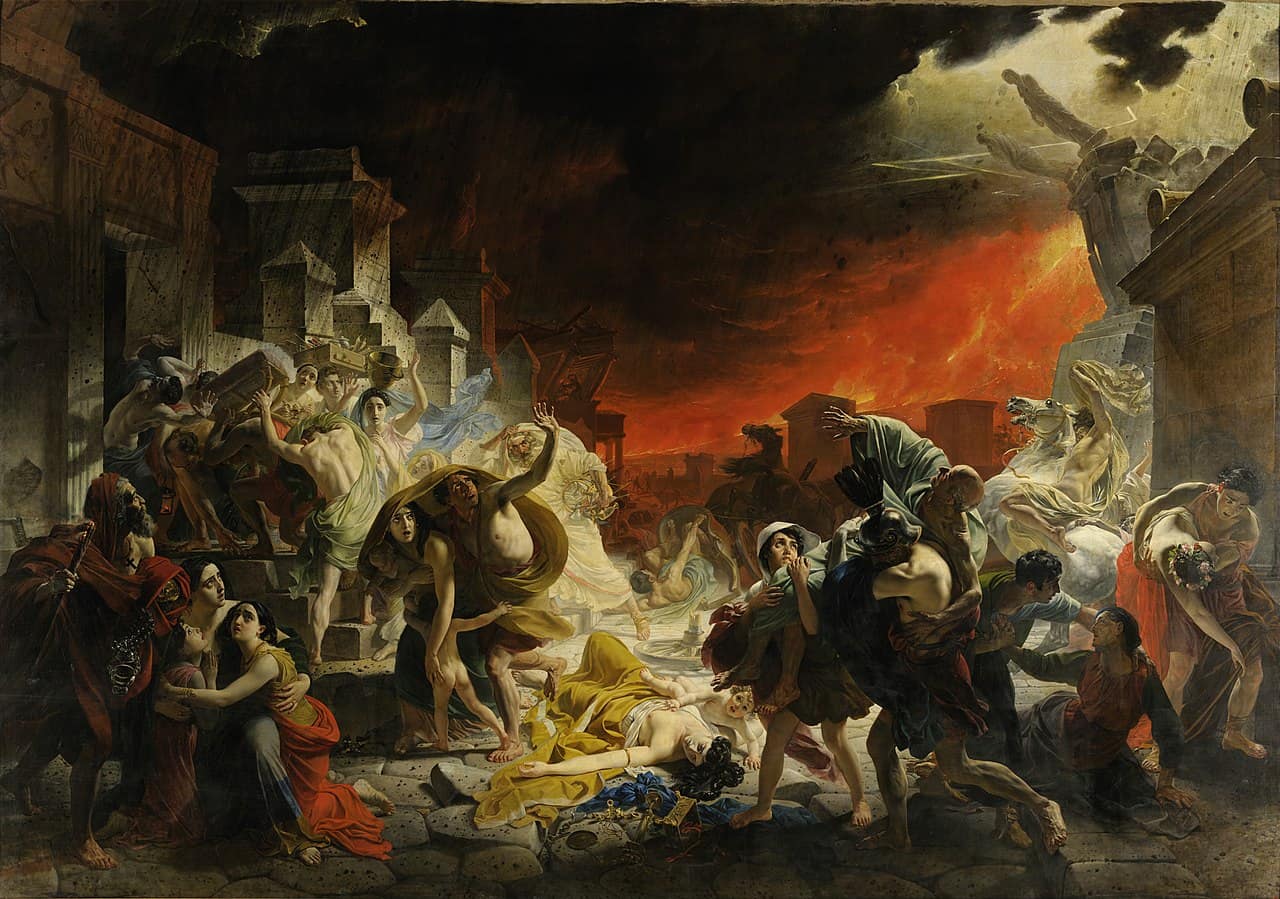
Deconstructing the Masterpiece
No composition analysis points available.
Audio Library
As one of our featured lessons, this topic includes premium audio guides.
Unlock the Wizard's Cram Session
This powerful audio study guide is a Pro-exclusive feature. Upgrade to Memory Wizards Pro to access this and all of our premium learning tools.
Upgrade to Pro‘The Rediscovery of Pompeii: An Analysis’ in 10 Minutes
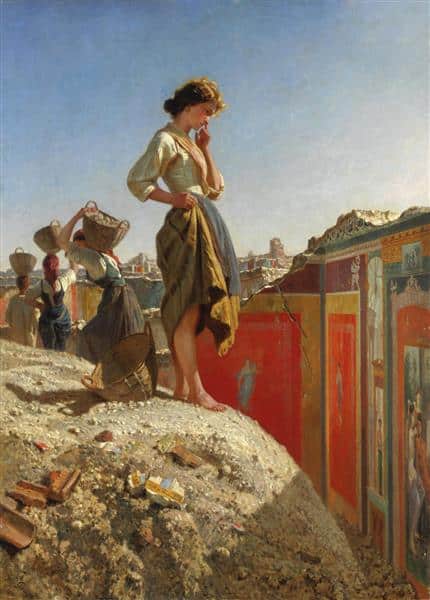
The Rediscovery of Pompeii
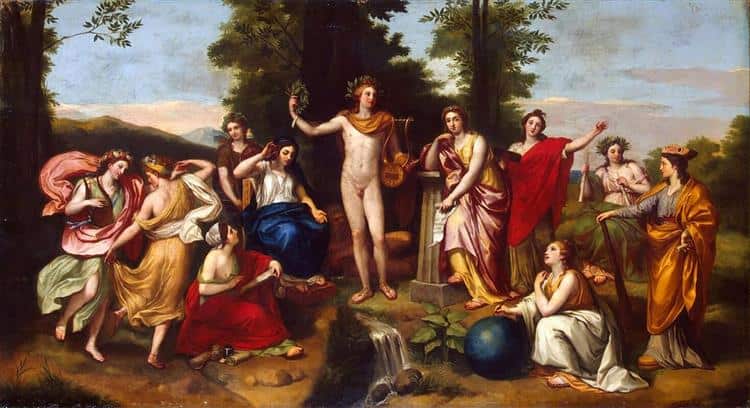
Excavations Begin
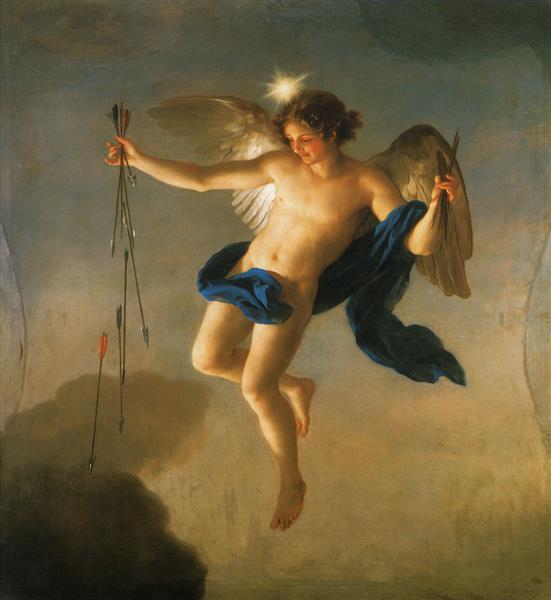
Neoclassical Art Influence
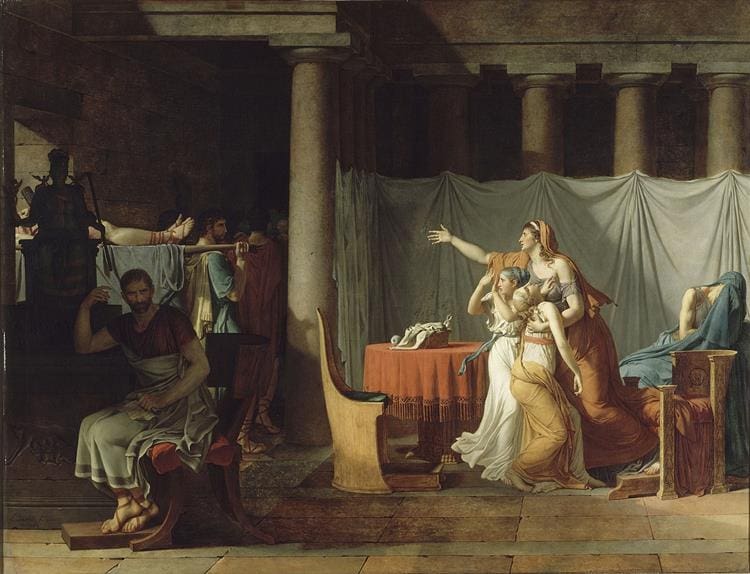
Pompeian Style
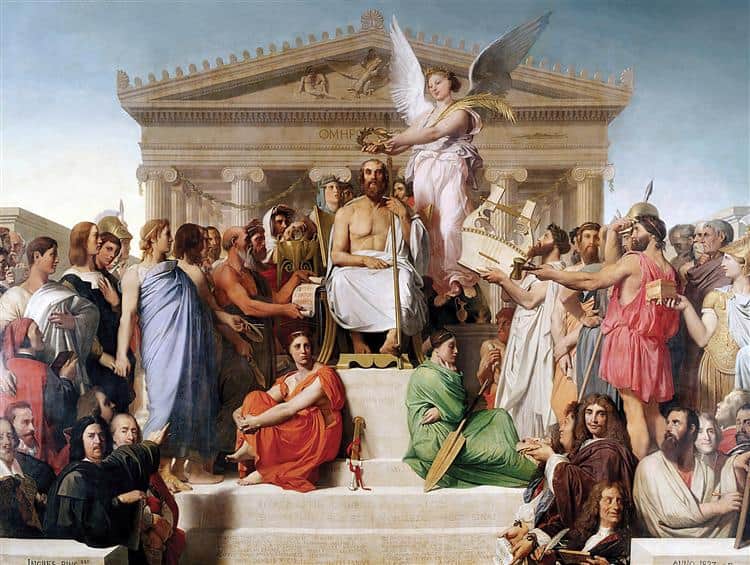
Architectural Revival
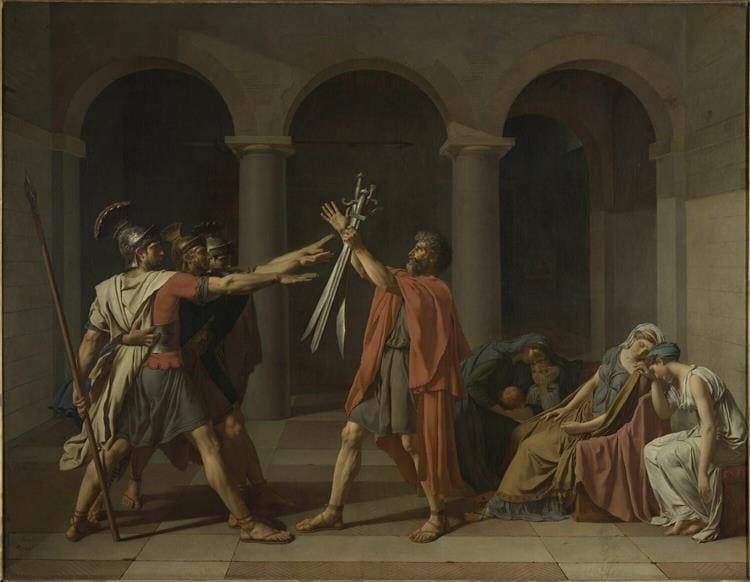
Artistic Interpretations
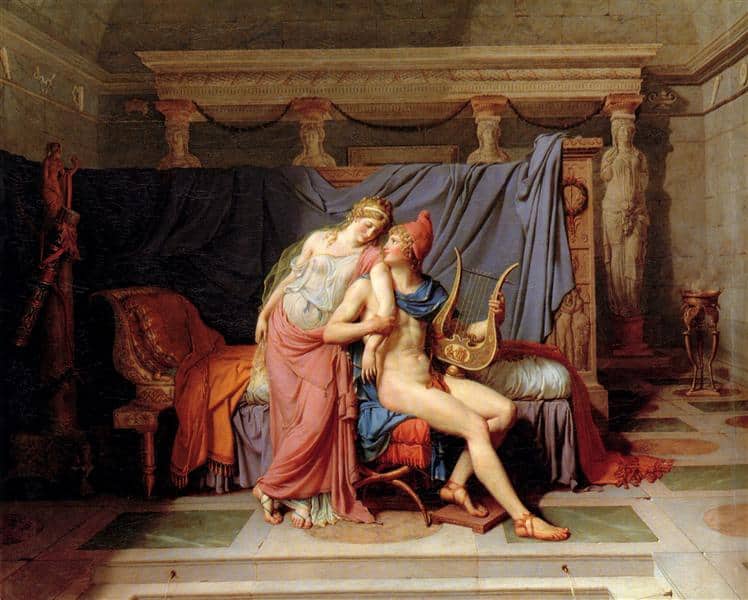
Pompeian Revival
Legacy of Pompeii
Lesson Details & Resources
In a Nutshell
- Artist: Unknown
- Year: 1864
- Medium: Oil on canvas
- Location: Naples National Archaeological Museum, Naples
Vocabulary List
- Fresco
- The frescoes found in the homes of Pompeii provided a glimpse into the daily life and beliefs of the ancient Romans.
- Archaeology
- The archaeological excavations of Pompeii revealed a wealth of information about ancient Roman society.
- Ruins
- The ruins of Pompeii were preserved by the volcanic ash, giving us a snapshot of a moment frozen in time.
- Excavation
- The excavation of Pompeii unearthed a treasure trove of artifacts that shed light on ancient Roman culture.
- Mosaic
- The mosaics found in the villas of Pompeii showcased the intricate design and craftsmanship of the ancient Romans.
- Volcano
- The eruption of Mount Vesuvius buried Pompeii and Herculaneum in ash, preserving them for centuries.
- Architecture
- The architecture of Pompeii influenced many Neoclassical artists, who sought to recreate the grandeur of ancient Rome.
- Sculpture
- The sculptures uncovered in Pompeii depicted gods, heroes, and everyday citizens of the Roman Empire.
- Artifact
- The artifacts recovered from Pompeii provided valuable insights into the daily life and customs of the ancient Romans.
- Temples
- The temples of Pompeii were dedicated to various Roman gods and goddesses, reflecting the religious beliefs of the time.
- Pompeian red
- The vibrant red pigment known as 'Pompeian red' was commonly used in the frescoes of Pompeii.
- Villa
- The luxurious villas of Pompeii were adorned with elaborate frescoes, mosaics, and sculptures.
- Plaster cast
- Plaster casts of the victims of the eruption were made in Pompeii, capturing the haunting final moments of their lives.
- Amphitheater
- The amphitheater of Pompeii hosted gladiatorial games and other spectacles for the entertainment of the Roman citizens.
- Pompeian yellow
- The bright yellow pigment known as 'Pompeian yellow' was used in the frescoes and mosaics of Pompeii.
- Forum
- The forum of Pompeii was the center of civic life, where public gatherings and political events took place.
- Bacchus
- The Roman god Bacchus, associated with wine and revelry, was a popular subject in the art of Pompeii.
- Insulae
- The insulae of Pompeii were multi-story apartment buildings where the majority of the population lived.
- Thermae
- The public baths, or thermae, of Pompeii were important social and recreational centers for the Roman citizens.
- Pompeian blue
- The deep blue pigment known as 'Pompeian blue' was used in the frescoes and mosaics of Pompeii to create a sense of depth and perspective.
Timeline of ‘The Rediscovery of Pompeii: An Analysis’
Rediscovery of Pompeii by Spanish engineer Rocque Joaquin de Alcubierre
Initial excavations and exploration of Pompeii by Karl Weber
Publication of 'Le Antichità di Ercolano' by Johann Joachim Winckelmann
Excavations at Pompeii halted due to lack of funding
Resumption of excavations at Pompeii under the rule of King Charles III of Spain
First public exhibition of Pompeian artifacts in Naples
Giovanni Battista Piranesi publishes 'Antichità di Ercolano'
Pompeii becomes a major tourist destination
Excavation and restoration work at Pompeii by Giuseppe Fiorelli
Opening of the Pompeii Archaeological Site to the public
Excavation of the Villa of the Mysteries at Pompeii
Pompeii declared a UNESCO World Heritage Site
Ongoing excavations and research at Pompeii
Discovery of new areas and artifacts at Pompeii
Advancements in technology aiding in the study and preservation of Pompeii
Key Facts
This is the information used in the fact matching game
- The artwork of 'The Rediscovery of Pompeii' is inspired by the archaeological excavations of Pompeii and Herculaneum in the 18th century.
- Neoclassical artists sought to capture the grandeur and beauty of ancient Roman art and architecture in their work.
- The rediscovery of Pompeii and Herculaneum provided a direct link to the classical past, influencing art, architecture, and design throughout Europe.
- Artists like Jacques-Louis David and Angelica Kauffman were among those who were inspired by the excavations at Pompeii and Herculaneum.
- Neoclassical art often depicted scenes from Greek and Roman mythology, as well as historical events from ancient civilizations.
- The rediscovery of Pompeii and Herculaneum sparked a revival of interest in classical art, architecture, and philosophy in Europe.
- Neoclassical artists aimed to capture the ideals of reason, order, and harmony in their work, drawing inspiration from the classical past.
- The excavations of Pompeii and Herculaneum revealed well-preserved examples of Roman art, architecture, and daily life, providing a wealth of inspiration for artists.
- Neoclassical art often featured clean lines, geometric forms, and a sense of balance and symmetry, drawing on the principles of classical design.
- The rediscovery of Pompeii and Herculaneum led to a renewed interest in classical literature, philosophy, and culture among European intellectuals and artists.
- Neoclassical artists like Antonio Canova and John Flaxman were known for their sculptures inspired by classical antiquity.
- The excavations at Pompeii and Herculaneum provided a treasure trove of inspiration for artists seeking to capture the beauty and grandeur of the classical world.
- Neoclassical architecture often featured columns, pediments, and other elements inspired by ancient Greek and Roman buildings.
- The rediscovery of Pompeii and Herculaneum challenged prevailing notions of art and aesthetics in the 18th century, leading to a new appreciation for classical ideals.
- Neoclassical artists often depicted scenes of heroism, virtue, and sacrifice, drawing on classical mythology and history for inspiration.
- The excavations at Pompeii and Herculaneum revealed intricate mosaics, frescoes, and sculptures that influenced the decorative arts of the Neoclassical period.
- Neoclassical artists sought to imbue their work with a sense of timelessness and universality, drawing on the enduring legacy of classical art and culture.
- The rediscovery of Pompeii and Herculaneum led to a renewed interest in ancient history, archaeology, and classical studies across Europe.
- Neoclassical art often depicted idealized figures, striving for perfection and beauty in their portrayal of the human form.
- The excavations of Pompeii and Herculaneum provided a window into the everyday lives of ancient Romans, inspiring artists to depict scenes of domesticity, leisure, and work in their work.
Analysis & Significance
Artistic Innovation
The Rediscovery of Pompeii brought attention to the ancient Roman city buried under volcanic ash, showcasing intricate frescoes, mosaics, and sculptures that captured daily life. This archaeological focus on preserving and interpreting art from the past was a groundbreaking approach, shedding light on a lost civilization’s artistic achievements.
Influence on Art History
This artwork sparked a renewed interest in classical art and architecture, inspiring artists and architects to incorporate Roman motifs and styles into their work. The meticulous documentation of Pompeii’s art also influenced the development of art conservation and preservation practices, shaping the way we study and interpret ancient artworks today.
Cultural Significance Today
The Rediscovery of Pompeii continues to fascinate audiences worldwide, serving as a testament to the enduring power of art to transcend time and preserve history. Its depiction of daily life in Pompeii offers a unique glimpse into ancient Roman culture, making it a valuable educational resource and a reminder of the fragility of human civilization.
‘The Rediscovery of Pompeii: An Analysis’ Games


Take Your Learning Offline
Want a convenient, print-ready study guide for this lesson? Become a Memory Wizards Pro member to unlock the downloadable " Memory Scrolls" for this topic and our entire library!
- ✓ Complete Vocabulary Lists
- ✓ Key Facts & Timelines
- ✓ Beautifully Formatted for Print & Mobile