
How Do You Learn Best?
Learn by Listening
Start with the 3-minute audio summary to get the key facts and narrative highlights quickly.
Learn by Reading
Immerse yourself in the 10-minute visual lesson for a comprehensive understanding of the topic.
Learn by Reviewing
Jump directly to the key facts, timeline, and vocabulary lists to build a solid foundation of details.
Learn by Doing
Challenge yourself! Jump straight into the interactive games to learn by trial, error, and discovery.
The Masterpiece: Grande Odalisque
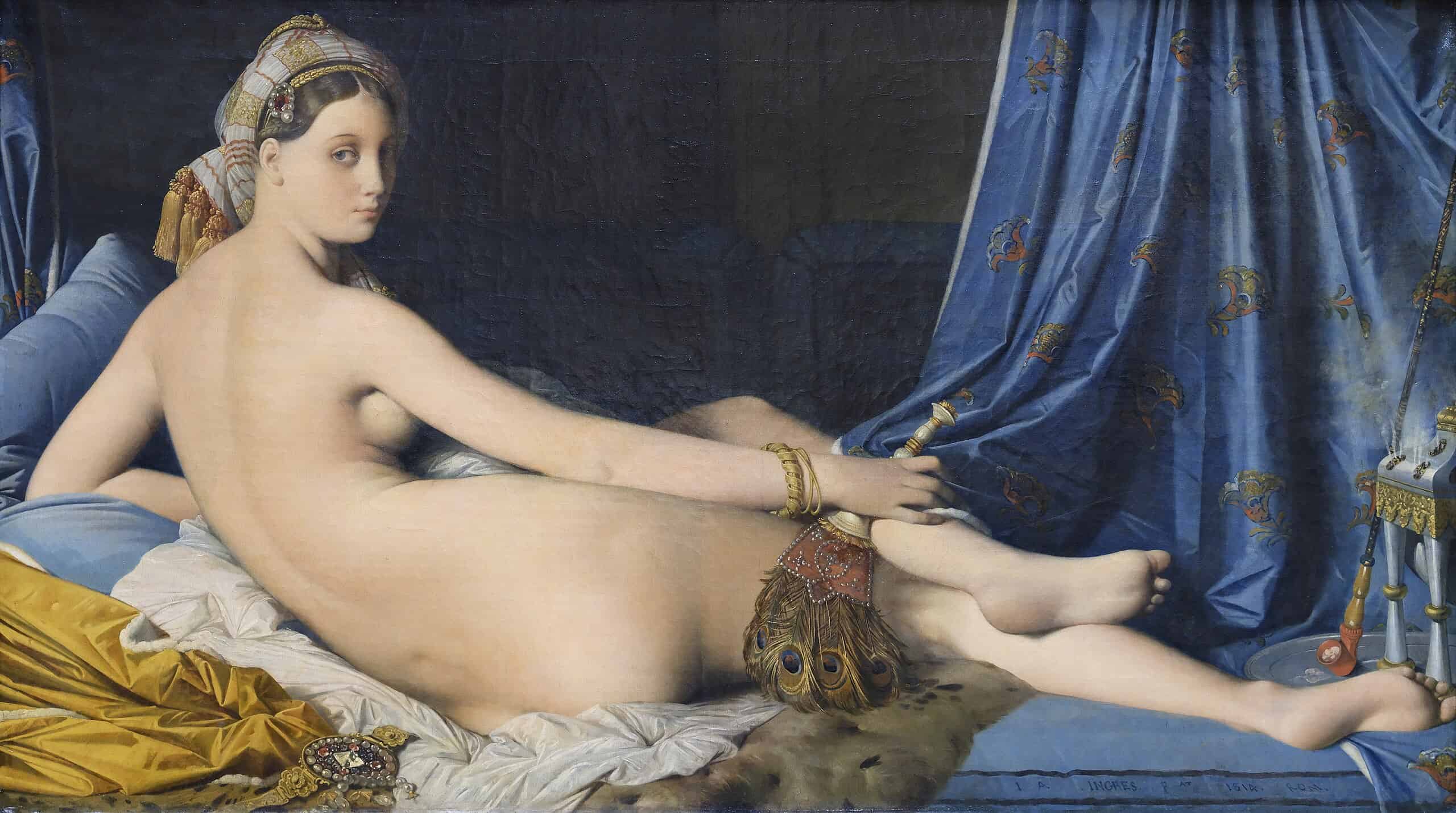
Deconstructing the Masterpiece
Exotic Setting
The oriental backdrop and luxurious fabrics create a sense of opulence and exoticism, drawing viewers into a world of fantasy and luxury.
Idealized Female Form
The elongated proportions and smooth, flawless skin exemplify the artist's pursuit of classical beauty and perfection, idealizing the female figure.
Contrapposto Pose
The contrapposto pose, with a subtle S-curve in the body, adds a sense of elegance and grace to the figure, enhancing the overall composition.
Mysterious Expression
The enigmatic expression and gaze of the odalisque create a sense of intrigue and mystery, inviting viewers to ponder her thoughts and emotions.
Audio Library
As one of our featured lessons, this topic includes premium audio guides.
Unlock the Wizard's Cram Session
This powerful audio study guide is a Pro-exclusive feature. Upgrade to Memory Wizards Pro to access this and all of our premium learning tools.
Upgrade to ProJean-Auguste-Dominique Ingres: An Analysis in 10 Minutes
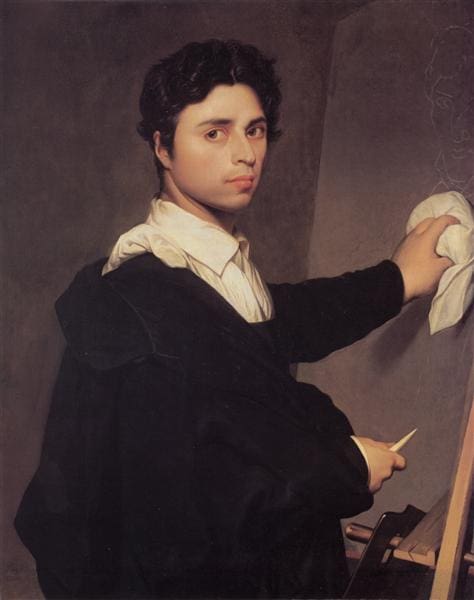
Introduction
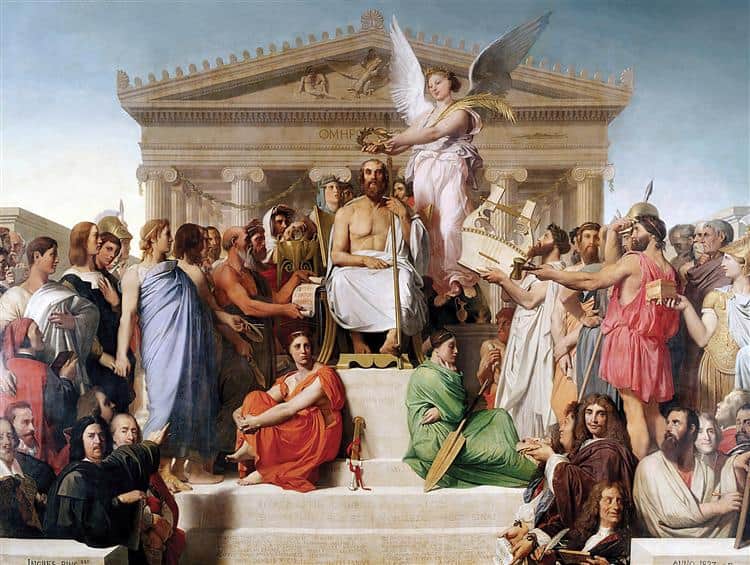
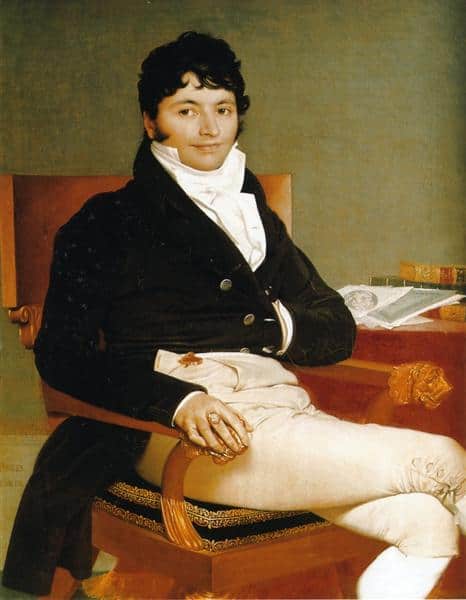
The Early Life of Ingres
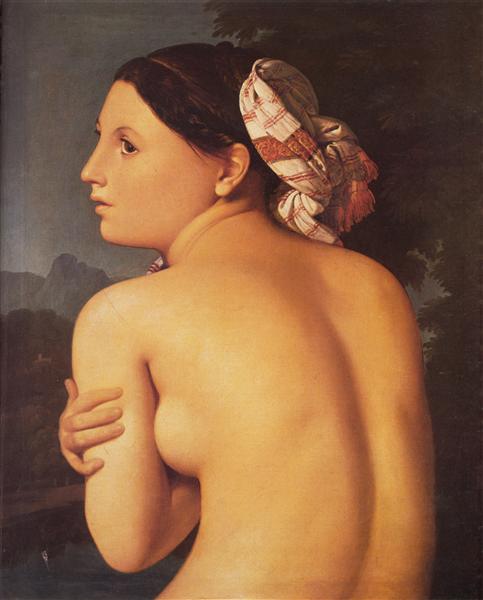
Ingres Rise to Prominence
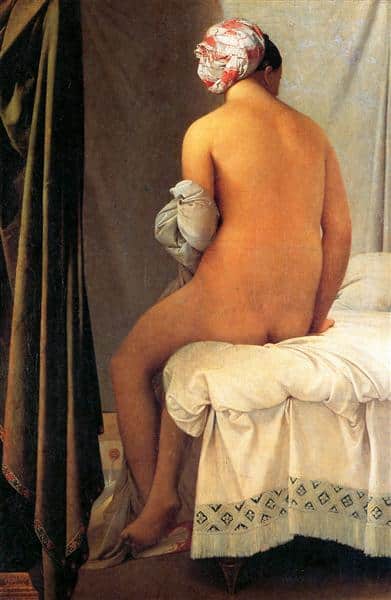
Ingres Mastery of Line and Form
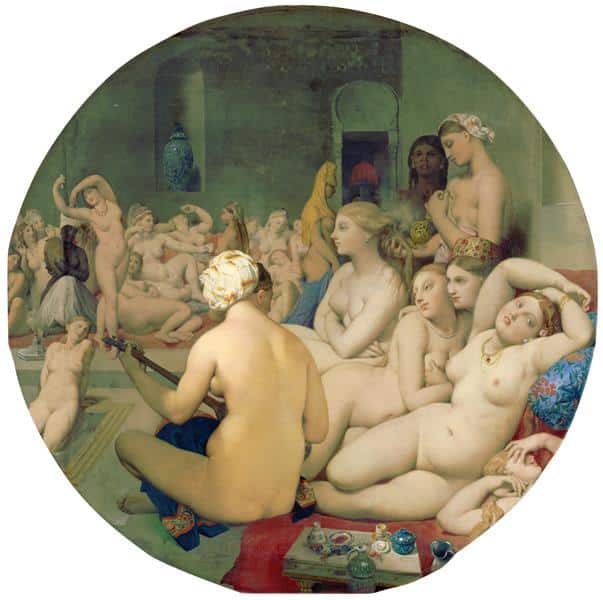
Ingres Controversial Departure from Neoclassicism
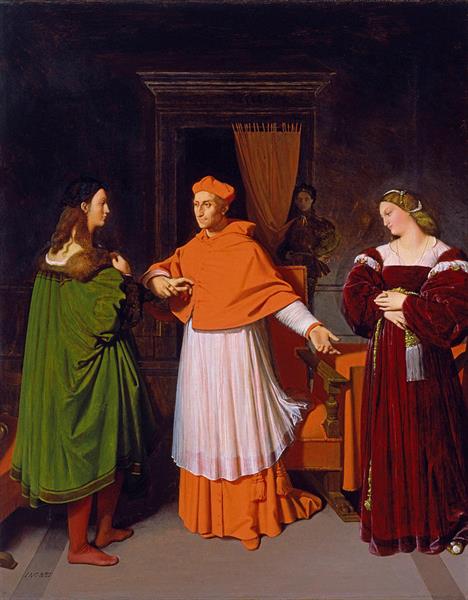
Ingres Influence on Modern Art
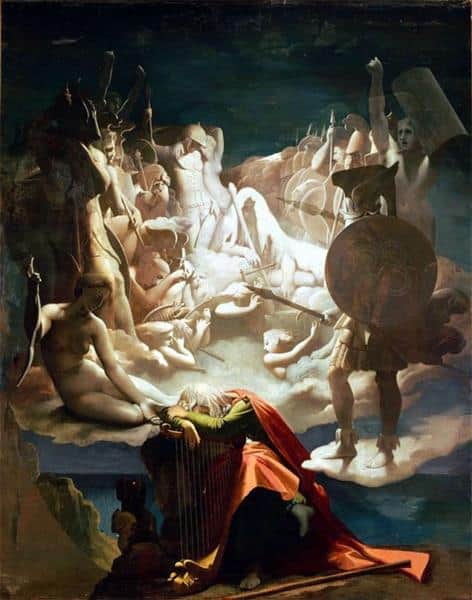
Ingres Legacy in the Art World
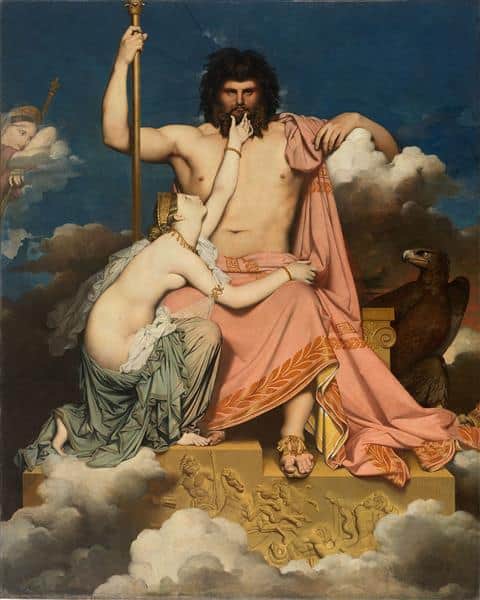
The Enduring Appeal of Ingres Art
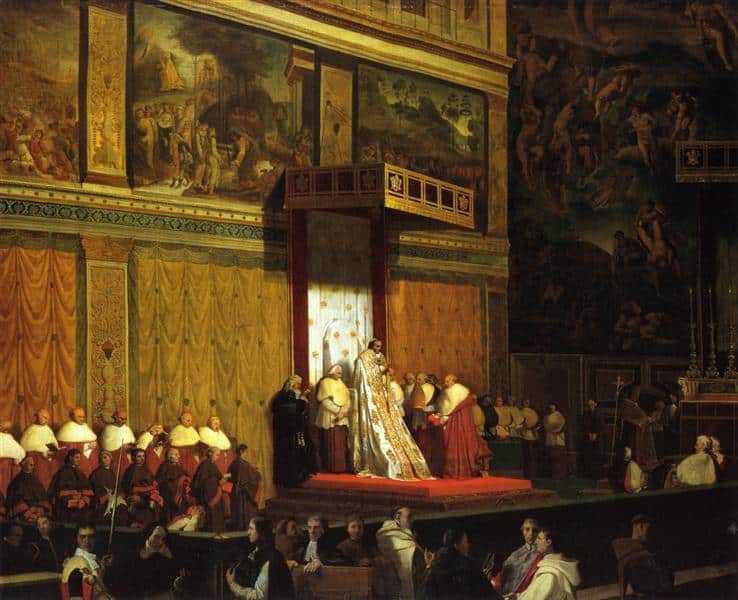
Recognition of Ingres Talent
Ingres Lasting Impact on Art History
Lesson Details & Resources
In a Nutshell
- Full Name: Jean-Auguste-Dominique Ingres
- Birthdate: August 29, 1780
- Birthplace: Montauban, France
- Occupation: French Neoclassical painter
- Famous Works: “The Grande Odalisque,” “La Grande Baigneuse,” “Napoleon I on his Imperial Throne”
- Style: Known for his precise draftsmanship and meticulous attention to detail
- Influence: Ingres was a prominent figure in the French art scene and influenced many artists of his time
- Legacy: Considered one of the greatest portrait painters of the 19th century
Vocabulary List
Timeline of Jean-Auguste-Dominique Ingres: An Analysis
Jean-Auguste-Dominique Ingres is born in Montauban, France
Ingres enters the studio of Jacques-Louis David in Paris
Ingres wins the prestigious Prix de Rome award
Ingres moves to Rome as part of his Prix de Rome scholarship
Ingres paints 'Napoleon I on His Imperial Throne'
Ingres returns to Paris and becomes a member of the French Academy
Ingres paints 'The Vow of Louis XIII'
Ingres exhibits 'La Grande Odalisque' at the Paris Salon
Ingres becomes the director of the French Academy in Rome
Ingres paints 'The Turkish Bath'
Ingres is appointed as a senator of the French Empire by Napoleon III
Ingres dies in Paris
Ingres' works gain recognition and become influential in the art world
Ingres' works inspire the Neoclassical and Romantic movements in art
Ingres' paintings continue to be studied and admired by art historians and enthusiasts
Ingres' works are exhibited in major museums around the world
Ingres' legacy as a master of French Neoclassical art is solidified
Key Facts
This is the information used in the fact matching game
- Ingres was a French Neoclassical painter known for his precise draftsmanship and meticulous detail.
- He was a student of Jacques-Louis David, another prominent Neoclassical painter.
- Ingres was known for his portraits, historical paintings, and orientalist works.
- He was heavily influenced by the art of the Italian Renaissance, particularly Raphael.
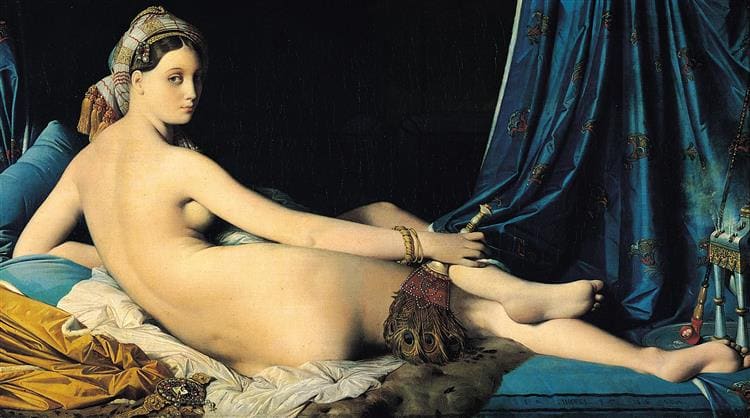
- Ingres' most famous painting is 'The Grande Odalisque', a portrait of a reclining nude woman.
- Ingres was known for his meticulous attention to detail, often spending years on a single painting.
- He was appointed as the director of the French Academy in Rome in 1835.
- Ingres' style was criticized by some for being too rigid and lacking emotion.
- He was a master of line and contour, creating elegant and graceful figures in his paintings.
- Ingres' work had a significant influence on the development of modern art, particularly in the realm of portraiture.
- He was known for his use of vibrant colors and intricate patterns in his orientalist works.
- Ingres was admired by his contemporaries for his technical skill and artistic vision.
- He was a prominent figure in the French art world during the early 19th century.
- Ingres' work is characterized by its classical beauty and idealized forms.
- He was known for his ability to capture the essence of his subjects in his portraits.
- Ingres' paintings often feature richly detailed backgrounds and elaborate costumes.
- He was a prolific artist, producing over 400 paintings and thousands of drawings in his lifetime.
- Ingres' work has been the subject of numerous exhibitions and retrospectives around the world.
- He was a member of the French Academy and received numerous awards and honors for his contributions to the arts.
- Ingres' legacy continues to influence artists and art lovers to this day.
Analysis & Significance
Artistic Innovation
Jean-Auguste-Dominique Ingres was a master of Neoclassical style, known for his precise draftsmanship and idealized portrayals of the human form. His meticulous attention to detail and emphasis on line and form set him apart from his contemporaries, creating a sense of timeless elegance and classical beauty in his works.
Influence on Art History
Ingres’ focus on classical themes and his rejection of the emotional intensity of Romanticism had a lasting impact on the development of art in the 19th century. His pursuit of beauty and harmony in his compositions inspired later artists such as Edgar Degas and Pablo Picasso, and his emphasis on technique and form laid the foundation for the academic tradition in art education.
Cultural Significance Today
Ingres’ works continue to be celebrated for their technical mastery and classical beauty. His paintings are revered as masterpieces of the Neoclassical style, and his influence can be seen in contemporary art and design. Ingres’ legacy endures as a testament to the enduring power of classical ideals and the pursuit of beauty in art.
Jean-Auguste-Dominique Ingres: An Analysis Games


Take Your Learning Offline
Want a convenient, print-ready study guide for this lesson? Become a Memory Wizards Pro member to unlock the downloadable " Memory Scrolls" for this topic and our entire library!
- ✓ Complete Vocabulary Lists
- ✓ Key Facts & Timelines
- ✓ Beautifully Formatted for Print & Mobile