
How Do You Learn Best?
Learn by Listening
Start with the 3-minute audio summary to get the key facts and narrative highlights quickly.
Learn by Reading
Immerse yourself in the 10-minute visual lesson for a comprehensive understanding of the topic.
Learn by Reviewing
Jump directly to the key facts, timeline, and vocabulary lists to build a solid foundation of details.
Learn by Doing
Challenge yourself! Jump straight into the interactive games to learn by trial, error, and discovery.
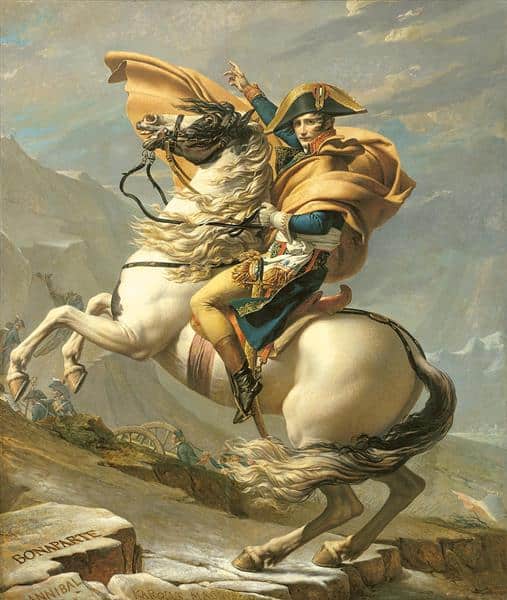
The Masterpiece: Napoleon crossing the Alps
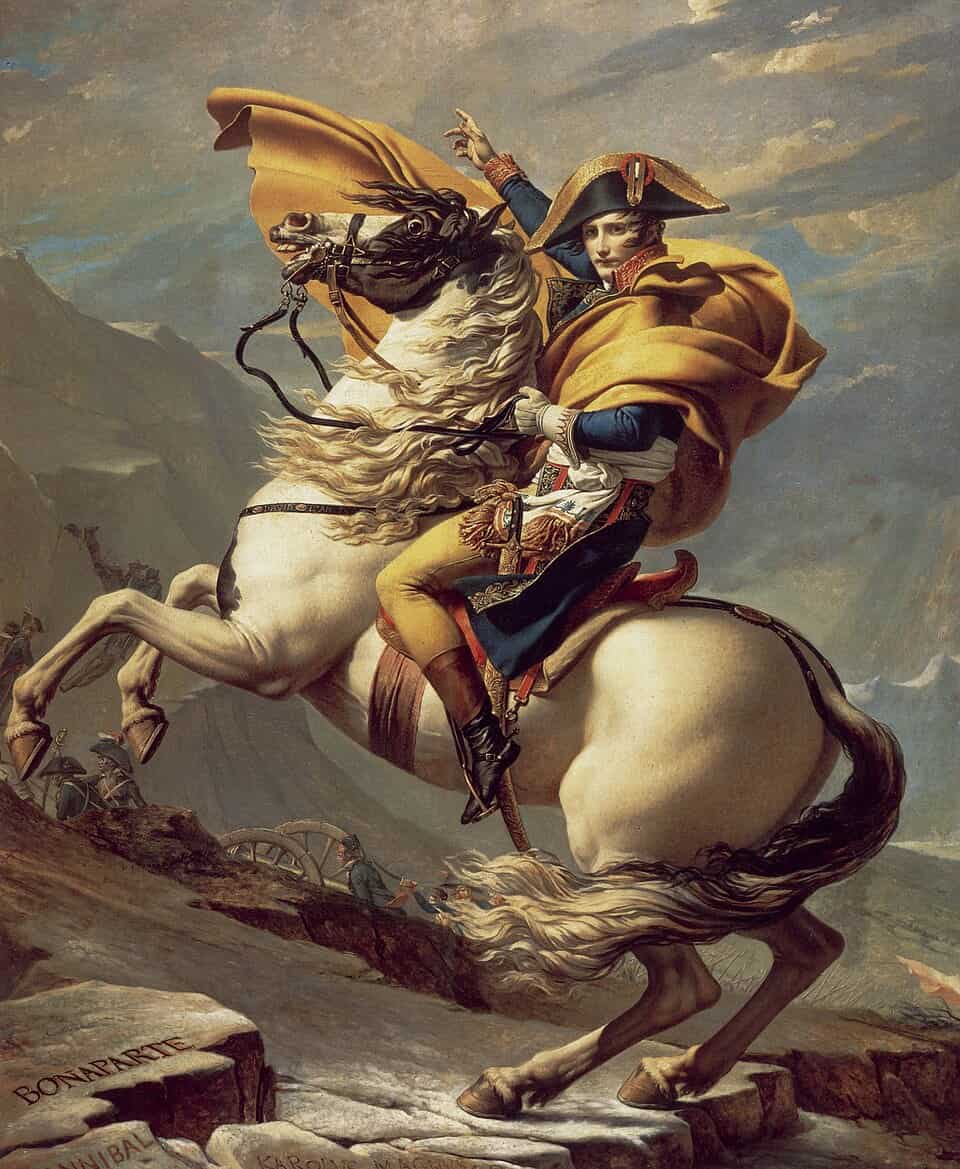
Deconstructing the Masterpiece
Heroic Pose
Napoleon's commanding stance and focused gaze embody strength, power, and determination, emphasizing his leadership qualities.
Dramatic Lighting
The use of strong contrasts between light and shadow creates a sense of drama and importance, highlighting Napoleon as a central figure.
Symbolic Horse
The rearing horse symbolizes strength, victory, and majesty, serving as a powerful visual metaphor for Napoleon's military prowess.
Audio Library
As one of our featured lessons, this topic includes premium audio guides.
Unlock the Wizard's Cram Session
This powerful audio study guide is a Pro-exclusive feature. Upgrade to Memory Wizards Pro to access this and all of our premium learning tools.
Upgrade to ProJacques-Louis David: An Analysis in 10 Minutes
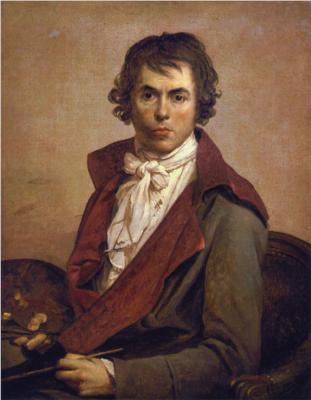
Introduction
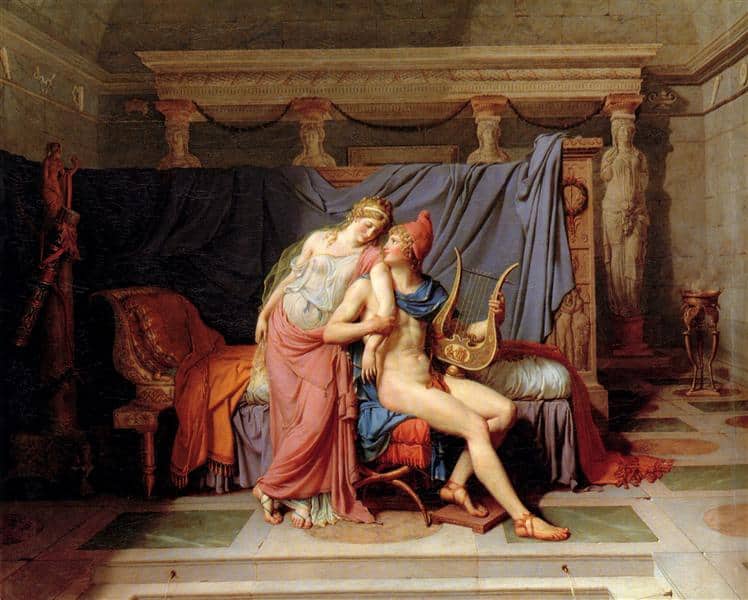
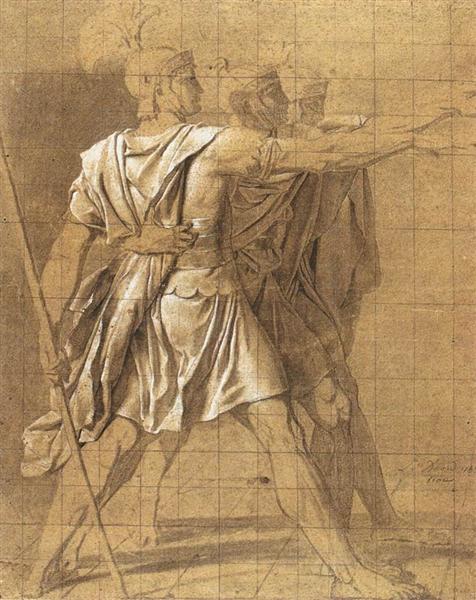
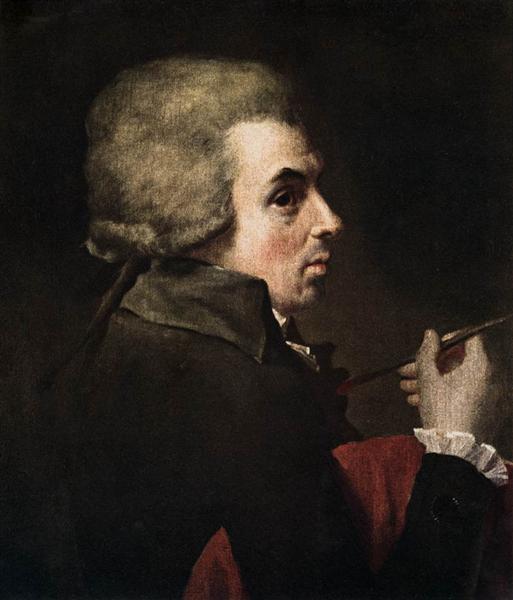
The Early Life of Jacques-Louis David
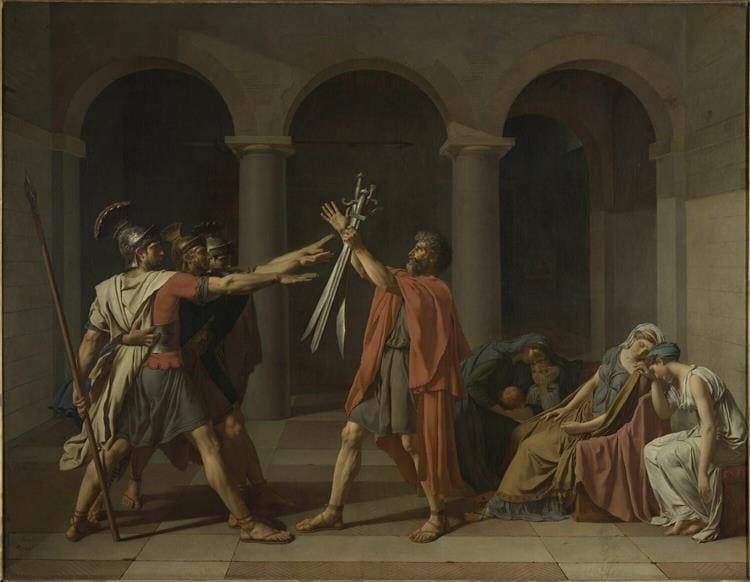
Davids Rise to Prominence
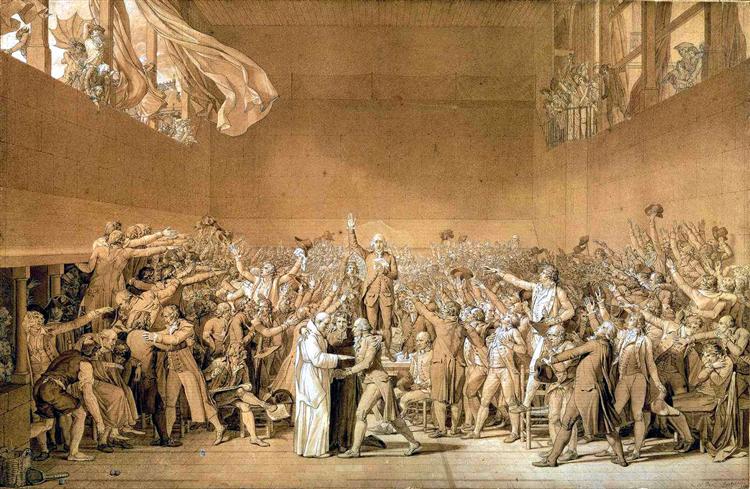
Revolutionary Ideals and Political Involvement
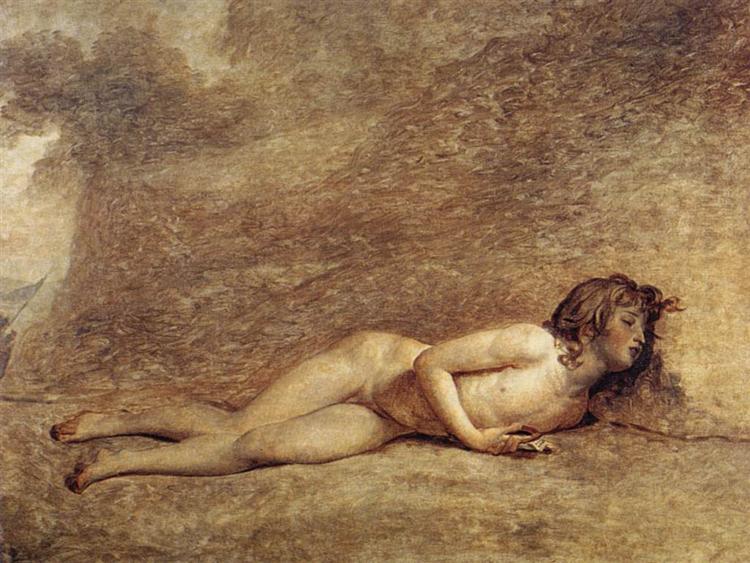
Imprisonment and New Beginnings
Return to Power and the Napoleonic Era
Exile and Legacy
Lesson Details & Resources
In a Nutshell
- Jacques-Louis David was a famous French painter.
- He was born on August 30, 1748 in Paris, France.
- David was known for his neoclassical style of painting.
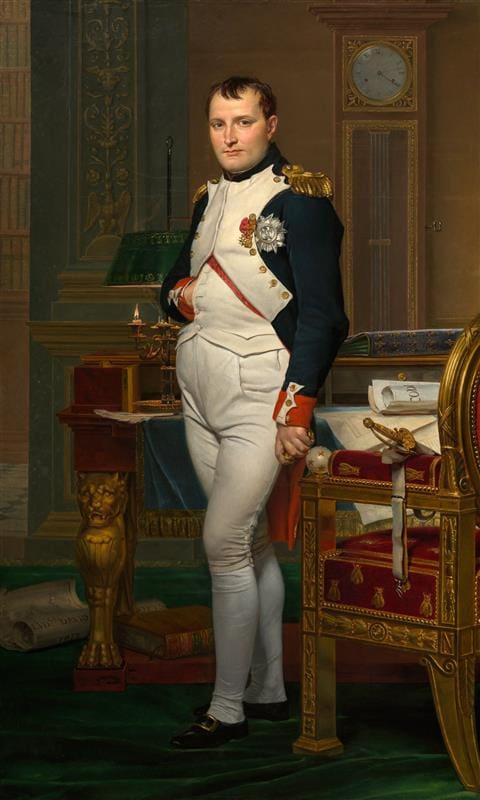
- He was a favorite painter of Napoleon Bonaparte.
- David’s most famous painting is “The Death of Socrates.”
- He was a key figure in the French Revolution and painted many revolutionary scenes.
Vocabulary List
- Neoclassicism
- Jacques-Louis David was a prominent figure in the Neoclassicism movement, which sought to revive classical Greek and Roman art.
- Revolution
- David's art often depicted scenes from the French Revolution, such as 'The Death of Marat'.
- Propaganda
- Some critics argue that David's art served as propaganda for the French Revolution and Napoleon Bonaparte.
- Idealism
- David's paintings often portrayed idealized versions of historical events and figures.
- Composition
- David was known for his skillful composition and use of light and shadow in his paintings.
- Classicism
- David's work was heavily influenced by classical art, particularly that of ancient Greece and Rome.
- Emotion
- Despite his classical style, David was able to convey intense emotion in his paintings.
- History
- Many of David's works depicted historical events and figures, such as 'The Oath of the Horatii'.
- Allegory
- David often used allegory in his paintings to convey deeper meanings and messages.
- Detail
- David was known for his meticulous attention to detail in his paintings, such as in 'The Death of Socrates'.
- Dramatic
- David's paintings were often dramatic and filled with tension, such as in 'The Intervention of the Sabine Women'.
- Patronage
- David received patronage from Napoleon Bonaparte, who commissioned several paintings from him.
- Power
- David's paintings often depicted powerful figures and events, such as 'Napoleon Crossing the Alps'.
- Symbolism
- David used symbolism in his paintings to convey hidden meanings, such as in 'The Coronation of Napoleon'.
- Renaissance
- David's work was influenced by the art and ideals of the Renaissance period.
- Brushstrokes
- David's brushstrokes were precise and controlled, contributing to the realism of his paintings.
- Patriotism
- David's art often celebrated the ideals of patriotism and nationalism, particularly during the French Revolution.
- Napoleon
- David painted several portraits of Napoleon Bonaparte, including the famous 'Napoleon at the St. Bernard Pass'.
- Tragedy
- Many of David's paintings depicted tragic events and figures, such as in 'The Death of Sardanapalus'.
- Sketches
- David's sketches and preparatory studies reveal his creative process and attention to detail in his paintings.
Timeline of Jacques-Louis David: An Analysis
Jacques-Louis David is born in Paris, France
David begins his artistic training under François Boucher
Wins the prestigious Prix de Rome scholarship
Travels to Rome to study classical art and architecture
Returns to Paris and becomes a member of the Royal Academy of Painting and Sculpture
Paints 'The Oath of the Horatii', a revolutionary work that propels him to fame
Becomes a supporter of the French Revolution and joins the Jacobin Club
Appointed official court painter to Napoleon Bonaparte
Paints 'Napoleon Crossing the Alps', a propaganda piece for Napoleon
Becomes a member of the French Senate
David is exiled to Brussels for his ties to Napoleon after his defeat at Waterloo
Dies in Brussels, Belgium
David's body is returned to France and buried in the Père Lachaise Cemetery in Paris
David's works continue to influence the neoclassical style and future generations of artists
Key Facts
This is the information used in the fact matching game
- Jacques-Louis David was a prominent French painter during the Neoclassical period.
- David was known for his historical paintings that often depicted scenes from ancient Rome and Greece.
- He was a close friend of Napoleon Bonaparte and became his official court painter.
- David's most famous painting is 'The Death of Socrates', which portrays the Greek philosopher drinking poison.
- He was a key figure in the French Revolution and painted many works that supported the revolutionary cause.
- David's painting 'The Oath of the Horatii' is considered a masterpiece of Neoclassical art.
- He was a founding member of the French Academy of Fine Arts.
- David's work often featured strong, heroic figures and dramatic lighting.
- He was a master of composition and was known for his attention to detail.
- David's painting 'Napoleon Crossing the Alps' is a famous portrayal of Napoleon's military prowess.
- He was exiled from France after Napoleon's defeat and spent his later years in Brussels.
- David's work had a significant influence on later artists, including Jean-Auguste-Dominique Ingres and Eugène Delacroix.
- He was a skilled portrait painter and painted many prominent figures of his time.
- David's painting 'The Coronation of Napoleon' is a grand depiction of Napoleon's coronation as Emperor.
- He was a strong advocate for the use of art as a tool for political and social change.
- David's work is characterized by its clarity, precision, and emphasis on classical ideals.
- He was a teacher and mentor to many aspiring artists, including Jean-Baptiste Regnault and Antoine-Jean Gros.
- David's painting 'The Death of Marat' is a powerful depiction of the revolutionary leader's assassination.
- He was known for his use of strong, bold colors and dynamic compositions.
- David's works are held in major museums and galleries around the world, including the Louvre in Paris and the Metropolitan Museum of Art in New York.
Analysis & Significance
Artistic Innovation
Jacques-Louis David’s neoclassical style marked a departure from the frivolity of Rococo art, focusing instead on moral and political themes. His precise draftsmanship and use of sharp contrasts of light and shadow brought a sense of drama and intensity to his works, setting a new standard for historical paintings.
Influence on Art History
David’s works, such as “The Death of Socrates” and “Napoleon Crossing the Alps,” inspired a generation of artists and shaped the neoclassical movement. His emphasis on clarity, heroism, and idealized forms influenced later artists like Jean-Auguste-Dominique Ingres and Paul Delaroche, while also contributing to the rise of Romanticism.
Cultural Significance Today
Today, Jacques-Louis David’s paintings are celebrated for their powerful storytelling, compositional skill, and political significance. His works continue to be studied in art history courses and admired for their boldness and impact, demonstrating the enduring appeal of neoclassical art in the modern world.
Jacques-Louis David: An Analysis Games


Take Your Learning Offline
Want a convenient, print-ready study guide for this lesson? Become a Memory Wizards Pro member to unlock the downloadable " Memory Scrolls" for this topic and our entire library!
- ✓ Complete Vocabulary Lists
- ✓ Key Facts & Timelines
- ✓ Beautifully Formatted for Print & Mobile