
How Do You Learn Best?
Learn by Listening
Start with the 3-minute audio summary to get the key facts and narrative highlights quickly.
Learn by Reading
Immerse yourself in the 10-minute visual lesson for a comprehensive understanding of the topic.
Learn by Reviewing
Jump directly to the key facts, timeline, and vocabulary lists to build a solid foundation of details.
Learn by Doing
Challenge yourself! Jump straight into the interactive games to learn by trial, error, and discovery.
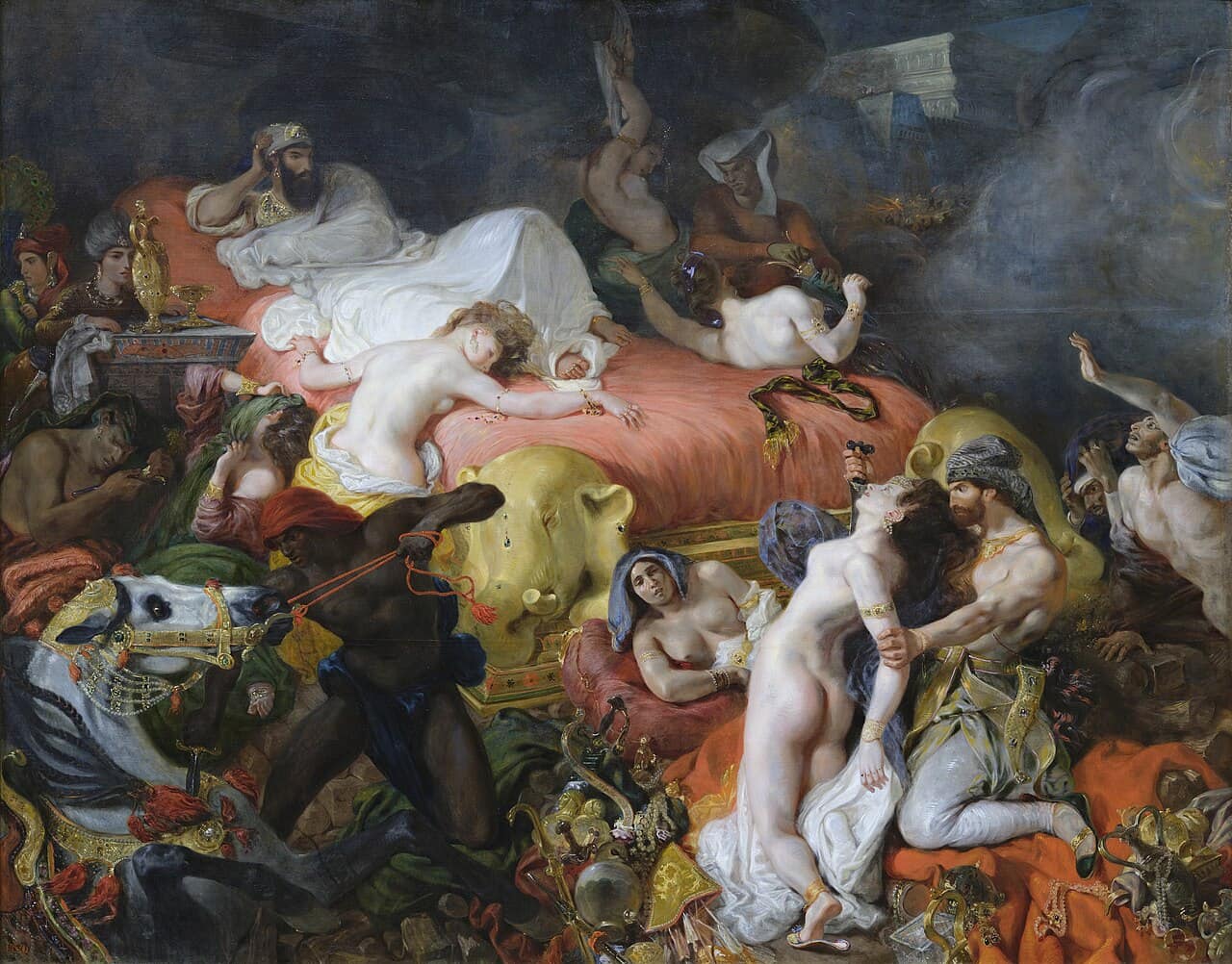
The Masterpiece: The Death of Sardanapalus by Eugène Delacroix
Deconstructing the Masterpiece
Chaos and Excess
The cluttered composition and excessive detail convey a sense of chaos and decadence, reflecting the theme of destruction and excess.
Vivid Color Palette
The vibrant and bold colors enhance the emotional intensity and drama of the scene, creating a visually striking impact.
Dramatic Gesture
The dramatic gestures and contorted poses of the figures emphasize the emotional turmoil and despair of the moment, adding to the overall sense of tragedy.
Audio Library
As one of our featured lessons, this topic includes premium audio guides.
Unlock the Wizard's Cram Session
This powerful audio study guide is a Pro-exclusive feature. Upgrade to Memory Wizards Pro to access this and all of our premium learning tools.
Upgrade to Pro‘Art as a Moral Lesson: An Analysis’ in 10 Minutes
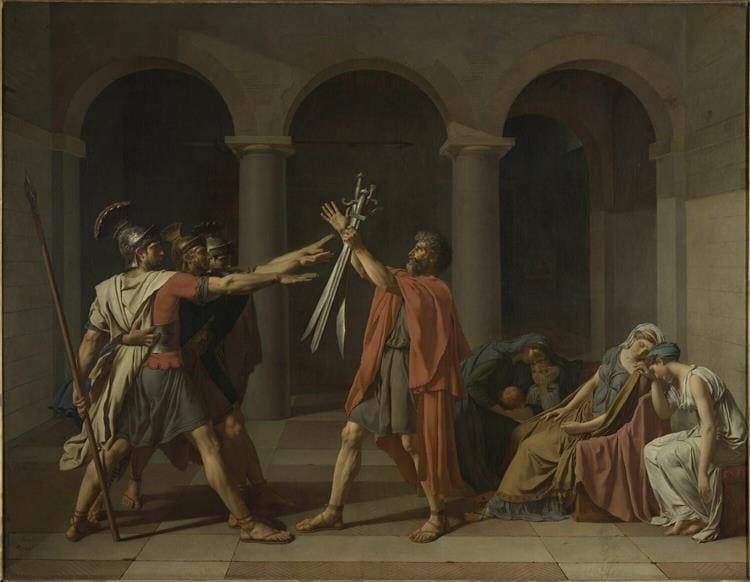
The Power of Neoclassical Art
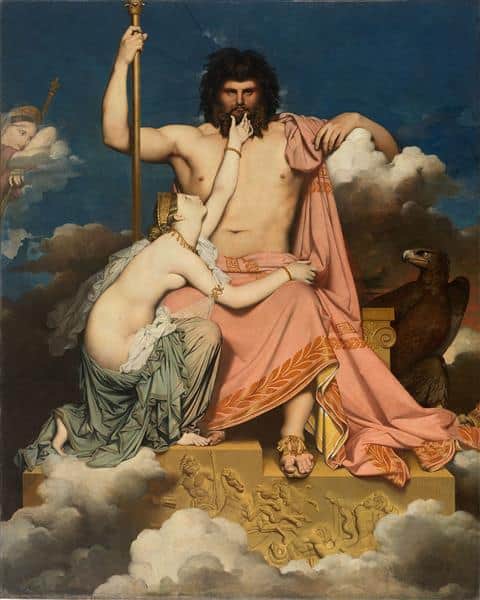
Art as a Moral Lesson
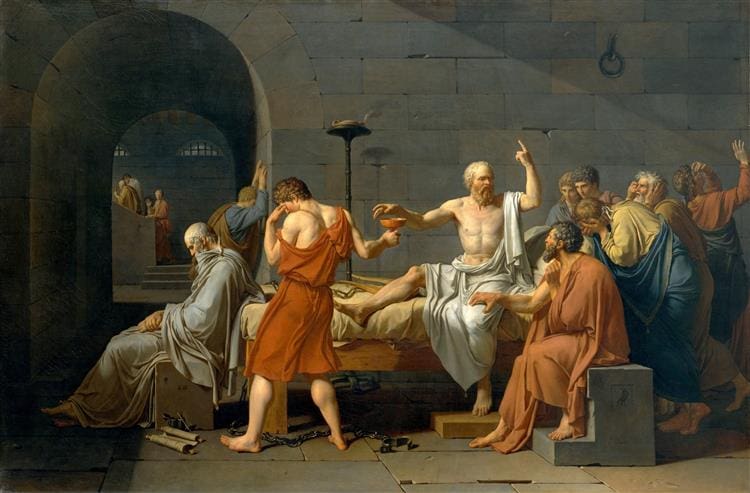
The Influence of History
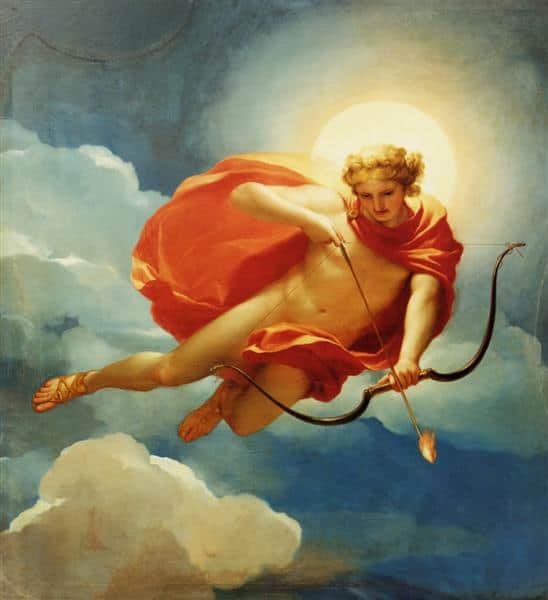
The Role of Mythology
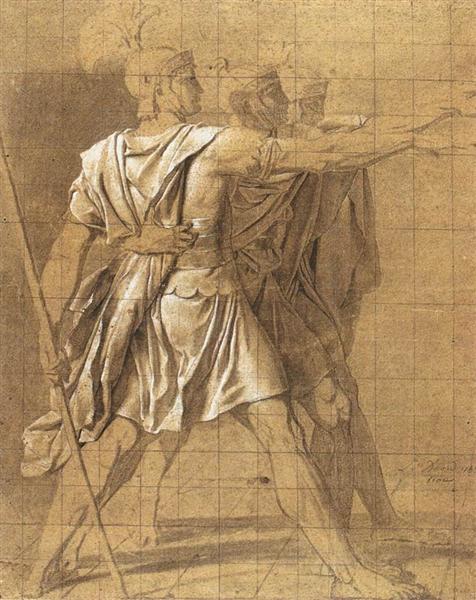
The Emphasis on Virtue
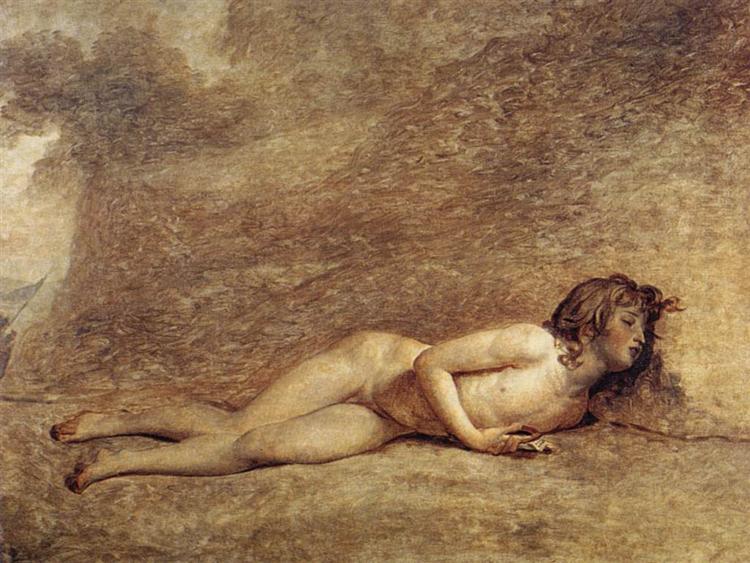
The Critique of Society
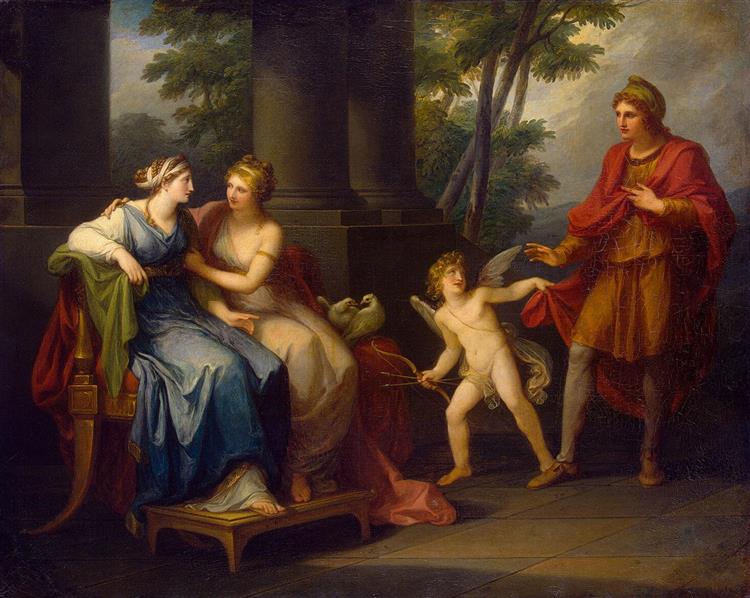
The Call to Action
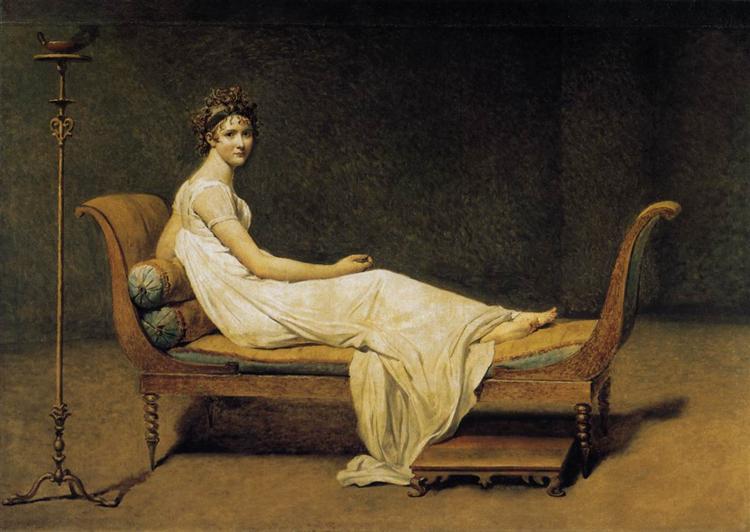
The Legacy of Neoclassical Art
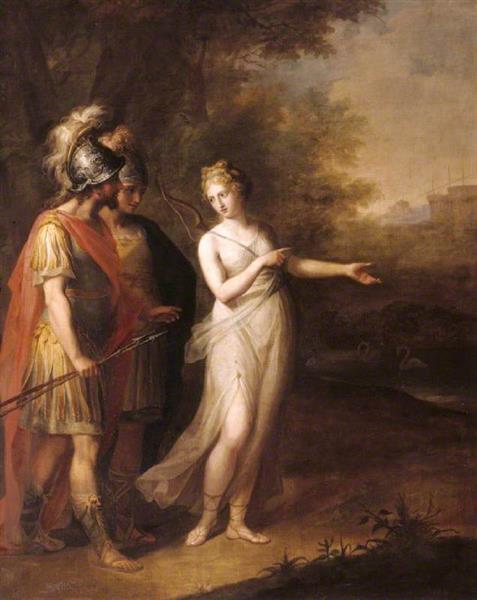
The Importance of Art in Society
Lesson Details & Resources
In a Nutshell
- When: 18th – 19th century
- Characteristics: Moral teachings, classical themes
- Key Artists: Jacques-Louis David, Jean-Auguste-Dominique Ingres
- Major Work: “The Death of Sardanapalus” by Eugène Delacroix
Vocabulary List
- Allegory
- The painting serves as an allegory for the importance of honesty and integrity in society.
- Virtue
- The artist often depicted figures embodying virtue and moral values in his artwork.
- Vice
- The dark and shadowy figures in the background represent vice and immorality.
- Ethics
- The artwork explores ethical dilemmas and the consequences of one's actions.
- Justice
- The theme of justice is prevalent in many neoclassical paintings, emphasizing the importance of fairness and righteousness.
- Morality
- The artist's work often reflects on moral values and the difference between right and wrong.
- Integrity
- Figures with a strong sense of integrity and honesty are often portrayed as heroes in neoclassical art.
- Wisdom
- The wise old sage in the painting imparts valuable lessons to the younger characters.
- Compassion
- The artist conveys a sense of compassion and empathy towards the less fortunate in society.
- Sacrifice
- The painting depicts a scene of sacrifice and selflessness, highlighting the importance of putting others before oneself.
- Redemption
- The central figure seeks redemption for past wrongdoings, symbolizing the possibility of moral growth and change.
- Temptation
- The artist portrays the struggle between virtue and temptation in a dramatic and compelling way.
- Conscience
- The figures in the painting appear to be wrestling with their conscience, torn between right and wrong.
- Compass
- The moral compass of the protagonist guides their actions and decisions throughout the artwork.
- Duty
- The characters in the painting fulfill their duty to society and uphold moral principles despite facing challenges.
- Honor
- The artist celebrates the concept of honor and integrity through the noble actions of the main characters.
- Redemption
- The central figure seeks redemption for past wrongdoings, symbolizing the possibility of moral growth and change.
- Temptation
- The artist portrays the struggle between virtue and temptation in a dramatic and compelling way.
- Conscience
- The figures in the painting appear to be wrestling with their conscience, torn between right and wrong.
- Compass
- The moral compass of the protagonist guides their actions and decisions throughout the artwork.
Timeline of ‘Art as a Moral Lesson: An Analysis’
Jacques-Louis David completes 'Oath of the Horatii'
Death of Jean-Jacques Rousseau, whose philosophy influenced Neoclassical artists
Creation of 'The Death of Socrates' by Jacques-Louis David
French Revolution begins, inspiring many Neoclassical artists to create works with moral and political messages
Completion of 'The Death of Marat' by Jacques-Louis David
Napoleon Bonaparte crowns himself Emperor, leading to a surge in patriotic and moralistic art
Completion of 'The Raft of the Medusa' by Theodore Gericault
Publication of Johann Joachim Winckelmann's 'History of Ancient Art', influencing Neoclassical artists' focus on morality and virtue
Death of Jacques-Louis David, a prominent Neoclassical artist known for his moralistic works
Completion of 'Liberty Leading the People' by Eugene Delacroix, depicting the July Revolution of 1830
Creation of 'The Slave Ship' by J.M.W. Turner, highlighting the moral issues of slavery
Publication of John Ruskin's 'Modern Painters', advocating for art as a moral lesson
Death of Eugene Delacroix, a leading Romantic artist known for his moralistic works
Creation of 'The Stone Breakers' by Gustave Courbet, depicting the hardships of manual labor
Completion of 'The Gleaners' by Jean-Francois Millet, emphasizing the dignity of rural labor
Creation of 'The Third of May 1808' by Francisco Goya, depicting the horrors of war and the importance of resistance
Death of Theodore Gericault, a key figure in the Romantic movement with moralistic themes in his art
Completion of 'The Hay Wain' by John Constable, celebrating the beauty and simplicity of rural life
Creation of 'The Sleep of Reason Produces Monsters' by Francisco Goya, exploring the consequences of ignorance and superstition
Key Facts
This is the information used in the fact matching game
- Art as a Moral Lesson was a common theme in Neoclassical art, emphasizing the importance of virtuous behavior and moral values.
- Neoclassical artists often looked to ancient Greek and Roman art for inspiration, believing that these cultures embodied the highest moral and ethical standards.
- Artists like Jacques-Louis David used historical and mythological subjects to convey moral messages to their viewers.
- Neoclassical art aimed to educate and elevate viewers, encouraging them to aspire to higher ideals and principles.
- The emphasis on moral lessons in art reflected the broader cultural and intellectual trends of the Enlightenment, which emphasized reason, education, and progress.
- Neoclassical artists believed that art had the power to shape and influence society, and saw themselves as moral educators.
- The themes of sacrifice, heroism, and patriotism were common in Neoclassical art, reflecting the values of the time.
- Neoclassical artists often depicted historical events and figures to convey moral lessons and inspire viewers to emulate their virtues.
- Art as a Moral Lesson was also a way for artists to engage with contemporary political and social issues, advocating for change and reform through their work.
- Neoclassical artists believed that art should serve a higher purpose and contribute to the moral and intellectual improvement of society.
- Art as a Moral Lesson was a reaction against the frivolity and decadence of the Rococo style, which was seen as lacking in moral substance.
- Neoclassical art sought to restore the values of order, reason, and discipline that were believed to have been lost in the chaos of the French Revolution and its aftermath.
- The themes of justice, equality, and liberty were often depicted in Neoclassical art, reflecting the ideals of the Enlightenment and the French Revolution.
- Neoclassical artists used symbolic imagery and allegory to convey moral messages in their work, encouraging viewers to reflect on deeper meanings and interpretations.
- Art as a Moral Lesson was also a way for artists to explore philosophical and ethical questions, inviting viewers to consider the implications of their actions and choices.
- Neoclassical artists often depicted scenes of self-sacrifice and martyrdom to emphasize the importance of personal integrity and moral courage.
- The use of classical motifs and architectural elements in Neoclassical art was intended to evoke a sense of timelessness and universality, reinforcing the moral lessons being conveyed.
- Art as a Moral Lesson was not limited to painting, but also extended to sculpture, architecture, and decorative arts, reflecting a holistic approach to artistic creation.
- Neoclassical art was often commissioned by wealthy patrons and institutions who saw the value of art as a tool for moral education and cultural enrichment.
- The legacy of Art as a Moral Lesson can be seen in the continued use of historical and mythological subjects in art to convey moral and ethical messages to viewers.
Analysis & Significance
Artistic Innovation
‘Art as a Moral Lesson’ introduced a new approach to art by using visual storytelling to convey moral messages and social commentary. Through allegorical representations and symbolic imagery, the artwork aimed to educate and provoke thought, challenging viewers to reflect on their own beliefs and values.
Influence on Art History
This work laid the groundwork for narrative painting, inspiring artists to use their art as a medium for addressing social and ethical issues. It influenced the development of genres such as history painting and genre painting, emphasizing the importance of art as a tool for moral instruction and cultural critique.
Cultural Significance Today
‘Art as a Moral Lesson’ remains relevant today as a timeless reminder of the power of art to provoke thought and spark conversations about morality and ethics. Its enduring appeal lies in its ability to transcend time and culture, resonating with audiences around the world who continue to find meaning and inspiration in its moral teachings.
‘Art as a Moral Lesson: An Analysis’ Games


Take Your Learning Offline
Want a convenient, print-ready study guide for this lesson? Become a Memory Wizards Pro member to unlock the downloadable " Memory Scrolls" for this topic and our entire library!
- ✓ Complete Vocabulary Lists
- ✓ Key Facts & Timelines
- ✓ Beautifully Formatted for Print & Mobile