
Tecumseh: A Warrior’s Biography
The legendary Shawnee chief who united tribes against colonizers for Native American land rights.
How Do You Learn Best?
Learn by Reading
Immerse yourself in the 10-minute visual lesson for a comprehensive understanding of the topic.
Learn by Reviewing
Jump directly to the key facts, timeline, and vocabulary lists to build a solid foundation of details.
Learn by Doing
Challenge yourself! Jump straight into the interactive games to learn by trial, error, and discovery.
Tecumseh: A Warrior’s Biography in 10 Minutes
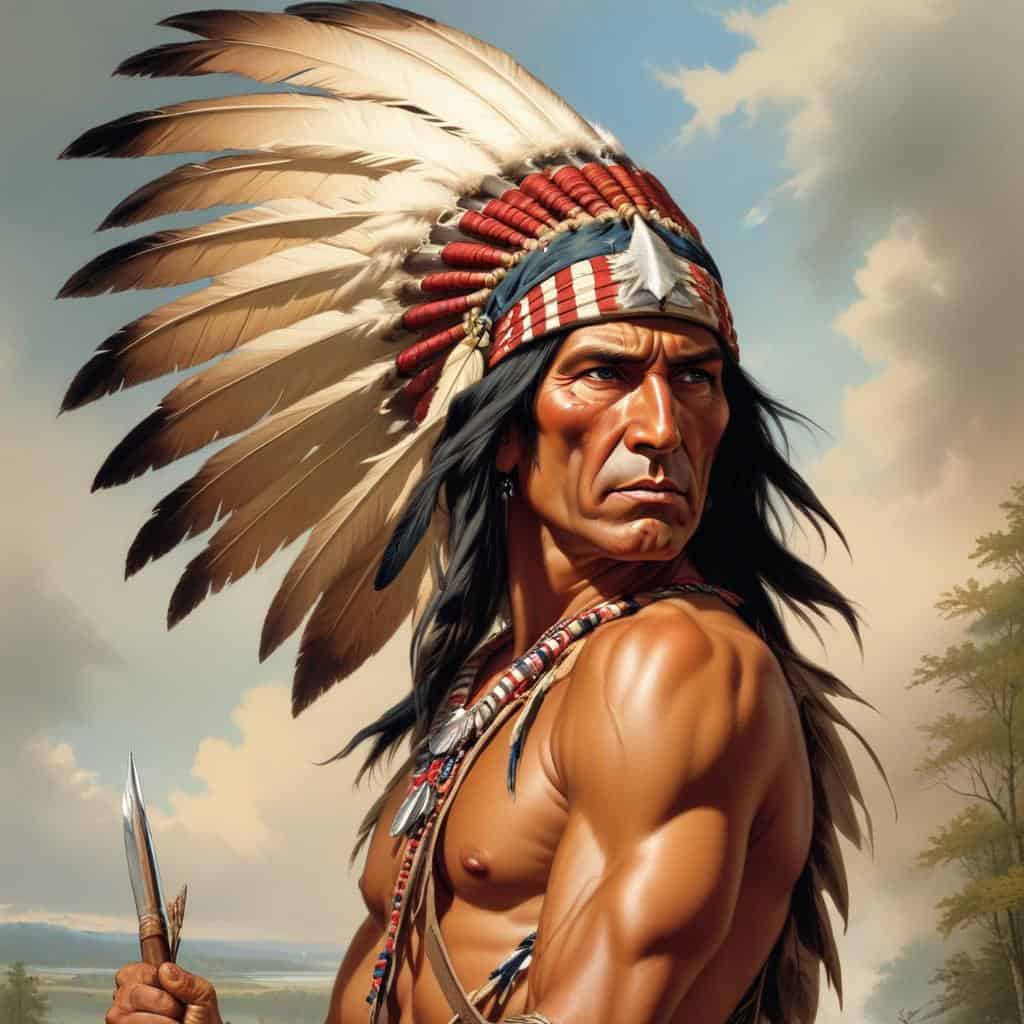
Introduction
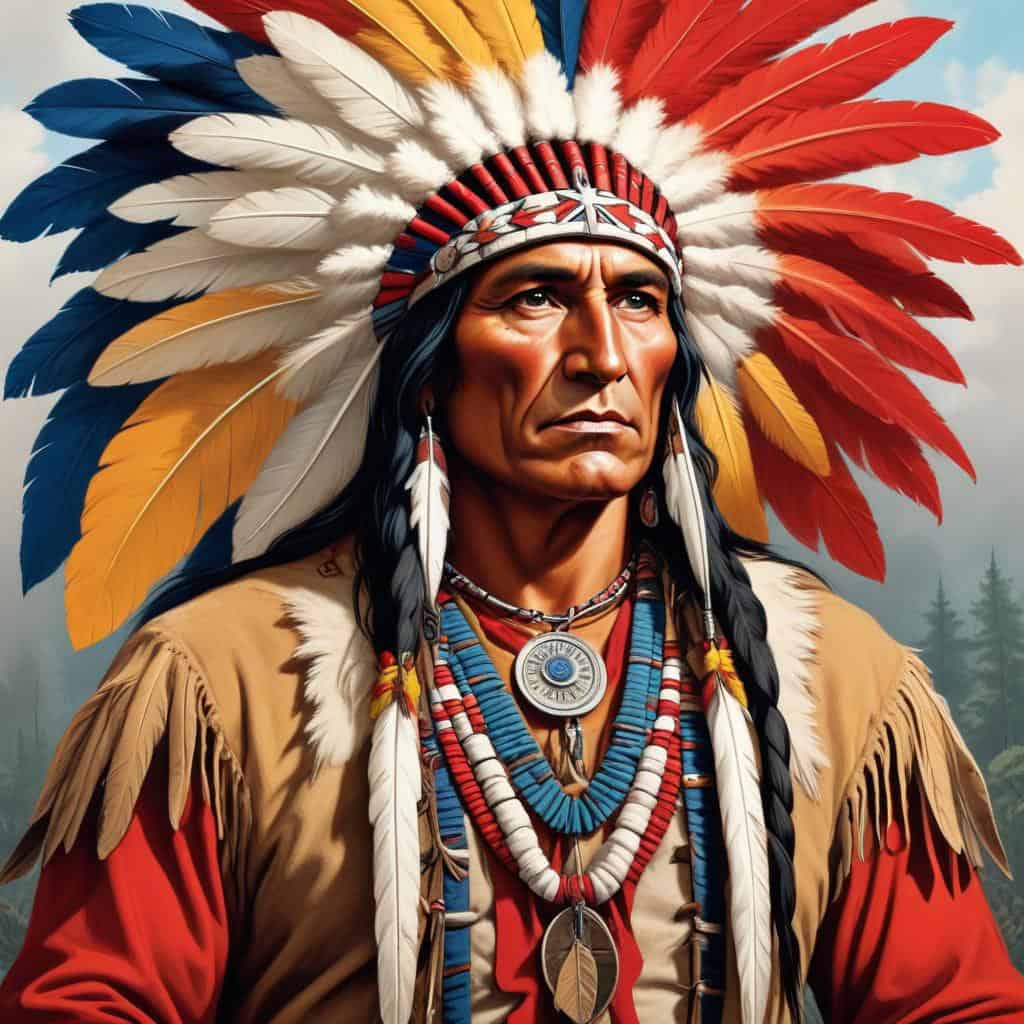
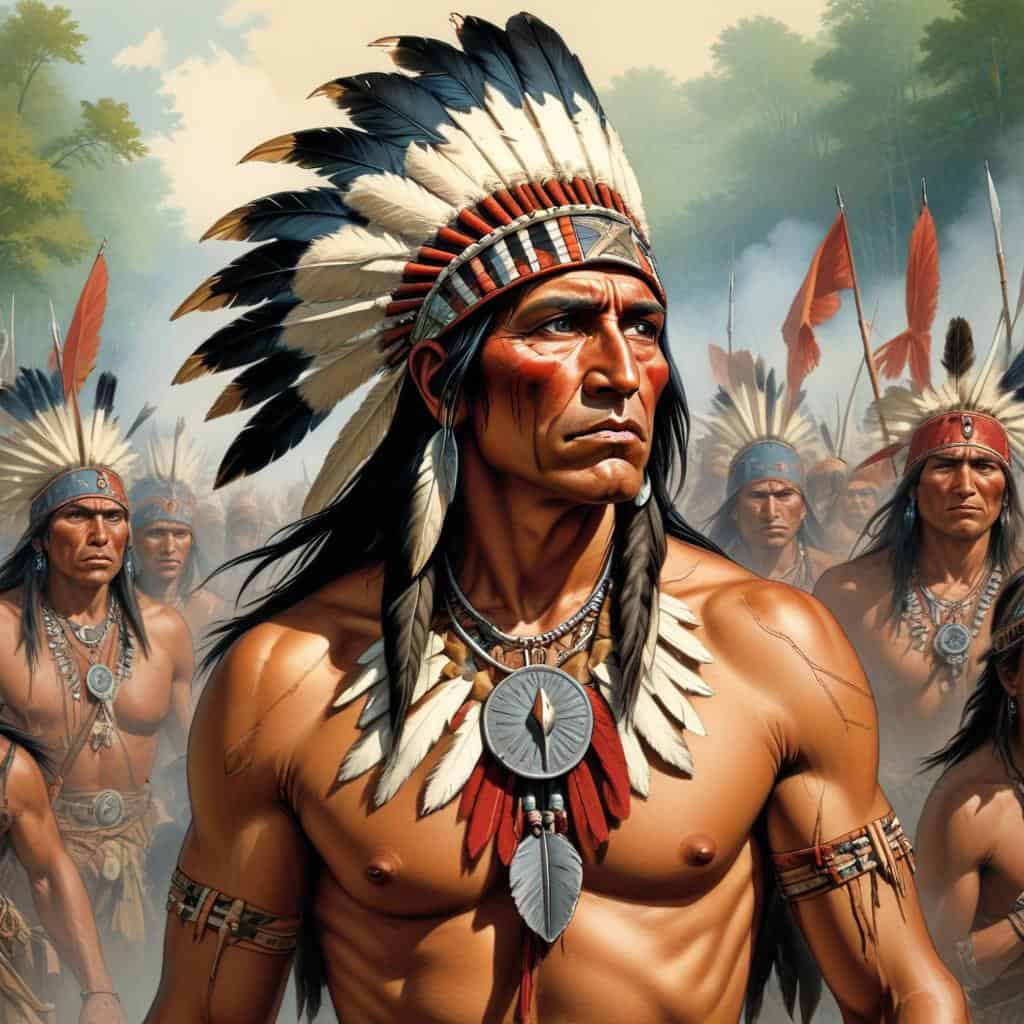
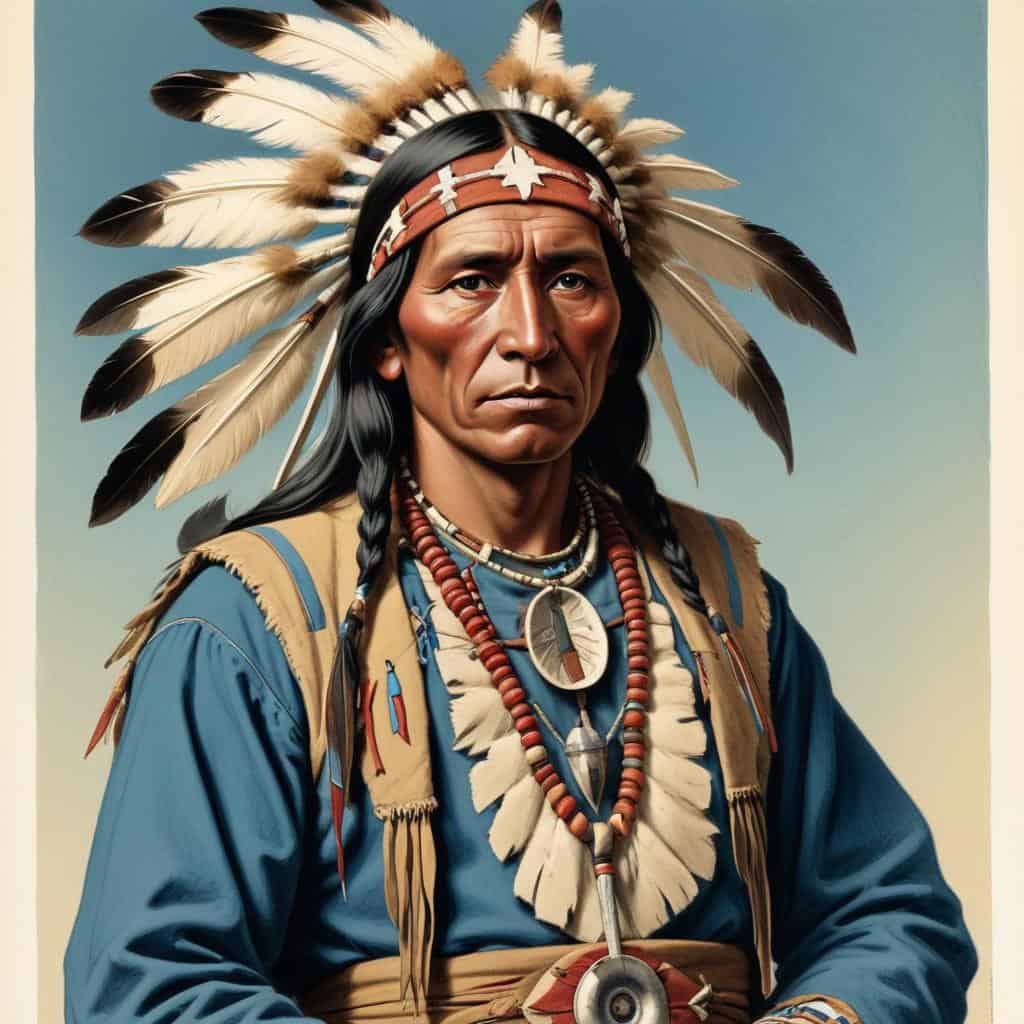
Tenskwatawa
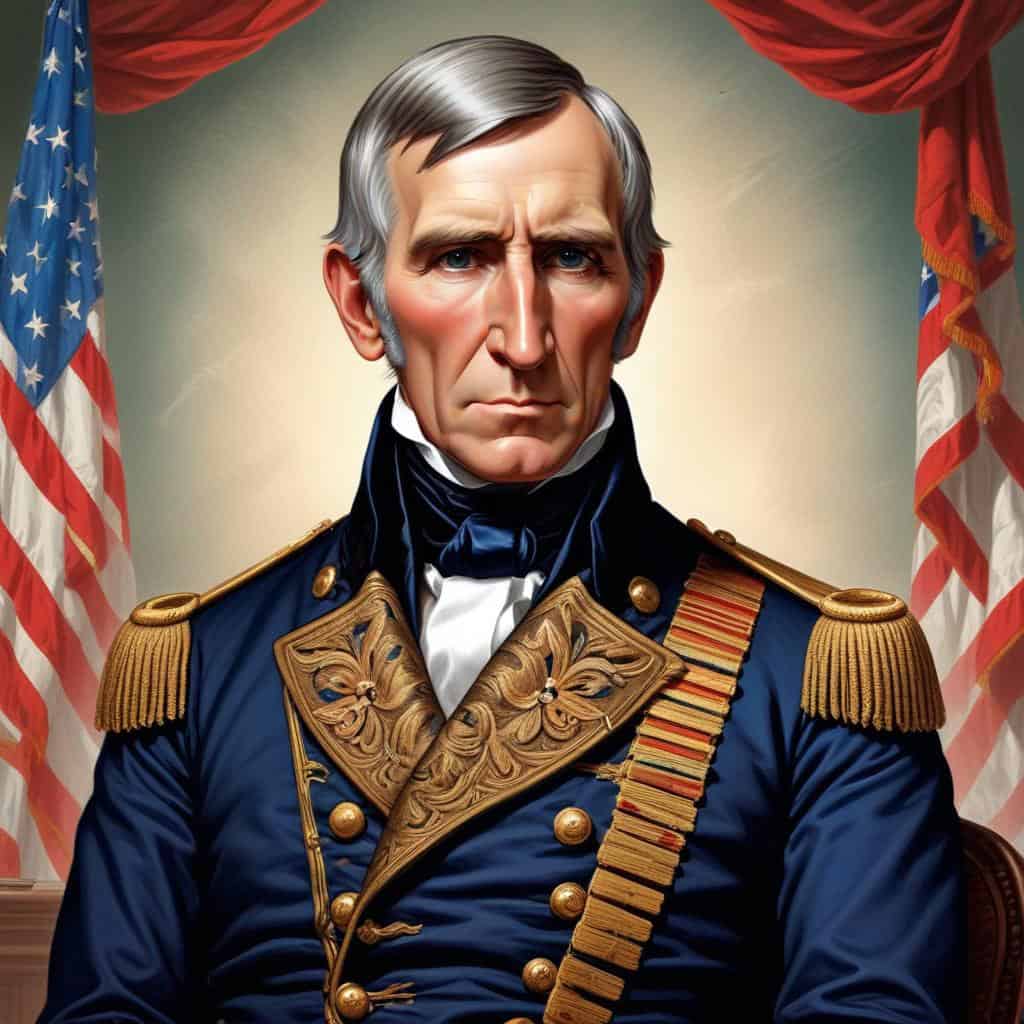
William Henry Harrison
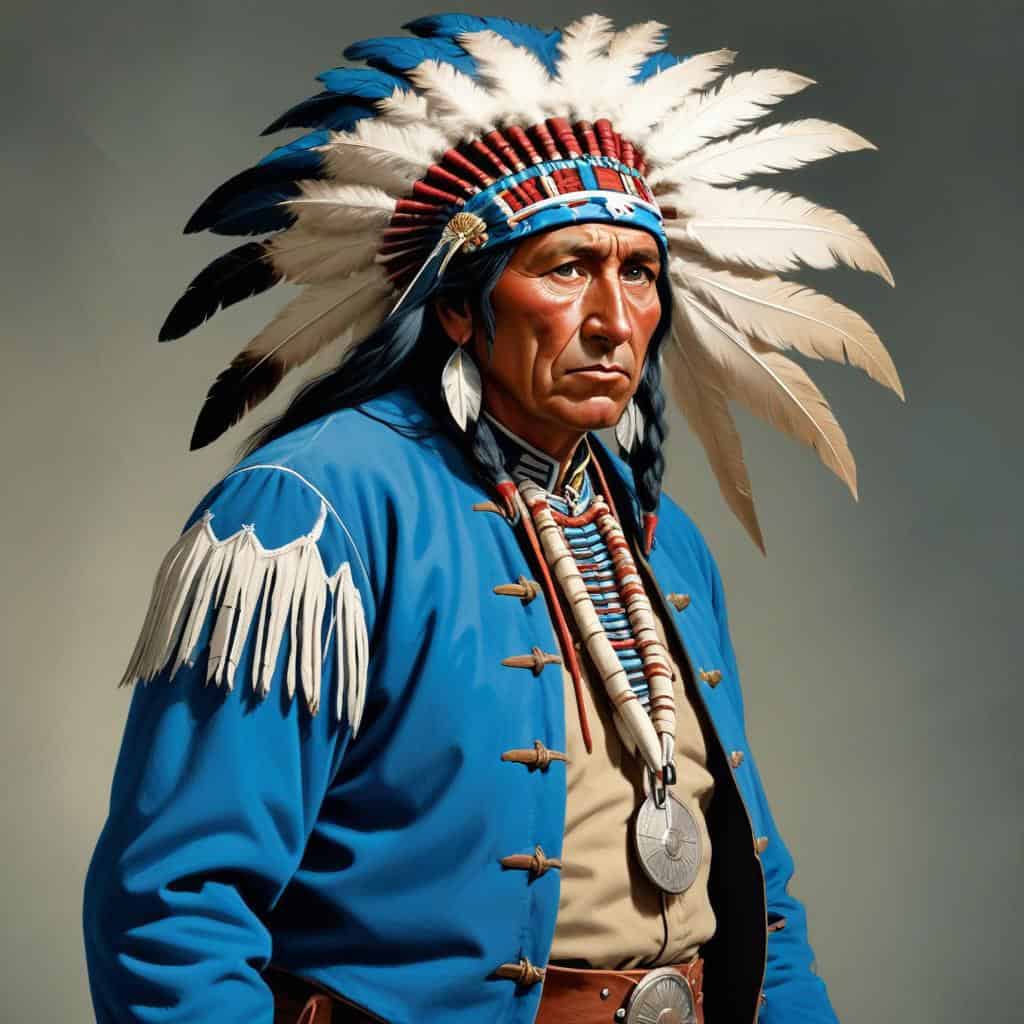
Blue Jacket
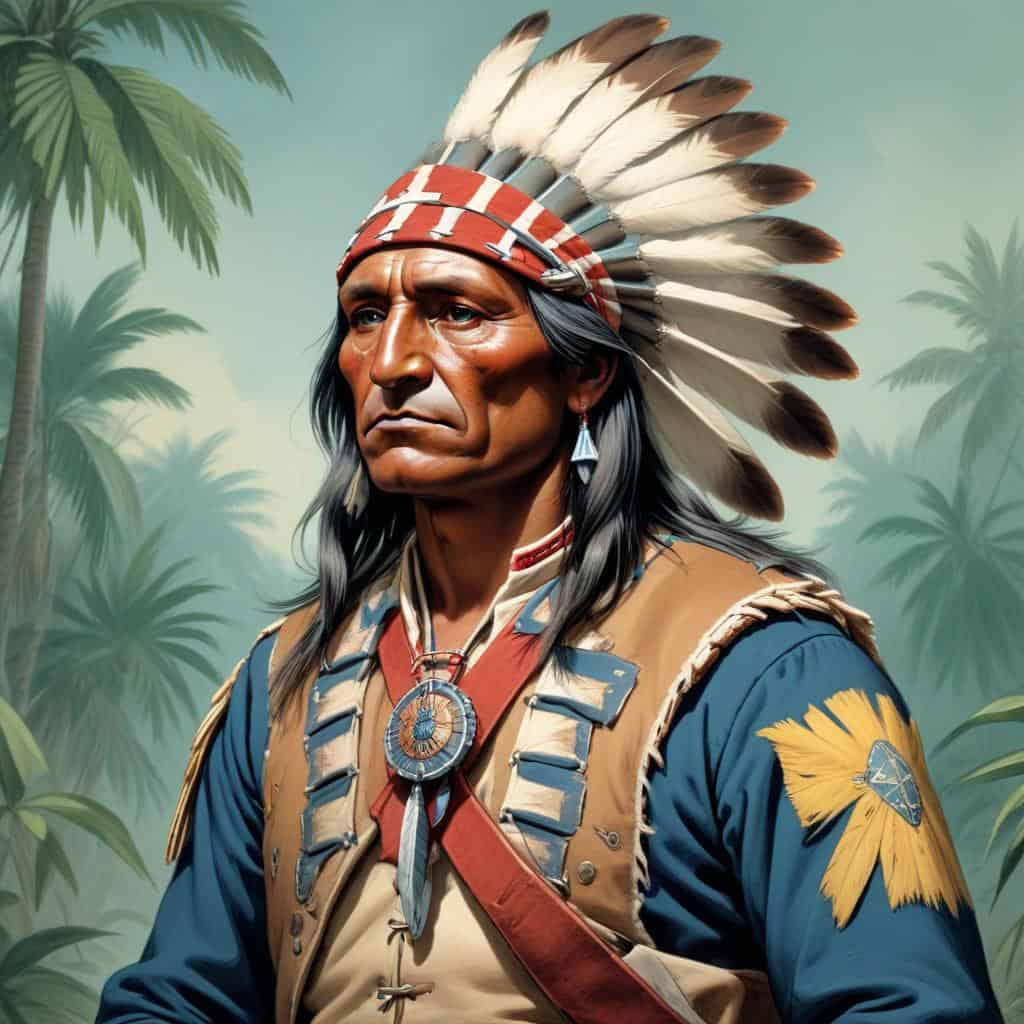
Little Turtle
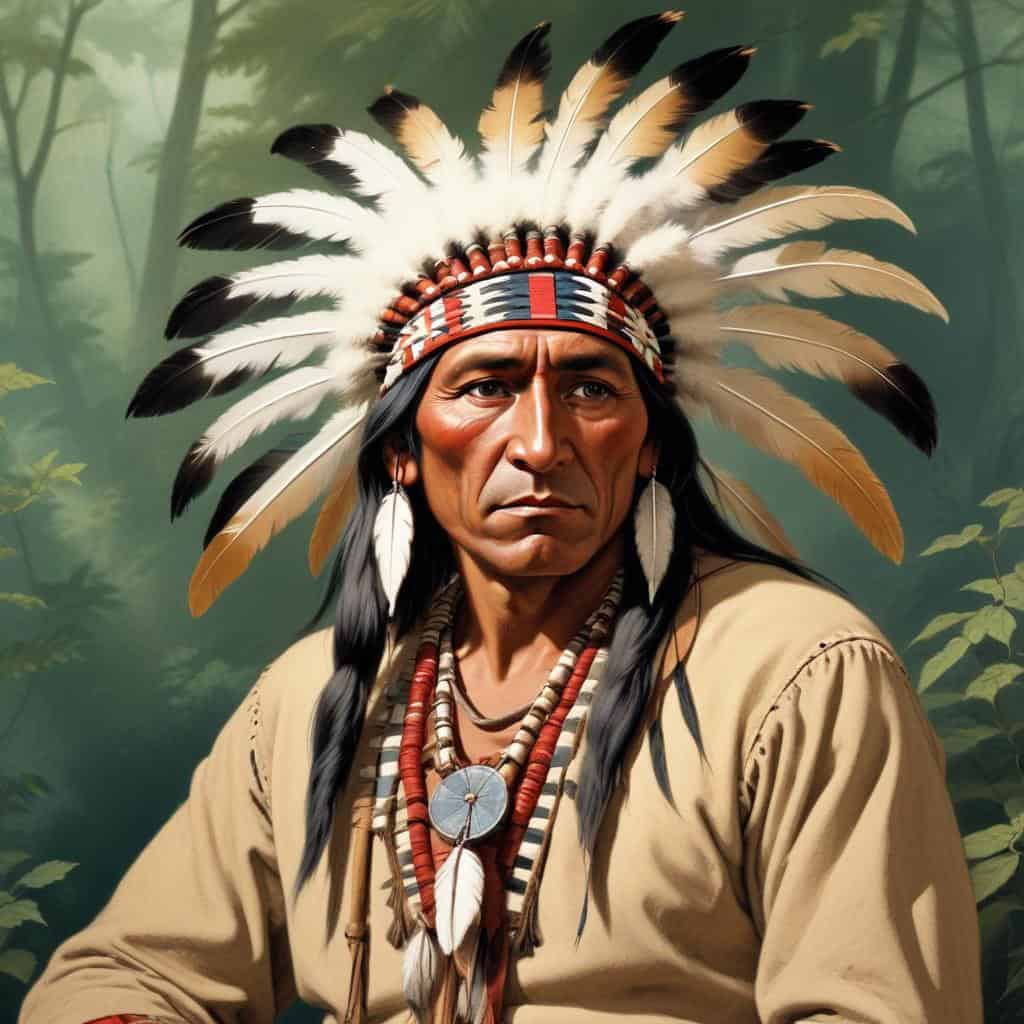
The Early Life of Tecumseh
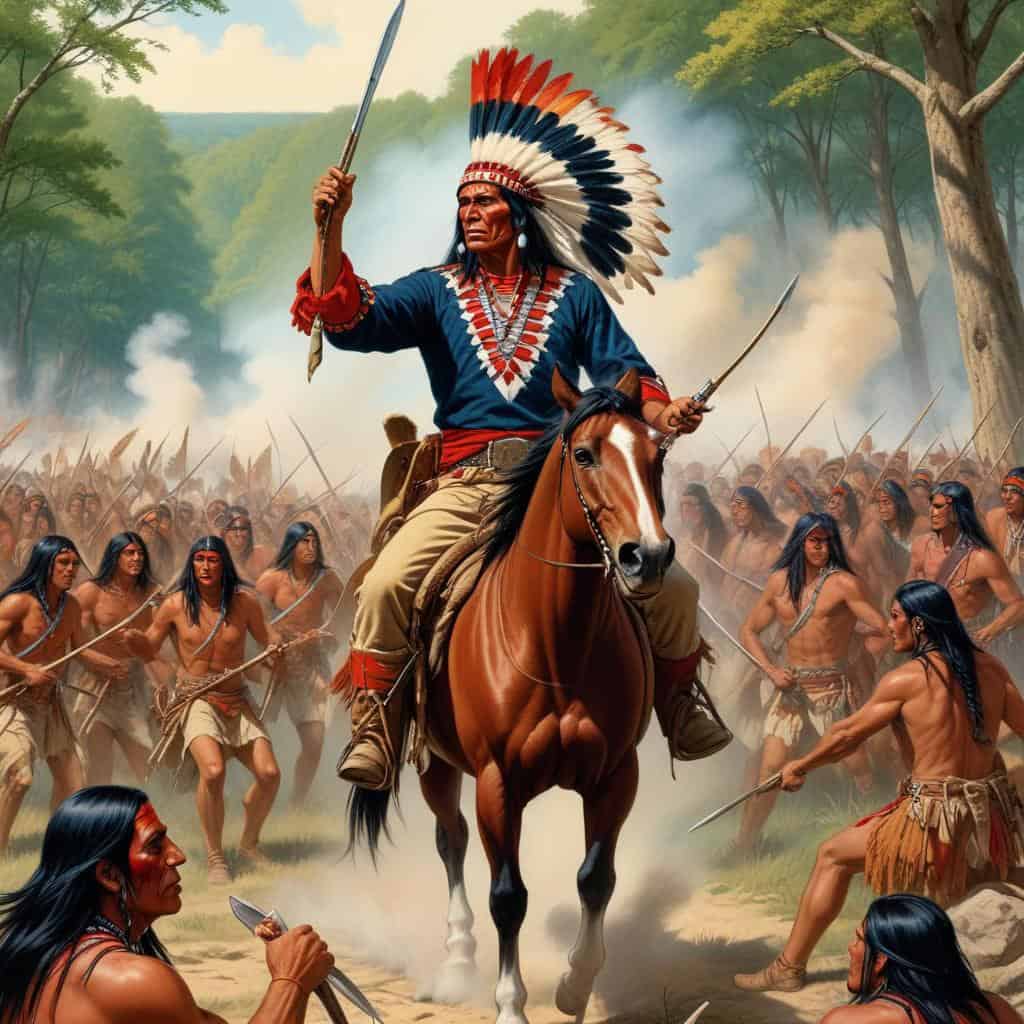
Leadership and Military Skills
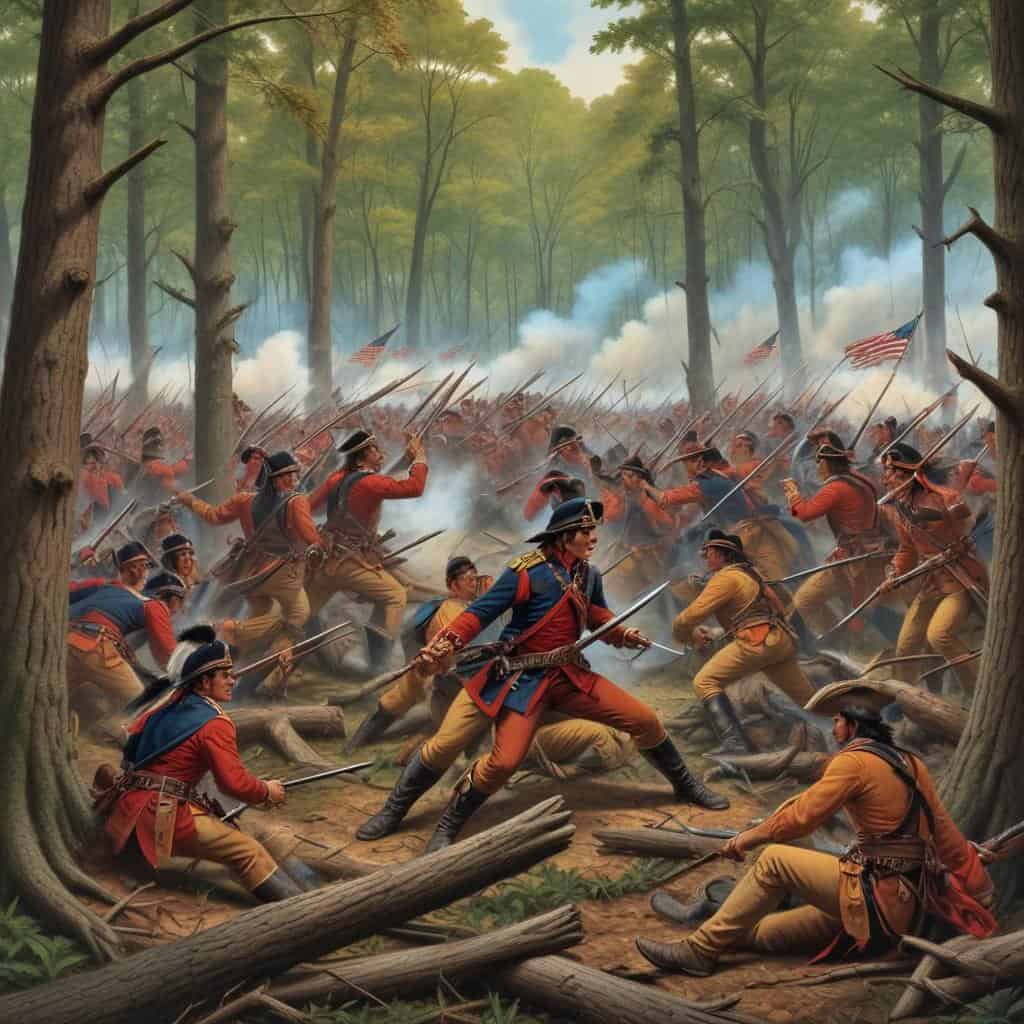
The Battle of Fallen Timbers
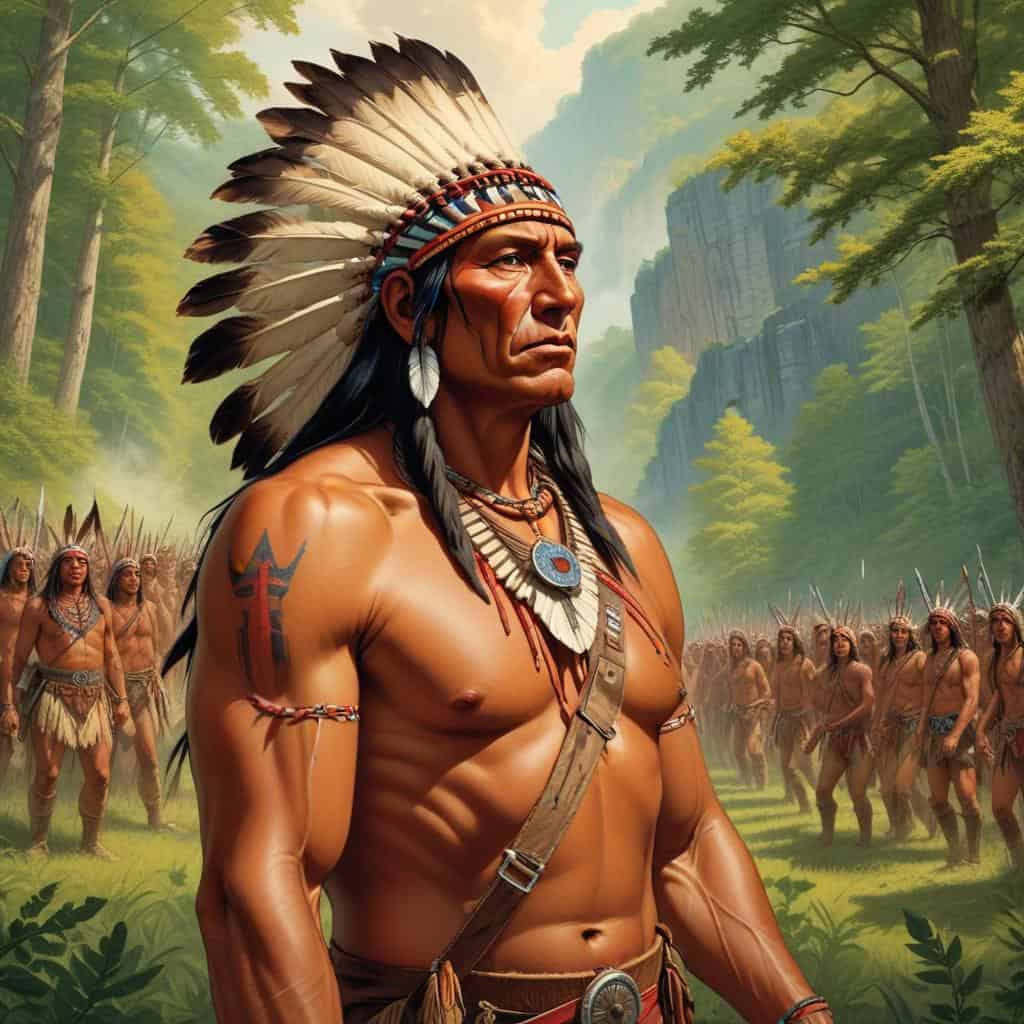
The Formation of a Native American Confederacy
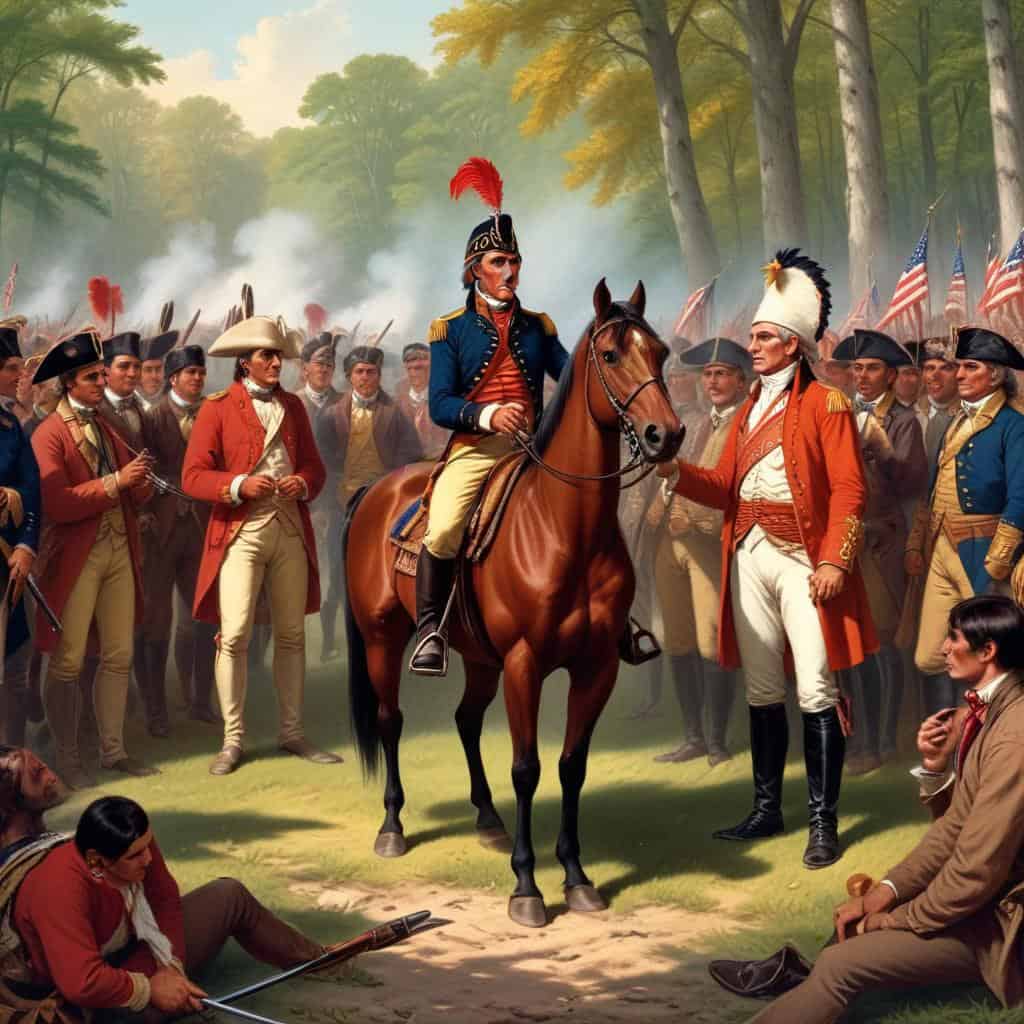
Meeting with William Henry Harrison
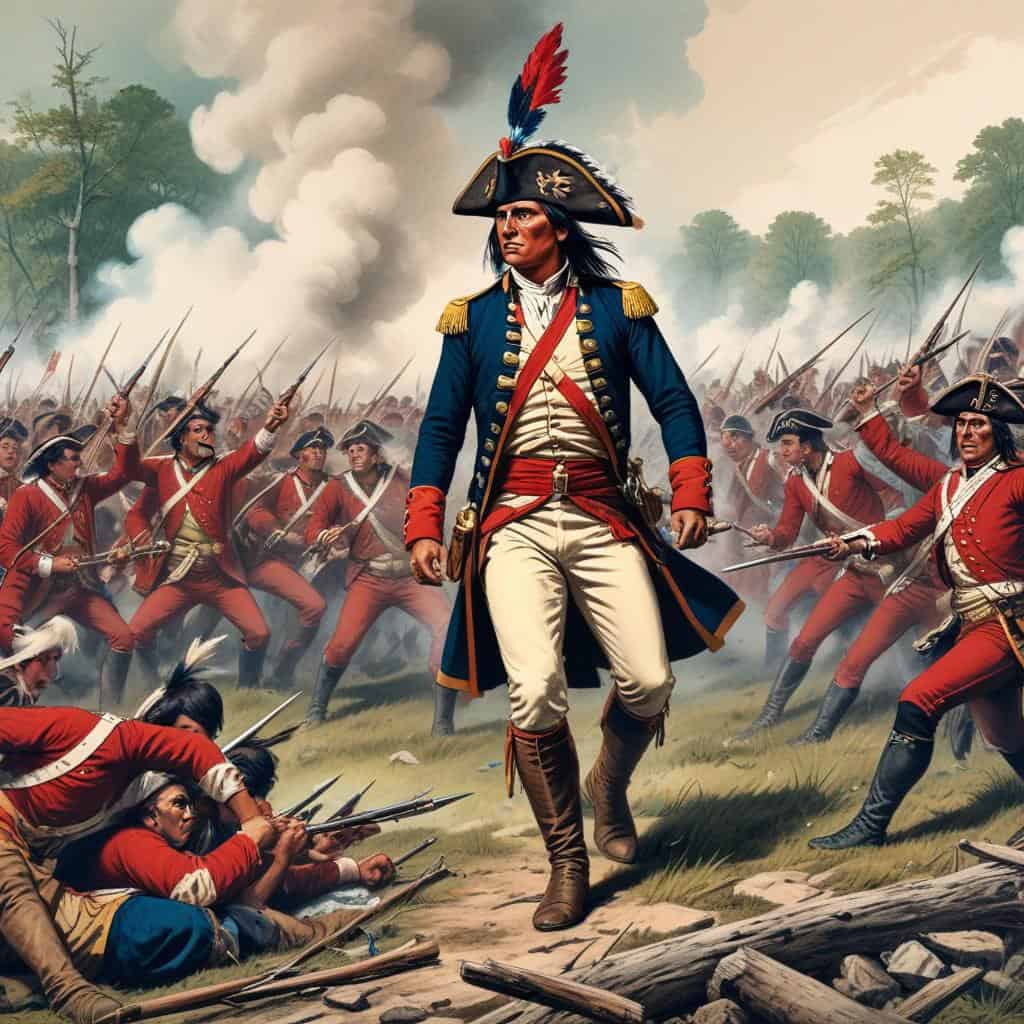
The War of 1812
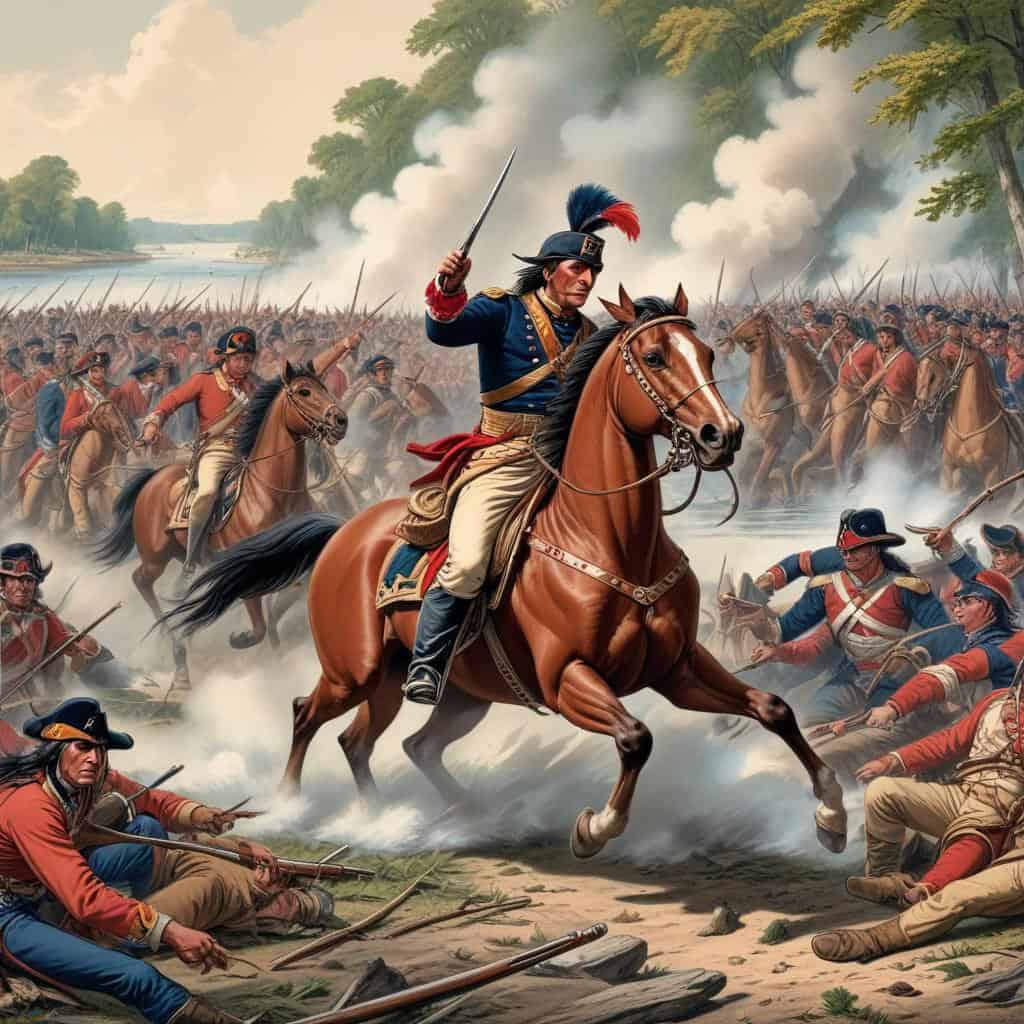
The Death of Tecumseh
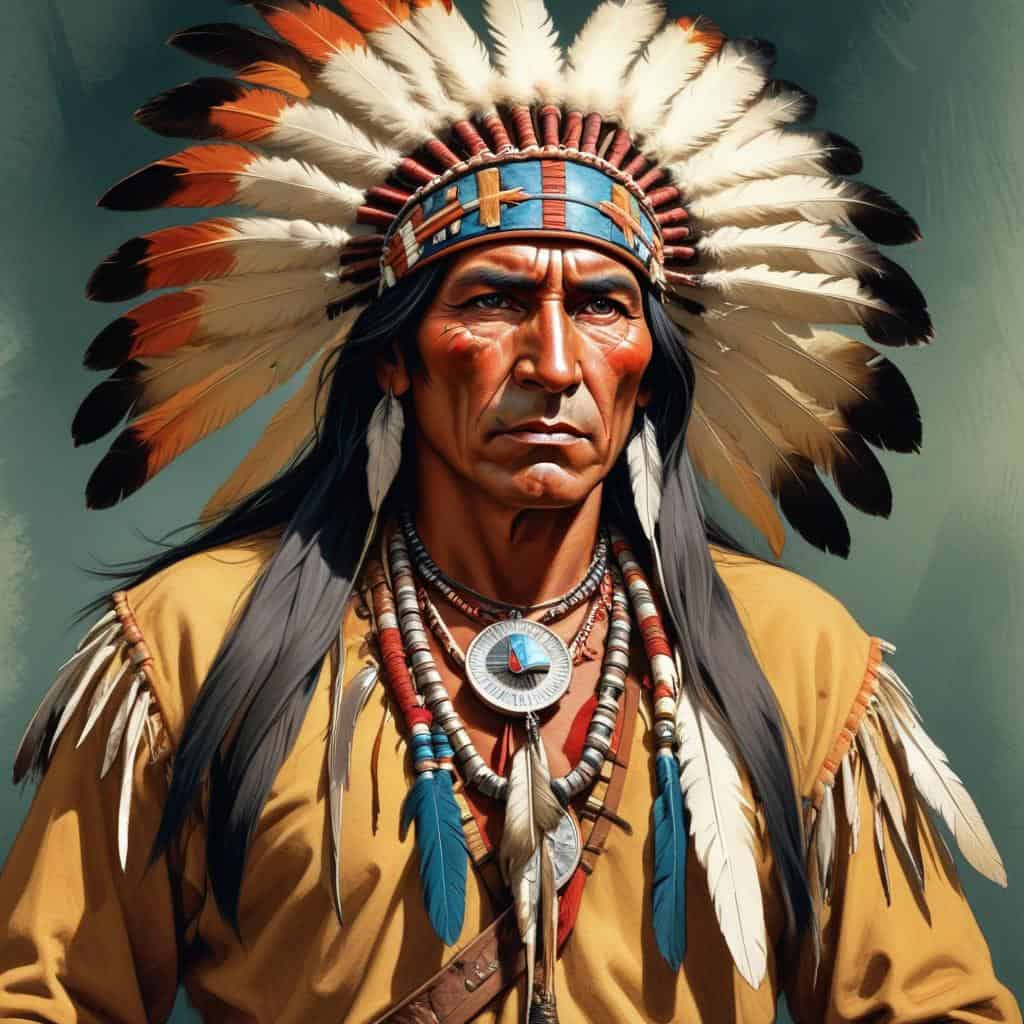
The Legacy of Tecumseh
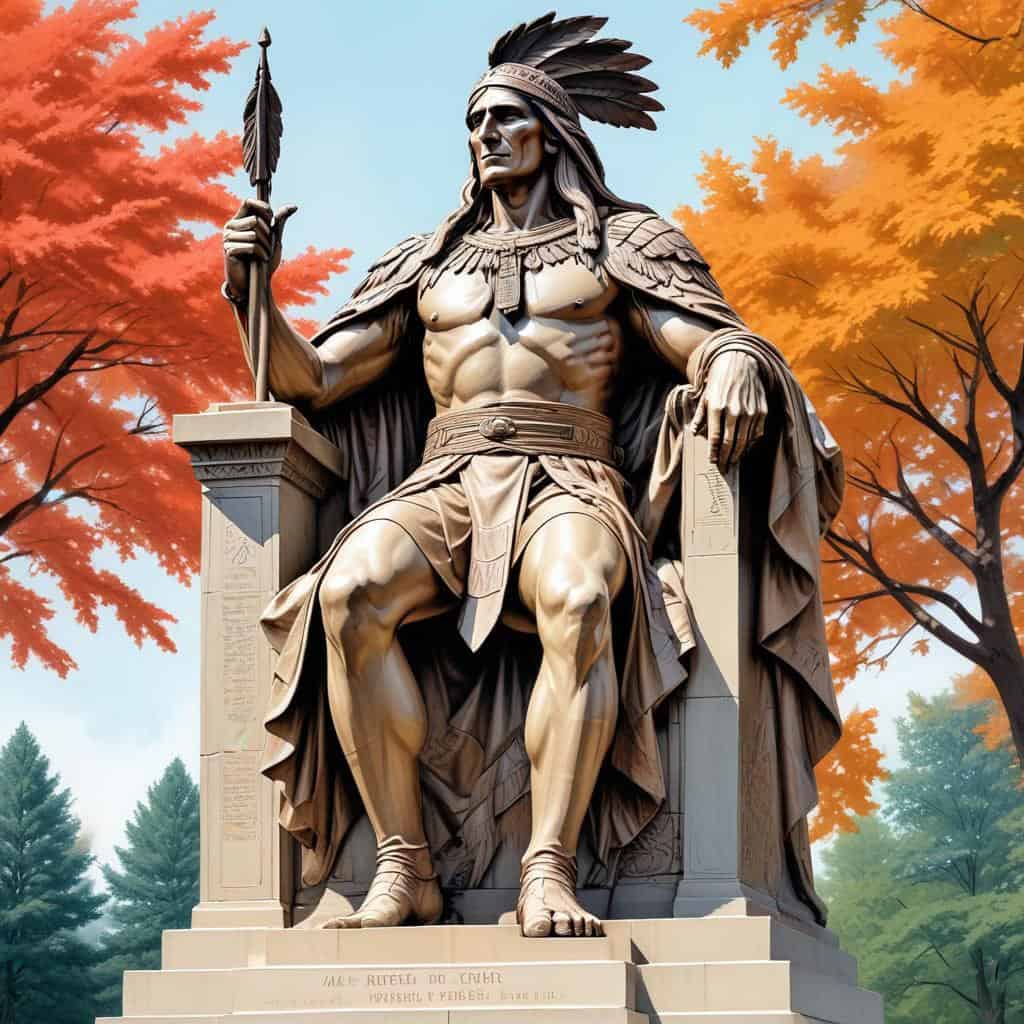
Memorials and Tributes
Lesson Details & Resources
In a Nutshell
Timeline of Tecumseh: A Warrior’s Biography
Tecumseh is born in 1768 in present-day Ohio
Tecumseh's father is killed in battle in 1774
Tecumseh becomes a prominent leader of the Shawnee tribe in the early 1800s
Tecumseh forms a confederation of Native American tribes to resist white settlement in 1805
Tecumseh meets with Governor William Henry Harrison in 1810 to discuss land treaties
Tecumseh travels to British Canada to seek support for his confederation in 1811
Tecumseh's confederation is defeated at the Battle of Tippecanoe in 1811
Tecumseh allies with the British during the War of 1812
Tecumseh leads Native American forces in several key battles during the War of 1812
Tecumseh's forces are defeated at the Battle of the Thames in 1813
Tecumseh is killed in battle at the Battle of the Thames in 1813
Tecumseh's death marks the end of organized Native American resistance in the Northwest Territory
Tecumseh's legacy inspires future Native American leaders and activists
Tecumseh's efforts to unite Native American tribes against white settlers are remembered as a significant moment in Native American history
Vocabulary List
- Shawnee
- Tecumseh was a Shawnee chief and leader.
- Confederation
- Tecumseh worked to create a confederation of Native American tribes.
- Resistance
- Tecumseh led resistance against American settlers and expansion.
- Warrior
- Tecumseh was known as a fierce warrior in battle.
- Diplomat
- Tecumseh also worked as a diplomat, negotiating with other tribes and British forces.
- Prophet
- Tecumseh's brother, Tenskwatawa, was known as 'The Prophet' and worked alongside Tecumseh.
- Ohio
- Tecumseh's Shawnee tribe was originally from the Ohio region.
Key Facts
This is the information used in the fact matching game
- Tecumseh was a Shawnee leader who became a prominent figure in the early 19th century Native American resistance against European colonization.
- Tecumseh was born in 1768 in present-day Ohio.
- Tecumseh's name translates to 'Shooting Star' or 'Panther Crossing the Sky' in the Shawnee language.
- Tecumseh's brother, Tenskwatawa, also known as the Prophet, played a significant role in the Native American resistance movement.
- Tecumseh formed a confederation of Native American tribes to resist encroachment on their lands by white settlers.
- Tecumseh's confederation was known as Tecumseh's Confederacy.
- Tecumseh fought alongside the British during the War of 1812.
- Tecumseh was killed in the Battle of the Thames in 1813.
- Tecumseh's death dealt a significant blow to the Native American resistance movement.
- Tecumseh was known for his oratory skills and ability to unite disparate tribes.
- Tecumseh's vision was to create a Native American confederacy that could resist further encroachment on their lands.
- Tecumseh's Confederacy included Shawnee, Delaware, Potawatomi, Kickapoo, Miami, Ottawa, and Wyandot tribes.
- Tecumseh's Confederacy was based in Prophetstown, a village near present-day Lafayette, Indiana.
- Tecumseh was known for his bravery in battle and his ability to inspire his followers.
- Tecumseh's efforts to create a united Native American front against white settlers ultimately failed.
- Tecumseh's legacy continues to be celebrated by Native American tribes and historians.
- Tecumseh's life has been the subject of numerous books, films, and works of art.
- Tecumseh is considered one of the most important Native American leaders in history.
- Tecumseh's resistance efforts paved the way for future Native American activists and leaders.
- Tecumseh's legacy serves as a reminder of the ongoing struggles faced by indigenous peoples in North America.
Analysis & Significance
Major Accomplishments
Tecumseh was a Shawnee leader who united various Native American tribes to resist white settlement in the Northwest Territory. He played a key role in the War of 1812, leading his forces in battles against the United States. Tecumseh’s military tactics and leadership skills were instrumental in the indigenous resistance against American expansion.
Impact on the World
Tecumseh’s efforts to unite Native American tribes and defend their land had a lasting impact on the history of indigenous peoples in North America. His resistance to American encroachment inspired future generations of Native American leaders and served as a symbol of resistance against colonization and oppression.
Enduring Legacy
Tecumseh is remembered as a legendary figure in Native American history, revered for his bravery, leadership, and dedication to preserving indigenous lands and cultures. His legacy continues to inspire movements for indigenous rights and sovereignty, making him a significant historical figure whose impact is still felt today.
Tecumseh: A Warrior’s Biography Games


Take Your Learning Offline
Want a convenient, print-ready study guide for this lesson? Become a Memory Wizards Pro member to unlock the downloadable " Memory Scrolls" for this topic and our entire library!
- ✓ Complete Vocabulary Lists
- ✓ Key Facts & Timelines
- ✓ Beautifully Formatted for Print & Mobile