
Sitting Bull: A Legendary Leader’s Biography
The legendary Lakota Sioux chief who fought fearlessly for his people's freedom.
How Do You Learn Best?
Learn by Reading
Immerse yourself in the 10-minute visual lesson for a comprehensive understanding of the topic.
Learn by Reviewing
Jump directly to the key facts, timeline, and vocabulary lists to build a solid foundation of details.
Learn by Doing
Challenge yourself! Jump straight into the interactive games to learn by trial, error, and discovery.
Sitting Bull: A Legendary Leader’s Biography in 10 Minutes
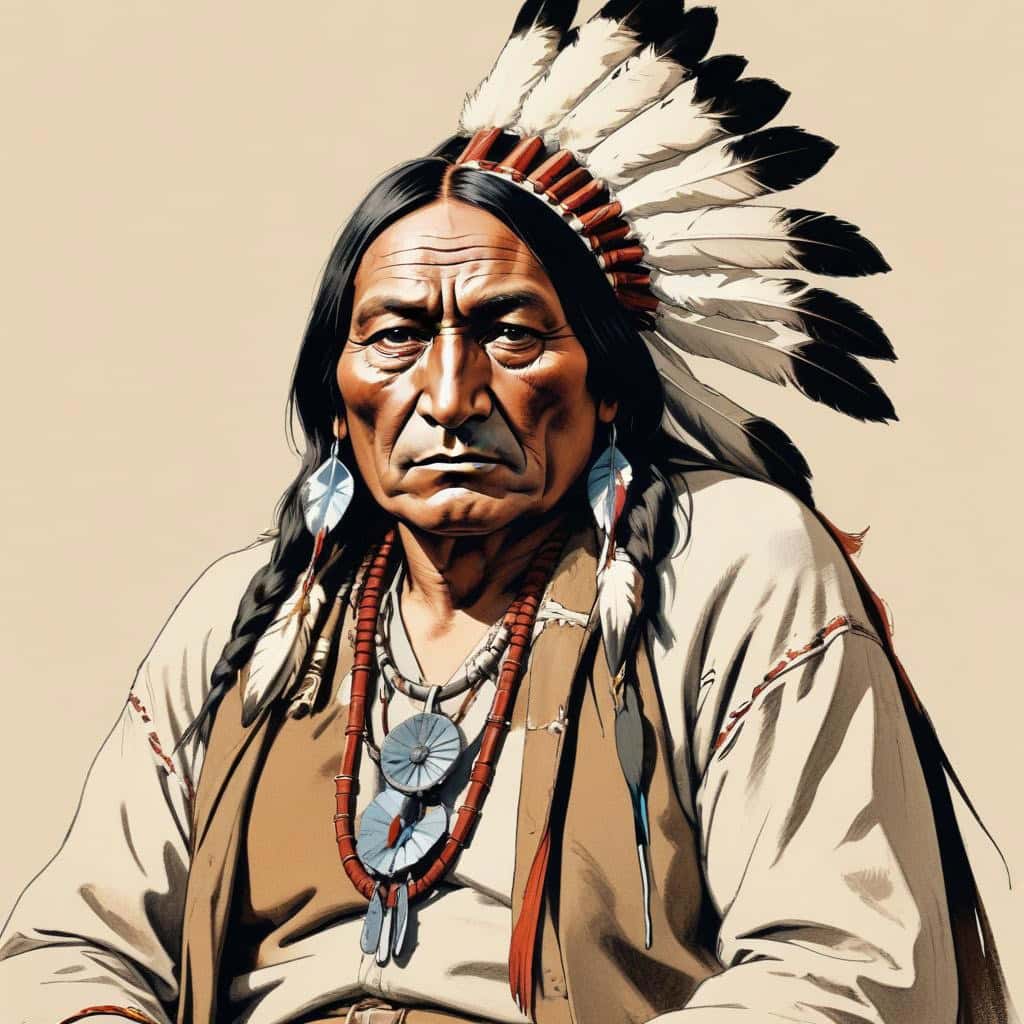
Introduction
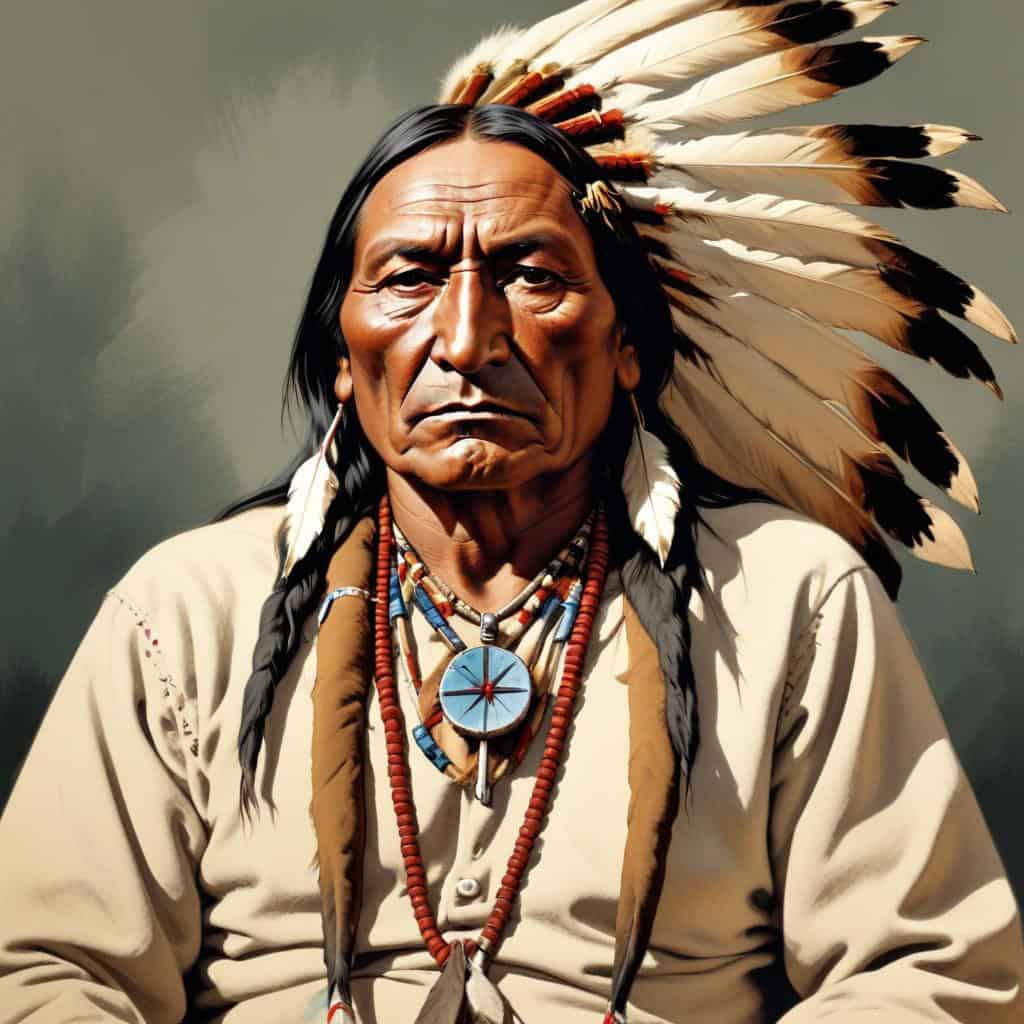
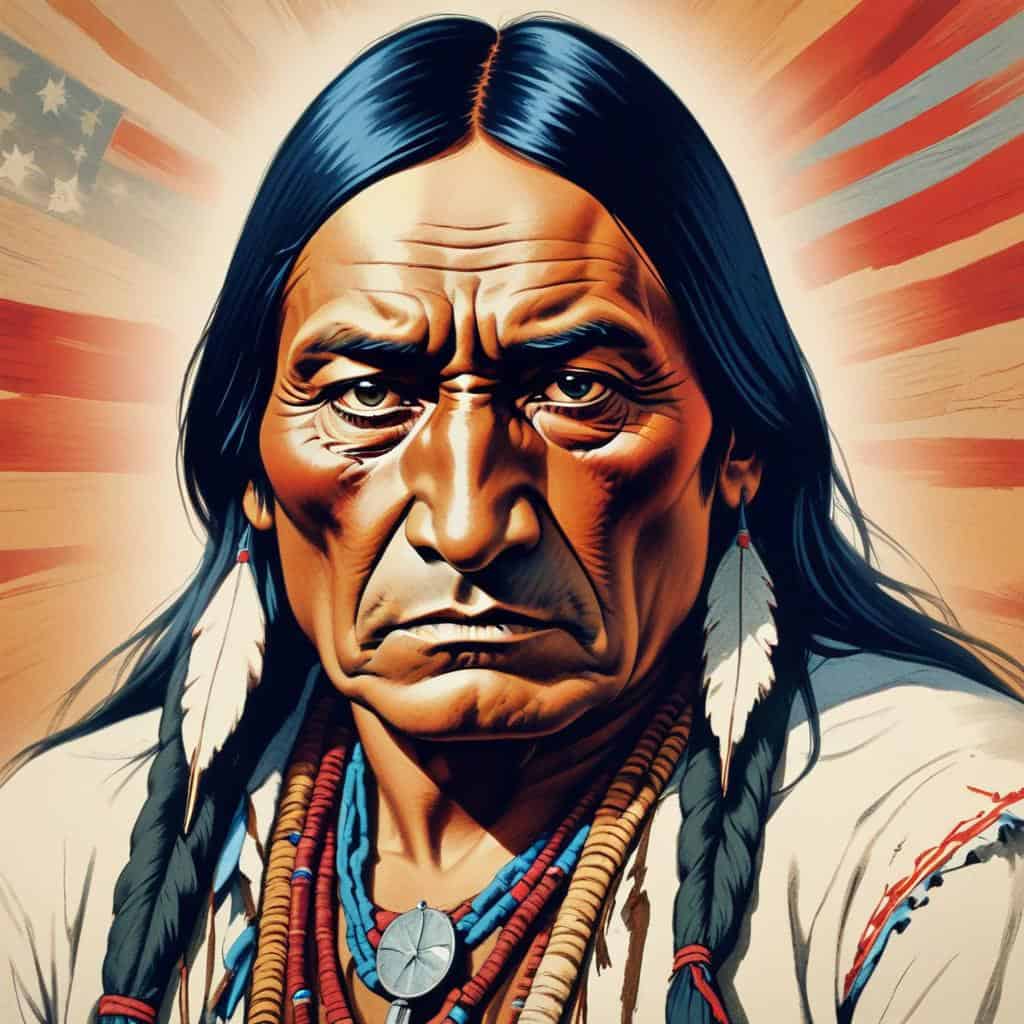
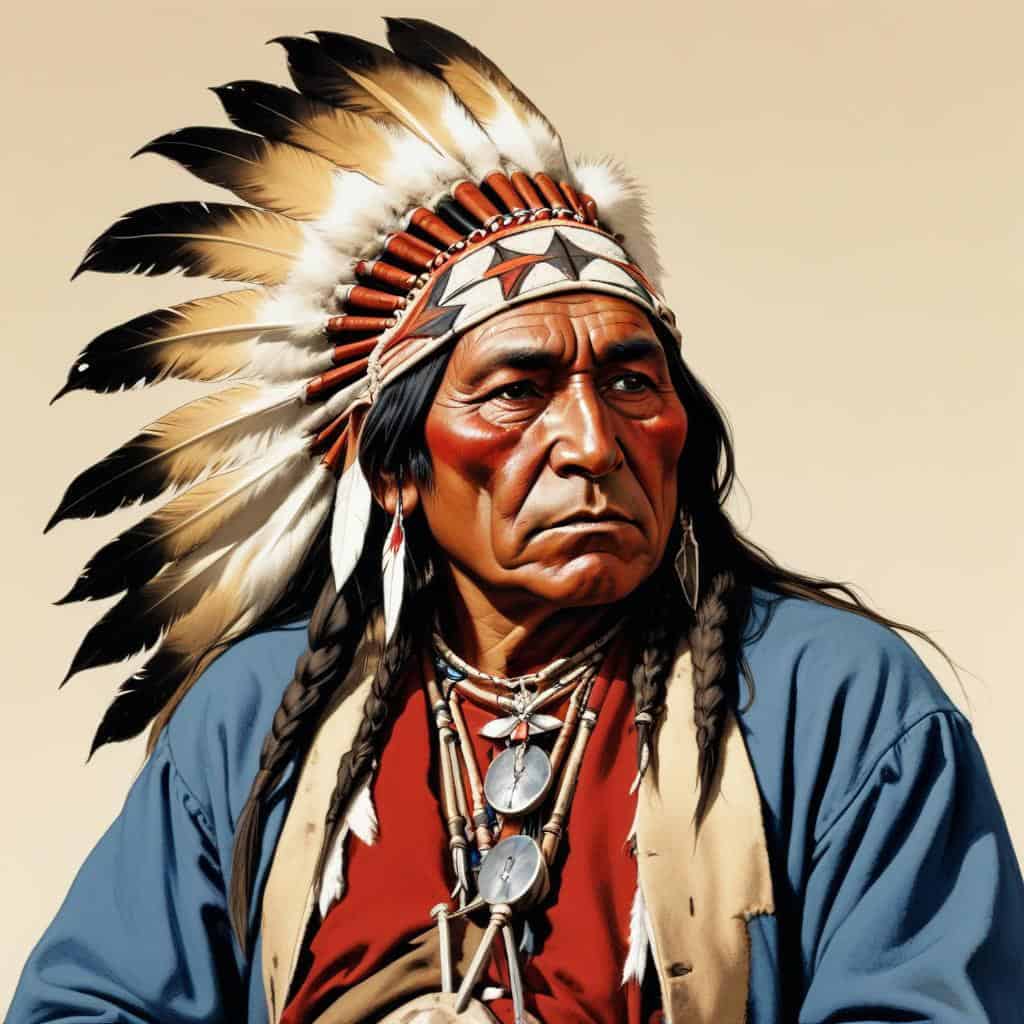
Chief Gall
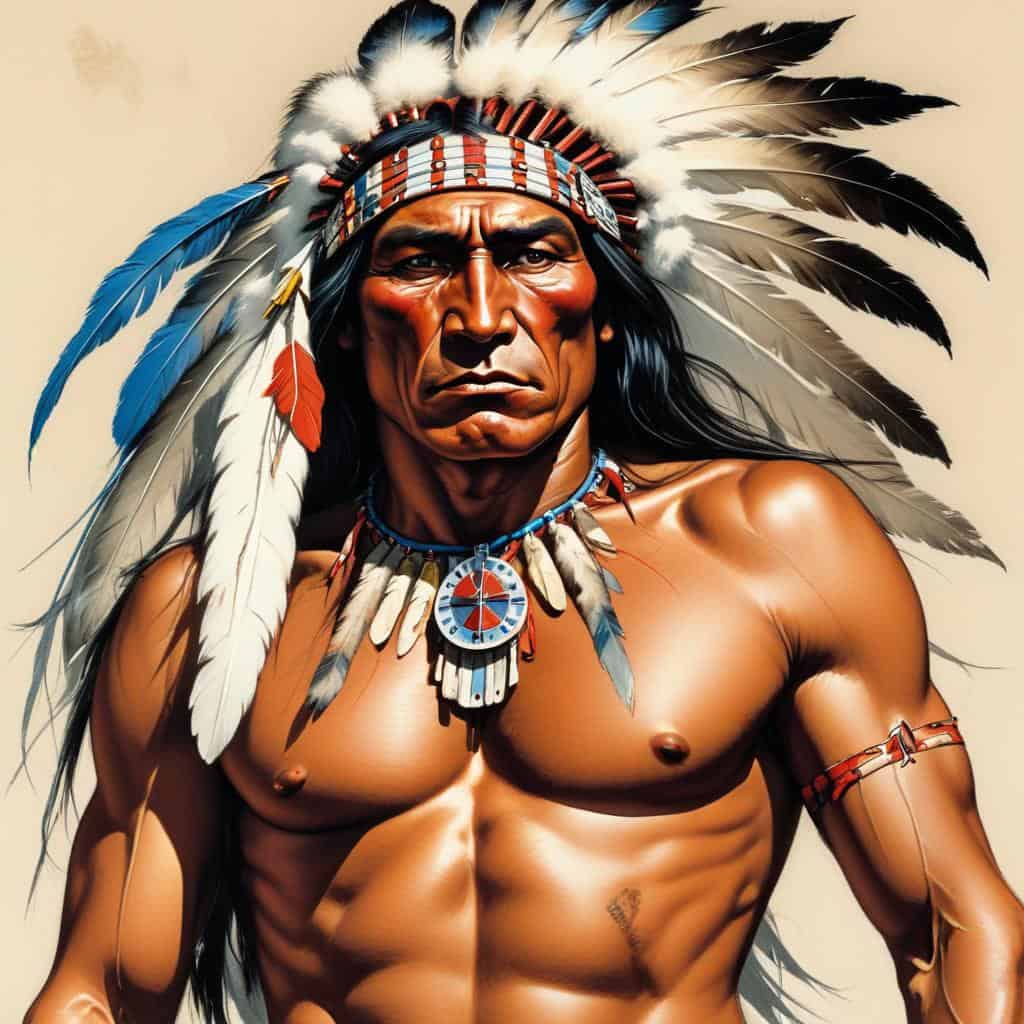
Crazy Horse
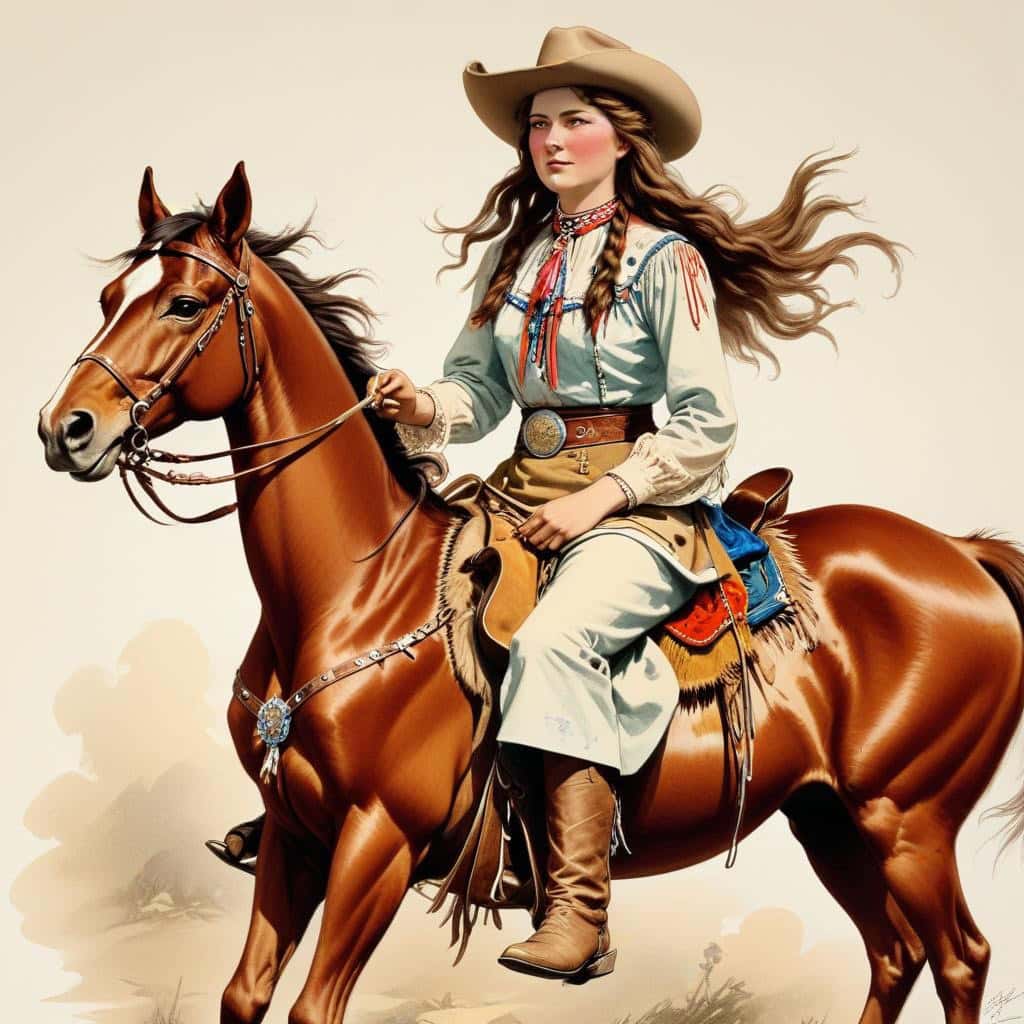
Annie Oakley
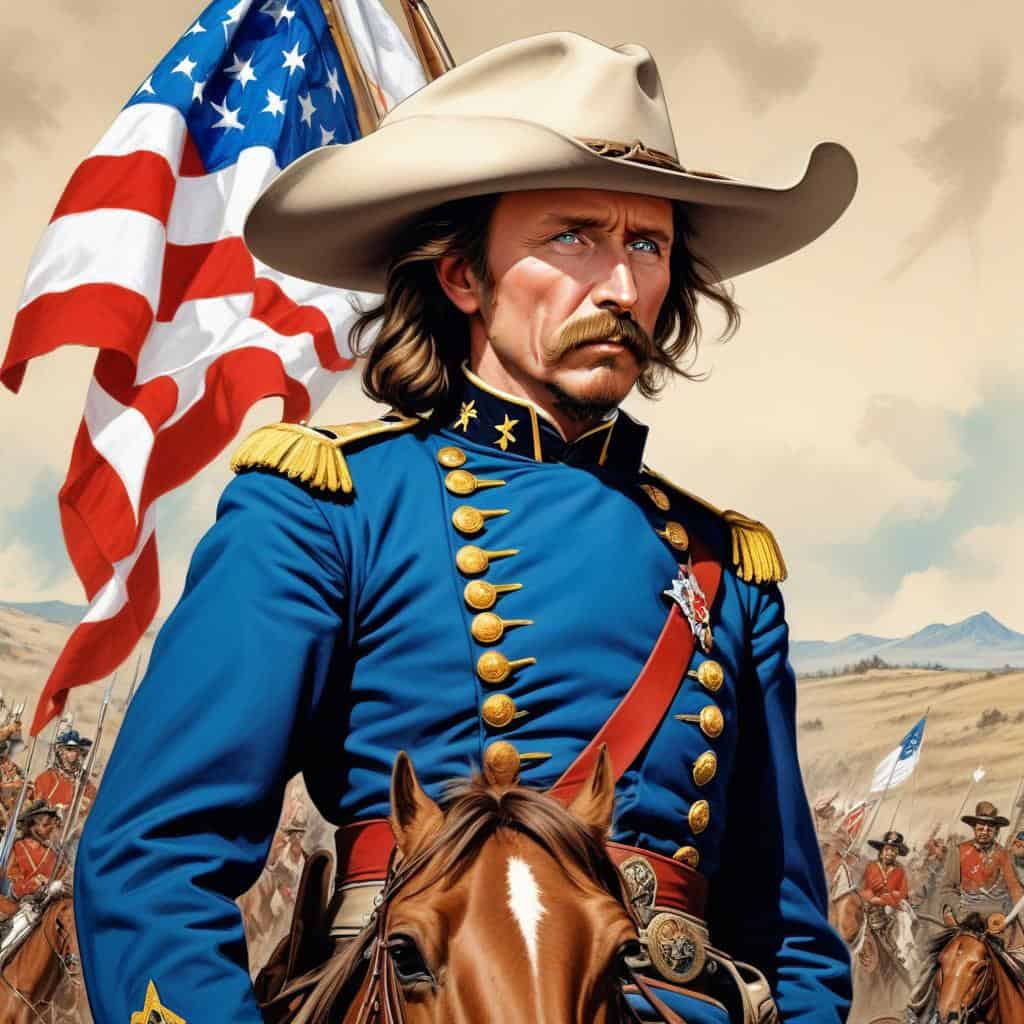
General George Custer
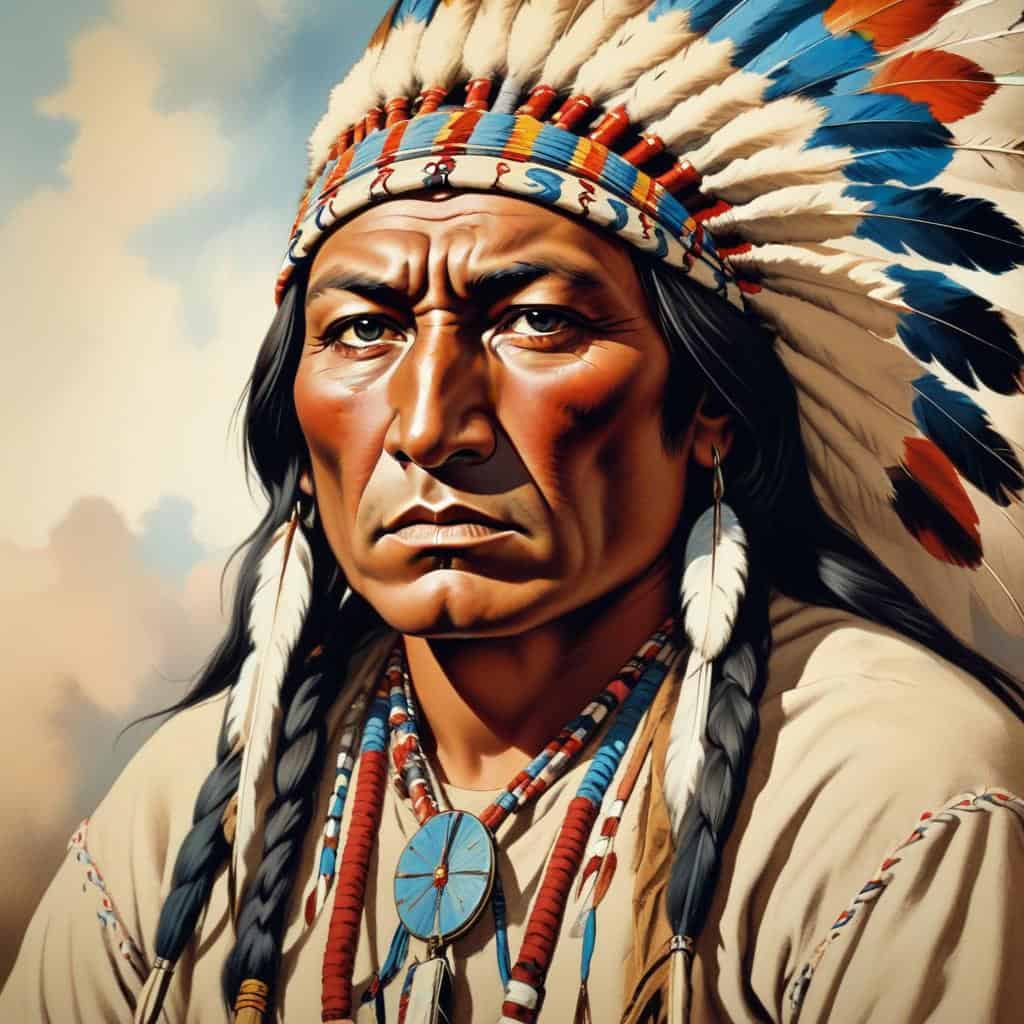
The Early Life of Sitting Bull
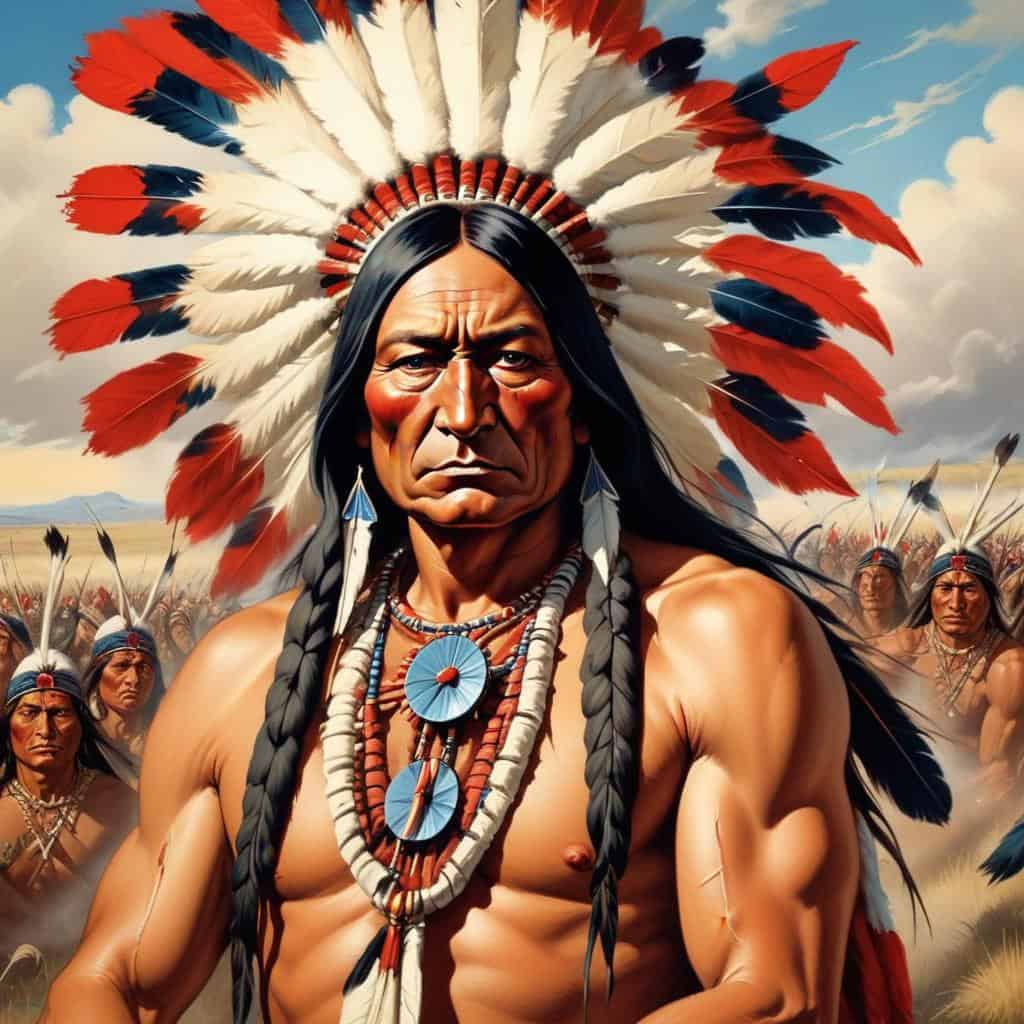
Sitting Bulls Rise to Power
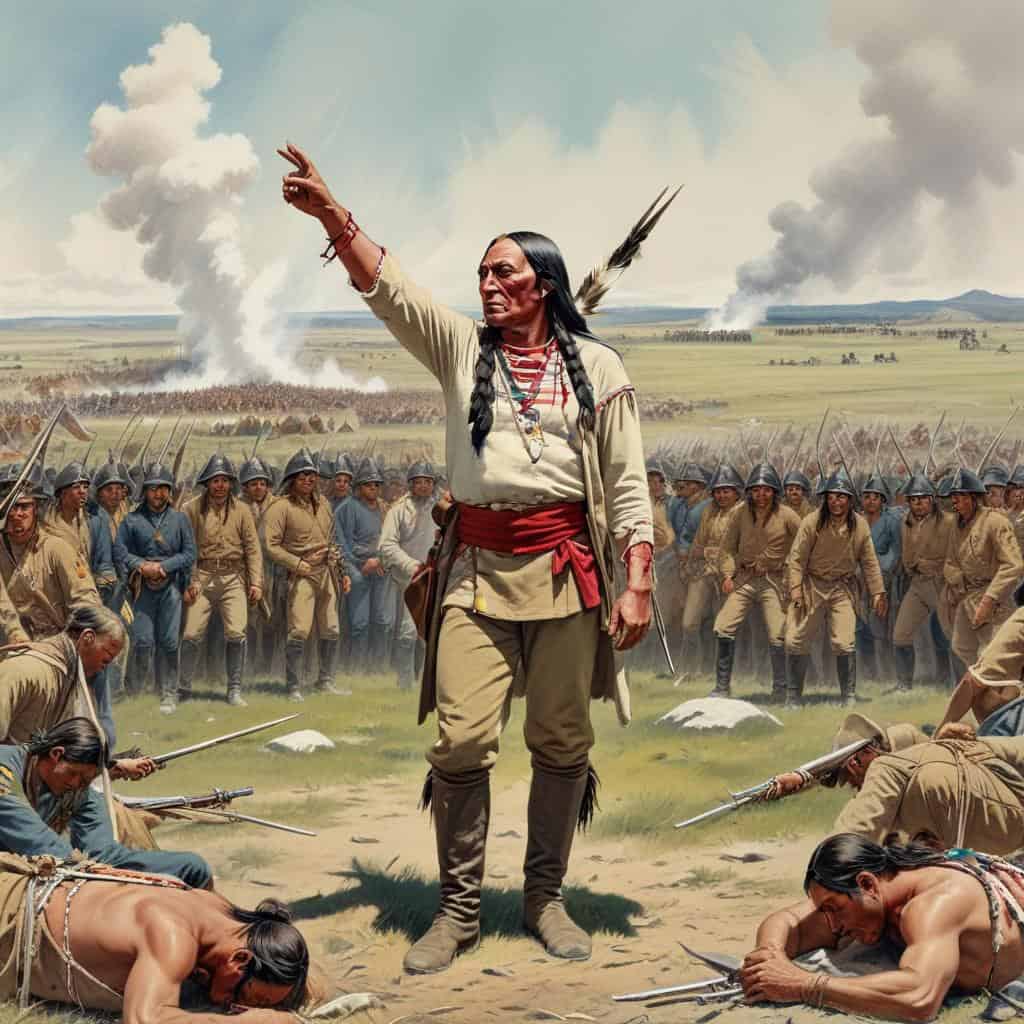
Sitting Bulls Surrender
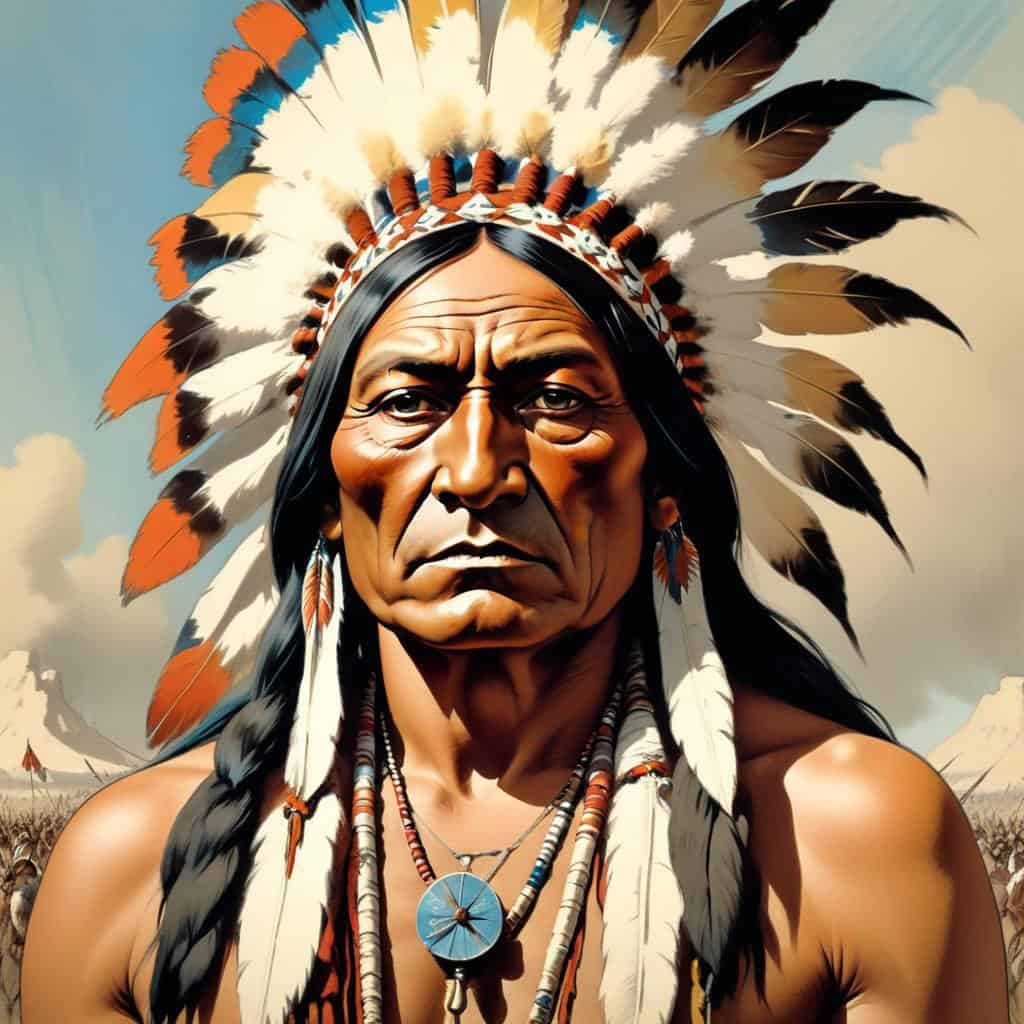
Sitting Bulls Time on the Reservation
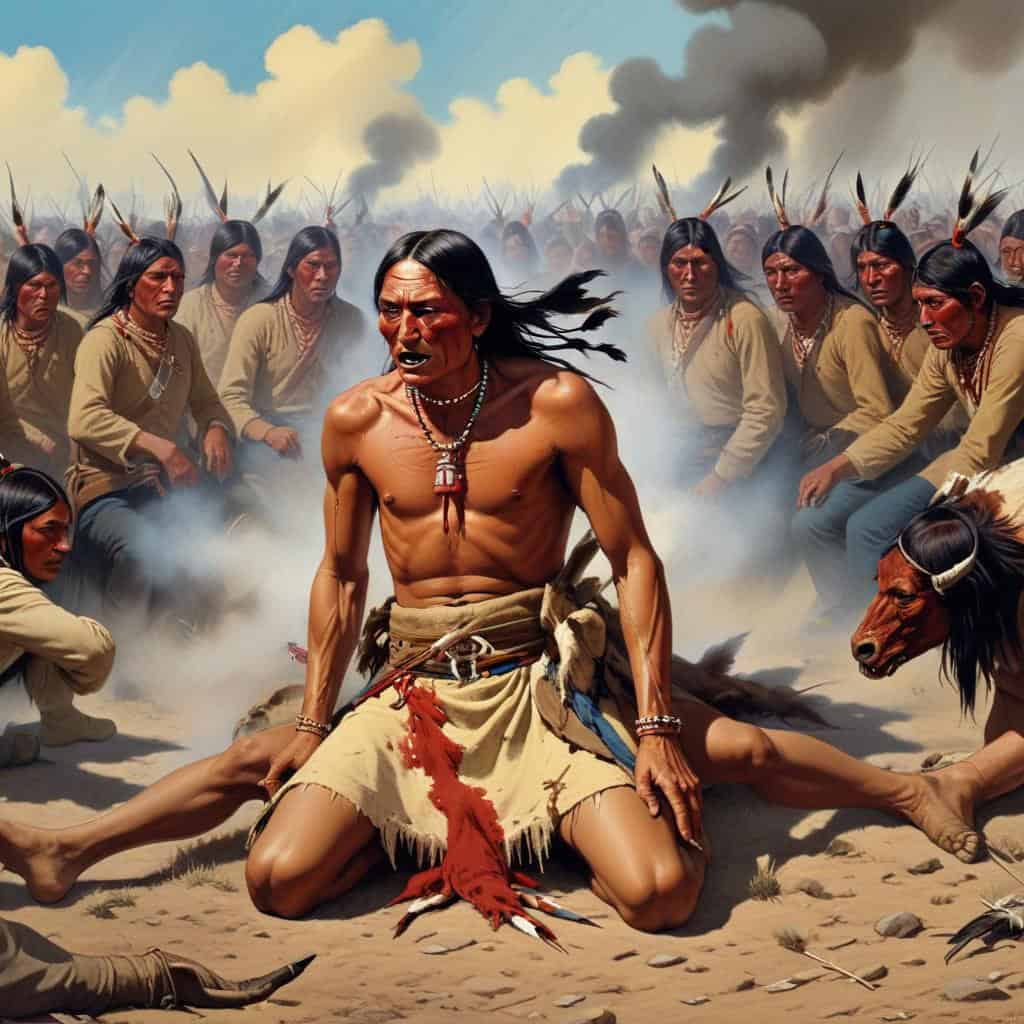
The Death of Sitting Bull
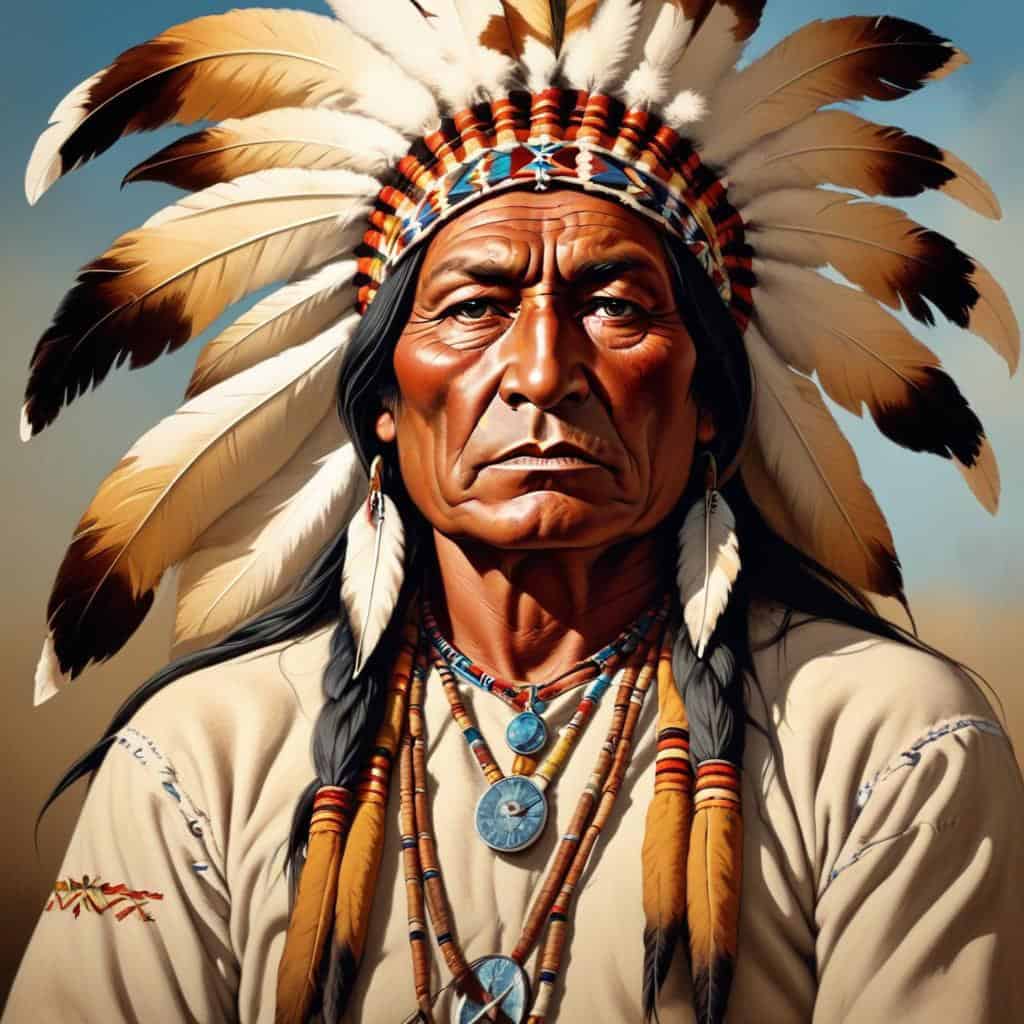
Sitting Bulls Legacy
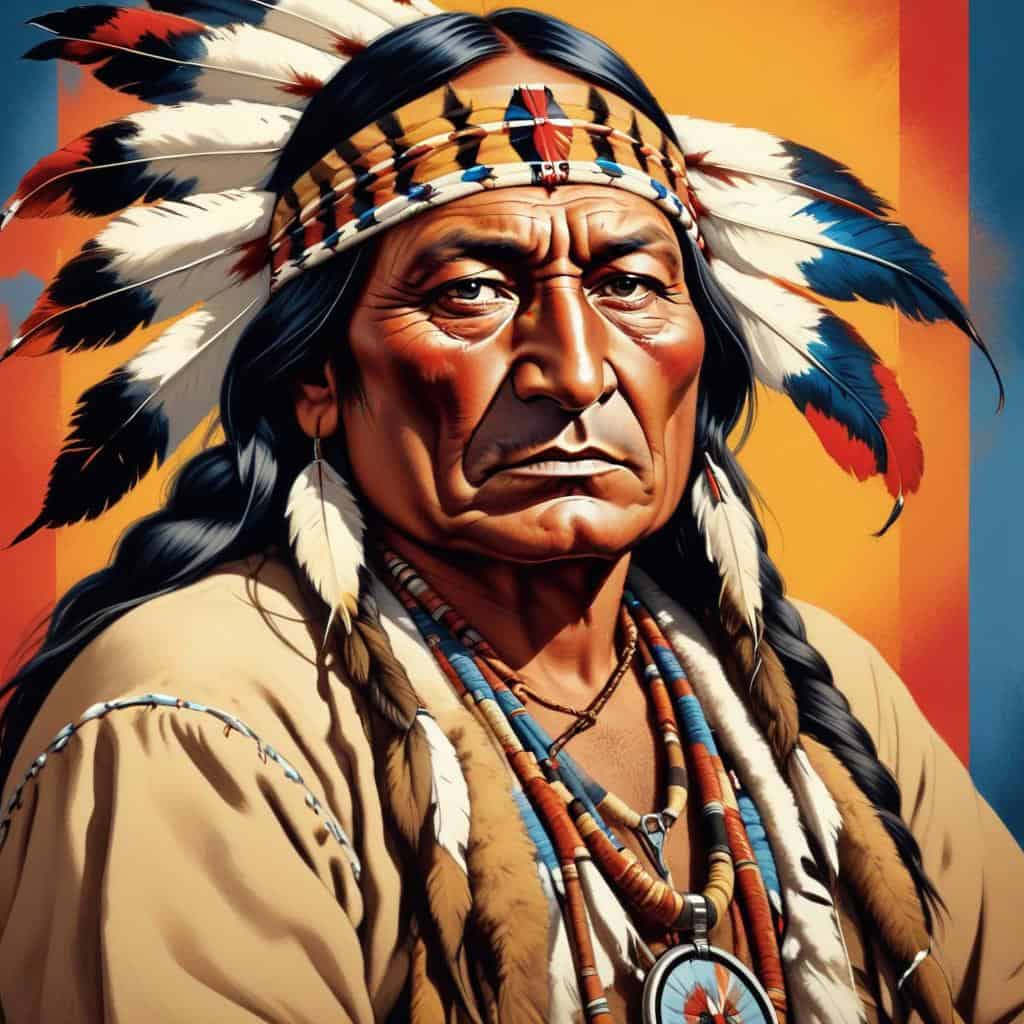
Unraveling the Legend of Sitting Bull
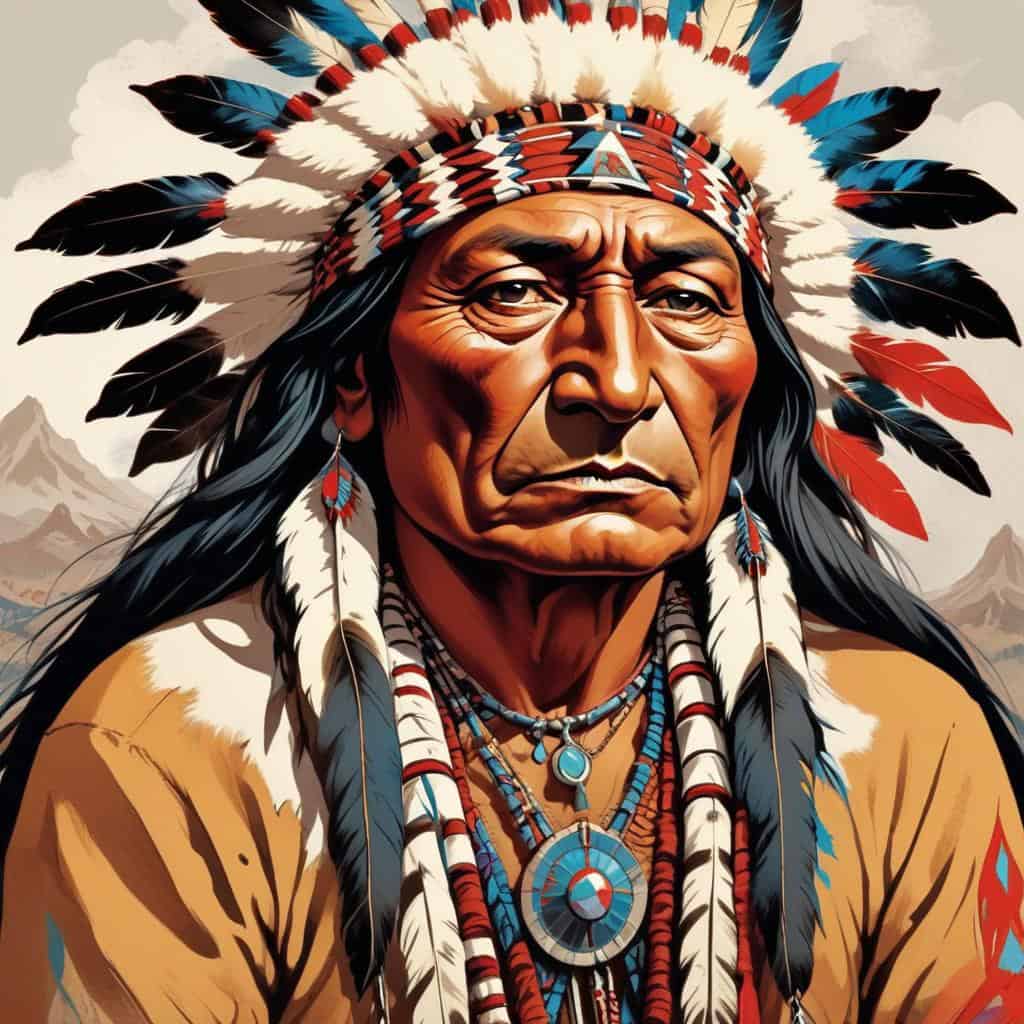
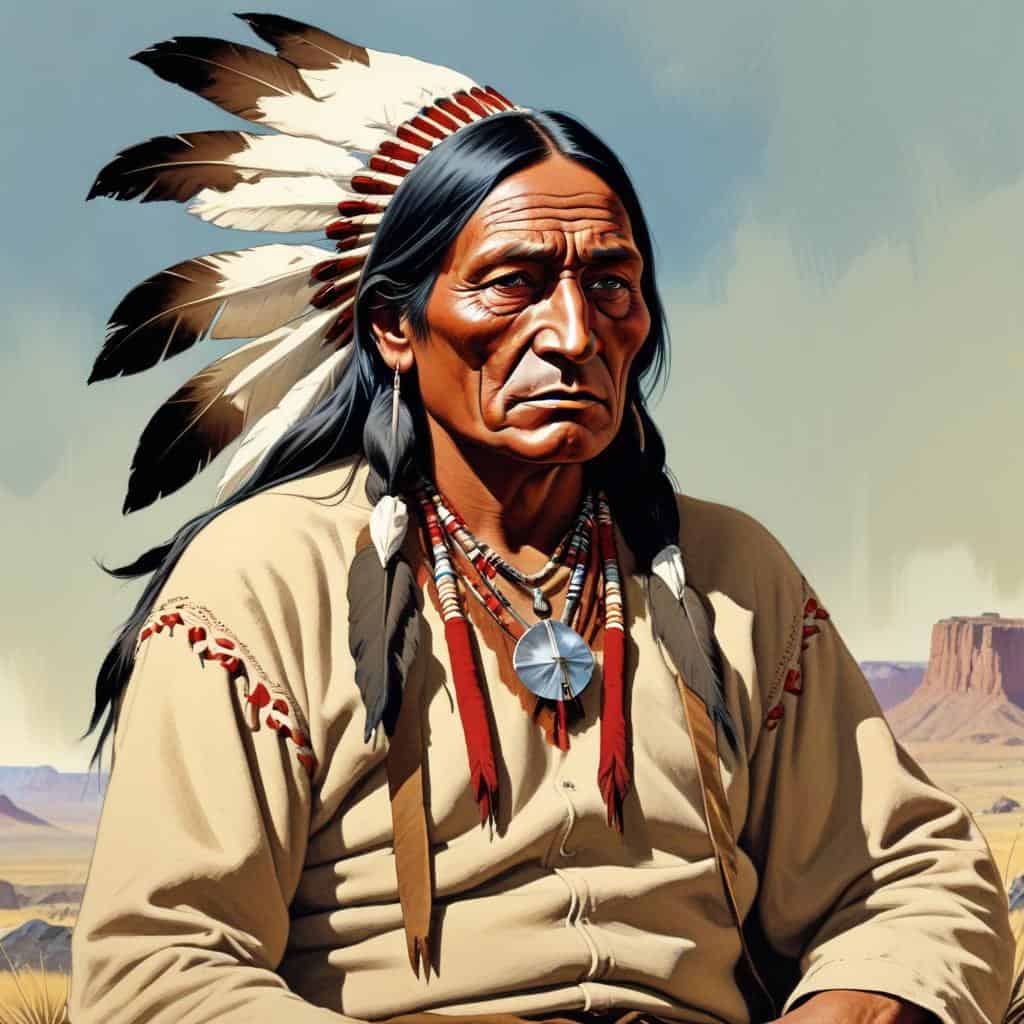
Lesson Details & Resources
In a Nutshell
Timeline of Sitting Bull: A Legendary Leader’s Biography
Sitting Bull is born in Grand River, present-day South Dakota
Sitting Bull becomes a leader of the Hunkpapa Lakota tribe
Sitting Bull fights in the Battle of the Little Bighorn, also known as Custer's Last Stand
Sitting Bull flees to Canada with his followers to avoid surrendering to US authorities
Sitting Bull surrenders to US forces at Fort Buford, North Dakota
Sitting Bull travels with Buffalo Bill's Wild West Show as a performer
Sitting Bull returns to the Standing Rock Indian Reservation
Sitting Bull is shot and killed by Indian agency police during an attempt to arrest him
Sitting Bull is buried at Fort Yates, North Dakota
Sitting Bull's remains are moved to Mobridge, South Dakota
A memorial for Sitting Bull is erected at his burial site in Mobridge
Sitting Bull is inducted into the North Dakota Hall of Fame
Sitting Bull's legacy continues to inspire Native American rights activists and leaders
Vocabulary List
- Lakota
- Sitting Bull was a prominent leader of the Lakota Sioux tribe.
- Hunkpapa
- Sitting Bull was a member of the Hunkpapa band of the Lakota tribe.
- Reservation
- Sitting Bull resisted efforts to force his people onto reservations.
- Warrior
- Sitting Bull was known for his skills as a warrior and military strategist.
- Wounded Knee
- Sitting Bull was killed during the uprising at Wounded Knee in 1890.
- Spiritual leader
- Sitting Bull was also a respected spiritual leader among his people.
Key Facts
This is the information used in the fact matching game
- Sitting Bull was a Hunkpapa Lakota holy man and leader.
- He was born around 1831 in what is now South Dakota.
- Sitting Bull played a key role in the resistance against the U.S. government's encroachment on Native American lands.
- He led his people in the Battle of the Little Bighorn in 1876, where they defeated General Custer and his troops.
- Sitting Bull surrendered to U.S. authorities in 1881 and lived on a reservation for several years.
- He toured with Buffalo Bill's Wild West show for a time, but eventually returned to his people.
- Sitting Bull was killed in 1890 during a confrontation with Indian agency police.
- His death sparked the Wounded Knee Massacre, where hundreds of Native Americans were killed.
- Sitting Bull was known for his courage, wisdom, and commitment to his people.
- He was considered a great leader among the Lakota Sioux.
- Sitting Bull was a skilled hunter and warrior.
- He was a respected medicine man and spiritual leader.
- Sitting Bull's vision of soldiers falling into his camp inspired his people to victory at the Battle of the Little Bighorn.
- He was a vocal critic of the U.S. government's treatment of Native Americans.
- Sitting Bull's legacy lives on as a symbol of Native American resistance and resilience.
- He is remembered for his commitment to preserving Lakota culture and traditions.
- Sitting Bull's name in Lakota translates to 'Tatanka Iyotake', which means 'Buffalo Bull Who Sits Down'.
- He was posthumously inducted into the Hall of Great Westerners in 1959.
- Sitting Bull's life has been the subject of numerous books, films, and other media.
- His legacy continues to inspire Native American activists and leaders today.
Analysis & Significance
Major Accomplishments
Sitting Bull, a prominent leader of the Hunkpapa Lakota Sioux, is best known for his role in the Battle of Little Bighorn, where he led his people to victory against General Custer and his forces. He was a fierce defender of Native American rights and culture, refusing to sign treaties that would force his people onto reservations.
Impact on the World
Sitting Bull’s defiance against the US government inspired other Native American tribes to resist assimilation and fight for their land and way of life. His leadership and bravery in battle made him a symbol of resistance and resilience for indigenous peoples around the world. His legacy continues to influence movements for indigenous rights and sovereignty.
Enduring Legacy
Today, Sitting Bull is remembered as a hero and icon of Native American resistance. His refusal to surrender his people’s land and culture in the face of overwhelming odds has made him a symbol of strength and perseverance. His legacy serves as a reminder of the ongoing struggle for justice and equality for indigenous peoples everywhere.
Sitting Bull: A Legendary Leader’s Biography Games


Take Your Learning Offline
Want a convenient, print-ready study guide for this lesson? Become a Memory Wizards Pro member to unlock the downloadable " Memory Scrolls" for this topic and our entire library!
- ✓ Complete Vocabulary Lists
- ✓ Key Facts & Timelines
- ✓ Beautifully Formatted for Print & Mobile