
Sacagawea: A Journey of Courage and Discovery
The courageous Native American woman who guided Lewis and Clark on their expedition.
How Do You Learn Best?
Learn by Reading
Immerse yourself in the 10-minute visual lesson for a comprehensive understanding of the topic.
Learn by Reviewing
Jump directly to the key facts, timeline, and vocabulary lists to build a solid foundation of details.
Learn by Doing
Challenge yourself! Jump straight into the interactive games to learn by trial, error, and discovery.
Sacagawea: A Journey of Courage and Discovery in 10 Minutes
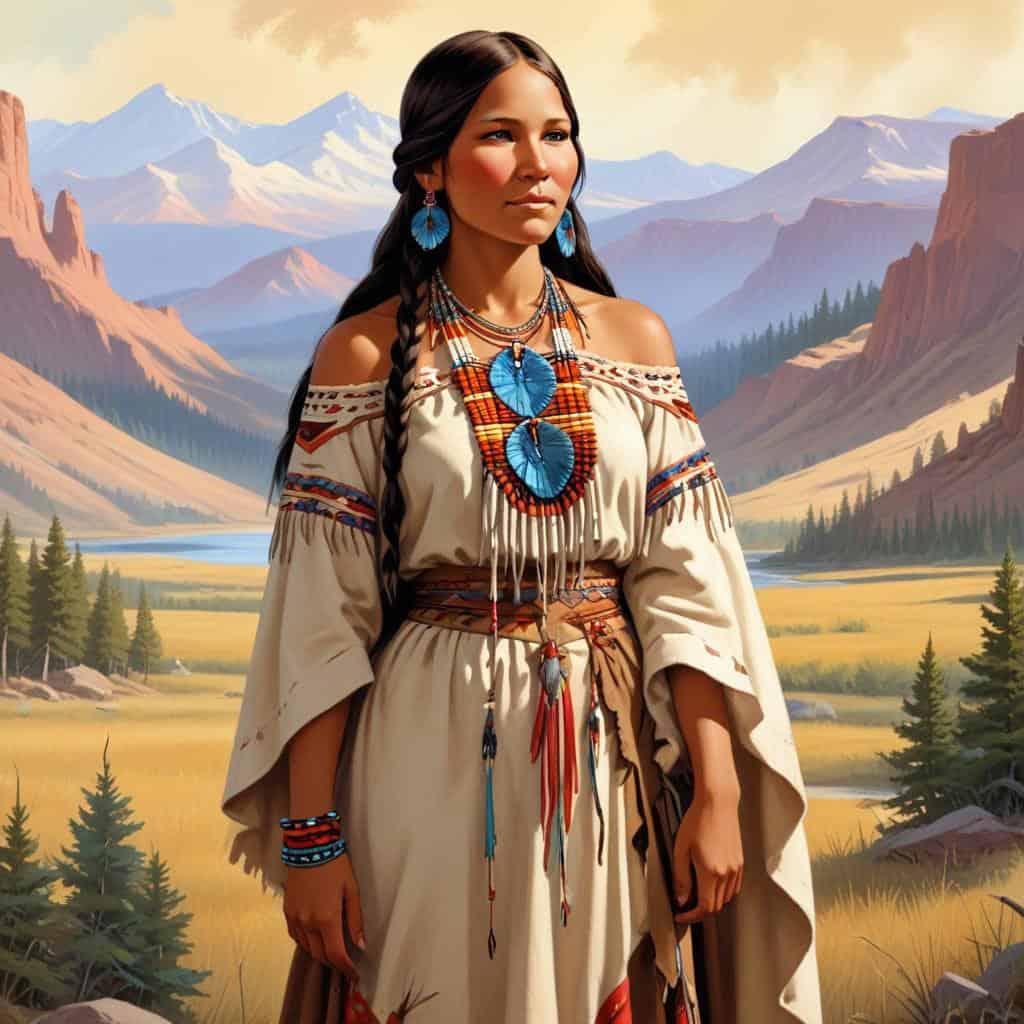
Introduction
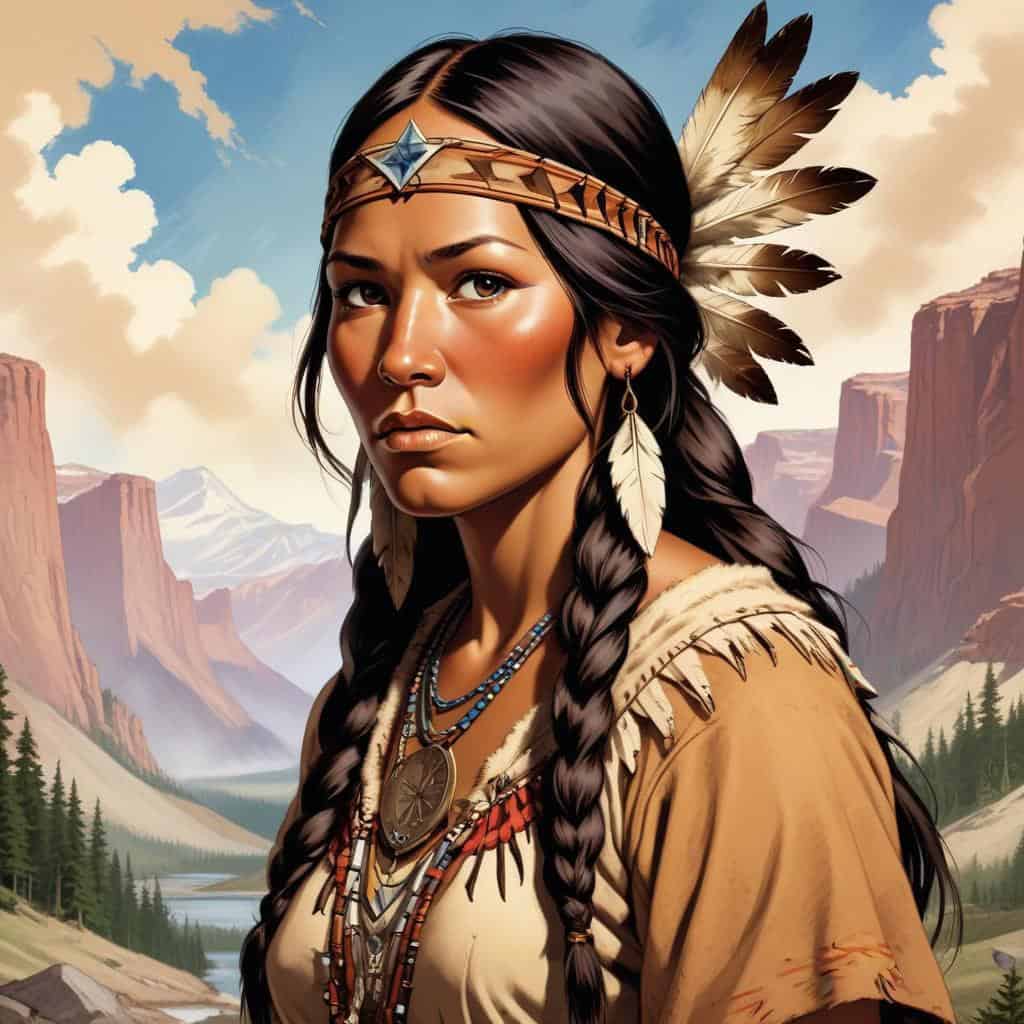
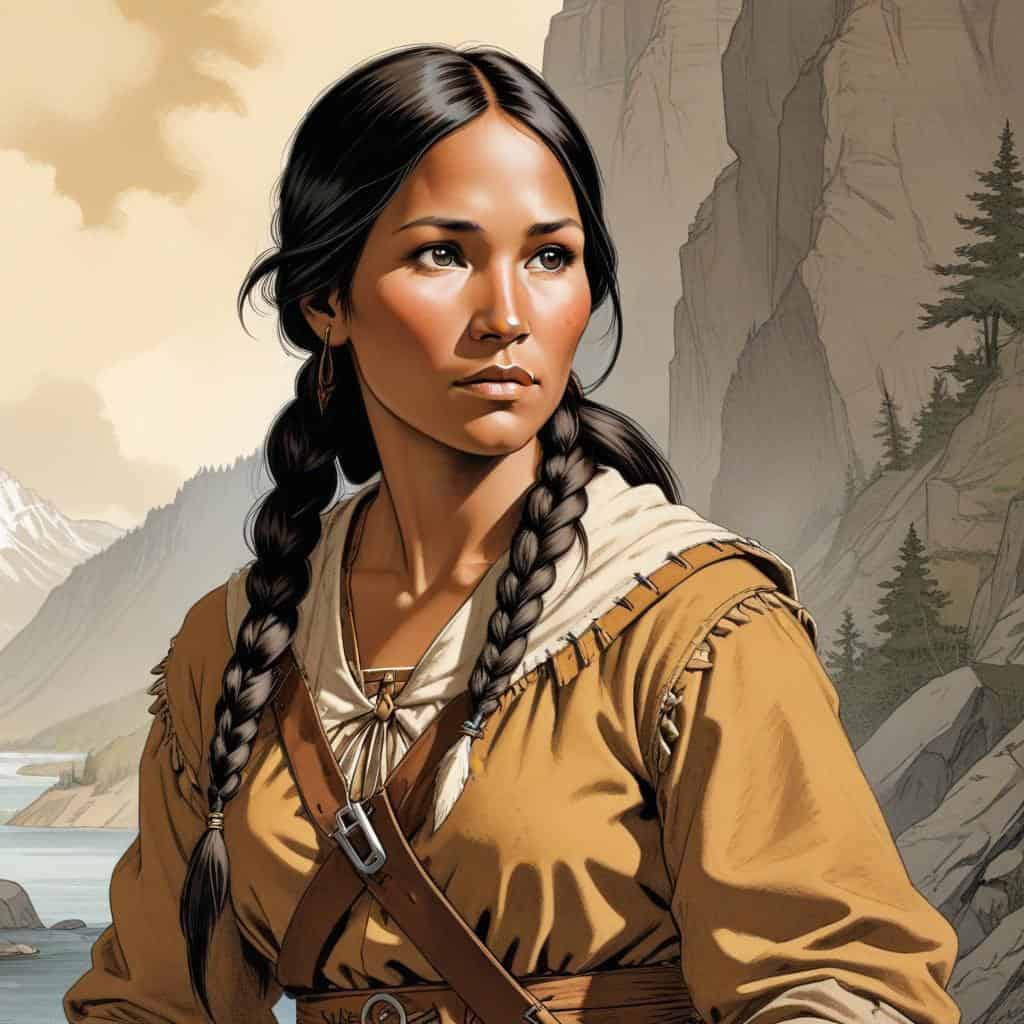
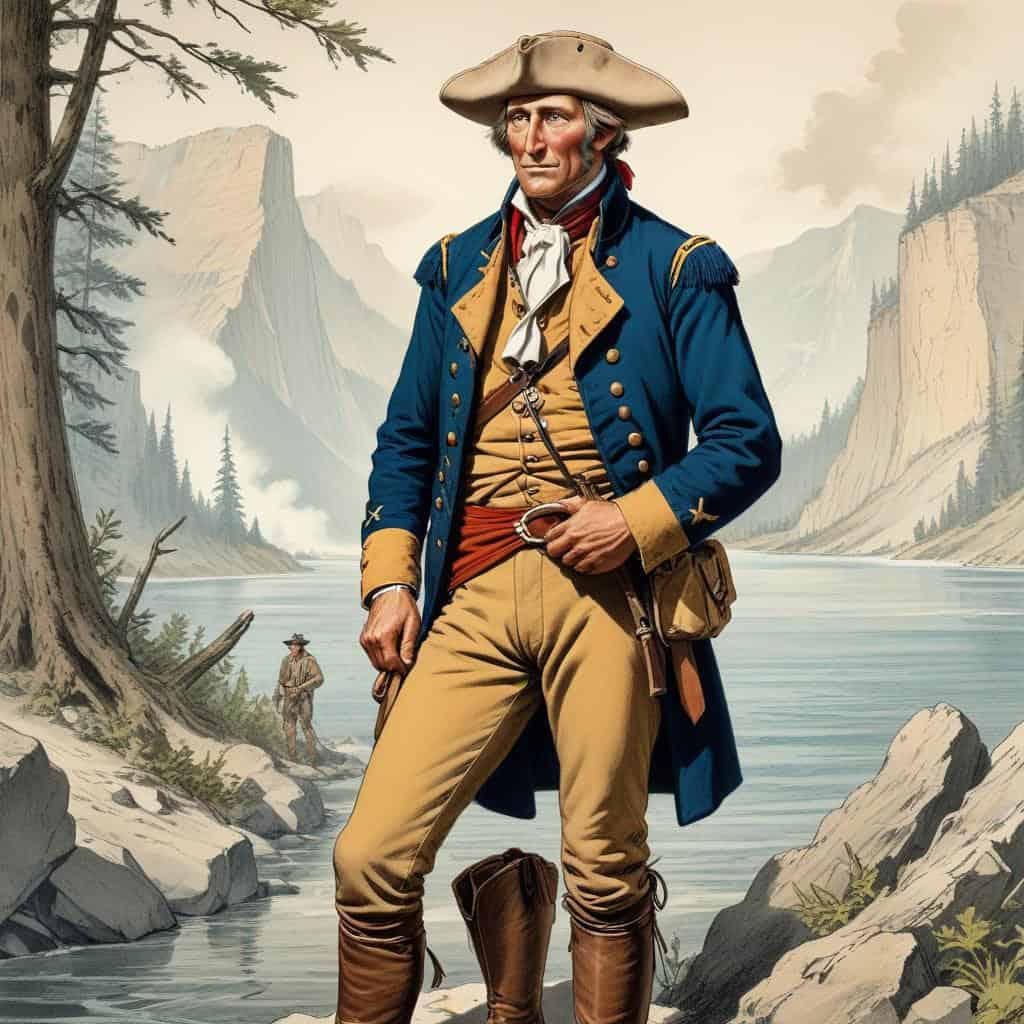
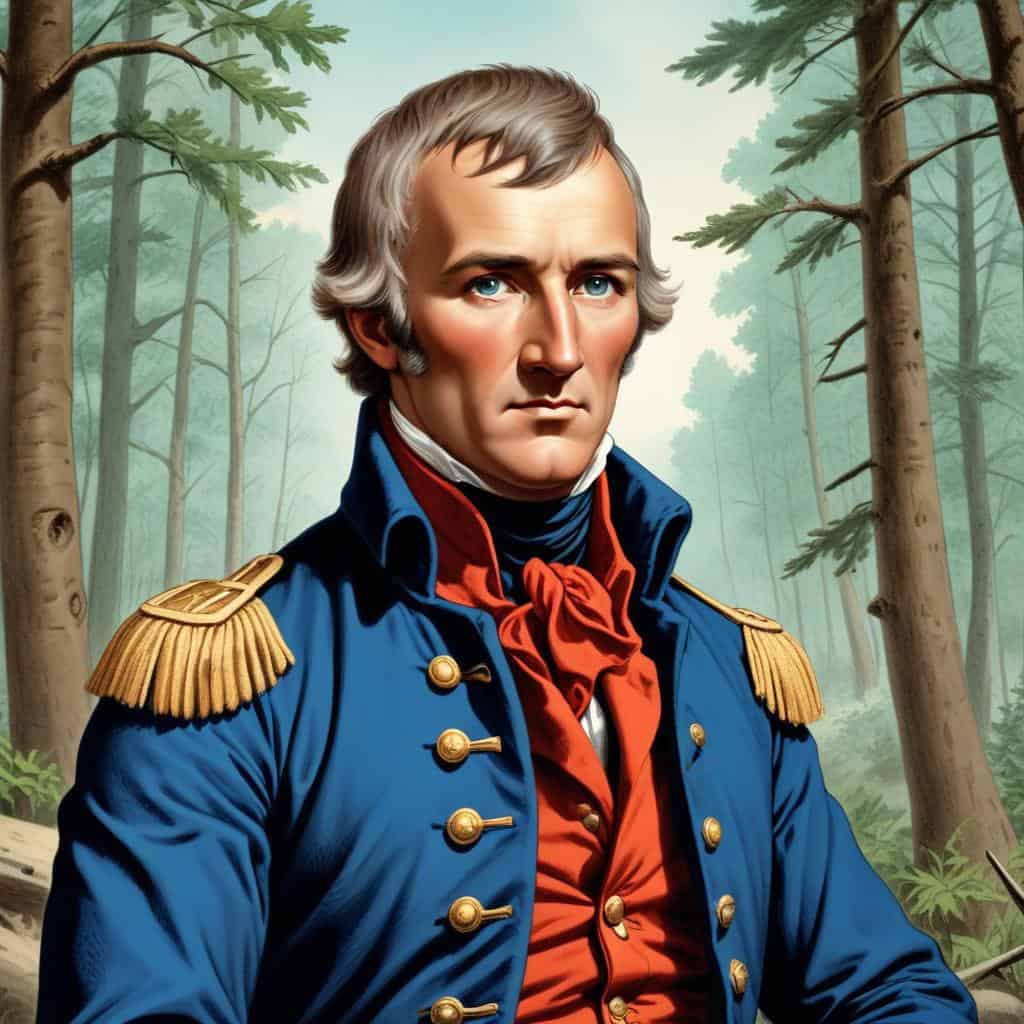
William Clark
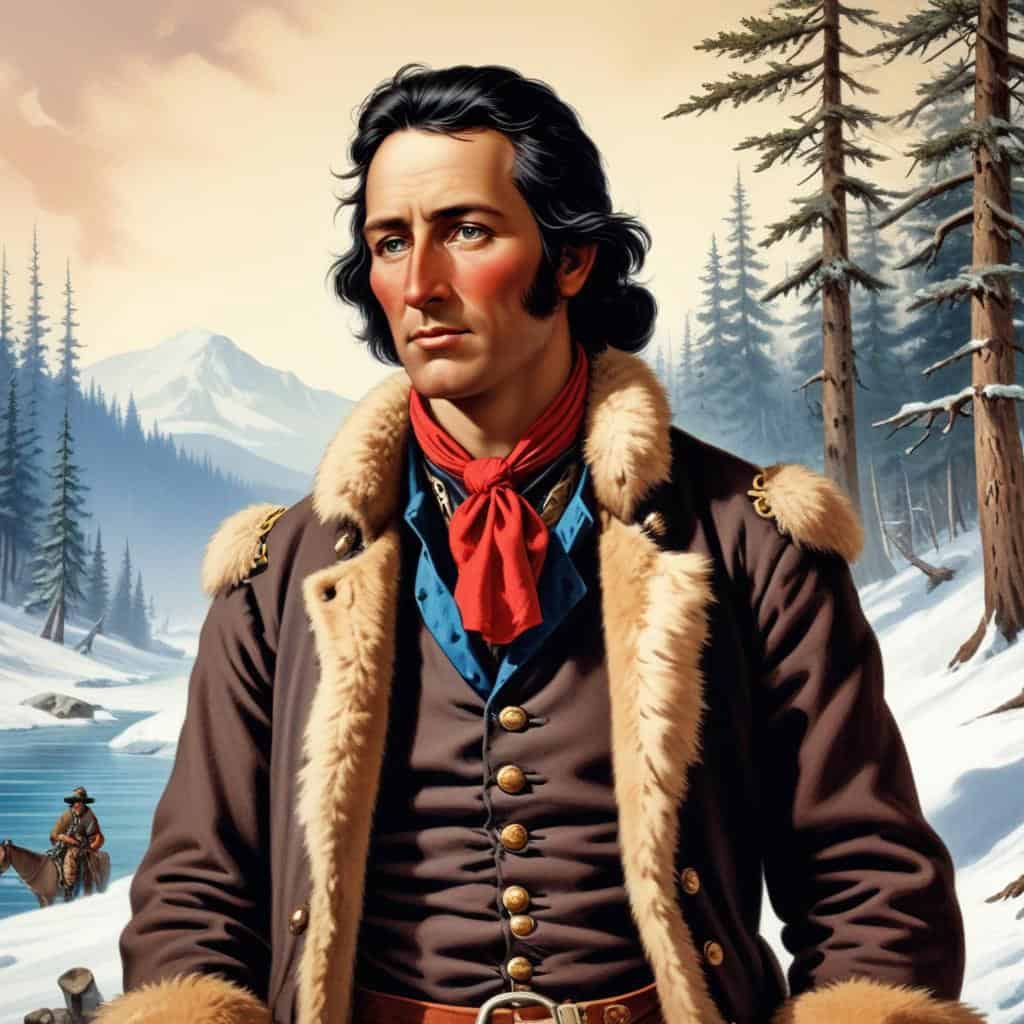
Meriwether Lewis
Toussaint Charbonneau
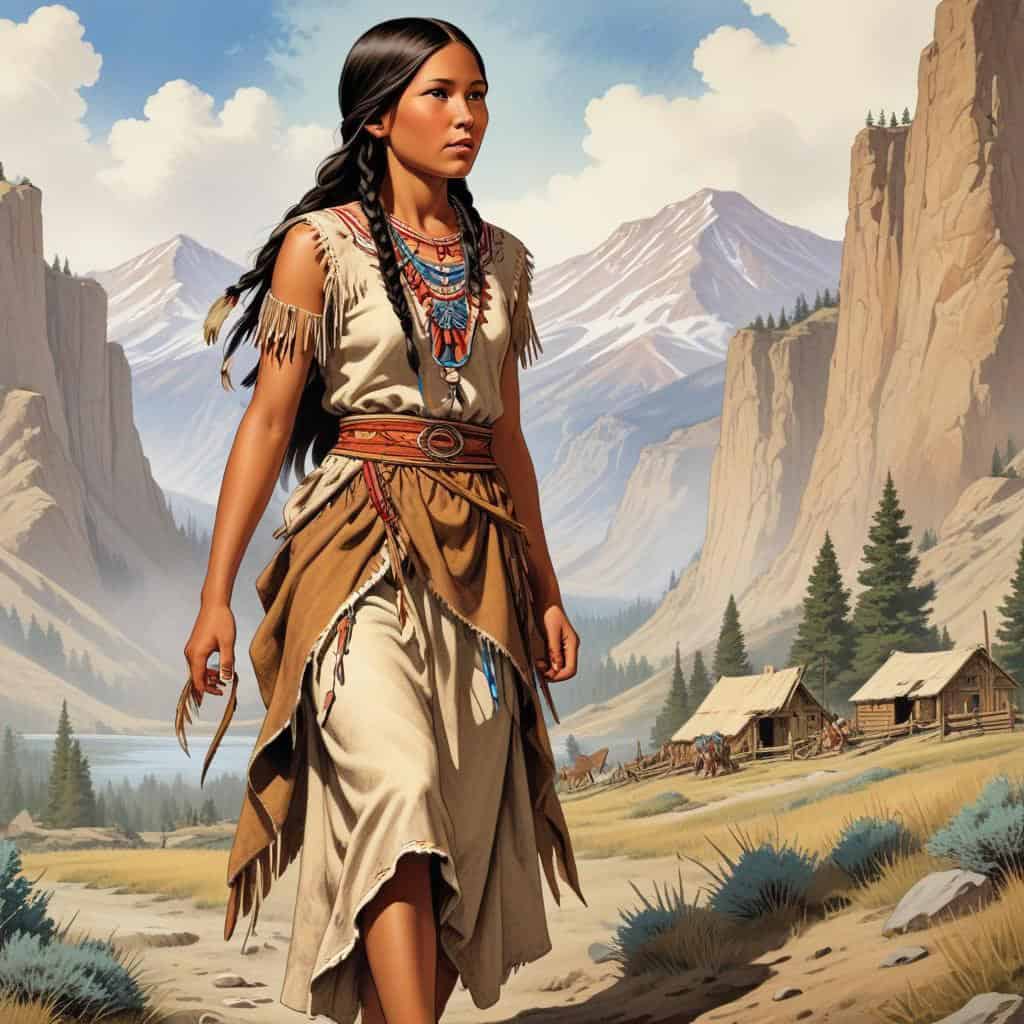
The Early Life of Sacagawea
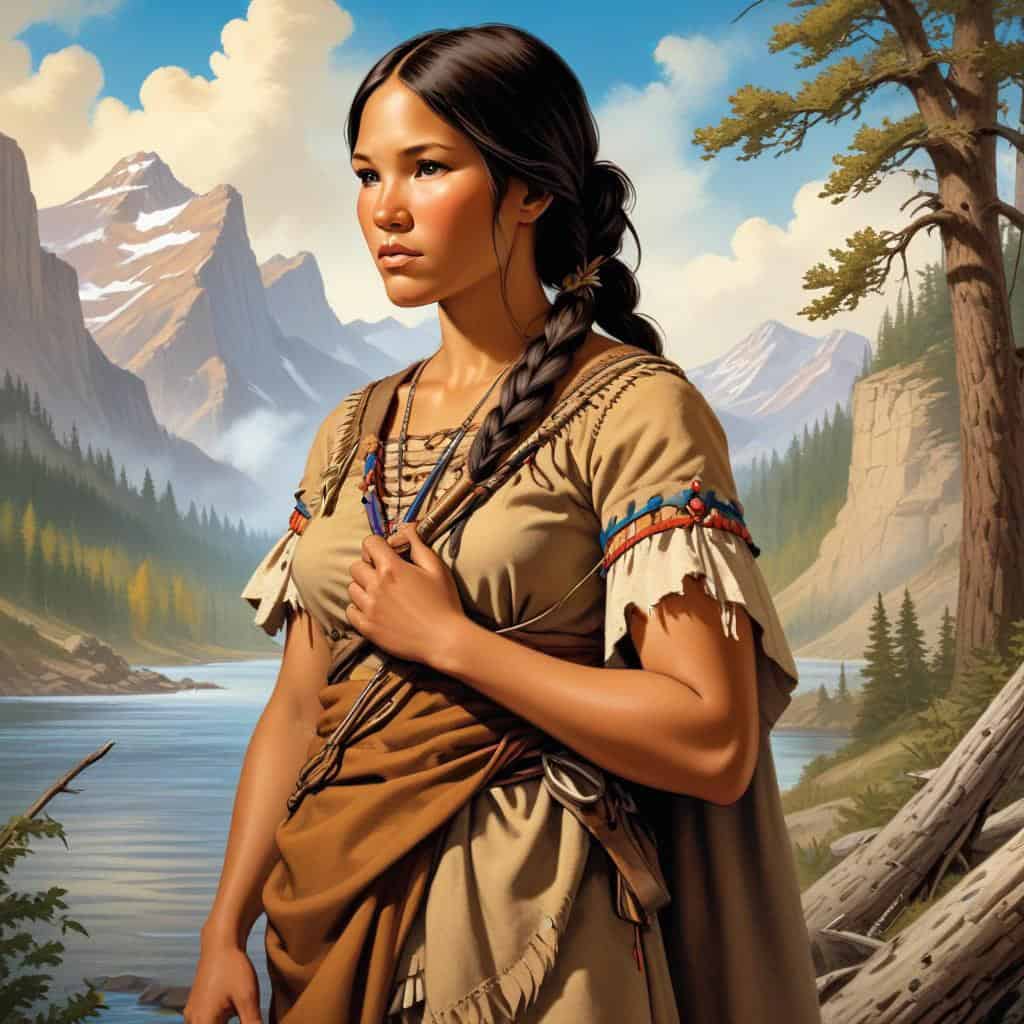
Sacagaweas Role in the Lewis and Clark Expedition
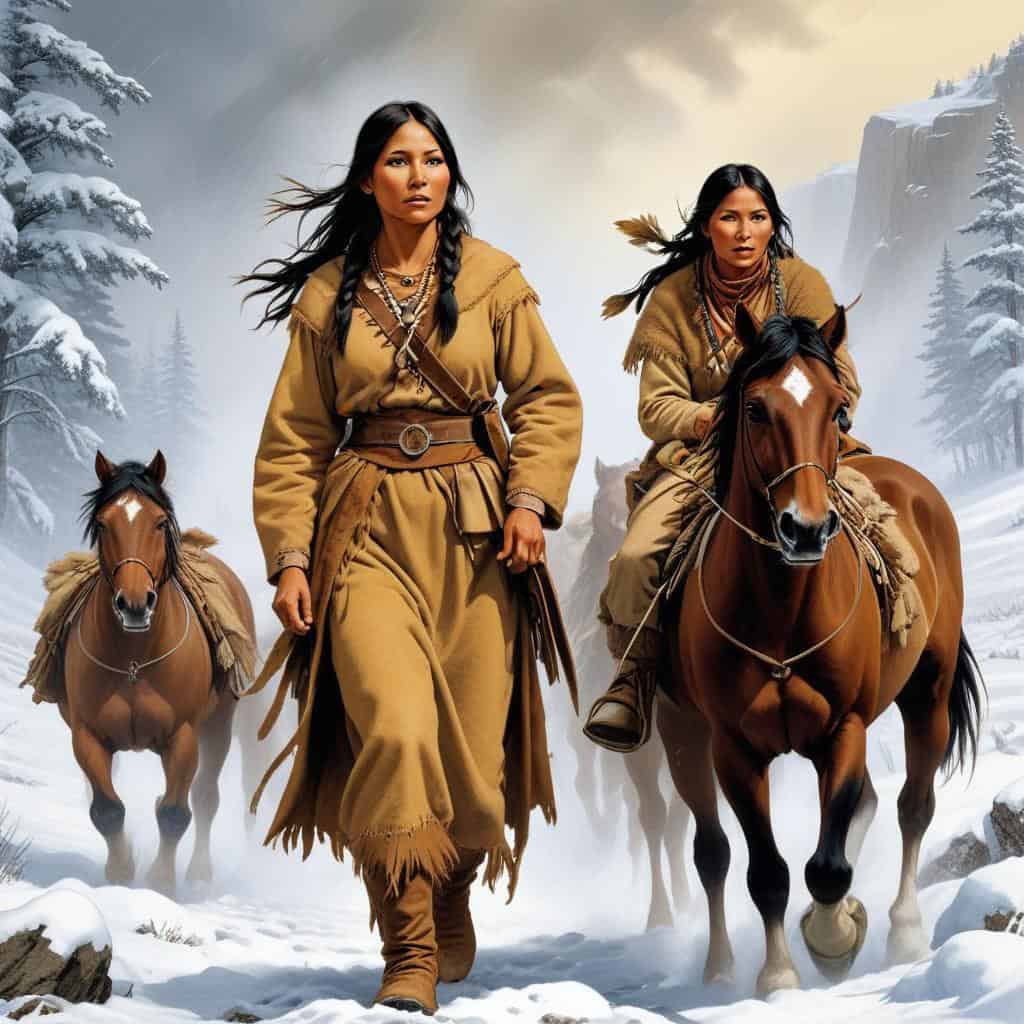
The Journey Westward
Sacagaweas Legacy
Recognition and Honors
Myths and Misconceptions
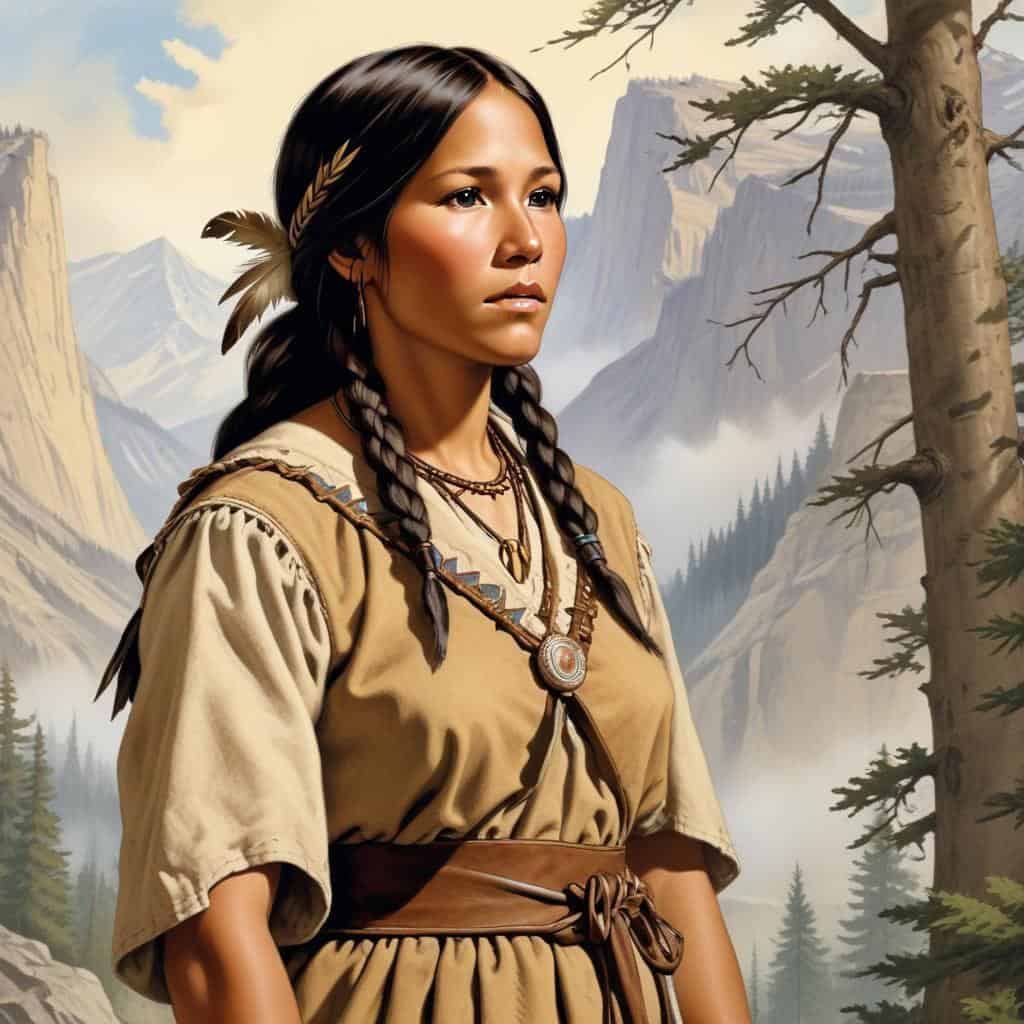
Remembering Sacagawea
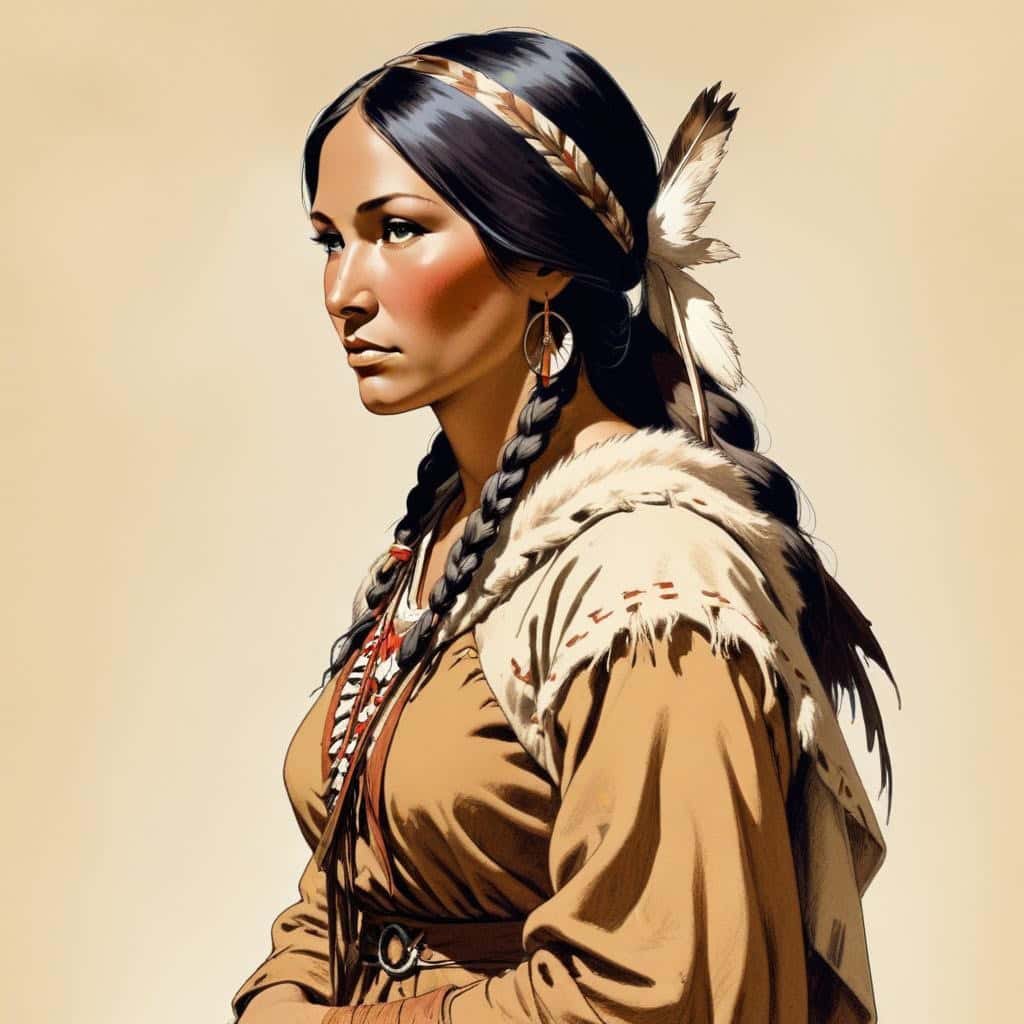
Representation in Popular Culture
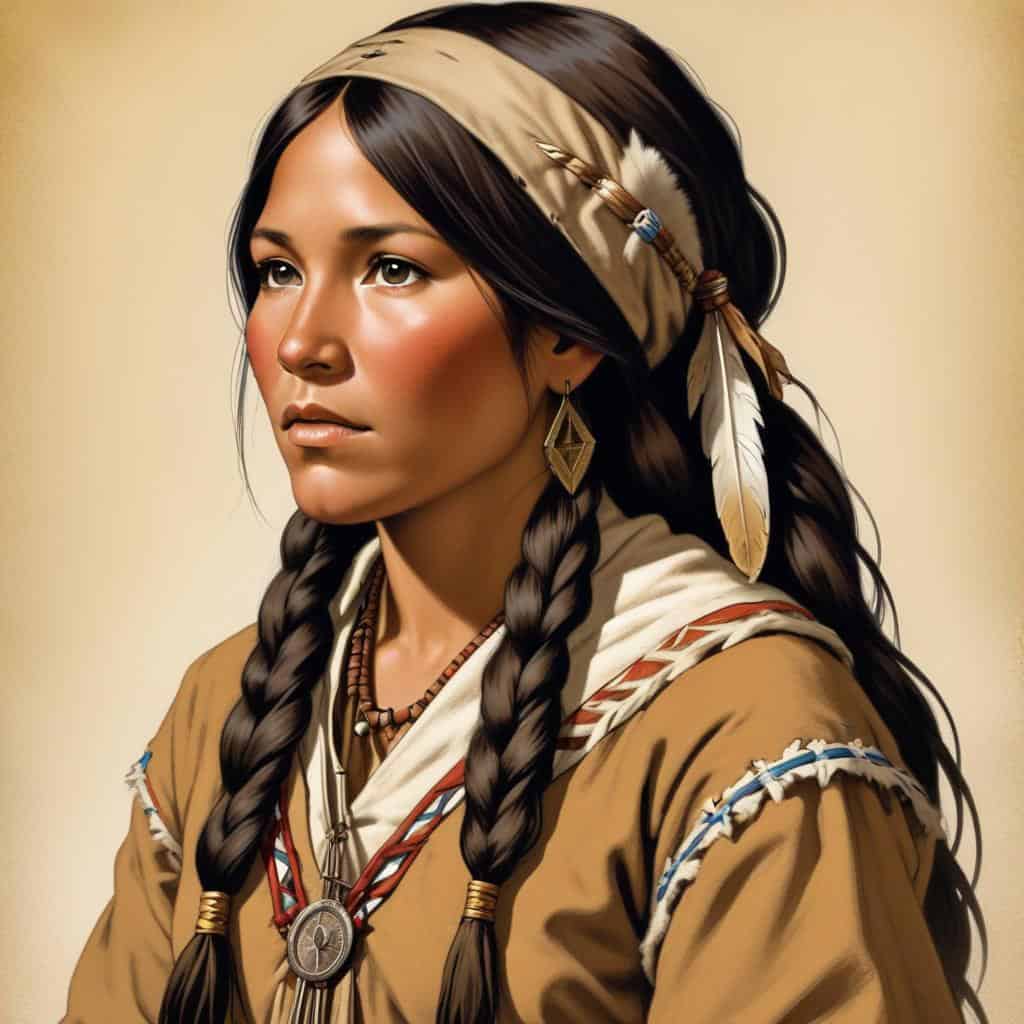
Continuing Research and Scholarship
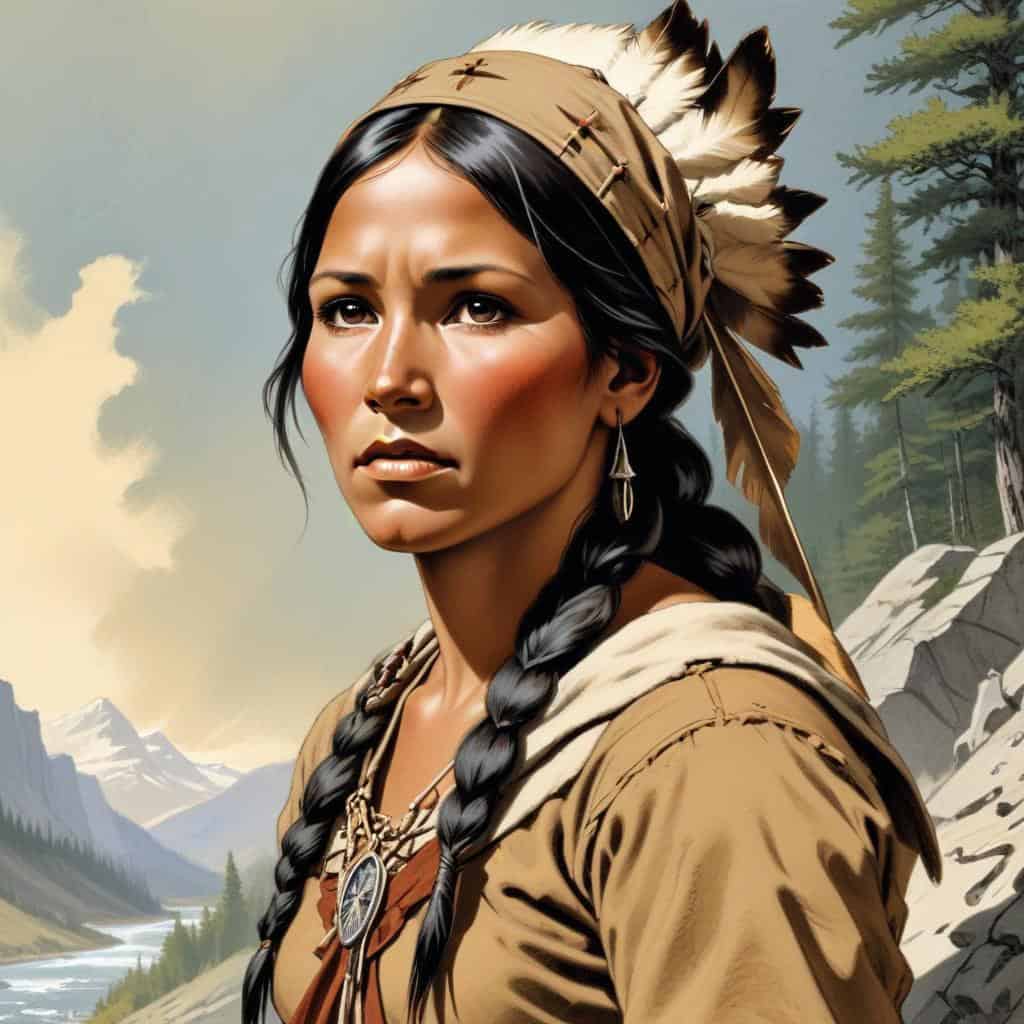

Lesson Details & Resources
In a Nutshell
Timeline of Sacagawea: A Journey of Courage and Discovery
Sacagawea is born in Lemhi River Valley, Idaho
Sacagawea is kidnapped by Hidatsa warriors and taken to their village
Sacagawea is sold to French-Canadian fur trapper Toussaint Charbonneau as a wife
Sacagawea gives birth to her son Jean Baptiste Charbonneau
Sacagawea joins the Lewis and Clark Expedition as an interpreter and guide
Sacagawea helps the expedition navigate through Shoshone territory and reunites with her brother Cameahwait
Sacagawea and the expedition reach the Pacific Ocean
Sacagawea interprets for negotiations with the Nez Perce tribe
Sacagawea and the expedition return to St. Louis, Missouri
Sacagawea and her family accompany Charbonneau on fur trading expeditions
Sacagawea gives birth to a daughter, Lisette
Sacagawea and her family settle in St. Louis, Missouri
Sacagawea dies of an unknown illness
Sacagawea's son Jean Baptiste Charbonneau becomes a well-known explorer and guide
Sacagawea's daughter Lisette marries and has children
Sacagawea's contributions to the Lewis and Clark Expedition are recognized posthumously
Sacagawea's image is featured on the United States dollar coin
Sacagawea is inducted into the National Women's Hall of Fame
Sacagawea's legacy continues to be celebrated and honored by Indigenous communities
Vocabulary List
- Shoshone
- Sacagawea was a member of the Shoshone tribe.
- Lewis and Clark
- Sacagawea accompanied Lewis and Clark on their expedition.
- Interpreter
- Sacagawea served as an interpreter for the expedition.
- Exploration
- Sacagawea played a crucial role in the exploration of the American West.
- Guidance
- Sacagawea provided guidance to Lewis and Clark during their journey.
Key Facts
This is the information used in the fact matching game
- Sacagawea was a Lemhi Shoshone woman who is known for her role as an interpreter and guide during the Lewis and Clark Expedition.
- She was born in 1788 in what is now Idaho.
- Sacagawea was kidnapped by the Hidatsa tribe at the age of 12.
- She was later sold to a French-Canadian fur trader named Toussaint Charbonneau, who would become her husband.
- Sacagawea gave birth to her first child, a son named Jean Baptiste Charbonneau, just two months before the Lewis and Clark Expedition set out.
- During the expedition, Sacagawea played a key role in negotiating with Native American tribes and finding food and supplies for the group.
- She also served as a symbol of peace and goodwill to the Native American tribes they encountered, as a woman and mother traveling with a group of men was seen as non-threatening.
- Sacagawea's knowledge of the land and ability to communicate with different tribes was crucial to the success of the expedition.
- She traveled thousands of miles with the expedition, often carrying her infant son on her back.
- After the expedition, Sacagawea and her family settled in St. Louis, Missouri.
- Sacagawea died in 1812 at the age of 24.
- There is some debate over where Sacagawea is buried, with some claiming she was buried in South Dakota and others saying she was buried in Wyoming.
- Sacagawea's image has been used on the golden dollar coin, making her one of the few women to be featured on American currency.
- She is remembered as a symbol of courage, resilience, and the important role Native Americans played in the exploration and settlement of the American West.
- Sacagawea's name means 'bird woman' in the Hidatsa language.
- She was just a teenager when she joined the Lewis and Clark expedition.
- Sacagawea's presence on the expedition helped to establish peaceful relations with many Native American tribes.
- She was the only woman to accompany the Lewis and Clark expedition from beginning to end.
- Sacagawea's contributions to the expedition were largely overlooked during her lifetime, but she has since been recognized as a key figure in American history.
- Sacagawea's son, Jean Baptiste Charbonneau, also known as 'Pomp,' grew up to be a well-known explorer and interpreter in his own right.
Analysis & Significance
Major Accomplishments
Sacagawea played a vital role as an interpreter and guide for the Lewis and Clark expedition, helping them navigate the challenging terrain and communicate with Native American tribes along the way. Her knowledge of plants, wildlife, and survival skills was instrumental in the success of the expedition.
Impact on the World
Sacagawea’s contributions to the Lewis and Clark expedition helped to expand the understanding of the American West and opened up new trade routes. Her presence also demonstrated the importance of Native American knowledge and culture, challenging prevailing stereotypes and shaping perceptions of Indigenous peoples.
Enduring Legacy
Sacagawea is remembered as a symbol of courage, strength, and resilience. Her image has been immortalized on the U.S. dollar coin, honoring her role in American history and inspiring future generations to appreciate the contributions of Native Americans to the nation’s development.
Sacagawea: A Journey of Courage and Discovery Games


Take Your Learning Offline
Want a convenient, print-ready study guide for this lesson? Become a Memory Wizards Pro member to unlock the downloadable " Memory Scrolls" for this topic and our entire library!
- ✓ Complete Vocabulary Lists
- ✓ Key Facts & Timelines
- ✓ Beautifully Formatted for Print & Mobile