
Powhatan: Chief of the Powhatan Confederacy
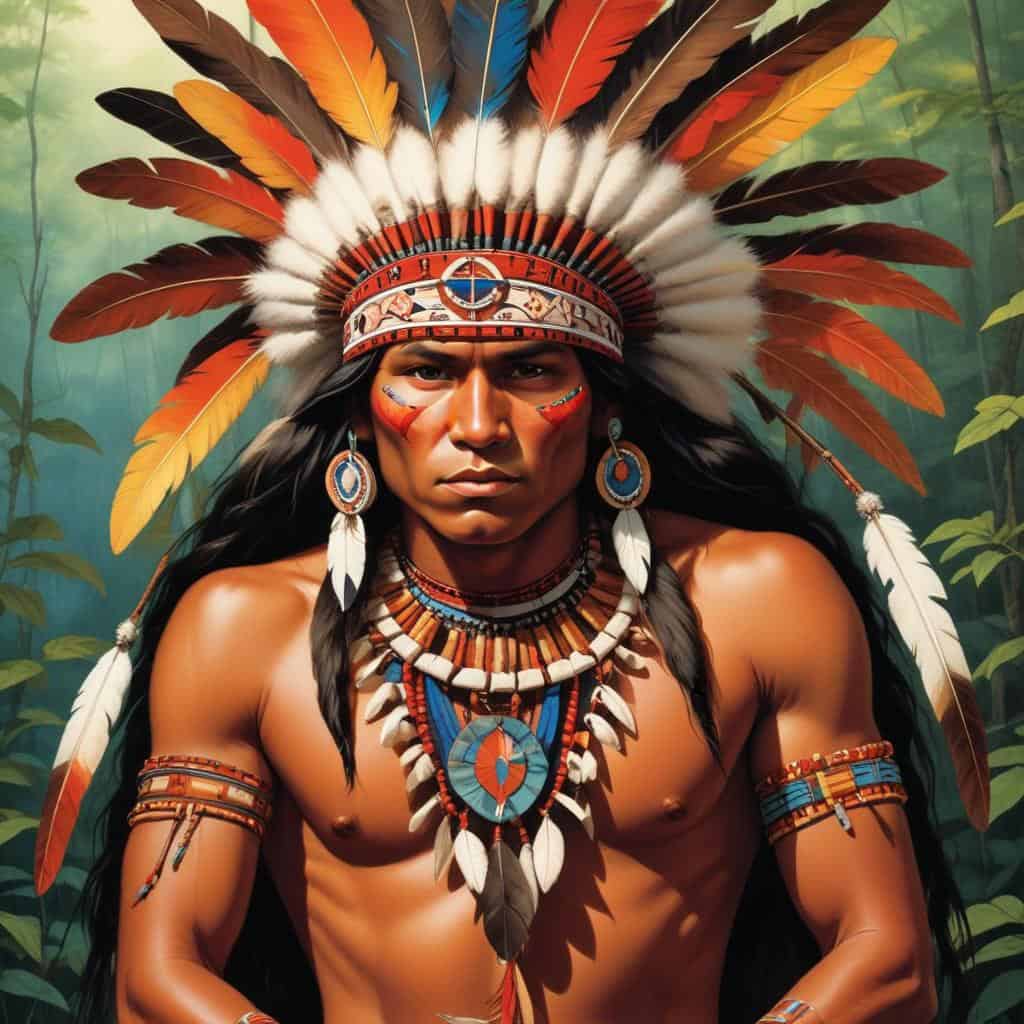
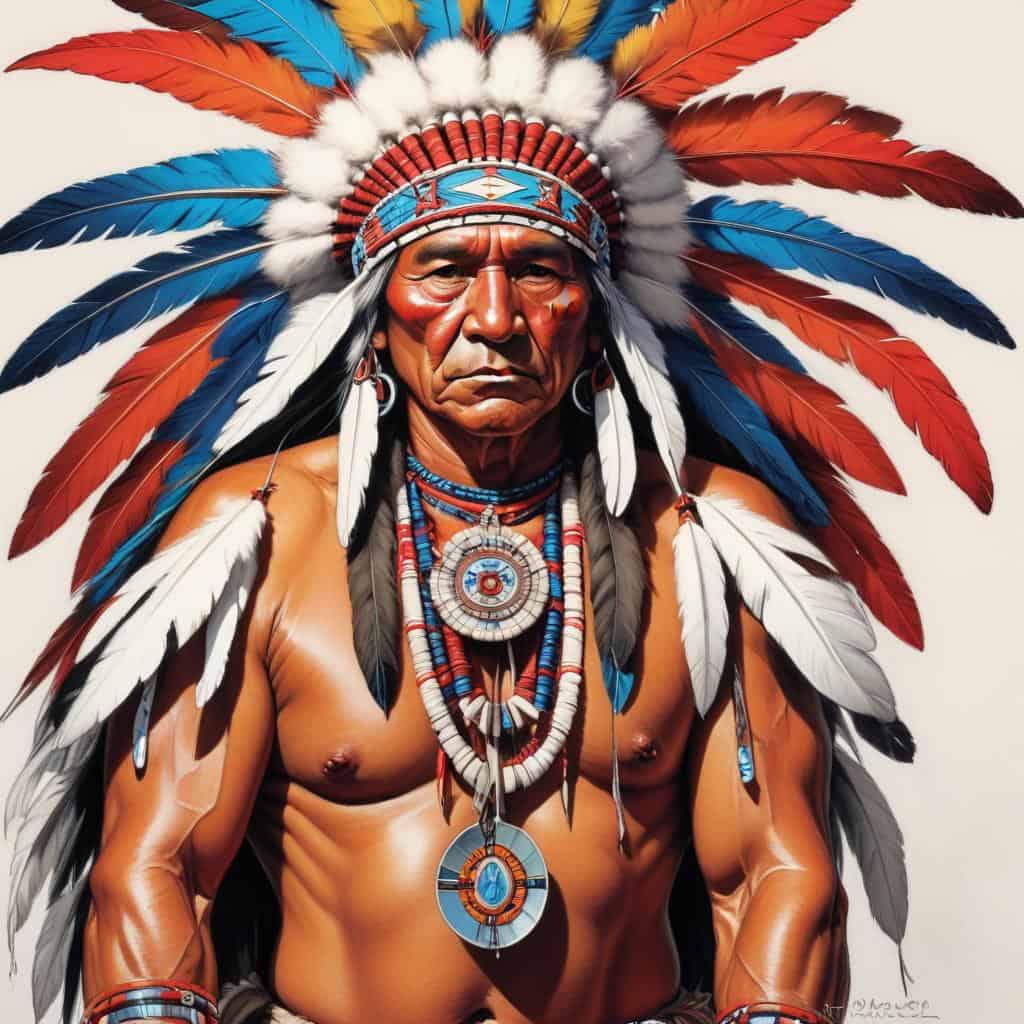
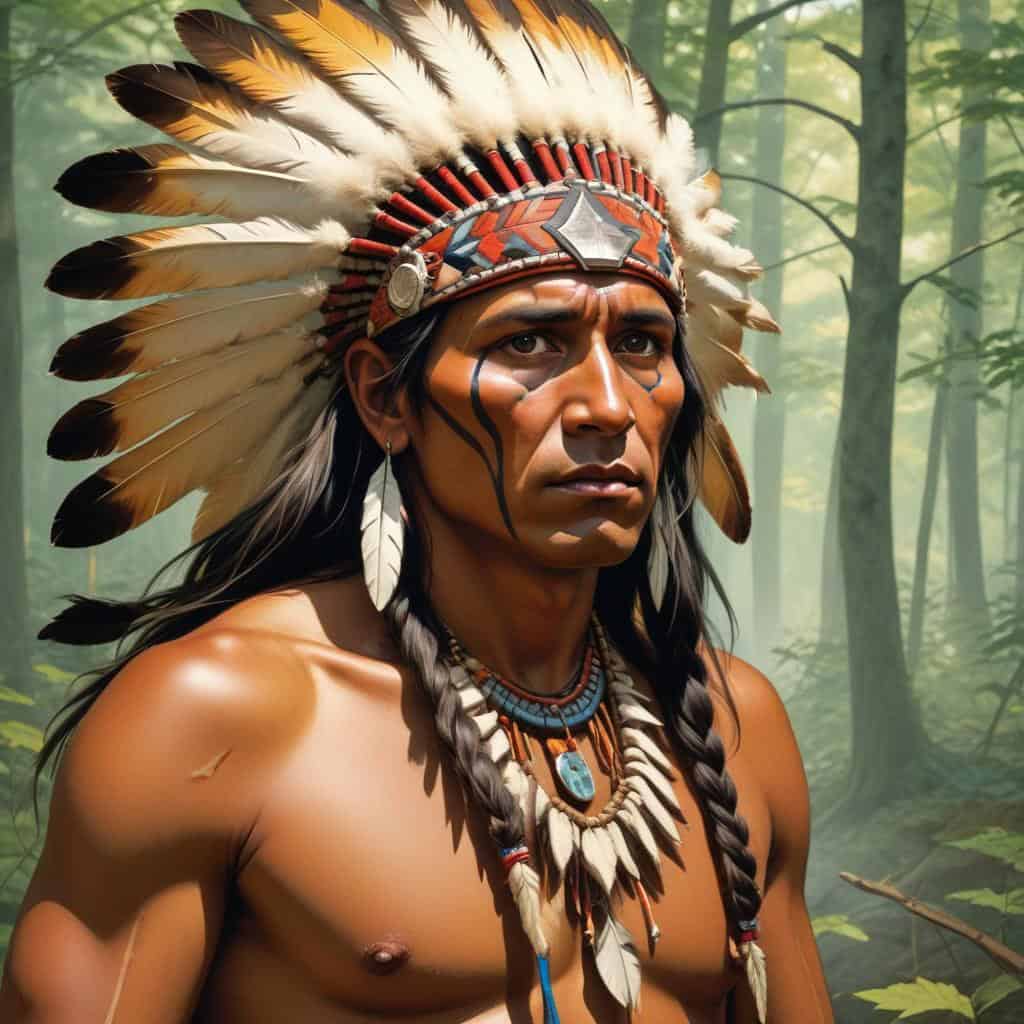
Powhatan: Powerful leader of the Powhatan Confederacy and defender of indigenous rights.
How Do You Learn Best?
Learn by Reading
Immerse yourself in the 10-minute visual lesson for a comprehensive understanding of the topic.
Learn by Reviewing
Jump directly to the key facts, timeline, and vocabulary lists to build a solid foundation of details.
Learn by Doing
Challenge yourself! Jump straight into the interactive games to learn by trial, error, and discovery.
Powhatan: Chief of the Powhatan Confederacy in 10 Minutes
Introduction
Pocahontas
Chief Opechancanough
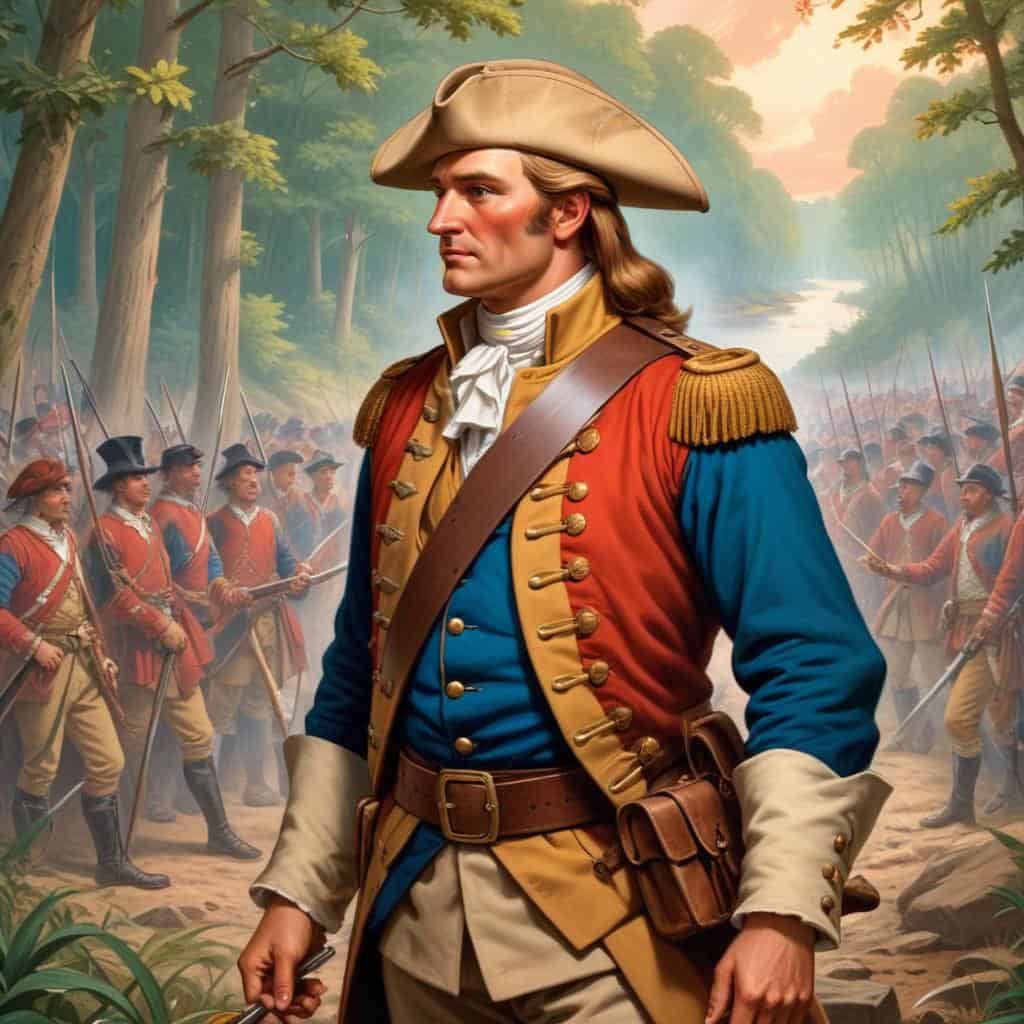
John Smith
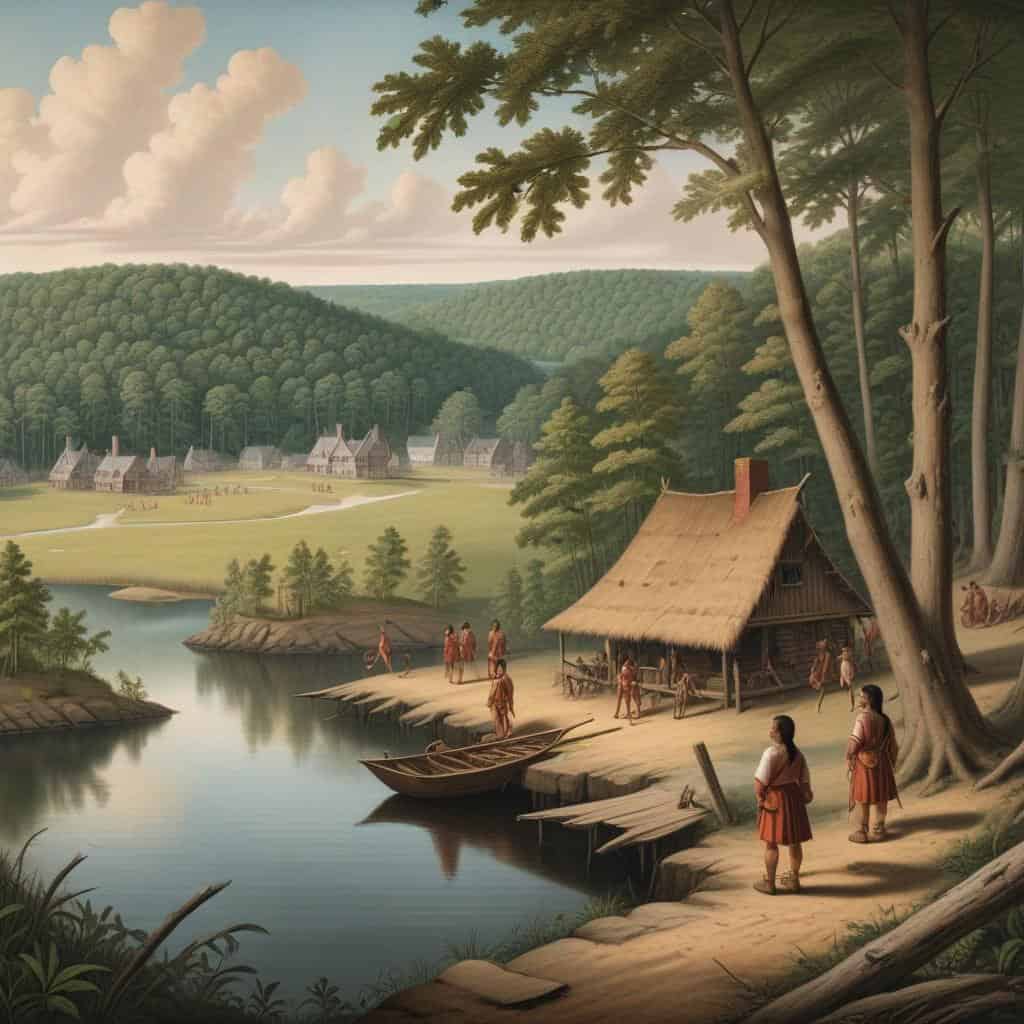
Childhood and Early Life
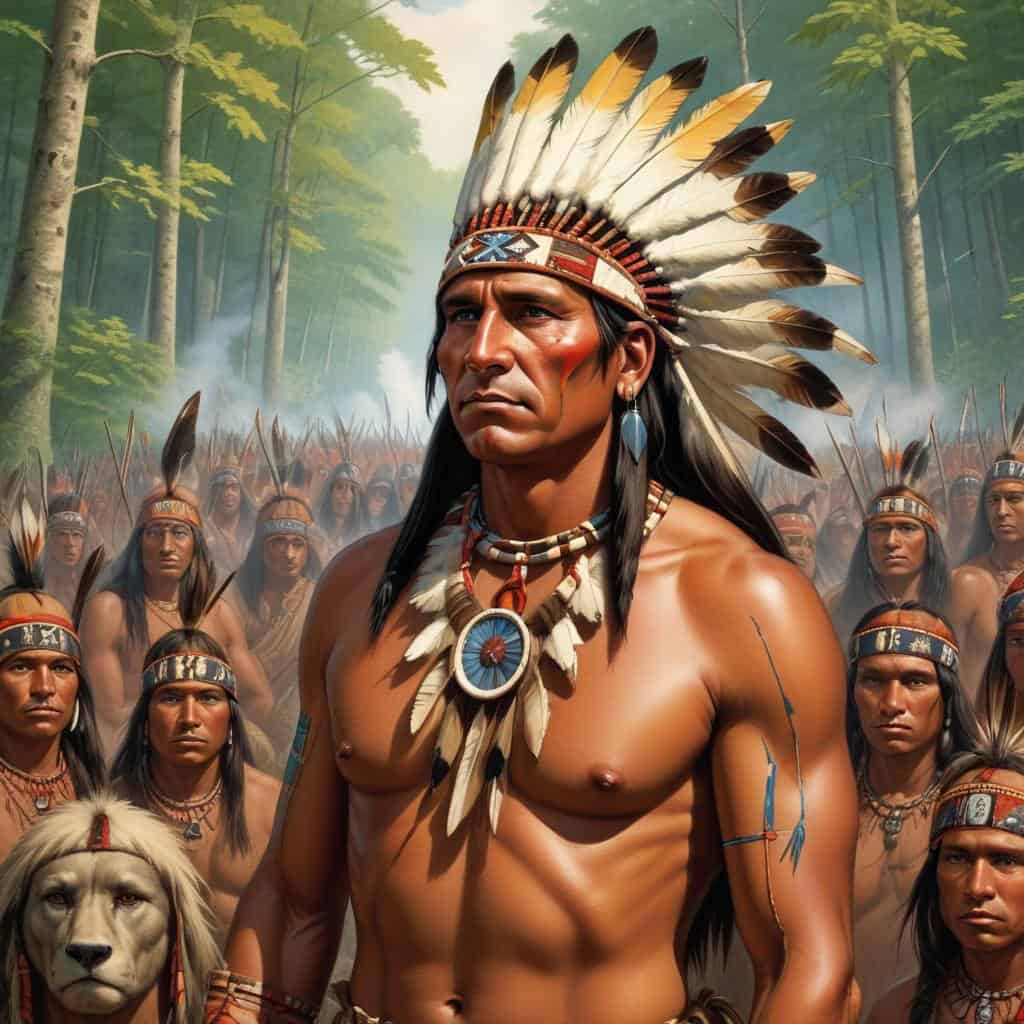
Leadership and Expansion
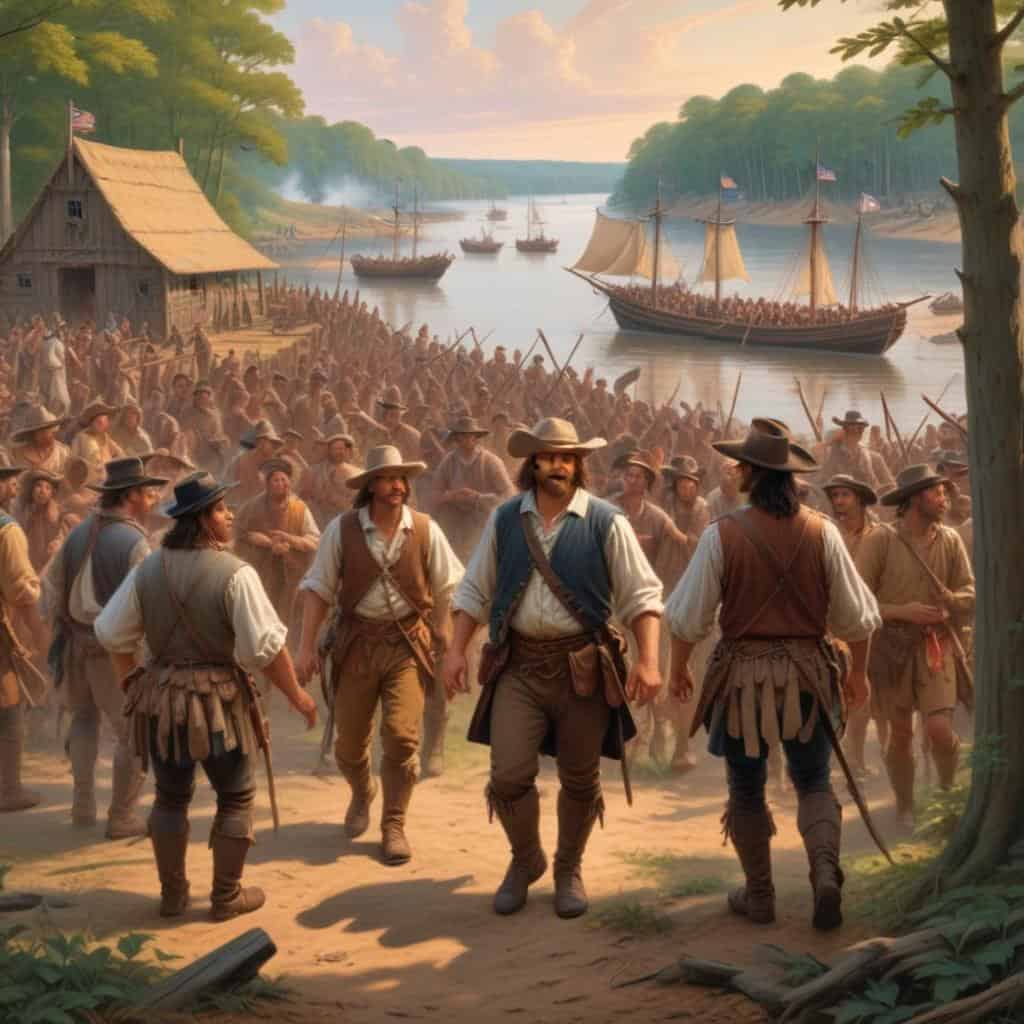
Encounter with English Settlers
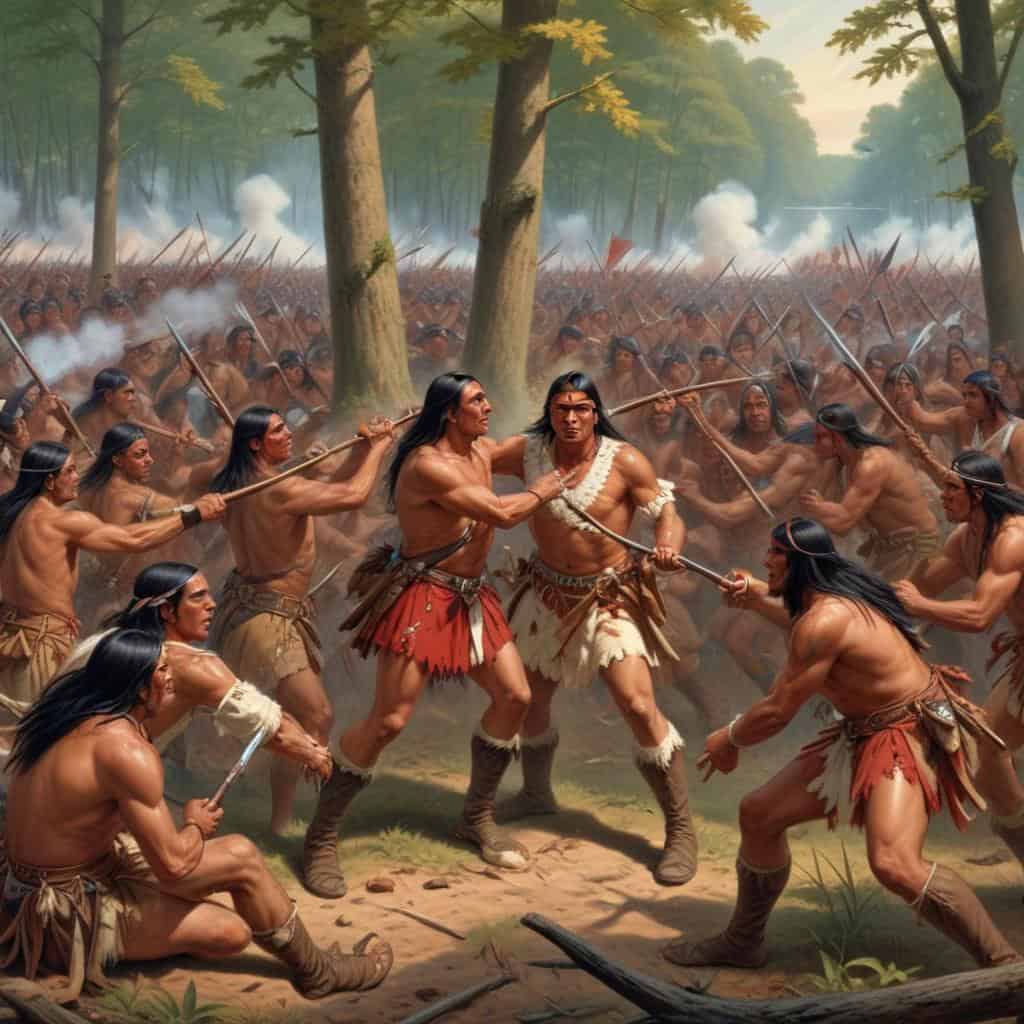
Conflicts and Alliances
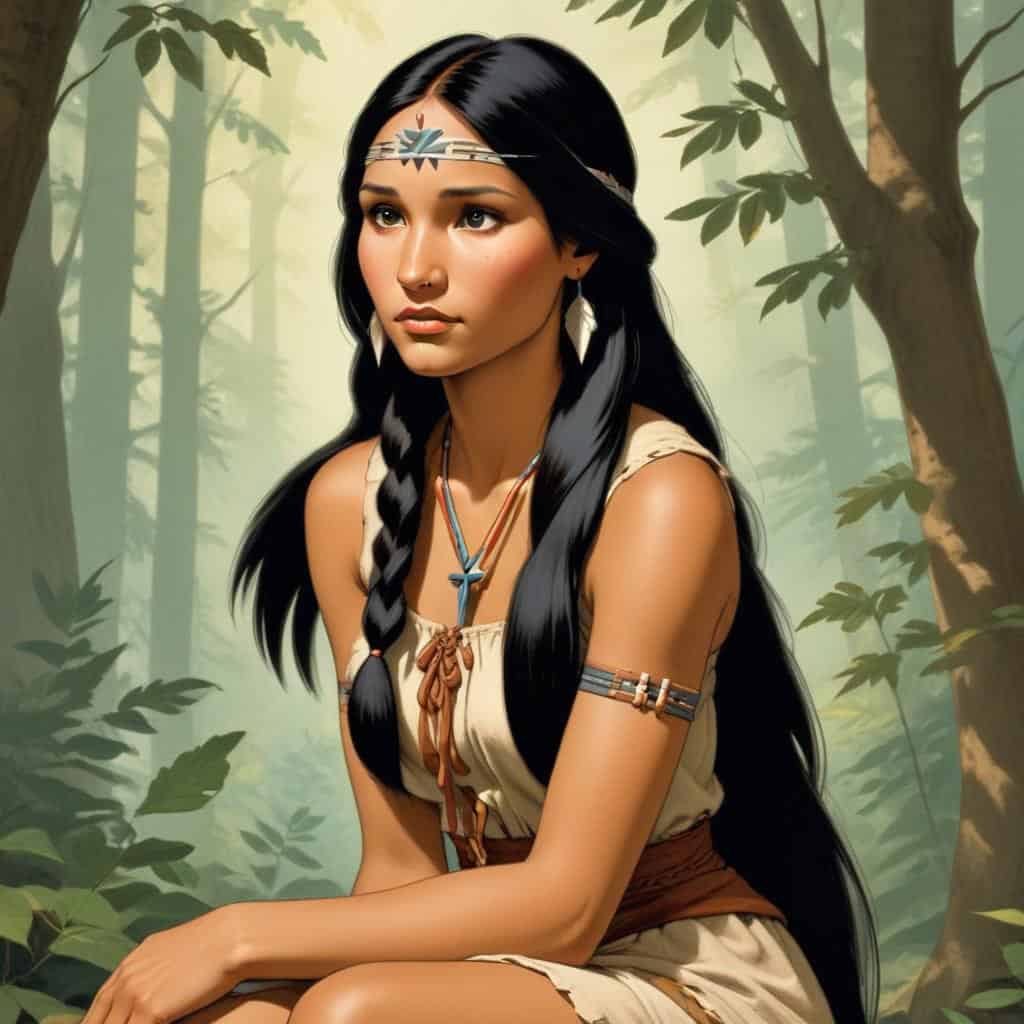
Relationship with Pocahontas
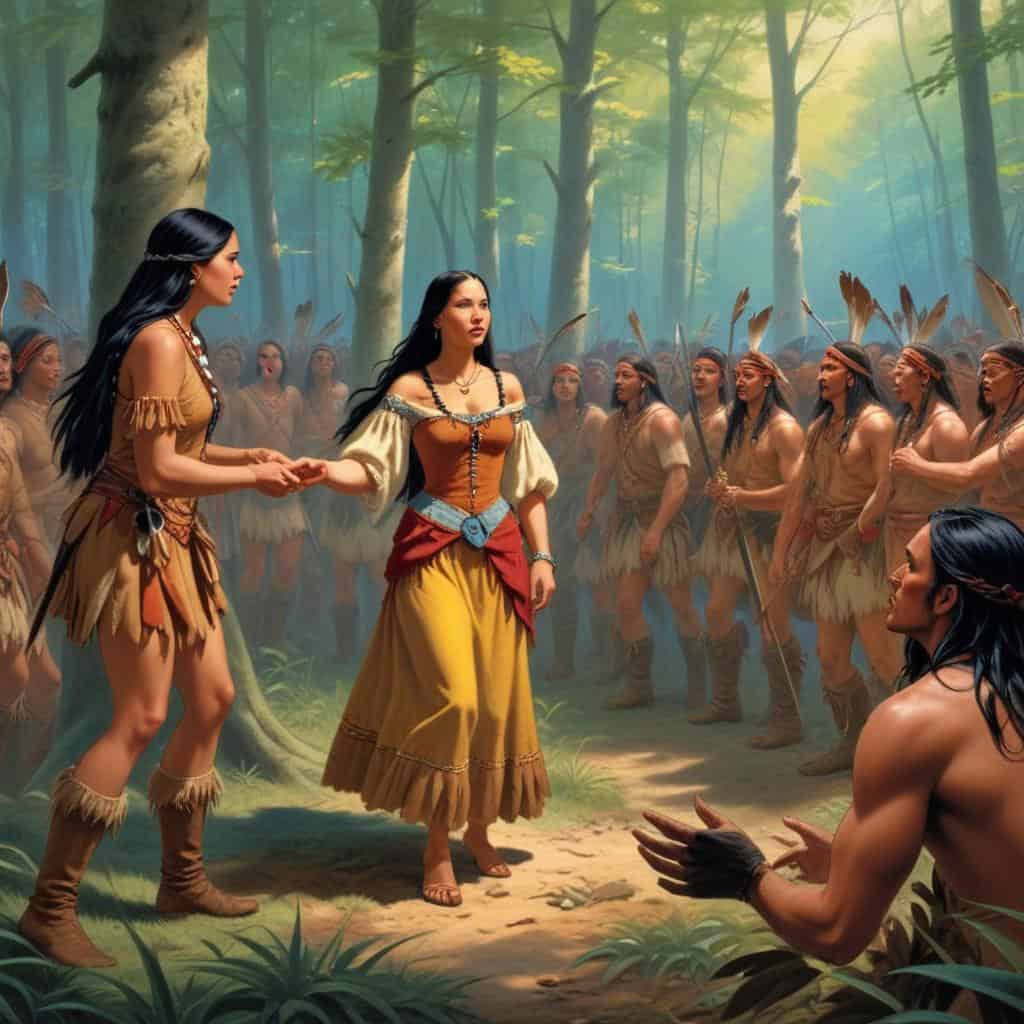
English Capture and Release
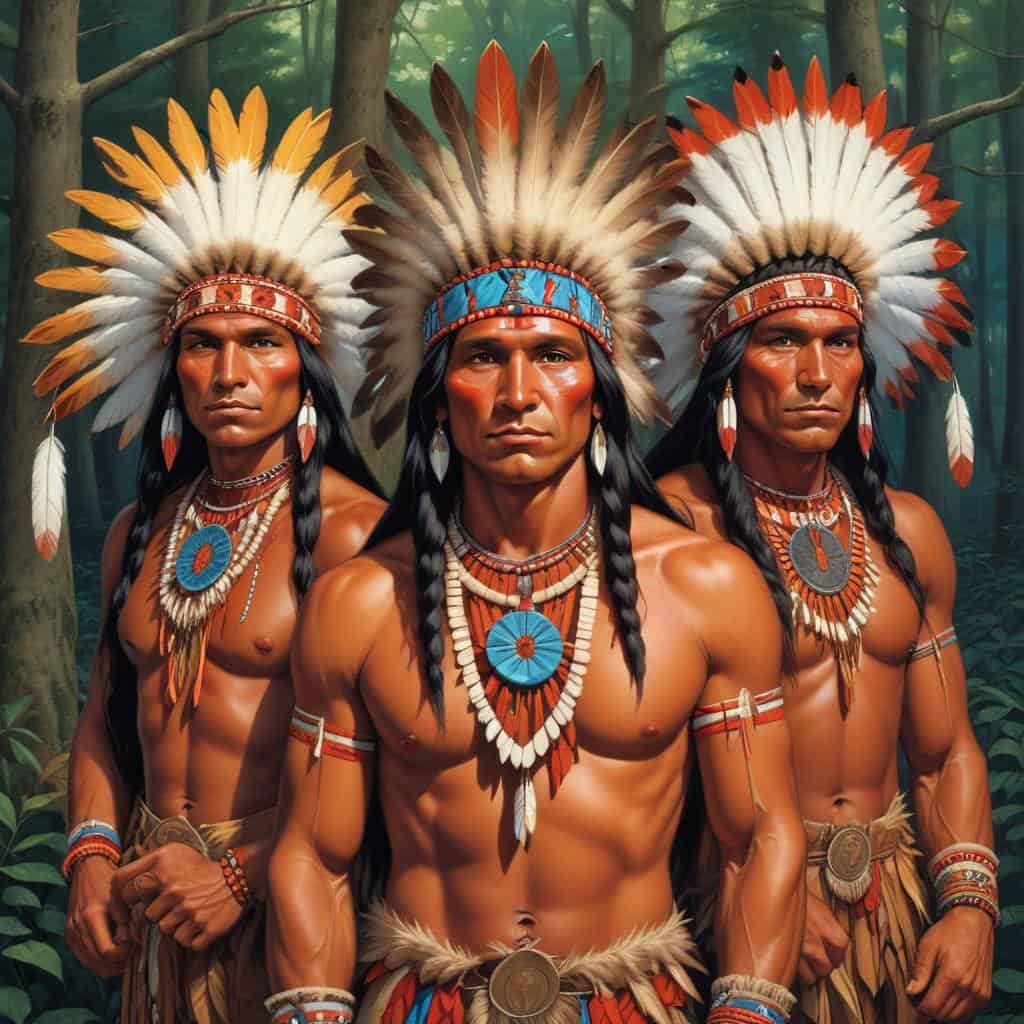
Legacy and Descendants
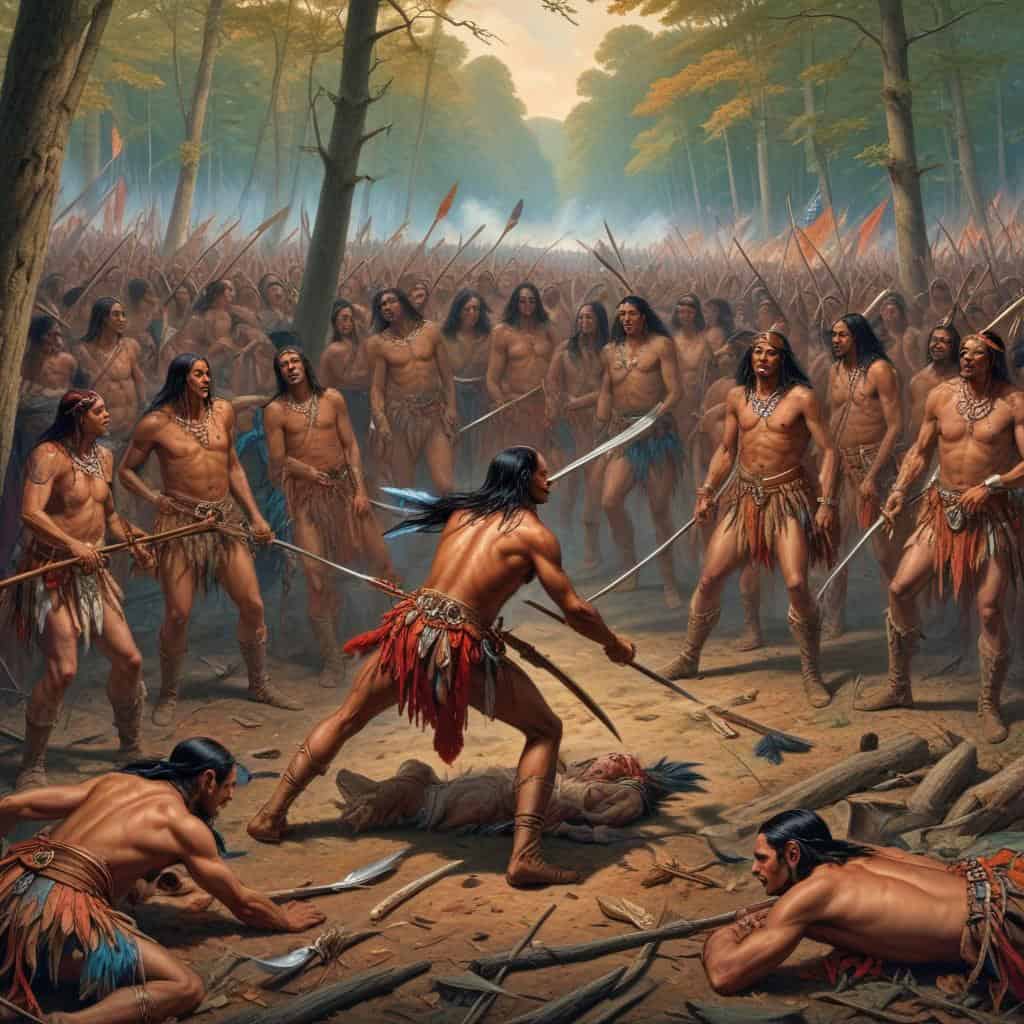
Death and Aftermath
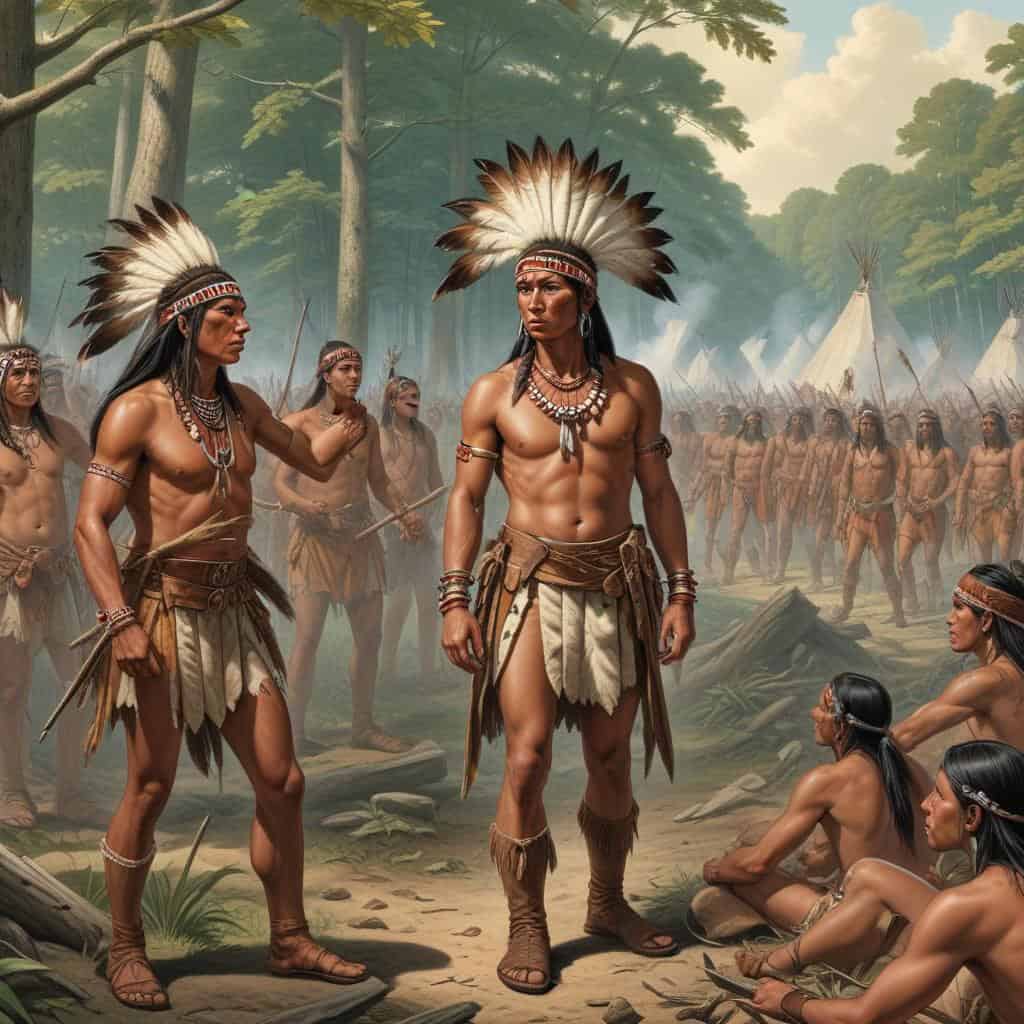
Historical Significance
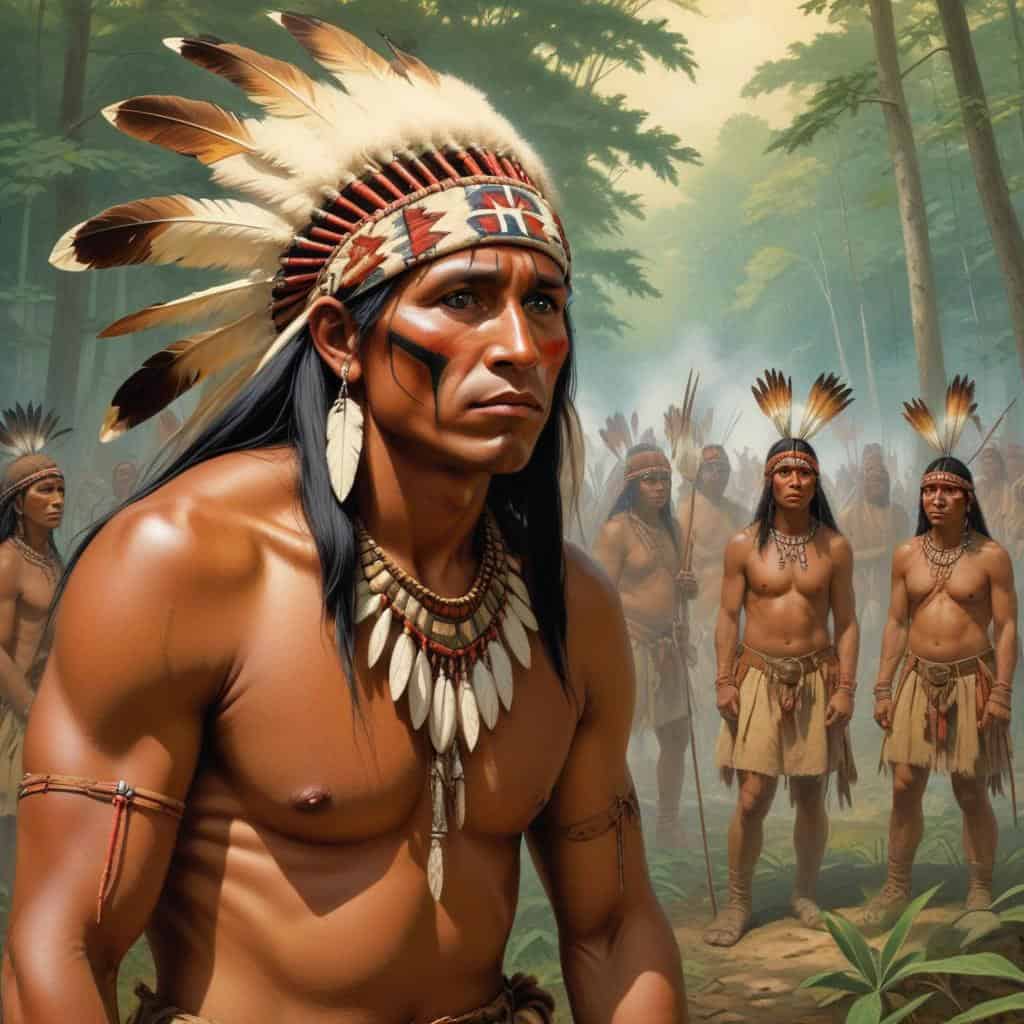
Lesson Details & Resources
In a Nutshell
Timeline of Powhatan: Chief of the Powhatan Confederacy
Powhatan Confederacy is established
First contact with English settlers at Jamestown
Pocahontas saves John Smith from execution
Pocahontas marries John Rolfe
Second Anglo-Powhatan War begins
Massacre of English settlers by Powhatan forces
Peace treaty signed between Powhatan Confederacy and English settlers
Third Anglo-Powhatan War begins
Opechancanough captured and killed by English forces
Powhatan Confederacy officially dissolved
English colonists establish control over Powhatan lands
Powhatan language and culture decline
Tribal reservations established for Powhatan descendants
Powhatan Reservation recognized by Virginia state government
Repatriation efforts for Powhatan artifacts and remains begin
Powhatan Tribes of Virginia officially recognized by US government
Powhatan Museum of Indigenous Arts and Culture opens
Powhatan Indian World exhibit at Jamestown Settlement
Powhatan Pow Wow celebrates Native American culture
Vocabulary List
- Powhatan
- The name of the Native American tribe located in present-day Virginia.
- Algonquian
- The language spoken by the Powhatan tribe.
- Chief Powhatan
- The leader of the Powhatan tribe during the time of Jamestown settlement.
- Pocahontas
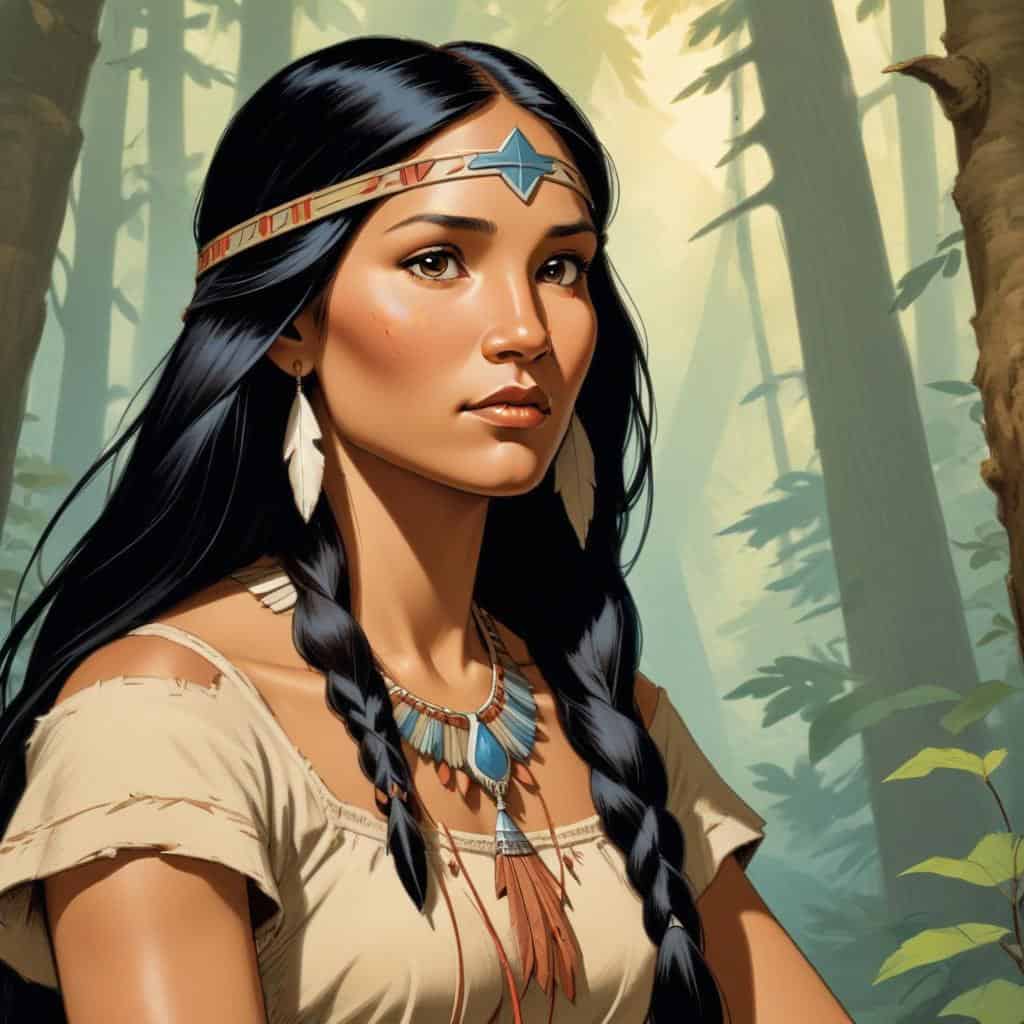
- The daughter of Chief Powhatan, who famously saved John Smith.
- Longhouse
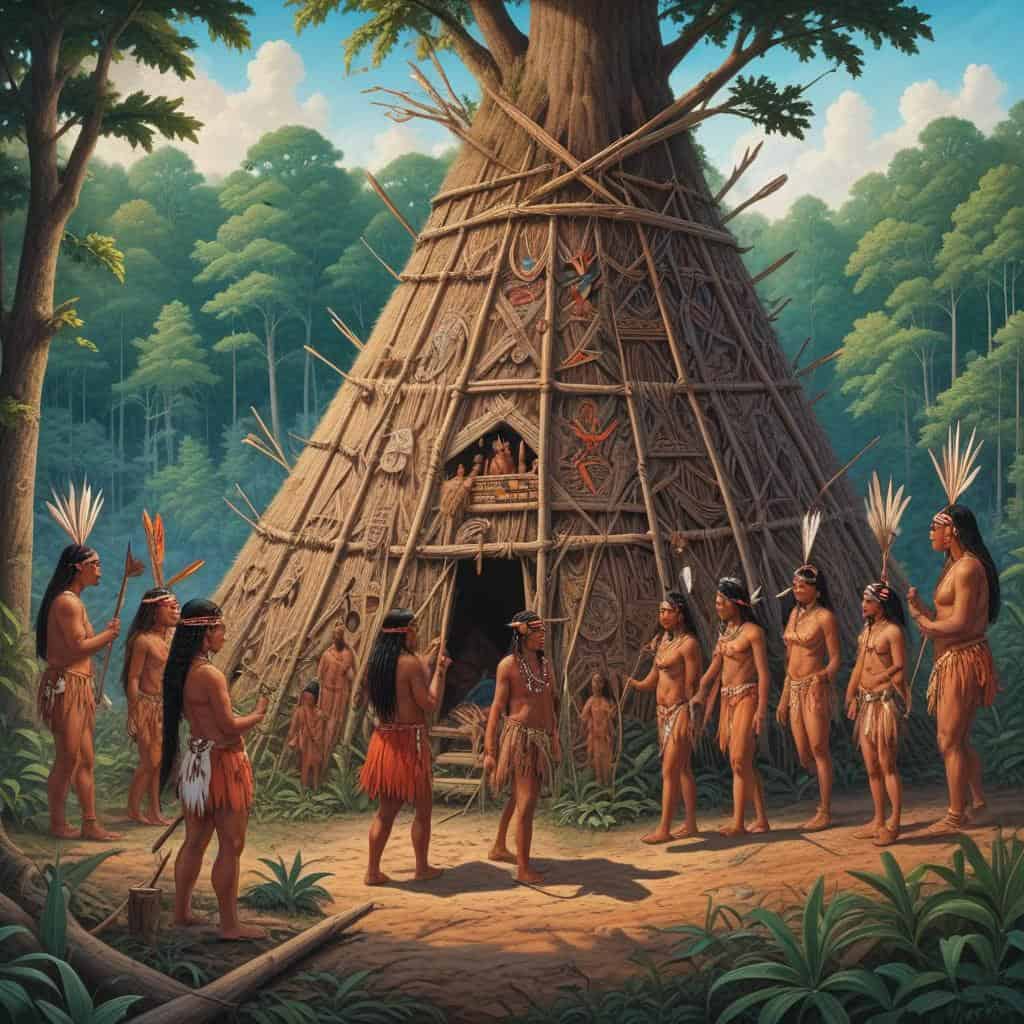
- The traditional dwelling of the Powhatan tribe, made of wood and bark.
Key Facts
This is the information used in the fact matching game
- Powhatan was the name of a Native American tribe in Virginia.
- Powhatan was also the name of the leader of this tribe.
- Powhatan's real name was Wahunsunacock.
- Powhatan ruled over a confederation of about 30 tribes.
- Powhatan's daughter, Pocahontas, is famous for her role in the early English colonization of Virginia.
- Powhatan's tribe spoke an Algonquian language.
- Powhatan's tribe lived in the coastal plains of Virginia.
- Powhatan's tribe practiced agriculture, hunting, and fishing for their food.
- Powhatan's tribe lived in longhouses made of saplings and woven mats.
- Powhatan's tribe had a matrilineal society, where descent and inheritance were traced through the mother's line.
- Powhatan's tribe used canoes made from hollowed-out cypress logs for transportation on rivers and estuaries.
- Powhatan's tribe traded with other Native American tribes in the region.
- Powhatan's tribe had a complex social structure with chiefs, priests, warriors, and commoners.
- Powhatan's tribe practiced traditional ceremonies and rituals to honor their ancestors and spirits.
- Powhatan's tribe faced conflicts with European colonists who arrived in the early 17th century.
- Powhatan's tribe suffered from diseases brought by the Europeans, leading to a decline in their population.
- Powhatan's tribe eventually merged with other tribes and lost their distinct identity.
- Powhatan's legacy lives on in the history and culture of Virginia.
- The Powhatan Indian Village in Jamestown Settlement provides a glimpse into the daily life of Powhatan's tribe.
- The Powhatan Renape Nation in New Jersey is one of the modern-day descendants of Powhatan's tribe.
Analysis & Significance
Major Accomplishments
Powhatan, also known as Wahunsenacawh, was the paramount chief of Tsenacommacah, a Native American tribe in Virginia. He unified several tribes under his rule and established a powerful alliance that controlled a large territory.
Impact on the World
Powhatan’s leadership and diplomatic skills were instrumental in maintaining peace and stability among the tribes in the region. His alliance with other tribes also played a crucial role in resisting European colonization and preserving Native American culture and traditions.
Enduring Legacy
Today, Powhatan is remembered as a resilient and influential leader who fought to protect his people and their way of life. His legacy continues to inspire Native American communities to uphold their heritage and resist forces that threaten their sovereignty and cultural identity.
Powhatan: Chief of the Powhatan Confederacy Games


Take Your Learning Offline
Want a convenient, print-ready study guide for this lesson? Become a Memory Wizards Pro member to unlock the downloadable " Memory Scrolls" for this topic and our entire library!
- ✓ Complete Vocabulary Lists
- ✓ Key Facts & Timelines
- ✓ Beautifully Formatted for Print & Mobile