
Po’Pay: A Revolutionary Leader’s Biography
The visionary leader who united Pueblo tribes in the Great Pueblo Revolt.
How Do You Learn Best?
Learn by Reading
Immerse yourself in the 10-minute visual lesson for a comprehensive understanding of the topic.
Learn by Reviewing
Jump directly to the key facts, timeline, and vocabulary lists to build a solid foundation of details.
Learn by Doing
Challenge yourself! Jump straight into the interactive games to learn by trial, error, and discovery.
Po’Pay: A Revolutionary Leader’s Biography in 10 Minutes
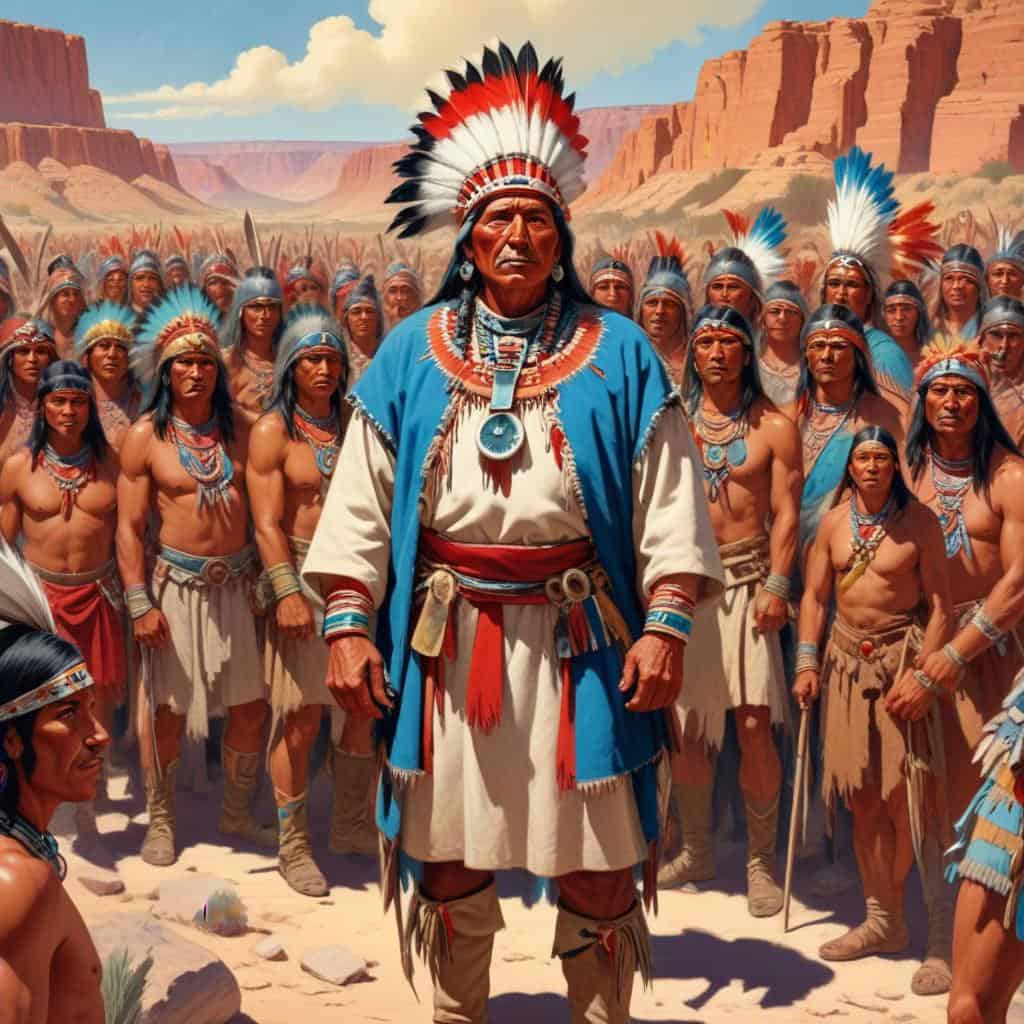
Introduction
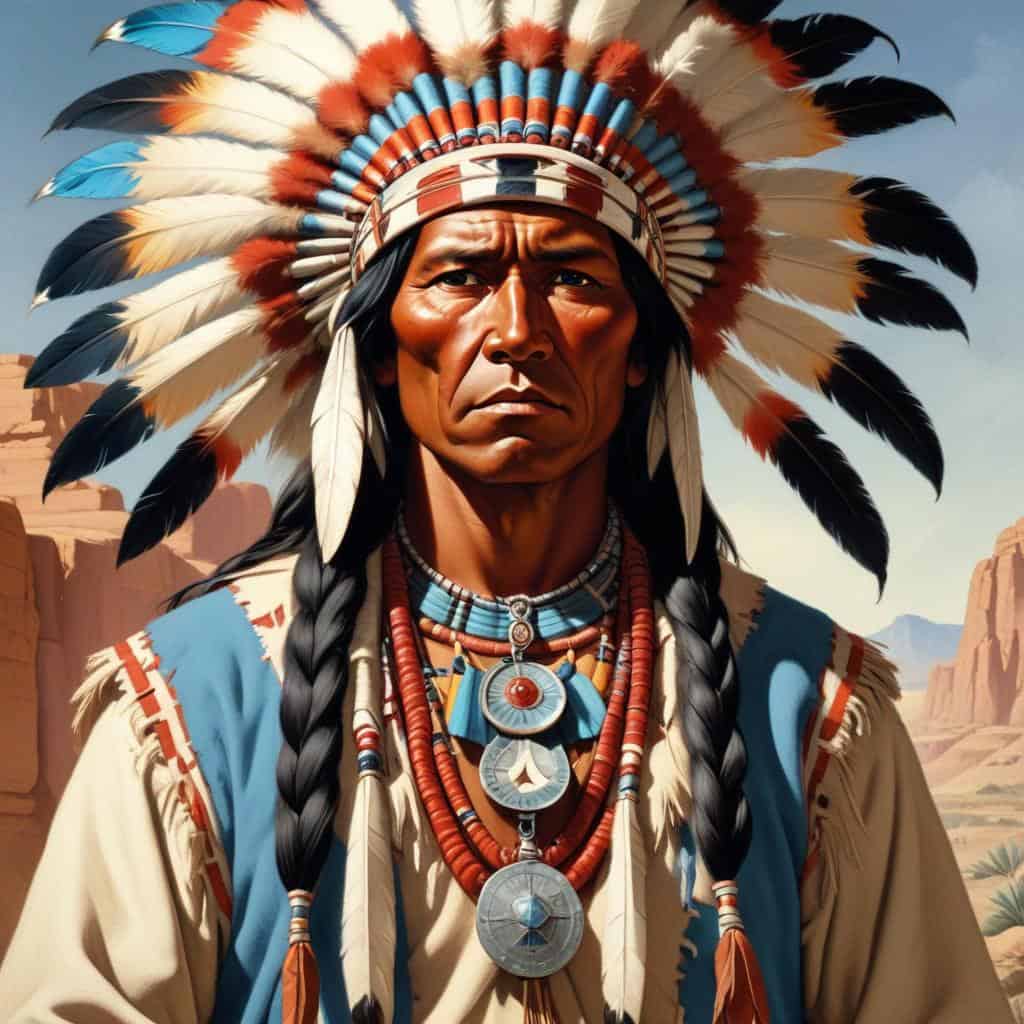
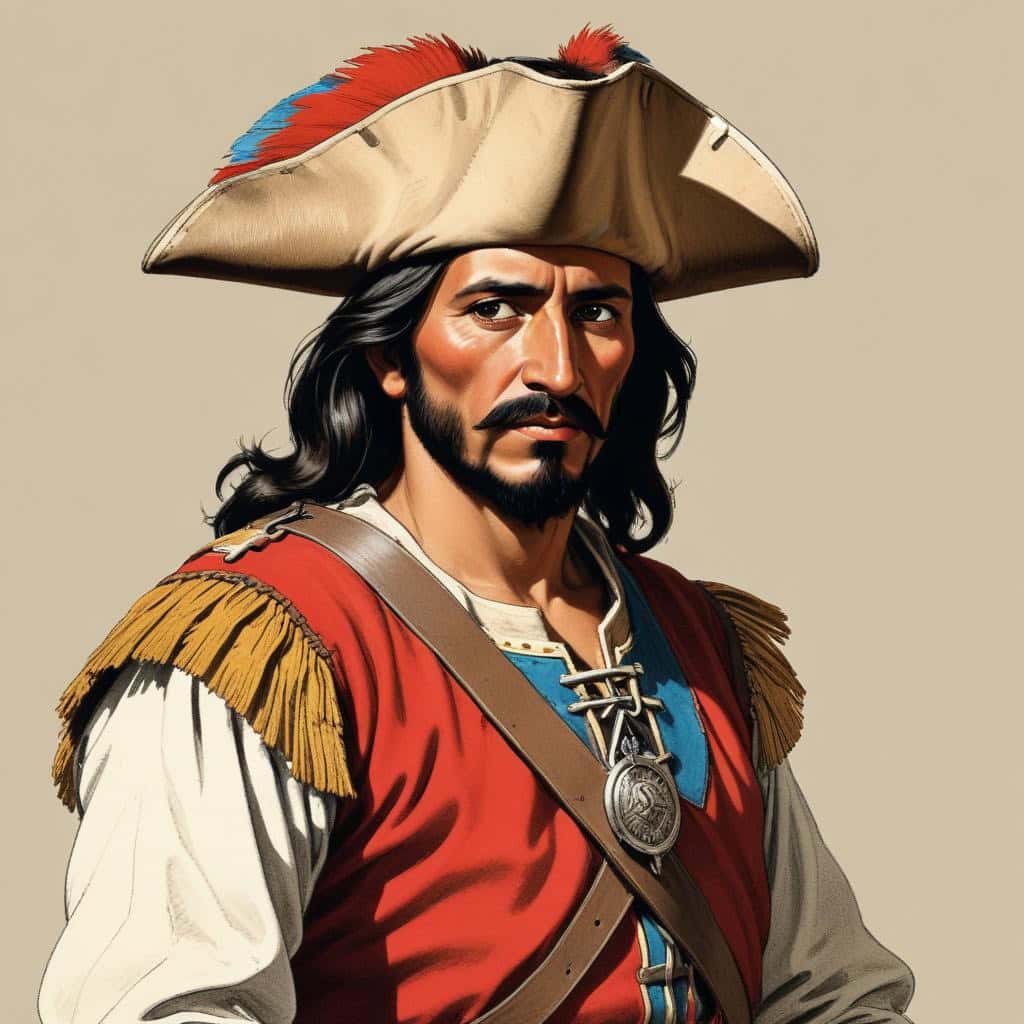
Antonio de Otermin
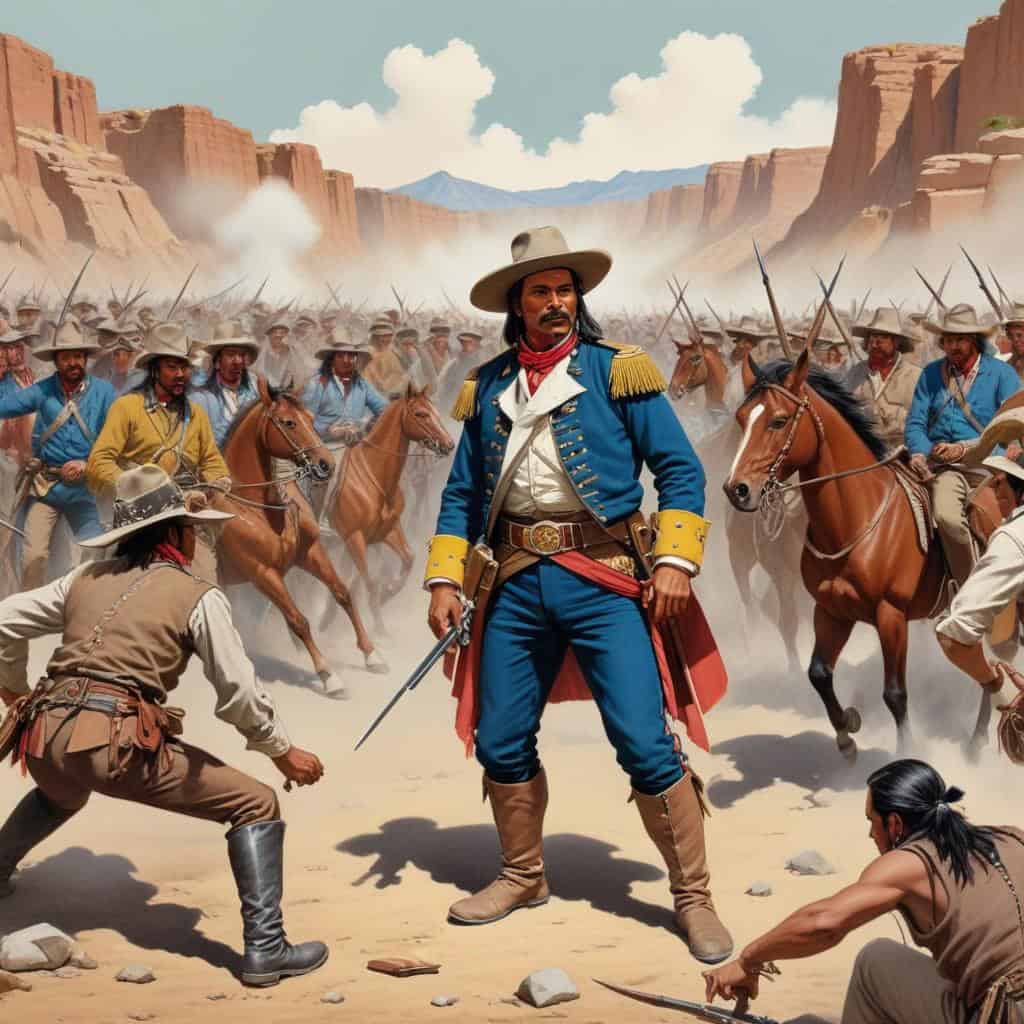
Diego de Vargas
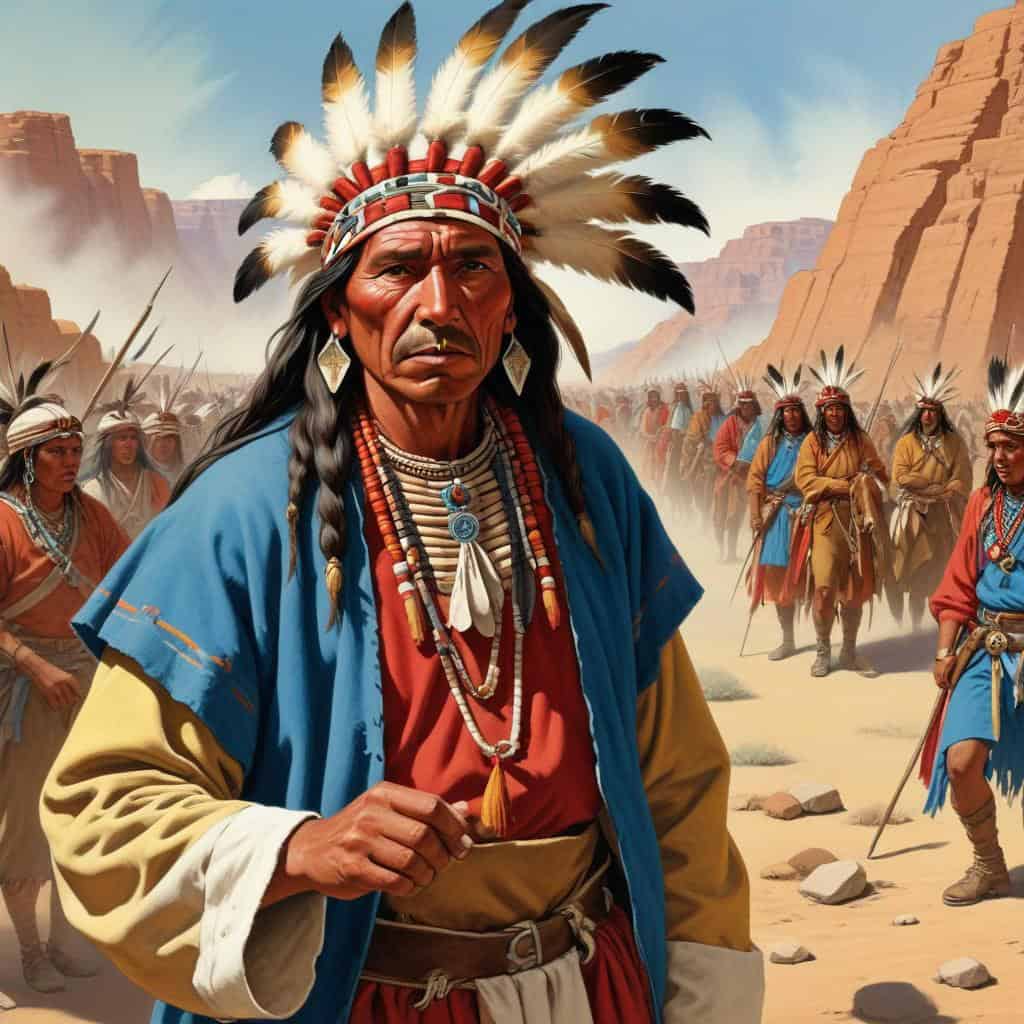
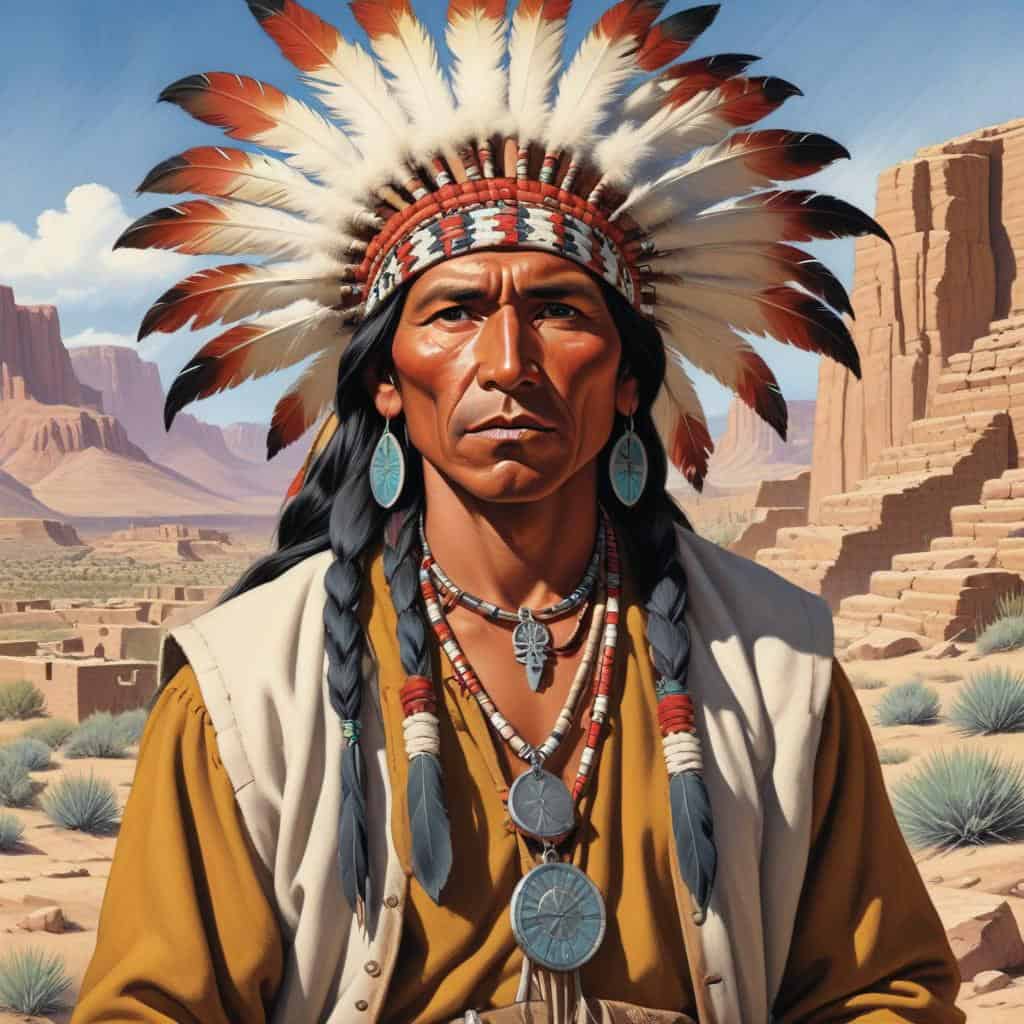
Popé
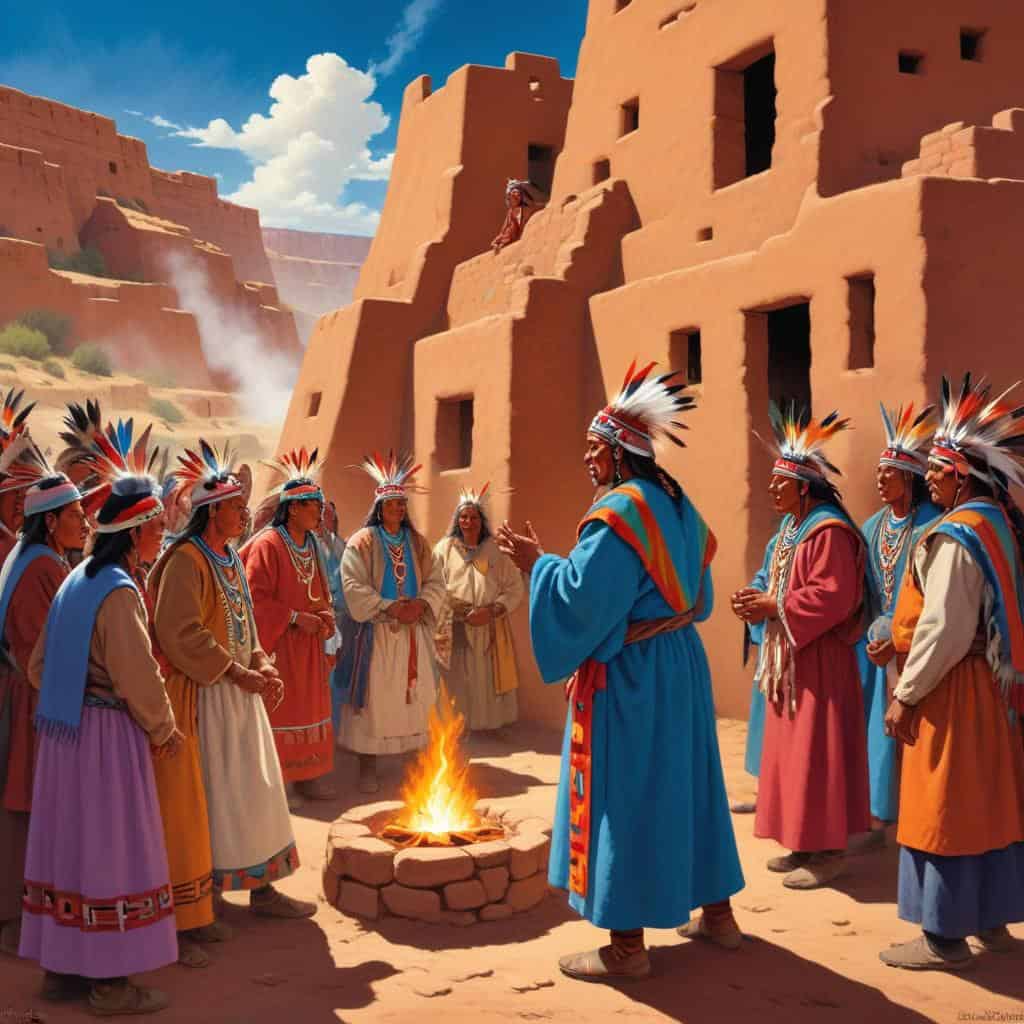
The Birth of Po’Pay
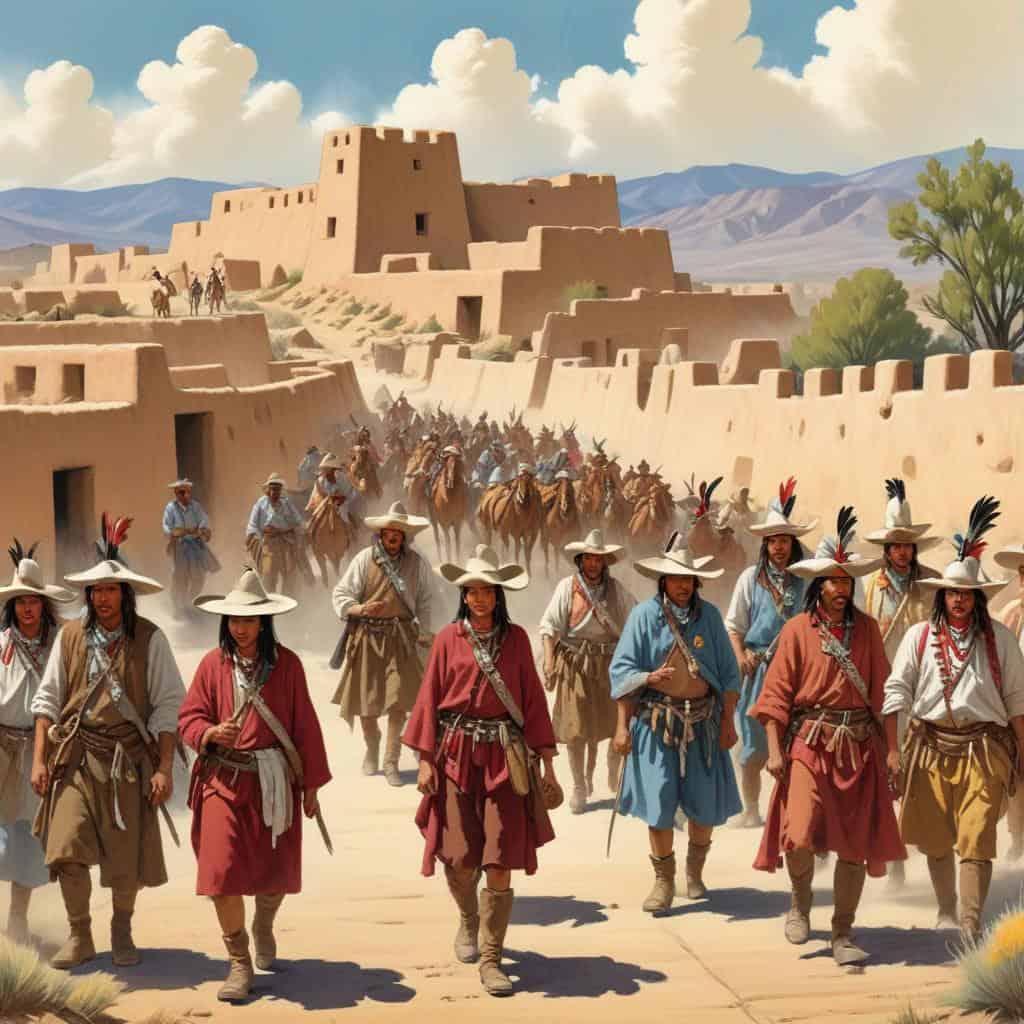
Spanish Colonization of New Mexico
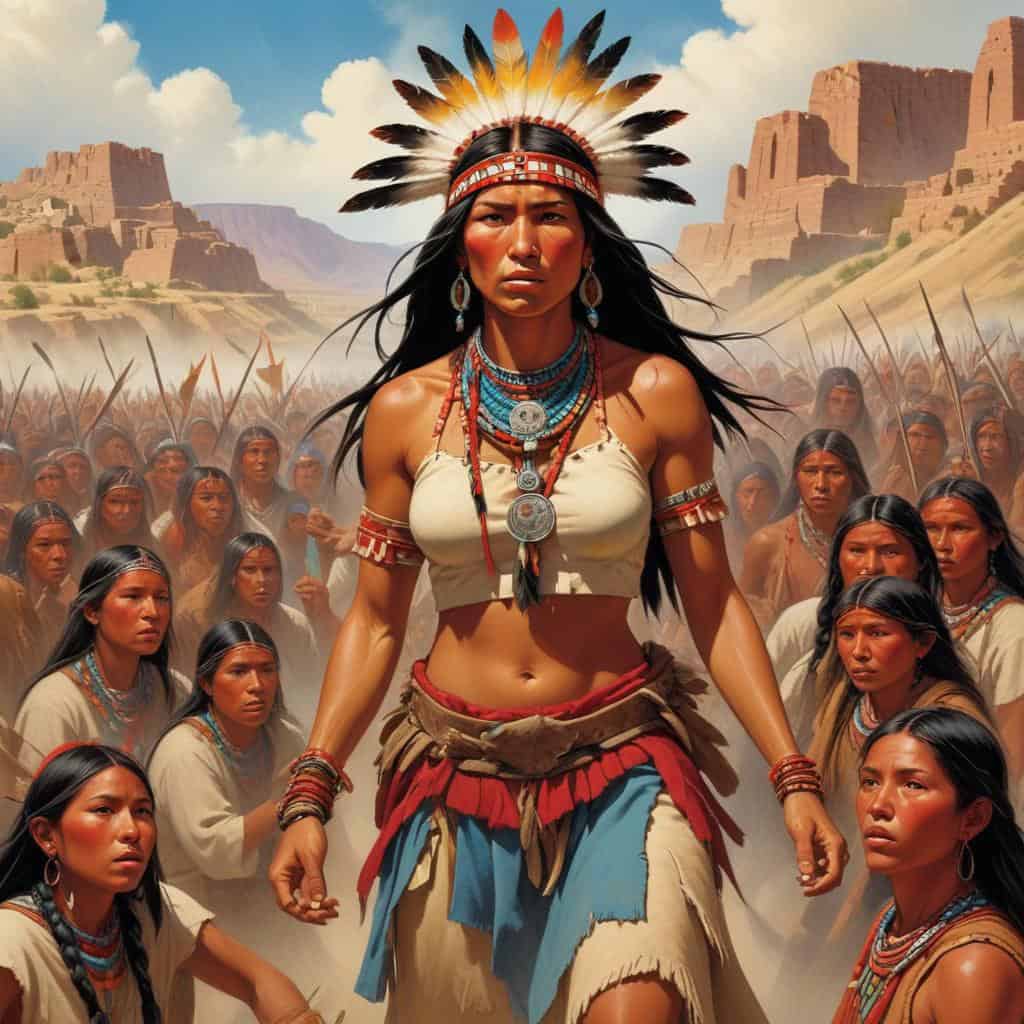
Religious Persecution and Revolt
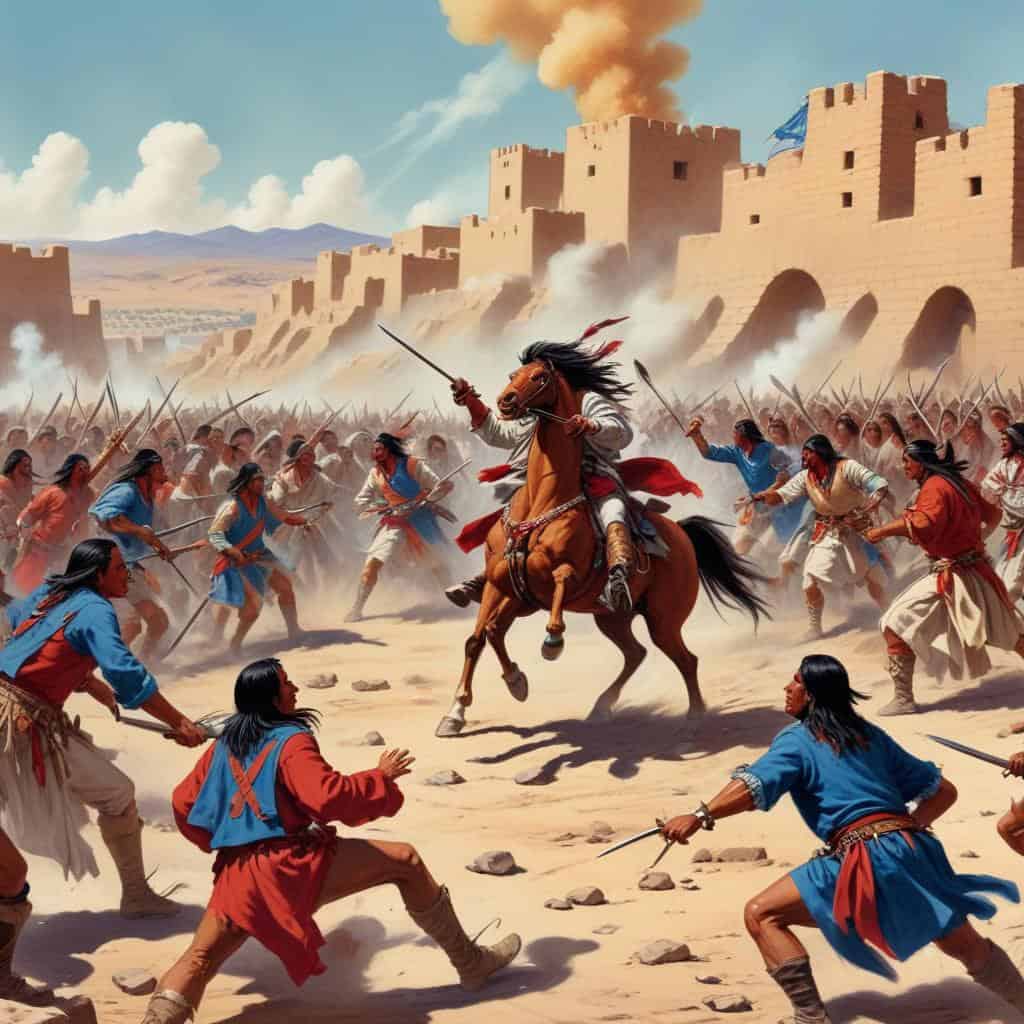
The Pueblo Revolt of 1680
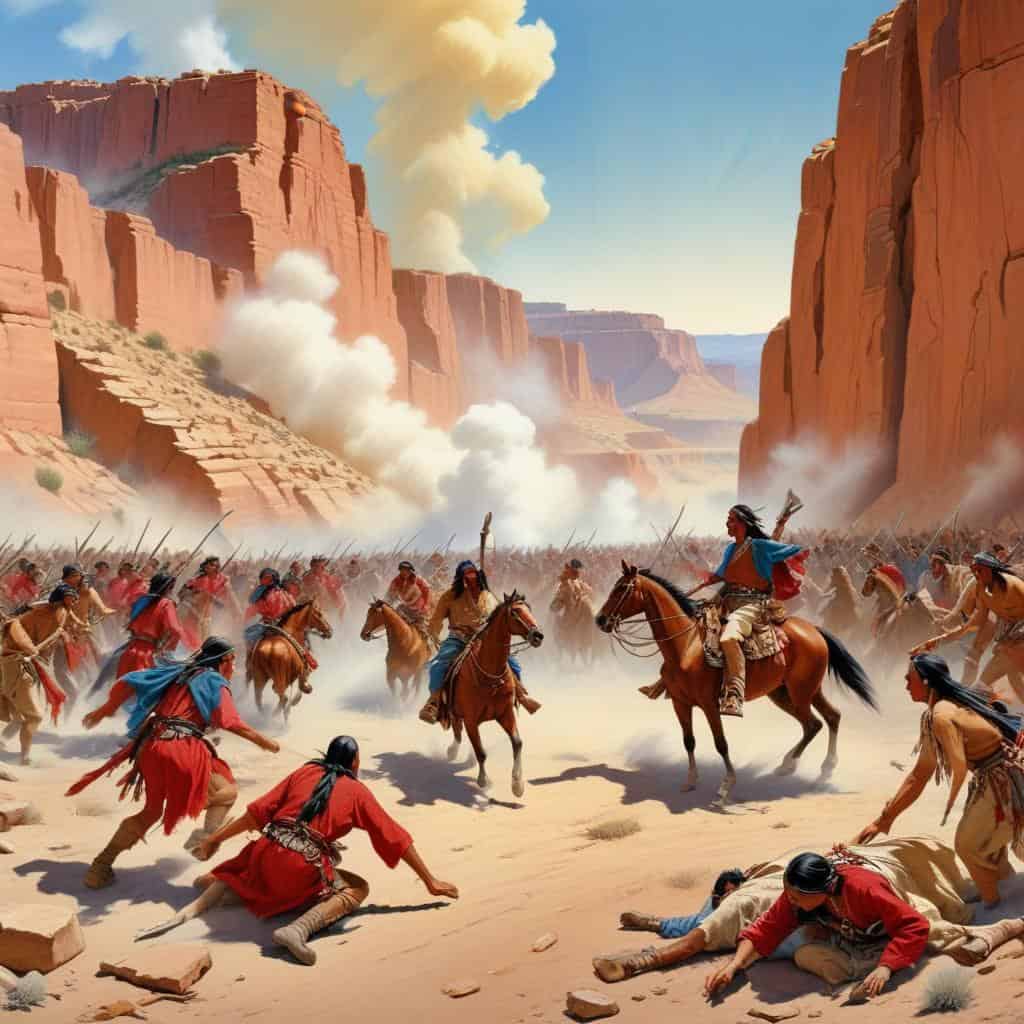
Expulsion of the Spanish
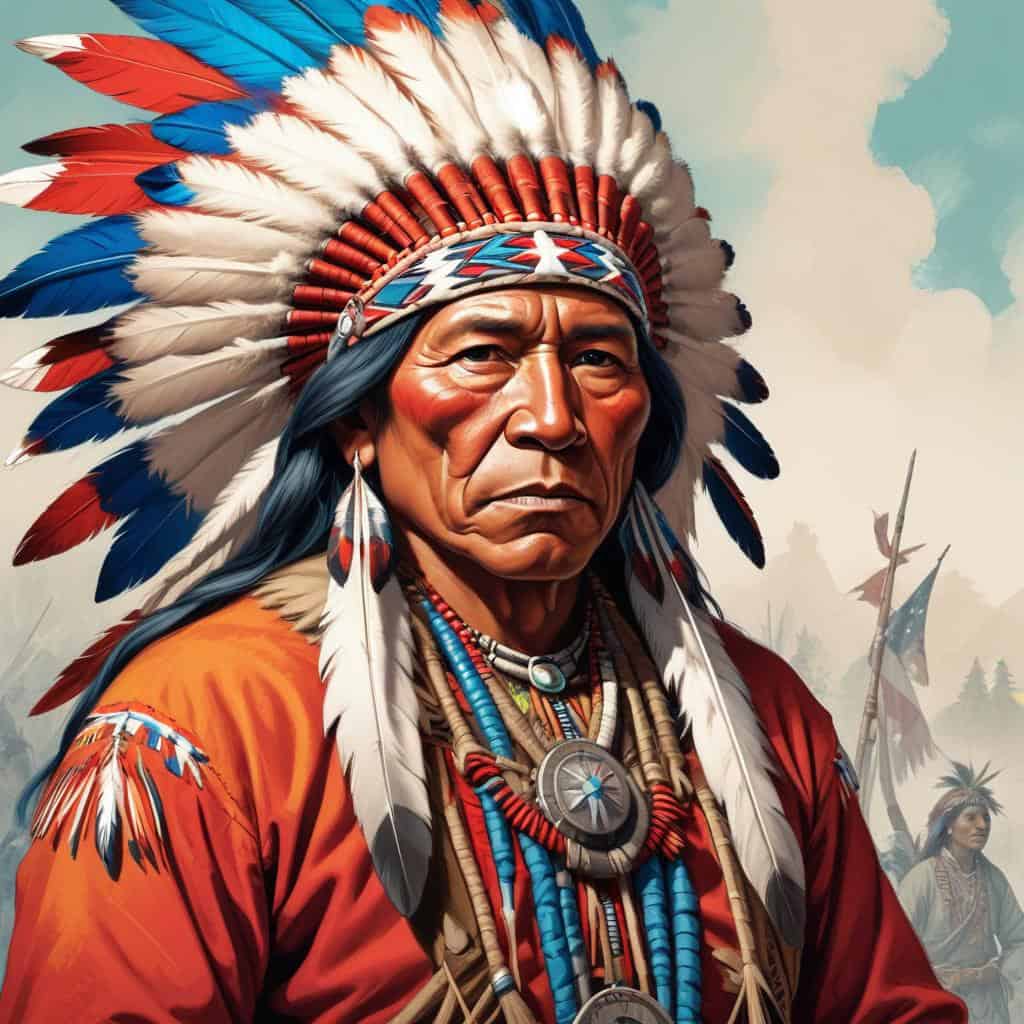
Legacy of Resistance
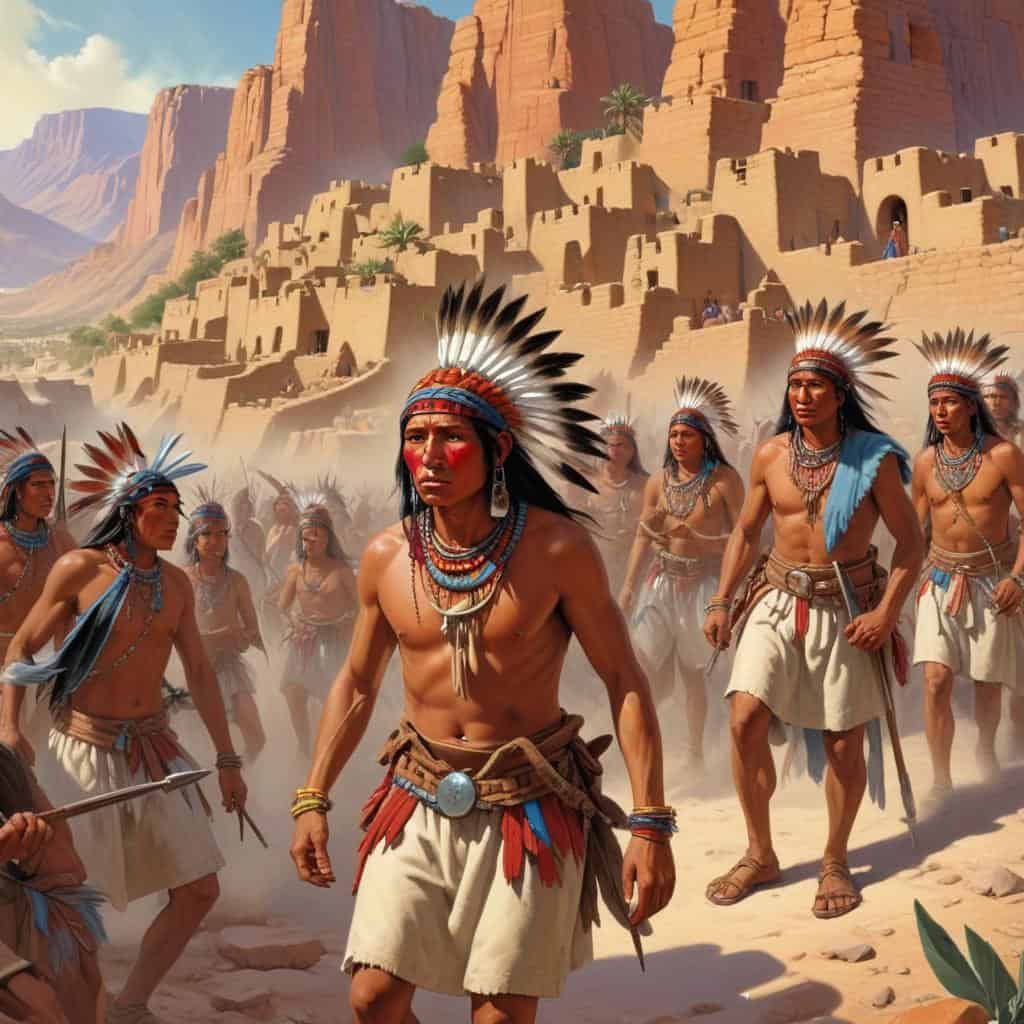
Continued Struggles and Resilience
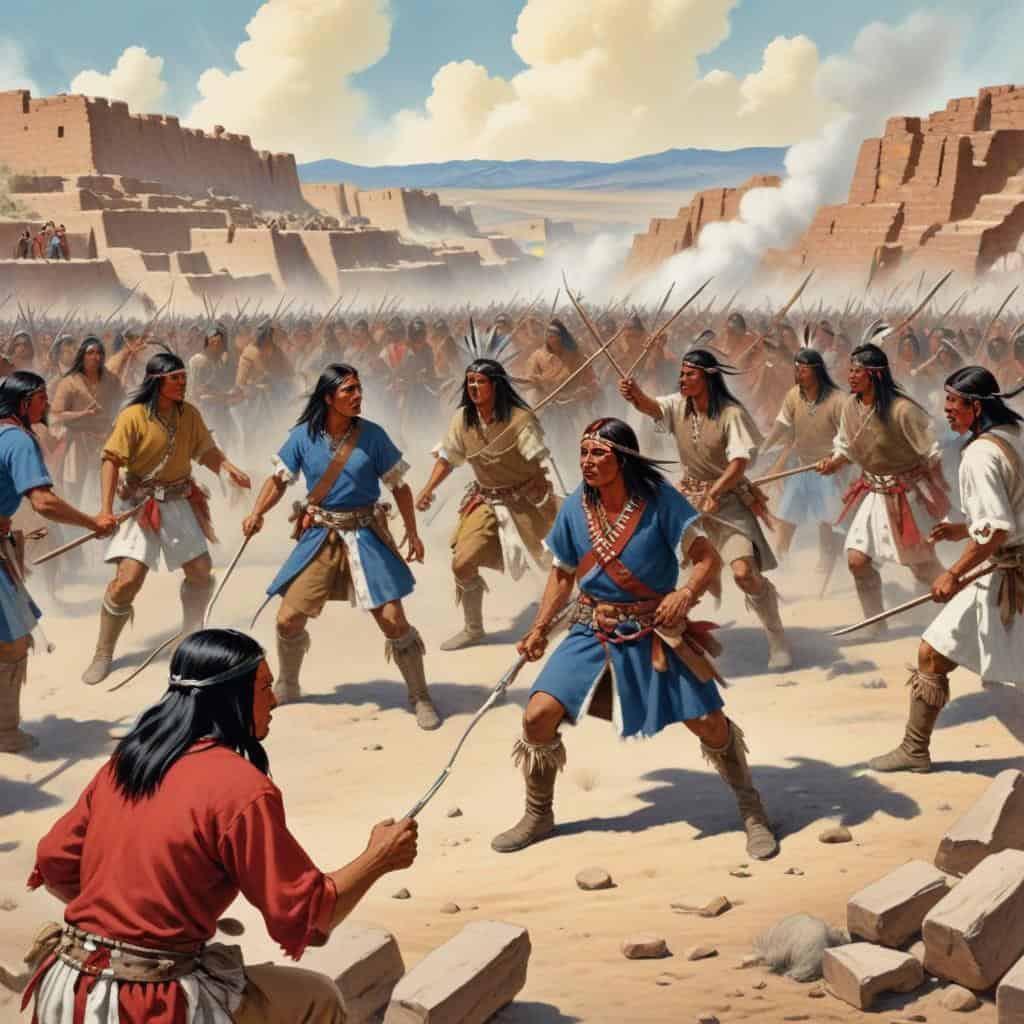
Historical Significance
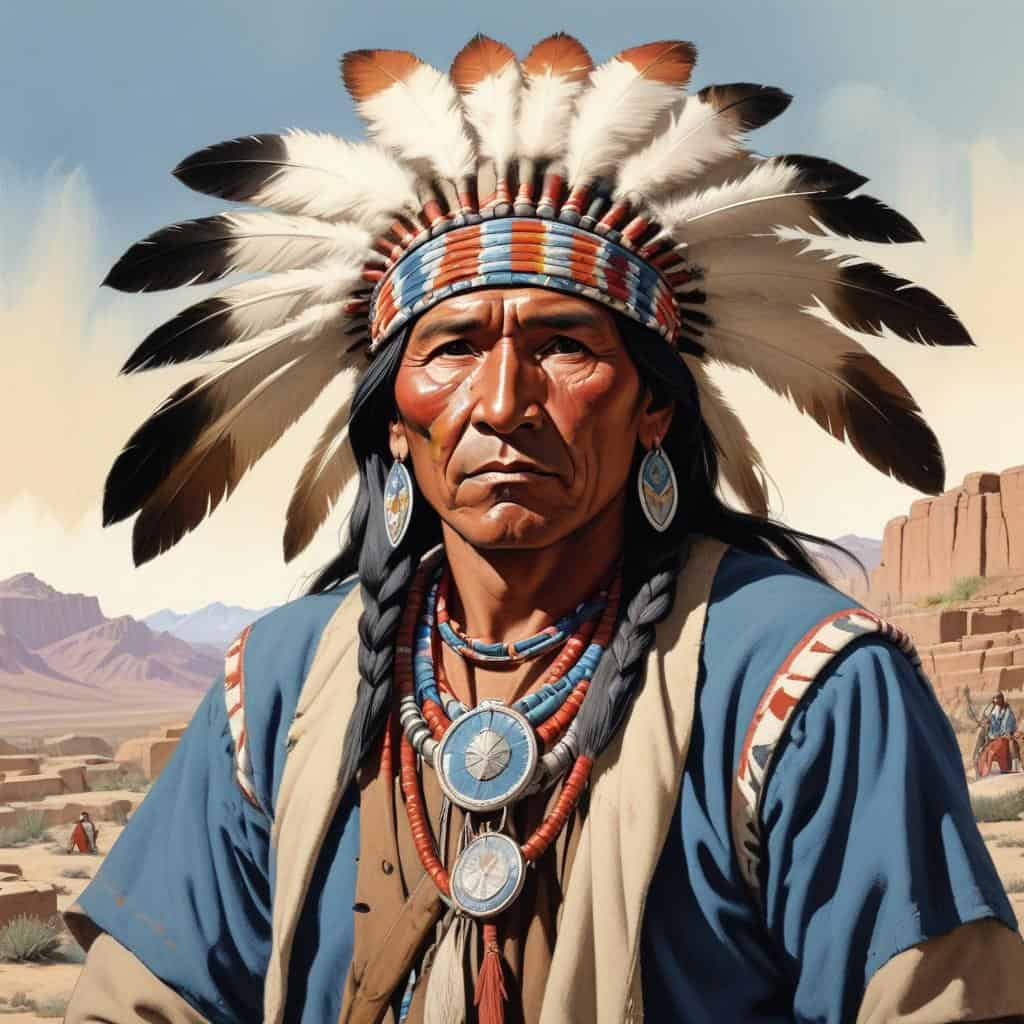
Remembering Po’Pay
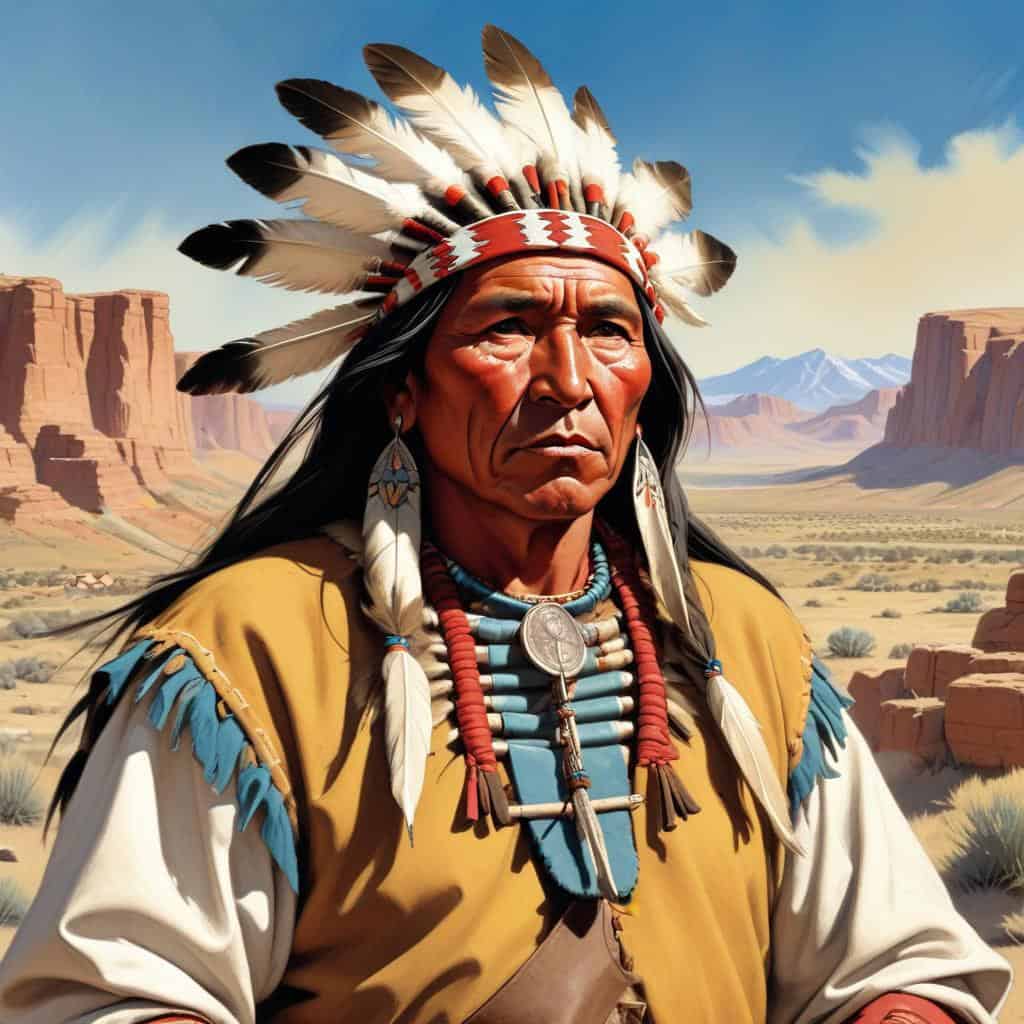
Lesson Details & Resources
In a Nutshell
Leader of the Pueblo Revolt of 1680
Lived: 1630 – 1688
Known for leading the successful Pueblo uprising against Spanish colonizers in present-day New Mexico
Legacy includes temporarily driving the Spanish out of the region and restoring Pueblo autonomy for over a decade
Timeline of Po’Pay: A Revolutionary Leader’s Biography
Po'pay is born in the Tewa Pueblo of Ohkay Owingeh (San Juan Pueblo) in present-day New Mexico
Spanish colonization of New Mexico intensifies, leading to increased oppression and forced conversion of the Pueblo people
Po'pay becomes a prominent religious leader among the Pueblo people and organizes a rebellion against Spanish rule
August 10, 1680 - Po'pay launches the Pueblo Revolt, coordinating attacks on Spanish settlements across New Mexico
The Pueblo Revolt successfully drives the Spanish out of New Mexico, marking the only successful Native American uprising against European colonization in North America
Po'pay establishes a new government and religious system among the Pueblo people, aimed at preserving their traditional way of life
Po'pay's leadership and influence begin to wane as internal divisions and conflicts emerge among the Pueblo communities
Spanish forces led by Diego de Vargas launch a reconquest of New Mexico, gradually regaining control over the region
Po'pay dies, leaving behind a complex legacy of resistance and resilience among the Pueblo people
The Pueblo people negotiate a peace treaty with the Spanish, allowing for some degree of autonomy and religious freedom within the missions
The Pueblo Revolt inspires future generations of Native American resistance against colonial powers in North America
Po'pay is revered as a hero and symbol of Pueblo resistance and cultural preservation in contemporary Native American communities
Vocabulary List
- Pueblo
- Po'Pay was a Pueblo leader in the 17th century.
- Revolt
- Po'Pay led the Pueblo Revolt against Spanish colonizers in New Mexico.
- Resistance
- Po'Pay's leadership exemplified the resistance of the Pueblo people.
- Colonization
- The Pueblo Revolt was a response to Spanish colonization of the region.
- Indigenous
- Po'Pay was an indigenous leader fighting for the rights of his people.
- Sovereignty
- Po'Pay's goal was to regain sovereignty for the Pueblo communities.
- Rebellion
- The Pueblo Revolt was a successful rebellion against Spanish rule.
- Culture
- Po'Pay sought to preserve Pueblo culture and traditions.
- Legacy
- Po'Pay's legacy as a leader of the Pueblo Revolt lives on in Native American history.
- Empowerment
- Po'Pay's actions empowered the Pueblo people to stand up against oppression.
Key Facts
This is the information used in the fact matching game
- Po'Pay was a Tewa religious leader and the main organizer of the Pueblo Revolt in 1680.
- Po'Pay was born in Ohkay Owingeh (formerly known as San Juan Pueblo).
- Po'Pay was believed to have been a medicine man and a leader in the San Juan Pueblo community.
- Po'Pay was influenced by Spanish colonizers' attempts to suppress Native American religious practices.
- Po'Pay was able to unite various Pueblo tribes in New Mexico against Spanish rule through his leadership.
- Po'Pay orchestrated a coordinated attack on Spanish settlements in August 1680, leading to the successful Pueblo Revolt.
- Po'Pay's uprising resulted in the deaths of over 400 Spanish colonizers and the burning of churches and other symbols of Spanish authority.
- Po'Pay's leadership during the Pueblo Revolt led to the expulsion of Spanish colonizers from New Mexico for over a decade.
- Po'Pay is considered a hero by many Pueblo tribes for his role in resisting Spanish colonization.
- Po'Pay's legacy is celebrated in modern Pueblo culture through ceremonies and festivals honoring his memory.
- Po'Pay's actions in the Pueblo Revolt inspired other indigenous uprisings against European colonization in the Americas.
- Po'Pay's influence extended beyond his own tribe, as he was able to unite various Pueblo groups with differing languages and customs against a common enemy.
- Po'Pay's leadership skills and strategic planning were instrumental in the success of the Pueblo Revolt.
- Po'Pay's revolt was a significant event in the history of Native American resistance against European colonization in North America.
- Po'Pay's revolt marked the only successful indigenous uprising that led to the expulsion of European colonizers from a large region in North America.
- Po'Pay's leadership was crucial in maintaining unity among the Pueblo tribes during and after the revolt, preventing the Spanish from regaining control.
- Po'Pay's efforts to preserve indigenous culture and religion in the face of Spanish persecution have had a lasting impact on Pueblo communities in the Southwest.
- Po'Pay's legacy is a reminder of the resilience and determination of Native American peoples in the face of colonization and oppression.
- Po'Pay's actions in the Pueblo Revolt have been commemorated in art, literature, and historical accounts as a symbol of indigenous resistance and empowerment.
- Po'Pay's impact on Pueblo history and culture continues to be recognized and celebrated by contemporary Native American communities.
Analysis & Significance
Major Accomplishments
Po’Pay was a leader of the Pueblo Revolt of 1680, successfully orchestrating the uprising against Spanish colonizers in New Mexico. His strategic planning and ability to unite various Pueblo tribes were instrumental in the rebellion’s success.
Impact on the World
Po’Pay’s leadership in the Pueblo Revolt had a significant impact on the history of Native American resistance against European colonization in North America. The successful rebellion inspired other indigenous groups to resist and assert their sovereignty, challenging the dominance of European powers in the region.
Enduring Legacy
Today, Po’Pay is remembered as a symbol of indigenous resistance and resilience. His role in the Pueblo Revolt is celebrated as a pivotal moment in Native American history, highlighting the importance of cultural preservation and the fight for self-determination. Po’Pay’s legacy serves as a reminder of the ongoing struggles and triumphs of indigenous peoples against colonial oppression.
Po’Pay: A Revolutionary Leader’s Biography Games


Take Your Learning Offline
Want a convenient, print-ready study guide for this lesson? Become a Memory Wizards Pro member to unlock the downloadable " Memory Scrolls" for this topic and our entire library!
- ✓ Complete Vocabulary Lists
- ✓ Key Facts & Timelines
- ✓ Beautifully Formatted for Print & Mobile