
Opechancanough: A Native American Leader’s Biography
The fearless Powhatan chief who fought against English colonization in Virginia.
How Do You Learn Best?
Learn by Reading
Immerse yourself in the 10-minute visual lesson for a comprehensive understanding of the topic.
Learn by Reviewing
Jump directly to the key facts, timeline, and vocabulary lists to build a solid foundation of details.
Learn by Doing
Challenge yourself! Jump straight into the interactive games to learn by trial, error, and discovery.
Opechancanough: A Native American Leader’s Biography in 10 Minutes
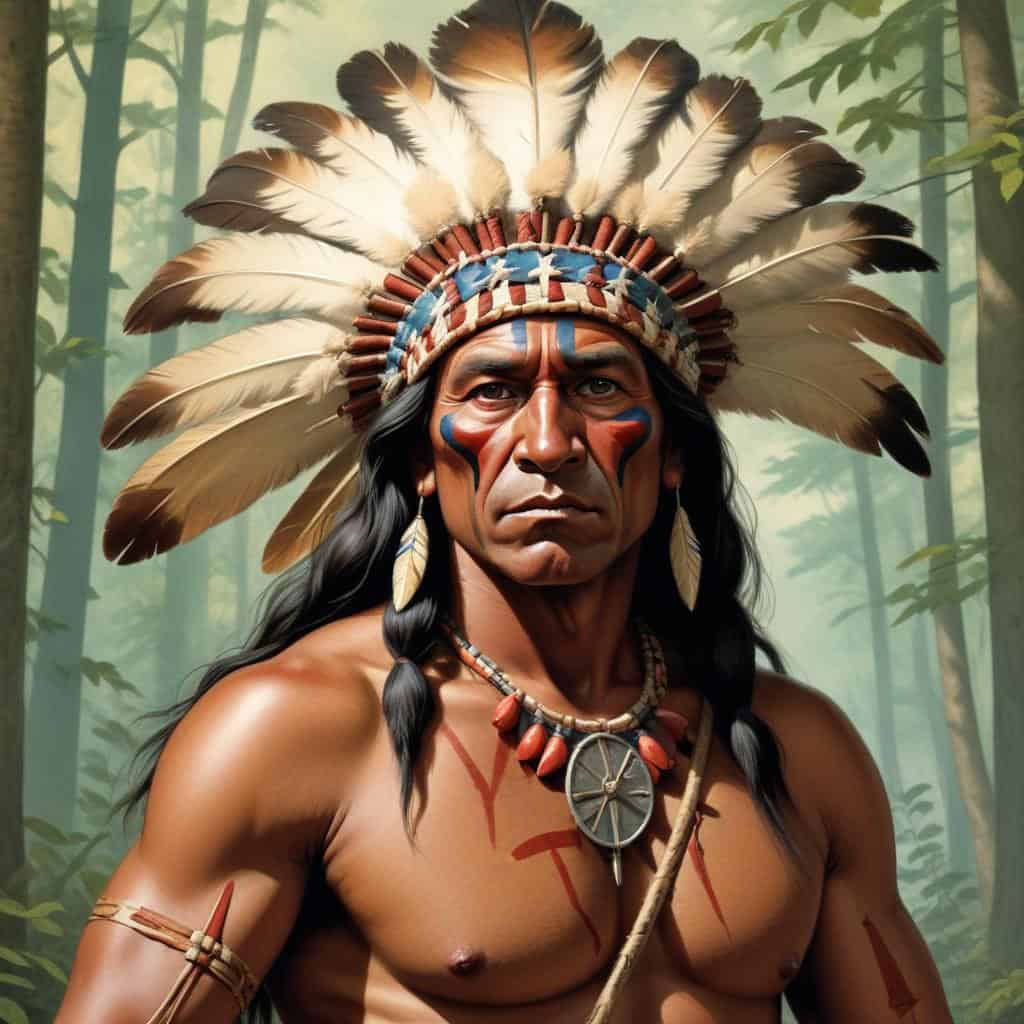
Introduction
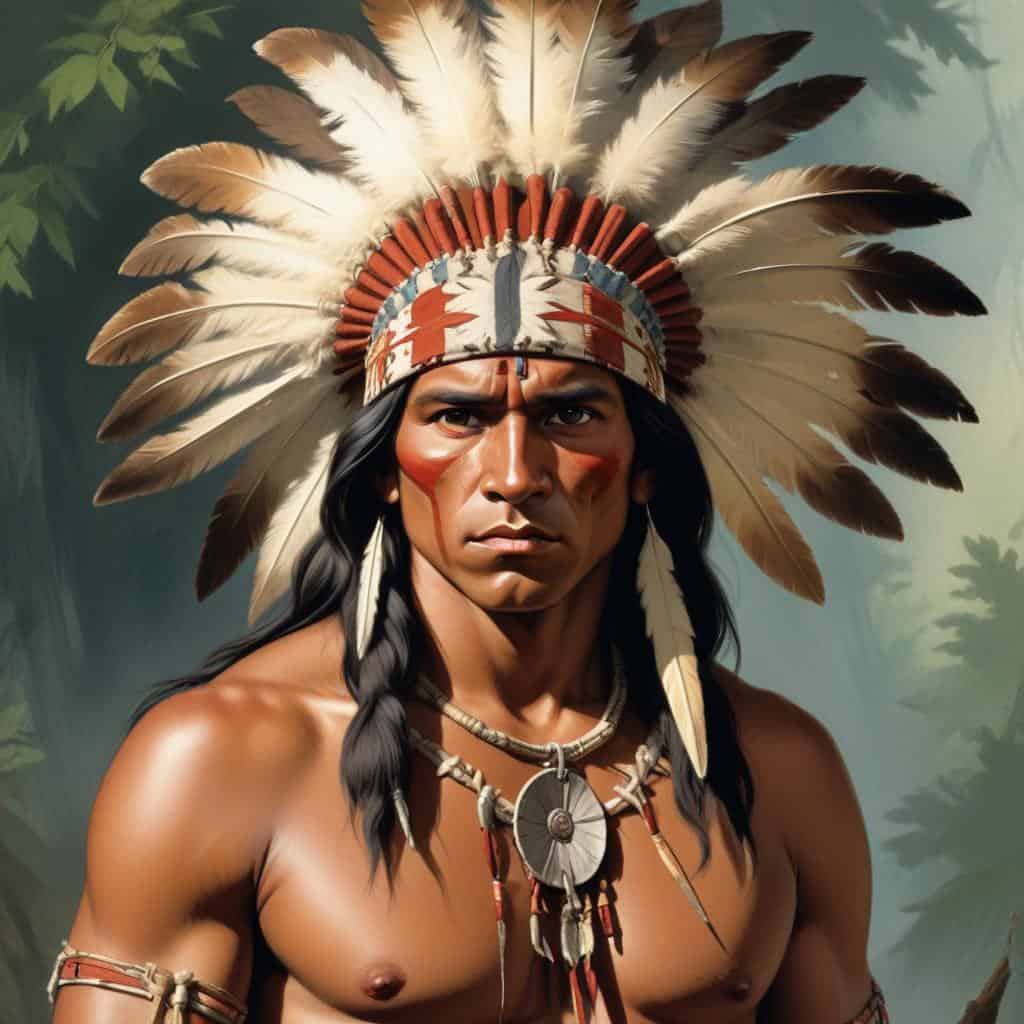
Powhatan
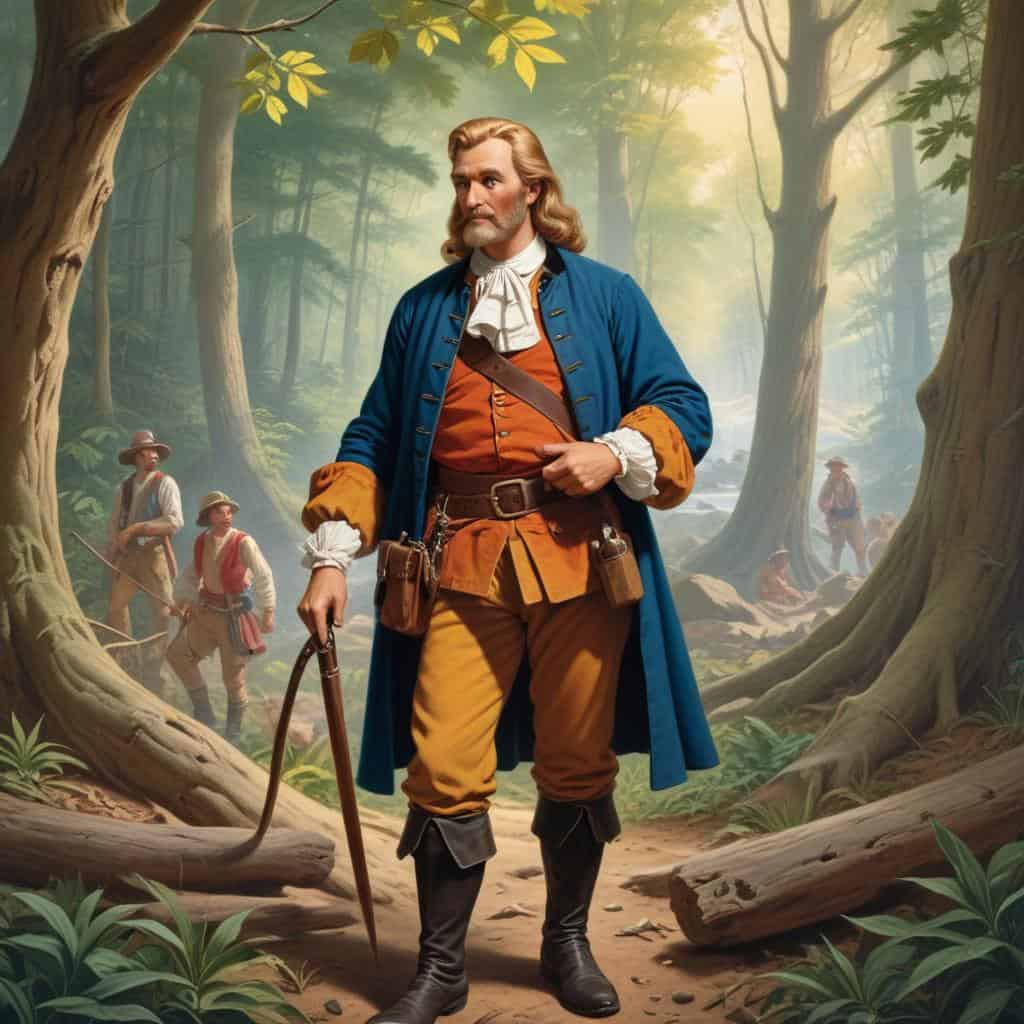
John Smith
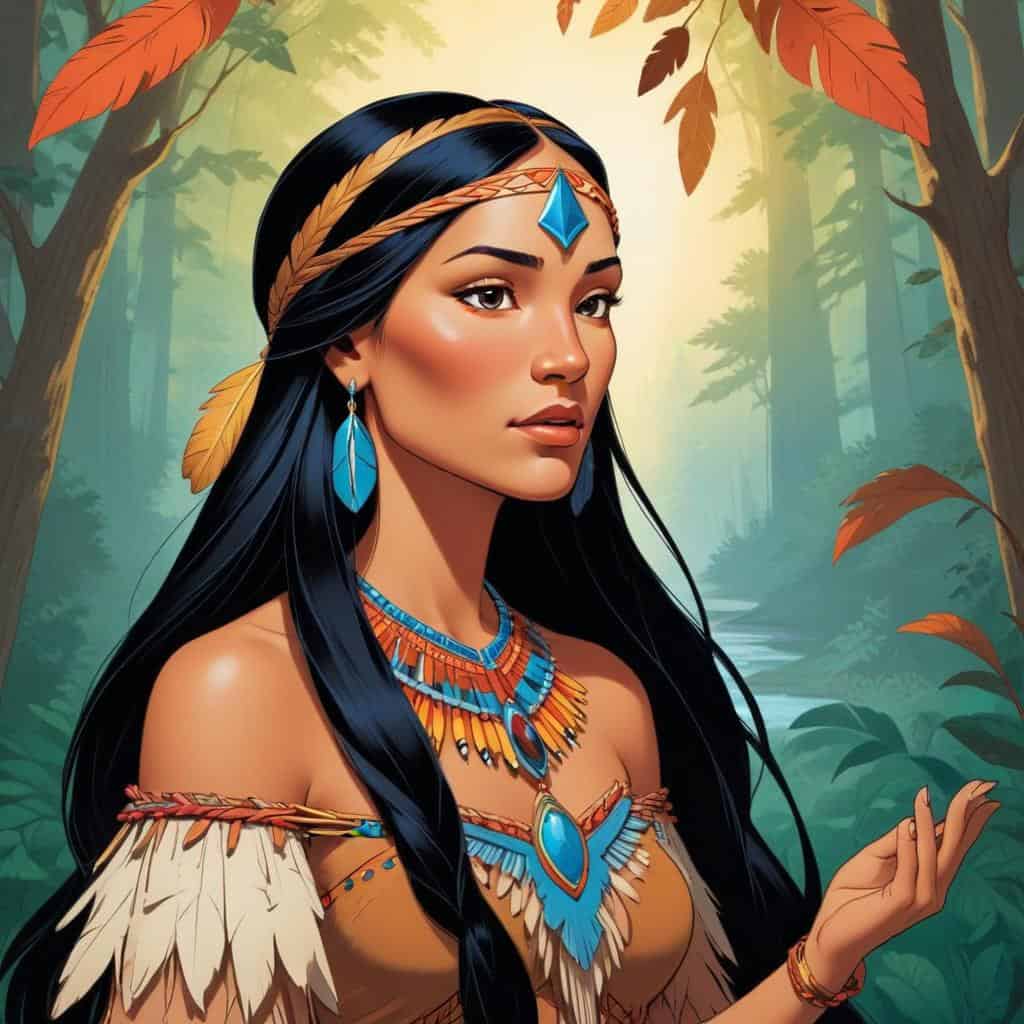
Pocahontas
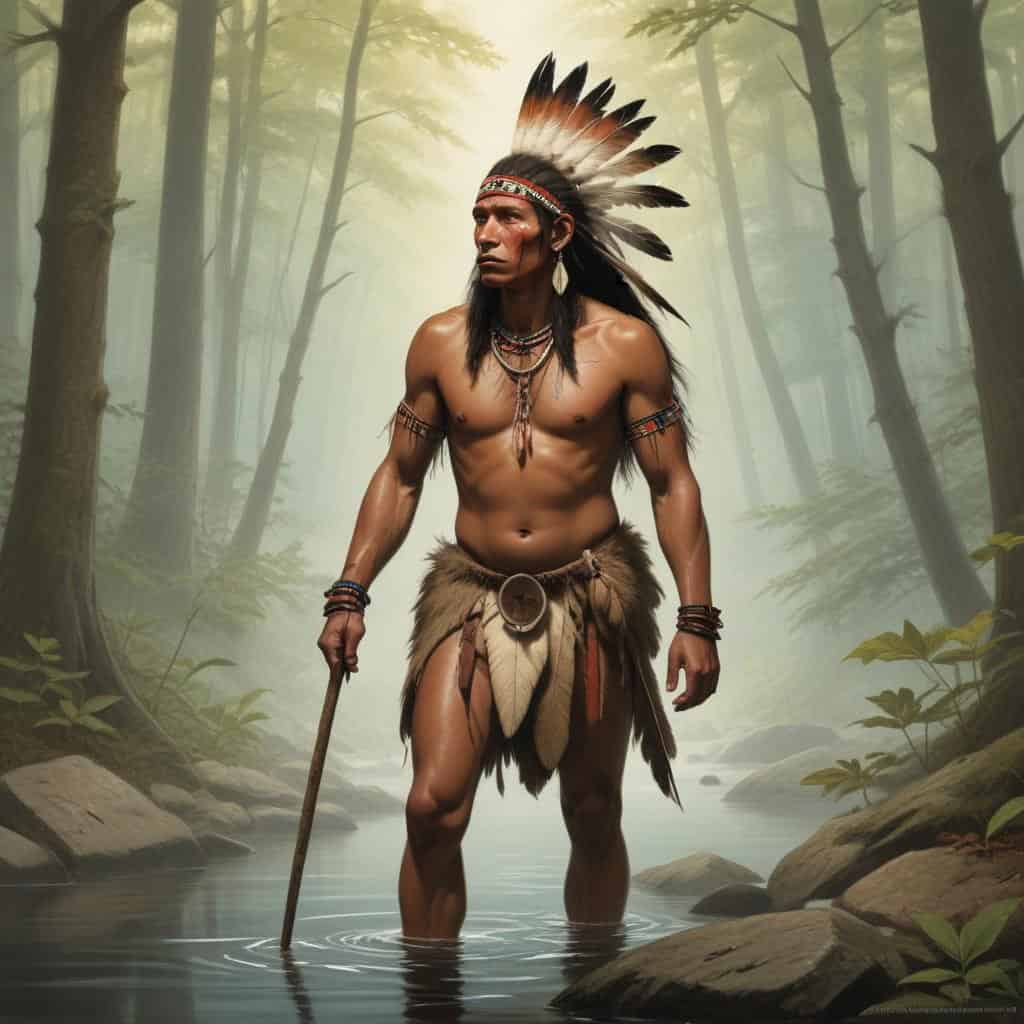
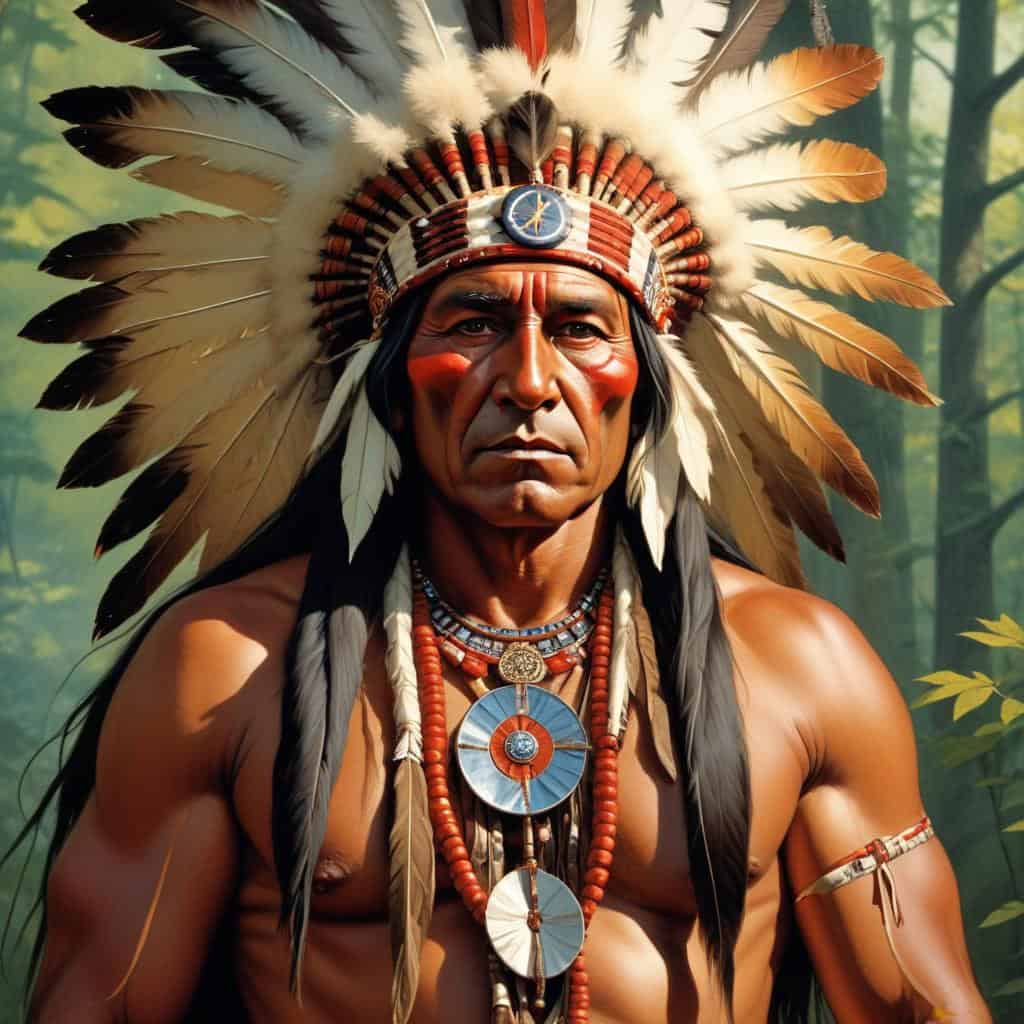
The Early Life of Opechancanough
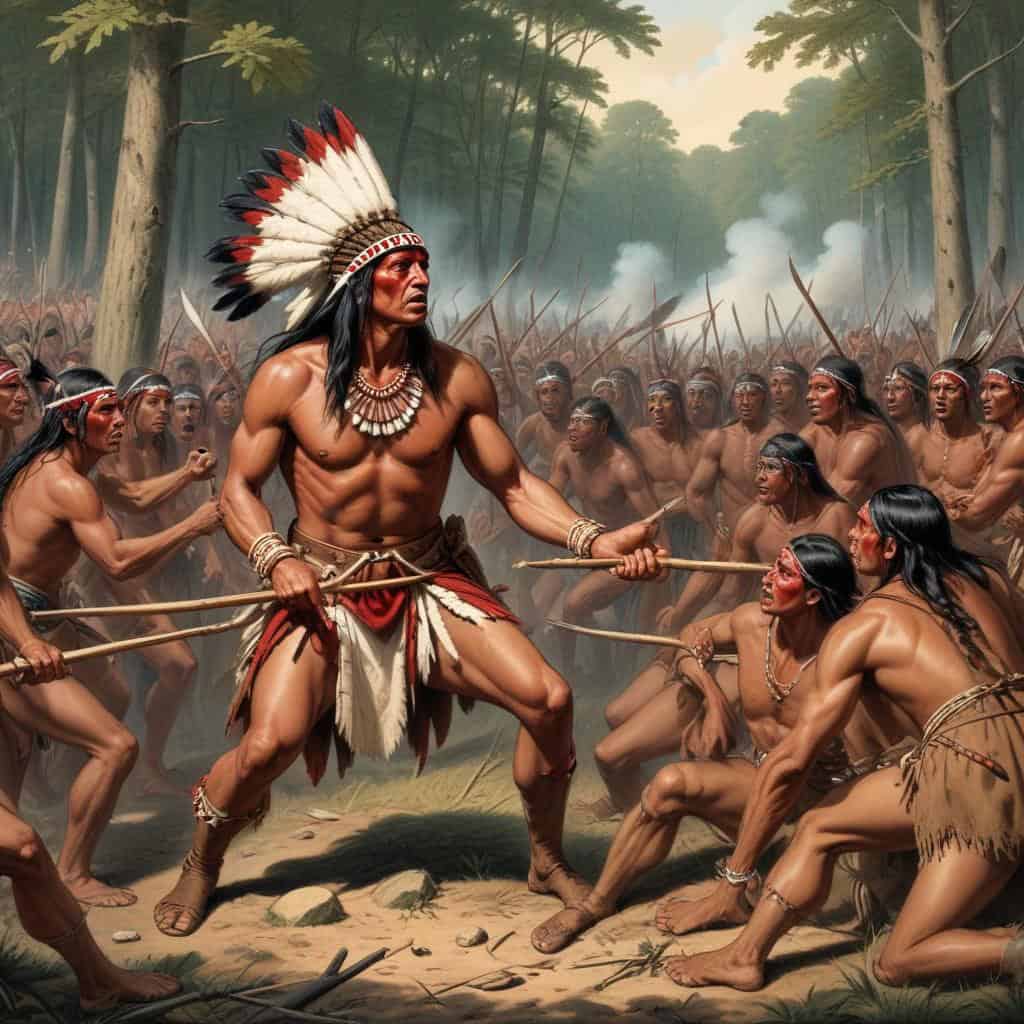
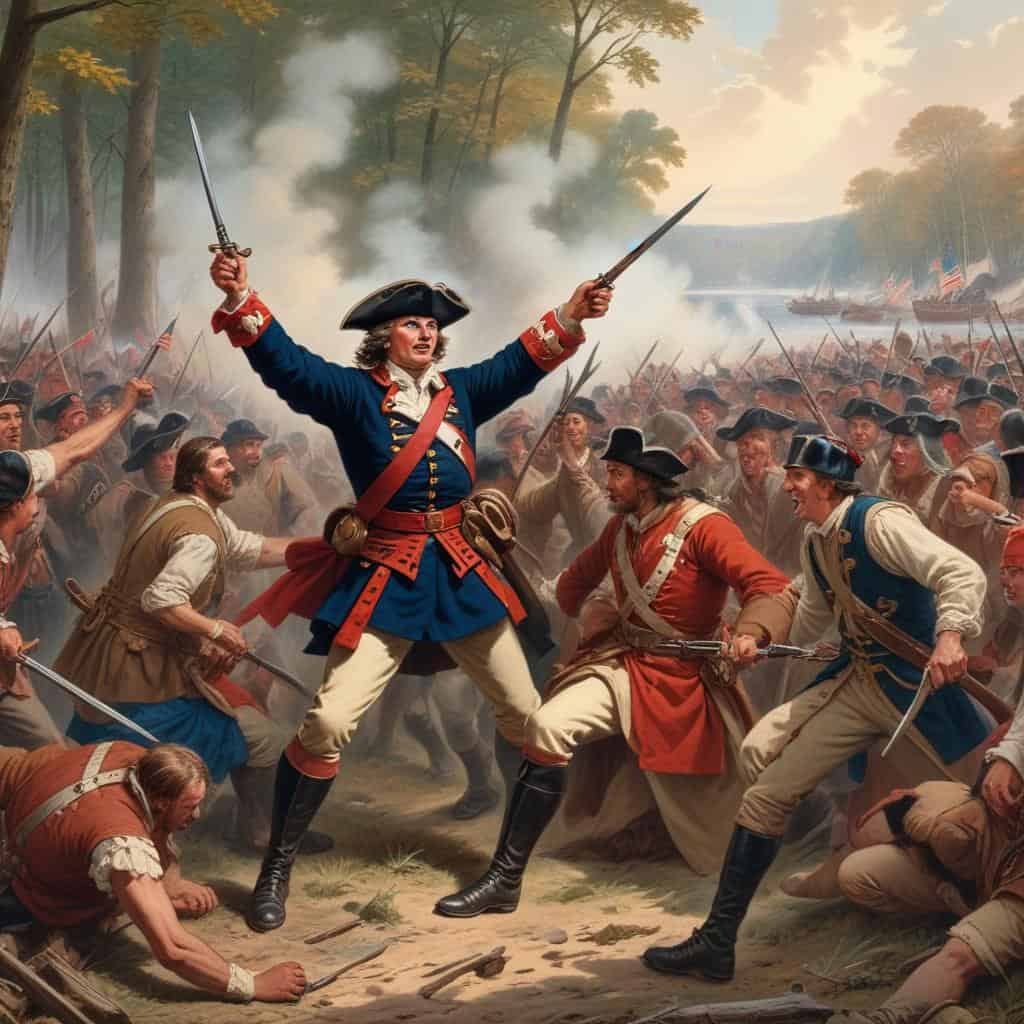
Conflict with English Settlers
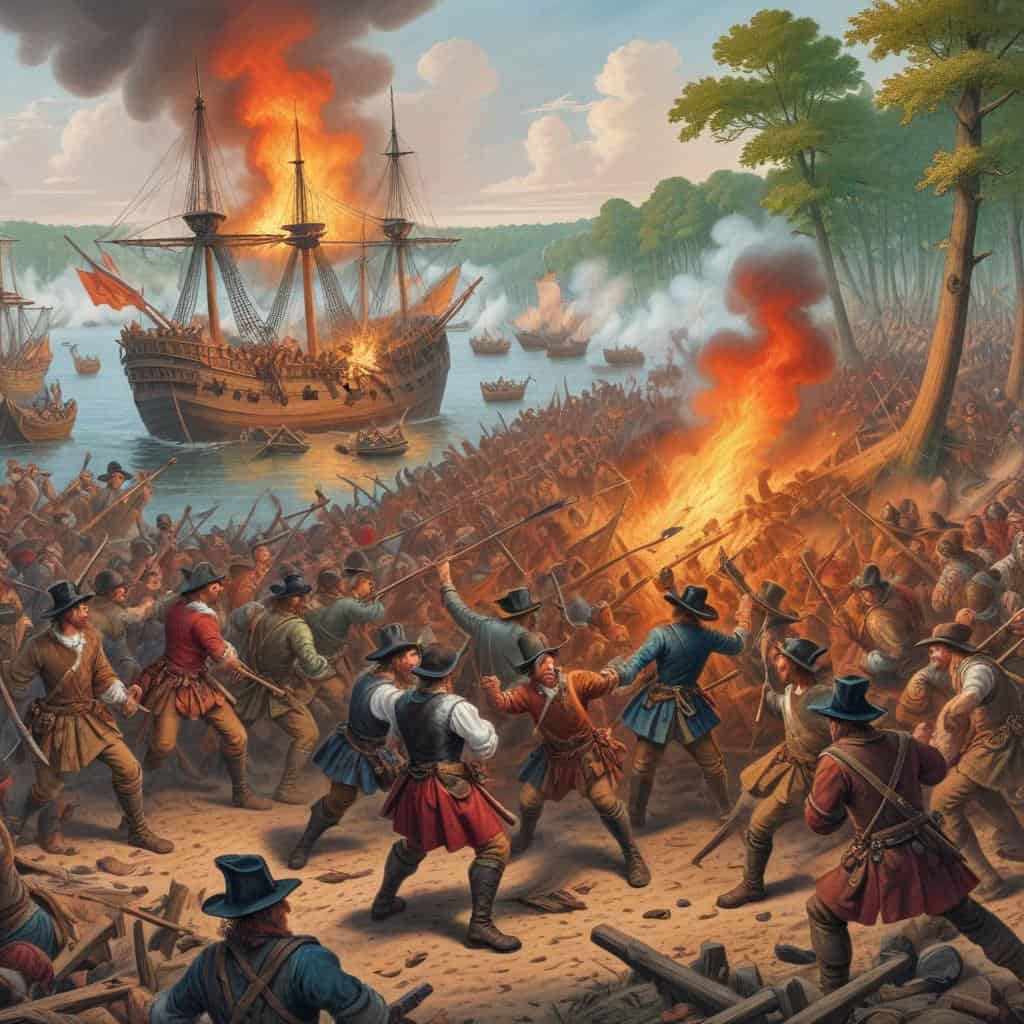
The Attack on Jamestown
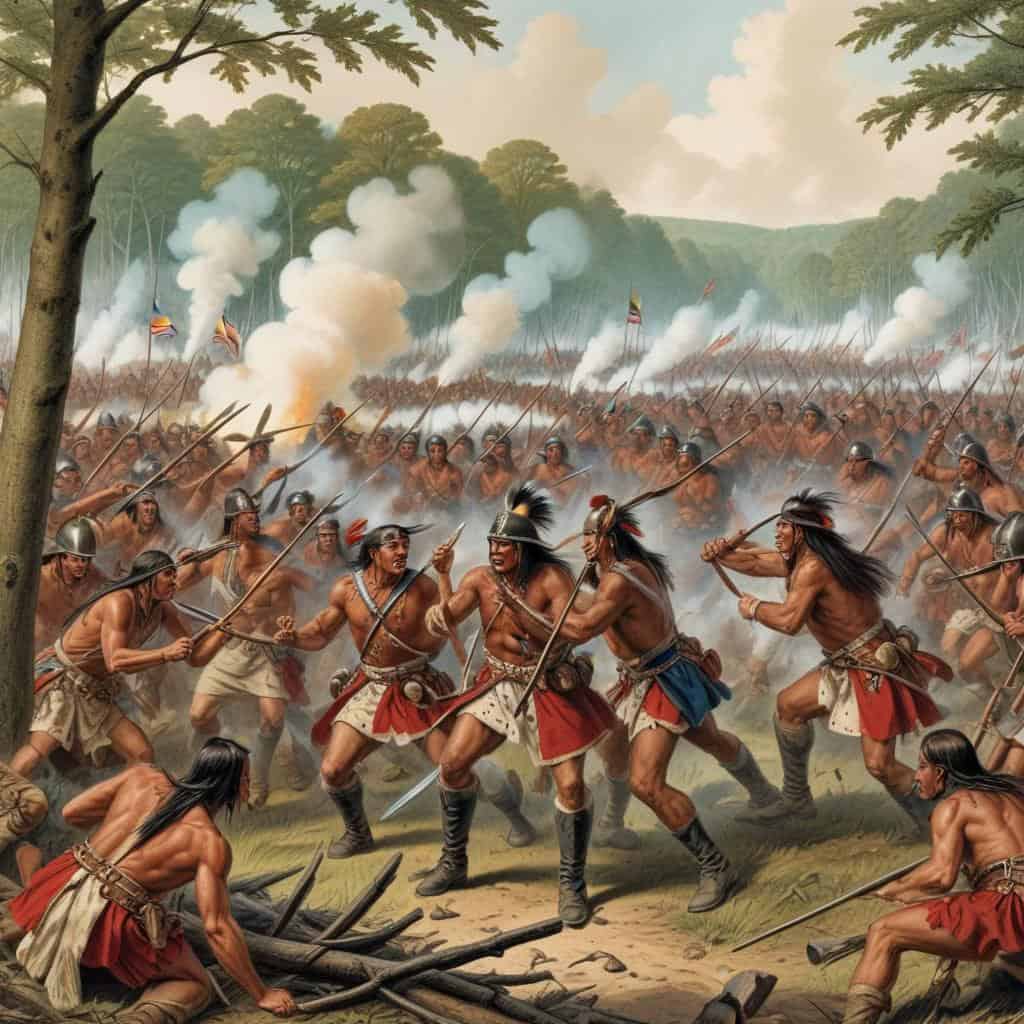
The Second Anglo-Powhatan War
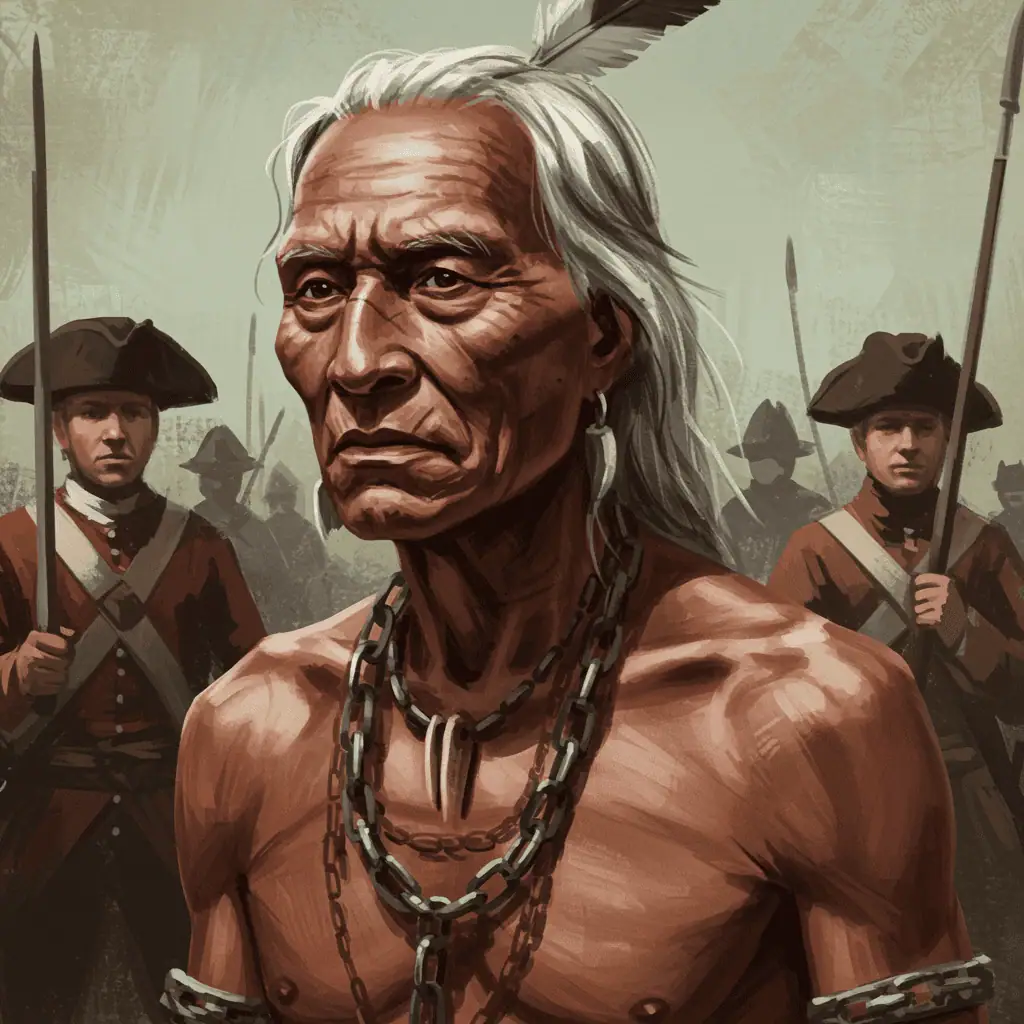
The Capture of Opechancanough
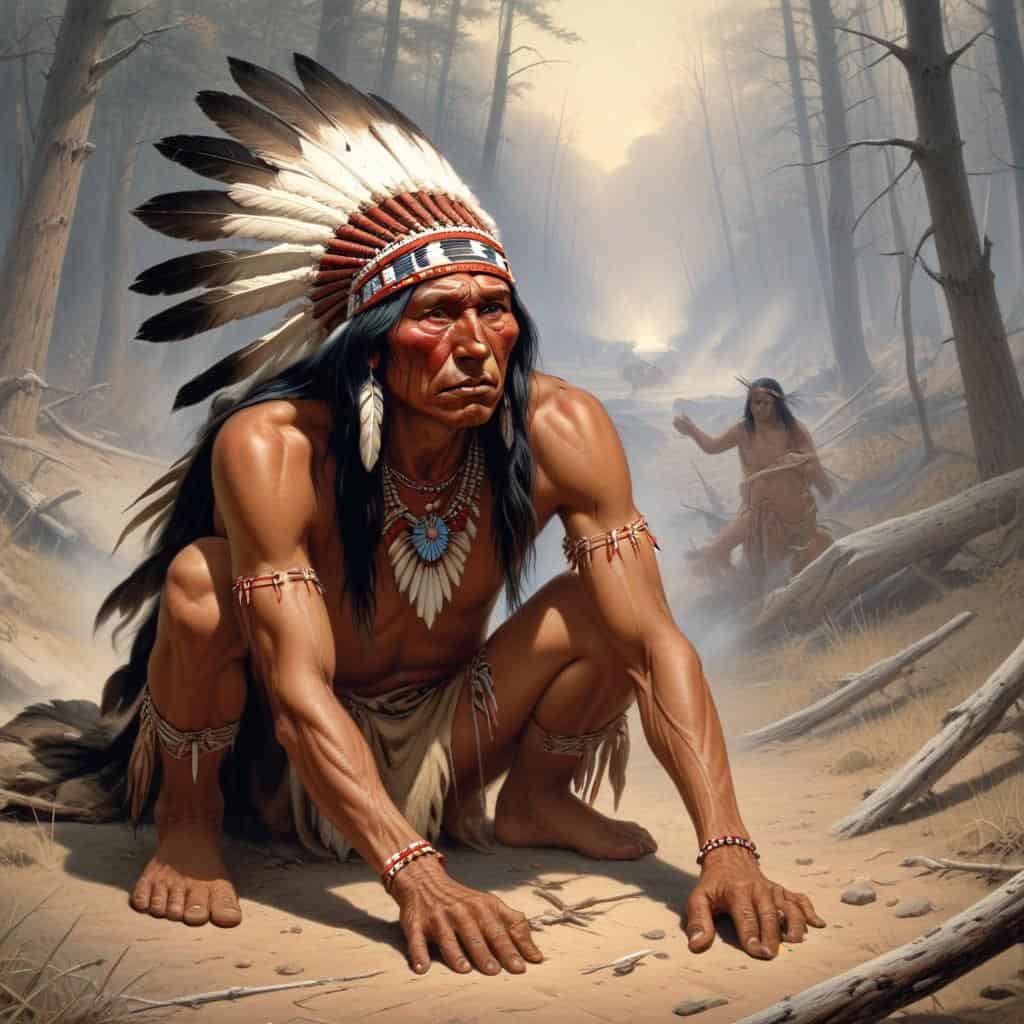
The Death of Opechancanough
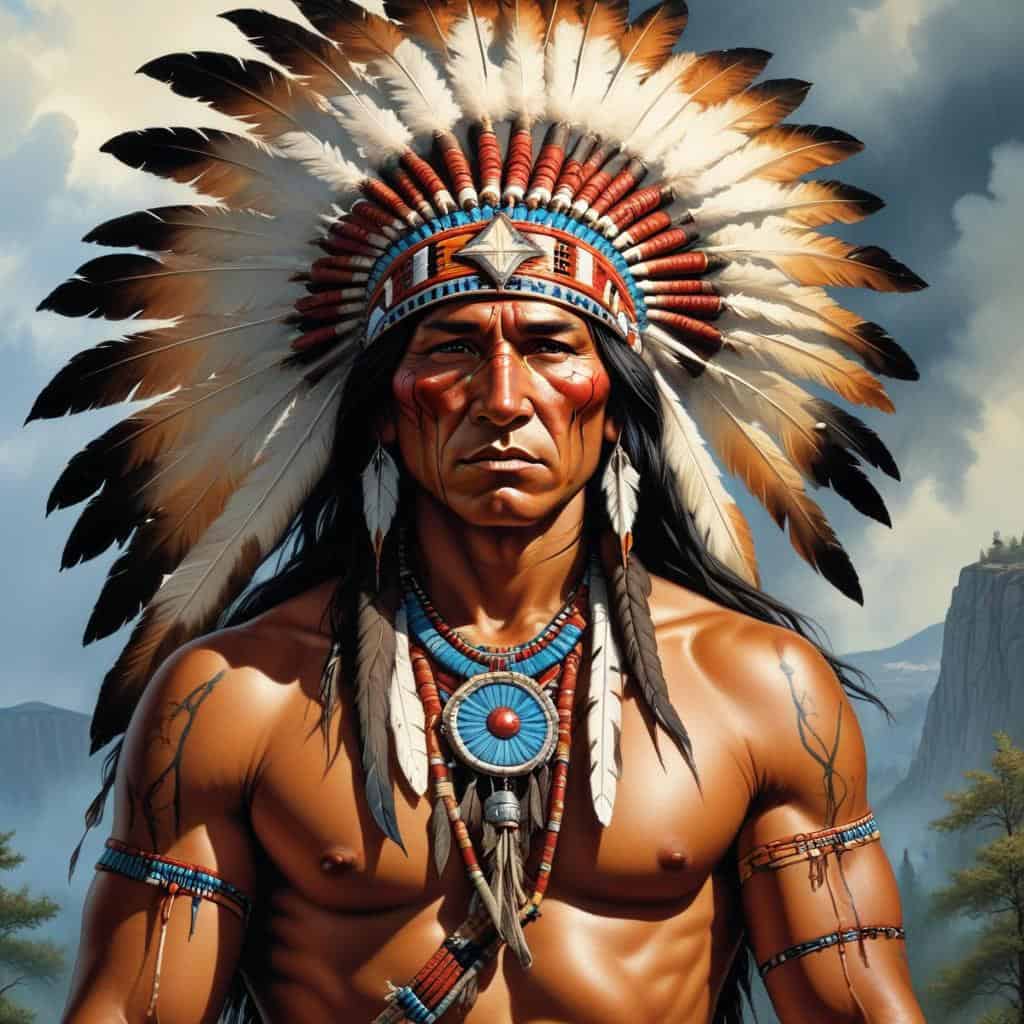
Opechancanoughs Legacy
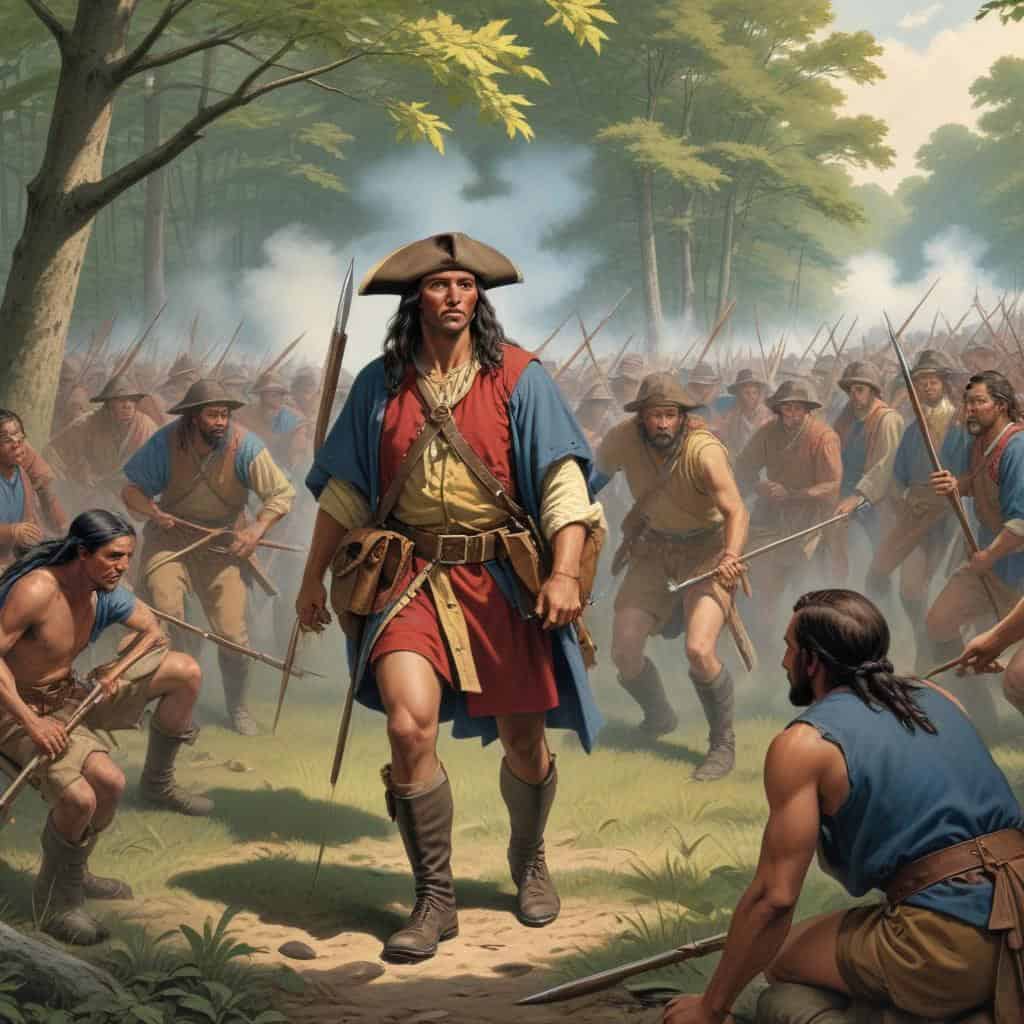
Historical Significance
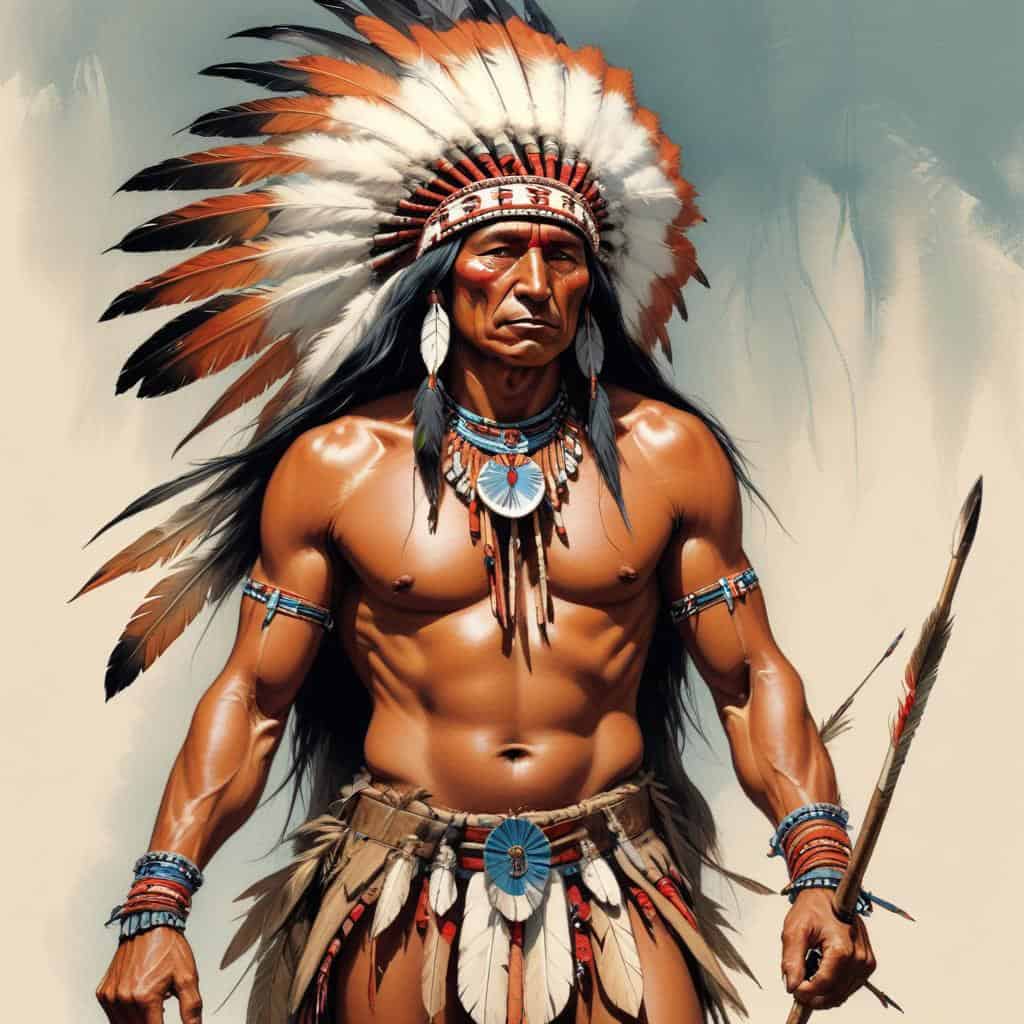
Remembering Opechancanough
Lesson Details & Resources
In a Nutshell
Leader of the Powhatan Confederacy
Lived: 1545 – 1646
Most known for leading a series of attacks against English settlers in Virginia
Most significant legacy is his role in the Powhatan Wars and the ultimate defeat of the Powhatan Confederacy
Timeline of Opechancanough: A Native American Leader’s Biography
Opechancanough becomes the paramount chief of the Powhatan Confederacy
Opechancanough leads the Powhatan Confederacy in a series of attacks against English settlements in the Virginia Colony
The attacks orchestrated by Opechancanough result in the deaths of hundreds of English settlers
The Powhatan War, also known as the First Anglo-Powhatan War, begins as a result of the attacks
Opechancanough is captured and taken as a prisoner by English forces
Opechancanough is killed while in captivity, possibly shot by a guard
The death of Opechancanough marks the effective end of organized resistance by the Powhatan Confederacy against English colonization
The peace treaty signed between the English and the Powhatan Confederacy following Opechancanough's death
The Second Anglo-Powhatan War breaks out between the English and various Native American tribes in the region
The English establish control over much of the Powhatan Confederacy's territory after Opechancanough's death
The surviving members of the Powhatan Confederacy are forced to live on reservations and assimilate into English society
The legacy of Opechancanough and the Powhatan Confederacy is remembered in Native American and colonial history
Opechancanough's resistance against English colonization inspires future generations of Native Americans to fight for their land and rights
Vocabulary List
- Chief
- Opechancanough was a powerful chief of the Powhatan Confederacy.
- Powhatan
- Opechancanough was the younger brother of Chief Powhatan.
- Confederacy
- Opechancanough led the Powhatan Confederacy in conflicts against English settlers.
- Warrior
- Opechancanough was known as a fierce warrior in battles against the English.
- Tribes
- Opechancanough united several Algonquian tribes in resistance against English colonization.
Key Facts
This is the information used in the fact matching game
- Opechancanough was a powerful chief of the Powhatan Confederacy in Virginia.
- He was the younger brother of Chief Powhatan, who was the father of Pocahontas.
- Opechancanough led the Powhatan in a series of attacks against English colonists in the early 17th century.
- He orchestrated the 1622 Jamestown Massacre, during which hundreds of colonists were killed.
- Opechancanough's goal was to drive the English out of Powhatan territory.
- He launched another attack on English settlements in 1644, known as the Second Anglo-Powhatan War.
- Opechancanough was captured in 1646 and taken to Jamestown as a prisoner.
- He was shot and killed by an English guard while in captivity.
- Opechancanough's death marked the end of organized resistance by the Powhatan Confederacy against English colonization.
- His legacy is remembered as a symbol of Native American resistance to European colonization.
- Opechancanough's name translates to 'He whose Soul is White' in the Powhatan language.
- He was estimated to have been born around 1554.
- Opechancanough was known for his strong leadership and military tactics.
- He maintained a tense relationship with the English colonists at Jamestown throughout his life.
- Opechancanough's attacks on English settlements were in response to the encroachment of colonists on Powhatan lands.
- He was a significant figure in the early history of European colonization in Virginia.
- Opechancanough's resistance to English colonization inspired future generations of Native American leaders.
- He is sometimes referred to as the 'last great warrior of his people'.
- Opechancanough's actions had a lasting impact on the relationship between Native Americans and European colonists in Virginia.
- His legacy continues to be studied and commemorated in the history of early America.
Analysis & Significance
Major Accomplishments
Opechancanough was a powerful leader of the Powhatan Confederacy, known for organizing and leading a series of attacks against English settlers in the early 17th century, including the devastating 1622 uprising that resulted in the deaths of hundreds of colonists.
Impact on the World
Opechancanough’s resistance to English colonization had a significant impact on the history of early America, shaping the relationship between Native Americans and European settlers. His actions influenced colonial policies, military strategies, and cultural perceptions, leaving a lasting mark on the development of the New World.
Enduring Legacy
Today, Opechancanough is remembered as a courageous leader who fought to protect his people and their land from encroaching European forces. His legacy serves as a reminder of the complex and often tragic interactions between indigenous populations and colonial powers, making him a significant figure in the history of Native American resistance and resilience.
Opechancanough: A Native American Leader’s Biography Games


Take Your Learning Offline
Want a convenient, print-ready study guide for this lesson? Become a Memory Wizards Pro member to unlock the downloadable " Memory Scrolls" for this topic and our entire library!
- ✓ Complete Vocabulary Lists
- ✓ Key Facts & Timelines
- ✓ Beautifully Formatted for Print & Mobile