
Crazy Horse: A Legendary Warrior’s Biography
The fearless Lakota warrior who fought for freedom and the rights of his people.
How Do You Learn Best?
Learn by Reading
Immerse yourself in the 10-minute visual lesson for a comprehensive understanding of the topic.
Learn by Reviewing
Jump directly to the key facts, timeline, and vocabulary lists to build a solid foundation of details.
Learn by Doing
Challenge yourself! Jump straight into the interactive games to learn by trial, error, and discovery.
Crazy Horse: A Legendary Warrior’s Biography in 10 Minutes
Introduction
Red Cloud
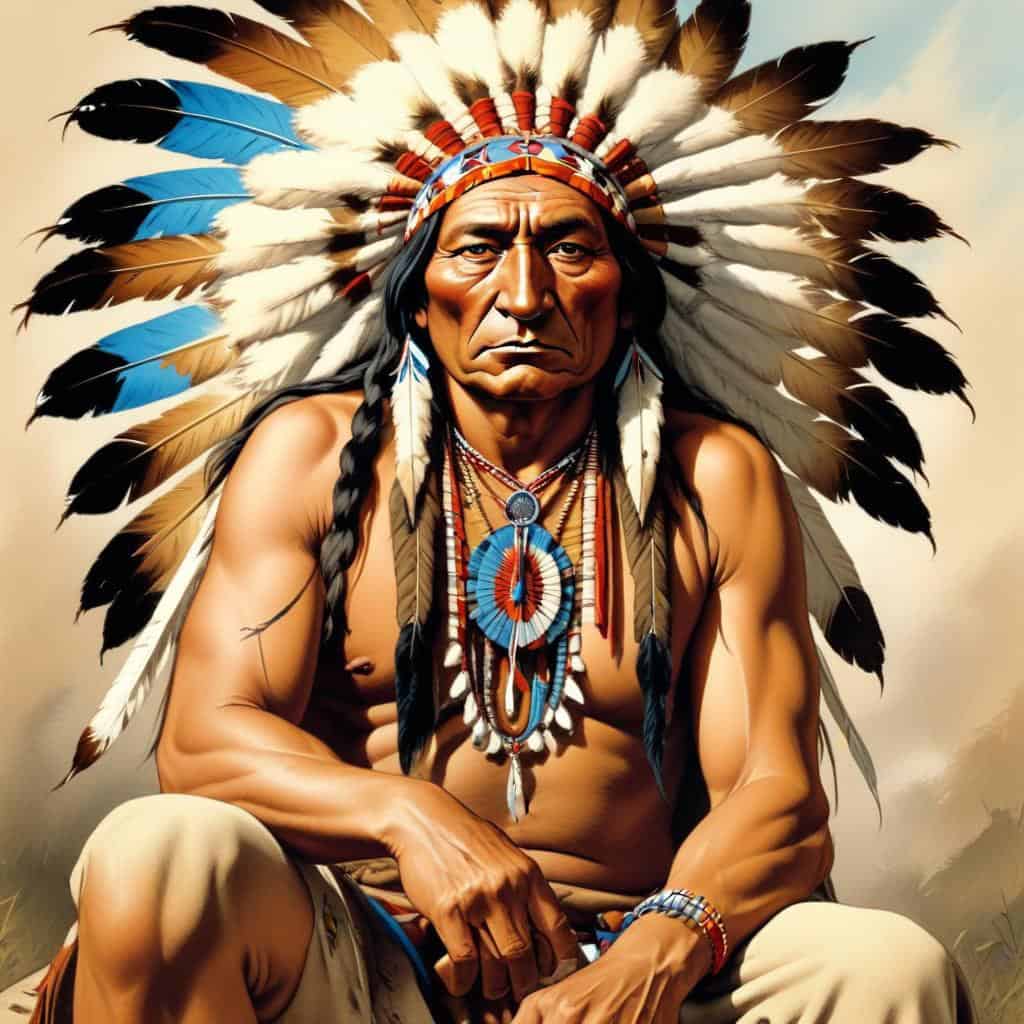
Sitting Bull
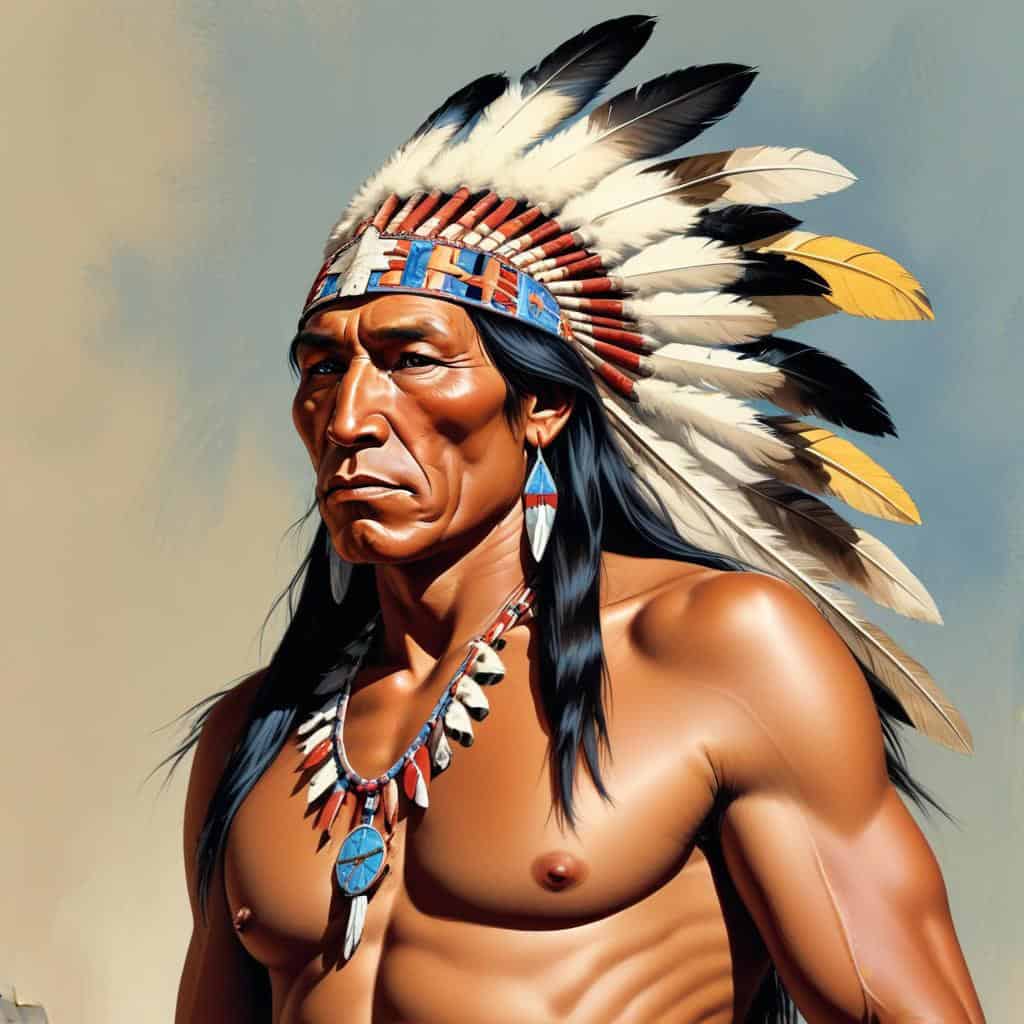
(Crazy Horses father)
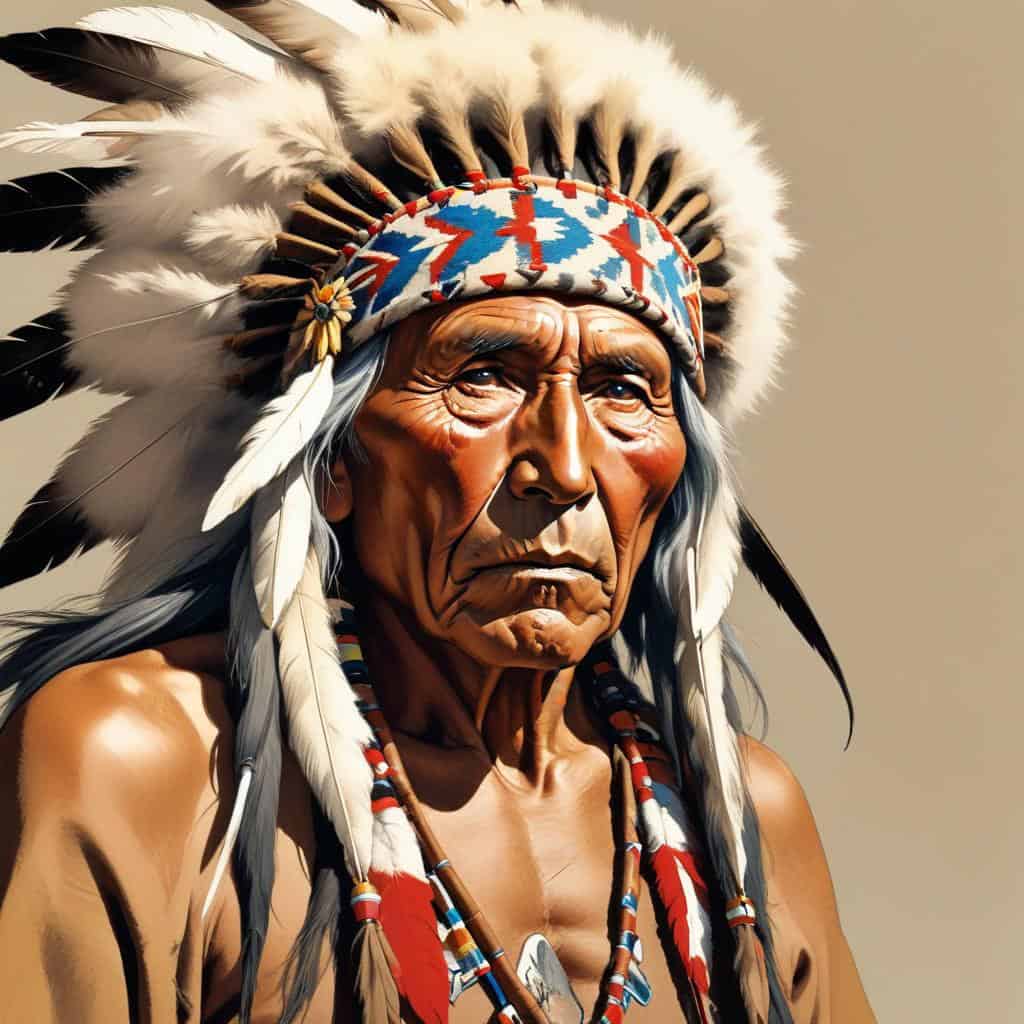
Black Elk
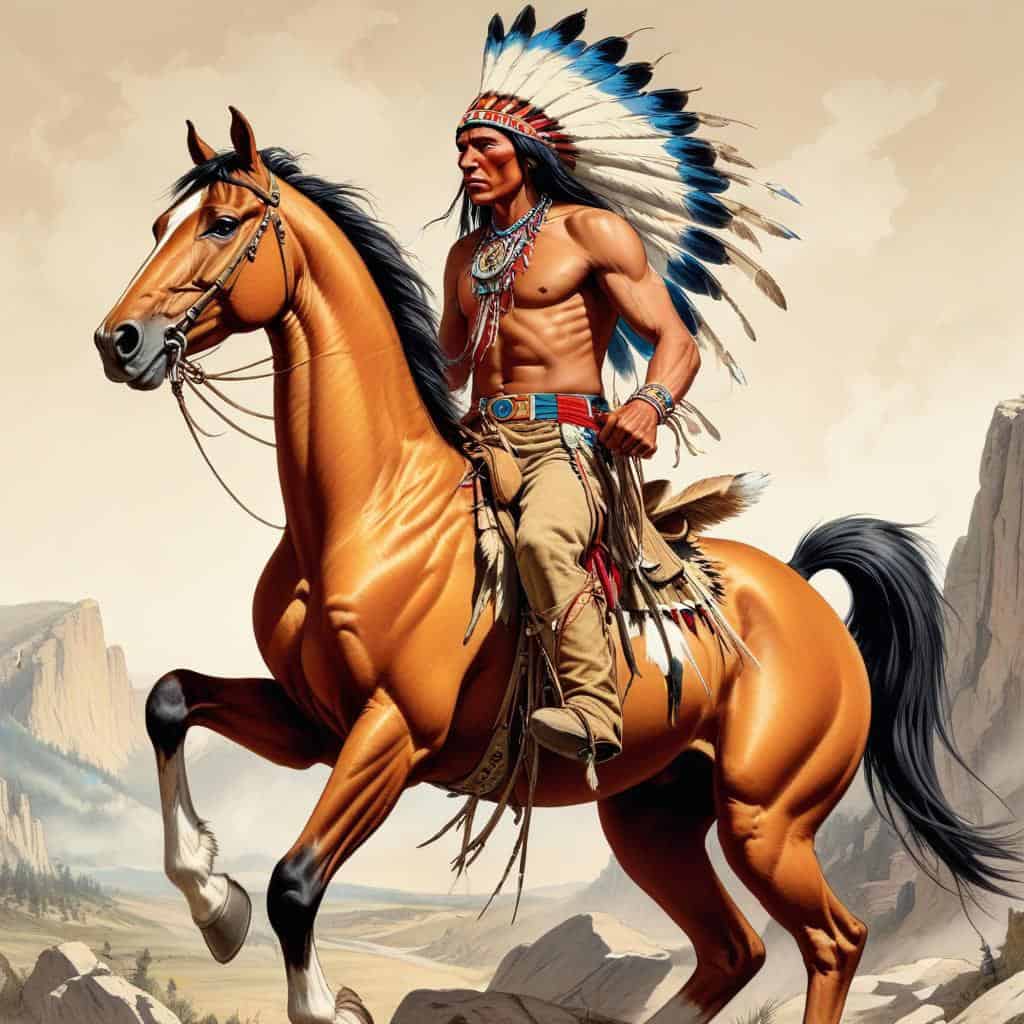
1. Early Life
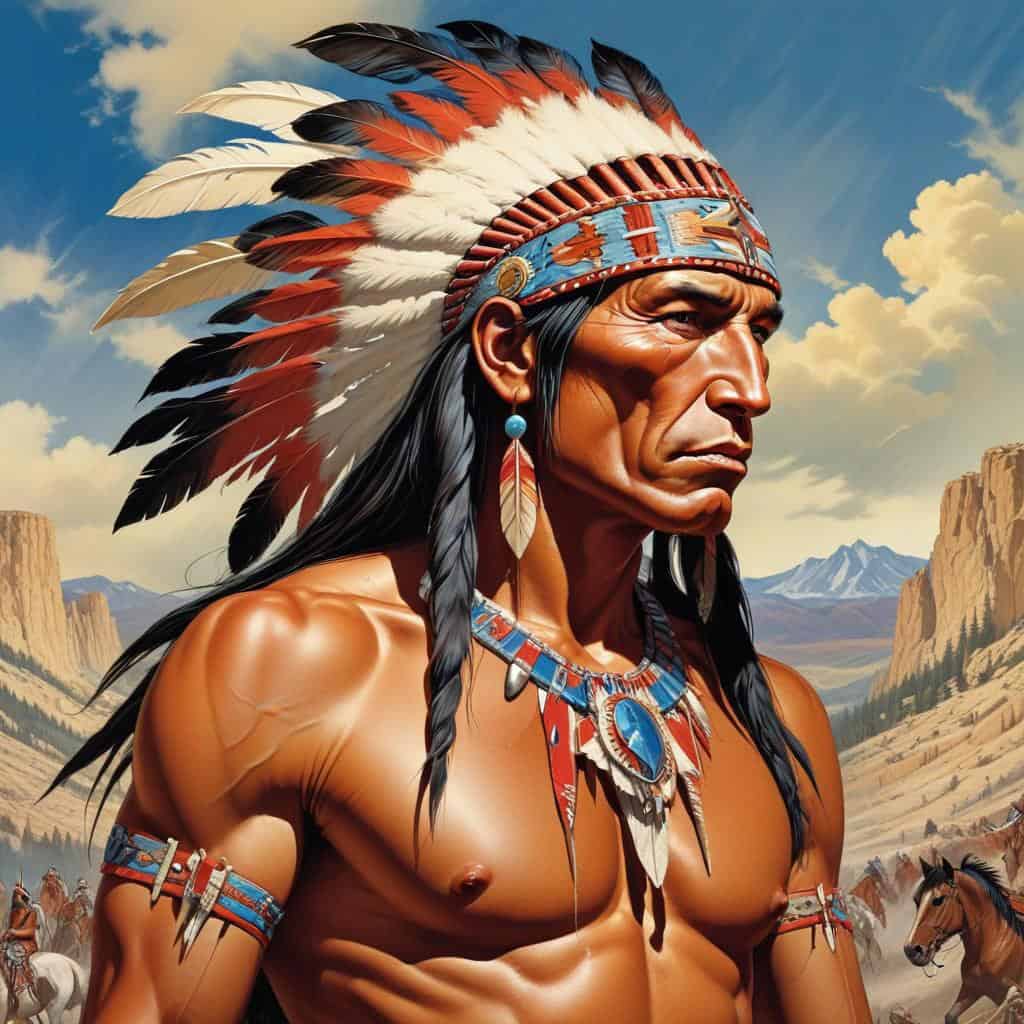
2. Rise to Prominence
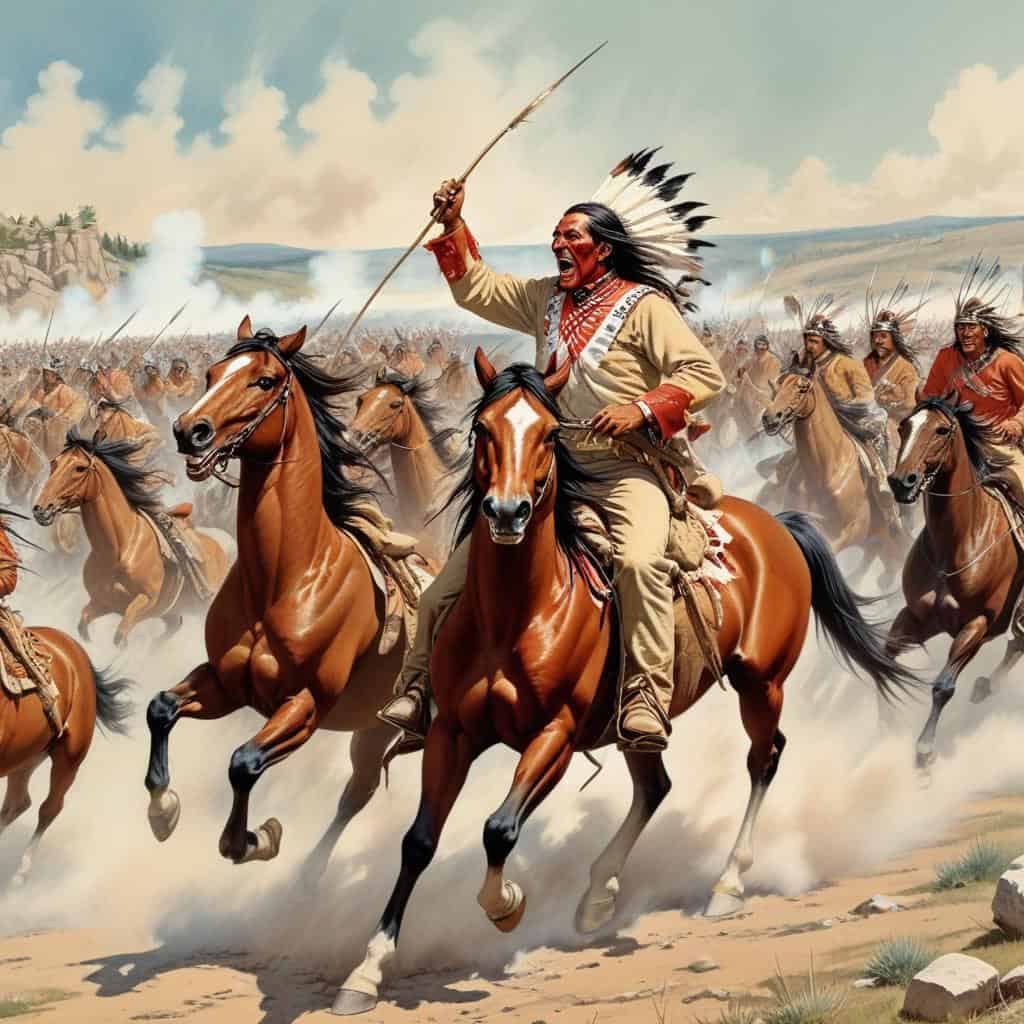
3. Battle of Little Bighorn
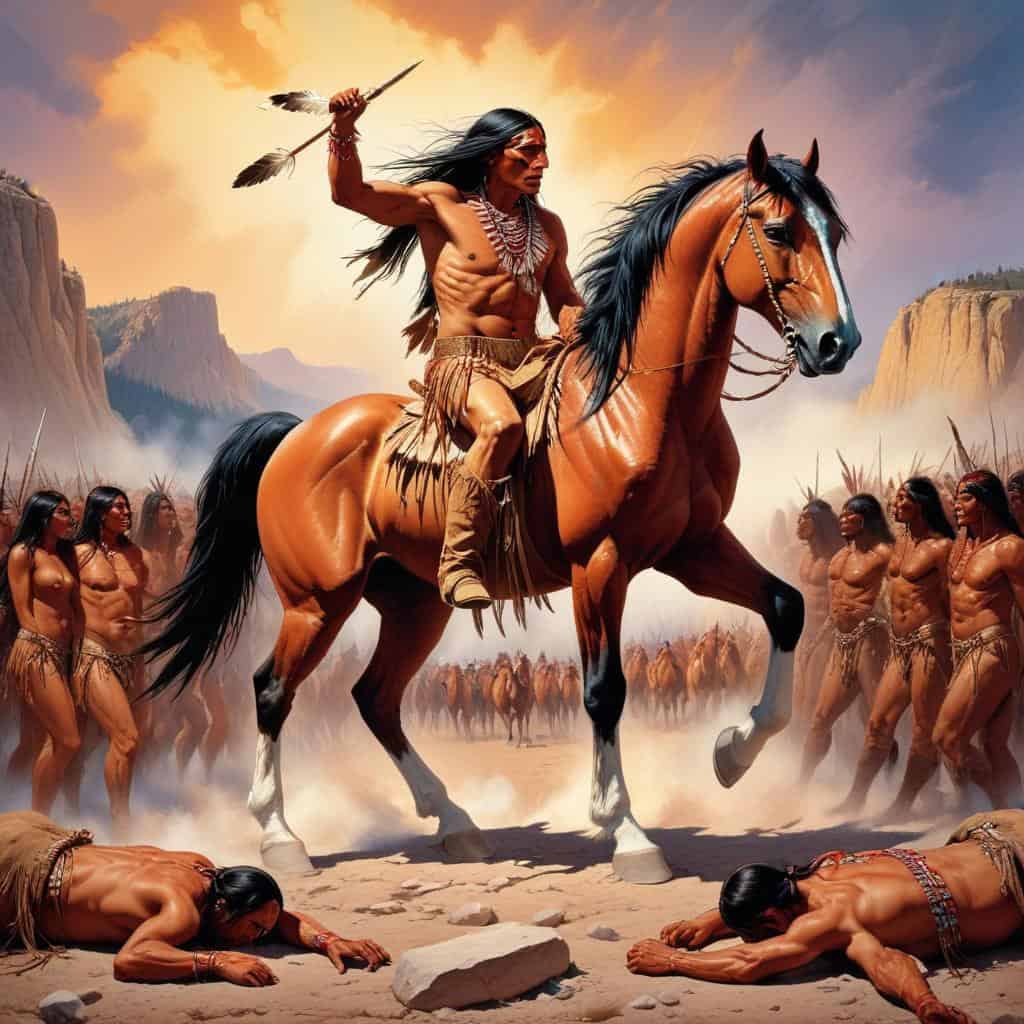
4. Surrender and Death
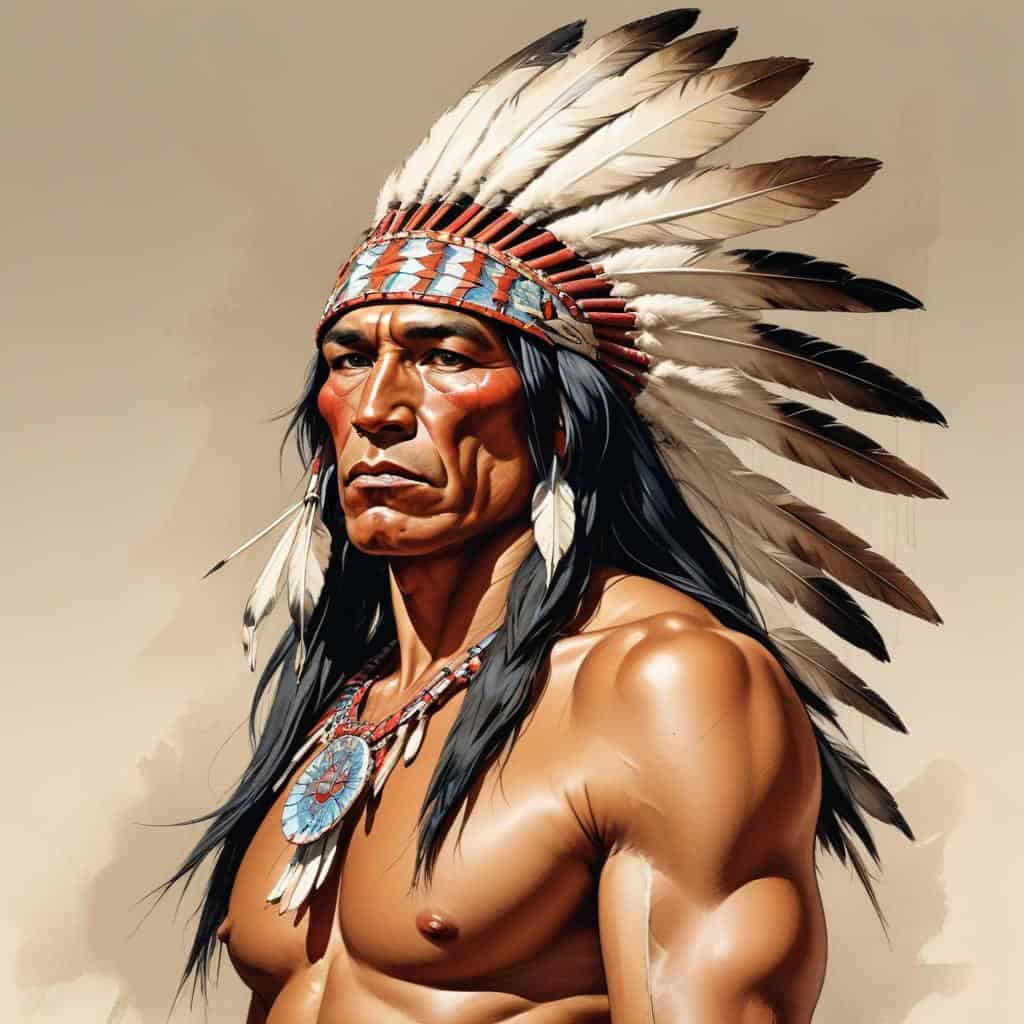
5. Legacy
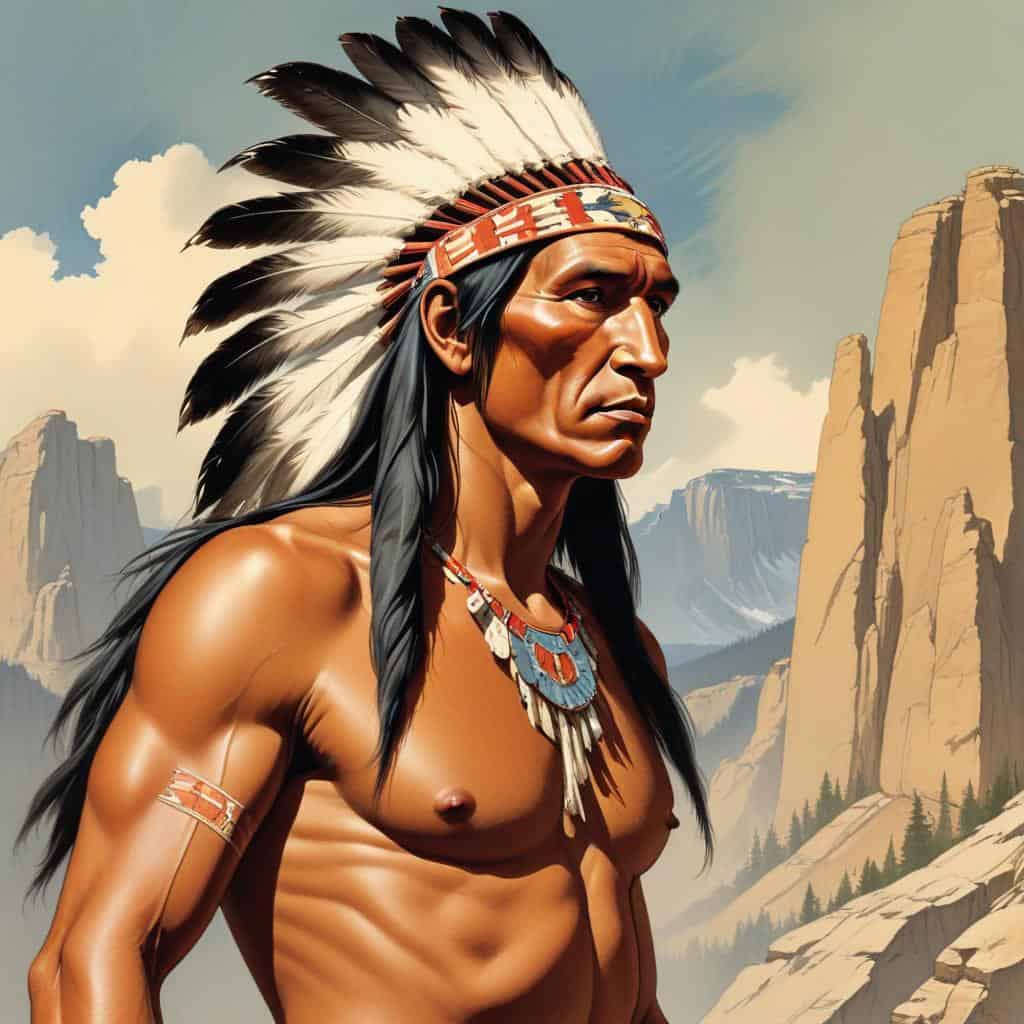
6. Cultural Impact
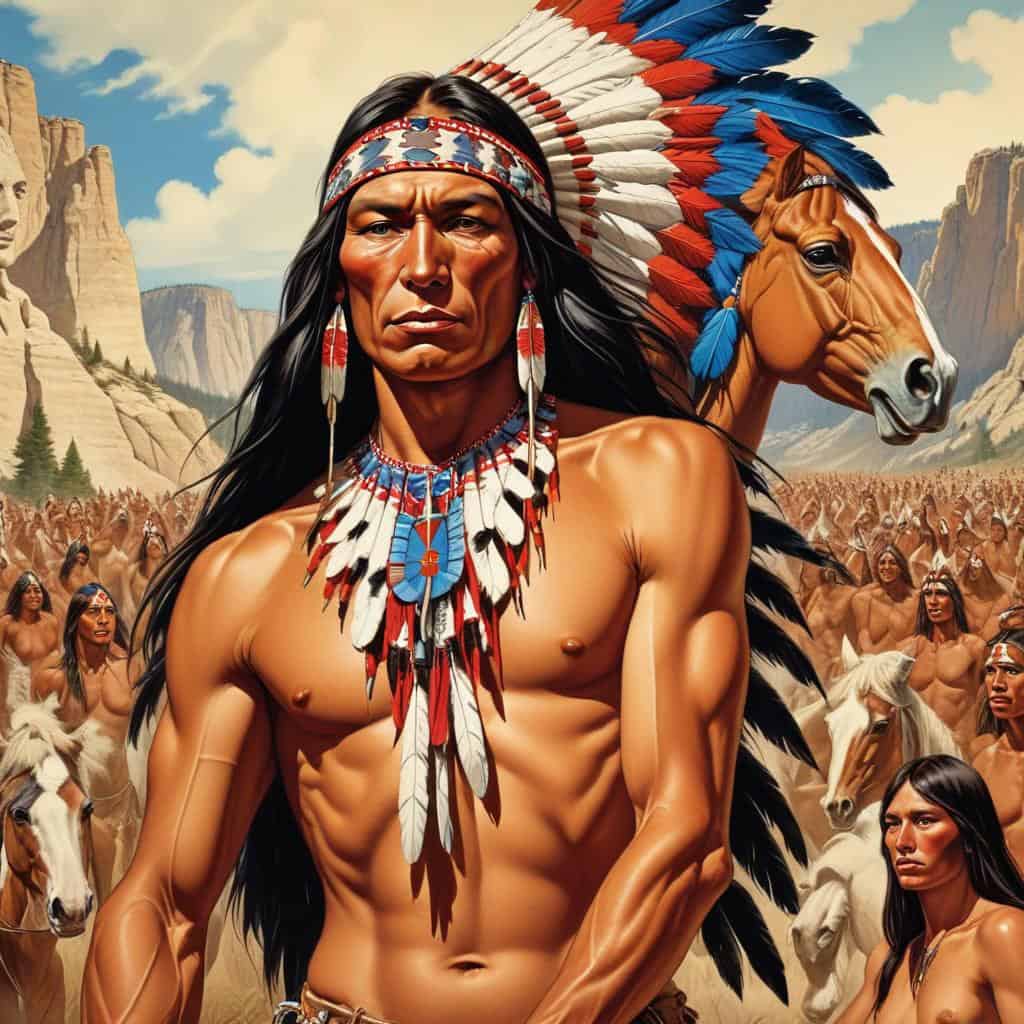
7. Controversy
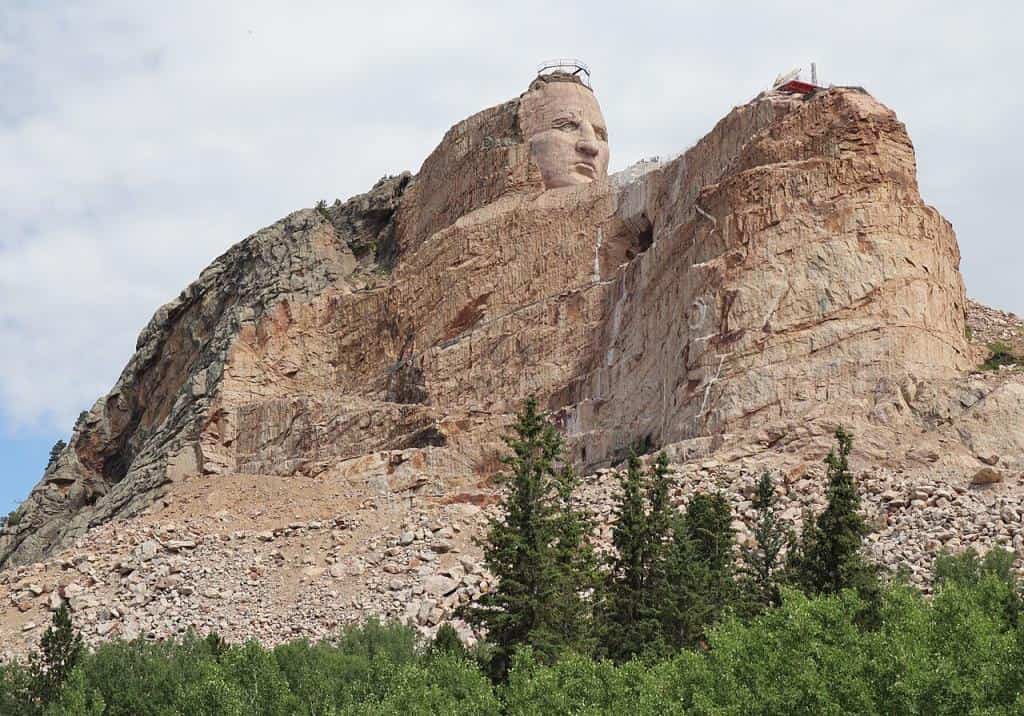
8. Memorials
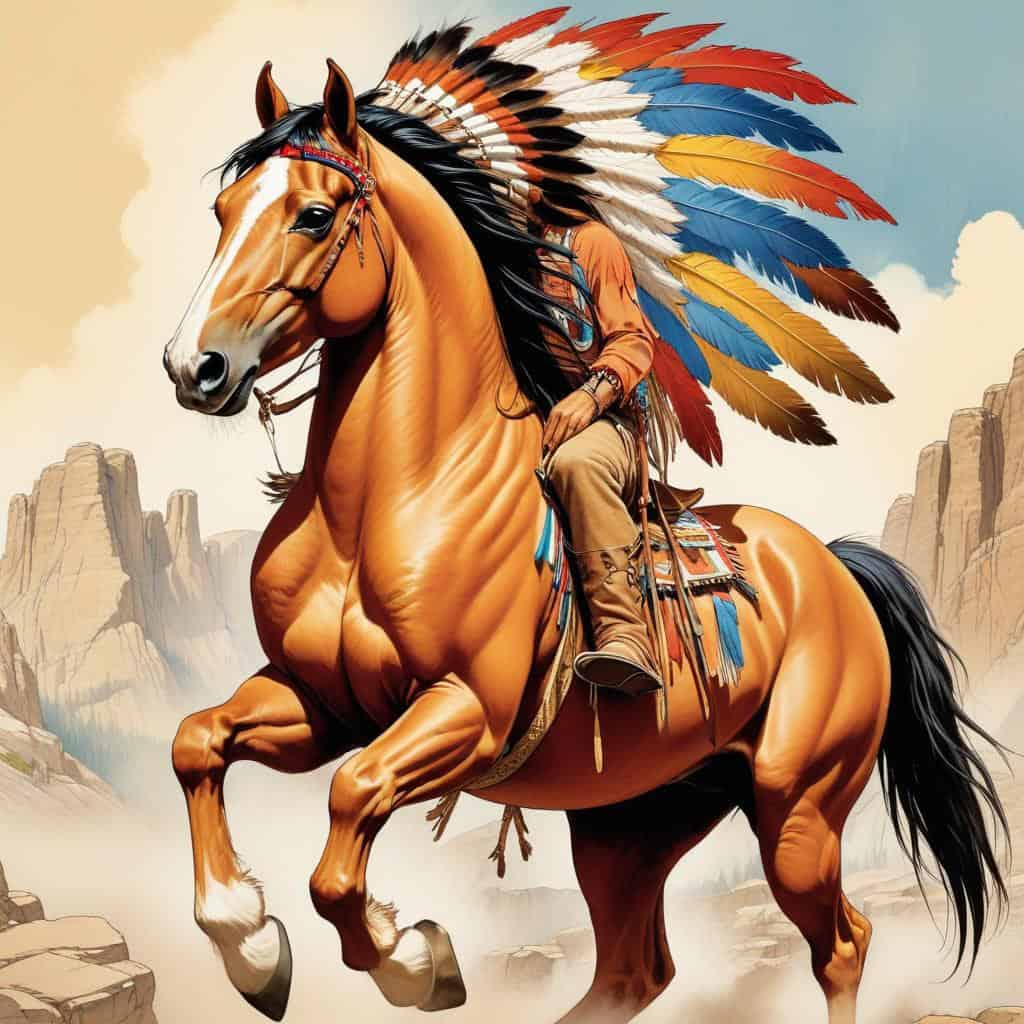
9. Spiritual Beliefs
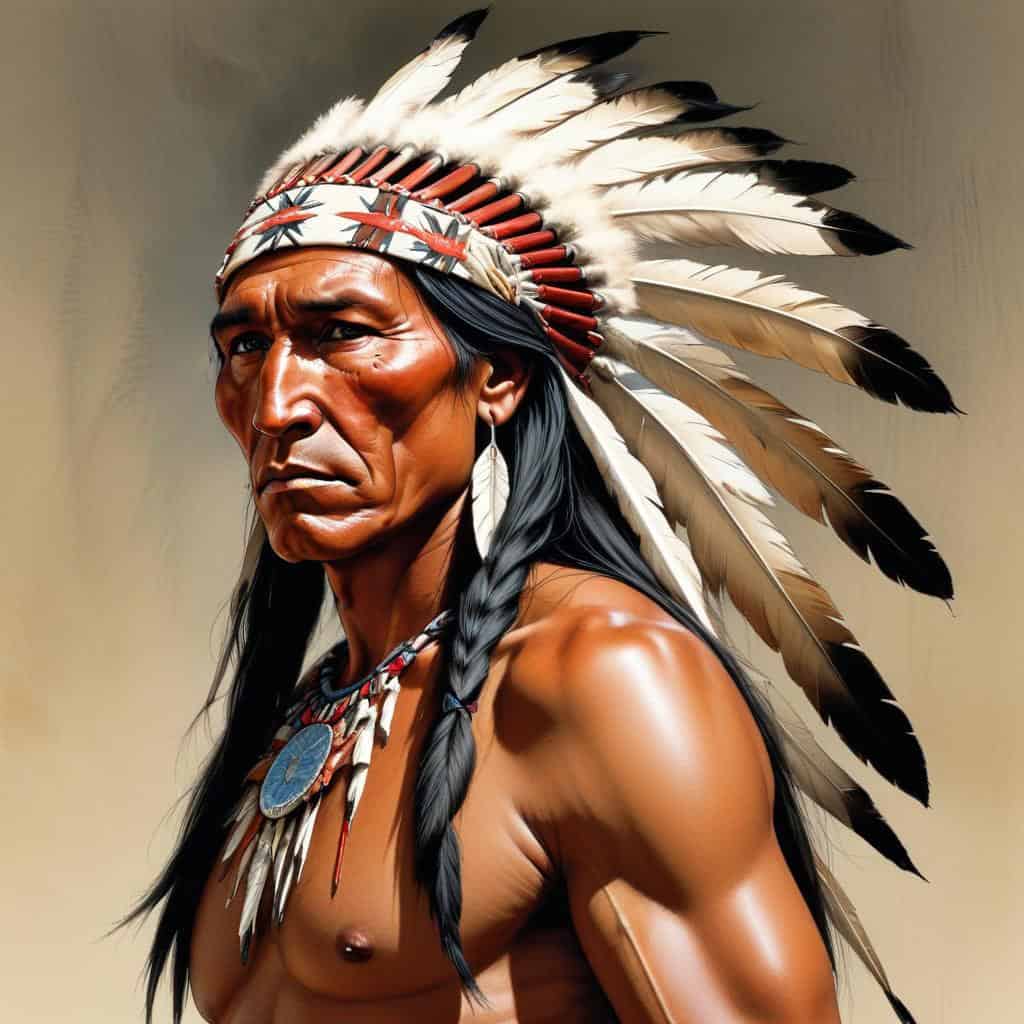
10. Remembering Crazy Horse
Lesson Details & Resources
In a Nutshell
Crazy Horse, Lakota Sioux warrior and leader
Lived: 1840 – 1877
Most known for his role in the Native American victory at the Battle of Little Bighorn
His legacy includes inspiring future generations of Native Americans to resist colonization and fight for their rights
Timeline of Crazy Horse: A Legendary Warrior’s Biography
Crazy Horse is born in present-day South Dakota
Crazy Horse witnesses the Grattan Massacre
Joins Red Cloud's War against the United States
Participates in the Fetterman Fight
Becomes a leader of the Oglala Lakota tribe
Participates in the Battle of the Little Bighorn
Leads the Oglala Lakota in the Battle of Wolf Mountain
Surrenders to US authorities at Fort Robinson
Crazy Horse is fatally wounded during a scuffle at Fort Robinson
Crazy Horse dies at Fort Robinson
Crazy Horse is buried at an unknown location
Crazy Horse's remains are allegedly reburied at the Crazy Horse Memorial
Crazy Horse Memorial in South Dakota is dedicated
Crazy Horse's likeness is carved into the Black Hills at the Crazy Horse Memorial
Crazy Horse's legacy continues to inspire Native American activists and leaders
Vocabulary List
- Oglala
- Crazy Horse was a member of the Oglala Lakota tribe.
- Warrior
- Crazy Horse was known for his skills as a fierce warrior.
- Visionary
- Crazy Horse had a vision of a world where his people could live in peace.
- Chief
- Crazy Horse was a respected leader and chief among his people.
- Battle
- Crazy Horse fought in several battles against the US Army.
- Sundance
- Crazy Horse participated in the Sun Dance ceremony, a sacred ritual of the Lakota people.
- Resistance
- Crazy Horse was a symbol of resistance against the encroachment of white settlers on Native American land.
- Legacy
- Crazy Horse's legacy continues to inspire Indigenous peoples and activists today.
Key Facts
This is the information used in the fact matching game
- Crazy Horse was a Lakota Sioux warrior who fought against the United States government in the 19th century.
- Crazy Horse was born around 1840 near present-day Rapid City, South Dakota.
- Crazy Horse played a key role in the defeat of General Custer at the Battle of Little Bighorn in 1876.
- Crazy Horse was known for his bravery and leadership in battle.
- Crazy Horse was killed in 1877 by US soldiers while being held as a prisoner at Fort Robinson, Nebraska.
- Crazy Horse's exact birth date is not known, as the Lakota Sioux did not keep written records.
- Crazy Horse was a member of the Oglala Lakota tribe.
- Crazy Horse was known for his humility and reluctance to talk about his own accomplishments.
- Crazy Horse was a skilled horseman and tracker.
- Crazy Horse's vision quest as a young man played a significant role in shaping his life and actions.
- Crazy Horse's leadership style emphasized consensus-building and cooperation among his people.
- Crazy Horse's name in the Lakota language is Thašu?ka Witko, which translates to 'His-Horse-Is-Crazy.'
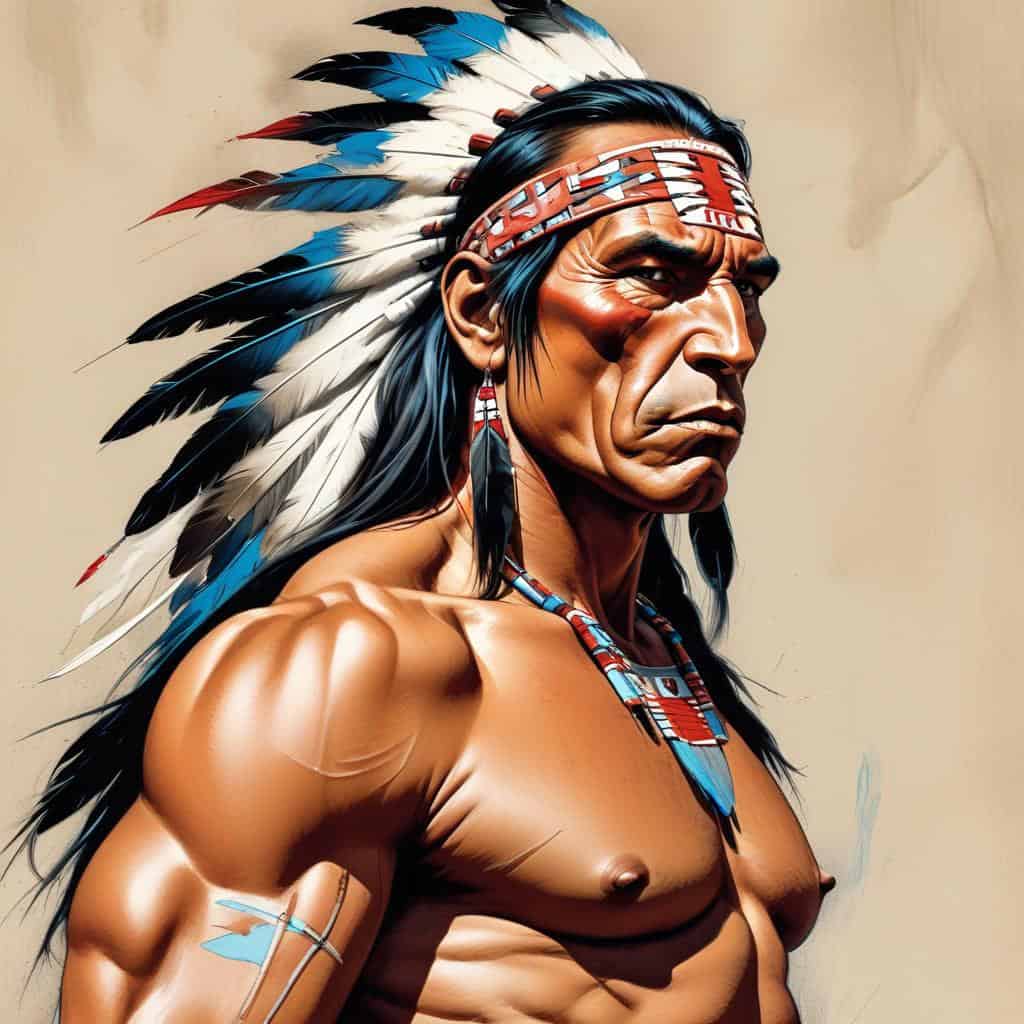
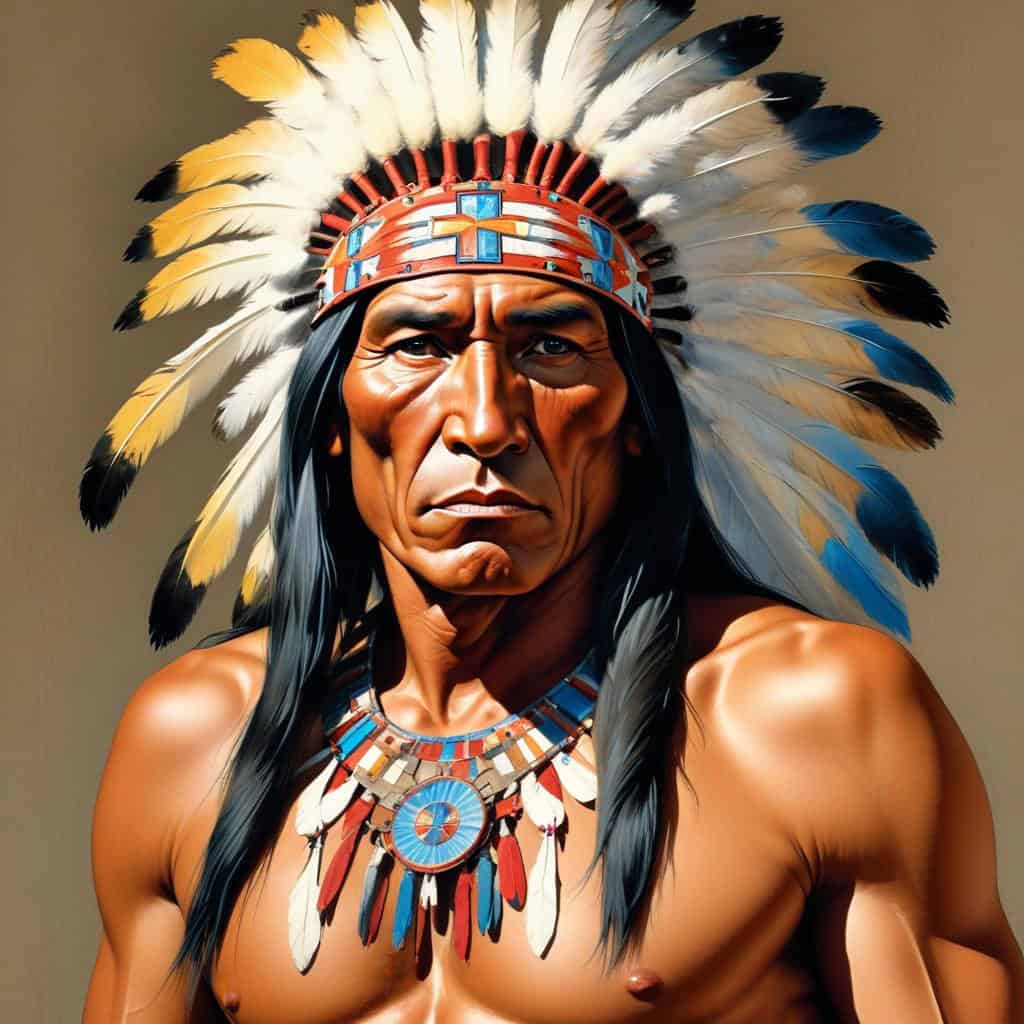
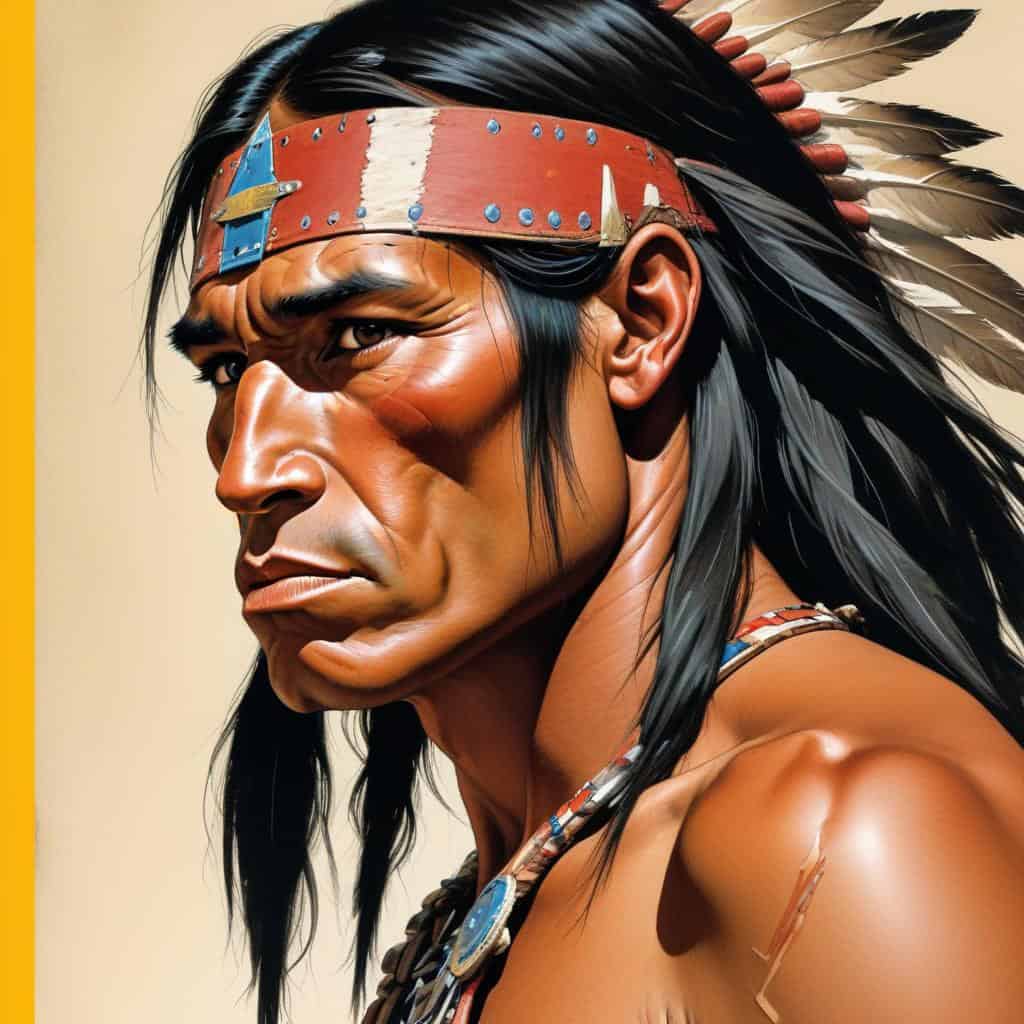
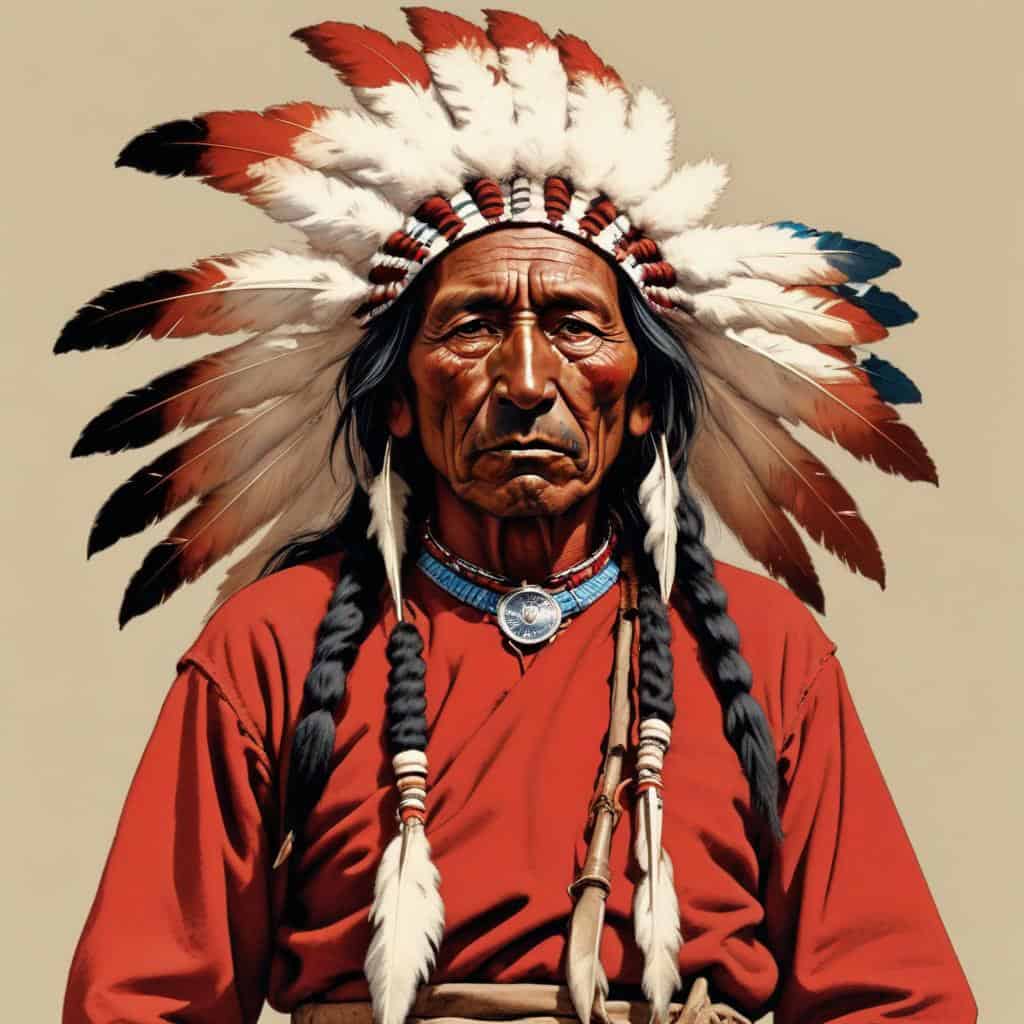
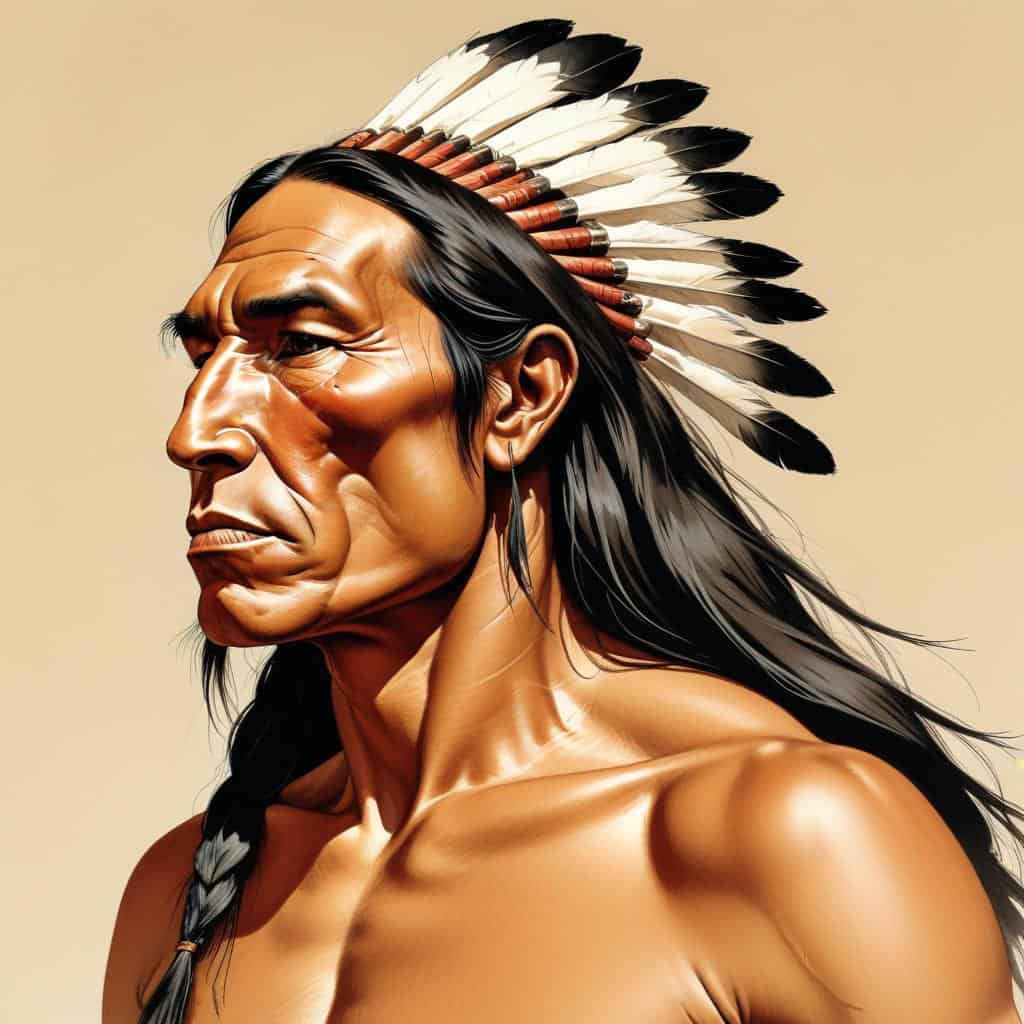
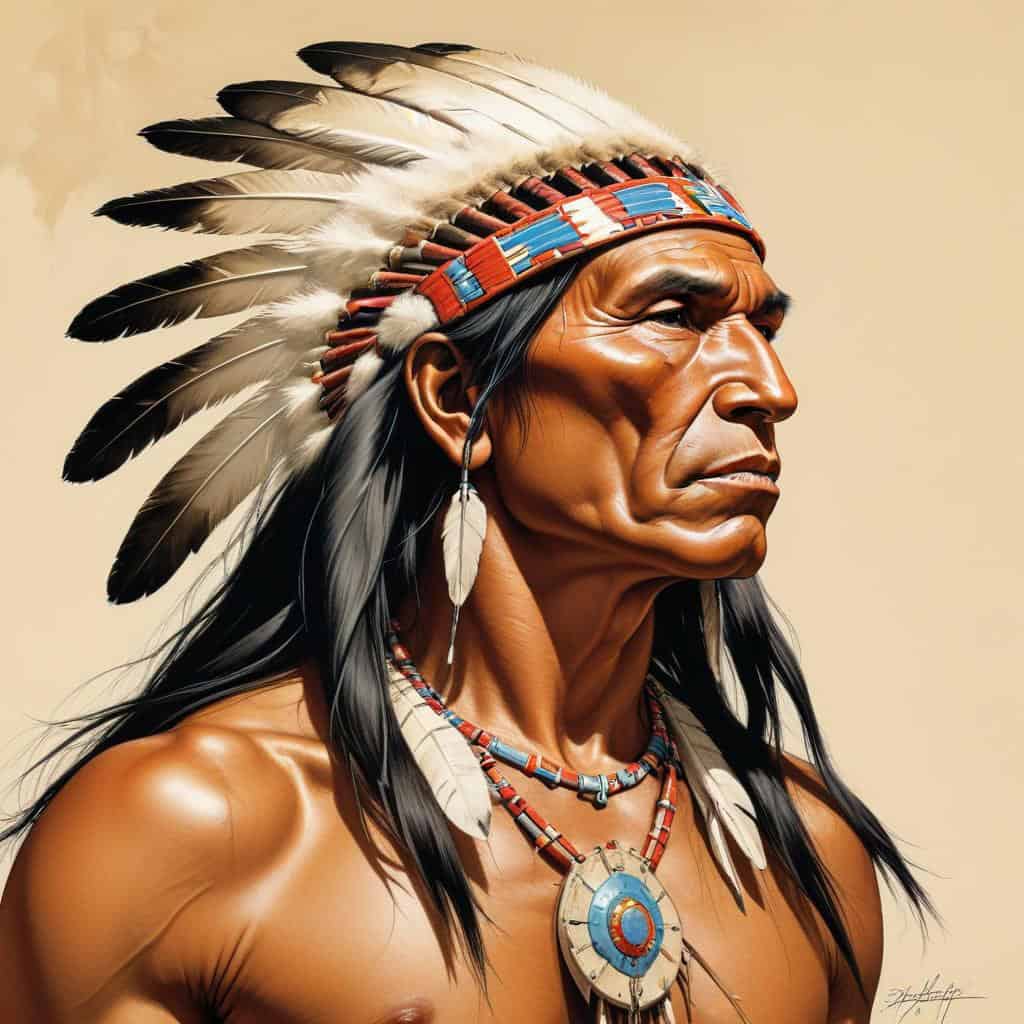
- Crazy Horse was known for his distinctive appearance, with long, flowing hair and a feathered war bonnet.
- Crazy Horse's resistance to US government policies and encroachment on Lakota lands made him a symbol of Native American resistance and resilience.
- Crazy Horse's legacy continues to inspire Native American activists and leaders today.
- Crazy Horse's final resting place is believed to be somewhere in the Black Hills of South Dakota, but the exact location is unknown.
- Crazy Horse was never photographed during his lifetime, as he avoided cameras and other modern technology.
- Crazy Horse's leadership during the Red Cloud's War and the Great Sioux War of 1876-77 solidified his reputation as a formidable warrior.
- Crazy Horse's actions at the Battle of the Little Bighorn helped to secure a major victory for the Lakota Sioux and their allies.
- Crazy Horse's refusal to surrender or compromise with the US government until his death made him a symbol of Native American resistance and defiance.
Analysis & Significance
Major Accomplishments
Crazy Horse was a revered warrior and leader of the Oglala Lakota tribe, known for his strategic brilliance and bravery in battles against the US Army, including the famous Battle of the Little Bighorn. He played a significant role in the resistance against the encroachment of Native American lands by white settlers.
Impact on the World
Crazy Horse’s defiance and refusal to surrender to the US government symbolized the fight for Native American rights and sovereignty. His legacy inspired generations of Indigenous peoples to resist cultural assimilation and preserve their traditions, making him a symbol of resistance and resilience in the face of oppression.
Enduring Legacy
Today, Crazy Horse is remembered as a legendary figure in Native American history, representing the spirit of resistance and the struggle for freedom and justice. His legacy continues to inspire Indigenous movements advocating for land rights, cultural preservation, and recognition of the injustices inflicted upon Native American communities throughout history.
Crazy Horse: A Legendary Warrior’s Biography Games


Take Your Learning Offline
Want a convenient, print-ready study guide for this lesson? Become a Memory Wizards Pro member to unlock the downloadable " Memory Scrolls" for this topic and our entire library!
- ✓ Complete Vocabulary Lists
- ✓ Key Facts & Timelines
- ✓ Beautifully Formatted for Print & Mobile