
Chief Joseph: A Legacy of Resilience and Leadership
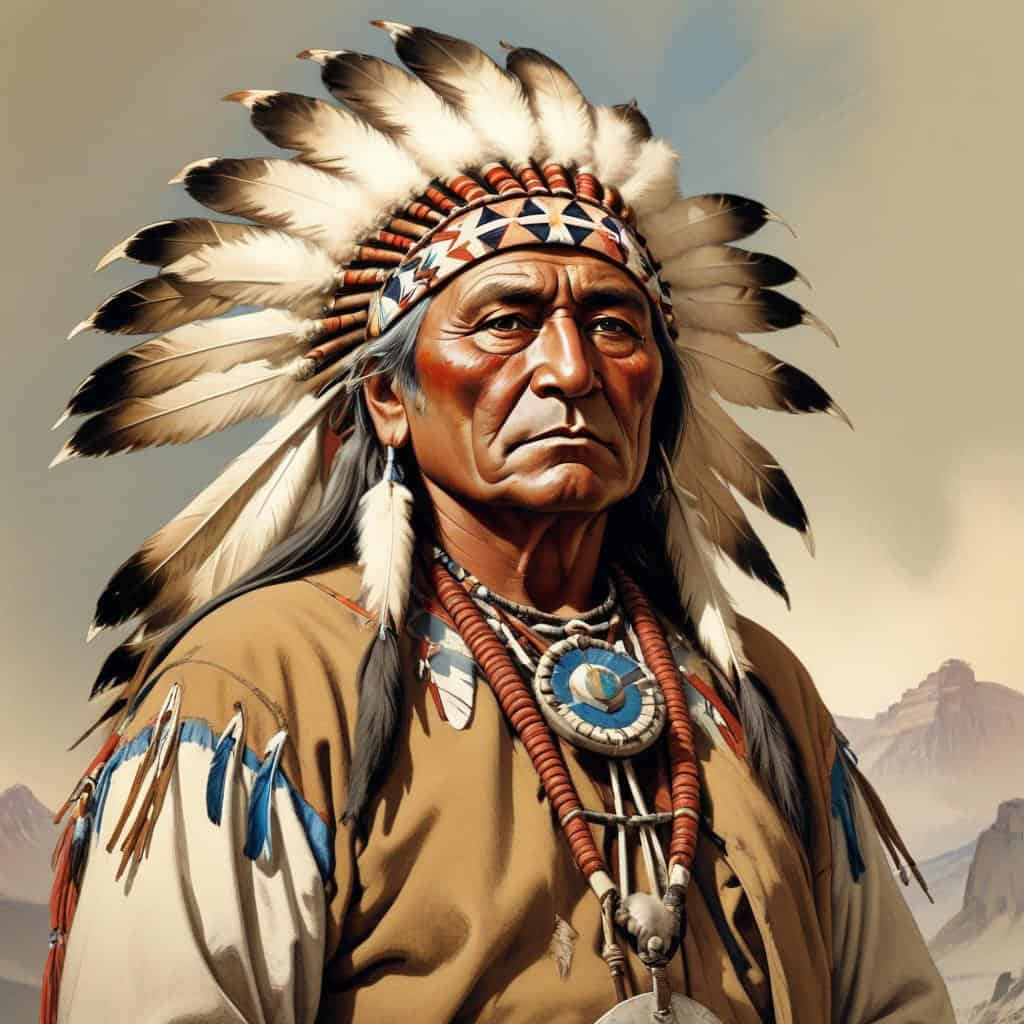
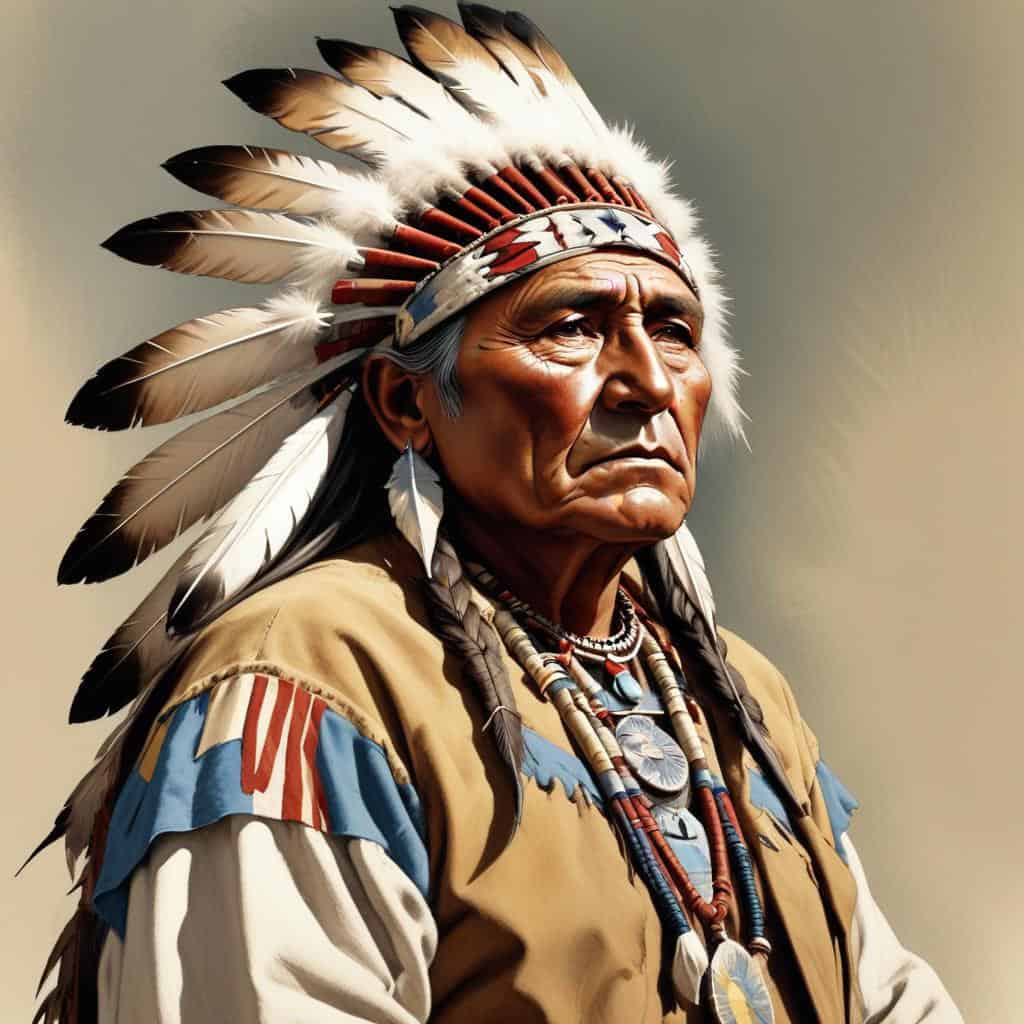
Chief Joseph: The brave Nez Perce leader who fought for his people's freedom.
How Do You Learn Best?
Learn by Reading
Immerse yourself in the 10-minute visual lesson for a comprehensive understanding of the topic.
Learn by Reviewing
Jump directly to the key facts, timeline, and vocabulary lists to build a solid foundation of details.
Learn by Doing
Challenge yourself! Jump straight into the interactive games to learn by trial, error, and discovery.
Chief Joseph: A Legacy of Resilience and Leadership in 10 Minutes
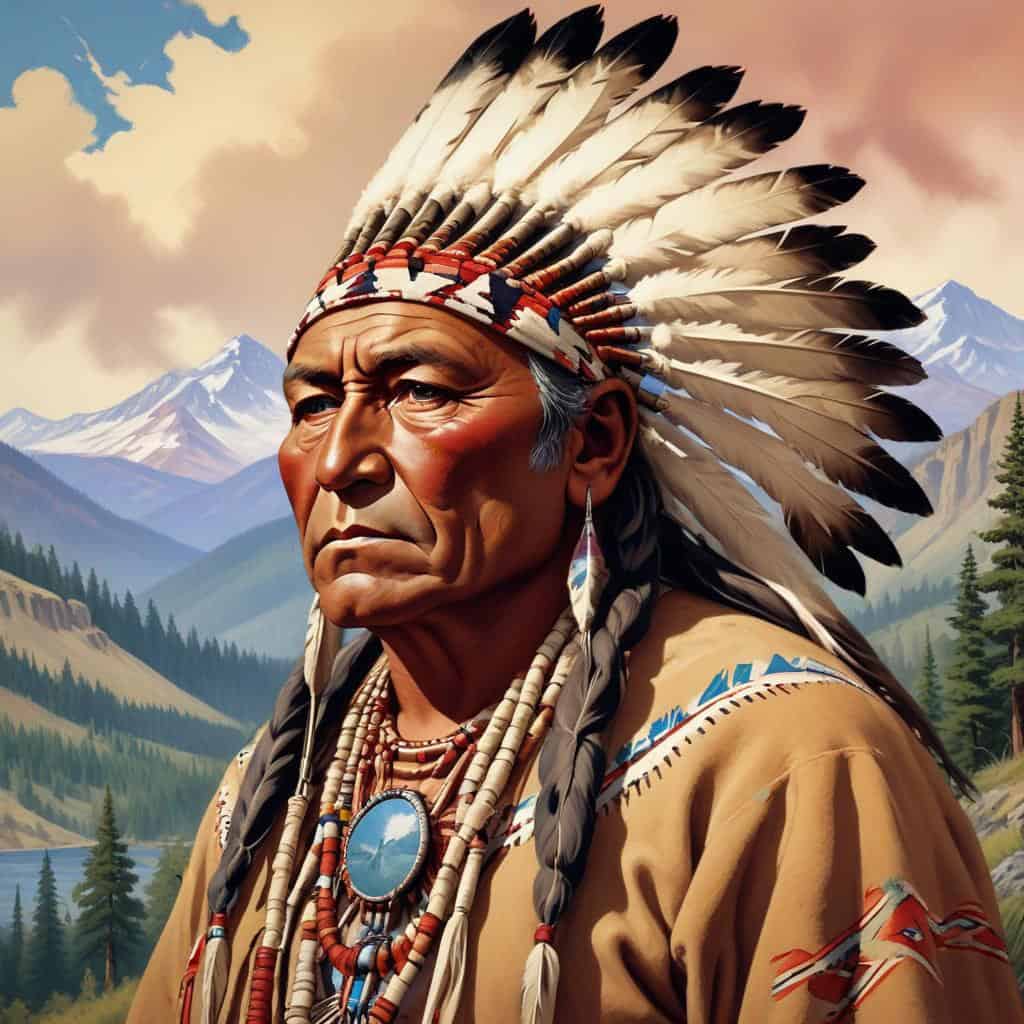
Introduction
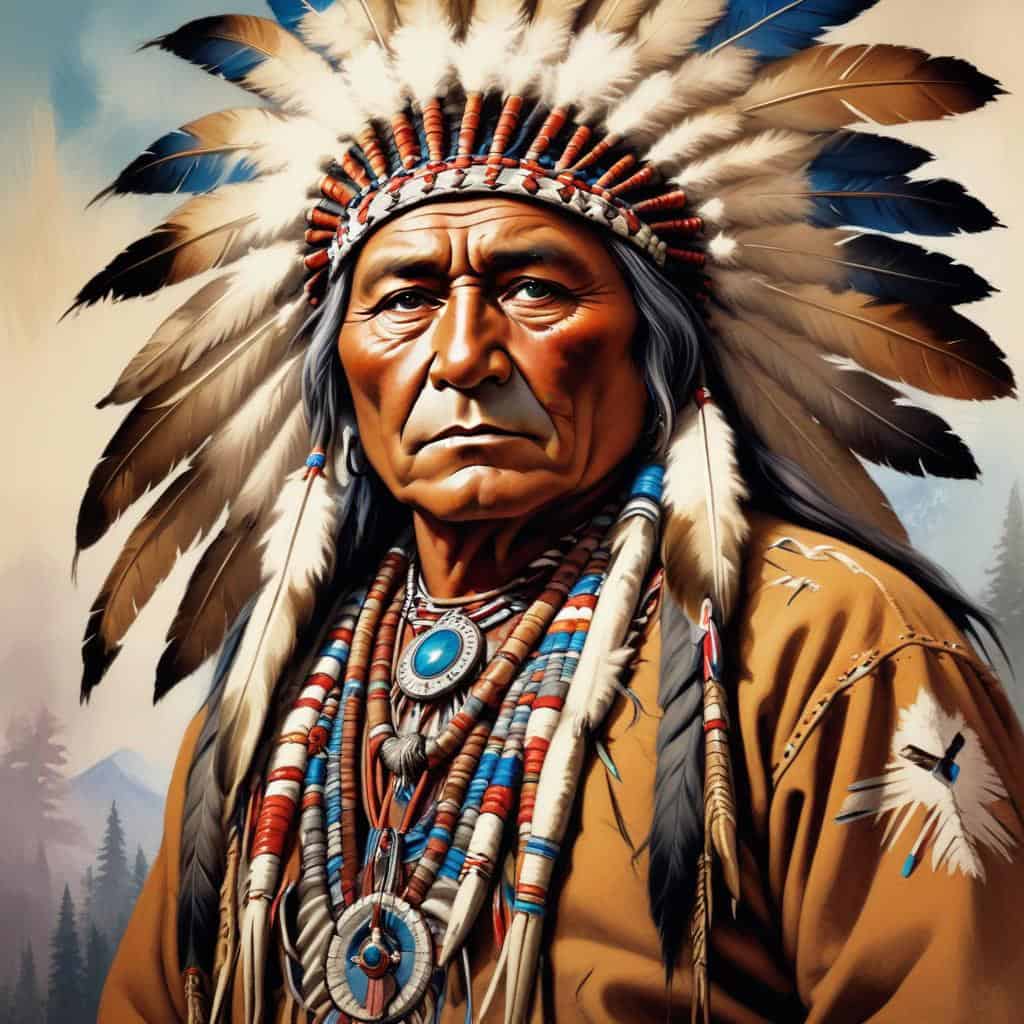
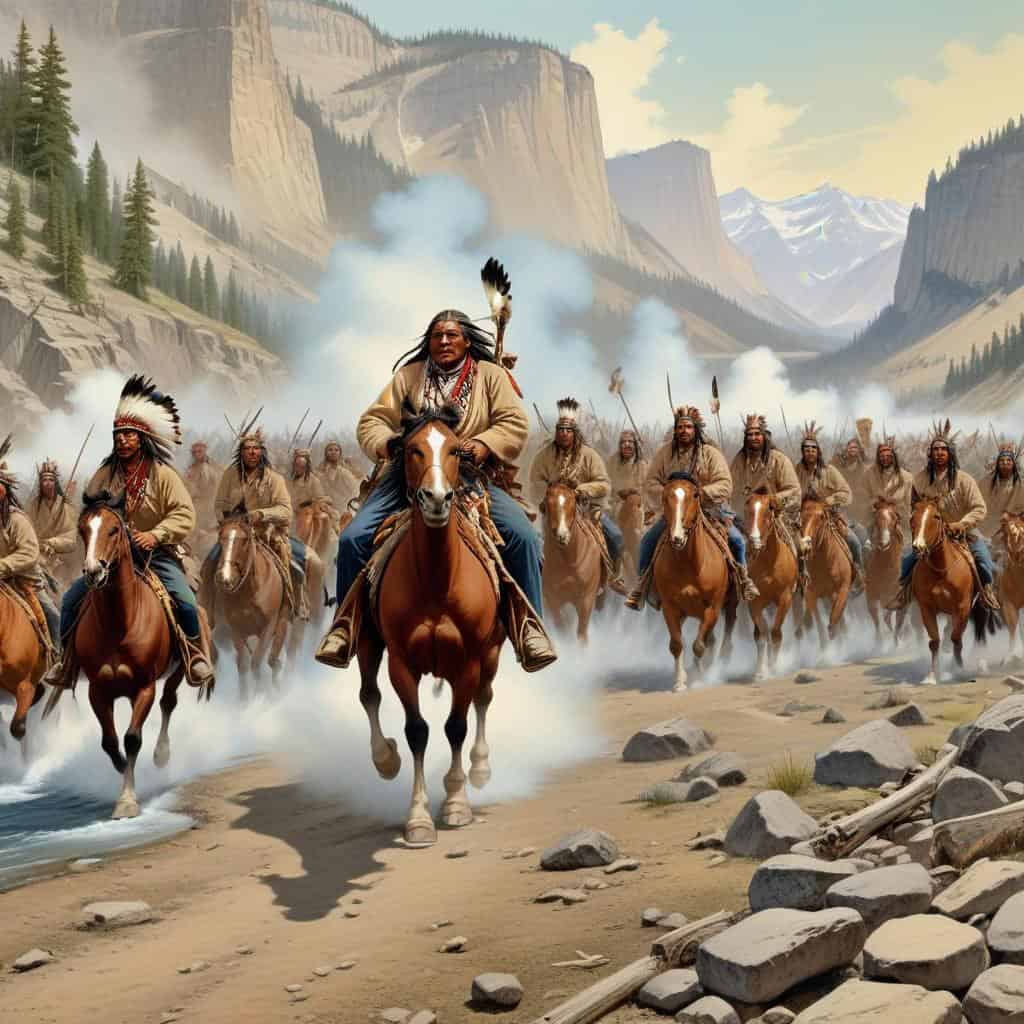
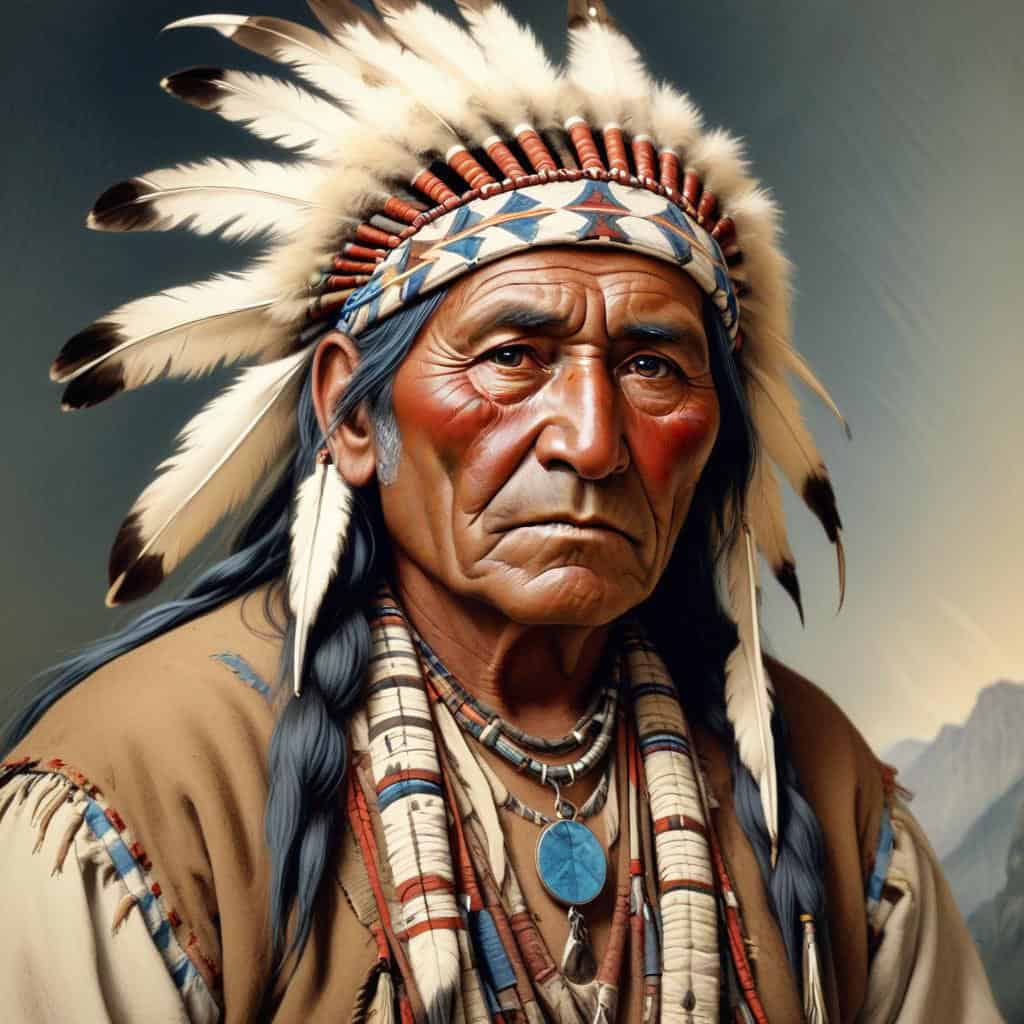
Chief Josephs Father, Joseph the Elder
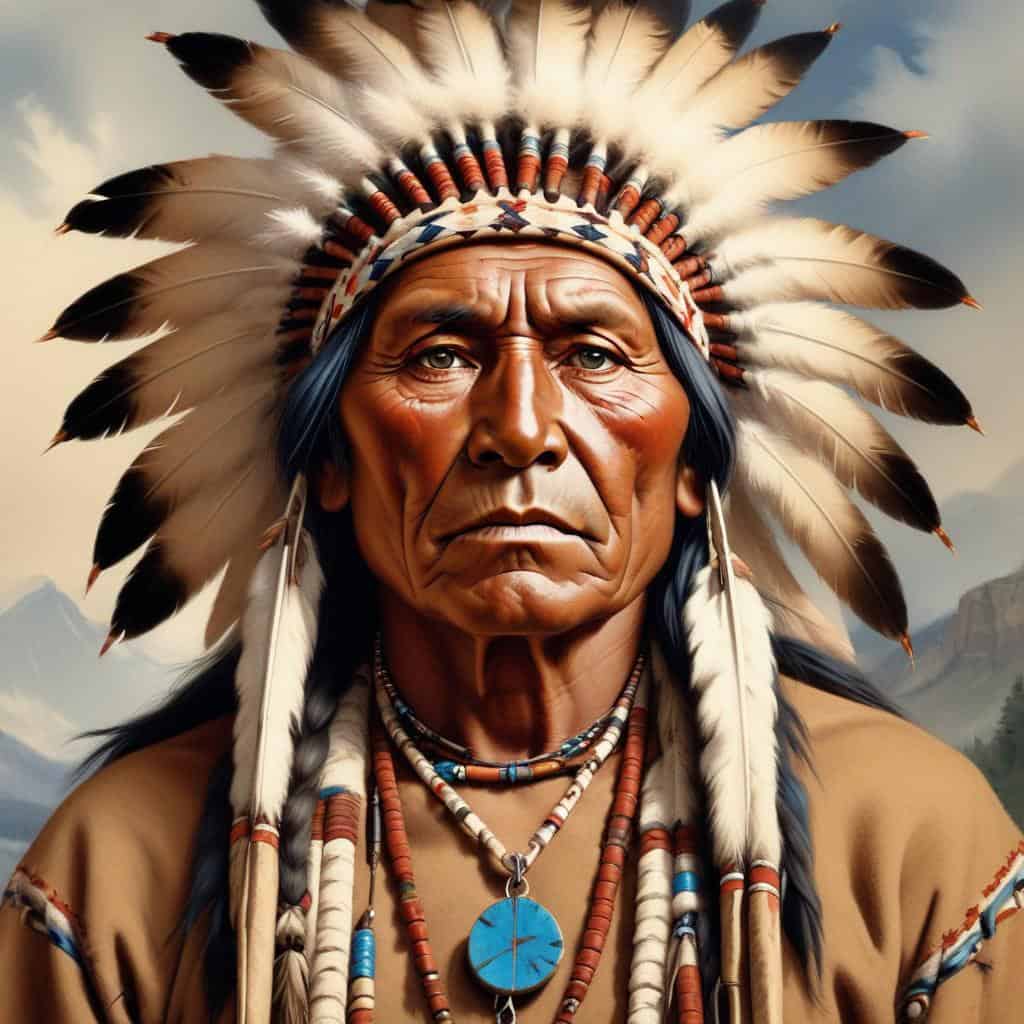
Chief Josephs Brother, Ollokot
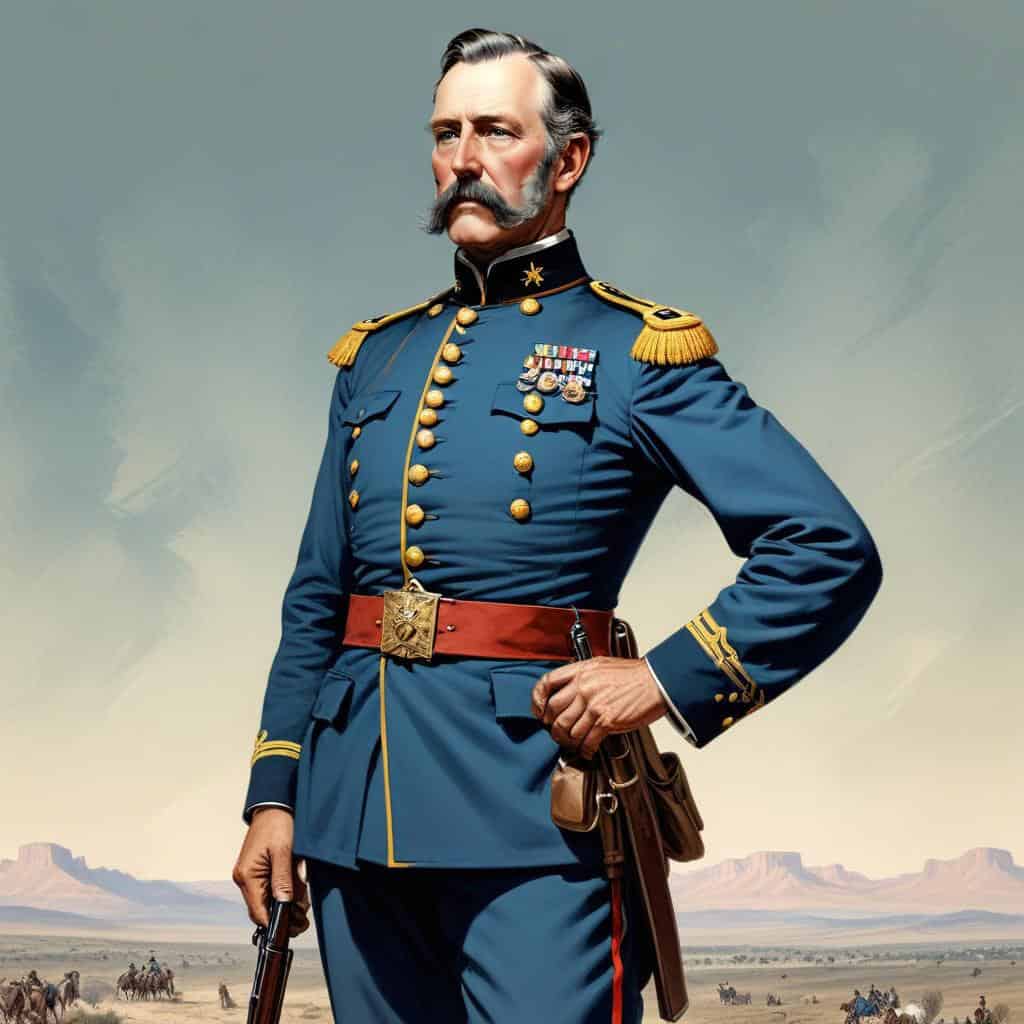
General Oliver O. Howard
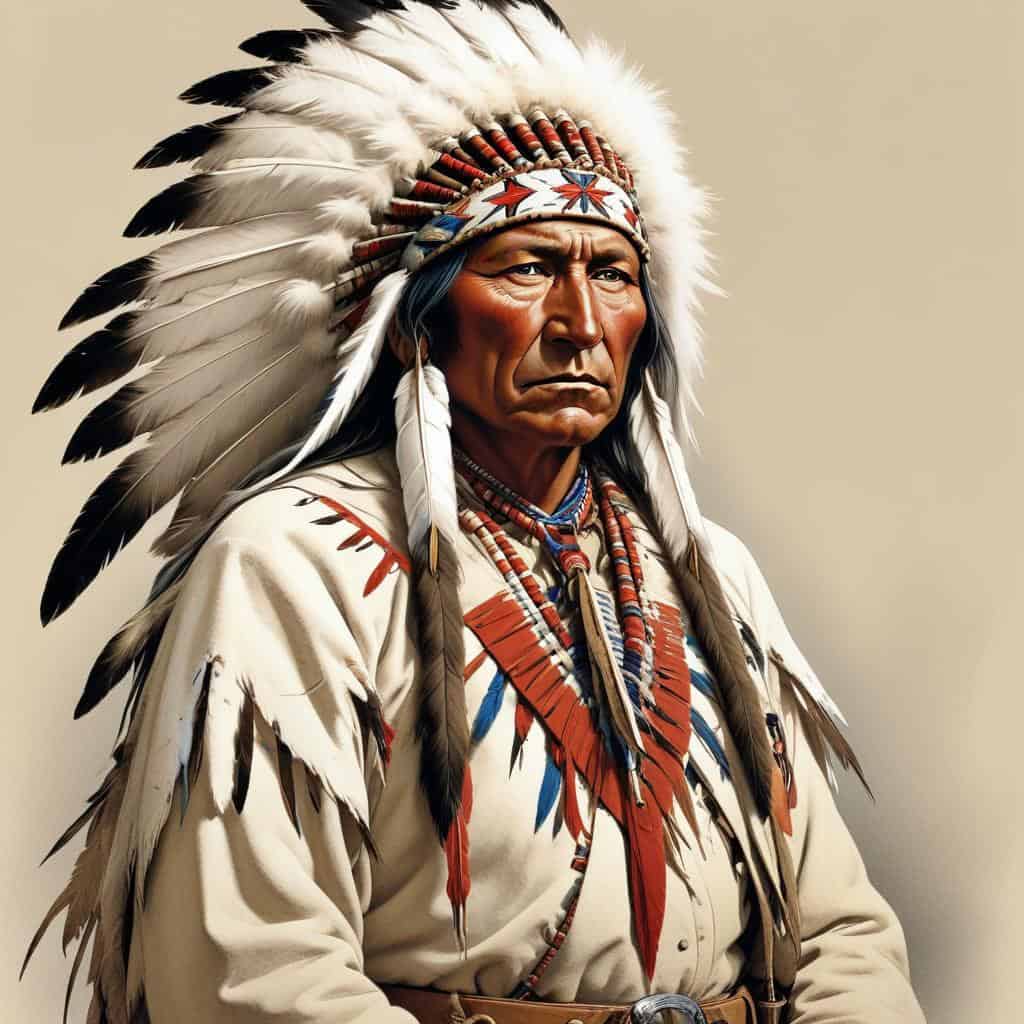
White Bird
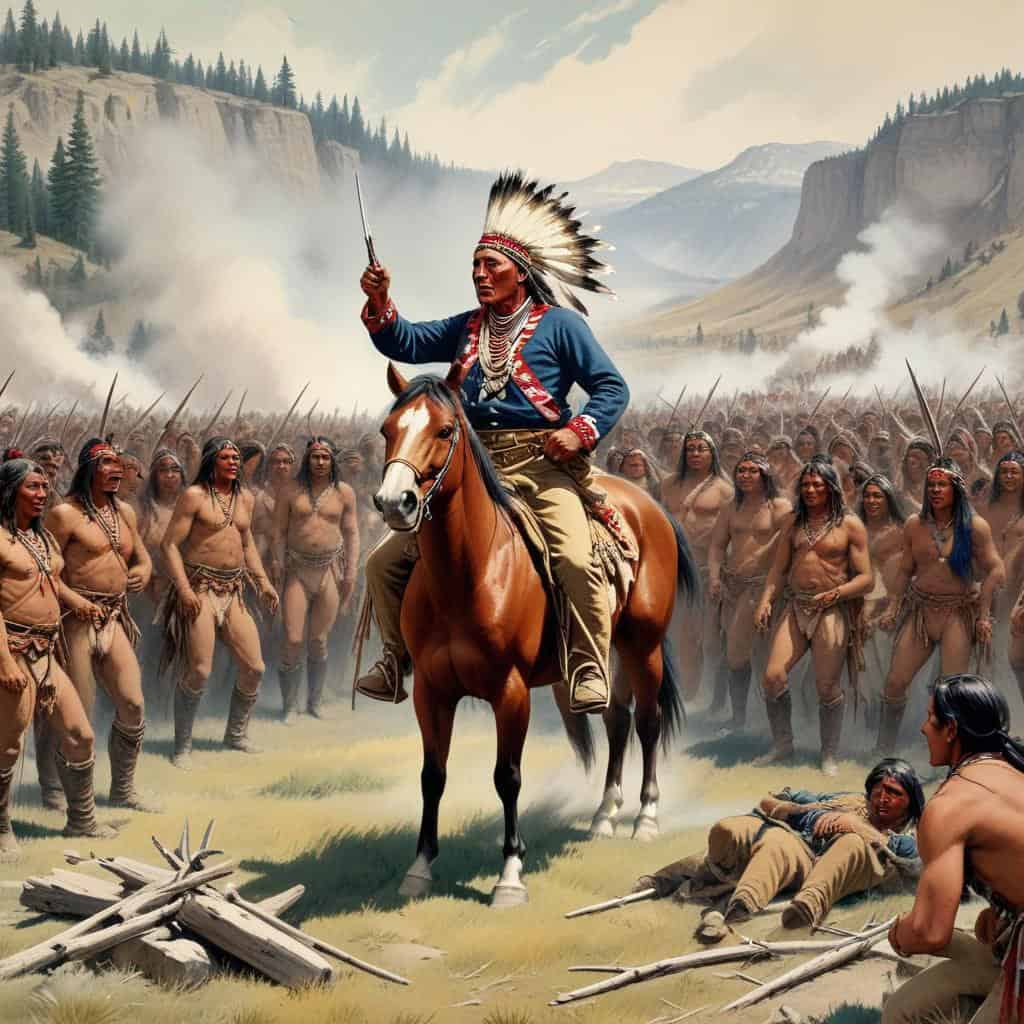
Chief Joseph Surrenders
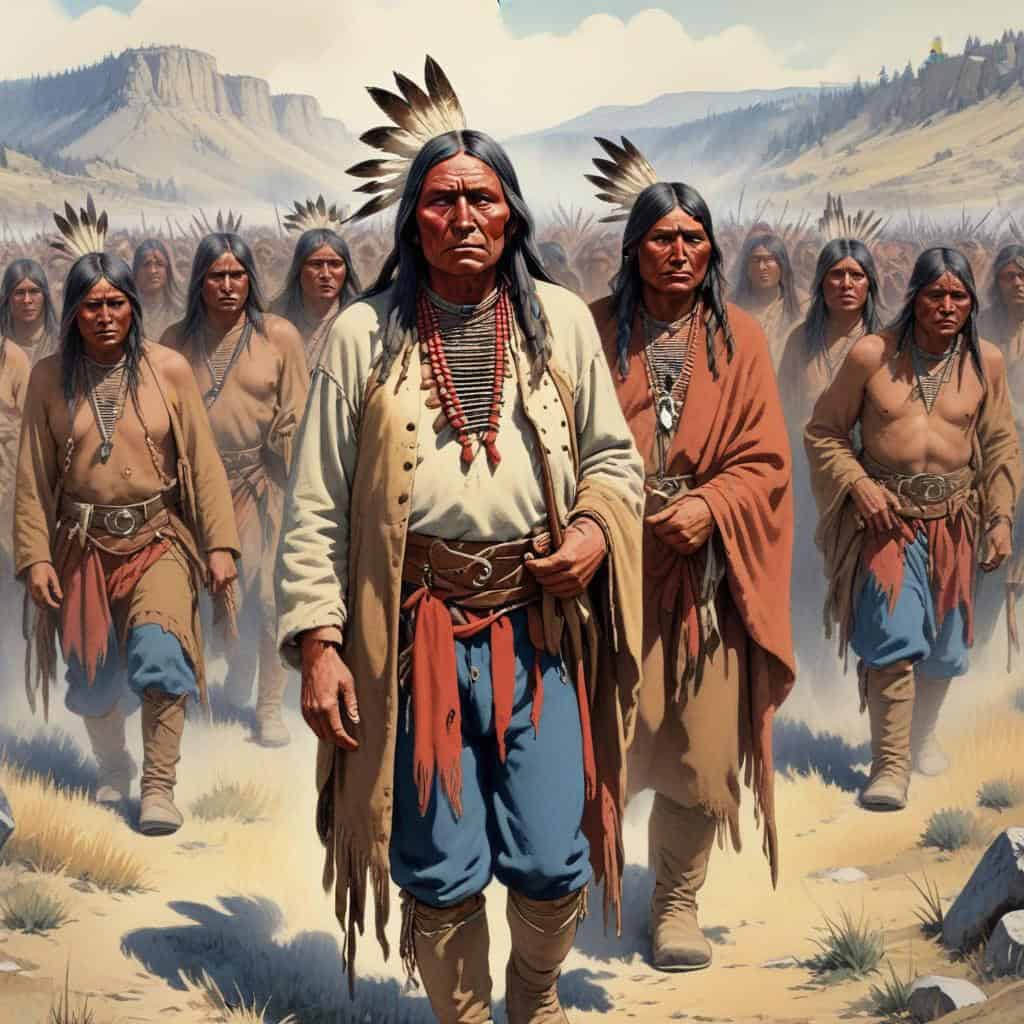
Forced Relocation
Advocating for His People
Legacy of Peace
Resilience in the Face of Adversity
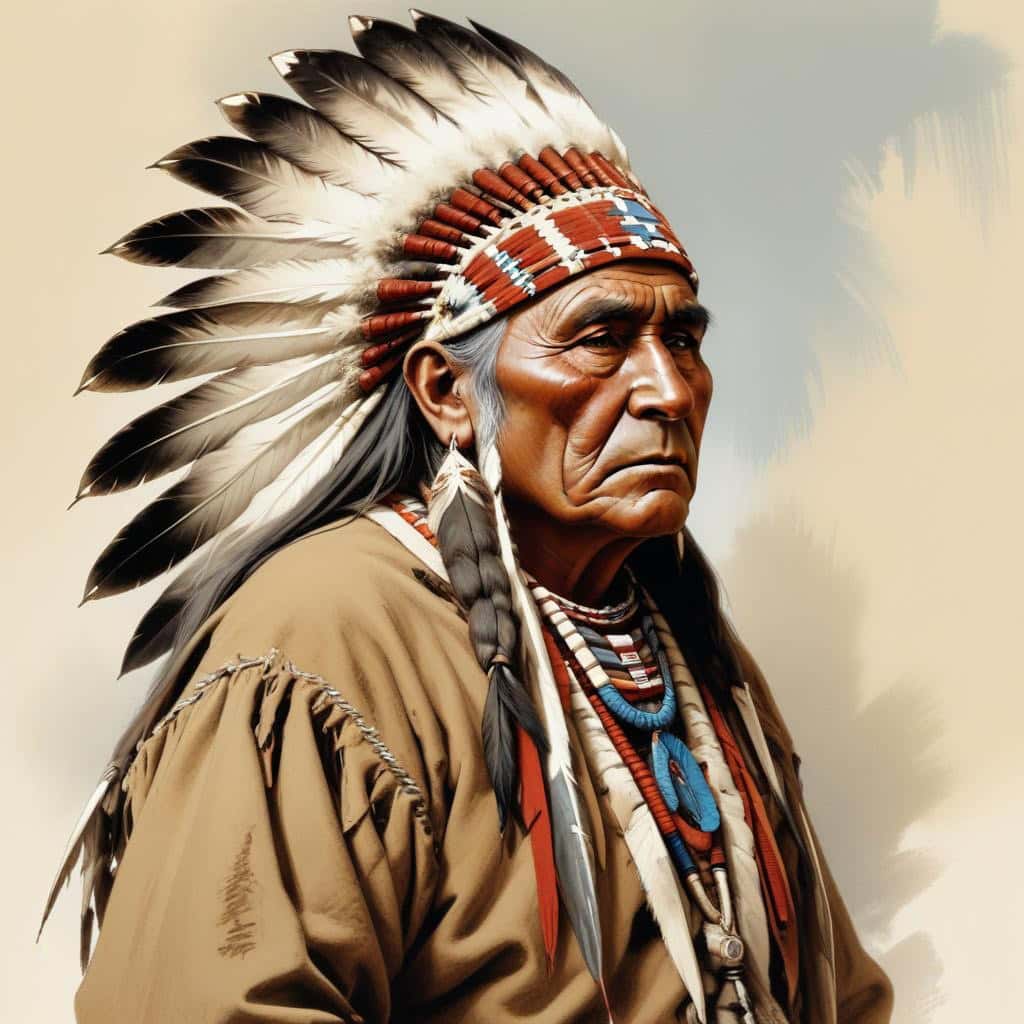
Death and Legacy
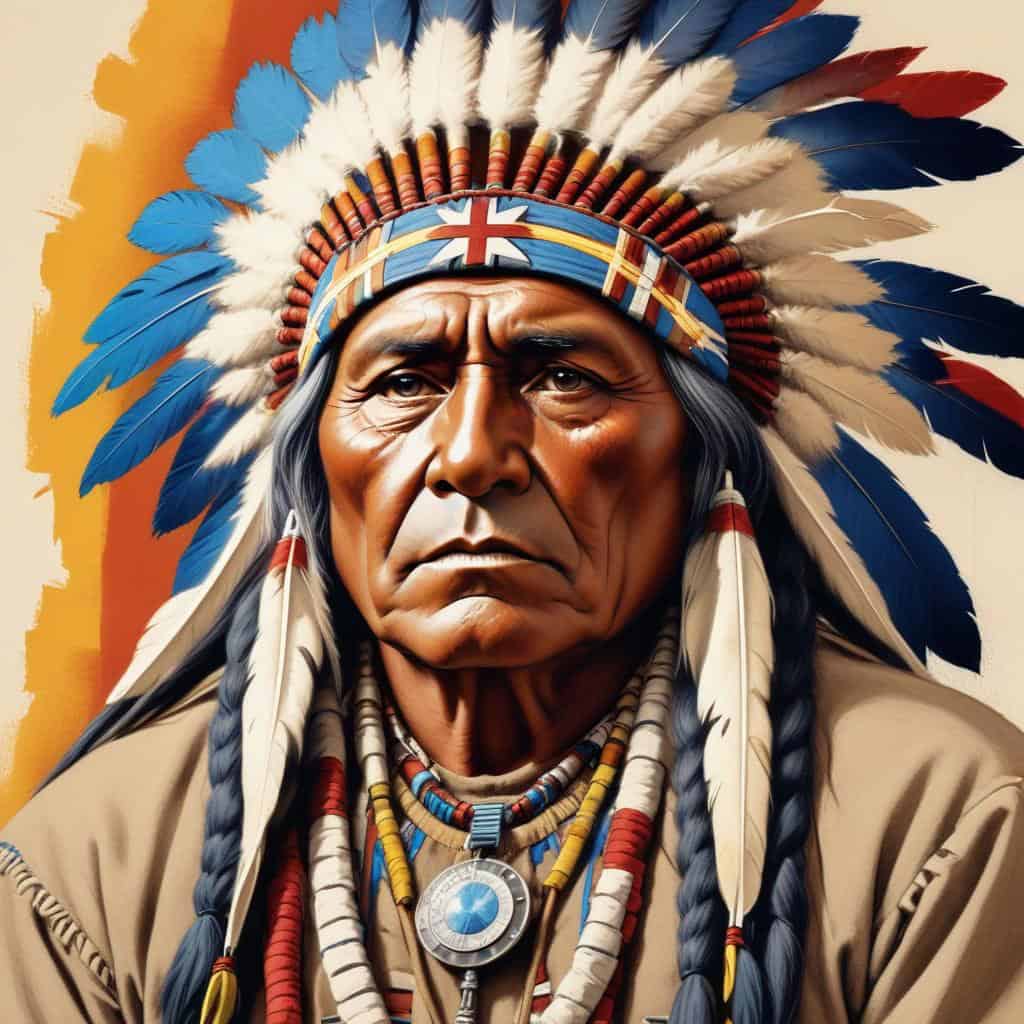
Symbol of Indigenous Resistance
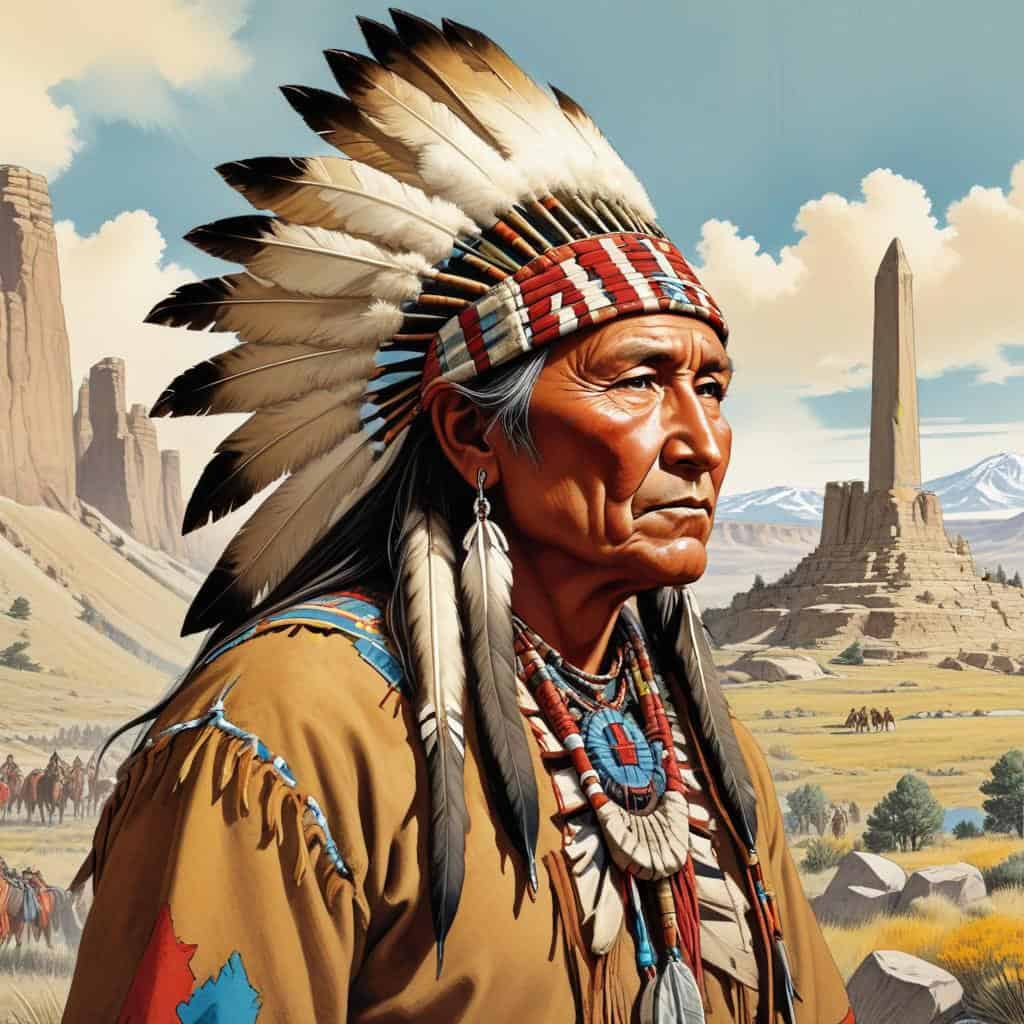
Honoring His Memory
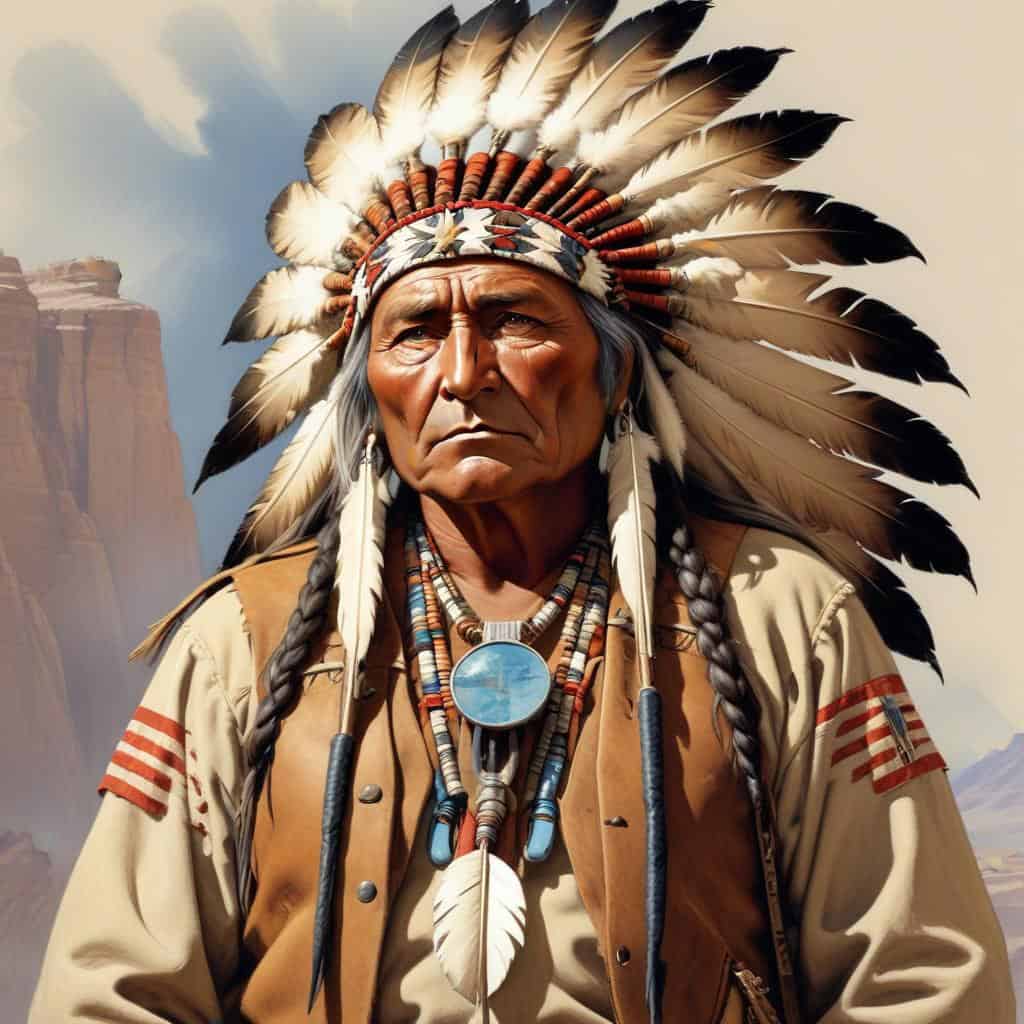
Lessons of Chief Joseph
Lesson Details & Resources
In a Nutshell
Timeline of Chief Joseph: A Legacy of Resilience and Leadership
Chief Joseph is born in Wallowa Valley, Oregon
Treaty of 1855 is signed, establishing the Nez Perce reservation
Chief Joseph becomes the leader of the Nez Perce tribe
Nez Perce War begins as tensions rise between settlers and the Nez Perce tribe
Chief Joseph delivers his famous speech 'I will fight no more forever'
Chief Joseph and the Nez Perce tribe surrender to U.S. forces
Nez Perce tribe is forced to move to a reservation in Kansas
Chief Joseph and the Nez Perce tribe are relocated to the Colville Indian Reservation in Washington
Chief Joseph travels to Washington D.C. to plead for the return of his people to their homeland
Chief Joseph dies on the Colville Indian Reservation
Chief Joseph's remains are reinterred at Nespelem, Washington
Chief Joseph's famous speech is published in various newspapers and magazines
Chief Joseph's story is popularized in books and films, including 'I Will Fight No More Forever'
Chief Joseph is posthumously honored with a statue in his likeness in Washington D.C.
Chief Joseph's legacy lives on as a symbol of Native American resistance and perseverance
Vocabulary List
- Nez Perce
- Chief Joseph was a Nez Perce leader.
- Resistance
- Chief Joseph led a resistance against the forced relocation of his people.
- Surrender
- After months of fighting, Chief Joseph finally surrendered to the US Army.
- Exile
- Chief Joseph and his people were exiled to a reservation in Oklahoma.
- Peaceful
- Chief Joseph advocated for a peaceful resolution to the conflict.
- Honorable
- Chief Joseph was known for his honorable leadership.
- Treaty
- The US government violated the treaty with the Nez Perce tribe.
- Trail of tears
- The Nez Perce tribe endured their own 'trail of tears' during their forced relocation.
- Legacy
- Chief Joseph left behind a powerful legacy of resilience and peace.
Key Facts
This is the information used in the fact matching game
- Chief Joseph was born in 1840 as Hin-mah-too-yah-lat-kekt in the Wallowa Valley of northeastern Oregon.
- Chief Joseph was the chief of the Wallowa band of the Nez Perce Tribe.
- He was known for his valiant efforts to lead his people in their resistance against the U.S. government's attempts to force them onto a reservation.
- In 1877, Chief Joseph led his people on a 1,170-mile journey towards Canada in an attempt to seek refuge with the Sioux.
- Despite their efforts, Chief Joseph and his band were eventually captured just 40 miles from the Canadian border.
- Chief Joseph's famous surrender speech includes the line 'From where the sun now stands, I will fight no more forever.'
- He and his people were taken as prisoners of war and were held in Kansas and Oklahoma before being moved to the Colville Indian Reservation in Washington state.
- Chief Joseph died on September 21, 1904, on the Colville Indian Reservation.
- Chief Joseph's efforts to resist the U.S. government's policies towards Native Americans have made him a symbol of Native American resistance and perseverance.
- Chief Joseph's father, Tuekakas, also known as Old Joseph, was a respected Nez Perce chief who signed a treaty with the U.S. government in 1855.
- Chief Joseph initially sought peace and cooperation with the U.S. government but was forced into conflict due to broken promises and mistreatment of his people.
- During their journey towards Canada, Chief Joseph and his band fought several battles with U.S. troops, showcasing their bravery and determination.
- Despite facing overwhelming odds, Chief Joseph's band managed to outmaneuver pursuing U.S. forces and hold them off in several engagements.
- Chief Joseph's leadership during the Nez Perce War of 1877 earned him admiration and respect from both his own people and his adversaries.
- After his surrender, Chief Joseph and his people were initially sent to Fort Leavenworth in Kansas before being transferred to a reservation in Indian Territory (present-day Oklahoma).
- Chief Joseph's eloquent speeches and dignified demeanor during his captivity garnered attention and sympathy from the American public.
- In 1885, Chief Joseph and his band were allowed to return to the Pacific Northwest and settled on the Colville Indian Reservation in Washington state.
- Chief Joseph continued to advocate for the rights and welfare of Native Americans throughout his life, speaking out against unjust policies and seeking justice for his people.
- Chief Joseph's legacy as a courageous leader and eloquent spokesman for his people endures to this day, inspiring generations of Native Americans and others to uphold their traditions and fight for justice.
Analysis & Significance
Major Accomplishments
Chief Joseph, a Nez Perce leader, is most known for his role in leading his people during their resistance against forced removal to a reservation. Despite facing overwhelming odds, he skillfully evaded capture for over 1,000 miles, showcasing his strategic prowess and commitment to his people’s freedom.
Impact on the World
Chief Joseph’s bravery and eloquent speeches inspired many to advocate for Native American rights and sovereignty. His defiance against unjust treatment by the US government brought attention to the plight of indigenous peoples and sparked important discussions about land rights and cultural preservation.
Enduring Legacy
Today, Chief Joseph is remembered as a symbol of resilience and resistance against oppression. His famous words, “I will fight no more forever,” resonate as a poignant reminder of the injustices faced by Native American tribes. His legacy continues to inspire generations to stand up for their beliefs and fight for justice and equality.
Chief Joseph: A Legacy of Resilience and Leadership Games


Take Your Learning Offline
Want a convenient, print-ready study guide for this lesson? Become a Memory Wizards Pro member to unlock the downloadable " Memory Scrolls" for this topic and our entire library!
- ✓ Complete Vocabulary Lists
- ✓ Key Facts & Timelines
- ✓ Beautifully Formatted for Print & Mobile