
Black Hawk: A Warrior’s Biography
The defiant warrior who led a rebellion against American settlers in the Midwest.
How Do You Learn Best?
Learn by Reading
Immerse yourself in the 10-minute visual lesson for a comprehensive understanding of the topic.
Learn by Reviewing
Jump directly to the key facts, timeline, and vocabulary lists to build a solid foundation of details.
Learn by Doing
Challenge yourself! Jump straight into the interactive games to learn by trial, error, and discovery.
Black Hawk: A Warrior’s Biography in 10 Minutes
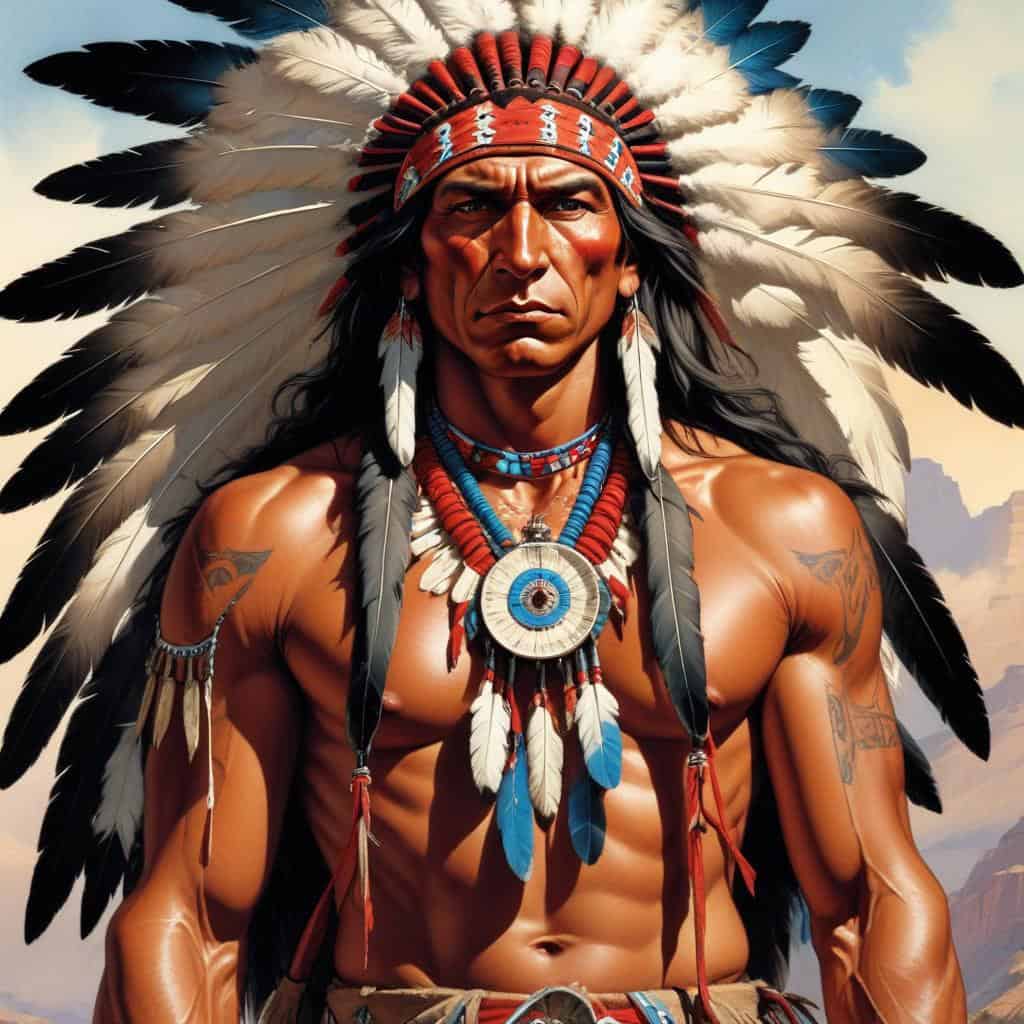
Introduction
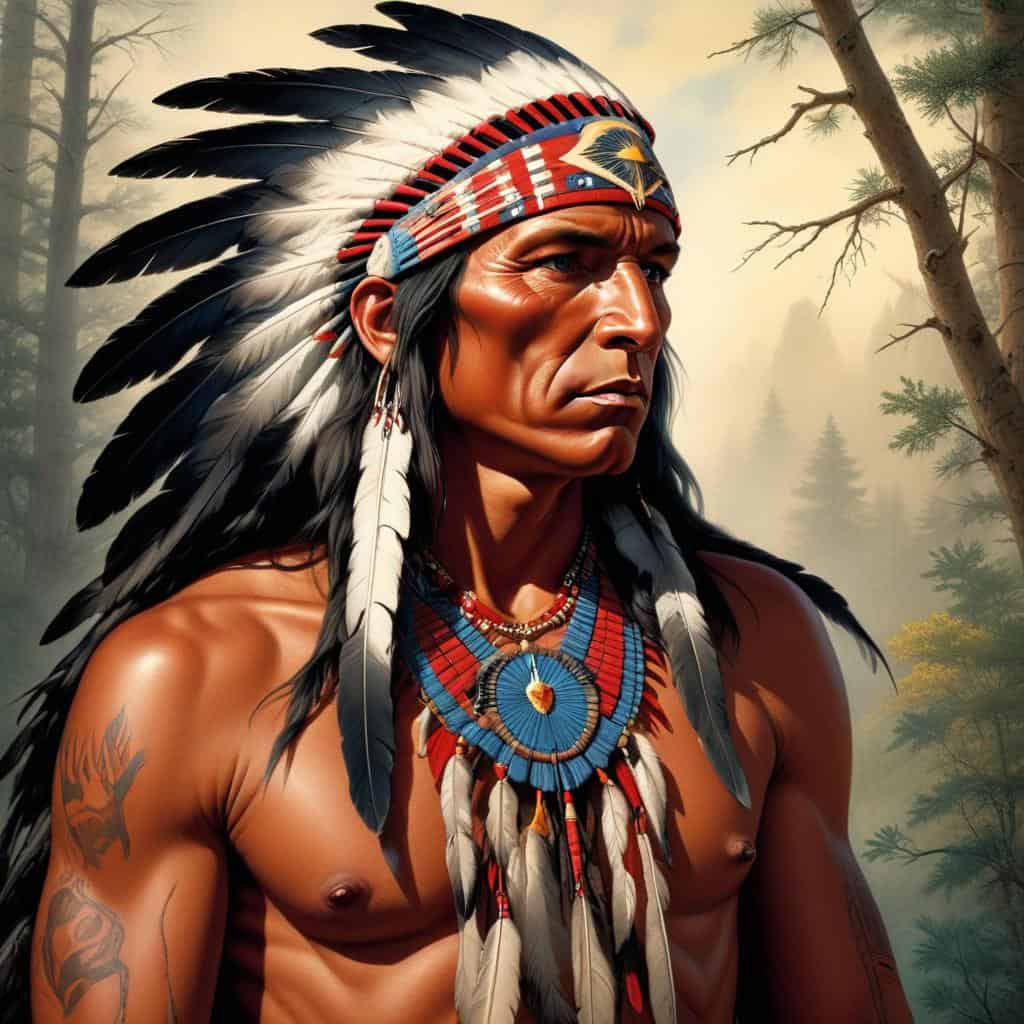
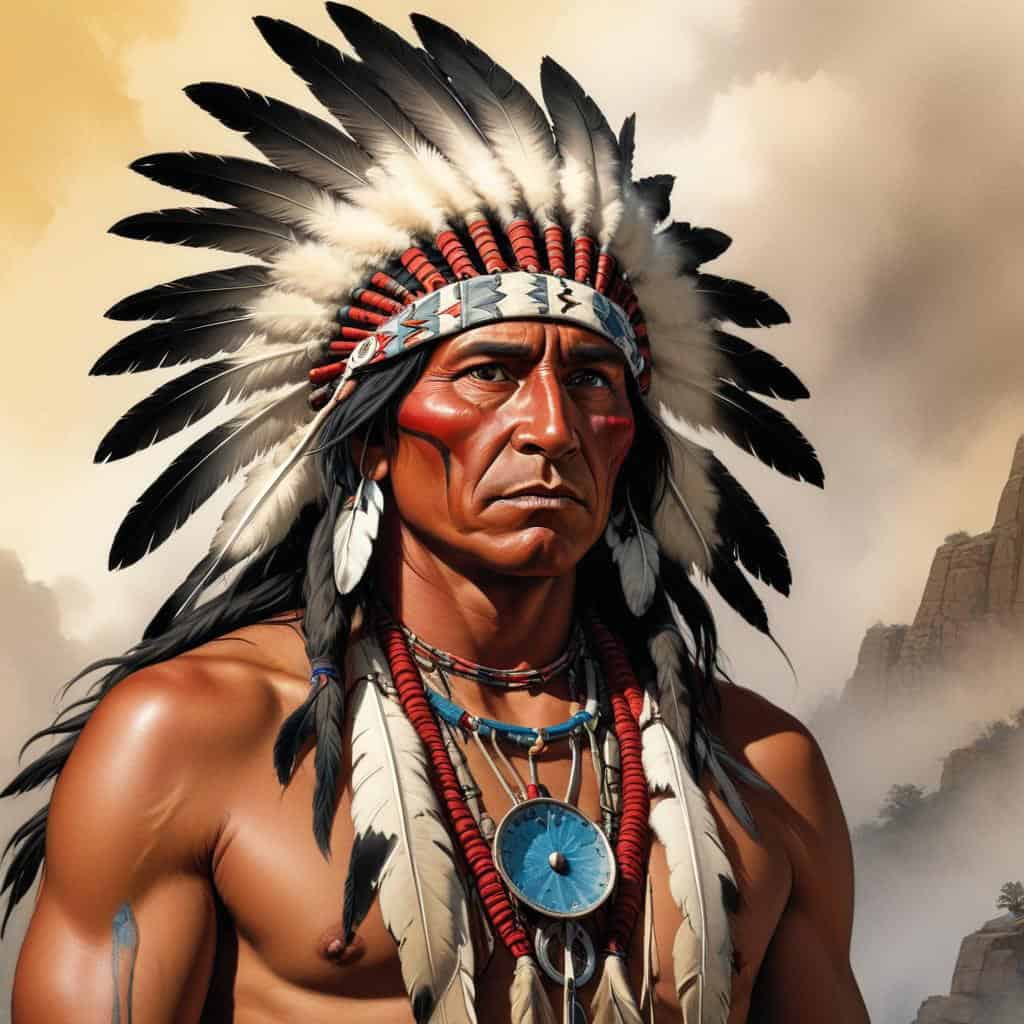
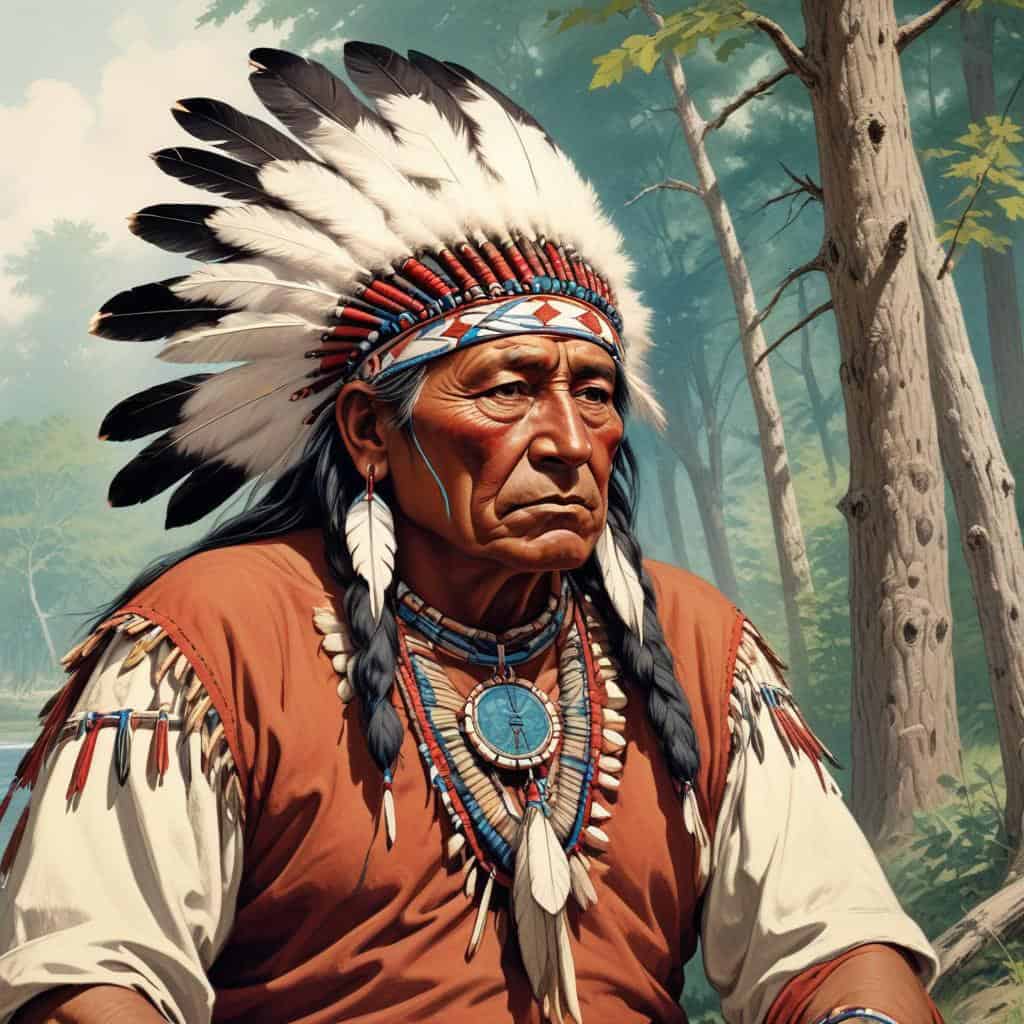
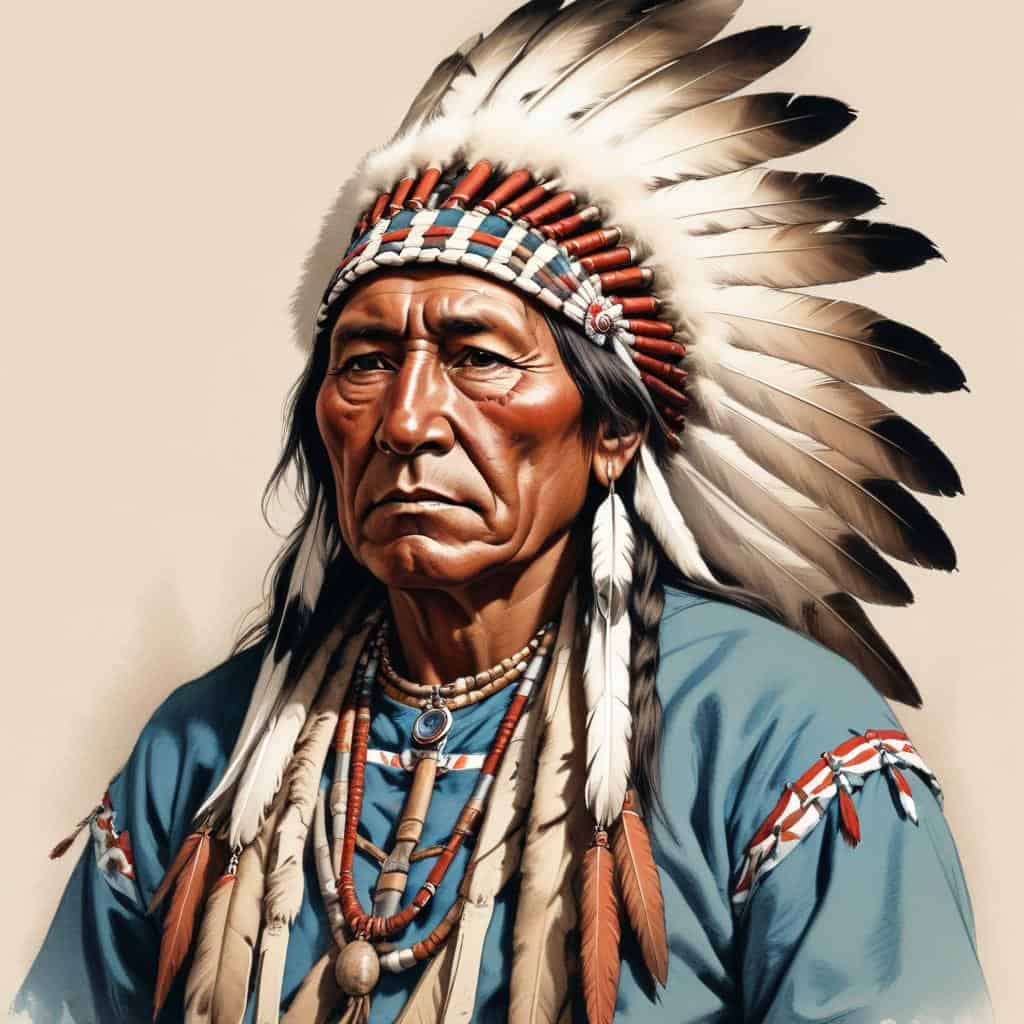
Keokuk
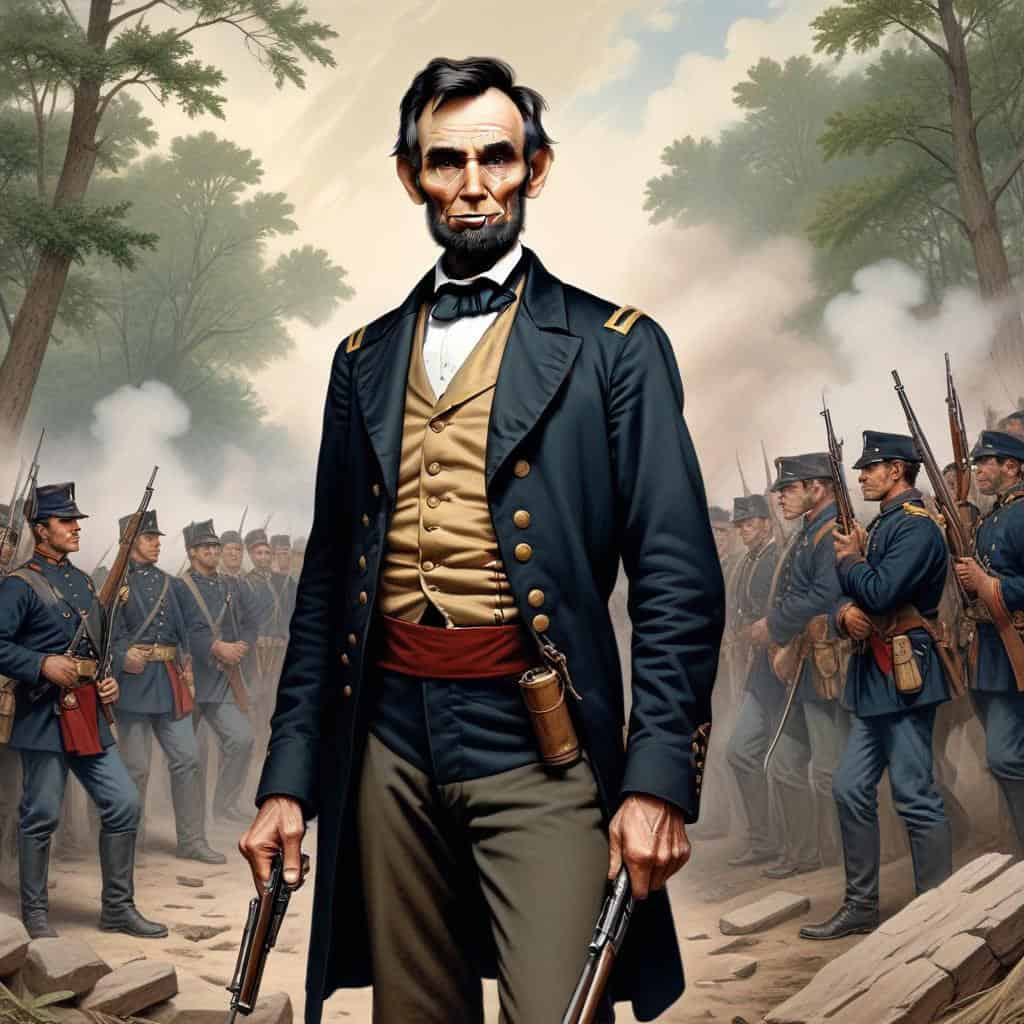
Abraham Lincoln
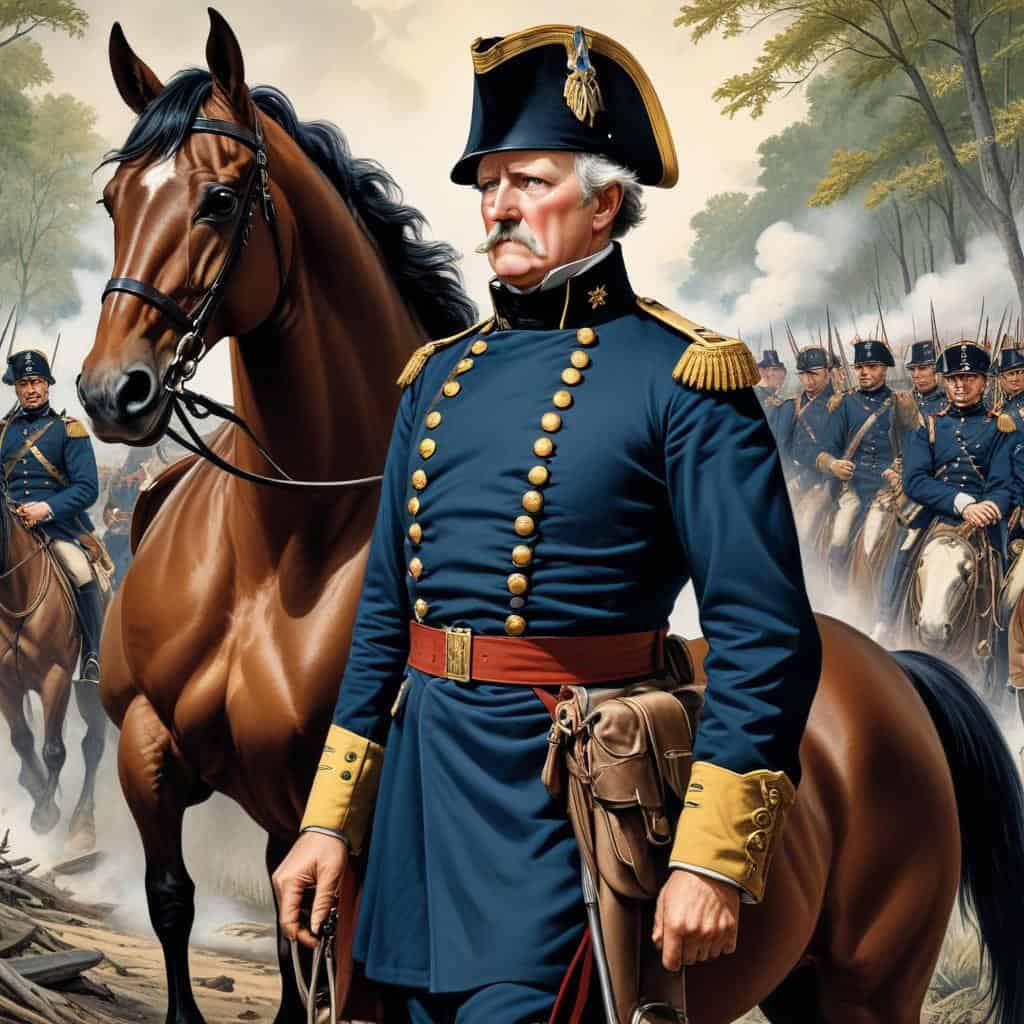
Winfield Scott
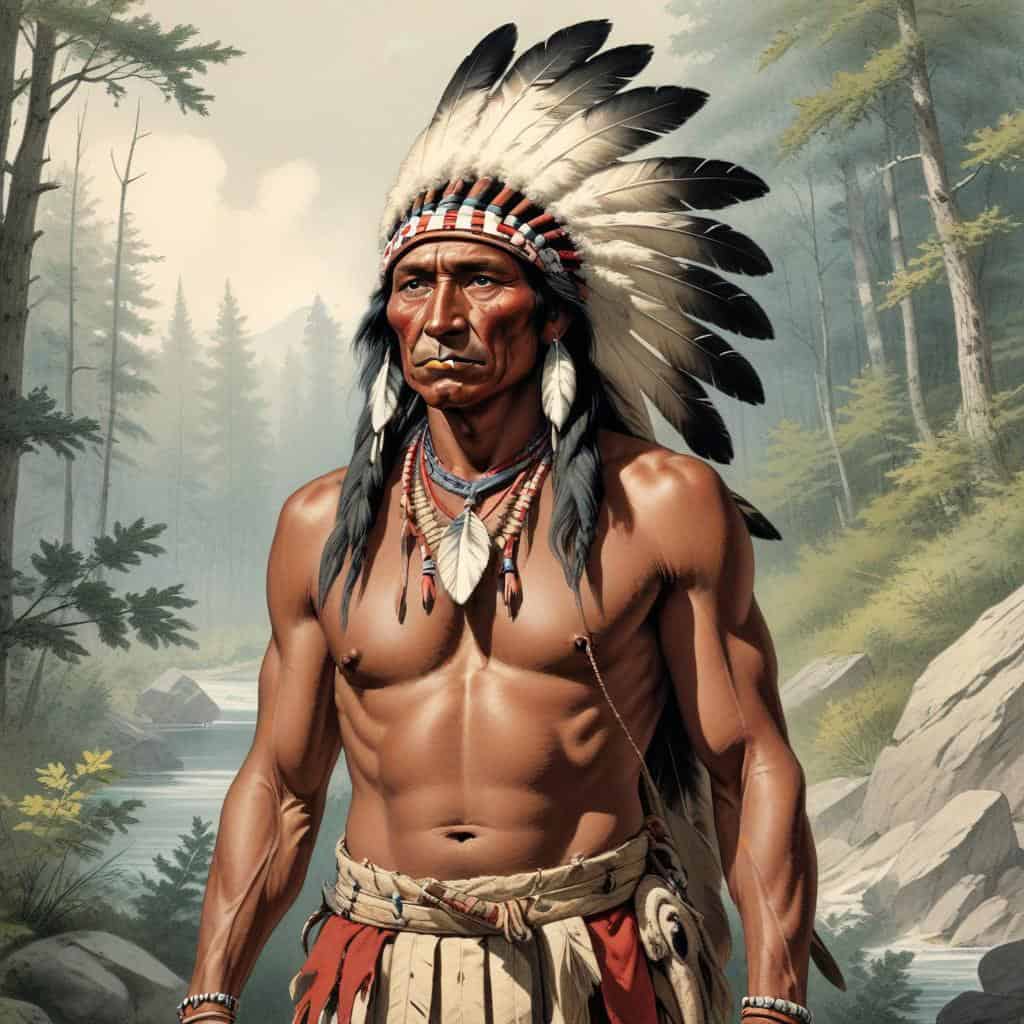
Shabbona
The Early Life of Black Hawk
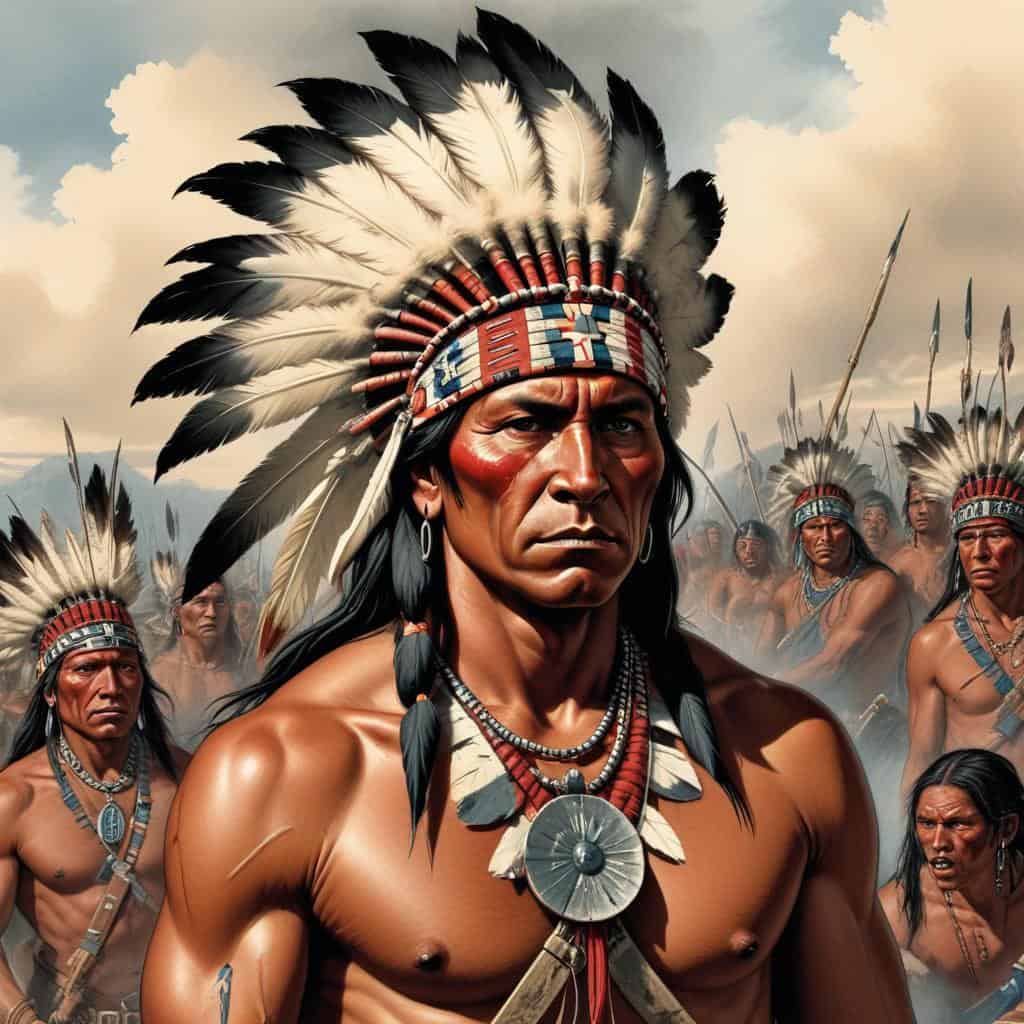
Black Hawks Leadership
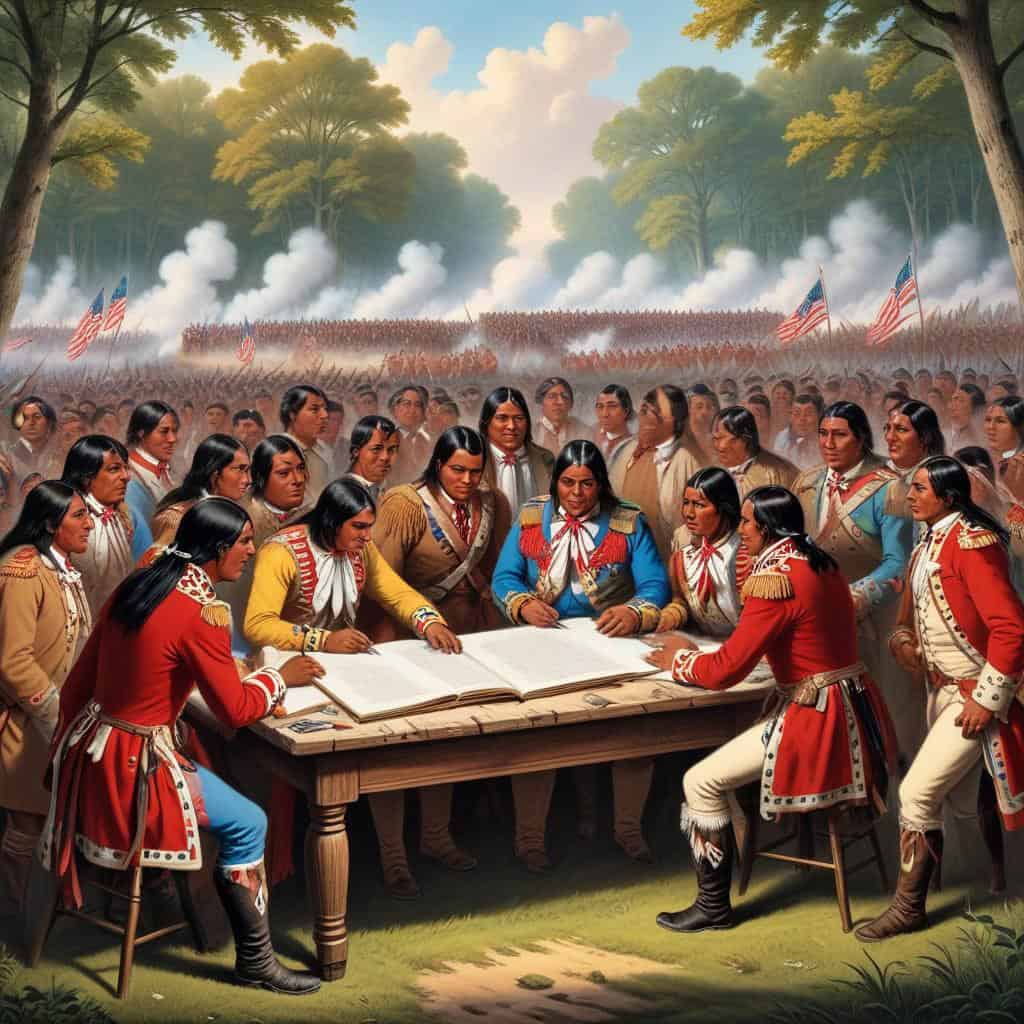
The Treaty of 1804
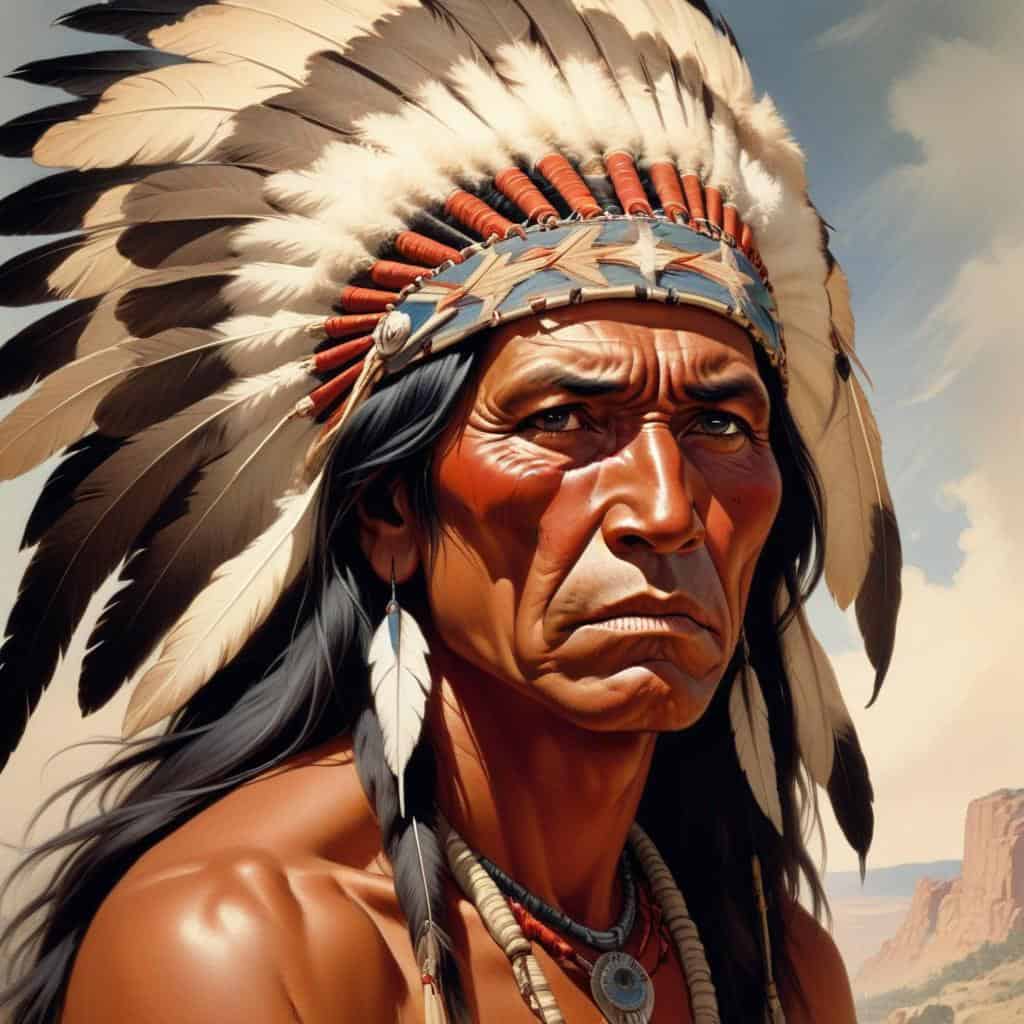
Black Hawks Capture
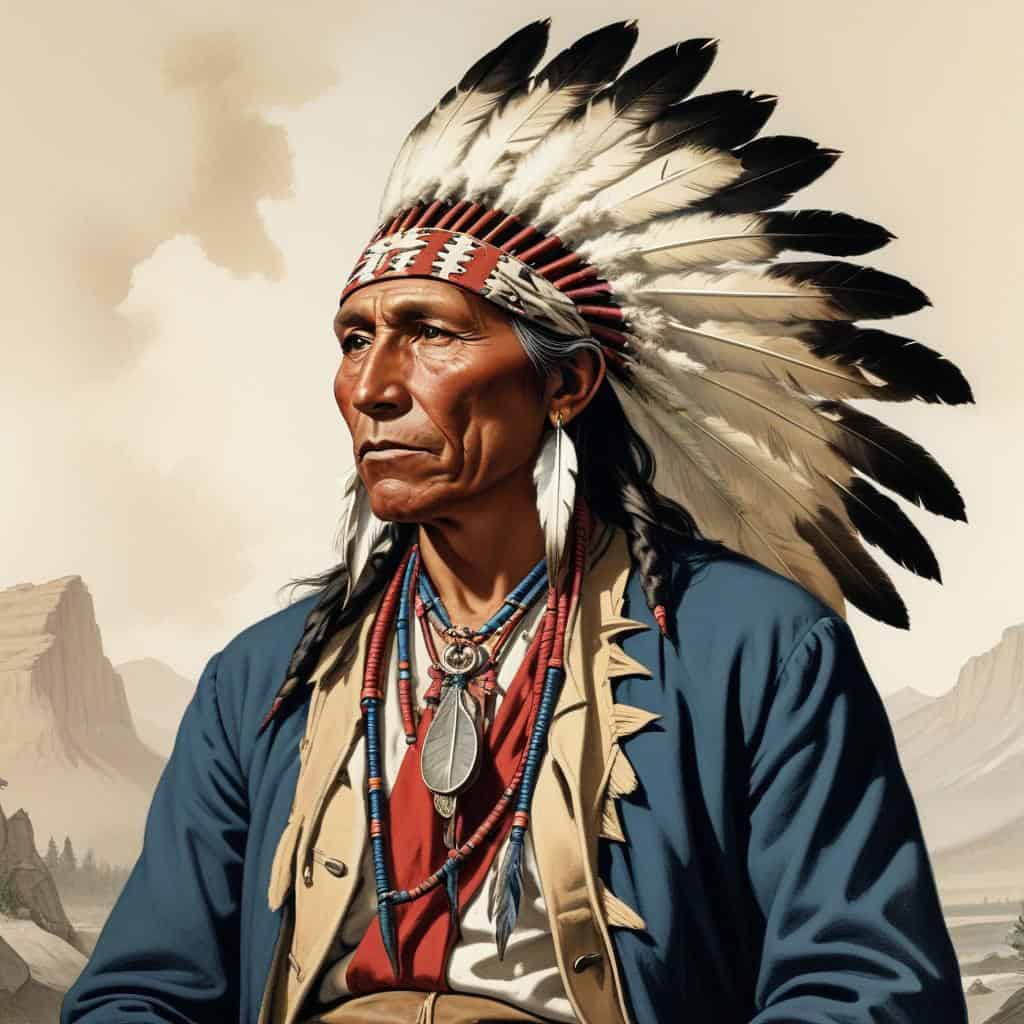
Black Hawks Legacy
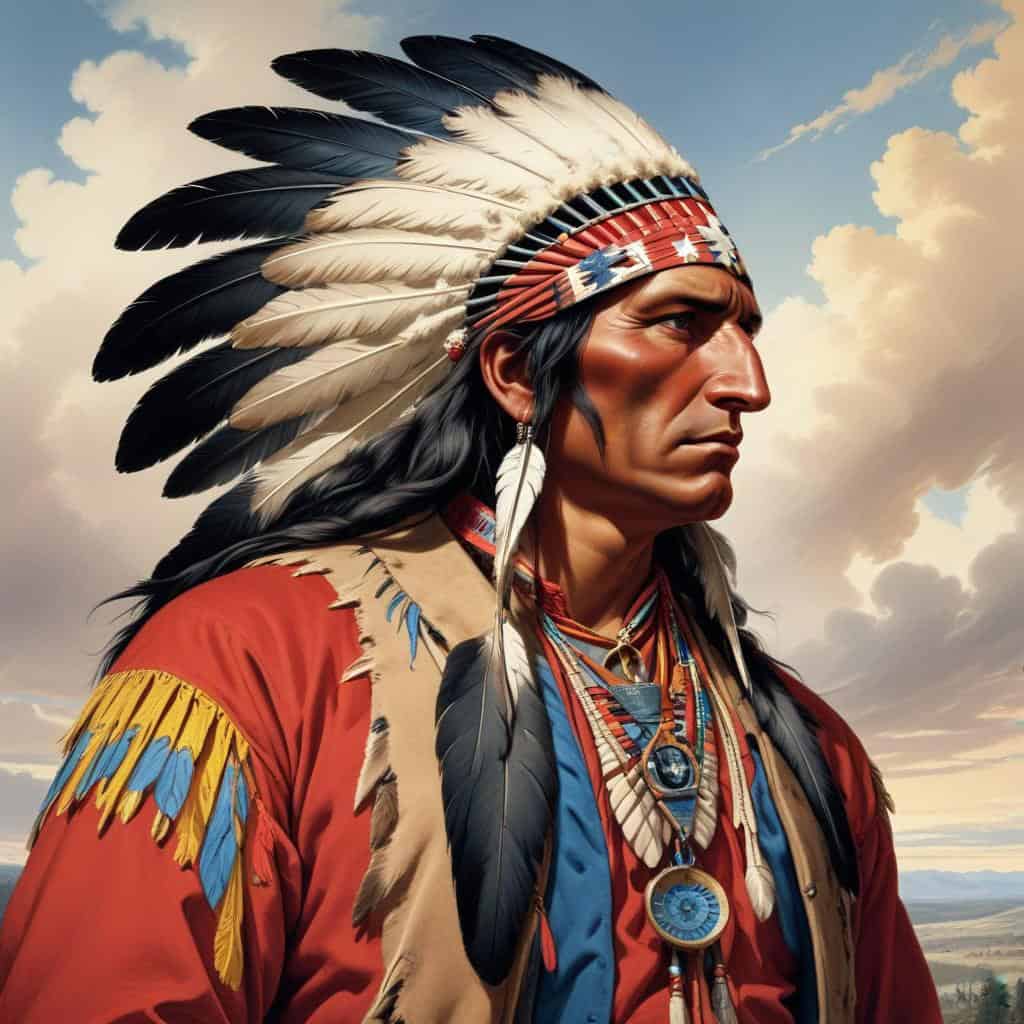
Black Hawks Death
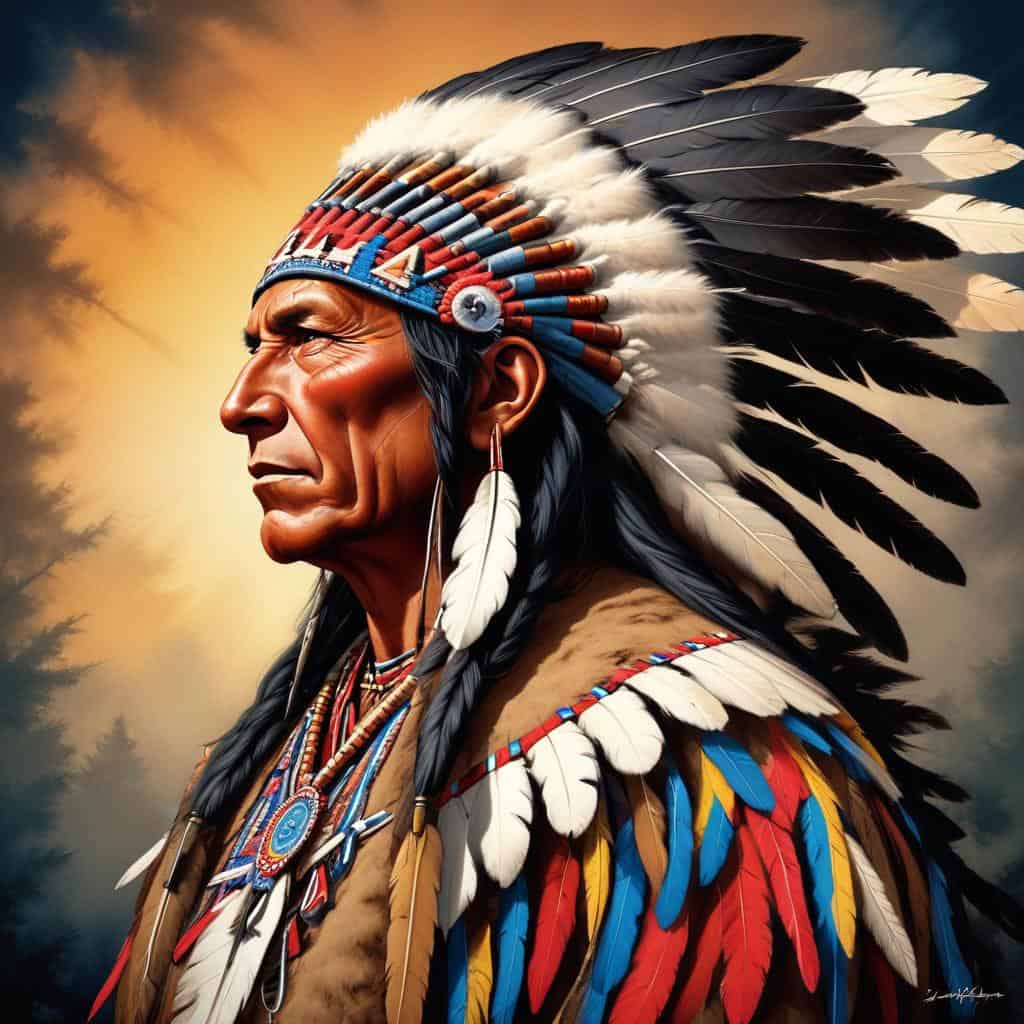
Black Hawks Cultural Impact
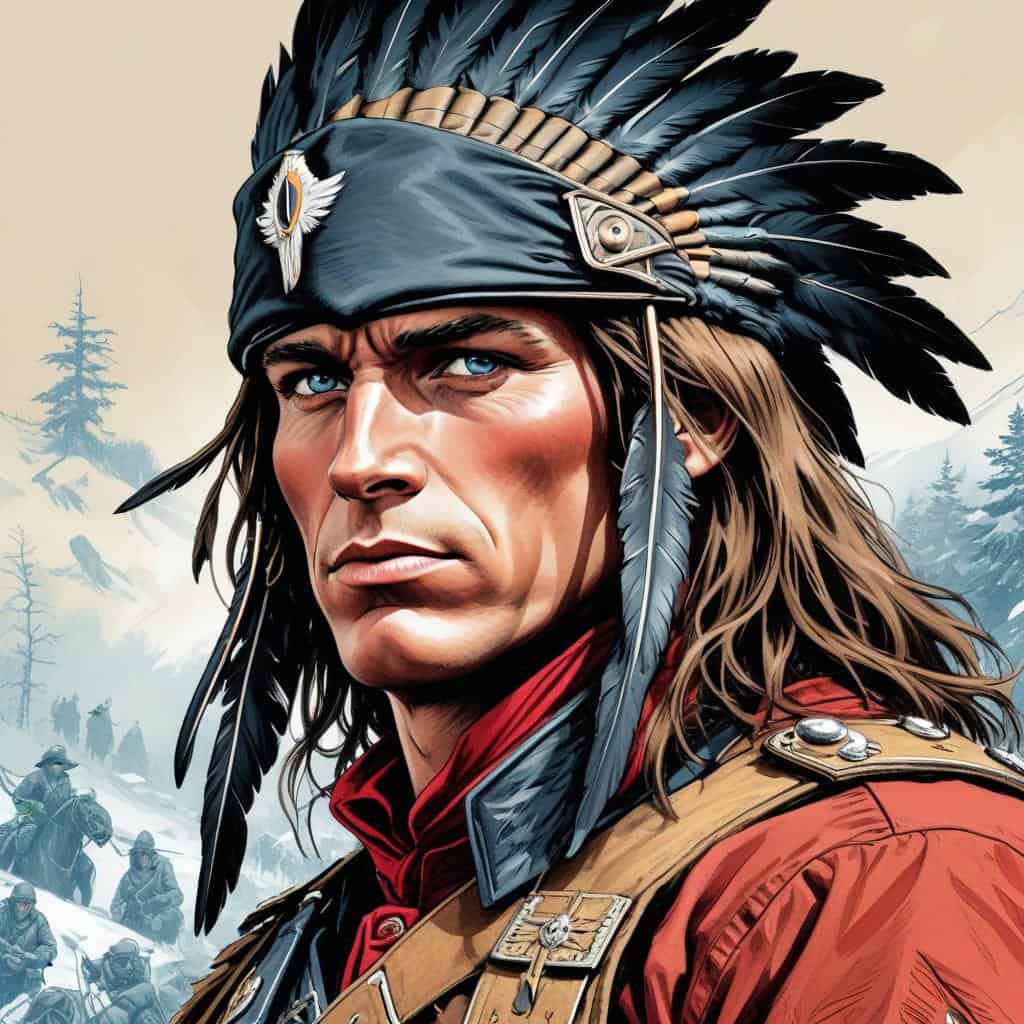
Black Hawks Influence on Literature
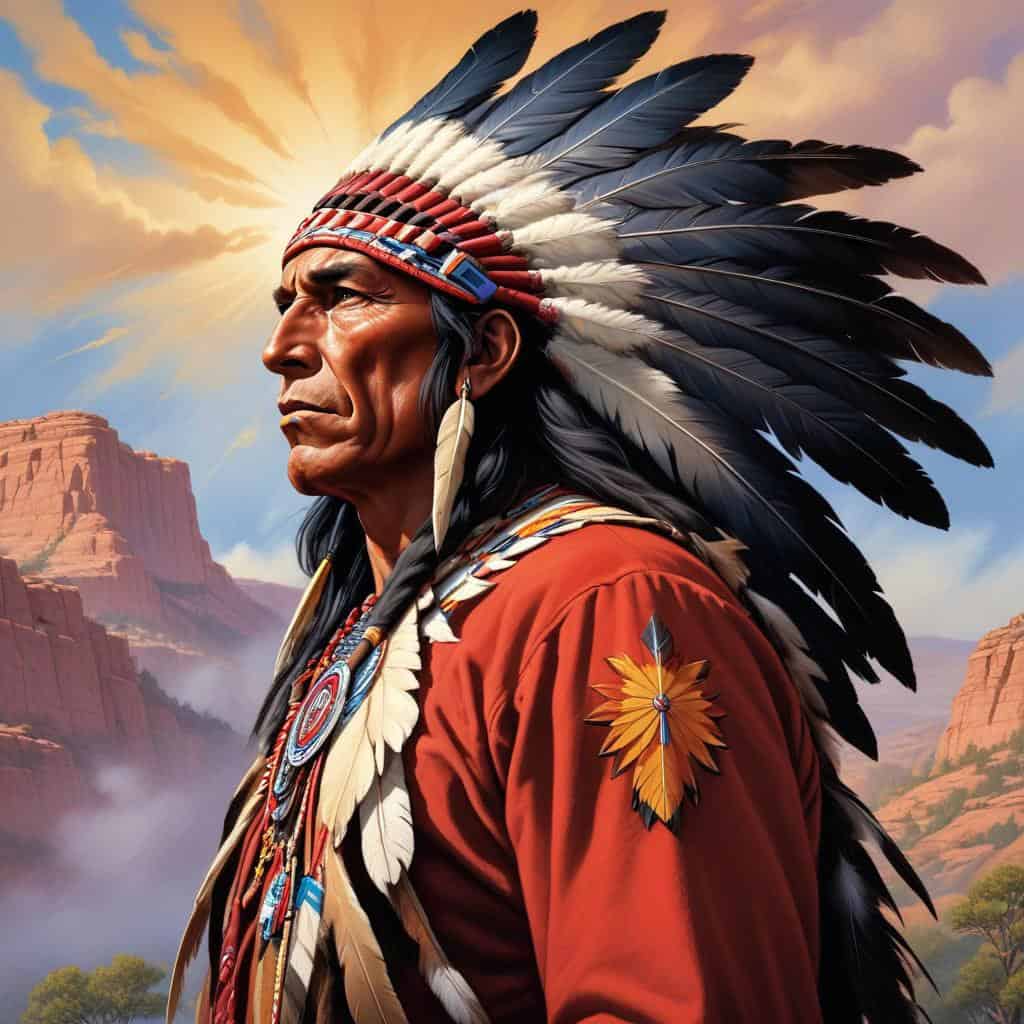
Black Hawks Symbolism
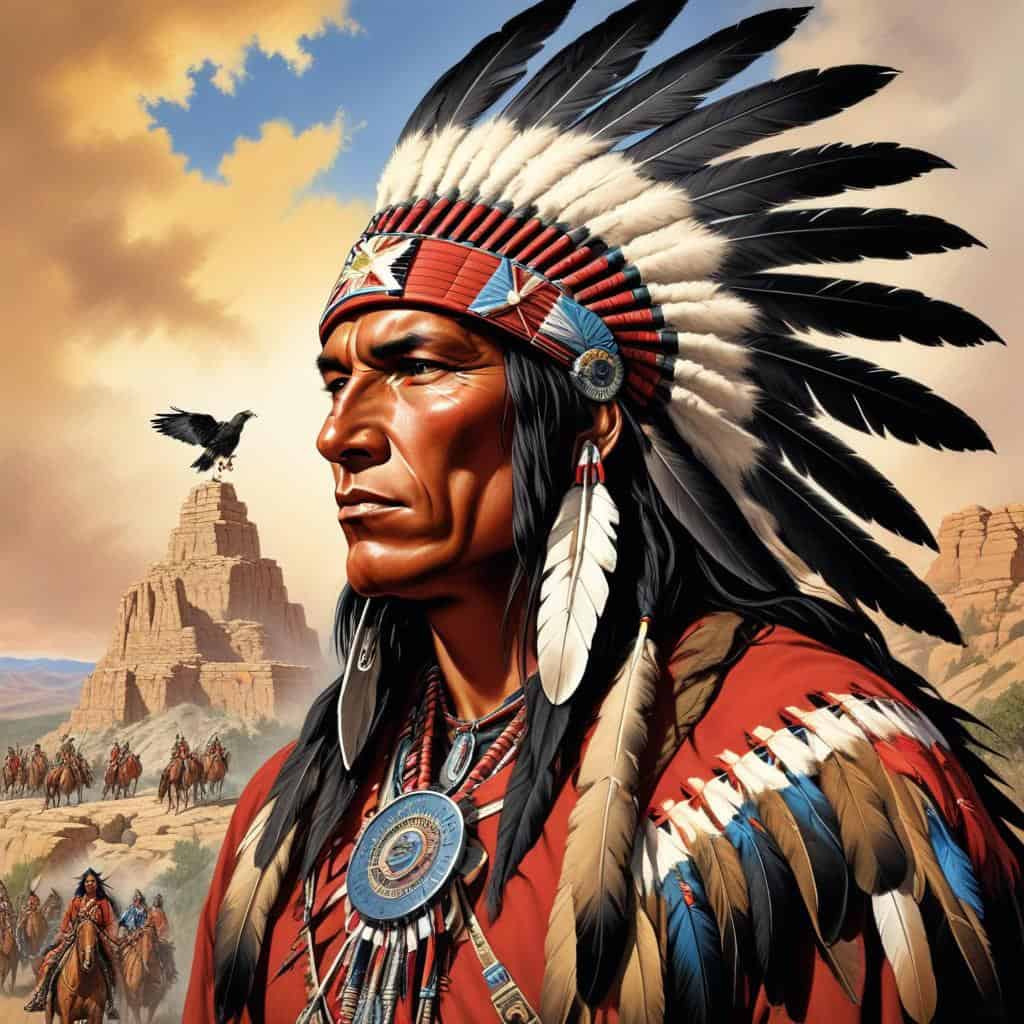
Black Hawks Honors
Lesson Details & Resources
In a Nutshell
Leader of the Sauk Native American tribe
Lived: 1767 – 1838
Most known for leading a resistance against the United States during the Black Hawk War
Legacy includes inspiring future generations of Native Americans to fight for their rights and sovereignty
Timeline of Black Hawk: A Warrior’s Biography
Black Hawk is born in Saukenuk (present-day Rock Island, Illinois)
Black Hawk becomes a warrior and leader of the Sauk tribe
Black Hawk's band of Sauk and Fox warriors fight alongside British forces in the War of 1812
Black Hawk signs the Treaty of St. Louis, ceding Sauk lands to the United States
Black Hawk leads a group of Sauk and Fox warriors in the Black Hawk War against the United States
Black Hawk is captured and imprisoned in Jefferson Barracks, Missouri
Black Hawk writes his autobiography, 'Life of Ma-ka-tai-me-she-kia-kiak'
Black Hawk is released from prison and allowed to return to his people
Black Hawk travels to Washington, D.C. to meet with President Andrew Jackson
Black Hawk dies in his village on the Des Moines River
Black Hawk's remains are buried in Iowa and later reinterred in a monument in Illinois
Black Hawk's autobiography is published posthumously
Black Hawk's legacy is honored with statues, parks, and memorials across the United States
Black Hawk's name is used for military vehicles, helicopters, and sports teams
Black Hawk's story is depicted in books, films, and plays, including 'Black Hawk Down'
Black Hawk's role in Native American history is reevaluated and recognized by scholars and activists
Vocabulary List
- Sauk
- Black Hawk was a prominent Sauk leader during the Black Hawk War.
- Warrior
- Black Hawk was known as a fierce warrior in battles against the United States.
- Resistance
- Black Hawk led a resistance movement against American expansion into Native American lands.
- Treaty
- The Treaty of St. Louis in 1804 ceded Sauk and Fox lands to the United States, leading to tensions that culminated in the Black Hawk War.
- Leader
- Black Hawk was a respected leader among the Sauk people.
- Surrender
- After the Black Hawk War, Black Hawk was forced to surrender and was taken as a prisoner of war.
- Tribe
- Black Hawk was a member of the Sauk tribe.
- Conflict
- The Black Hawk War was a major conflict between the United States and Native American tribes.
- History
- Black Hawk is an important figure in American history for his role in resisting American expansion.
- Legacy
- Black Hawk's legacy continues to be remembered and honored by Native American communities.
Key Facts
This is the information used in the fact matching game
- Black Hawk was a Sauk leader who led a band of Native Americans in the Black Hawk War in 1832.
- Black Hawk was born in the village of Saukenuk, located near present-day Rock Island, Illinois.
- Black Hawk's birth name was Ma-ka-tai-me-she-kia-kiak, which means 'be a large black hawk' in the Sauk language.
- Black Hawk's band of Sauk and Fox warriors fought against American expansion into their territory in present-day Illinois and Wisconsin.
- Black Hawk's autobiography, 'Life of Black Hawk', was published in 1833 and became a bestseller.
- Black Hawk's war with the United States ended in defeat, and he was captured and imprisoned for a time.
- Black Hawk was eventually released and allowed to live in Iowa, where he died in 1838.
- Black Hawk is remembered as a symbol of Native American resistance to white settlement in the Midwest.
- Black Hawk State Historic Site in Illinois commemorates the site of Saukenuk, Black Hawk's birthplace.
- Black Hawk's band of warriors included both Sauk and Fox members, who were traditional enemies but united under his leadership.
- Black Hawk was known for his bravery and skill as a warrior, leading his band in battles against American forces.
- Black Hawk's name has been used for various military vehicles and aircraft, including the UH-60 Black Hawk helicopter.
- Black Hawk's war against the United States was part of a larger conflict between Native Americans and white settlers known as the Black Hawk War.
- Black Hawk's surrender at the end of the Black Hawk War marked the end of armed resistance to American expansion in the Midwest.
- Black Hawk's autobiography provides valuable insights into the experiences and perspectives of Native Americans during the early 19th century.
- Black Hawk's legacy continues to be celebrated by Native American communities and historians as a symbol of resistance and resilience.
- Black Hawk's traditional homeland in Illinois and Wisconsin has been preserved as the Black Hawk War State Historic Site.
- Black Hawk's leadership inspired other Native American leaders to resist American encroachment on their lands, such as Tecumseh and Pontiac.
- Black Hawk's story has been retold in numerous books, films, and works of art, keeping his memory alive for future generations.
- Black Hawk's name is often used in popular culture to symbolize courage, defiance, and Native American heritage.
Analysis & Significance
Major Accomplishments
Black Hawk, a prominent leader of the Sauk Native American tribe, is best known for his resistance against the encroachment of white settlers on Native lands during the Black Hawk War of 1832. His strategic military tactics and passionate leadership inspired many to stand up against injustices.
Impact on the World
Black Hawk’s defiance against the U.S. government’s attempts to remove his people from their ancestral lands brought attention to the mistreatment of Native Americans and sparked discussions about Native sovereignty and rights. His courage in the face of adversity continues to inspire indigenous movements for self-determination.
Enduring Legacy
Today, Black Hawk is remembered as a symbol of resistance and resilience in Native American history. His legacy serves as a reminder of the ongoing struggles faced by indigenous communities and the importance of preserving cultural heritage. Black Hawk’s name is synonymous with the fight for justice and equality for all peoples.
Black Hawk: A Warrior’s Biography Games


Take Your Learning Offline
Want a convenient, print-ready study guide for this lesson? Become a Memory Wizards Pro member to unlock the downloadable " Memory Scrolls" for this topic and our entire library!
- ✓ Complete Vocabulary Lists
- ✓ Key Facts & Timelines
- ✓ Beautifully Formatted for Print & Mobile