
How Do You Learn Best?
Learn by Reading
Immerse yourself in the 10-minute visual lesson for a comprehensive understanding of the topic.
Learn by Reviewing
Jump directly to the key facts, timeline, and vocabulary lists to build a solid foundation of details.
Learn by Doing
Challenge yourself! Jump straight into the interactive games to learn by trial, error, and discovery.
The Marble Faun in 10 Minutes
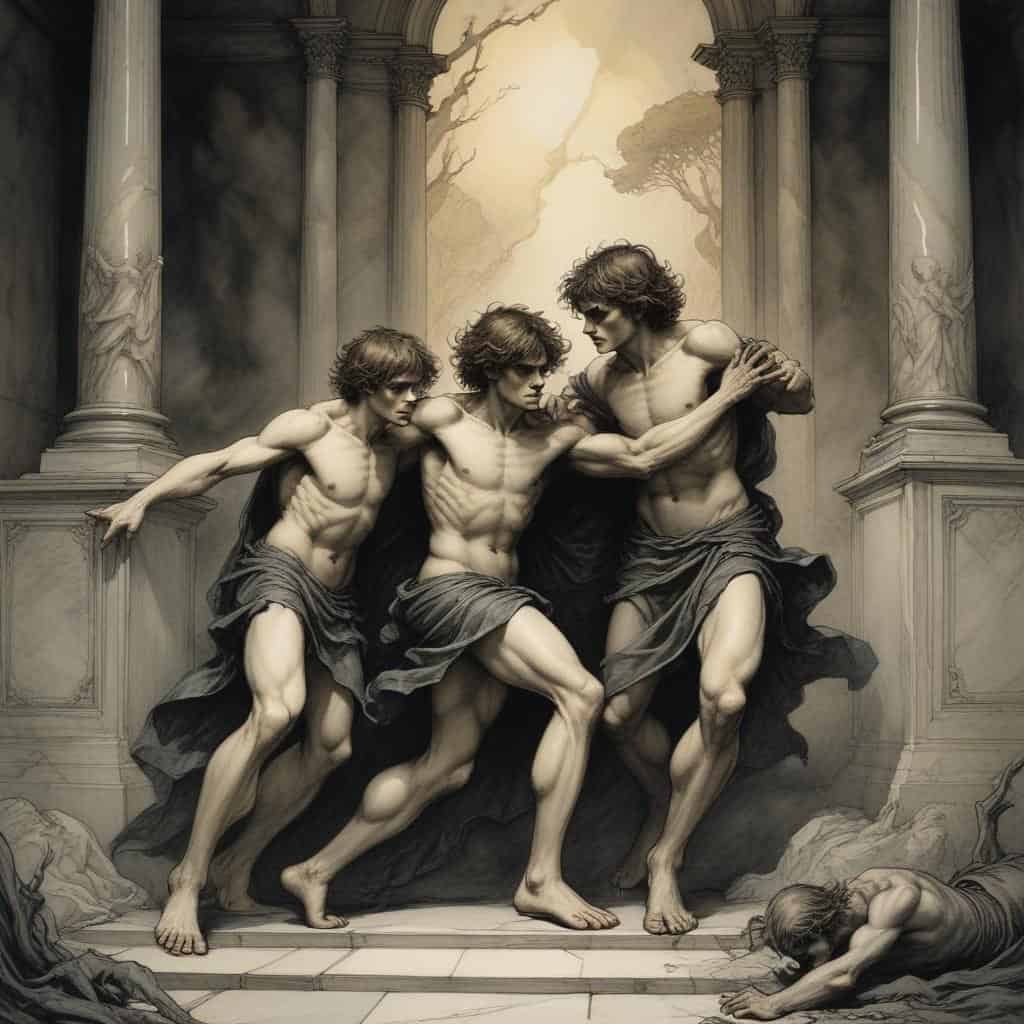
Introduction
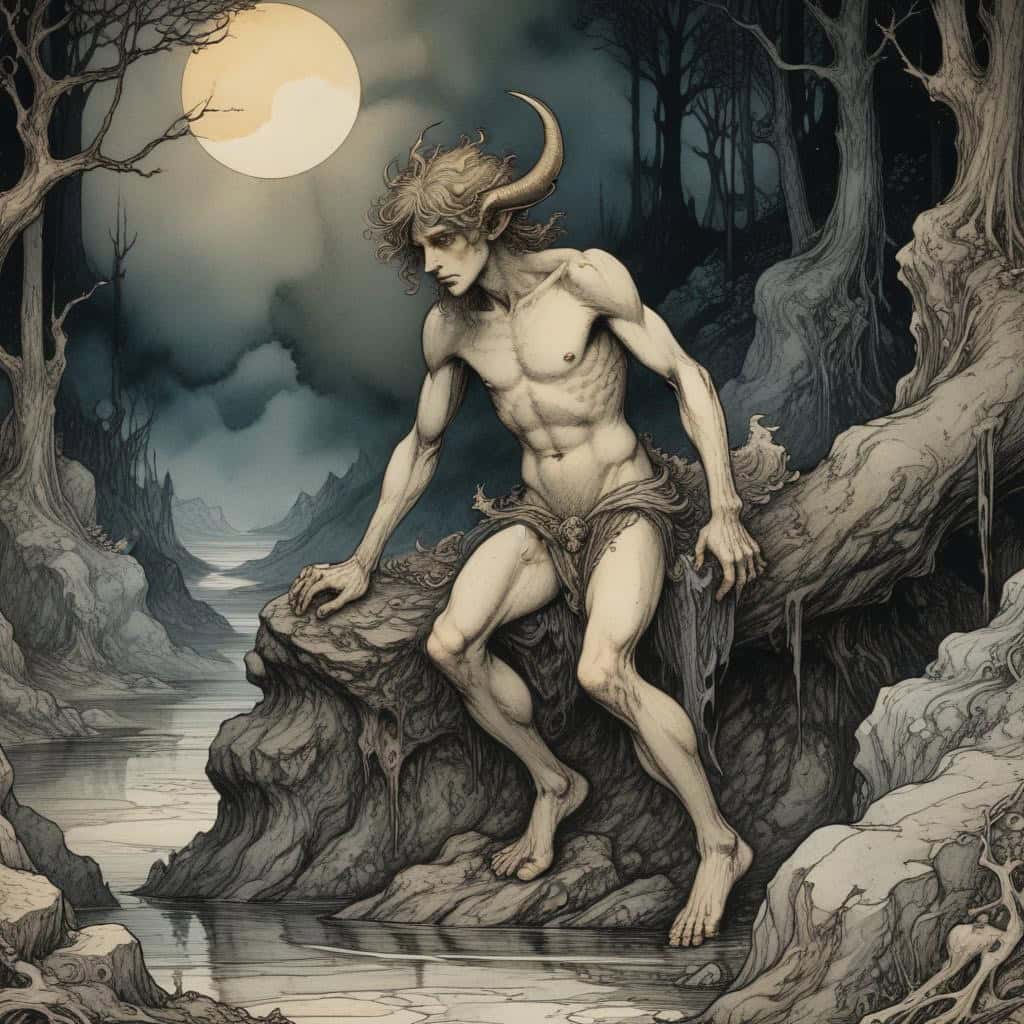

Donatello

Miriam

Hilda

Kenyon
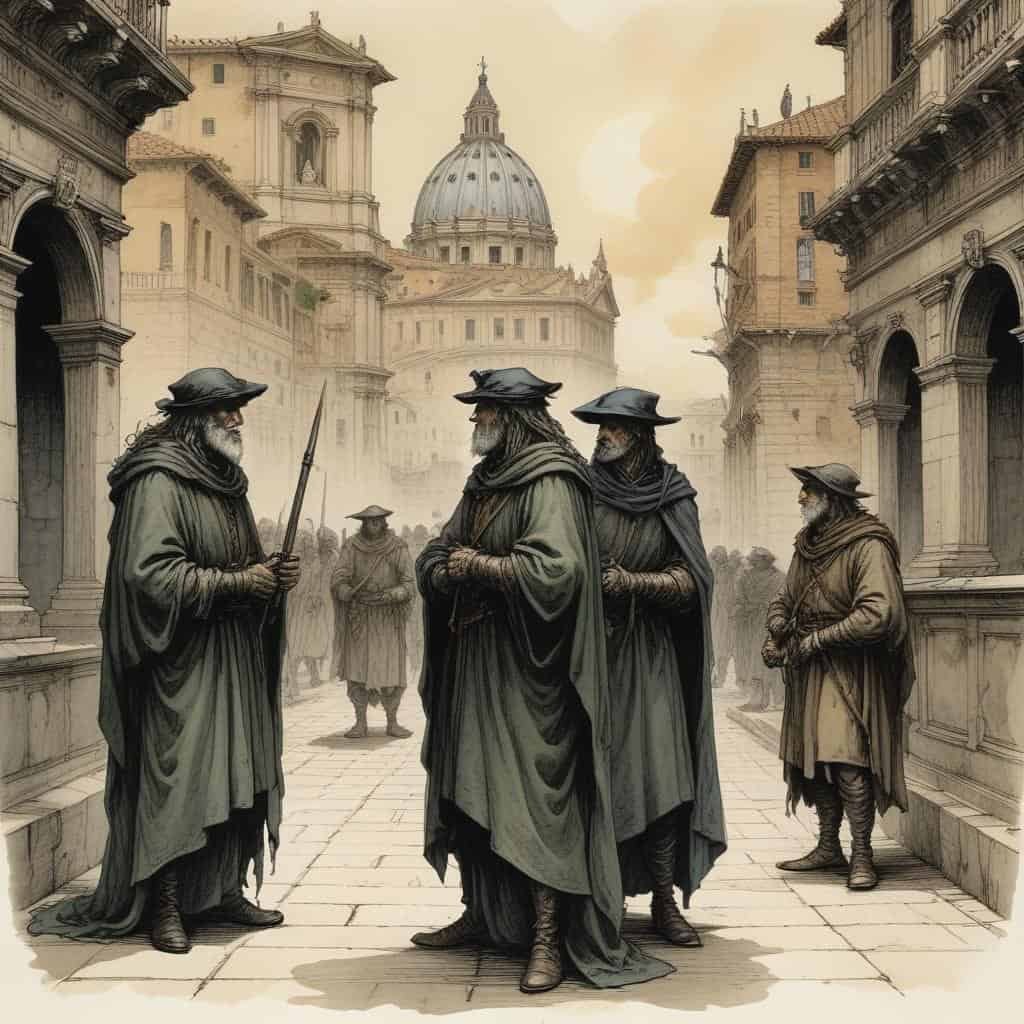
1. A Chance Encounter
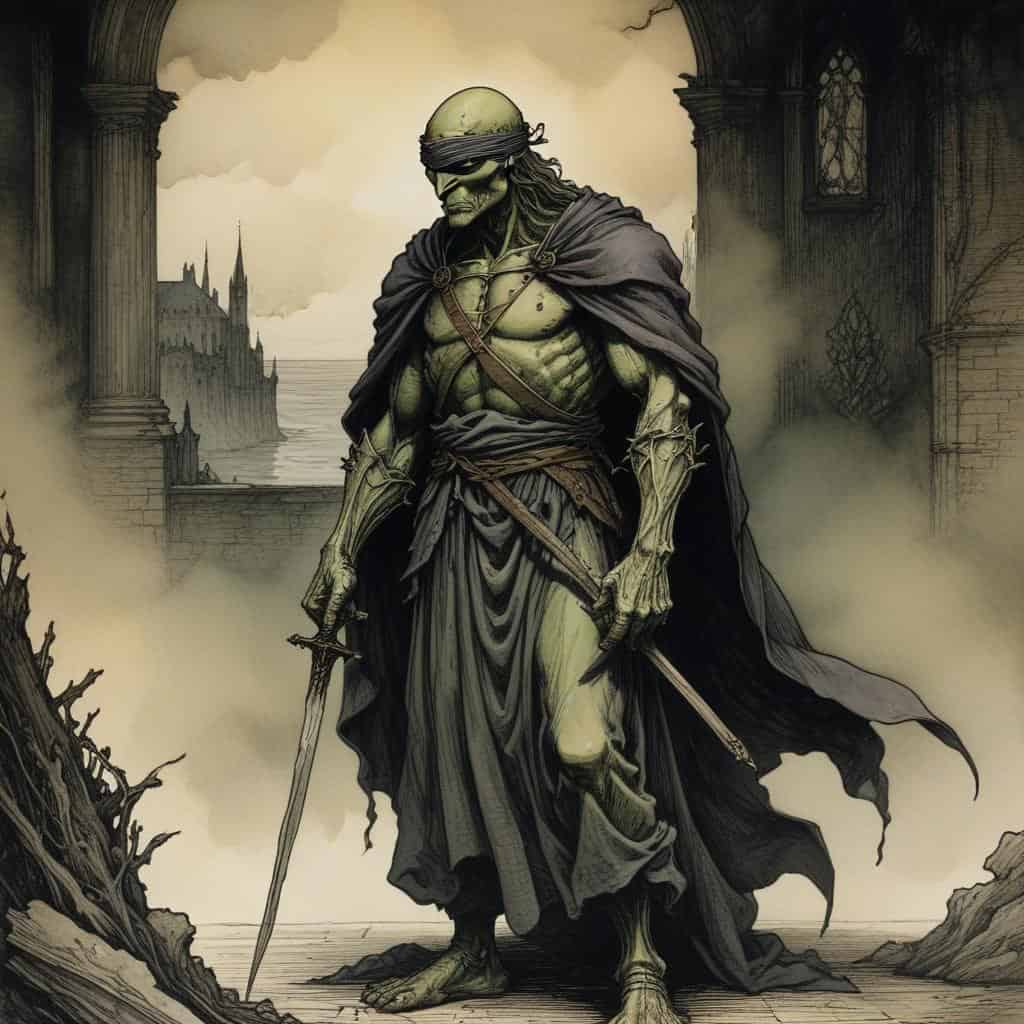
2. The Sculptors Secret
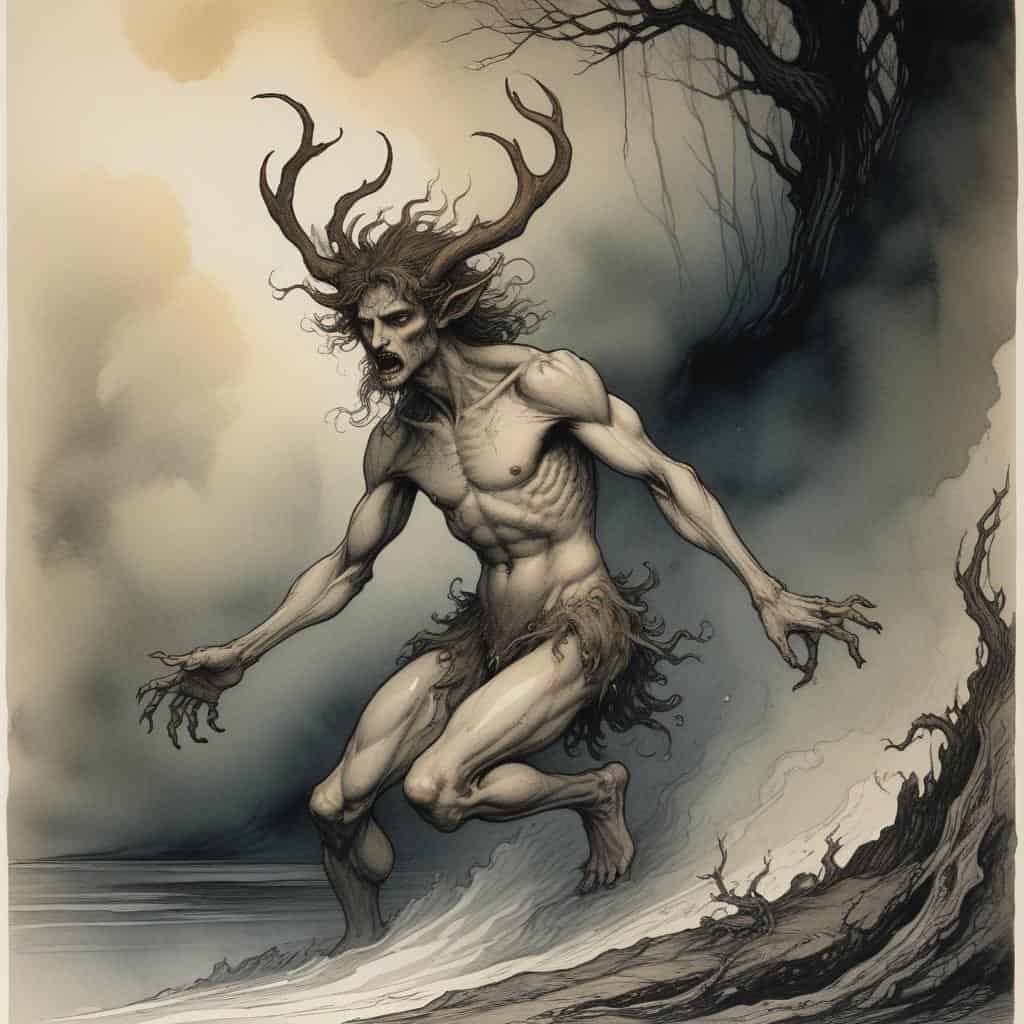
3. The Fauns Transformation
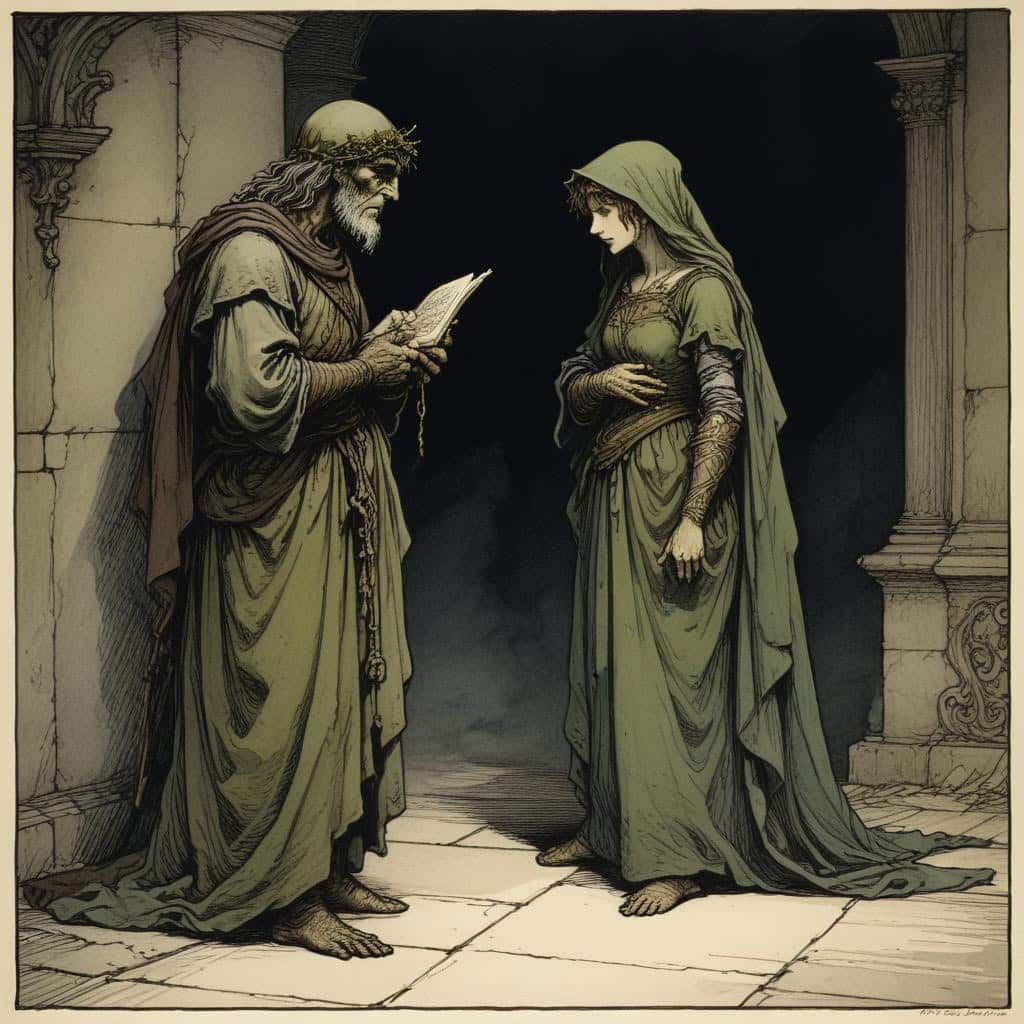
4. Miriams Suspicions
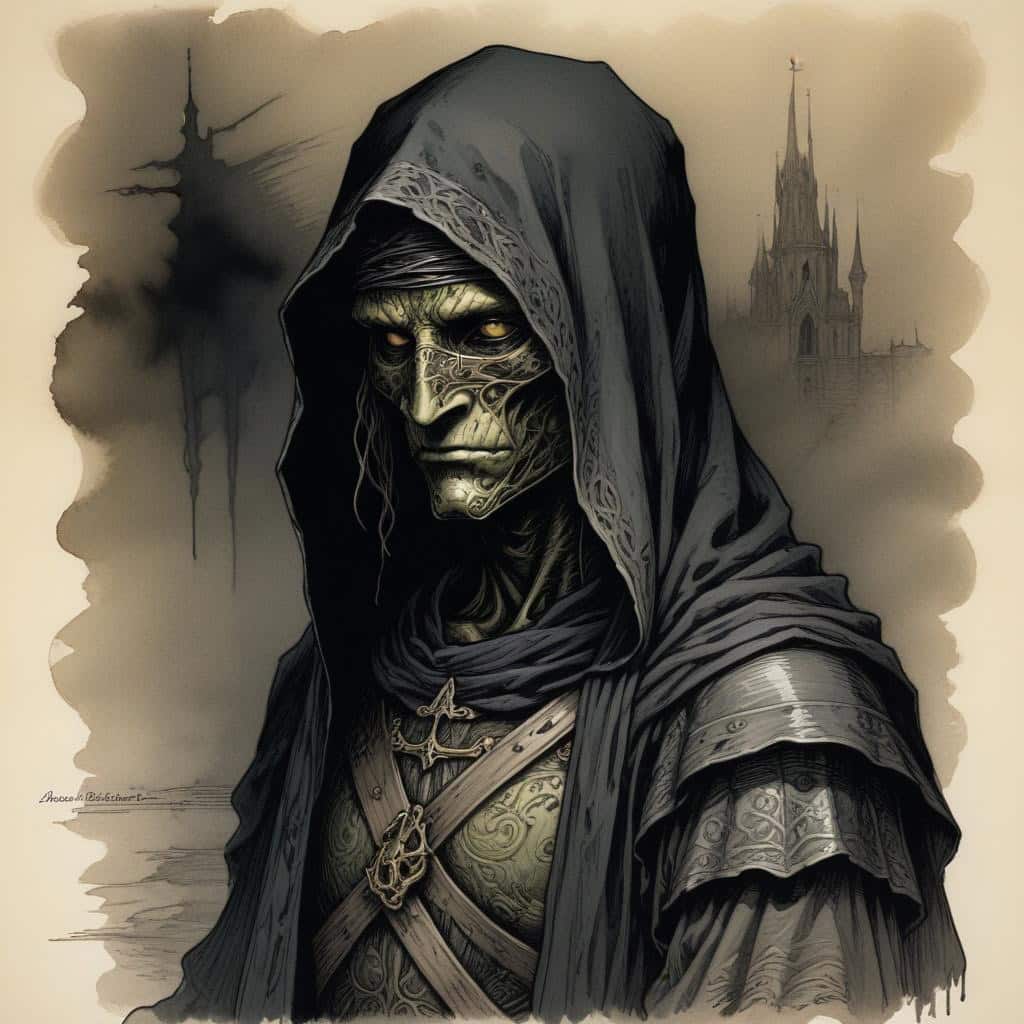
5. The Black Veil
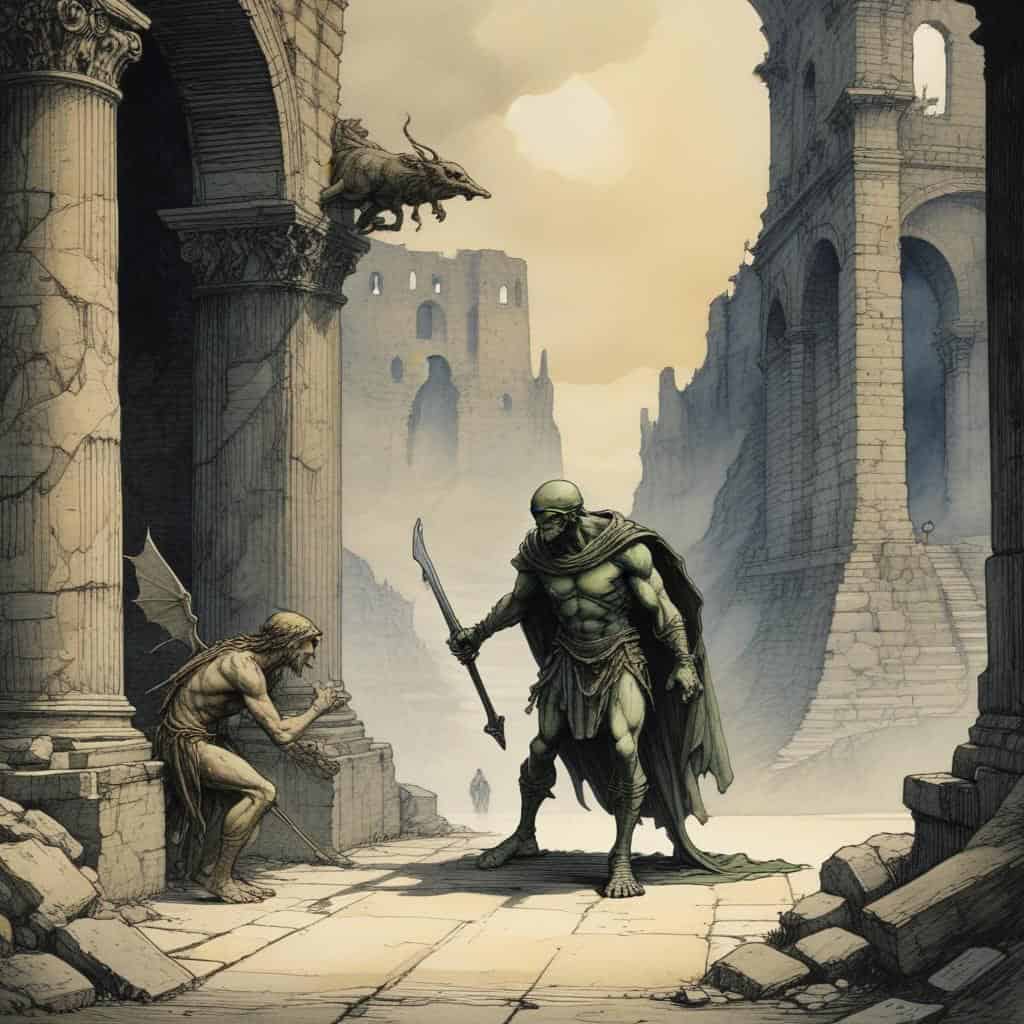
6. A Fateful Encounter
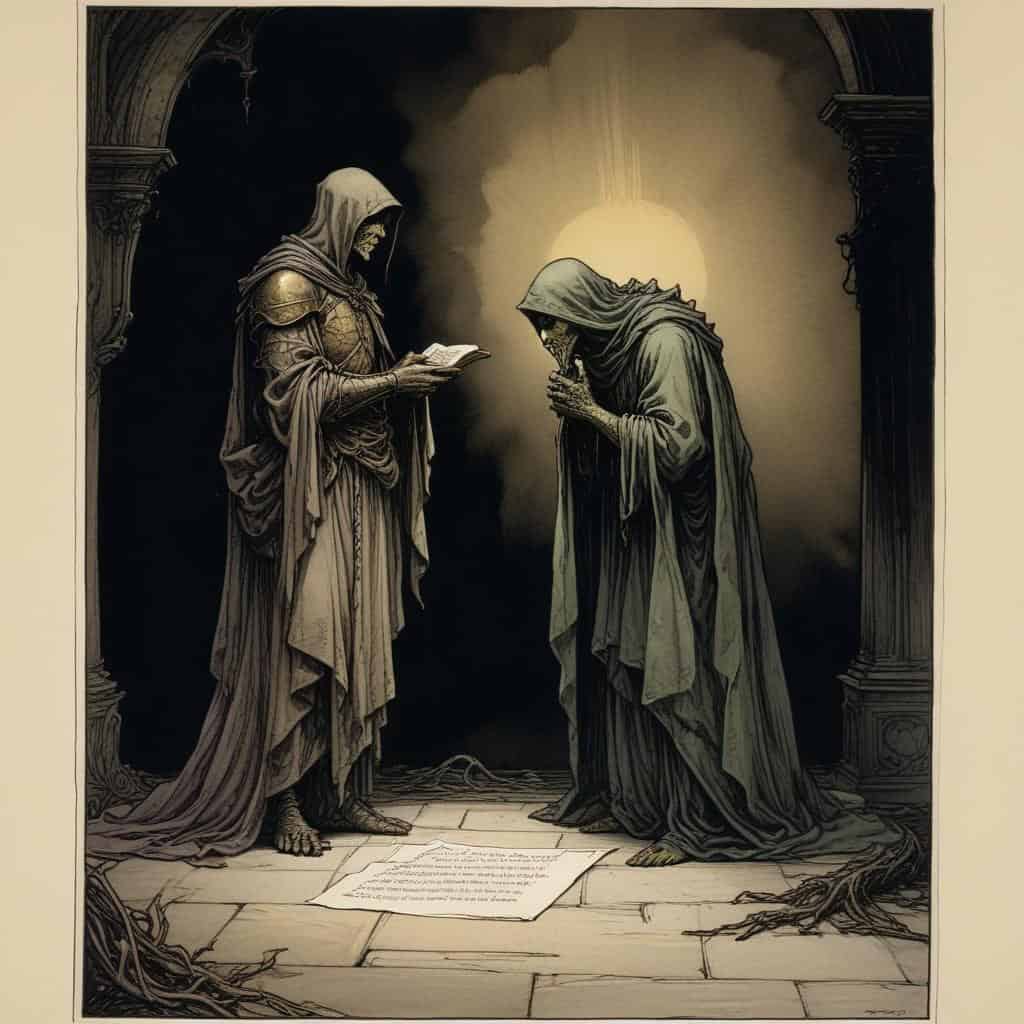
7. The Sin Eater
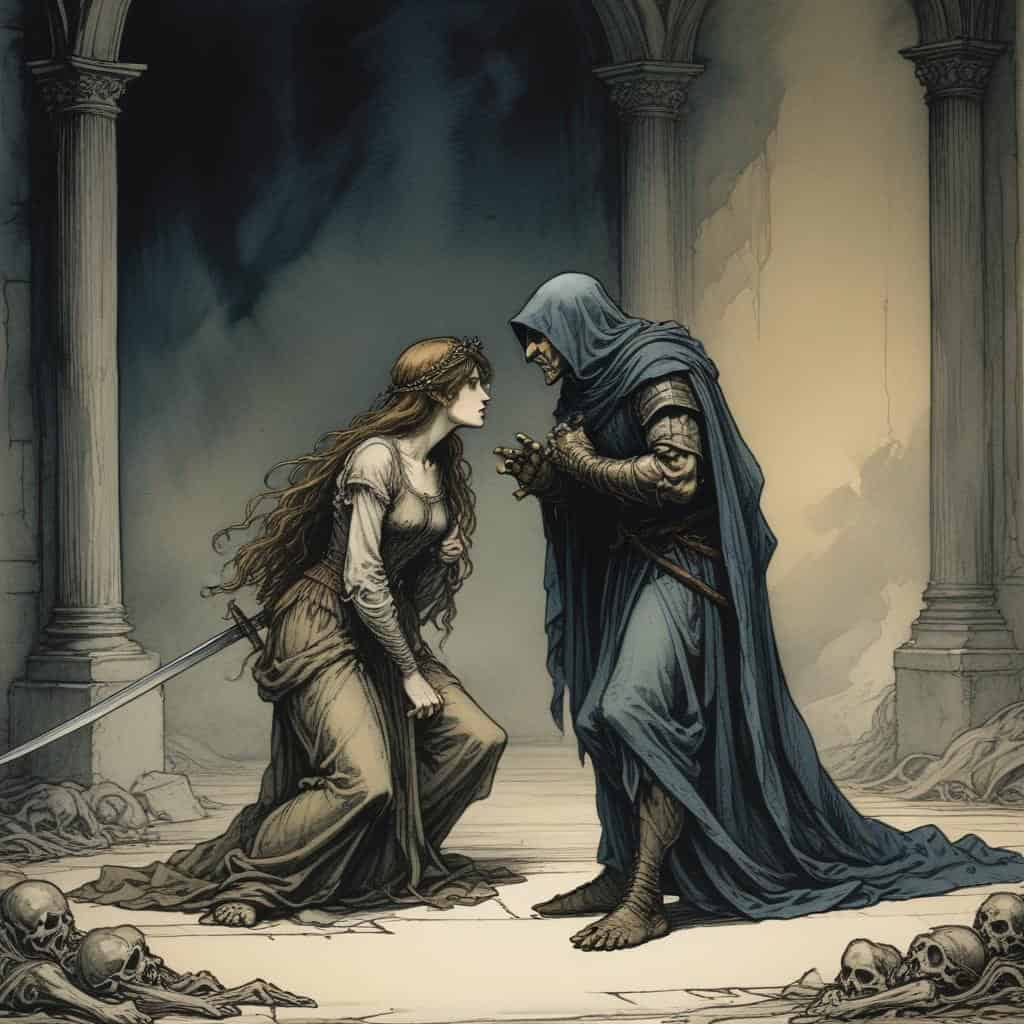
8. The Truth Revealed
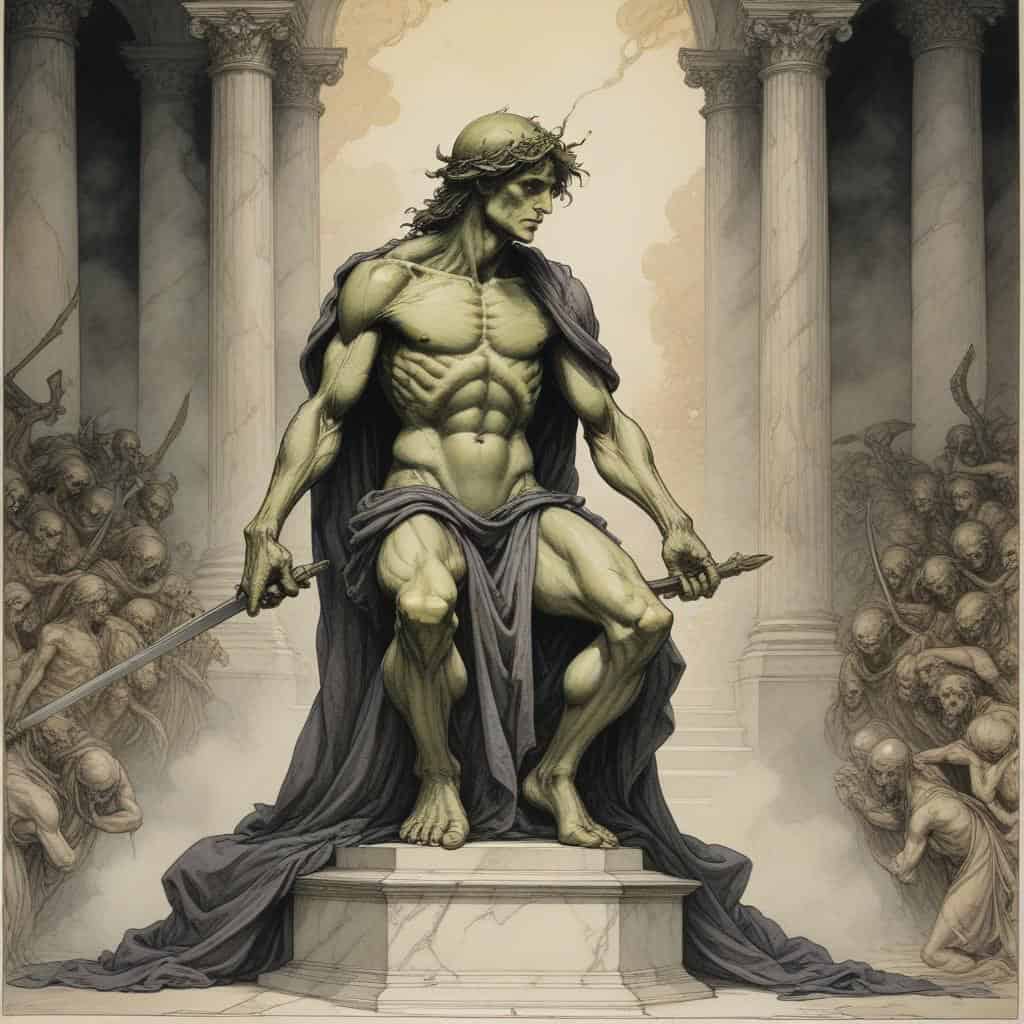
9. The Marble Faun
10. The Unveiling of Secrets
Lesson Details & Resources
In a Nutshell
- What: The Marble Faun by Nathaniel Hawthorne
- When: Written in the mid-19th century
- Who: Main characters: Donatello, Miriam, Hilda
- Theme: Exploration of guilt, sin, and redemption
List of Characters in The Marble Faun
-
Hilda
Hilda is a gentle and innocent young woman, who becomes entangled in a web of mystery and intrigue.
-
Kenyon
Kenyon is a talented artist and friend to Hilda, who becomes captivated by the enigmatic Miriam.
-
Miriam
Miriam is a mysterious woman with a dark past, who captures the attention of both Kenyon and Donatello.
-
Donatello
Donatello is a charming and enigmatic sculptor, who becomes involved in a tragic love triangle with Hilda and Miriam.
Timeline of The Marble Faun
Miranda, Hilda, Kenyon, and Donatello meet in Rome and become friends.
Donatello confesses to Kenyon that he has committed a murder.
Donatello becomes increasingly paranoid and guilty about his crime.
Miranda and Donatello develop a romantic relationship.
Donatello is haunted by his crime and begins to see a specter following him.
Donatello is accused of another murder, but is later proven innocent.
Donatello is revealed to be the descendant of an ancient Italian noble family.
Donatello decides to leave Rome and return to his family's estate.
Miranda and Hilda travel to Donatello's estate to visit him.
Donatello confesses his love for Miranda, but she rejects him.
Donatello is last seen wandering the ruins of his family's estate, tormented by his past actions.
Vocabulary List
Key Facts
This is the information used in the fact matching game
- The Marble Faun was published in 1860.
- The novel is set in Rome, Italy.
- The Marble Faun is considered one of Hawthorne's major works.
- The novel explores themes of sin, guilt, and redemption.
- Hawthorne drew inspiration from his own travels in Italy for the setting of the novel.
- The Marble Faun is also known as 'Transformation'.
- The novel features a mysterious marble sculpture that comes to life.
- The main characters in The Marble Faun are Hilda, Miriam, Kenyon, and Donatello.
- The novel explores the inner lives and moral dilemmas of the characters.
- The Marble Faun is considered a Gothic romance.
- The novel features themes of beauty, art, and nature.
- Hawthorne was influenced by Italian art and culture in writing The Marble Faun.
- The Marble Faun has been praised for its psychological depth and symbolic imagery.
- The novel has been interpreted as an exploration of the consequences of sin and the possibility of redemption.
- Hawthorne's use of allegory and symbolism in The Marble Faun has been widely studied.
- The Marble Faun has been adapted into various forms, including operas and films.
- The novel has been compared to works by other Gothic writers such as Edgar Allan Poe.
- The Marble Faun has been translated into multiple languages and remains a popular work of American literature.
- Hawthorne's exploration of guilt and redemption in The Marble Faun has been praised by literary critics.
- The novel's ambiguous ending has sparked debate among scholars and readers.
Analysis & Significance
Impact on Literature
‘The Marble Faun’ by Nathaniel Hawthorne is a significant work in American literature, known for its exploration of themes such as guilt, sin, and the human condition. Its influence can be seen in later works of fiction that delve into similar moral dilemmas and psychological complexities.
Enduring Themes
The timeless themes of morality, redemption, and the consequences of sin in ‘The Marble Faun’ continue to resonate with modern audiences. Hawthorne’s exploration of the dark side of human nature and the struggle for personal integrity are themes that remain relevant in today’s society.
Cultural Significance Today
‘The Marble Faun’ has left a lasting legacy in literature and has been adapted into various forms, including stage plays and films. Its themes of guilt, innocence, and the search for identity continue to captivate audiences and inspire new interpretations and adaptations in contemporary culture.
The Marble Faun Games


Take Your Learning Offline
Want a convenient, print-ready study guide for this lesson? Become a Memory Wizards Pro member to unlock the downloadable " Memory Scrolls" for this topic and our entire library!
- ✓ Complete Vocabulary Lists
- ✓ Key Facts & Timelines
- ✓ Beautifully Formatted for Print & Mobile