
How Do You Learn Best?
Learn by Reading
Immerse yourself in the 10-minute visual lesson for a comprehensive understanding of the topic.
Learn by Reviewing
Jump directly to the key facts, timeline, and vocabulary lists to build a solid foundation of details.
Learn by Doing
Challenge yourself! Jump straight into the interactive games to learn by trial, error, and discovery.
The House of the Seven Gables in 10 Minutes
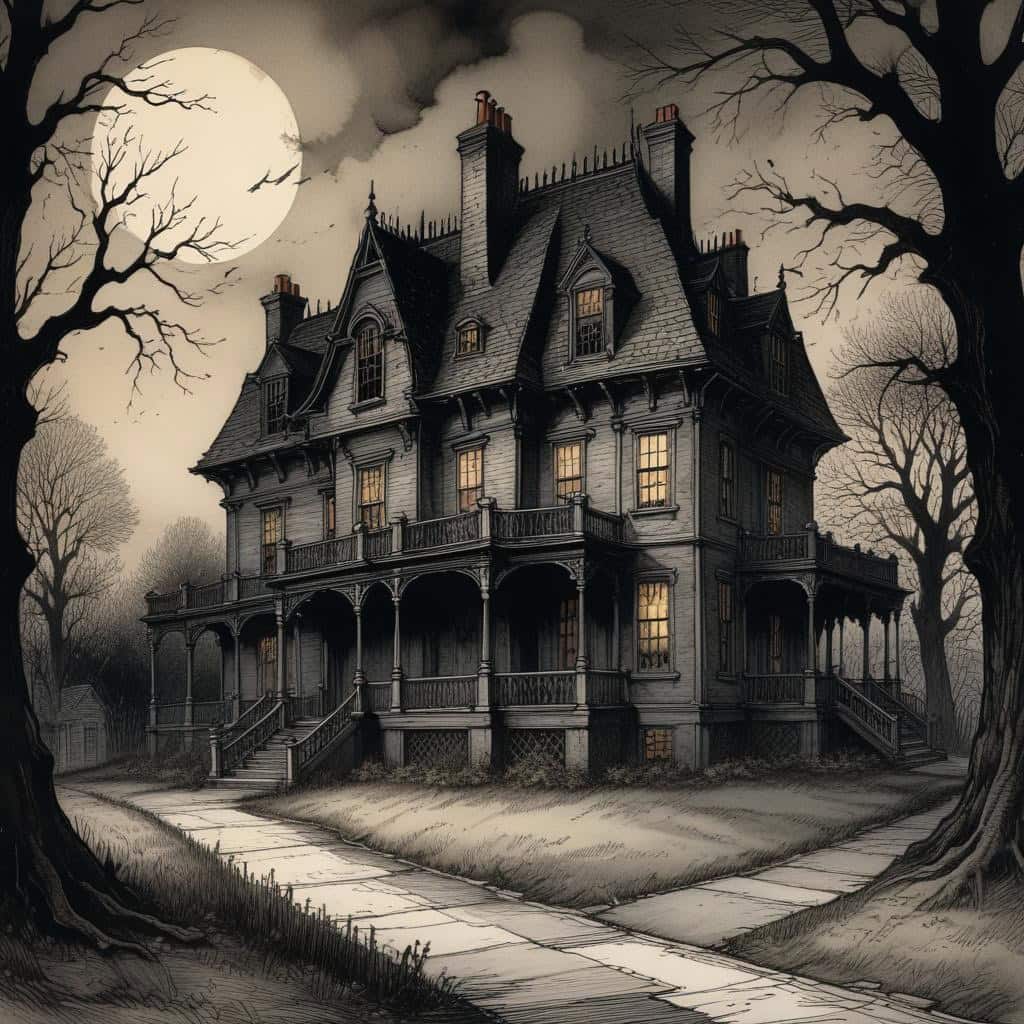
Introduction
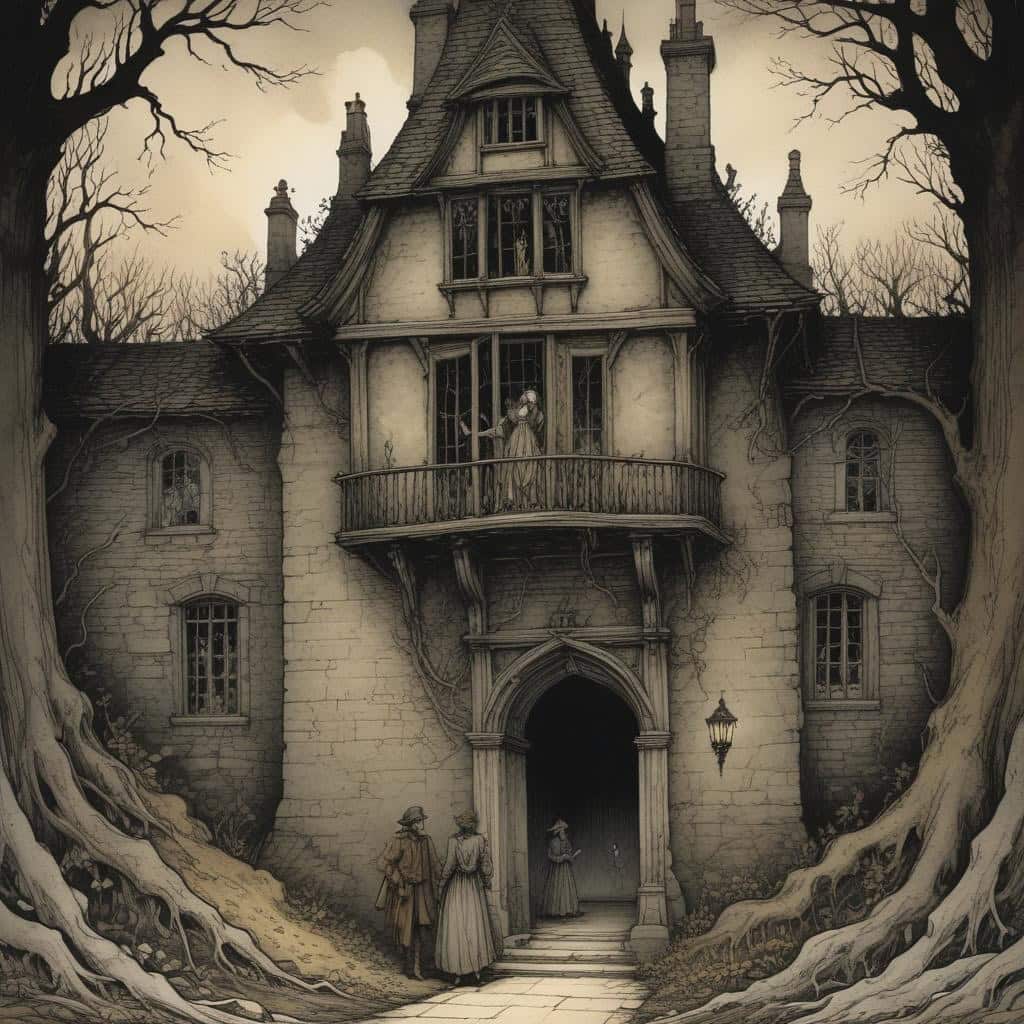
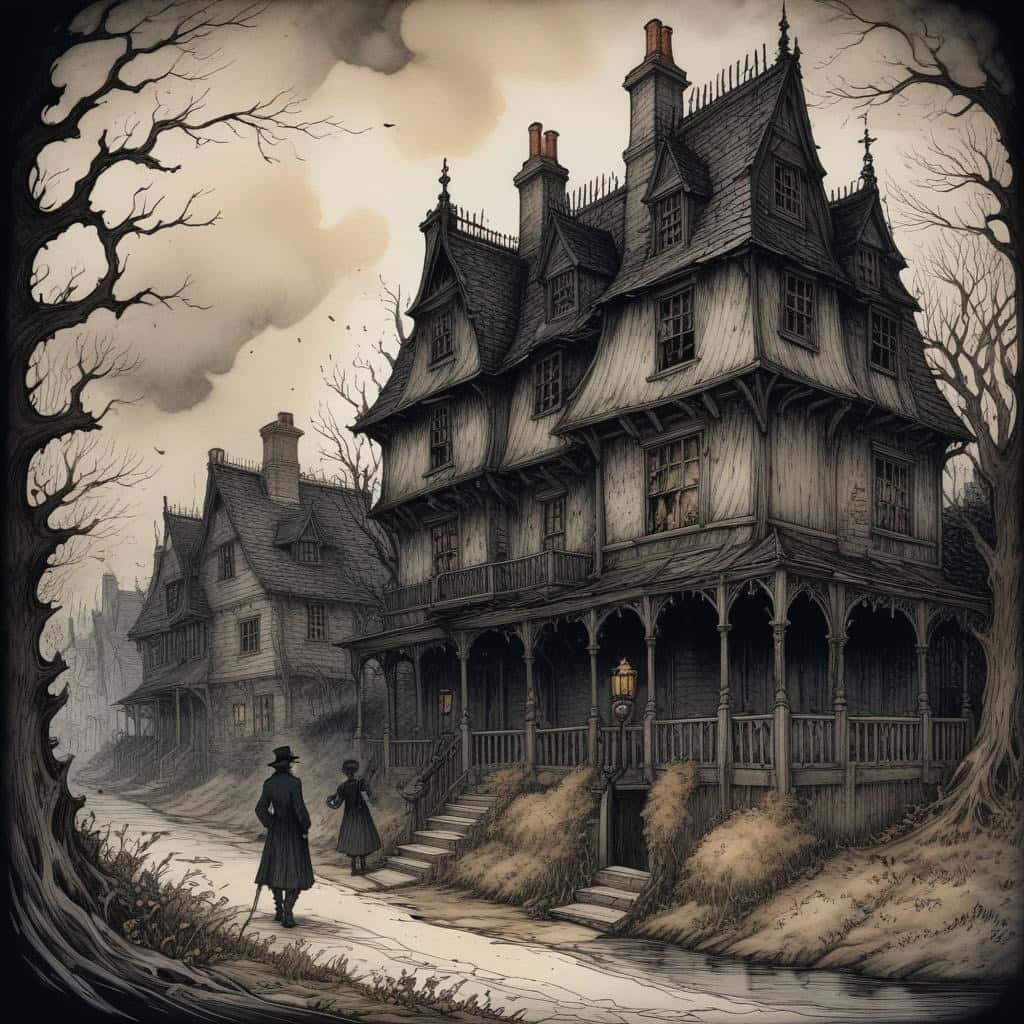
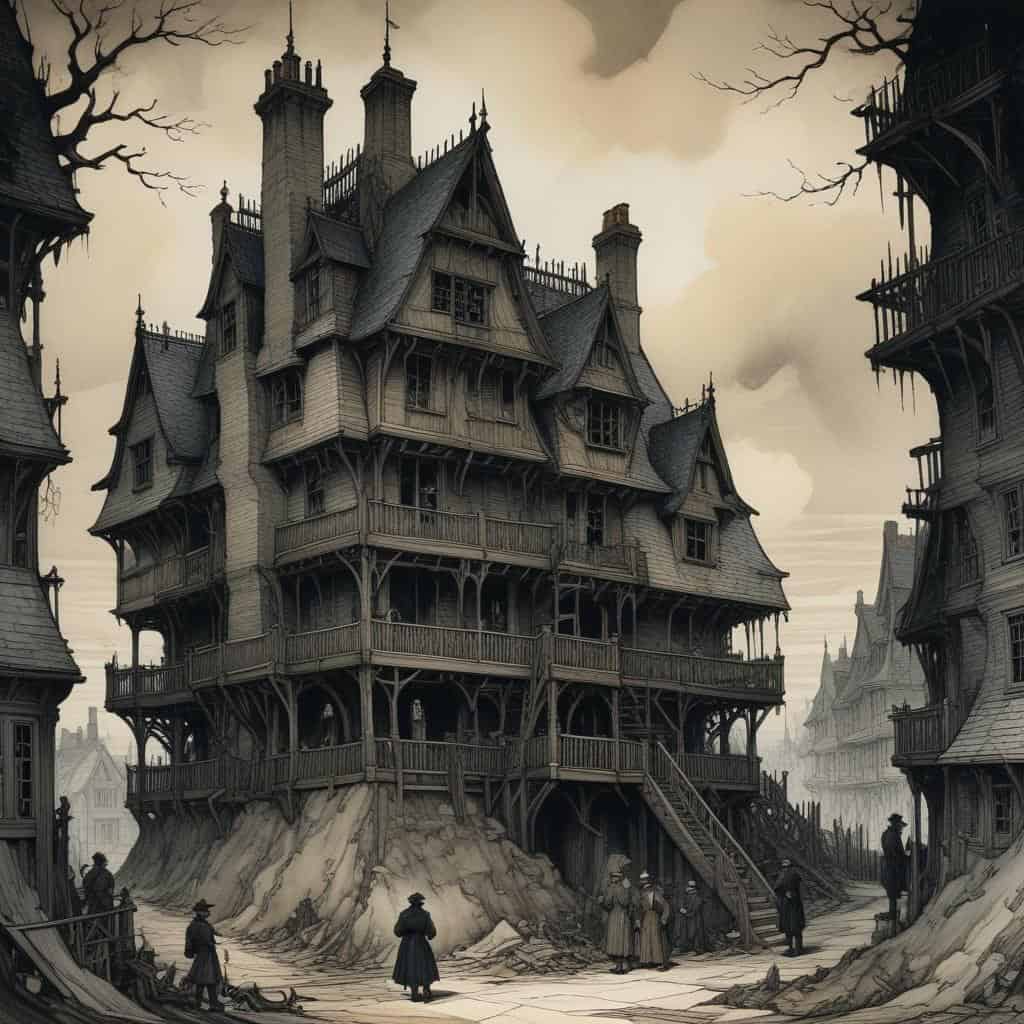
Colonel Pyncheon

Phoebe Pyncheon

Clifford Pyncheon

Hepzibah Pyncheon
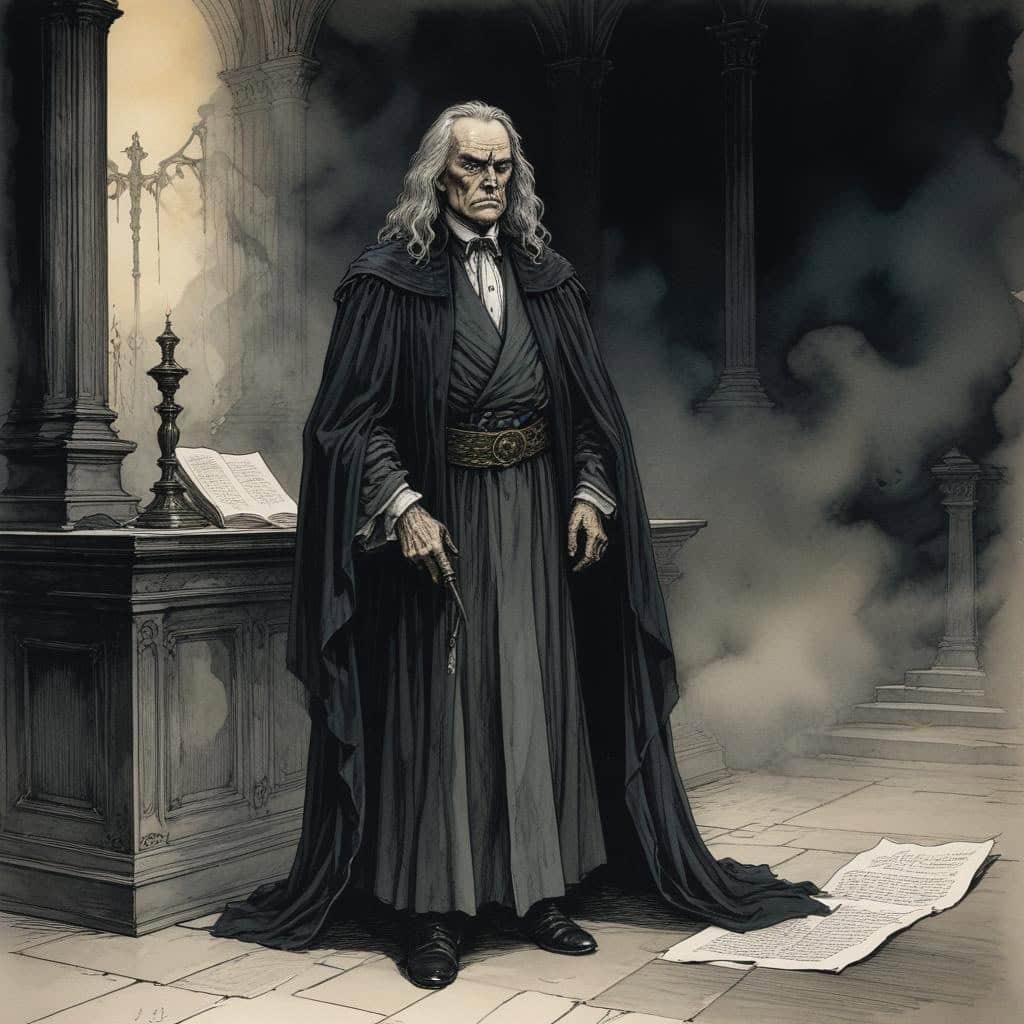
Judge Pyncheon
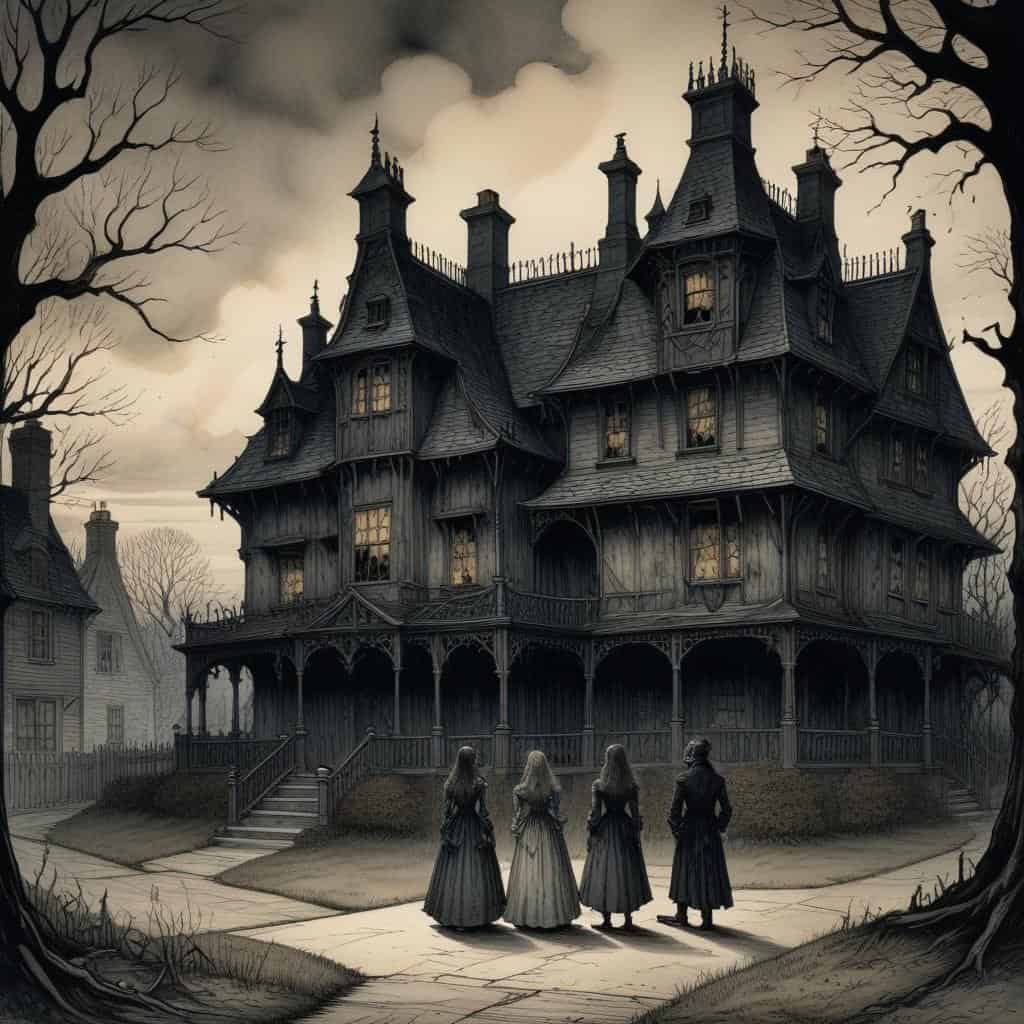
The Curse of the Pyncheon Family
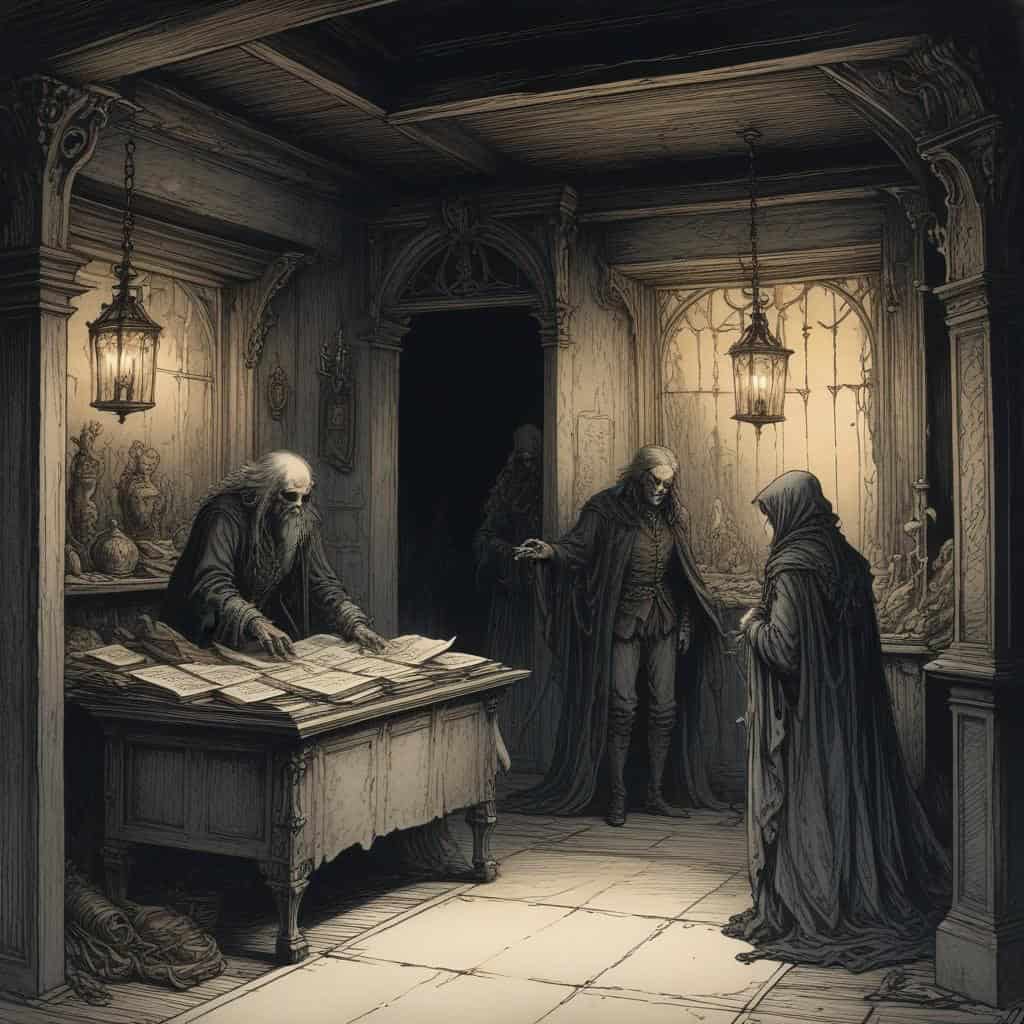
The Mysterious Death of Colonel Pyncheon
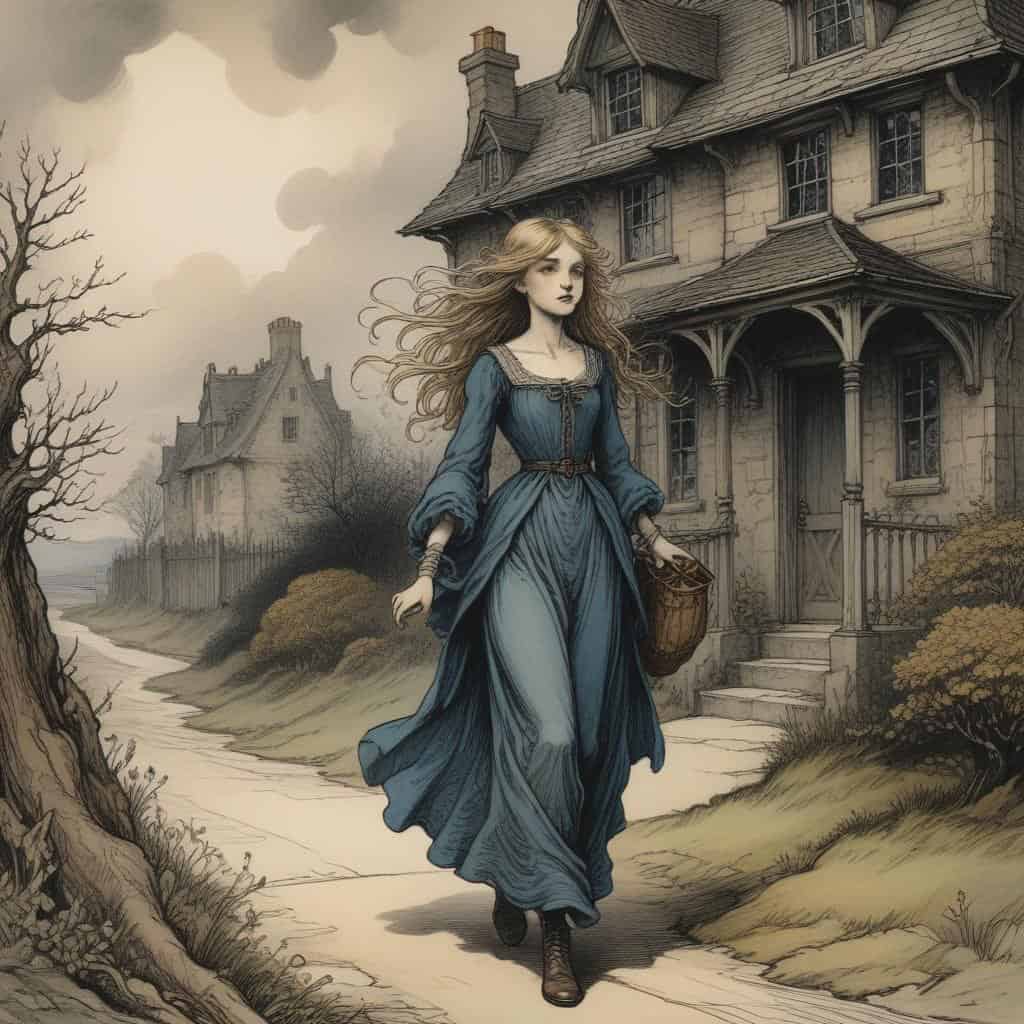
The Arrival of Phoebe Pyncheon
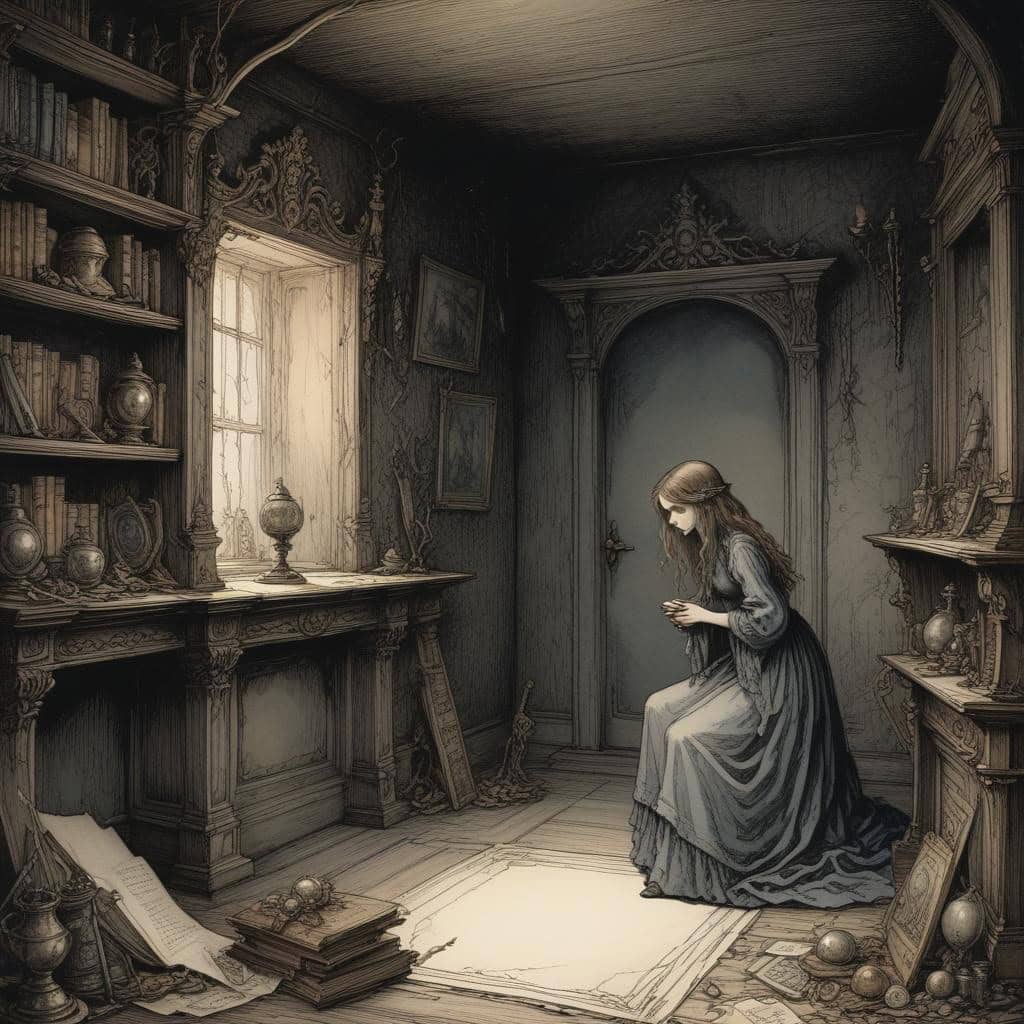
The Secret Room
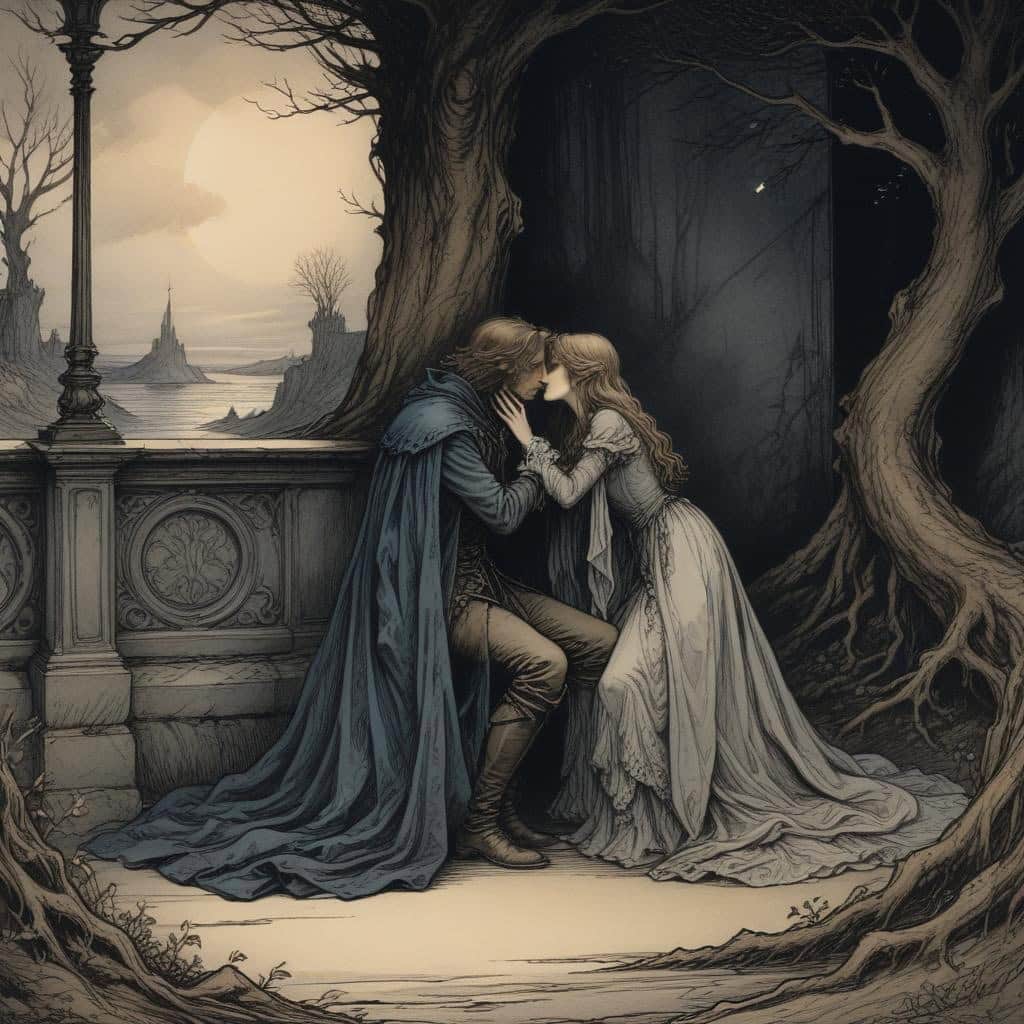
The Romance Between Phoebe and Holgrave
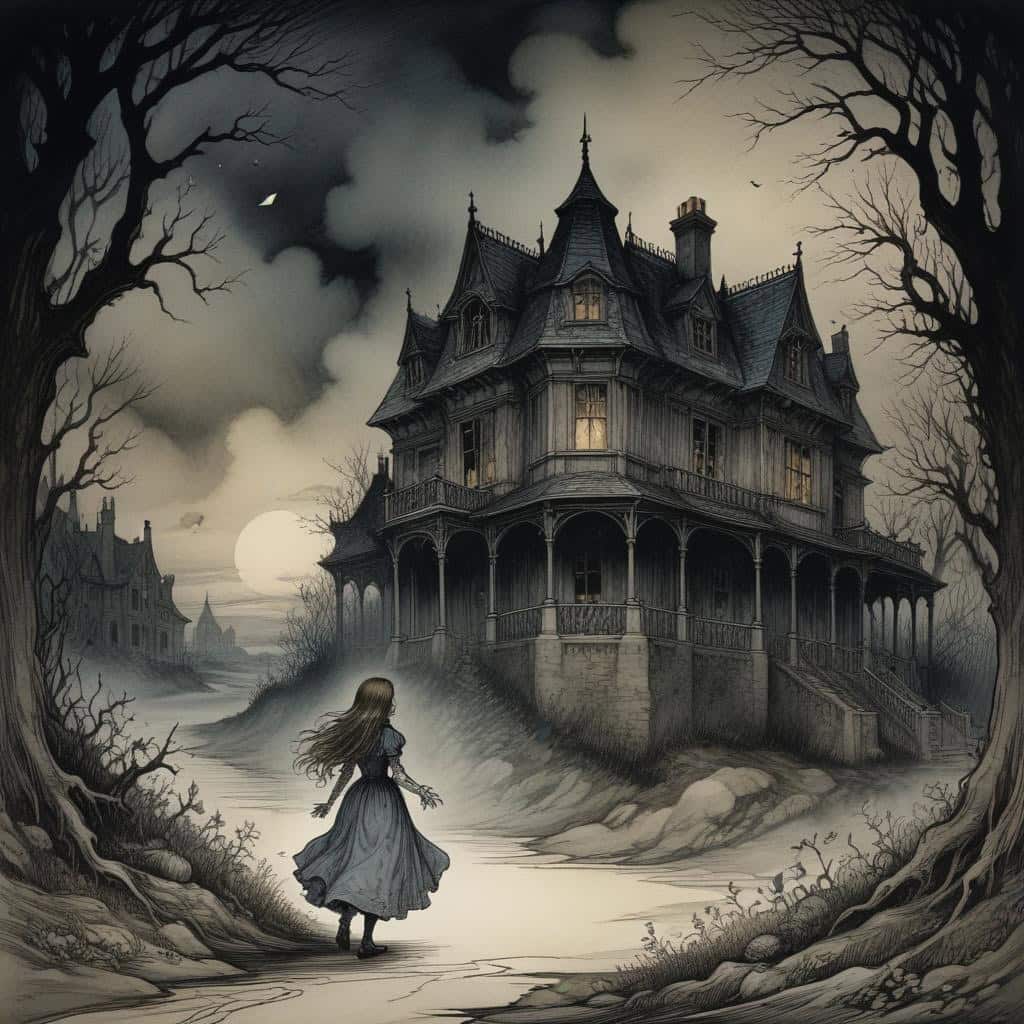
The Ghostly Presence of Alice Pyncheon
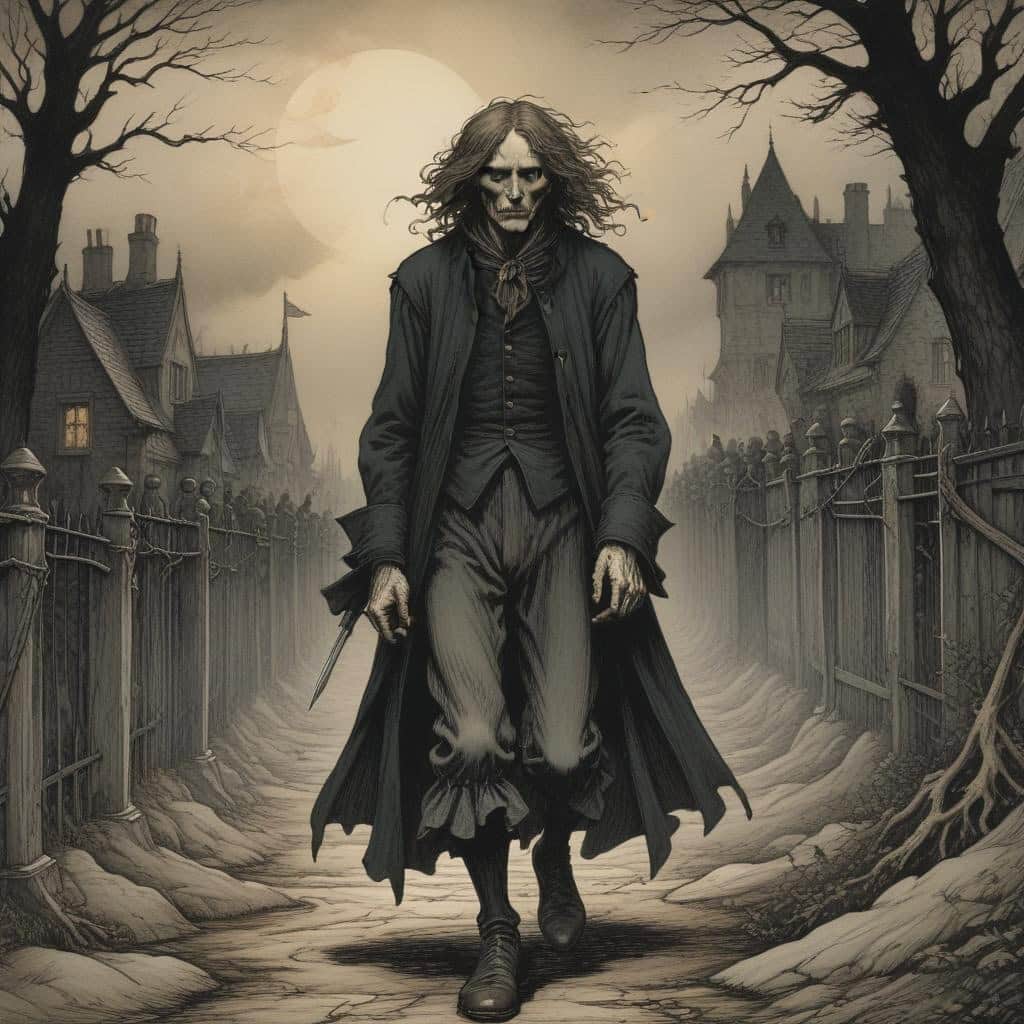
The Redemption of Clifford Pyncheon
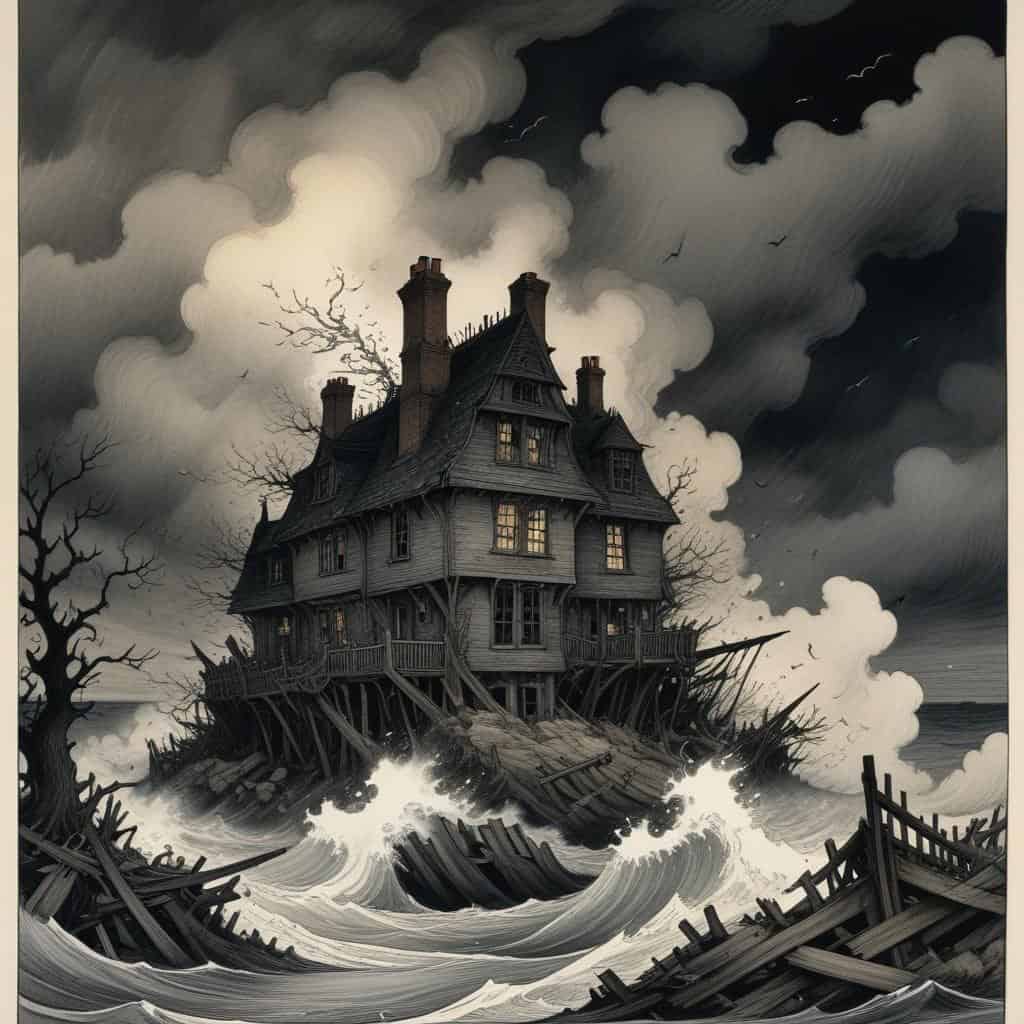
The Destruction of the House
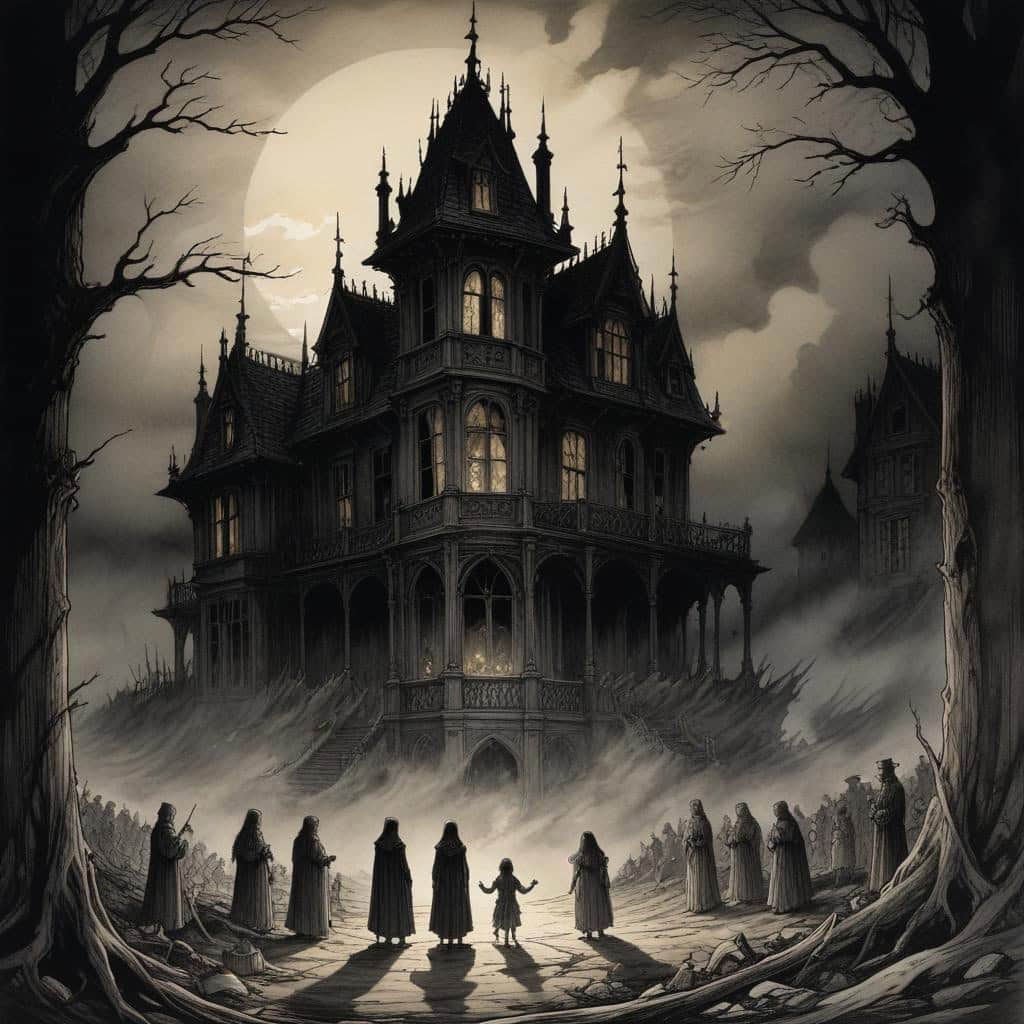
The Resolution of the Curse
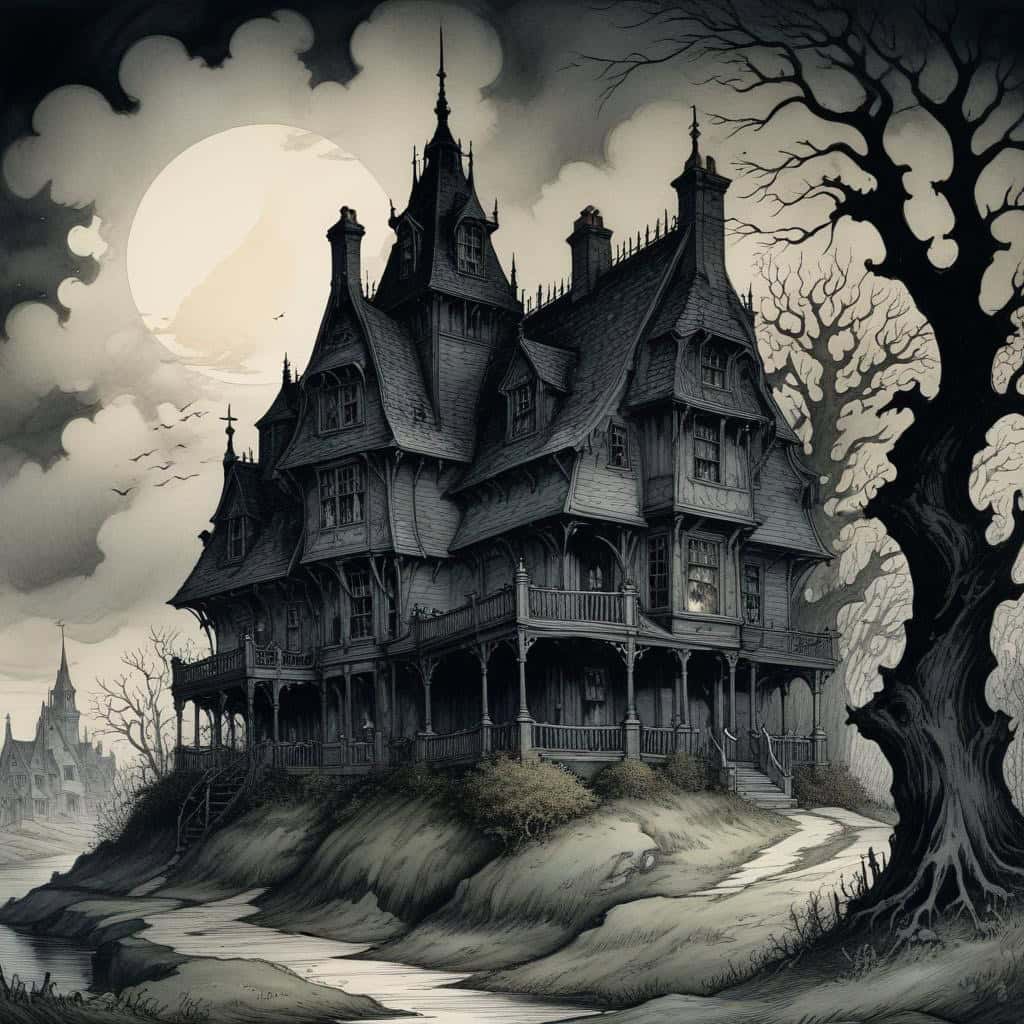
The Legacy of The House of the Seven Gables
Lesson Details & Resources
In a Nutshell
- What: The House of the Seven Gables by Nathaniel Hawthorne
- When: Written in the 19th century
- Who: Main characters: Hepzibah Pyncheon, Clifford Pyncheon, Judge Jaffrey Pyncheon
- Theme: The theme of guilt, redemption, and the effects of the past on the present
List of Characters in The House of the Seven Gables
-
Phoebe Pyncheon
Phoebe Pyncheon is a young woman who comes to live at the House of the Seven Gables and brings light and positivity to the gloomy household.
-
Hepzibah Pyncheon
Hepzibah Pyncheon is an elderly spinster who is struggling to keep the Pyncheon family home afloat.
-
Judge Jaffrey Pyncheon
Judge Jaffrey Pyncheon is a wealthy and powerful man who is determined to uncover a family secret that could bring ruin to the Pyncheon family.
-
Clifford Pyncheon
Clifford Pyncheon is Hepzibah's brother who has been wrongfully imprisoned for a crime he did not commit.
-
Holgrave
Holgrave is a boarder at the House of the Seven Gables who is secretly working to uncover the truth about the Pyncheon family's past.
-
Uncle Venner
Uncle Venner is a kind and loyal friend to the Pyncheon family who helps them in their time of need.
-
Alice Pyncheon
Alice Pyncheon is a mysterious figure from the past whose story holds the key to the family's fate.
Timeline of The House of the Seven Gables
The Pyncheon family builds the House of the Seven Gables in the late 17th century.
Colonel Pyncheon accuses Matthew Maule of witchcraft and has him executed in order to take possession of Maule's land.
Colonel Pyncheon dies suddenly before he can enjoy his new wealth, leaving his descendants to inherit the cursed property.
Over the years, the Pyncheon family falls into decline and the house becomes dilapidated.
Hepzibah Pyncheon, an elderly spinster and descendant of the Pyncheon family, opens a shop in the House of the Seven Gables to make ends meet.
Phoebe Pyncheon, Hepzibah's young and cheerful cousin, comes to live with her at the house.
Clifford Pyncheon, Hepzibah's brother who has been falsely imprisoned for murder, returns to the house after 30 years.
Judge Pyncheon, another descendant of the family, dies mysteriously in the house.
Holgrave, a daguerreotypist and descendant of the Maule family, reveals the true story behind the curse of the house.
Hepzibah, Clifford, and Phoebe decide to leave the house and start a new life elsewhere.
The House of the Seven Gables is left empty and abandoned, its dark past finally put to rest.
Vocabulary List
- Puritan
- The House of the Seven Gables is set in a Puritan community in New England.
- Gothic
- The novel is often classified as a gothic novel due to its dark and mysterious atmosphere.
- Gable
- The house in the novel is characterized by its seven gables, which are decorative triangular structures on the roof.
- Legacy
- The Pyncheon family is haunted by a curse that has been passed down through generations, highlighting the theme of legacy.
- Inheritance
- The plot revolves around a disputed inheritance that leads to conflict and tragedy within the Pyncheon family.
- Greed
- The character of Judge Pyncheon is driven by greed and a desire for power, which ultimately leads to his downfall.
- Redemption
- The novel explores the possibility of redemption and forgiveness, as characters grapple with their past mistakes.
- Symbolism
- Hawthorne uses symbols such as the house itself, the portrait of Colonel Pyncheon, and the Maule curse to convey deeper meanings.
- Secrets
- The characters in the novel harbor dark secrets that are gradually revealed as the plot unfolds.
- Guilt
- Many characters in the novel struggle with feelings of guilt and remorse over their actions.
- Mystery
- The House of the Seven Gables is shrouded in mystery, with hidden passageways and a sense of foreboding throughout the story.
Key Facts
This is the information used in the fact matching game
- The House of the Seven Gables was published in 1851.
- The novel is set in Salem, Massachusetts.
- The story follows the Pyncheon family over two centuries.
- The house itself is based on a real house in Salem.
- The novel explores themes of guilt, redemption, and the supernatural.
- The character of Hepzibah Pyncheon is known for her distinctive appearance and demeanor.
- The novel is considered a gothic romance.
- The book has been adapted into films and plays.
- Nathaniel Hawthorne was inspired by the history of Salem and his own family's past.
- The house itself is said to be cursed by Colonel Pyncheon's curse.
- The character of Clifford Pyncheon is a tragic figure who is imprisoned for a crime he did not commit.
- The novel explores the effects of the past on the present.
- The character of Judge Jaffrey Pyncheon is a villain who is motivated by greed.
- The novel's title refers to the house itself, which has seven gables on its roof.
- The character of Phoebe Pyncheon represents innocence and purity in contrast to the other characters.
- The novel's themes include the search for identity and the consequences of sin.
- The novel is considered a classic of American literature.
- The character of Holgrave is a young daguerreotypist who plays a key role in the story.
- The novel's ending is ambiguous, leaving the fate of the characters open to interpretation.
- The House of the Seven Gables is considered one of Hawthorne's major works.
Analysis & Significance
Impact on Literature
‘The House of the Seven Gables’ by Nathaniel Hawthorne has had a lasting impact on American literature, particularly in the realm of dark romanticism. Hawthorne’s exploration of guilt, redemption, and the supernatural has influenced subsequent gothic and psychological fiction, setting a precedent for authors such as Edgar Allan Poe and H.P. Lovecraft.
Enduring Themes
The novel’s themes of ancestral sin, hidden guilt, and the weight of the past continue to resonate with modern audiences. Hawthorne’s examination of the destructive power of secrets and the struggle for redemption speaks to universal human experiences, making ‘The House of the Seven Gables’ a timeless work of literature.
Cultural Significance Today
‘The House of the Seven Gables’ remains culturally significant today, with numerous adaptations in film, television, and theater. The novel’s iconic imagery of the cursed Pyncheon family and their haunted mansion has captured the imagination of audiences for generations, solidifying its place in the literary canon and popular culture.
The House of the Seven Gables Games


Take Your Learning Offline
Want a convenient, print-ready study guide for this lesson? Become a Memory Wizards Pro member to unlock the downloadable " Memory Scrolls" for this topic and our entire library!
- ✓ Complete Vocabulary Lists
- ✓ Key Facts & Timelines
- ✓ Beautifully Formatted for Print & Mobile