
Summary of The Third Crusade (1189-1192)
Uncover the epic clash for Jerusalem during the Third Crusade.
How Do You Learn Best?
Learn by Listening
Start with the 3-minute audio summary to get the key facts and narrative highlights quickly.
Learn by Reading
Immerse yourself in the 10-minute visual lesson for a comprehensive understanding of the topic.
Learn by Reviewing
Jump directly to the key facts, timeline, and vocabulary lists to build a solid foundation of details.
Learn by Doing
Challenge yourself! Jump straight into the interactive games to learn by trial, error, and discovery.
Audio Library
As one of our featured lessons, this topic includes premium audio guides.
Unlock the Wizard's Cram Session
This powerful audio study guide is a Pro-exclusive feature. Upgrade to Memory Wizards Pro to access this and all of our premium learning tools.
Upgrade to ProThe Third Crusade in 10 Minutes
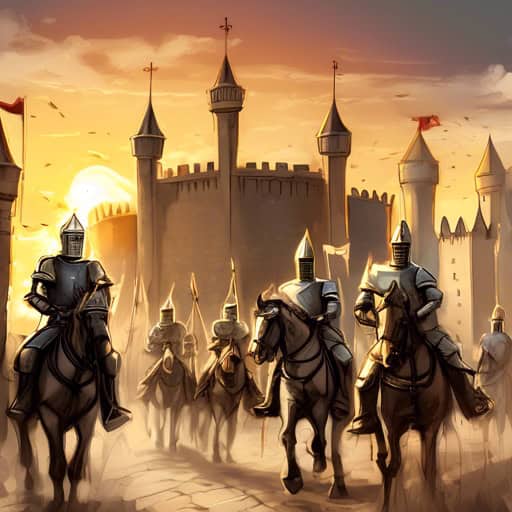
Introduction
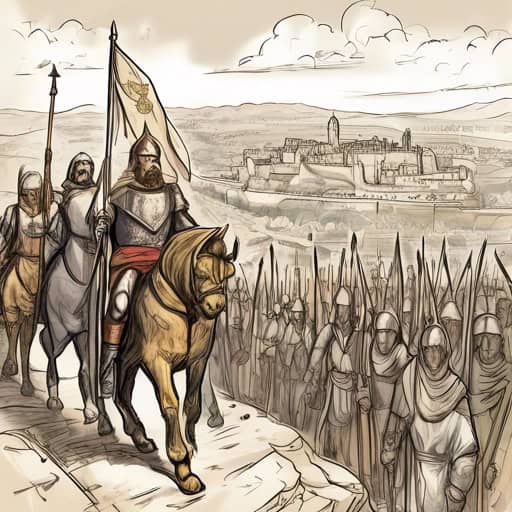

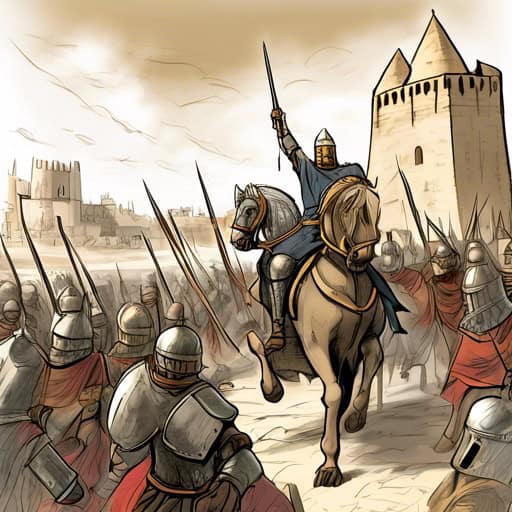
Richard the Lionheart
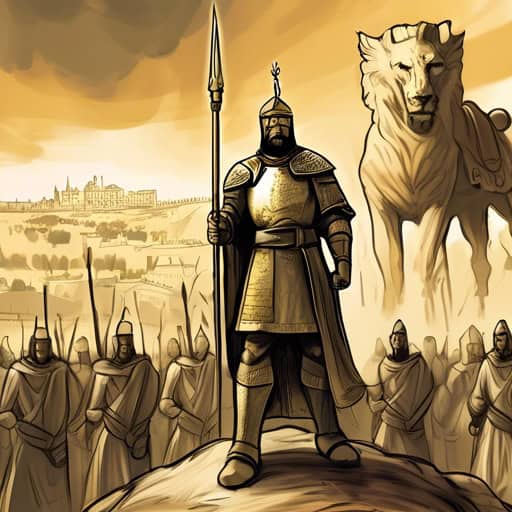
Saladin
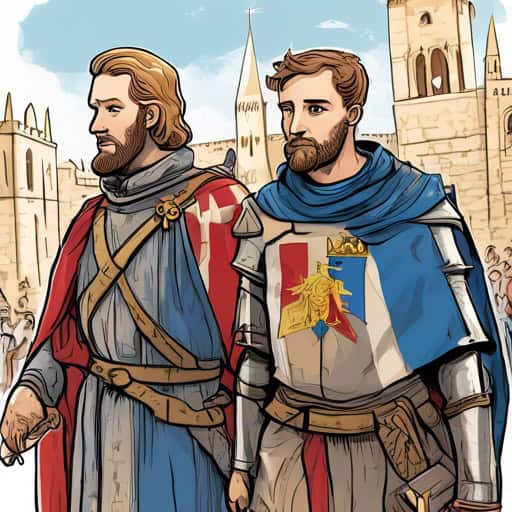
Philip II of France
Conrad of Montferrat

The Call to Arms

The Siege of Acre

The Battle of Arsuf

The Treaty of Jaffa
The Legacy of the Third Crusade
Lesson Details & Resources
In a Nutshell
- What: The Third Crusade was a series of military campaigns undertaken by European Christians to recapture Jerusalem and the Holy Land from the Muslims.
- When: 1189-1192
- Who: Key figures included King Richard the Lionheart of England, King Philip II of France, and Saladin, the Muslim leader.
- Outcome: Despite not achieving their ultimate goal of recapturing Jerusalem, the Crusaders managed to secure a treaty with Saladin that allowed Christian pilgrims access to the holy sites in Jerusalem.
Famous Figures in the The Third Crusade
-
Richard I of England
He was the King of England and a central figure in the Third Crusade. Known for his military leadership and bravery, he earned the nickname 'Lionheart'.
-
Saladin
A skilled military strategist and the first sultan of Egypt and Syria, he led the Muslim forces during the Third Crusade and successfully defended Jerusalem.
-
Philip II of France
As the King of France, he participated in the Third Crusade and formed a fragile alliance with Richard I of England against Saladin.
-
Frederick I, Holy Roman Emperor
He was the Holy Roman Emperor and took part in the Third Crusade. Despite his advanced age, he drowned while crossing a river during the campaign.
-
Guy of Lusignan
He was the King of Jerusalem during the Third Crusade and faced numerous challenges to his rule, including conflicts with both Saladin and Richard I of England.
-
Conrad of Montferrat
A prominent nobleman from Italy, he became the King of Jerusalem during the Third Crusade. He played a significant role in the political dynamics of the time.
-
Raymond III of Tripoli
He was the Count of Tripoli and a key ally of the Crusaders during the Third Crusade. He played a vital role in the defense of Tripoli against Saladin's forces.
-
Leopold V, Duke of Austria
As the Duke of Austria, he participated in the Third Crusade and played a crucial role in the Siege of Acre, one of the most significant battles of the campaign.
-
Tancred, Prince of Galilee
He was a prince and military leader who fought in the Third Crusade. He briefly ruled over the Principality of Galilee before being captured by Saladin.
-
Louis VII of France
As the King of France, he took part in the Second Crusade and later supported his son Philip II during the Third Crusade.
Timeline of The Third Crusade
Saladin captures the city of Jerusalem from the Christians
Pope Gregory VIII calls for a new crusade
Emperor Frederick Barbarossa of the Holy Roman Empire drowns while crossing the Saleph River
Richard the Lionheart of England begins his journey to the Holy Land
Richard the Lionheart captures Cyprus
Richard the Lionheart arrives in Acre and begins the siege
Richard the Lionheart defeats Saladin's forces at the Battle of Arsuf
Jerusalem surrenders to Saladin
Richard the Lionheart fails to capture Jerusalem
Saladin and Richard the Lionheart sign a truce known as the Treaty of Jaffa
Richard the Lionheart sets sail back to England
Saladin dies in Damascus
Henry VI becomes Holy Roman Emperor
Philip II of France returns to France
Richard the Lionheart is captured in Austria
Richard the Lionheart is released after ransom is paid
Richard the Lionheart dies in France
The Third Crusade officially ends
Henry VI dies
Philip II of France dies
Vocabulary List
- Crusade
- The Third Crusade was a military expedition undertaken by European Christian forces.
- Saladin
- Saladin was the Muslim sultan who led the opposition against the Christian forces during the Third Crusade.
- Richard the Lionheart
- Richard the Lionheart, the King of England, was one of the prominent leaders of the Christian forces in the Third Crusade.
- Jerusalem
- The objective of the Christian forces in the Third Crusade was to recapture Jerusalem from Muslim control.
- Siege
- The Third Crusade involved several sieges, including the unsuccessful Siege of Jerusalem.
- Acre
- The Siege of Acre was a major event during the Third Crusade, with the Christian forces eventually capturing the city.
- Philip II of France
- Philip II of France, along with Richard the Lionheart, played a significant role in leading the Christian forces during the Third Crusade.
- Hospitallers
- The Hospitallers, a Christian military order, participated actively in the Third Crusade.
- Saracen
- The term 'Saracen' was commonly used by the Crusaders to refer to Muslims during the Third Crusade.
- Peace Treaty
- The Third Crusade concluded with the signing of a peace treaty between Richard the Lionheart and Saladin.
Key Facts
This is the information used in the fact matching game
- The Third Crusade, also known as the Kings' Crusade, took place between 1189 and 1192
- It was a response to the fall of the Crusader state of Jerusalem to Saladin in 1187
- The Crusade was led by three European monarchs: Richard the Lionheart of England, Philip II of France, and Frederick I, Holy Roman Emperor
- Richard the Lionheart was known for his military abilities and bravery in battle
- Frederick I drowned while crossing a river in Anatolia, and his death was a significant setback for the Crusaders
- The Crusaders aimed to recapture Jerusalem from Saladin and regain control over the Holy Land
- The Crusaders successfully captured the coastal cities of Acre, Jaffa, and Ascalon
- The Siege of Acre lasted for two years and was a turning point in the Crusaders' success
- During the siege, both Richard the Lionheart and Philip II left the Holy Land, leaving the leadership to others
- Richard the Lionheart and Saladin had a mutual respect for each other and engaged in negotiations several times during the Crusade
- Despite their respect, Richard the Lionheart and Saladin never reached a peace agreement
- The Third Crusade is best known for the battles between Richard the Lionheart and Saladin, including the iconic Battle of Arsuf
- The Crusaders suffered from various setbacks, including disease, desertion, and lack of supplies
- Richard the Lionheart's capture of Cyprus diverted the Crusade's original objective and delayed their arrival in the Holy Land
- The Crusaders faced significant challenges in crossing the harsh terrains of Anatolia and the Middle East
- The Third Crusade witnessed brutal battles and atrocities committed by both Christian and Muslim forces
- The Crusaders ultimately failed to recapture Jerusalem, but managed to secure a truce with Saladin in 1192
- The truce allowed Christian pilgrims to visit Jerusalem without fear of persecution
- The Third Crusade had a significant impact on European politics and increased cultural exchange between the East and the West
- The Crusade left a lasting legacy and inspired literature, such as the epic poem "The Song of Roland."
Analysis & Significance
Immediate Consequences
The Third Crusade, also known as the Kings’ Crusade, resulted in the recapture of key coastal cities in the Holy Land by the Christian forces, most notably the city of Acre. Despite the military successes, the overall objective of retaking Jerusalem was not achieved, leading to a sense of disappointment and unfinished business among the Crusaders.
Long-Term Impact
The Third Crusade had a lasting impact on the relationships between the European powers and the Middle East. It marked the beginning of a period of increased interaction and cultural exchange between the two regions, as well as the establishment of diplomatic channels for future negotiations and alliances.
Cultural Significance Today
The legacy of the Third Crusade continues to influence modern perceptions of the Crusades and their impact on the historical narrative. It serves as a reminder of the complexities of religious conflict, as well as the enduring consequences of military interventions in foreign lands. The stories and legends from this period still resonate in popular culture and historical discourse, shaping our understanding of the past and its relevance to the present.
The Third Crusade Games


Take Your Learning Offline
Want a convenient, print-ready study guide for this lesson? Become a Memory Wizards Pro member to unlock the downloadable " Memory Scrolls" for this topic and our entire library!
- ✓ Complete Vocabulary Lists
- ✓ Key Facts & Timelines
- ✓ Beautifully Formatted for Print & Mobile