
Summary of Harrying of the North (1069)
Uncover the chilling tale of the Harrying of the North.
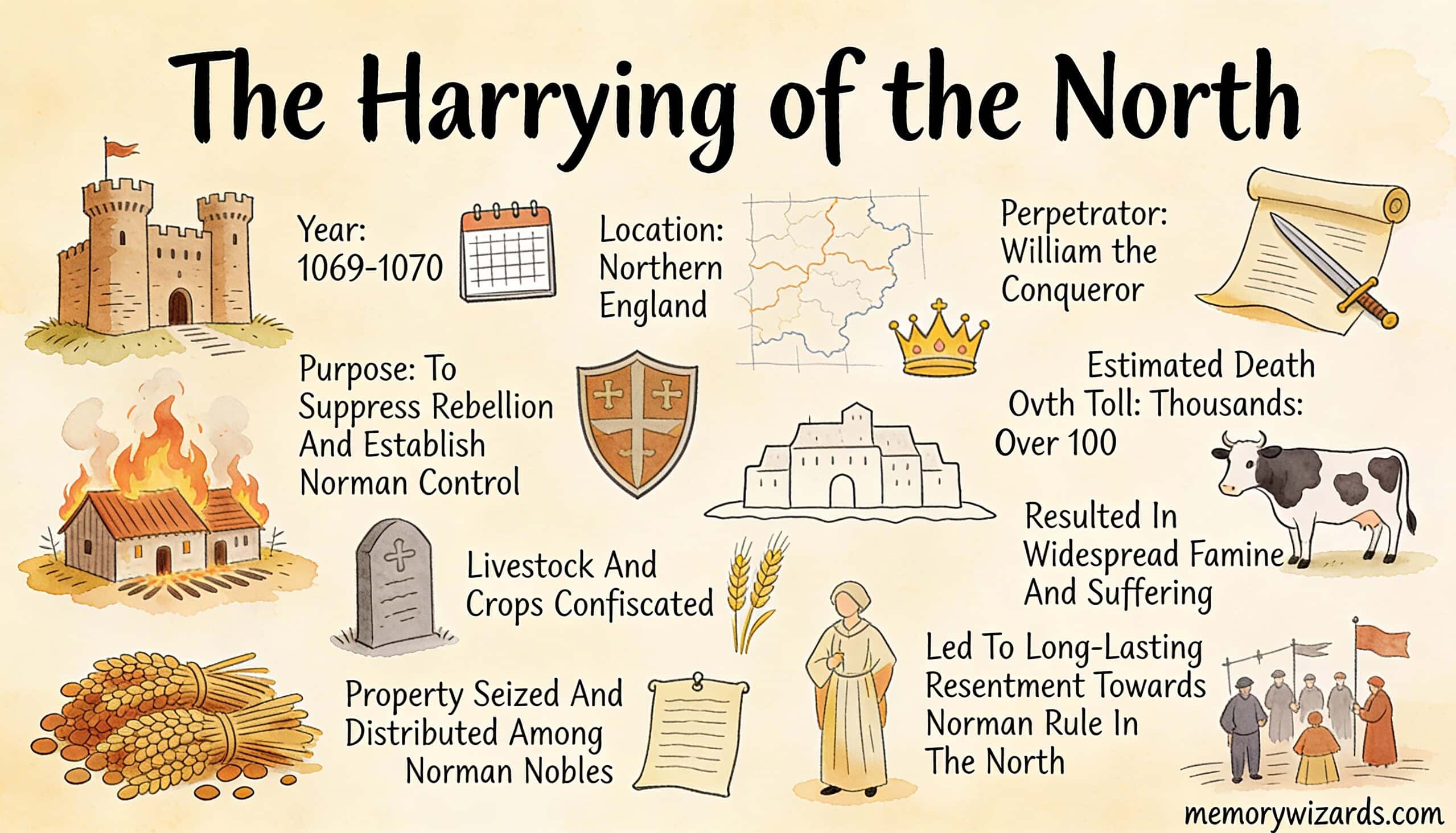
At a Glance - Infographic
How Do You Learn Best?
Learn by Listening
Start with the 3-minute audio summary to get the key facts and narrative highlights quickly.
Learn by Reading
Immerse yourself in the 10-minute visual lesson for a comprehensive understanding of the topic.
Learn by Reviewing
Jump directly to the key facts, timeline, and vocabulary lists to build a solid foundation of details.
Learn by Doing
Challenge yourself! Jump straight into the interactive games to learn by trial, error, and discovery.
Audio Library
As one of our featured lessons, this topic includes premium audio guides.
Unlock the Wizard's Cram Session
This powerful audio study guide is a Pro-exclusive feature. Upgrade to Memory Wizards Pro to access this and all of our premium learning tools.
Upgrade to ProHarrying of the North in 10 Minutes
Introduction
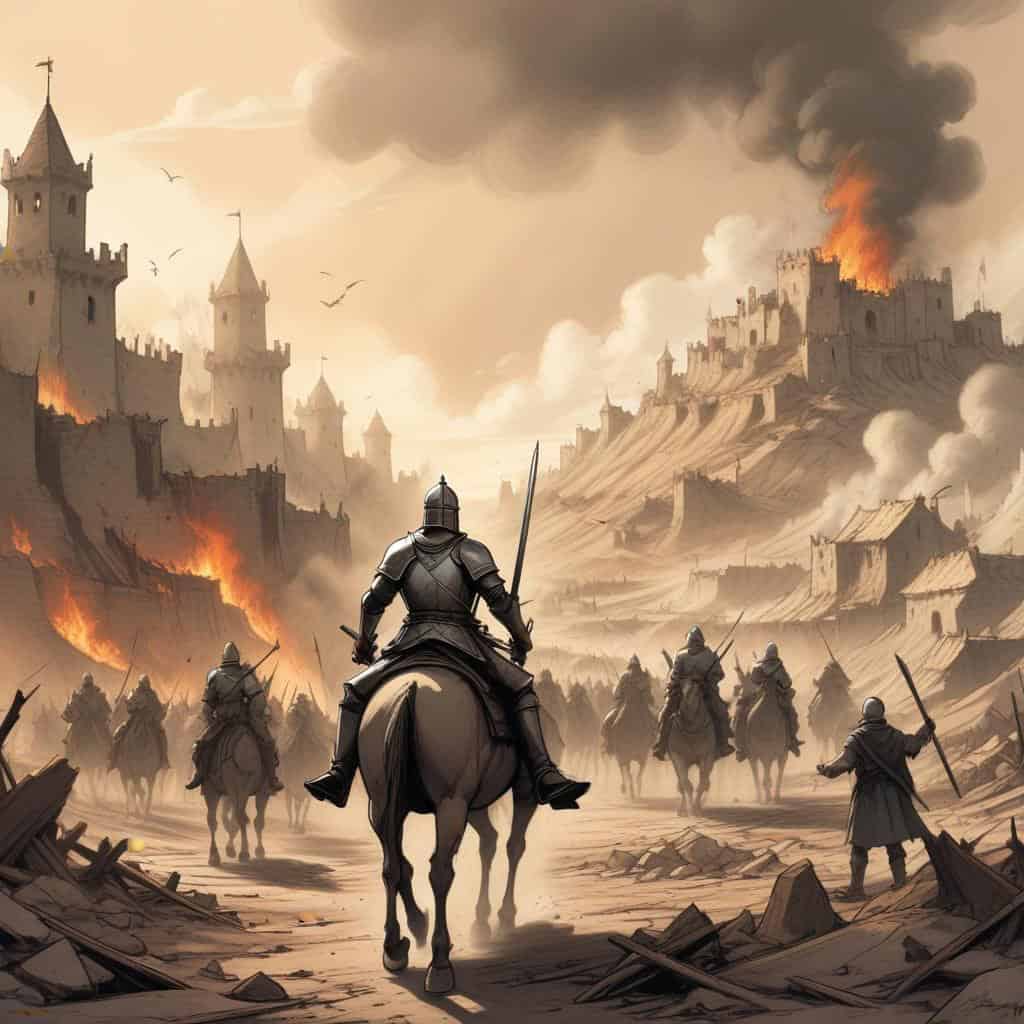
William the Conqueror
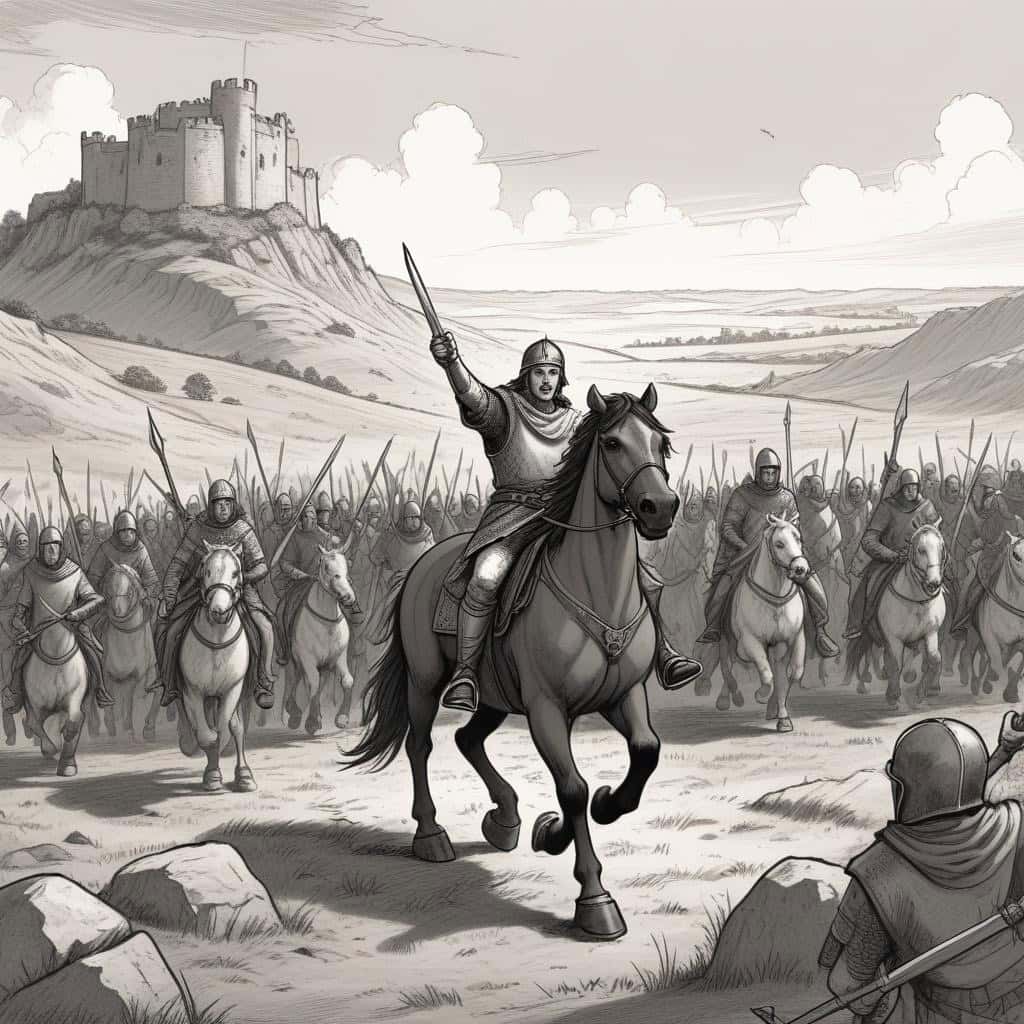
Edric the Wild
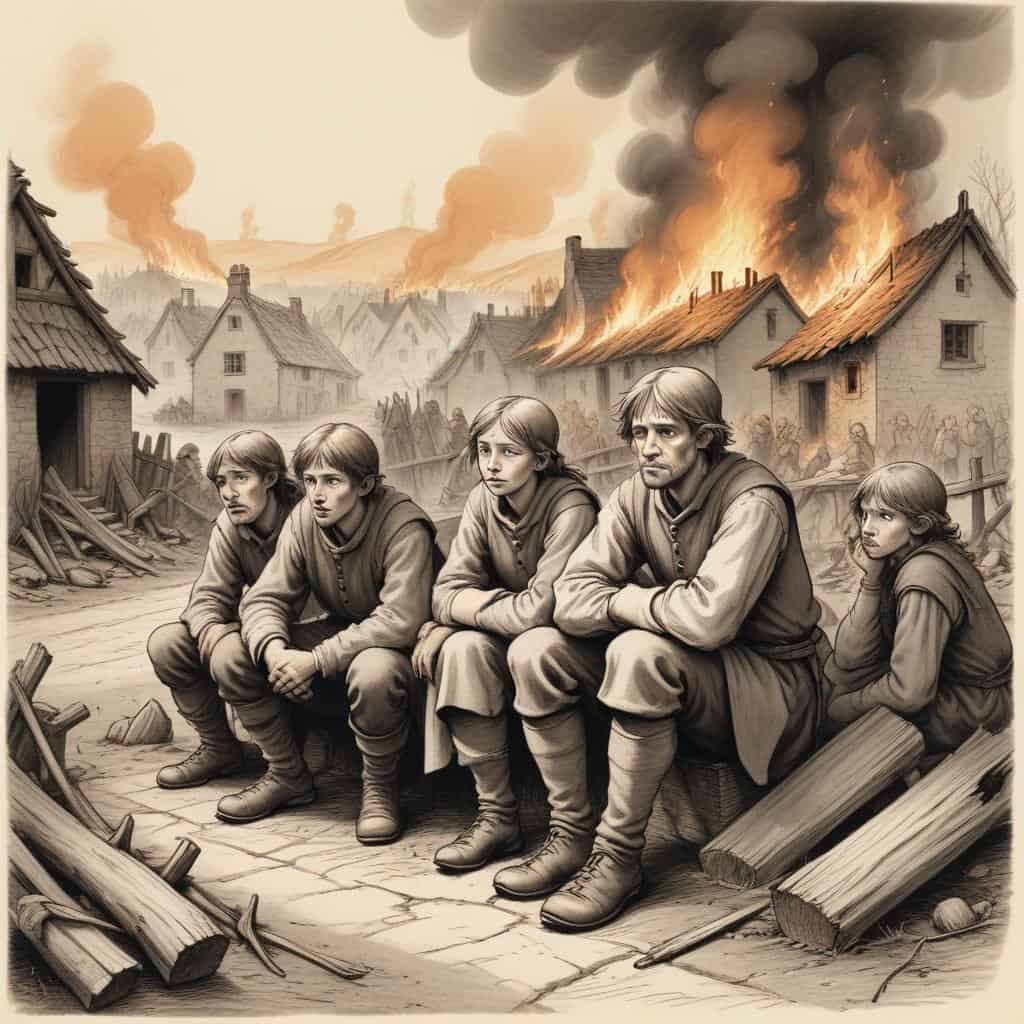
English Peasants
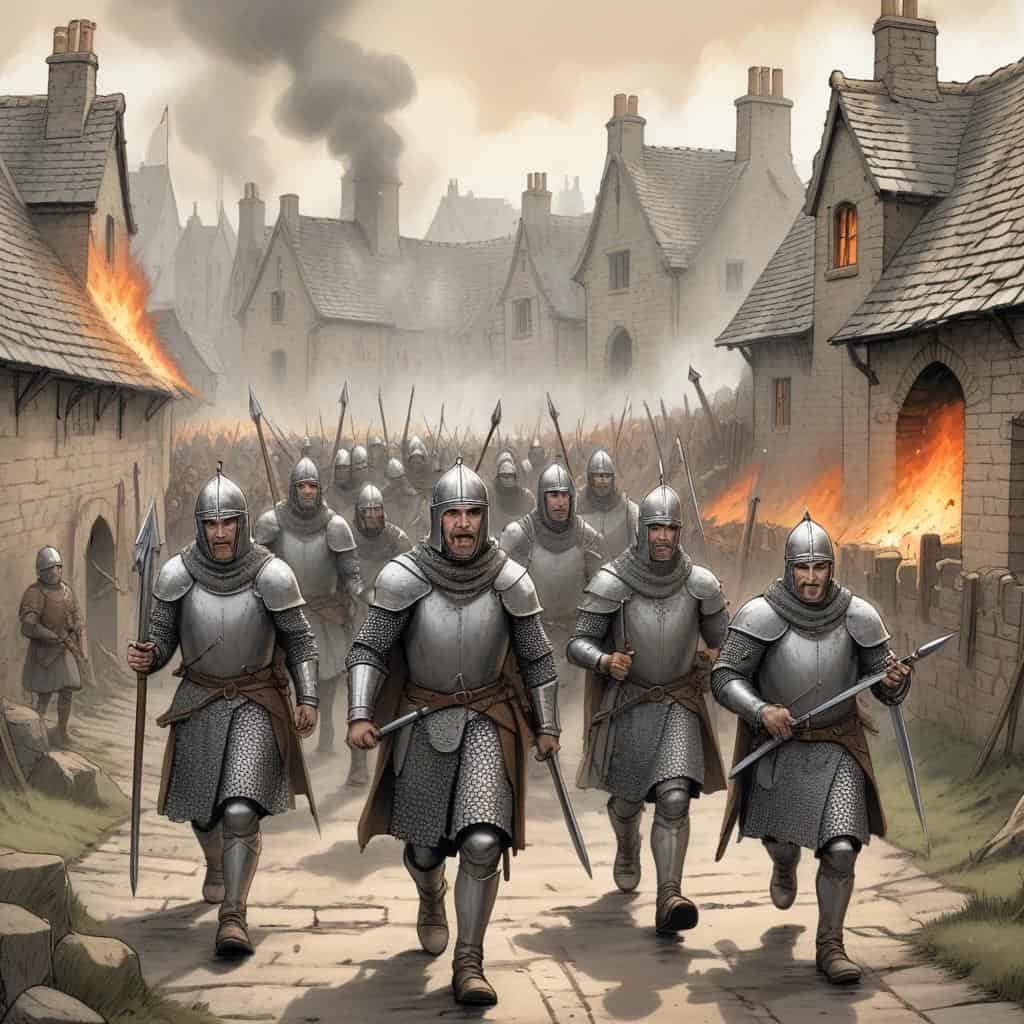
Norman Soldiers
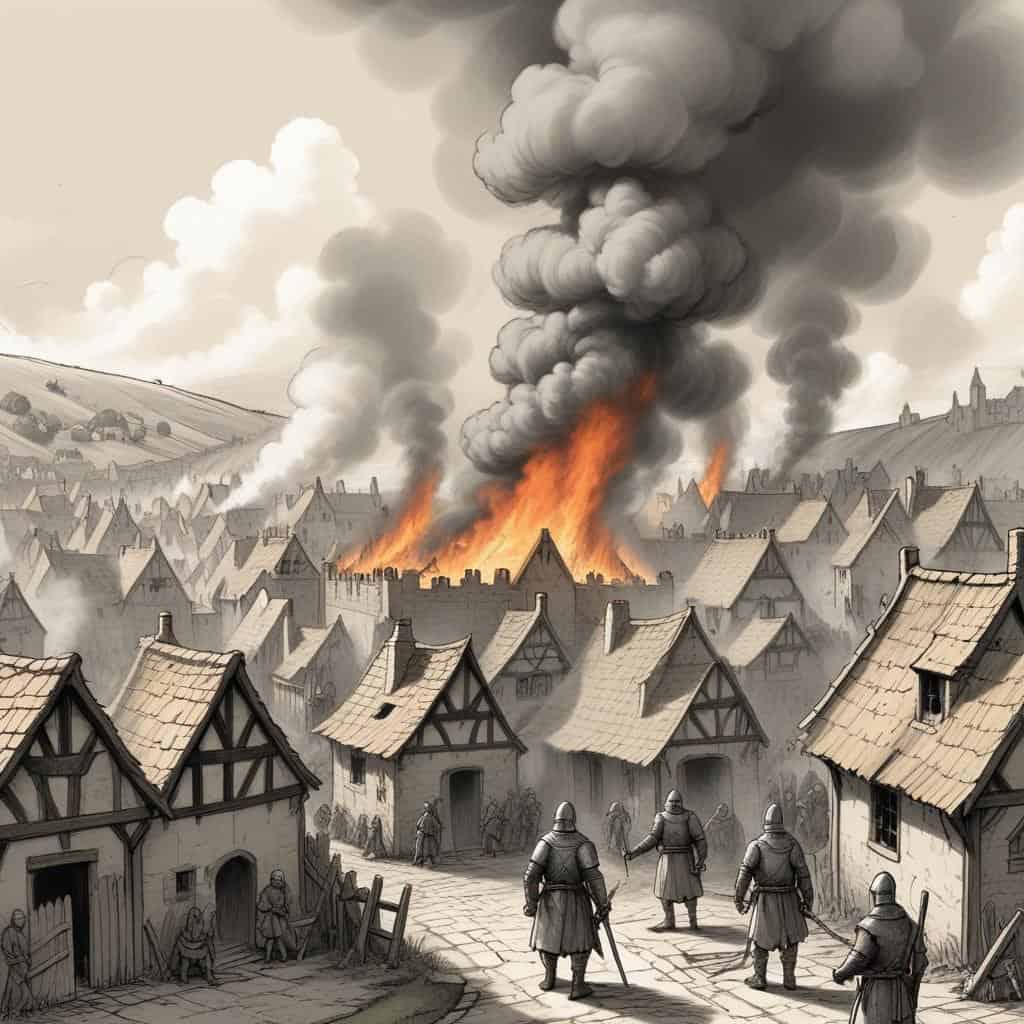
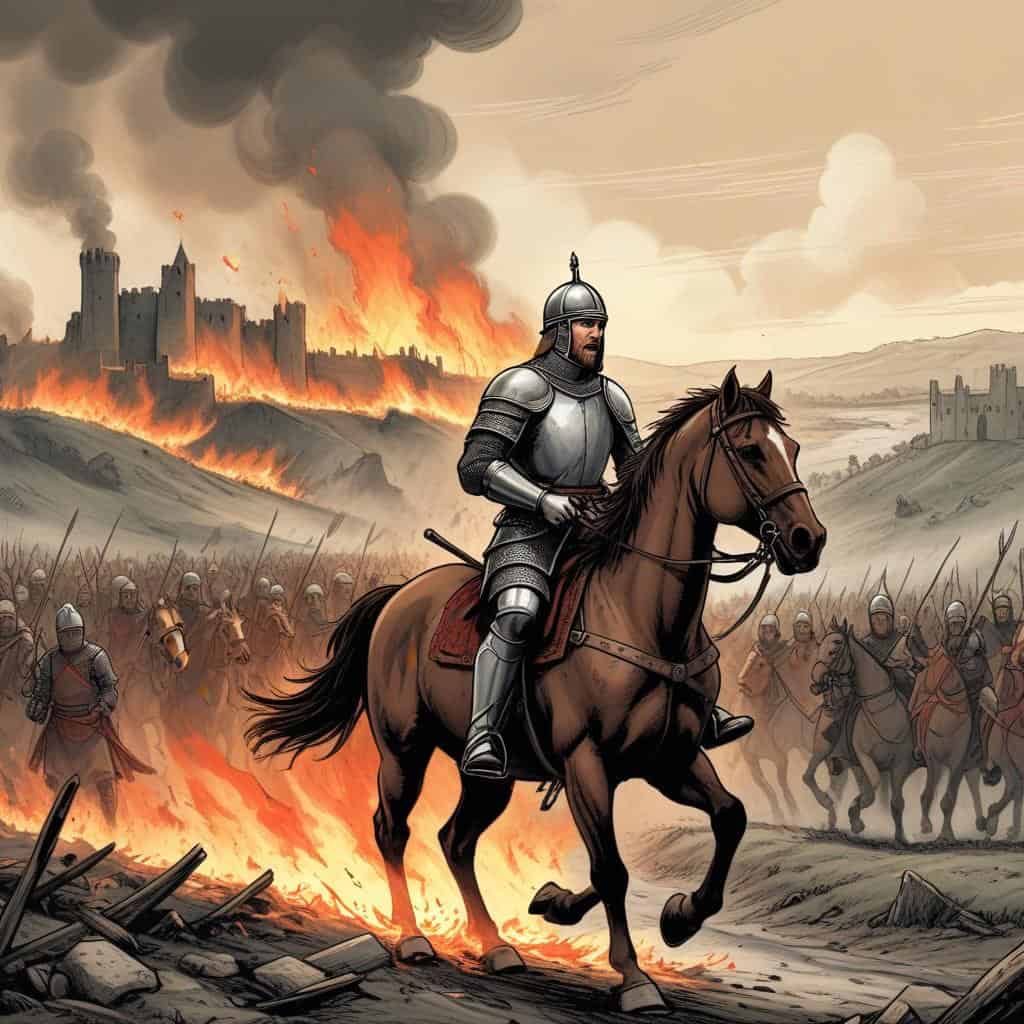
The Harrying of the North (1069)

Rebellion in the North

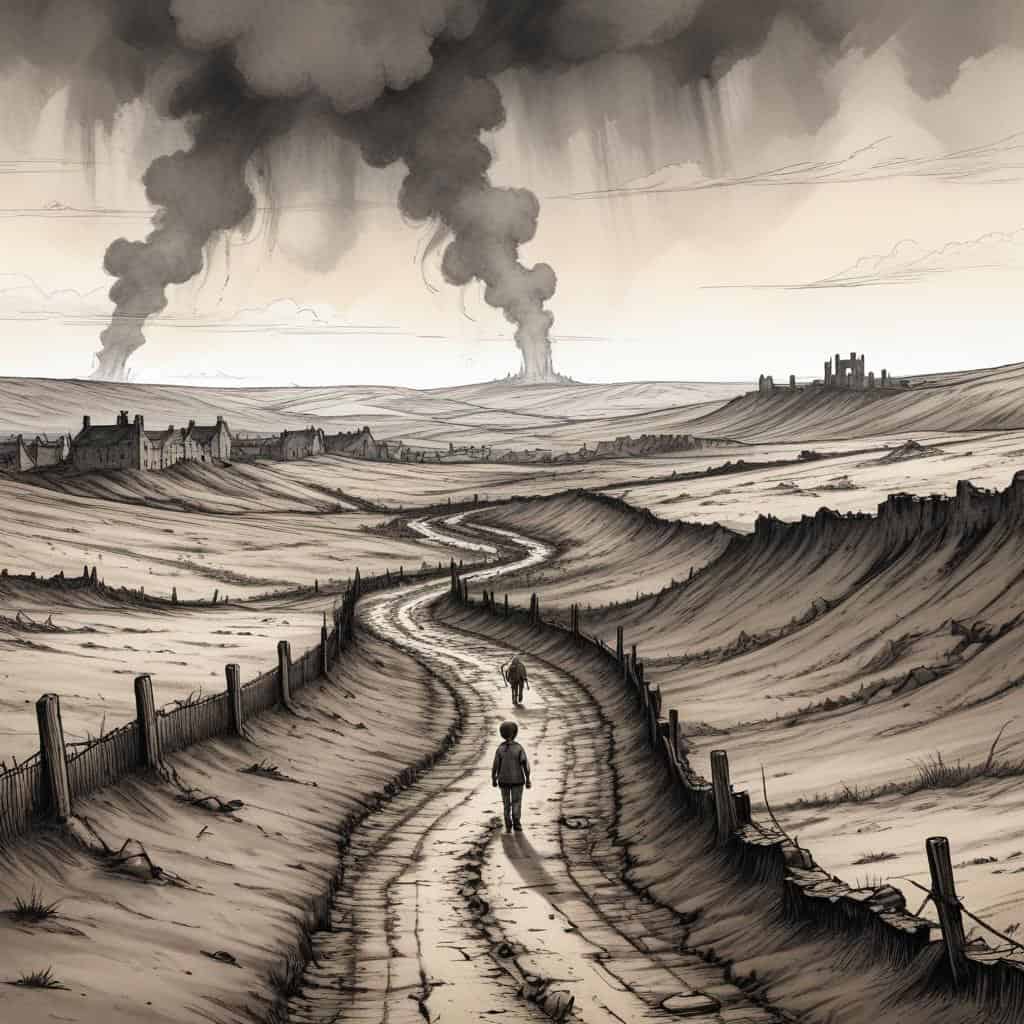
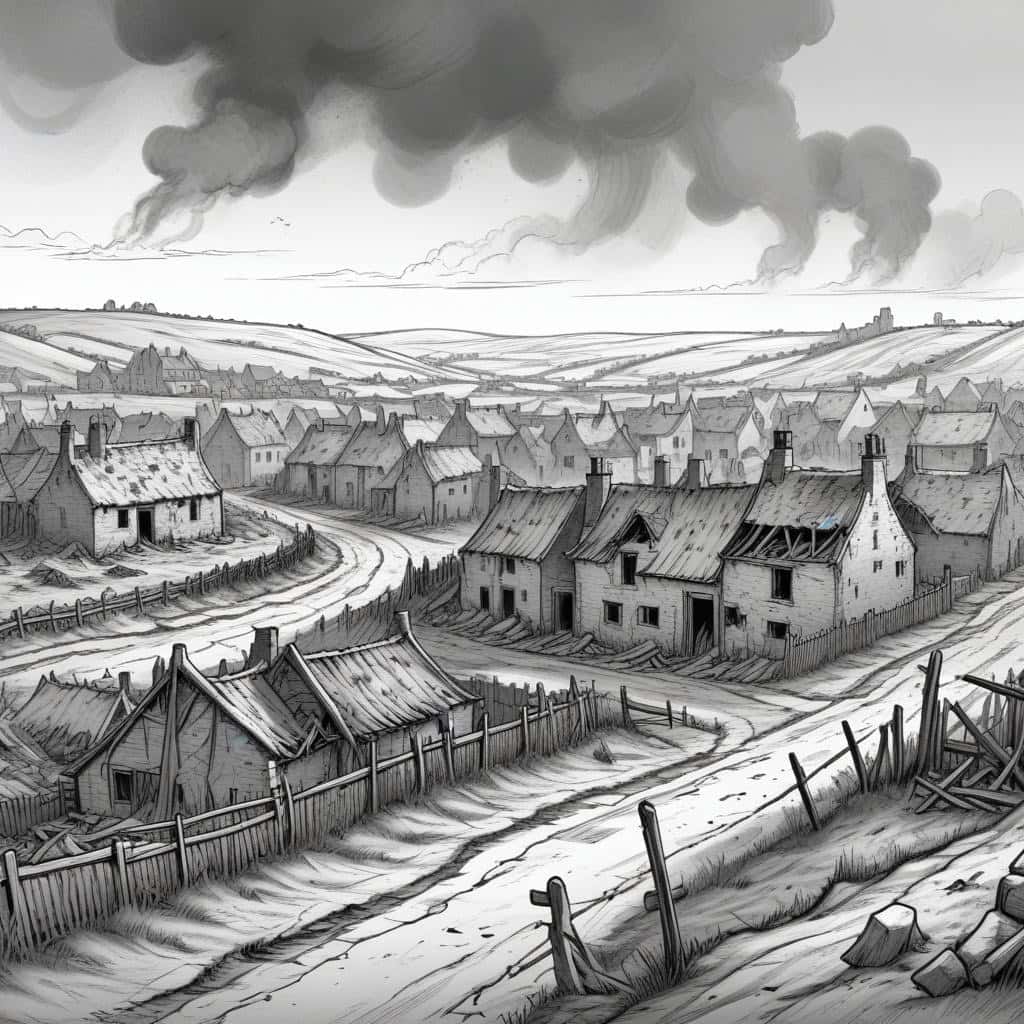
Devastation and Destruction

Siege of York

Massacres and Atrocities

Resistance and Retaliation

Legacy of the Harrying
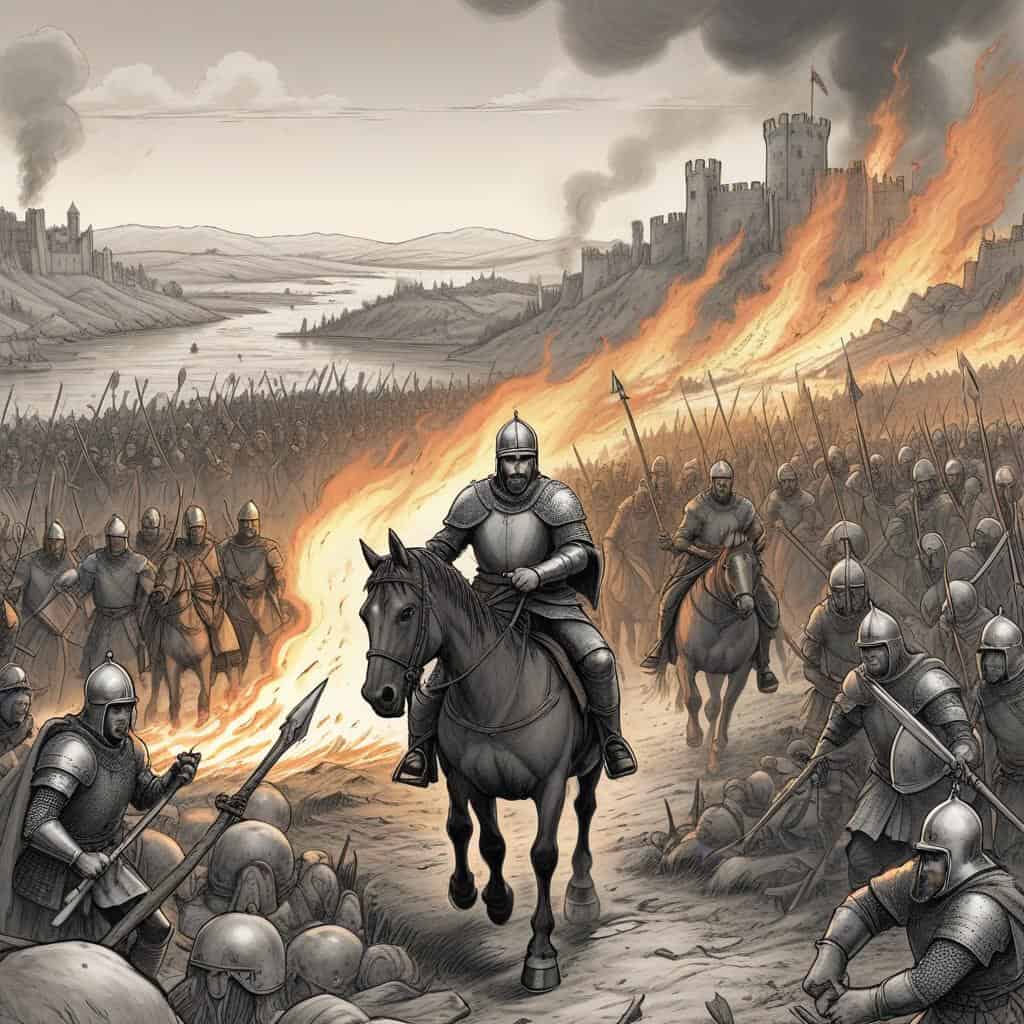
Historical Significance
Lesson Details & Resources
In a Nutshell
- What: A brutal campaign of punitive measures by William the Conqueror in Northern England
- When: 1069
- Who: William the Conqueror, Northern English rebels
- Outcome: Devastation of the Northern region, setting the stage for Norman control
Famous Figures in the Harrying of the North
-
William the Conqueror
William the Conqueror ordered the Harrying of the North as a brutal punishment for resistance to Norman rule.
-
Edgar Ætheling
Edgar Ætheling was a claimant to the English throne and was involved in the events leading up to the Harrying of the North.
-
Harold Godwinson
Harold Godwinson was the previous King of England who was defeated by William the Conqueror at the Battle of Hastings.
-
Edwin, Earl of Mercia
Edwin, Earl of Mercia, was a powerful nobleman who opposed William the Conqueror's rule in the North.
-
Morcar, Earl of Northumbria
Morcar, Earl of Northumbria, also resisted Norman rule and was a target of the Harrying of the North.
-
Robert de Comines
Robert de Comines was a Norman knight who participated in the campaign against the North.
-
William Malet
William Malet was a Norman nobleman who played a role in the administration of the North after the Harrying.
-
William of Poitiers
William of Poitiers was a Norman chronicler who wrote about William the Conqueror's campaigns, including the Harrying of the North.
-
Odo of Bayeux
Odo of Bayeux, William the Conqueror's half-brother, was involved in the military campaign in the North.
-
Roger of Montgomery
Roger of Montgomery was a Norman nobleman who helped suppress the rebellion in the North.
Timeline of Harrying of the North
Revolt against William the Conqueror begins in Northumbria
William the Conqueror orders the Harrying of the North
William's forces ravage Northumbria, destroying crops and killing livestock
Many Northumbrians die of starvation during the harrying
William's forces move on to Yorkshire, continuing the destruction
Rebels in York are defeated and the city is burned
William's forces move on to Durham, destroying the city and its cathedral
The harrying spreads to other parts of the North, including Lincolnshire and Cheshire
Resistance against William's forces continues, but is ultimately crushed
The harrying comes to an end as William consolidates his control over the North
Survivors of the harrying are left destitute and in need of aid
The harrying is seen as a brutal act of revenge by William the Conqueror
The Harrying of the North has long-lasting effects on the region's economy and population
William the Conqueror's reputation is tarnished by the harrying
The Harrying of the North is remembered as a dark chapter in English history
William the Conqueror's rule over the North is solidified after the harrying
The North remains under Norman control for centuries after the harrying
The effects of the harrying are felt for generations to come in the North
The harrying is condemned by many as a cruel and unnecessary act of violence
The Harrying of the North becomes a symbol of William the Conqueror's ruthless tactics
Vocabulary List
- Harrying
- The harrying of the North was a brutal military campaign ordered by William the Conqueror in 1069.
- Rebellion
- The harrying of the North was in response to a rebellion against Norman rule.
- Devastation
- The harrying of the North resulted in widespread devastation of the region.
- Plunder
- The Norman soldiers engaged in plundering villages during the harrying of the North.
- Retaliation
- The harrying of the North was seen as a brutal retaliation against those who resisted Norman authority.
- Famine
- The harrying of the North led to widespread famine as crops were destroyed and livestock killed.
- Conquest
- The harrying of the North was part of William the Conqueror's efforts to solidify his conquest of England.
- Resistance
- The harrying of the North was met with fierce resistance from the Anglo-Saxon population.
Key Facts
This is the information used in the fact matching game
- The Harrying of the North was a series of campaigns waged by William the Conqueror in 1069-1070 to pacify the northern region of England.
- The Harrying of the North was a brutal and devastating military operation, resulting in widespread destruction and loss of life.
- William the Conqueror ordered the Harrying of the North in response to a series of uprisings and rebellions in the region.
- The Harrying of the North targeted both rebels and innocent civilians, leading to famine and suffering for many.
- The Harrying of the North resulted in the destruction of crops, livestock, and settlements across the region.
- Estimates suggest that tens of thousands of people died as a result of the Harrying of the North.
- The Harrying of the North left the region in ruins, with many areas struggling to recover for years to come.
- William the Conqueror's brutal tactics during the Harrying of the North were intended to crush any resistance to his rule.
- The Harrying of the North is often cited as one of the most brutal episodes of William the Conqueror's reign.
- The devastation caused by the Harrying of the North had a lasting impact on the economy and population of the region.
- The Harrying of the North was a deliberate strategy to strike fear into the hearts of the English population and deter further rebellion.
- The Harrying of the North is sometimes referred to as the 'Harrowing of the North' due to the suffering inflicted on the population.
- The Harrying of the North is believed to have affected areas as far south as Lincolnshire and Yorkshire.
- The Harrying of the North was one of the key events that solidified William the Conqueror's control over England.
- The Harrying of the North is recorded in the Domesday Book, which documents the land and property damage caused by the campaign.
- The Harrying of the North led to a significant depopulation of the region, with many settlements abandoned or destroyed.
- The Harrying of the North was a turning point in English history, marking the beginning of Norman rule and the end of Anglo-Saxon resistance.
- The Harrying of the North has been described as a 'scorched earth' policy, intended to leave the region uninhabitable for rebels.
- The Harrying of the North is seen as a prime example of the brutality of medieval warfare and conquest.
- The repercussions of the Harrying of the North were felt for generations, shaping the social and political landscape of England.
Analysis & Significance
Immediate Consequences
The Harrying of the North in 1069 was a brutal military campaign led by William the Conqueror to suppress the Northern English rebellion. The immediate consequences were devastating, with widespread destruction of crops, livestock, and homes, leading to famine and death for many in the region. The North was left in ruins, and the population decimated.
Long-Term Impact
The long-term impact of the Harrying of the North was profound. It left a lasting legacy of fear and resentment towards the Norman rulers among the Northern English population. The devastation caused by the campaign had long-lasting effects on the economy and social fabric of the region, taking decades to recover from.
Cultural Significance Today
The Harrying of the North is remembered as a dark chapter in English history, symbolizing the harsh consequences of rebellion against a powerful ruler. It serves as a reminder of the destructive power of war and the importance of diplomacy and peaceful resolution of conflicts. The event continues to influence discussions on the use of excessive force in military campaigns and the treatment of civilian populations during times of war.
Harrying of the North Games


Take Your Learning Offline
Want a convenient, print-ready study guide for this lesson? Become a Memory Wizards Pro member to unlock the downloadable " Memory Scrolls" for this topic and our entire library!
- ✓ Complete Vocabulary Lists
- ✓ Key Facts & Timelines
- ✓ Beautifully Formatted for Print & Mobile