
Summary of Battle of Bouvines (1214)
The epic clash that shaped medieval Europe's fate.
How Do You Learn Best?
Learn by Listening
Start with the 3-minute audio summary to get the key facts and narrative highlights quickly.
Learn by Reading
Immerse yourself in the 10-minute visual lesson for a comprehensive understanding of the topic.
Learn by Reviewing
Jump directly to the key facts, timeline, and vocabulary lists to build a solid foundation of details.
Learn by Doing
Challenge yourself! Jump straight into the interactive games to learn by trial, error, and discovery.
Audio Library
As one of our featured lessons, this topic includes premium audio guides.
Unlock the Wizard's Cram Session
This powerful audio study guide is a Pro-exclusive feature. Upgrade to Memory Wizards Pro to access this and all of our premium learning tools.
Upgrade to ProBattle of Bouvines in 10 Minutes

Introduction
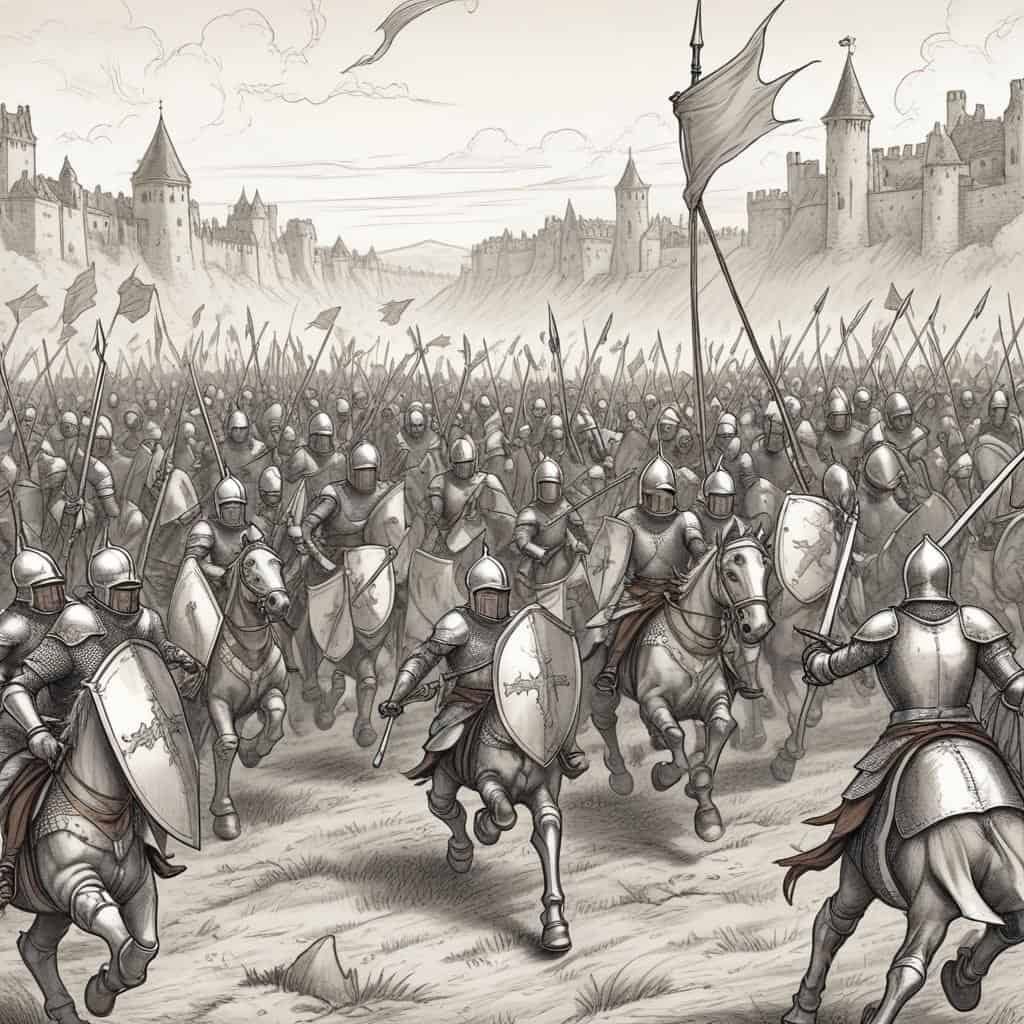

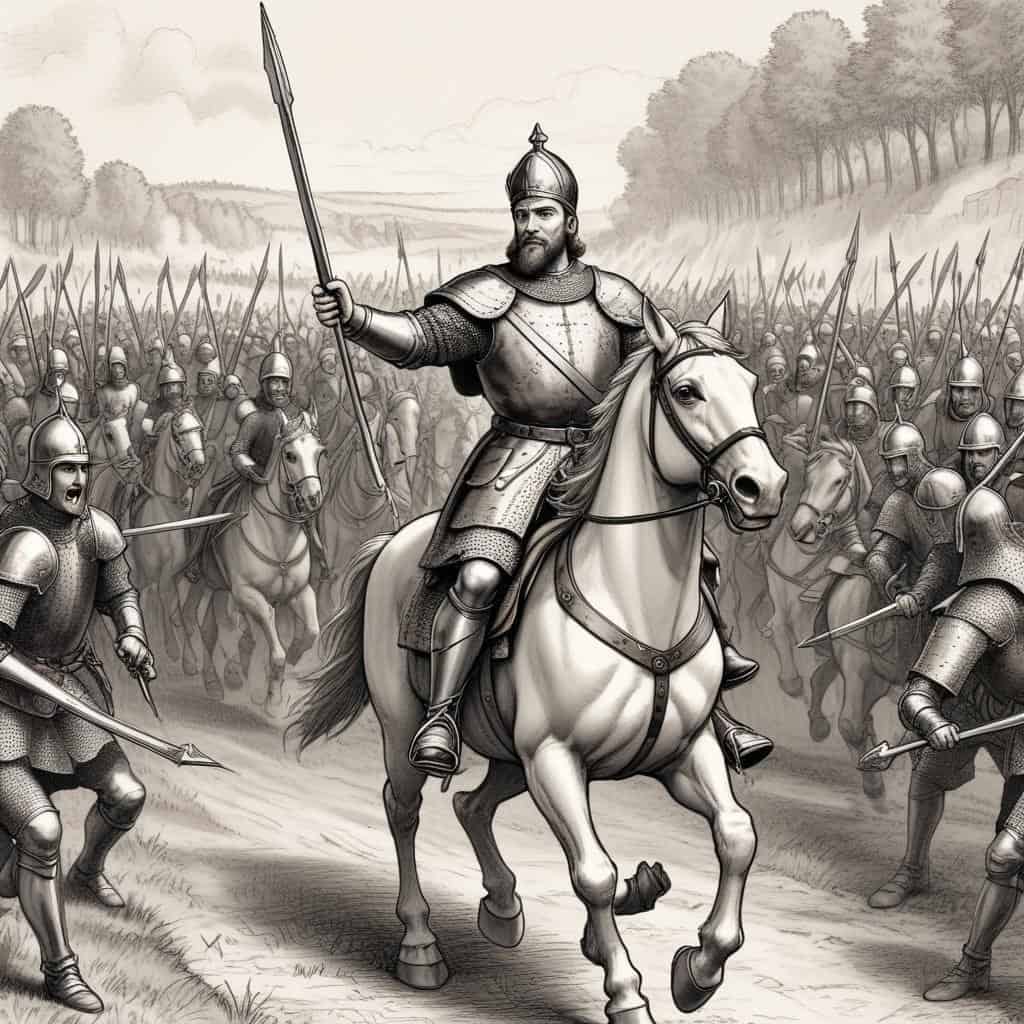
King Philip II of France
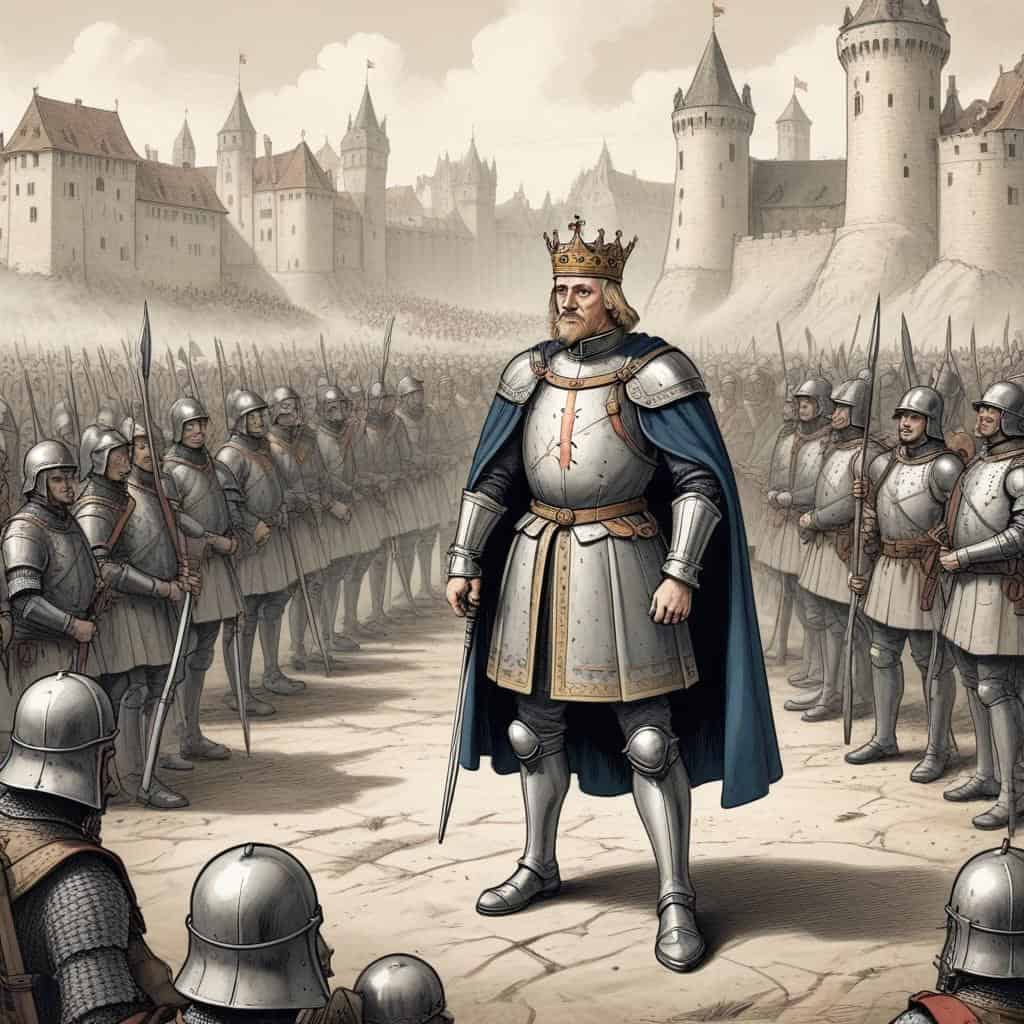
Emperor Otto IV
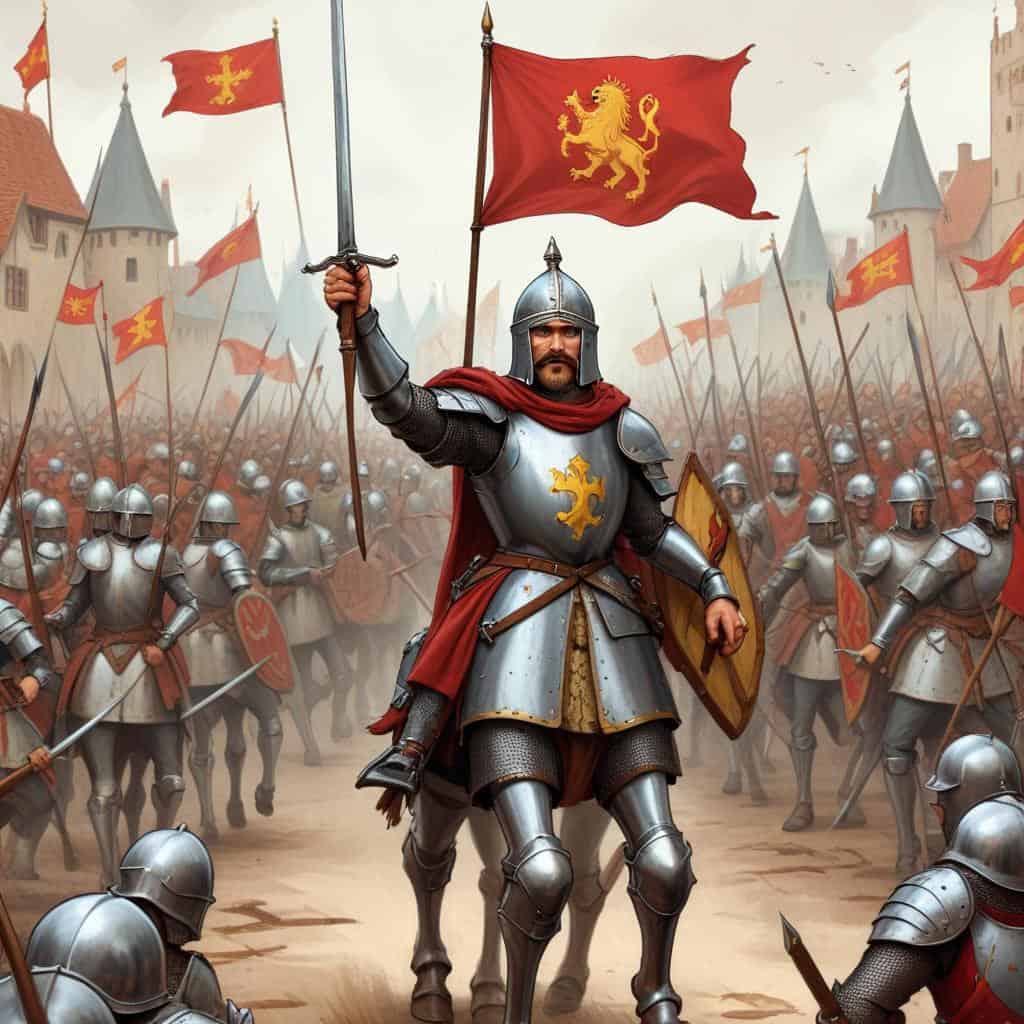
Ferrand of Flanders
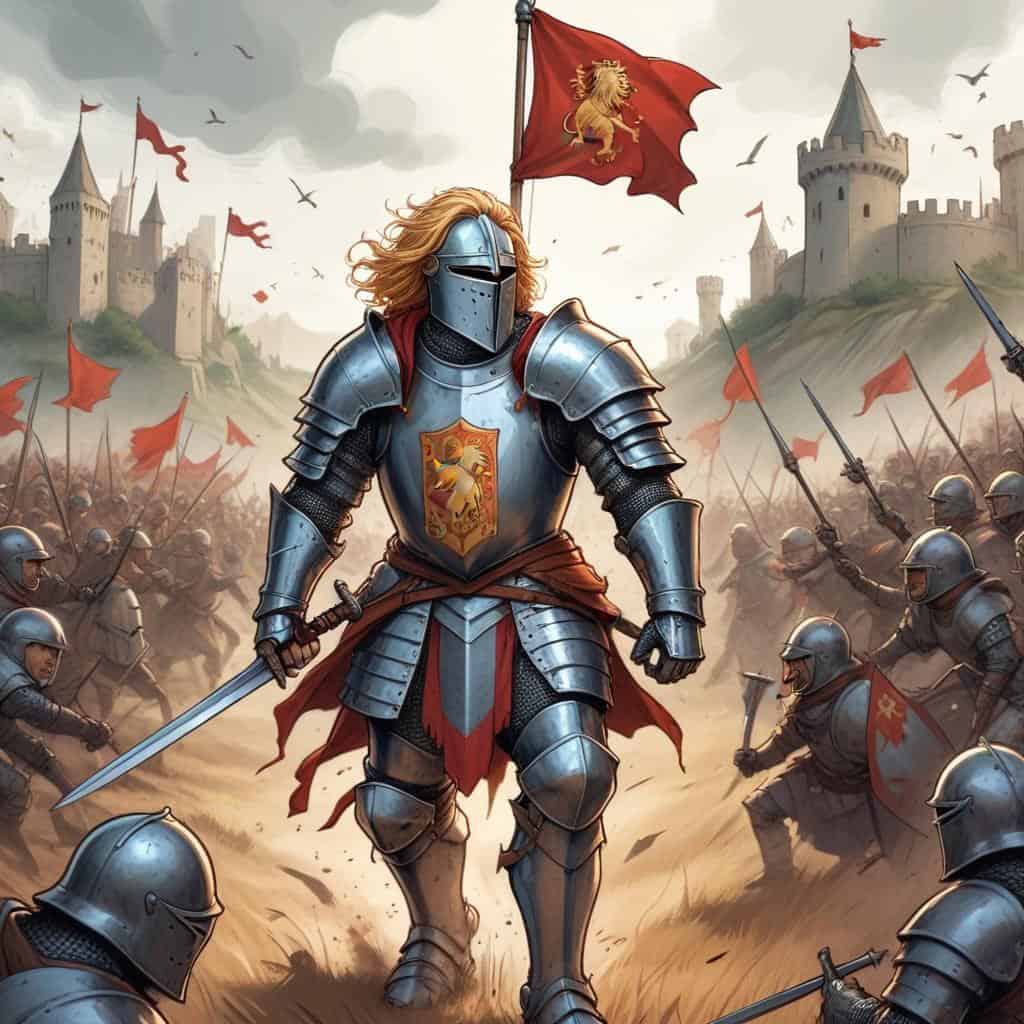
William Longsword
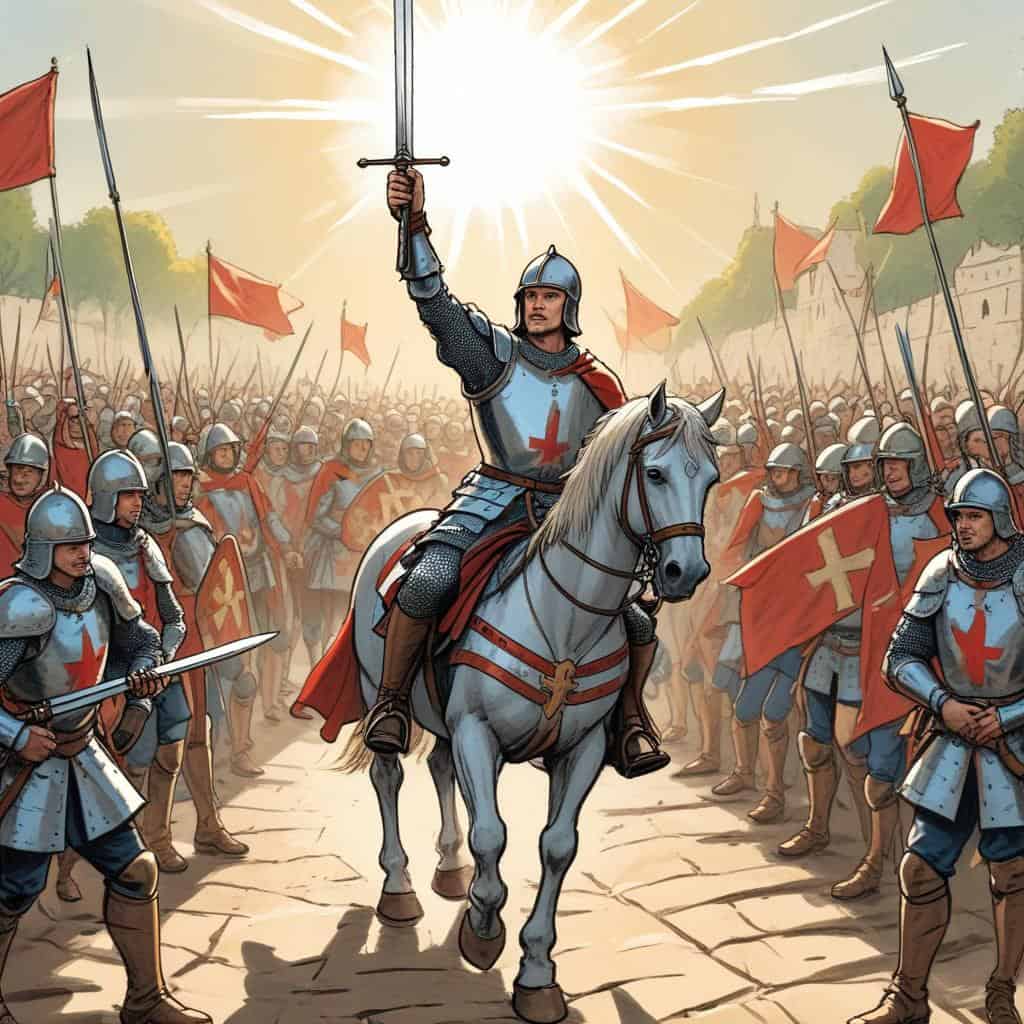
Simon of Montfort

The Prelude to Battle

The French Army Gathers

The Allied Forces Prepare

The Battle Begins

The Turning Point

The Aftermath of Battle

The Legacy of Bouvines

Historical Significance

Remembering the Fallen
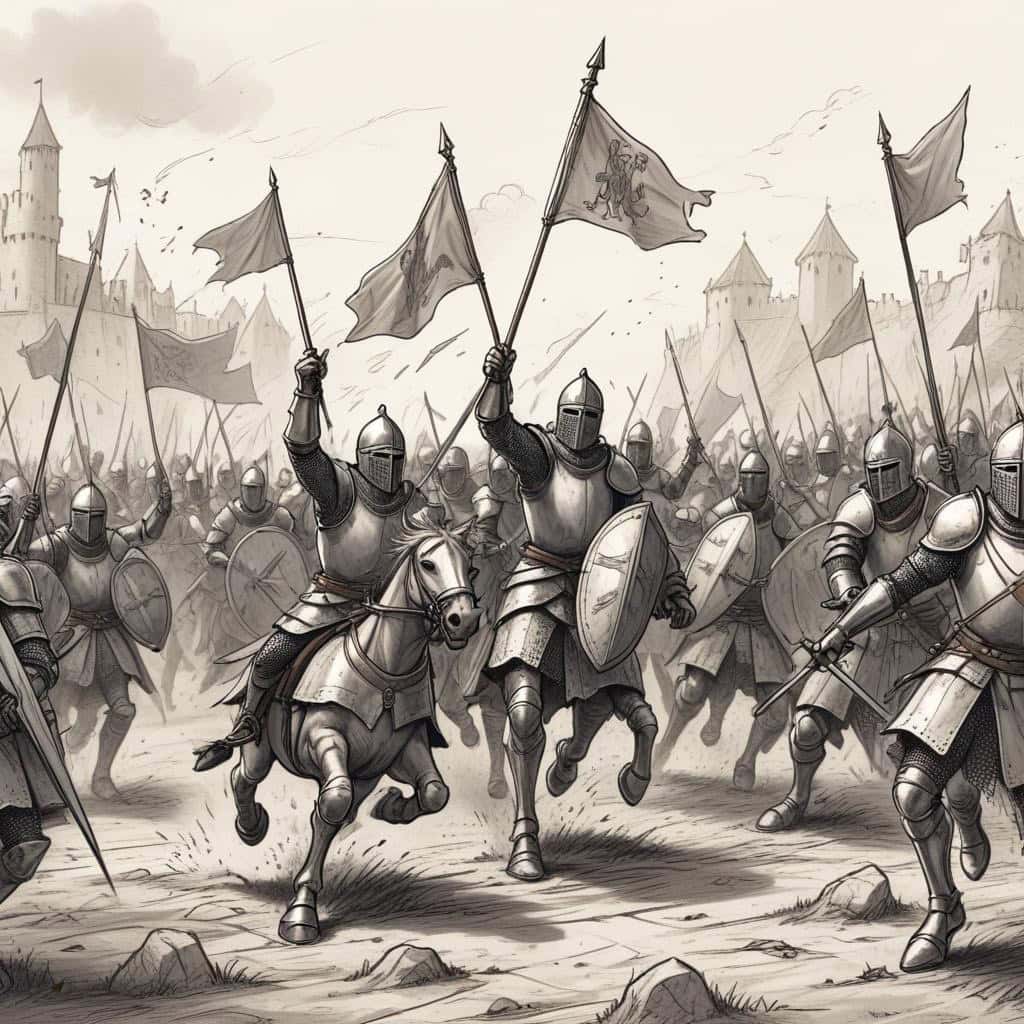
Lessons Learned
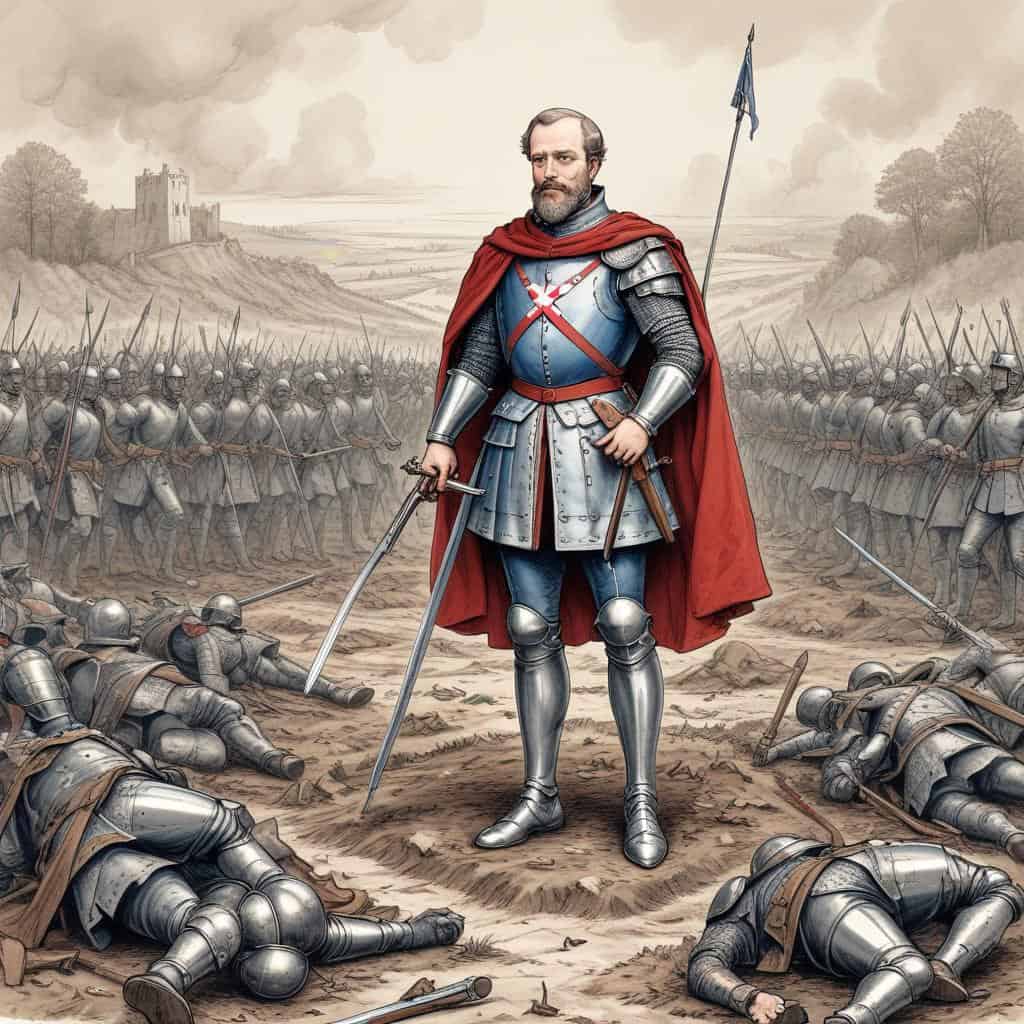
Lesson Details & Resources
In a Nutshell
- What: A significant medieval battle during the 13th century.
- When: July 27, 1214
- Who: King Philip II of France, Holy Roman Emperor Otto IV, and King John of England.
- Outcome: French victory, solidifying Philip II’s power and influence in Europe.
Famous Figures in the Battle of Bouvines
-
Philip II of France
Philip II of France led the French forces to victory in the Battle of Bouvines, securing his position as one of the most powerful rulers in Europe.
-
Otto IV, Holy Roman Emperor
Otto IV, Holy Roman Emperor, was defeated by Philip II of France at the Battle of Bouvines, leading to a significant shift in power dynamics in Europe.
-
John, King of England
John, King of England, was forced to retreat from the Battle of Bouvines after being defeated by Philip II of France.
-
Ferdinand, Count of Flanders
Ferdinand, Count of Flanders, fought alongside Philip II of France in the Battle of Bouvines, contributing to the French victory.
-
William Longespée, 3rd Earl of Salisbury
William Longespée, 3rd Earl of Salisbury, was a prominent English nobleman who fought on the side of John, King of England, in the Battle of Bouvines.
Timeline of Battle of Bouvines
Philip II of France defeats the coalition of Holy Roman Emperor Otto IV, King John of England, and Count Ferrand of Flanders at the Battle of Bouvines
King John of England loses Normandy, Anjou, and Poitou to Philip II of France as a result of the Battle of Bouvines
The victory at the Battle of Bouvines solidifies Philip II of France's control over northern France and strengthens the Capetian dynasty
The Battle of Bouvines marks the end of the Anglo-French War and the beginning of a period of French dominance in Western Europe
King John of England is forced to sign the Treaty of Lambeth, which recognizes Philip II of France as the rightful ruler of Normandy and other territories
The Battle of Bouvines leads to a period of relative peace in Western Europe as Philip II of France consolidates his power
Philip II of France is hailed as a hero and a great military leader following his victory at the Battle of Bouvines
The Battle of Bouvines significantly weakens the influence of the Holy Roman Empire in France and the Low Countries
The Battle of Bouvines is considered a turning point in the history of medieval Europe, shifting the balance of power in favor of the French monarchy
The aftermath of the Battle of Bouvines leads to increased centralization of power in France and the strengthening of royal authority
The Battle of Bouvines cements the reputation of Philip II of France as a skilled tactician and strategist
The Battle of Bouvines is commemorated in numerous historical accounts and chronicles of the time
The Battle of Bouvines is celebrated in France as a symbol of national pride and unity
The Battle of Bouvines has a lasting impact on the political landscape of Western Europe, reshaping alliances and power dynamics
King John of England faces rebellion and opposition from his barons following his defeat at the Battle of Bouvines
The Battle of Bouvines is depicted in various works of art and literature as a key moment in European history
The victory at the Battle of Bouvines secures Philip II of France's position as one of the most powerful monarchs in Europe
The Battle of Bouvines is widely regarded as one of the most significant military engagements of the 13th century
The legacy of the Battle of Bouvines continues to influence French and European history to this day
Vocabulary List
- Battle of Bouvines
- The Battle of Bouvines was fought on July 27, 1214, between the forces of King Philip II of France and an allied coalition of Holy Roman Empire, Flanders, and England.
- Philip II of France
- Philip II, also known as Philip Augustus, was the King of France from 1180 to 1223 and played a key role in the outcome of the Battle of Bouvines.
- Holy Roman Empire
- The Holy Roman Empire was a complex of territories in central Europe during the Middle Ages and was part of the coalition that fought against King Philip II of France at the Battle of Bouvines.
- Flanders
- Flanders was a region in present-day Belgium and France that was part of the coalition against King Philip II of France at the Battle of Bouvines.
- England
- England was also part of the coalition that fought against King Philip II of France at the Battle of Bouvines, led by King John of England.
Key Facts
This is the information used in the fact matching game
- The Battle of Bouvines took place on July 27, 1214.
- It was fought between the forces of King Philip II of France and a coalition of European rulers led by Holy Roman Emperor Otto IV.
- The battle was a decisive victory for King Philip II of France.
- King John of England, a member of the coalition, was forced to acknowledge Philip II as his overlord after the battle.
- The victory at Bouvines solidified Philip II's power and influence in France.
- The battle marked the end of the coalition of European rulers against Philip II.
- Otto IV was captured during the battle and was forced to abdicate the throne of the Holy Roman Empire.
- The Battle of Bouvines is considered one of the most important medieval battles in European history.
- The victory at Bouvines helped Philip II consolidate his control over northern France.
- The battle had significant political and territorial implications for the kingdoms of France, England, and the Holy Roman Empire.
- The Battle of Bouvines is often seen as a turning point in the balance of power between the monarchies of Europe.
- The victory at Bouvines helped Philip II establish himself as one of the most powerful rulers in Europe at the time.
- The battle was fought near the town of Bouvines in present-day France.
- The forces of King Philip II were outnumbered by the coalition forces, but they were able to achieve victory through superior tactics and leadership.
- The Battle of Bouvines is sometimes referred to as the Battle of Mons-en-Pévèle.
- The victory at Bouvines helped secure the territorial integrity of the Kingdom of France.
- The battle had lasting consequences for the balance of power in Europe and the relationships between the major kingdoms.
- The Battle of Bouvines is often cited as a key moment in the history of medieval warfare and diplomacy.
- The aftermath of the battle reshaped the political landscape of Europe and set the stage for future conflicts and alliances.
- The Battle of Bouvines is still studied by historians and military strategists for its tactical and strategic lessons.
Analysis & Significance
Immediate Consequences
The Battle of Bouvines in 1214 marked a decisive victory for King Philip II of France over an alliance of European powers led by Holy Roman Emperor Otto IV. The immediate consequences of this battle were significant, as it solidified Philip’s power and influence in the region, ultimately reshaping the political landscape of medieval Europe.
Long-Term Impact
The long-term impact of the Battle of Bouvines cannot be understated. This victory cemented the Capetian dynasty’s control over France and marked the beginning of the end for the Angevin Empire. It also established France as a dominant power in Europe and set the stage for the Hundred Years’ War with England, shaping the course of European history for centuries to come.
Cultural Significance Today
Today, the Battle of Bouvines is remembered as a pivotal moment in French history that solidified the country’s national identity. It is celebrated as a symbol of French unity and resilience in the face of external threats. The battle’s legacy continues to influence French politics and society, highlighting the enduring impact of this historic event on modern-day France.
Battle of Bouvines Games


Take Your Learning Offline
Want a convenient, print-ready study guide for this lesson? Become a Memory Wizards Pro member to unlock the downloadable " Memory Scrolls" for this topic and our entire library!
- ✓ Complete Vocabulary Lists
- ✓ Key Facts & Timelines
- ✓ Beautifully Formatted for Print & Mobile