
Summary of Crisis of the Third Century
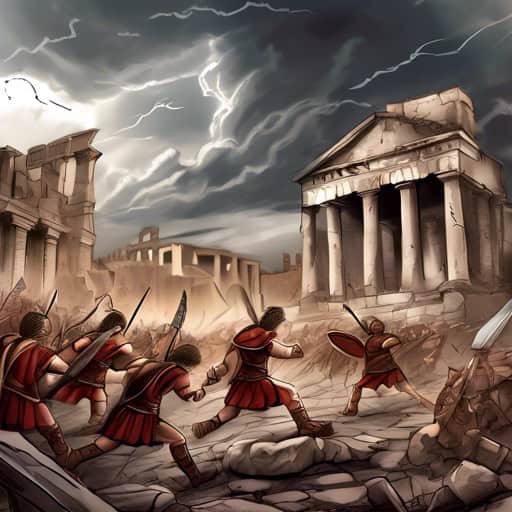
Unravel the mystery of Rome's turbulent era in the Third Century.
How Do You Learn Best?
Learn by Reading
Immerse yourself in the 10-minute visual lesson for a comprehensive understanding of the topic.
Learn by Reviewing
Jump directly to the key facts, timeline, and vocabulary lists to build a solid foundation of details.
Learn by Doing
Challenge yourself! Jump straight into the interactive games to learn by trial, error, and discovery.
Crisis of the Third Century in 10 Minutes
Introduction
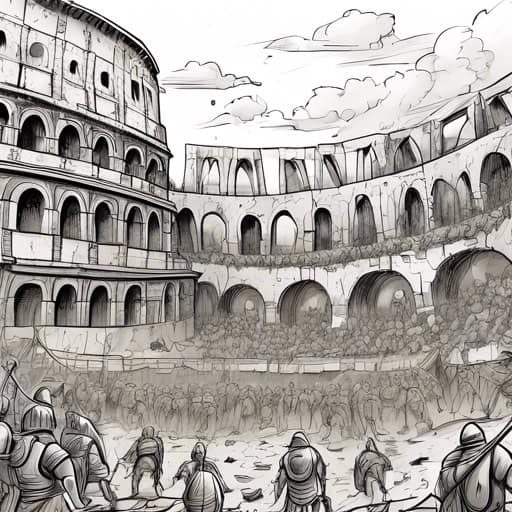
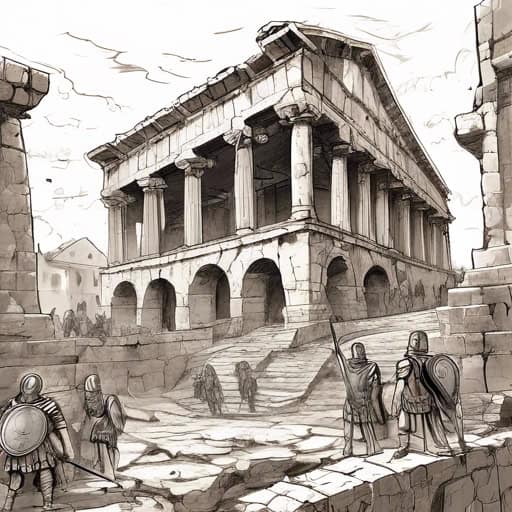
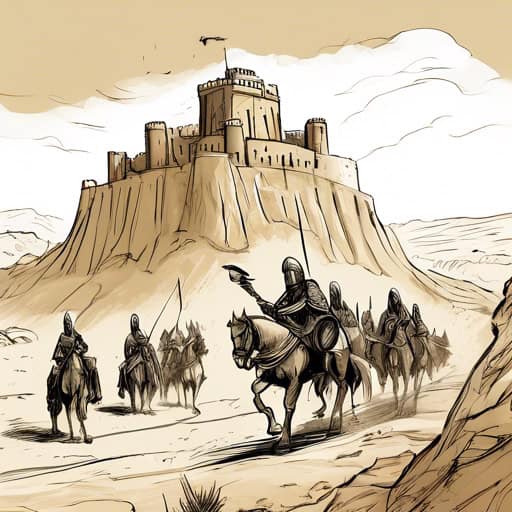
Emperor Valerian
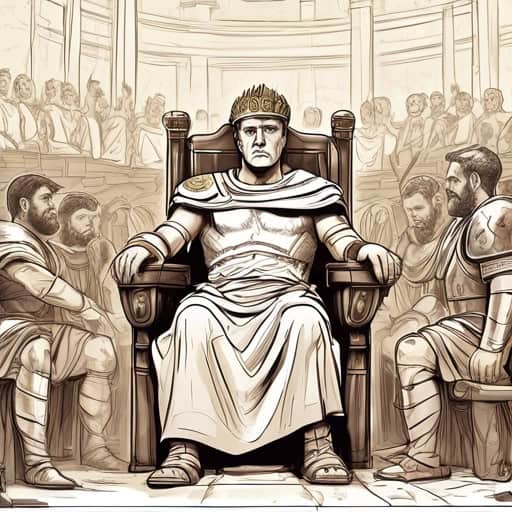
Emperor Gallienus
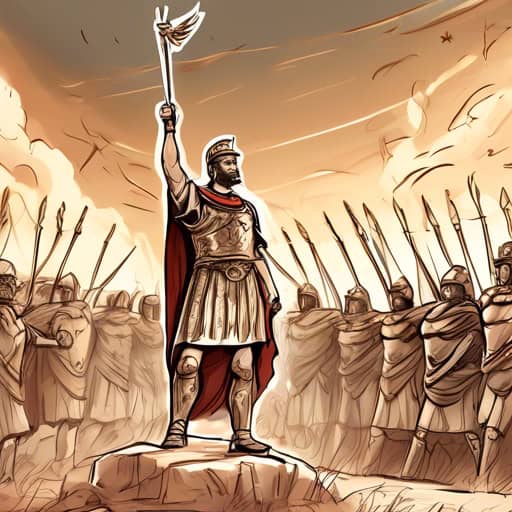
Emperor Aurelian
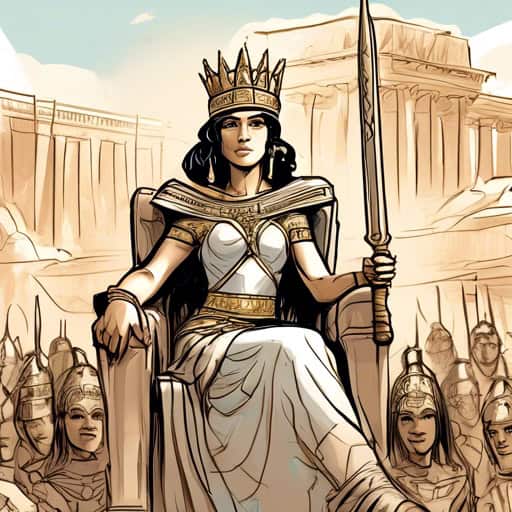
Palmyrene Queen Zenobia
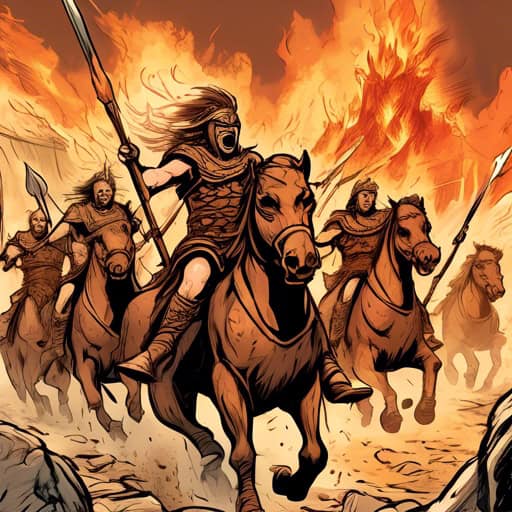
Barbarian Invaders

1. Severan Dynasty

2. Military Anarchy

3. Economic Decline

4. Barbarian Invasions
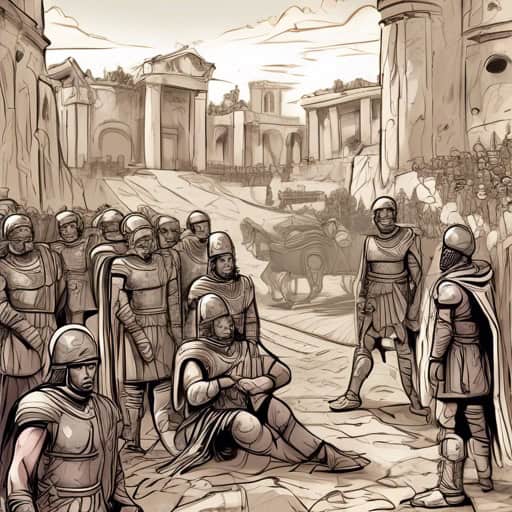
5. Valerians Capture

6. Palmyrene Empire

7. Aurelians Reforms

8. Diocletians Reforms

9. Constantines Rise

10. Legacy of the Crisis
Lesson Details & Resources
In a Nutshell
- What: A period of political, military, and economic turmoil in the Roman Empire.
- When: 235 AD to 284 AD
- Who: Various Roman emperors, including Maximinus Thrax, Philip the Arab, and Aurelian.
- Outcome: Severely weakened the Roman Empire and led to increased decentralization and barbarian invasions.
Famous Figures in the Crisis of the Third Century
-
Gordian I
Gordian I: Roman Emperor who reigned for only 21 days in 238 AD before his death.
-
Gordian II
Gordian II: Co-emperor with his father Gordian I, ruled for a brief period in 238 AD.
-
Decius
Decius: Roman Emperor from 249 to 251 AD, known for his persecution of Christians.
-
Valerian
Valerian: Roman Emperor from 253 to 260 AD, captured by the Persians and died in captivity.
-
Gallienus
Gallienus: Roman Emperor from 253 to 268 AD, faced numerous military and political challenges during his reign.
-
Claudius Gothicus
Claudius Gothicus: Roman Emperor from 268 to 270 AD, known for his successful military campaigns against the Goths.
-
Aurelian
Aurelian: Roman Emperor from 270 to 275 AD, restored the Roman Empire's territories and reformed its administration.
-
Zenobia
Zenobia: Queen of the Palmyrene Empire, she rebelled against Rome during the Crisis and briefly established an independent state.
-
Diocletian
Diocletian: Roman Emperor from 284 to 305 AD, implemented wide-ranging reforms to stabilize the empire and end the Crisis.
Timeline of Crisis of the Third Century
Year of the Five Emperors
Maximinus Thrax becomes emperor
Gordian I and Gordian II declared emperors
Gordian I and Gordian II die in battle against Maximinus Thrax
Pupienus and Balbinus declared emperors
Pupienus and Balbinus assassinated, Gordian III becomes emperor
Gordian III assassinated, Philip the Arab becomes emperor
Philip the Arab defeated and killed by Decius
Decius becomes emperor
Decius killed in battle against the Goths
Gallus becomes emperor
Gallus executed and Aemilianus becomes emperor
Aemilianus killed in battle against Valerian
Valerian becomes emperor
Valerian captured by the Sassanids
Gallienus becomes sole emperor
Battle of Edessa, Shapur I defeats Valerian's forces
Gallienus assassinated, Claudius II becomes emperor
Claudius II defeats the Goths at the Battle of Naissus
Claudius II dies of plague, Aurelian becomes emperor
Vocabulary List
- Crisis of the Third Century
- The Crisis of the Third Century, also known as the Imperial Crisis, was a period in which the Roman Empire faced multiple challenges including political instability, economic collapse, and invasions.
- Roman Empire
- The Roman Empire was a vast and powerful state that existed from 27 BC to 476 AD, encompassing territories in Europe, Africa, and Asia. It faced significant challenges during the Crisis of the Third Century.
- Political instability
- During the Crisis of the Third Century, the Roman Empire experienced frequent changes in leadership, civil wars, and usurpations, leading to political instability and a lack of effective governance.
- Economic collapse
- The Crisis of the Third Century saw a severe economic downturn in the Roman Empire, marked by hyperinflation, declining trade, devaluation of currency, and disruptions in agriculture and production.
- Invasions
- The Crisis of the Third Century was characterized by numerous invasions and raids by barbarian tribes such as the Goths, Vandals, and Persians, which further weakened the Roman Empire.
- Usurpations
- During the Crisis of the Third Century, several military commanders and provincial governors declared themselves emperors through usurpations, leading to a fragmented and divided empire.
- Hyperinflation
- Hyperinflation refers to an extremely rapid and out-of-control increase in prices, usually caused by excessive money supply. The Crisis of the Third Century saw hyperinflation in the Roman Empire, resulting in economic chaos.
- Barbarian tribes
- Barbarian tribes were non-Roman groups from various regions such as Germania, Gaul, and the East, who frequently raided and invaded the Roman Empire during the Crisis of the Third Century.
- Civil wars
- The Crisis of the Third Century was marked by numerous civil wars within the Roman Empire, as different factions and military leaders fought for control of the imperial throne.
- Effective governance
- During the Crisis of the Third Century, the Roman Empire lacked effective governance and central authority, leading to political instability, economic collapse, and territorial losses.
Key Facts
This is the information used in the fact matching game
- The Crisis of the Third Century refers to a period of political, military, and economic instability in the Roman Empire from 235 to 284 AD.
- The crisis was characterized by frequent changes in emperors, civil wars, barbarian invasions, economic decline, and social unrest.
- During this period, the Roman Empire faced invasions from various Germanic tribes, including the Goths, Vandals, and Alamanni.
- The crisis led to the fragmentation of the Roman Empire, with several regions breaking away and forming their own independent states.
- Emperor Valerian was captured by the Persian Empire during the crisis, making him the first Roman emperor to be taken captive by a foreign power.
- The economic decline during the crisis resulted in hyperinflation and a significant devaluation of the Roman currency.
- The crisis weakened the central authority of the Roman Empire and led to the rise of powerful regional military commanders known as the 'barracks emperors.'
- The military instability during the crisis made the empire vulnerable to external threats, allowing the Sassanian Persians to seize several Roman provinces.
- The crisis resulted in widespread civil unrest and revolts, with several provinces and cities rebelling against the central Roman authority.
- The Roman Empire faced a significant decline in population during the crisis due to wars, invasions, and plagues.
- The Crisis of the Third Century is considered a turning point in Roman history and marked the beginning of the Late Roman Empire.
- The crisis had a major impact on the Roman military, leading to the transformation of the army and the recruitment of more barbarian soldiers.
- The Roman Empire faced a series of plagues during the crisis, including the Plague of Cyprian, which further weakened the empire.
- The crisis saw the rise of several short-lived and often incompetent emperors who were unable to effectively govern and stabilize the empire.
- The Crisis of the Third Century resulted in a decline in urban life and a shift towards rural and agricultural lifestyles.
- The crisis also witnessed the rise of Christianity as a prominent religion within the Roman Empire.
- The Roman Empire faced significant financial difficulties during the crisis, leading to increased taxation and confiscation of property.
- The crisis saw the emergence of regional and local power centers, challenging the authority of the central Roman government.
- The Crisis of the Third Century ended with the ascension of Emperor Diocletian, who implemented various reforms to stabilize the empire.
- The crisis had a long-lasting impact on the Roman Empire, leading to its eventual decline and fall in the 5th century AD.
Analysis & Significance
Immediate Consequences
The Crisis of the Third Century, marked by political instability, economic turmoil, and military upheaval, led to widespread chaos and disruption across the Roman Empire. Civil wars, invasions by barbarian tribes, and frequent changes in leadership weakened the empire’s unity and ability to govern effectively.
Long-Term Impact
This period of crisis had lasting effects on the Roman Empire, ultimately contributing to its decline and fall. The weakened state of the empire made it vulnerable to external threats, paving the way for the rise of new powers and the eventual fragmentation of the Roman territories.
Cultural Significance Today
The Crisis of the Third Century serves as a cautionary tale about the consequences of political instability, economic collapse, and military unrest. It reminds us of the fragility of even the most powerful empires and the importance of strong leadership and effective governance in maintaining stability and prosperity. The lessons learned from this tumultuous period continue to resonate in today’s world, highlighting the need for resilience and adaptability in the face of challenges.
Crisis of the Third Century Games


Take Your Learning Offline
Want a convenient, print-ready study guide for this lesson? Become a Memory Wizards Pro member to unlock the downloadable " Memory Scrolls" for this topic and our entire library!
- ✓ Complete Vocabulary Lists
- ✓ Key Facts & Timelines
- ✓ Beautifully Formatted for Print & Mobile